
Discover the future of
Japanese Knotweed Treatment
Thermo-electric treatment is a specialist, chemical-free method of Japanese Knotweed treatment using controlled electrical energy rather than herbicides. This page explains how the technology works, what happens during a treatment visit, where it may be suitable and how JKWA combines it with monitoring and other methods to achieve sustained control.
Whether you are a homeowner, property buyer, surveyor, developer or local authority, understanding the process and its limitations helps you make an informed decision. Every site is assessed individually, and we will always tell you honestly whether thermo-electric treatment, another method or a combination is the right approach for your circumstances.
Thermo-Electric TreatmentWhat is it?
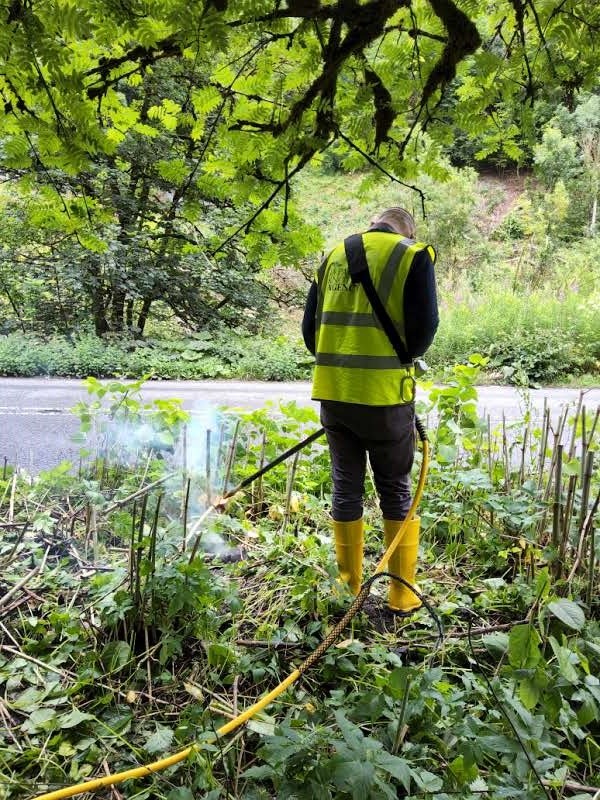
Thermo-electric treatment is a specialist method of controlling unwanted vegetation using electrical energy rather than chemical herbicides. Japanese Knotweed Agency uses high-voltage electro-thermal technology to apply electrical energy directly to suitable Japanese knotweed vegetation.
As electrical current passes through plant tissues, resistance generates heat. This heating can damage cell structures, disrupt the plant's normal biological functions and cause treated vegetation to wilt and die back. Unlike conventional herbicide application, the process does not depend on spraying or injecting chemical weedkillers.
Japanese knotweed presents a particular challenge because much of the plant's capacity to regenerate lies below ground in its extensive rhizome network. Thermo-electric treatment is intended to damage living plant tissues, including accessible connected underground structures where sufficient energy reaches them. However, the depth and extent of underground damage cannot be assumed from the visible response of the stems alone.
For that reason, Japanses Knotweed Agency uses a considered approach involving site assessment, appropriate treatment applications, monitoring and further intervention where necessary.
Thermo-Electric TreatmentHow does it work?
Japanese knotweed is difficult to manage because its underground rhizomes store energy and can produce new growth even after the visible stems have been damaged or removed. Thermo-electric technology offers a different means of attacking living plant tissue, using electrical energy and heat instead of chemical herbicides.
Step 1 — Survey and Assessment
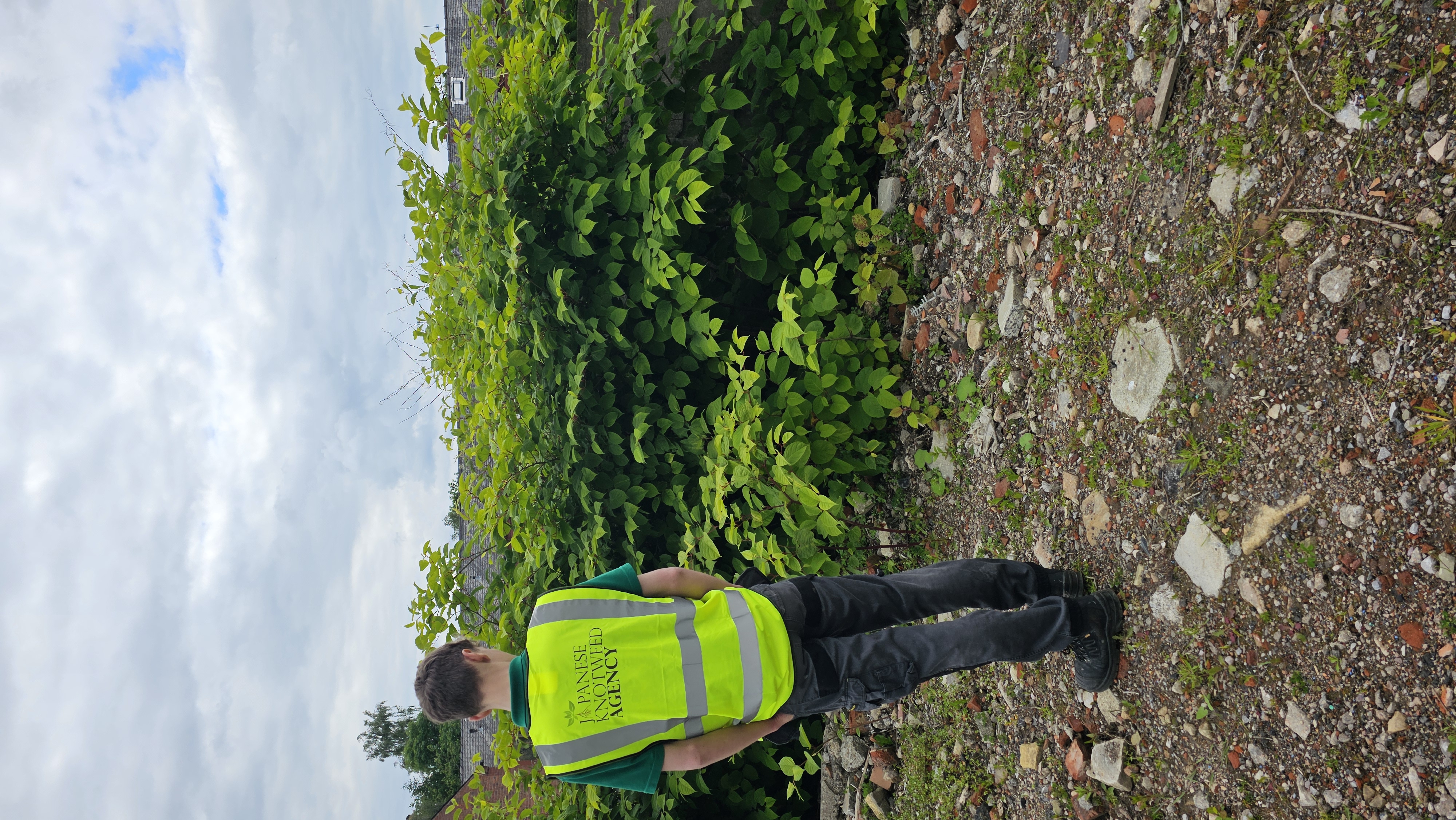
JKWA begins by examining the infestation and its surroundings. We consider the visible extent of the Japanese knotweed, previous treatment history, accessibility, neighbouring land, underground services, buildings, structures and environmental sensitivities. We also assess whether thermo-electric treatment is suitable or whether another method, or a combination of methods, would provide a better solution.
Step 2 — Preparing the Treatment Area
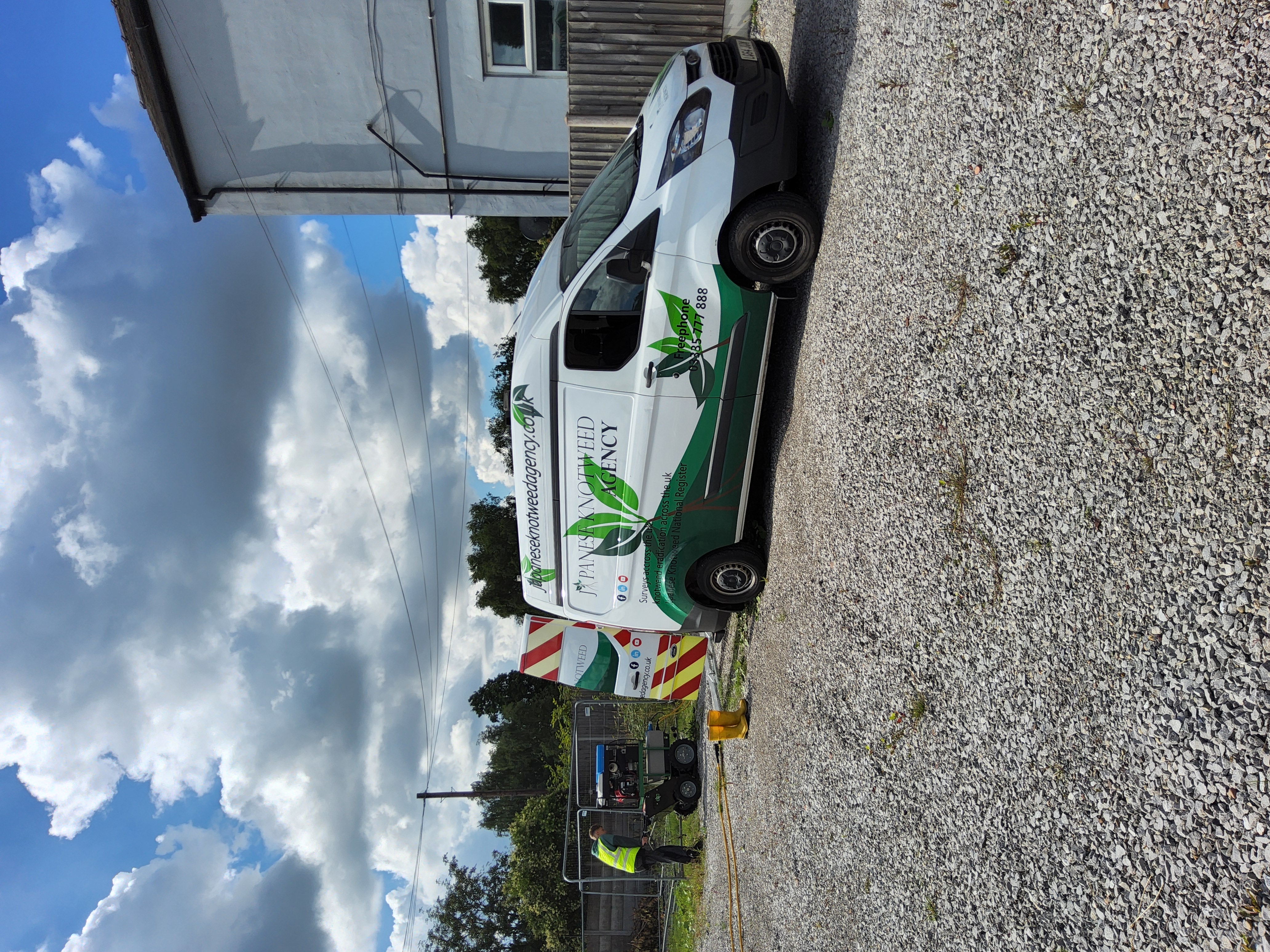
Before treatment, our operatives establish appropriate working arrangements. These include site-specific risk assessments, electrical safety precautions, equipment checks and measures to protect people, services and nearby infrastructure. The treatment area must be suitable for the equipment and the proposed application.
Step 3 — Direct Treatment of the Plant
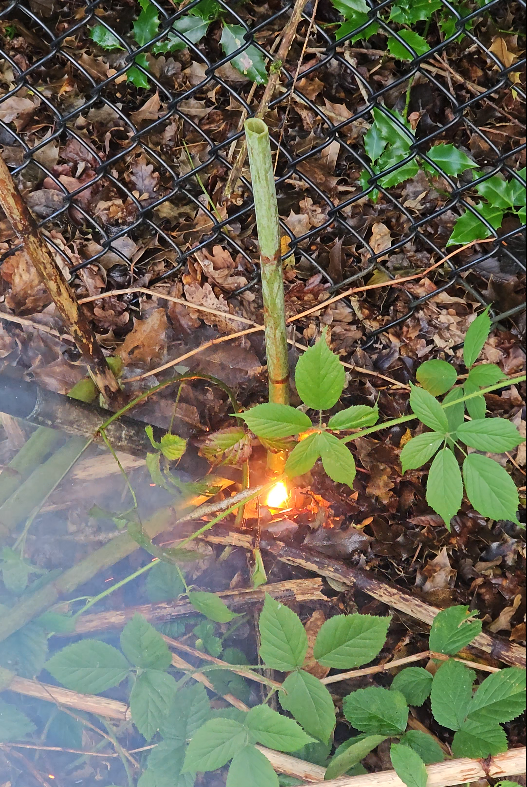
Specialist equipment applies electrical energy to the plant. Electrical current passing through suitable plant tissues generates heat and can damage living cells. The resulting effects depend on factors including the plant's condition, the treatment contact, electrical pathway, equipment settings and duration of application.
Step 4 — Visible Plant Response
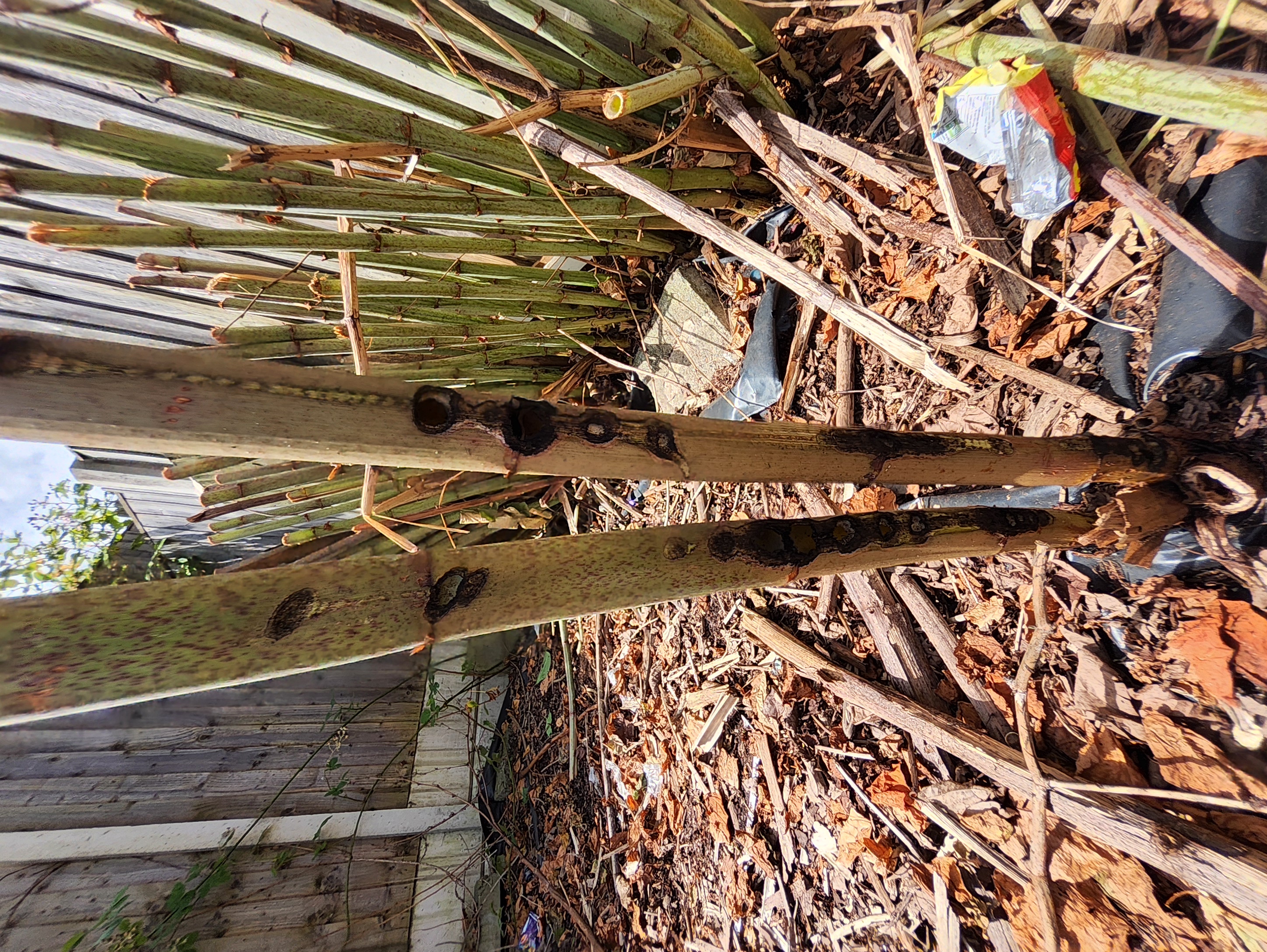
Following treatment, the affected vegetation may show wilting, discolouration, loss of vigour and dieback. These changes can demonstrate that treatment has affected the exposed plant tissues. However, they do not automatically establish that every underground rhizome has been destroyed.
Step 5 — Monitoring and Further Treatment
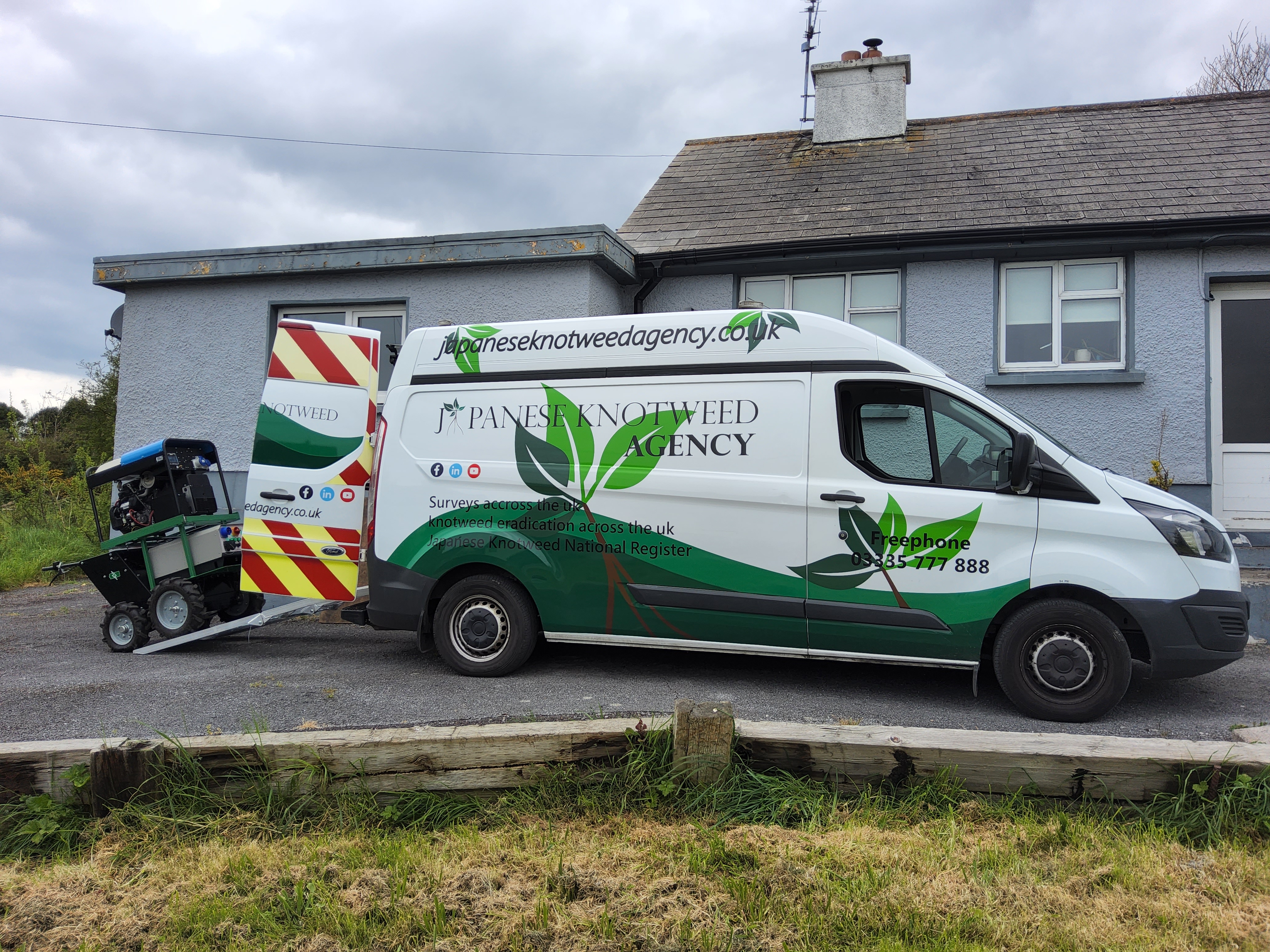
JKWA monitors the treated area for new growth. Where regrowth occurs, we assess its location and extent and determine whether additional thermo-electric treatment or another targeted intervention is required. The objective is sustained control and, where achievable and appropriately evidenced, elimination of viable knotweed from the defined treatment area.
Japanese Knotweed Thermo-Electric TreatmentSee the technology in action
Understanding how thermo-electric technology is applied is easier when you can see the equipment operating. Watch the demonstration below to learn more about this specialist approach to invasive weed treatment.
Thermo-Electric TreatmentWhy choose it?
Conventional Japanese knotweed management has historically relied heavily on herbicide programmes or excavation. Both methods have legitimate uses, but they are not necessarily the best solution for every site. JKWA believes clients should have access to a wider range of specialist treatment options, including technologies that reduce reliance on chemicals and avoid unnecessary disturbance.
Chemical-Free Treatment
Thermo-electric treatment uses electrical energy rather than chemical weedkillers. No glyphosate or other herbicide is applied as part of the electrical treatment process. This can be particularly valuable for clients seeking to reduce chemical use on their land.
Treatment Where It Is Needed
Electrical treatment can be directed at accessible Japanese knotweed plants. This enables JKWA to plan targeted interventions rather than automatically treating a wider area with herbicide or excavating large quantities of ground.
Protecting the Existing Ground
Where thermo-electric treatment is suitable, extensive soil excavation may be avoided. This can help preserve gardens, landscaping and other site features while reducing the need to handle potentially contaminated soil.
Less Soil to Remove
Japanese knotweed excavation can generate significant volumes of material requiring careful handling, transport and disposal. A successful in-situ treatment programme may substantially reduce these activities.
Part of a Wider Solution
Thermo-electric treatment does not have to be used in isolation. JKWA can combine it with targeted excavation, invasive weed suction, root barriers and monitoring to address site-specific problems.
Innovation with Responsibility
JKWA is committed to developing practical approaches that reduce unnecessary chemical application and ground disturbance. Every proposed treatment must still be assessed for electrical, ecological and operational safety.
Treating Japanese Knotweed with Thermo-ElectricUnderstanding what lies beneath
Japanese knotweed is not simply the collection of tall stems and leaves visible during the growing season. Its underground rhizome network is capable of storing energy and producing new growth. This is why cutting down stems, removing leaves or observing dead vegetation does not necessarily mean the infestation has been eliminated.
Thermo-electric treatment damages living plant tissue through electrical heating. Where treatment affects connected underground tissue, it may also damage parts of the rhizome system. However, rhizomes can extend beyond the visible stems, and some viable material may remain beyond the effective treatment area. JKWA therefore considers three distinct outcomes.
Visible Dieback
The treated stems and leaves wilt or die. This is an observable treatment response, but it does not establish complete rhizome destruction.
Sustained Control
Follow-up inspections demonstrate reduced growth, reduced vigour or an absence of regrowth over a defined period. This provides evidence of treatment progress, although dormant viable rhizomes may still be present.
Verified Outcome
The site is assessed against the objectives of its management plan, supported by monitoring records and, where necessary, additional investigation. Any statement about eradication must be proportionate to the available evidence and the defined site area.
At JKWA, we believe treatment outcomes should be judged by evidence over time, not simply by how quickly the visible plant collapses.
Different Ways to Tackle Japanese Knotweed
There is no single treatment method suitable for every Japanese knotweed infestation. The right choice depends on the location, the extent of the rhizomes, site constraints, the client's objectives and the time available.
Thermo-Electric
Chemical-Free, Targeted Treatment
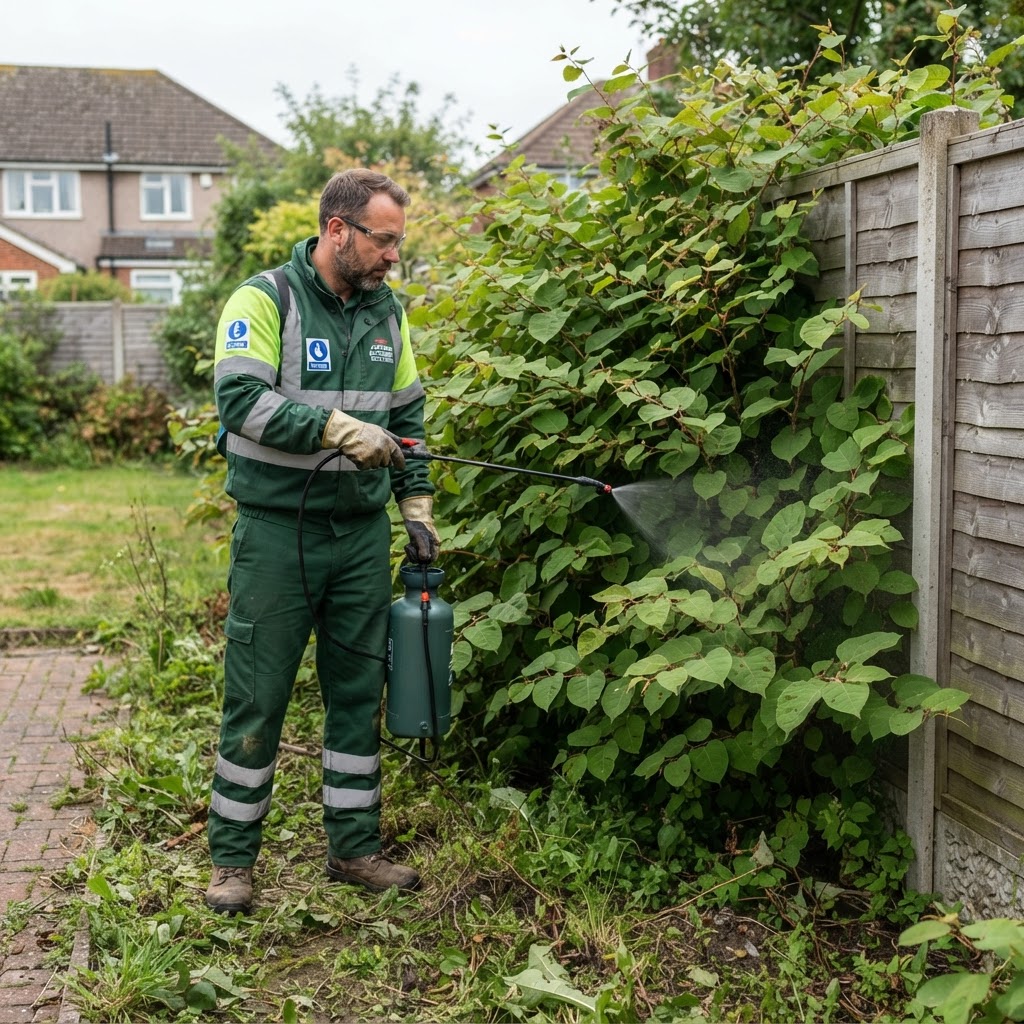
Herbicide
Conventional Chemical Treatment
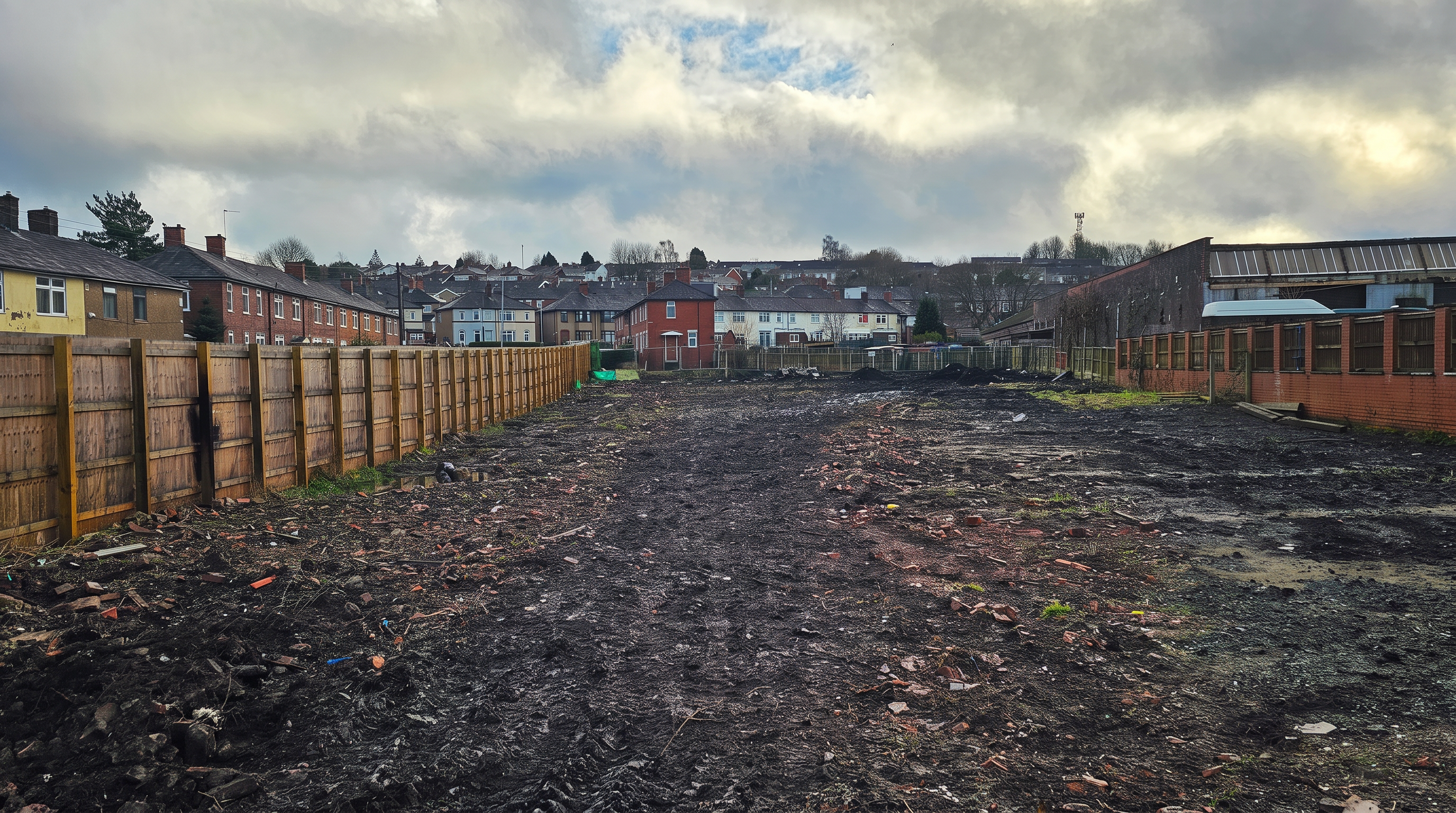
Excavation
Physical Removal of Affected Material
We assesses each Japanese Knotweed infestation individually. Our experience with thermo-electric technology, controlled excavation, invasive weed suction and root barriers allows us to consider more than one method when developing a practical management plan. Our priority is the right solution for the site — not automatically the same treatment for every property.
Japanese Knotweed AgencyResponsible Environmental Practices
Our Thermo-Electric technology offers an alternative approach to Japanese Knotweed management without the application of chemical herbicides. By using targeted electrical treatment, it can help reduce reliance on chemical control methods and, where site conditions permit, minimise the need for extensive excavation and the associated handling and movement of affected soil.
At Japanese Knotweed Agency, we recognise the importance of balancing effective invasive plant management with responsible environmental practices. Our approach considers the specific characteristics of each site, aiming to minimise unnecessary ground disturbance, material movement and intervention while selecting an appropriate strategy to achieve the required management objectives.
Environmental performance depends on the overall programme of works, including equipment operation, electricity consumption, transportation, monitoring visits and any supplementary measures required. We therefore take a considered, site-specific approach to treatment, with an emphasis on practical management, reduced chemical reliance and the responsible use of resources.
Thermo-Electric Treatment Case StudiesReal Sites. Real Challenges. Practical Solutions.
See more case studiesJapanese Knotweed Agency has experience assessing and treating Japanese knotweed in a wide variety of circumstances, including residential gardens, boundaries, hardstanding, commercial premises and infrastructure-sensitive locations.
Our work has highlighted the importance of understanding the full site rather than selecting a treatment based only on the visible vegetation. Thermo-electric technology forms part of our wider approach to reducing reliance on conventional herbicide programmes and avoiding unnecessary excavation.
Residential Garden Treatment & Regrowth Monitoring
The challenge: Infestation extent, access and constraints in a domestic garden setting.
Treatment Around Hardstanding and Drainage
The challenge: Japanese knotweed treatment where excavation would disrupt hardstanding and drainage infrastructure.
Hybrid Thermo-Electric and Excavation
The challenge: Boundary or infrastructure-sensitive environment requiring a combined method approach.
Frequently Asked Questions
Japanese Knotweed on your property?Let's Find the Right Solution
Whether you're dealing with a small garden infestation, Japanese knotweed close to a boundary, or a more complex commercial or development site, JKWA can assess the circumstances and explain the available treatment options.
Our specialist approach includes thermo-electric treatment, excavation, invasive weed suction, root barriers and monitoring. We believe in choosing the method that best suits the site rather than automatically recommending the same treatment for every infestation.
Japanese Knotweed Agency — Specialist Knowledge. Innovative Methods. Practical Solutions.