
Protect Your Property from
Japanese Knotweed Spread
Root barriers provide a specialist physical defence against the underground spread of Japanese Knotweed. Designed to restrict rhizome movement, they can help protect property boundaries, buildings, driveways, underground services and development sites from encroaching growth.
Whether you are a homeowner, property professional, developer or local authority, understanding the role of root barriers can help you make informed decisions about protecting your site. Every project is assessed individually to determine whether a root barrier, excavation or a combination of management methods is the most appropriate solution.
Typical drop in property value caused by knotweed.
Properties affected across the UK.
Impacted by Japanese knotweed.
Total estimated reduction in UK property values.
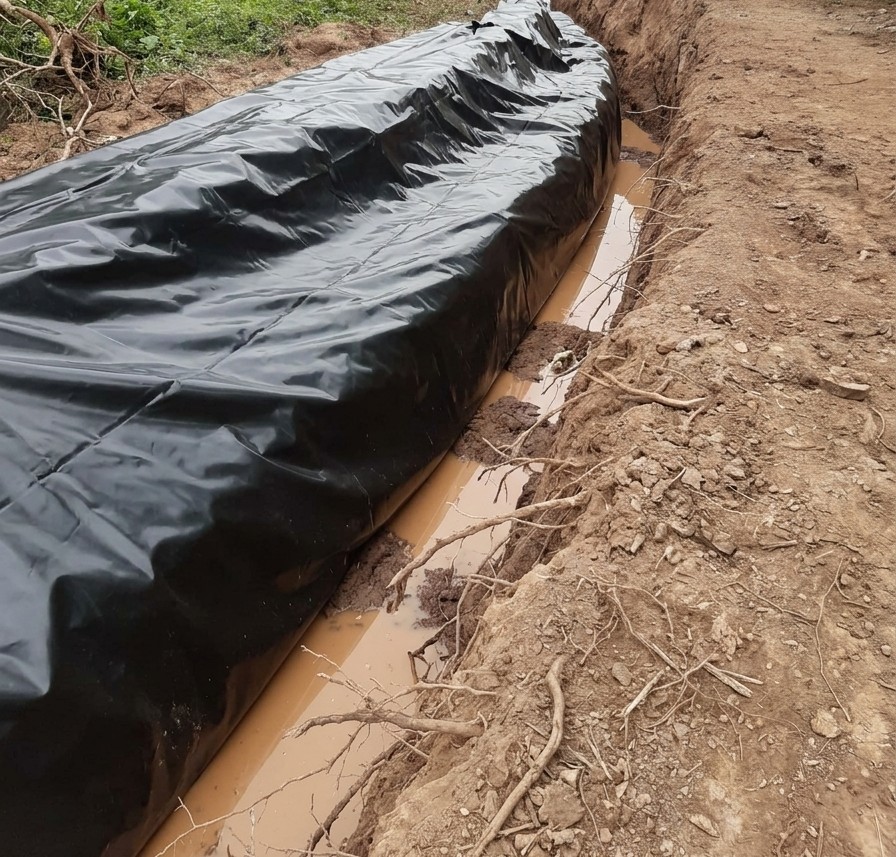
Japanese Knotweed Root BarriersWhat is a root barrier?
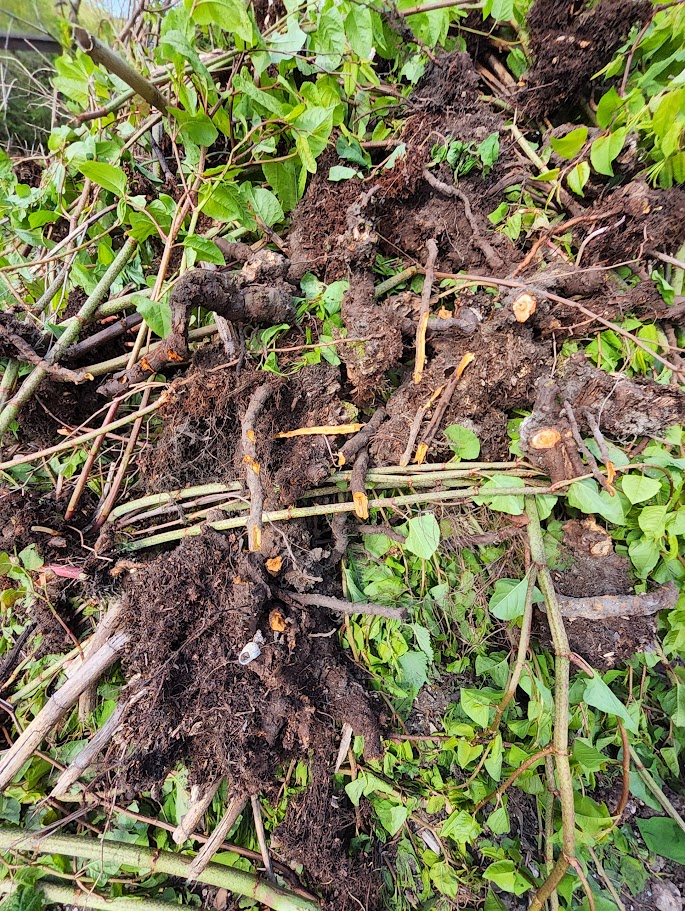
A Japanese knotweed root barrier is a durable, root-impermeable membrane installed vertically or horizontally in the ground to prevent rhizomes from spreading through the soil. Japanese knotweed spreads aggressively underground through these rhizomes, and a correctly installed barrier creates a physical line of defence that protects the area behind it.
Barriers are commonly used along property boundaries to stop growth encroaching from neighbouring land, around buildings, foundations, patios, driveways and buried services, and on development sites where a clean, protected zone is required before construction begins.
A barrier is not a treatment for Japanese knotweed itself. It controls where the plant can spread rather than killing it, so it is normally combined with treatment, excavation or monitoring as part of a managed programme. Where a barrier is installed without managing the source of the infestation, regrowth can still occur on the unprotected side.
Do you know whatJapanese Knotweed is?
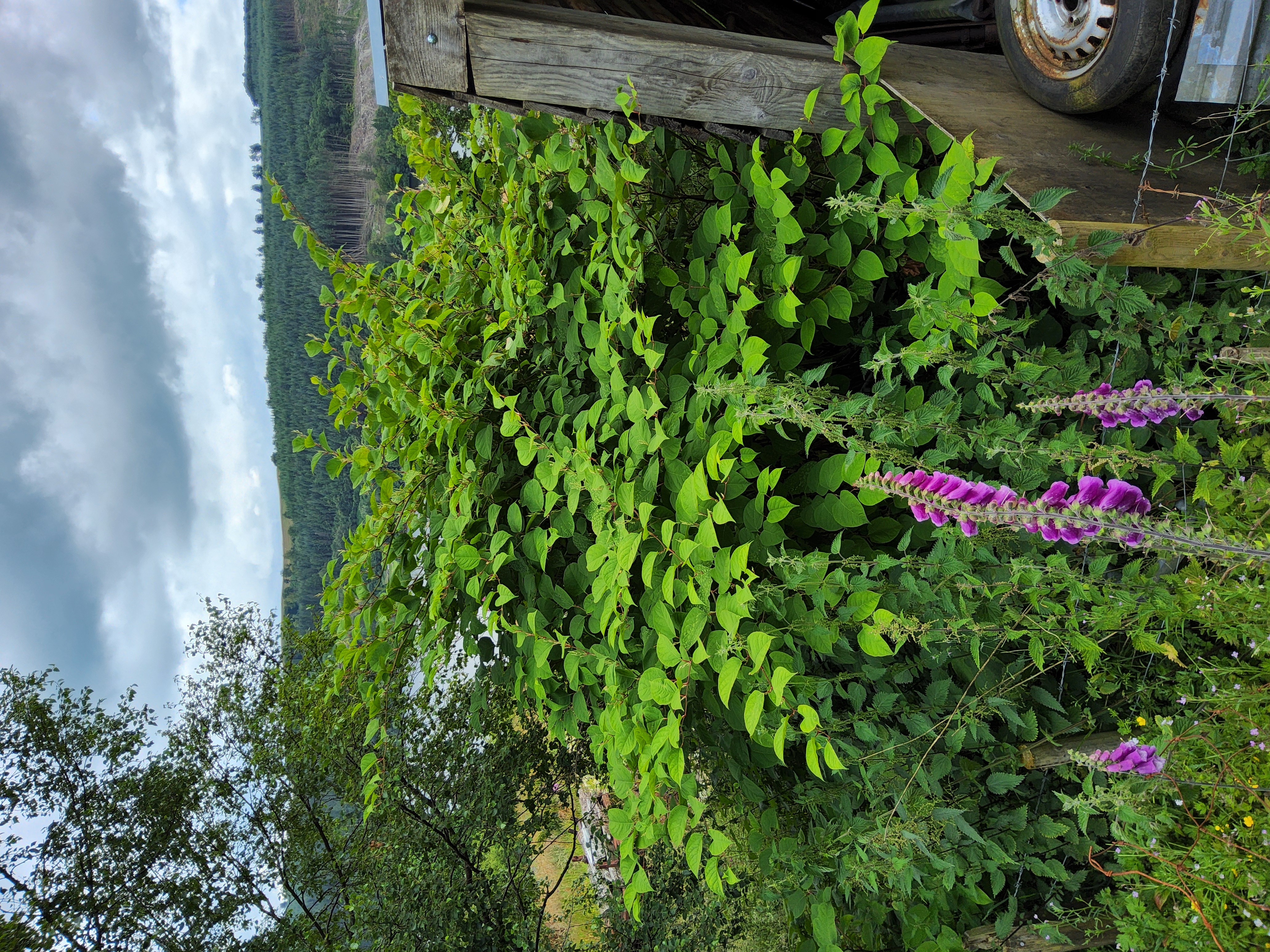
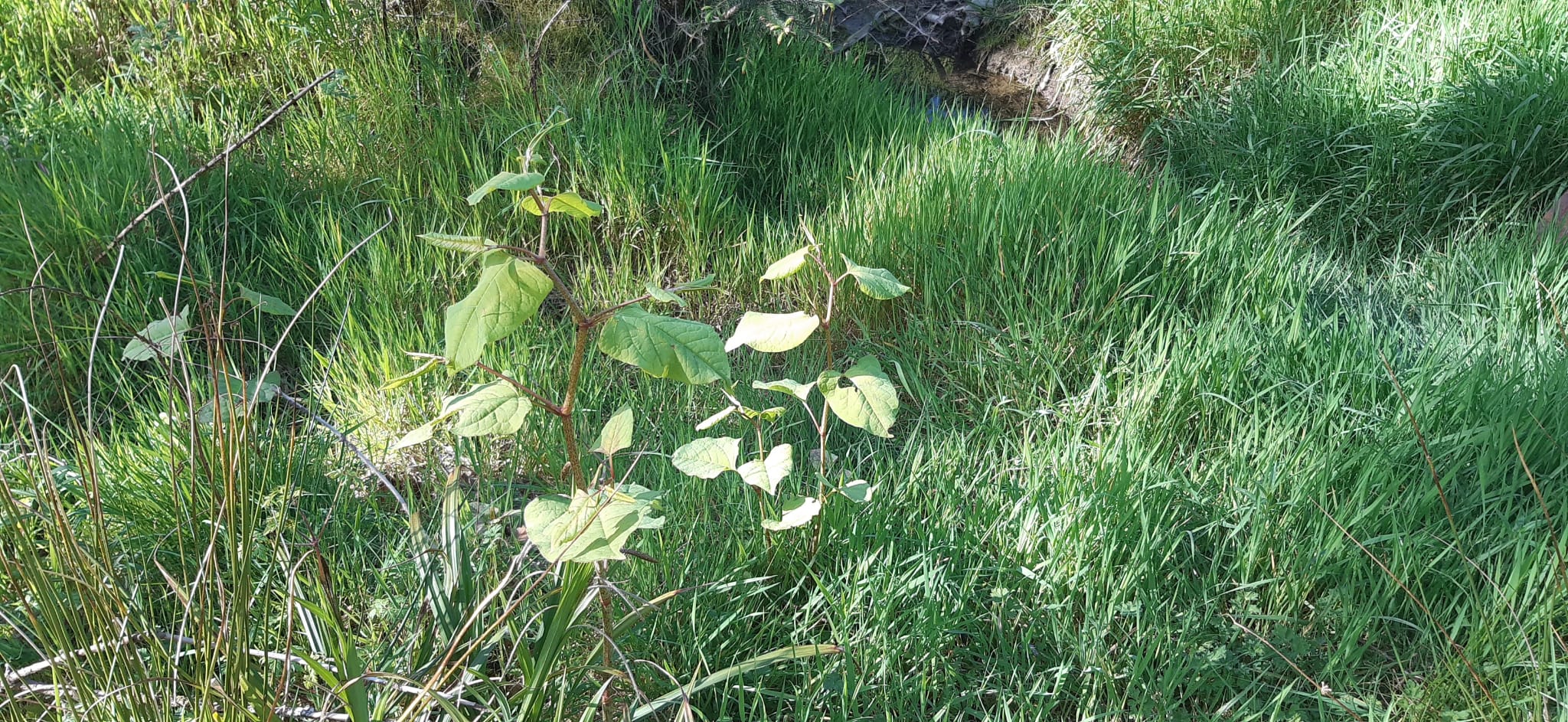
Japanese Knotweed is a highly invasive plant capable of forming dense stands that can affect property boundaries, infrastructure and surrounding habitats. Its extensive underground rhizome network enables it to spread beyond visible growth, making effective management particularly important where buildings, neighbouring land or planned development may be affected.
Japanese knotweed is a fast-growing perennial plant introduced to the UK in the nineteenth century, dying back each winter and regrowing from the same root system every spring. Its spread is driven by a deep network of rhizomes rather than seed, and fragments as small as a fingernail can produce new plants, which is why disturbing affected soil is a problem. It can also affect property values, lending and development, and must be handled as controlled waste, with legal duties around its spread where it grows.
Japanese Knotweed Root BarrierHow does it work?
Japanese Knotweed root barriers are designed to restrict the spread of underground rhizomes and help prevent them from encroaching into protected areas. These specialist membranes are installed within the ground to create a physical separation between affected soil and the areas requiring protection.
The depth, orientation and specification of a root barrier must be determined by the site conditions, the extent of the infestation and the intended purpose of the installation. Although Japanese Knotweed rhizomes are commonly found in the upper soil layers, they can extend deeper in certain circumstances. Barrier depth should therefore be assessed on a site-specific basis rather than relying on a fixed installation depth.
Depending on the system specified, barriers may be installed vertically or at an angle to help manage rhizome growth and reduce the risk of encroachment beneath or around the barrier. Correct installation is essential, including appropriate depth, secure joints and continuity with surrounding structures or ground conditions.
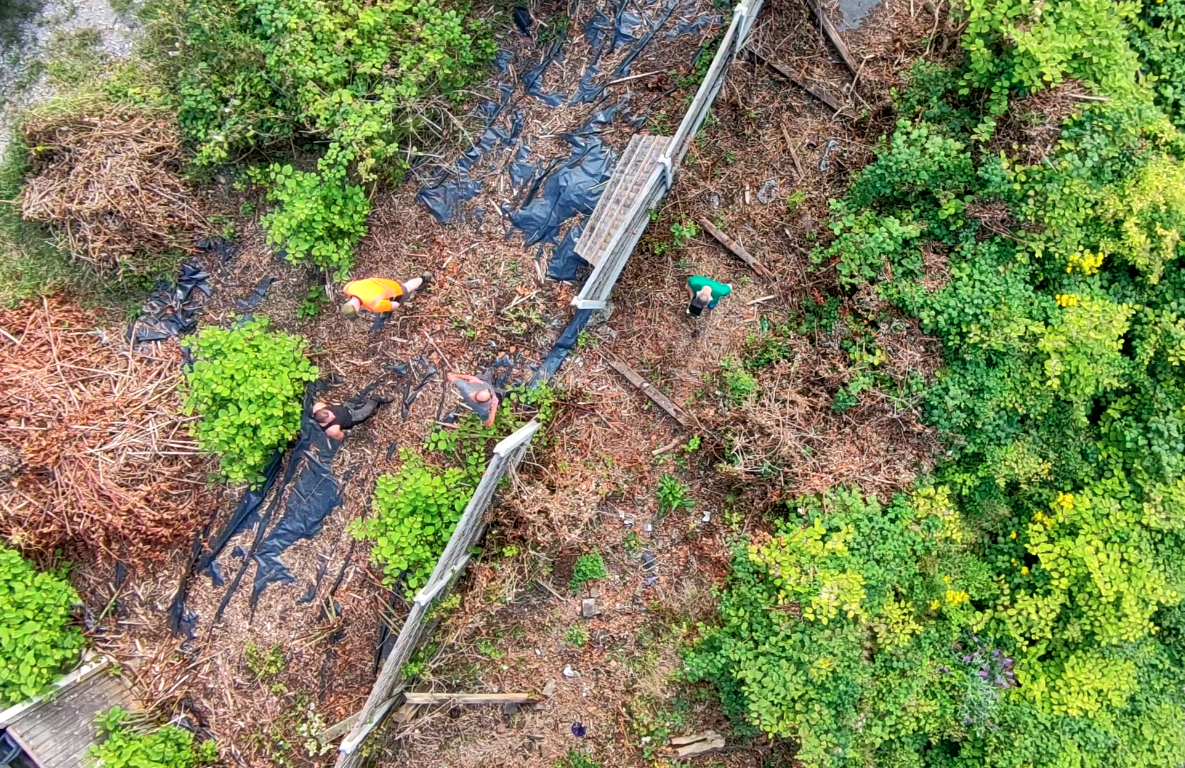
Step 1Survey and Assessment
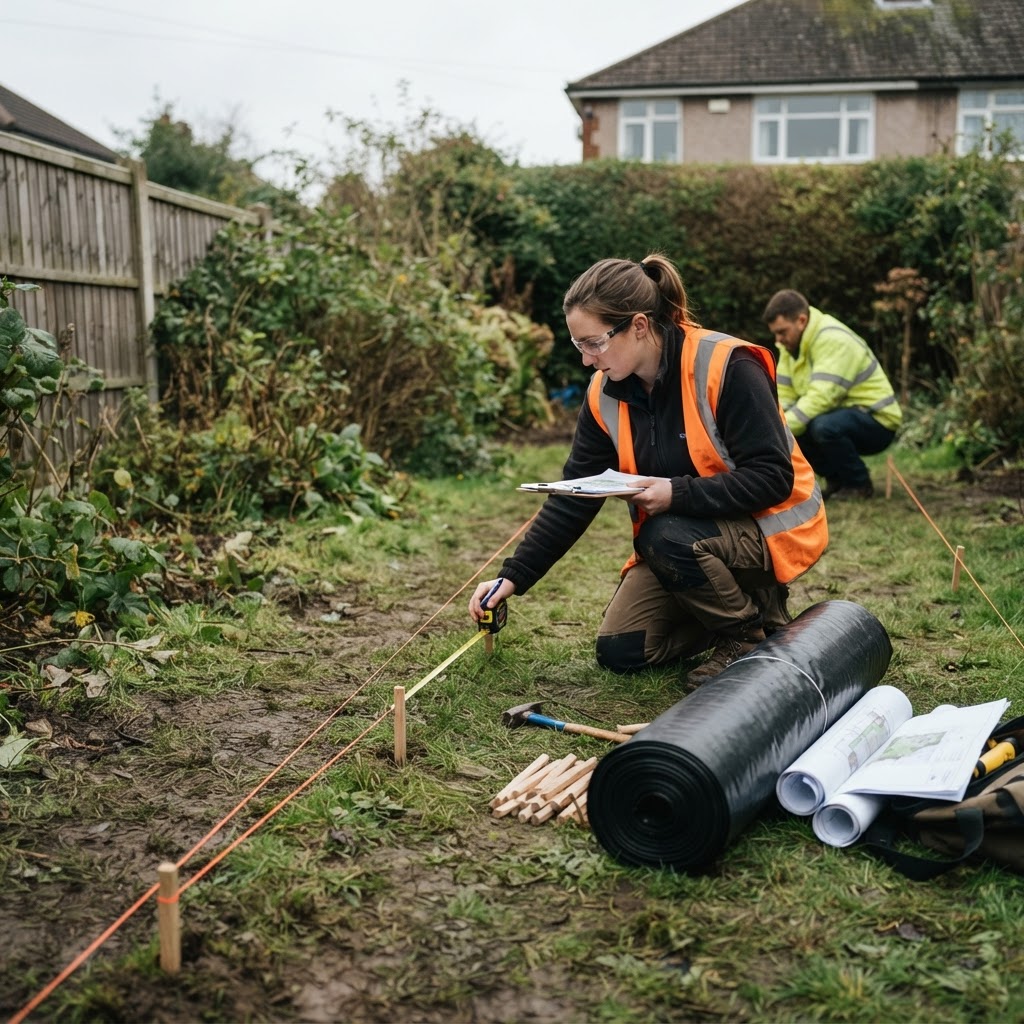
We begin by examining the infestation, the surrounding ground and what needs to be protected. We consider the visible extent of the knotweed, the likely spread of the rhizomes, neighbouring land, buildings, buried services and access. This assessment determines whether a barrier is appropriate and, if so, what form it should take.
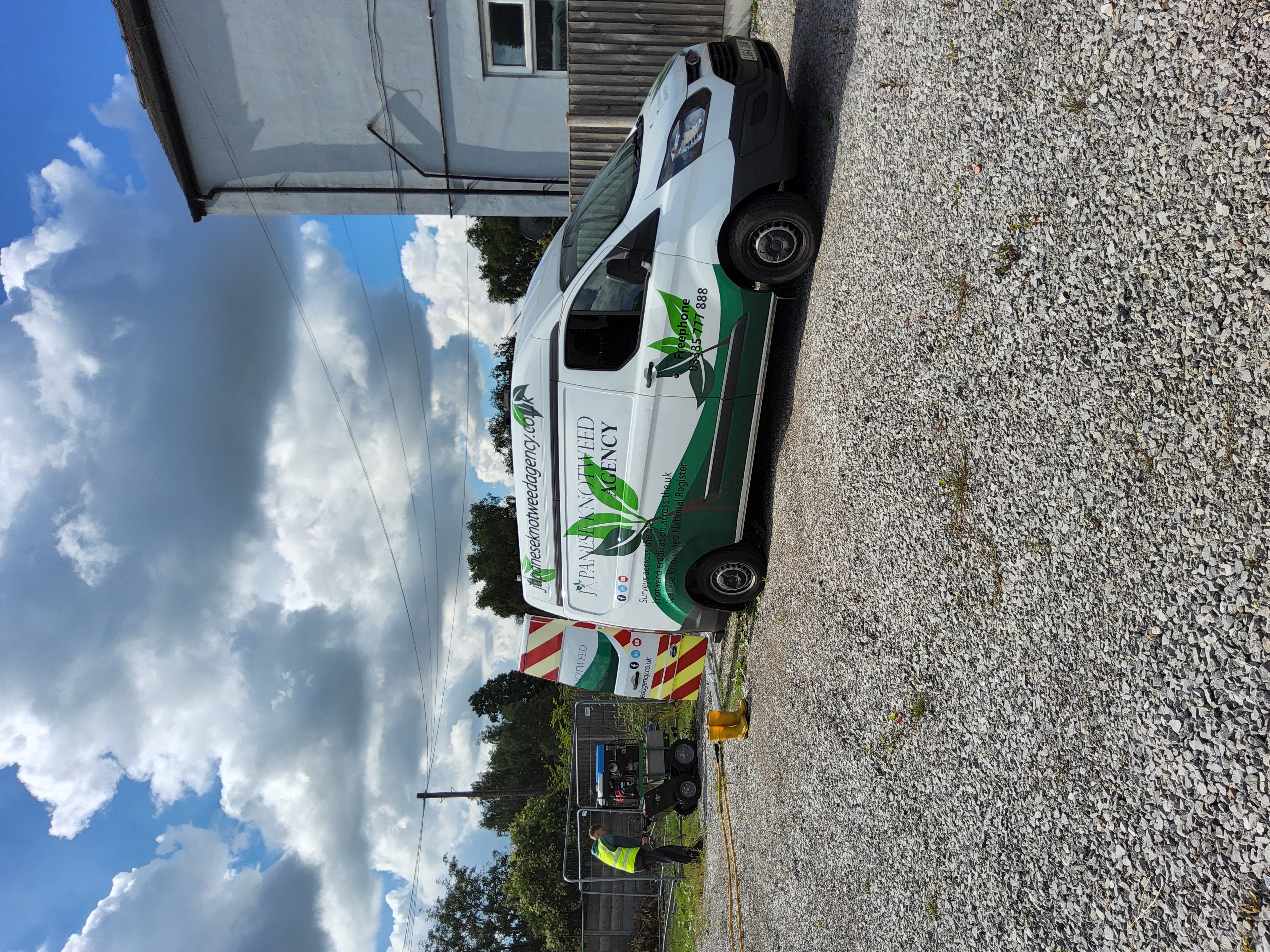
Step 2Barrier Design
The barrier is designed around the site. We specify the material, depth and line of the membrane so that it forms a continuous, correctly overlapped defence with no gaps. The design also takes account of how the infestation itself will be managed, since a barrier controls spread rather than removing the plant.
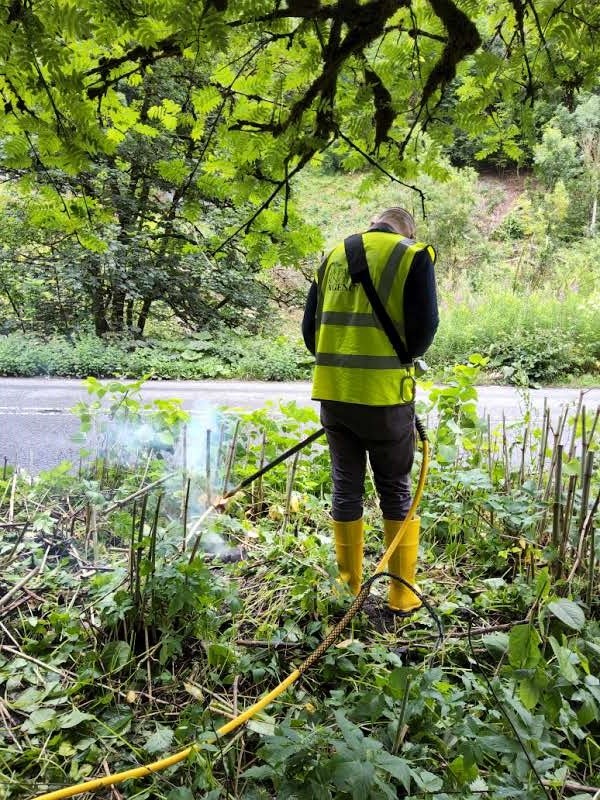
Step 3Method Statement and Preparation
Before works begin we prepare a clear method statement covering access, excavation, membrane handling, jointing and reinstatement. Site-specific risk assessments, service checks and safety measures are put in place so the installation is carried out safely and to specification.
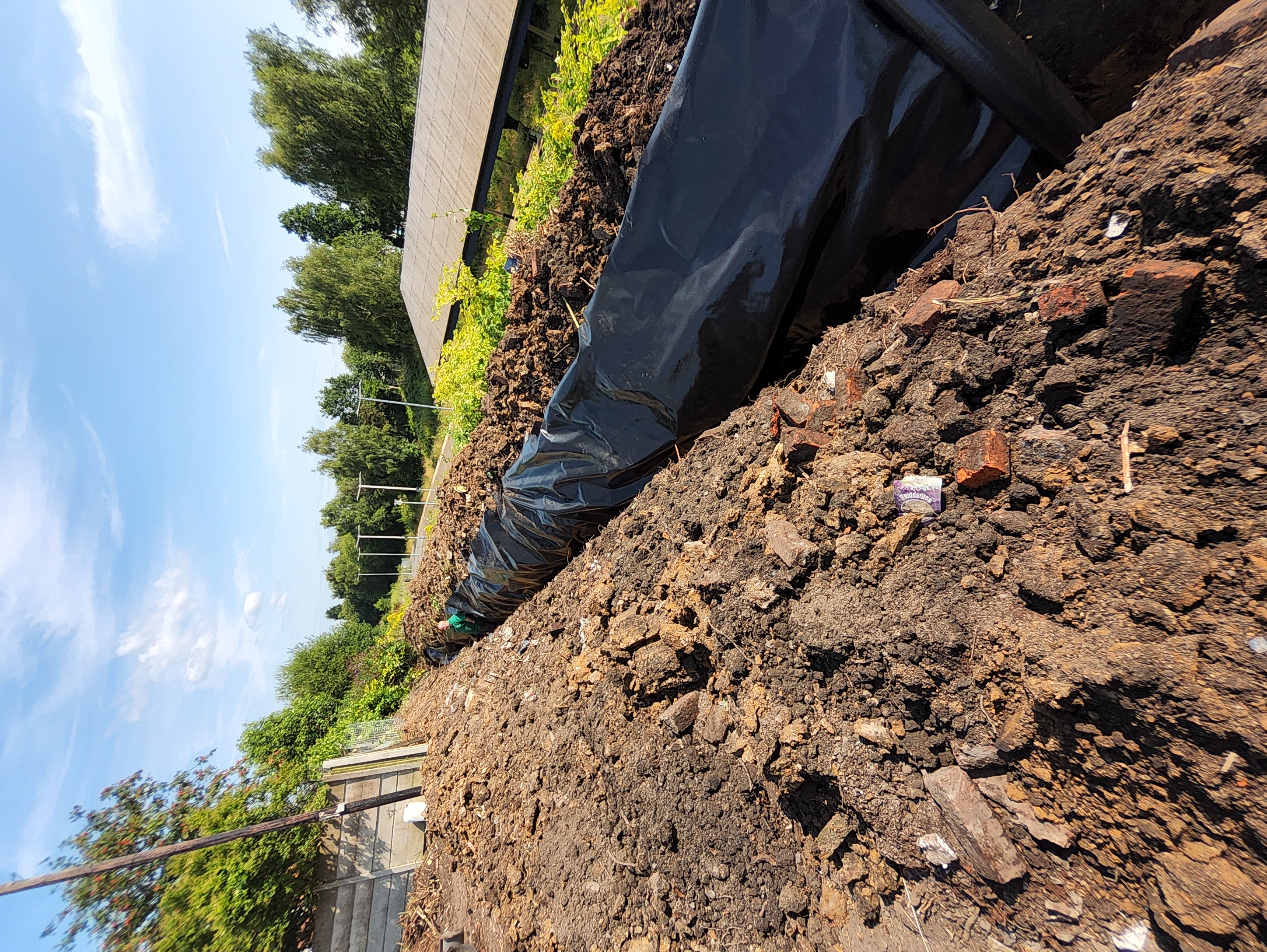
Step 4Installation
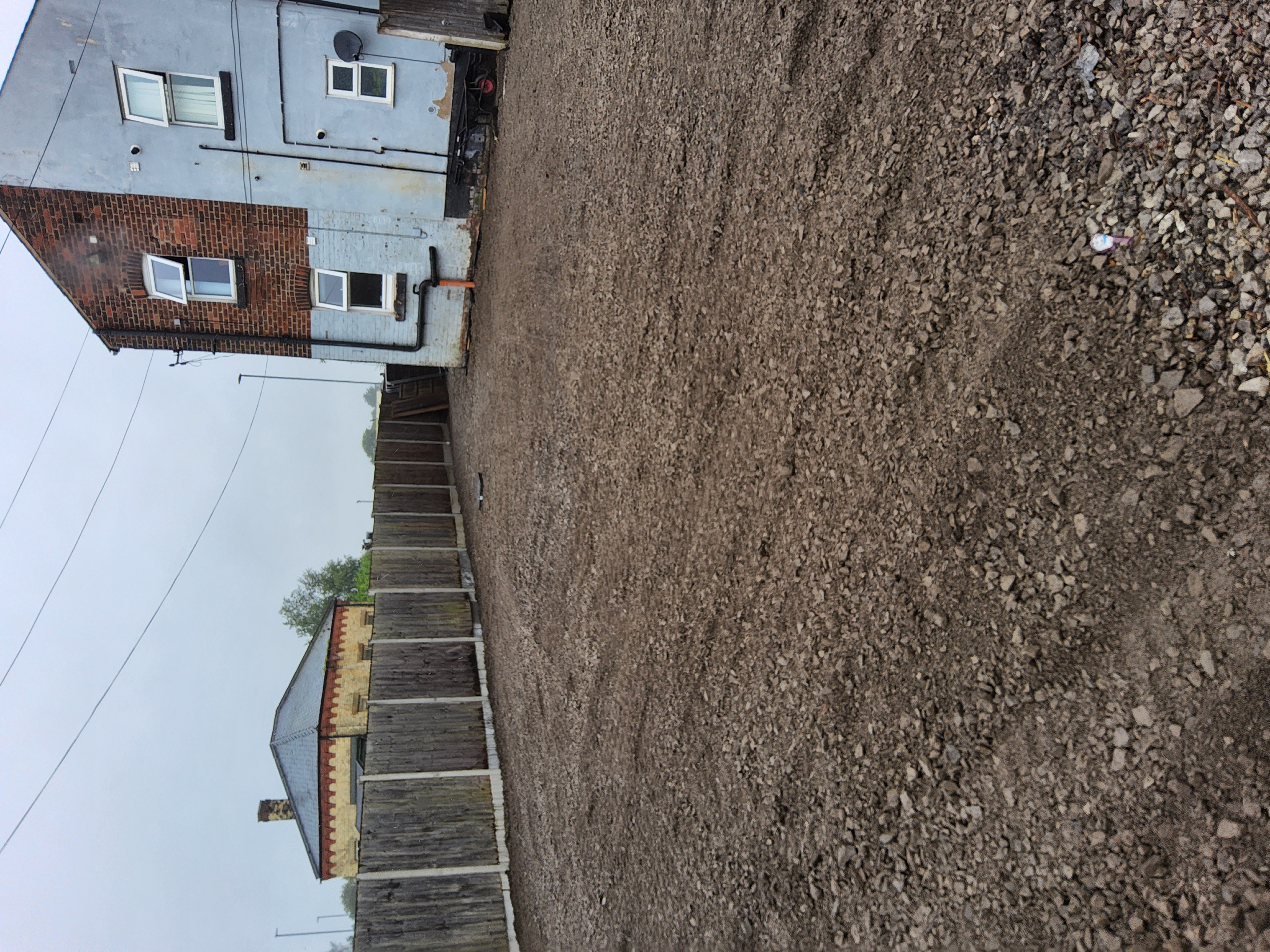
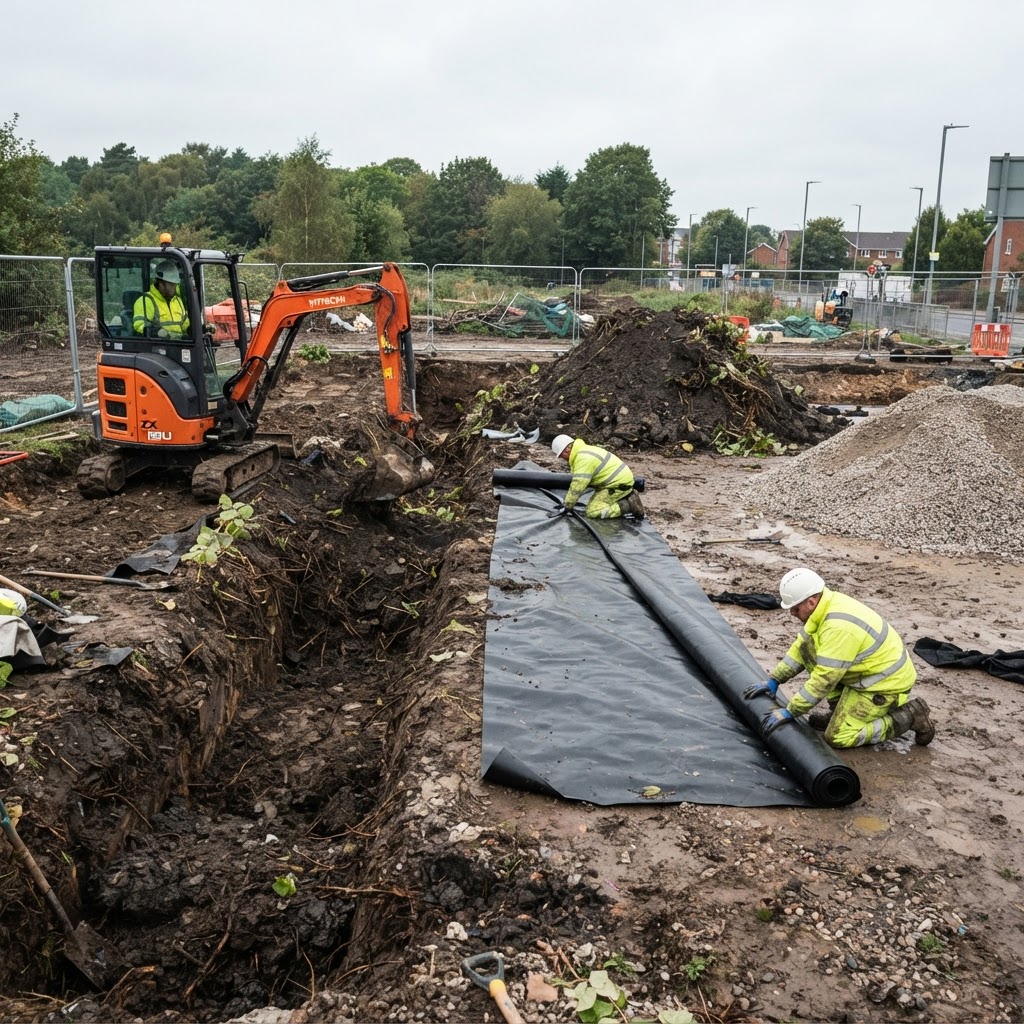
A trench is excavated along the designed line or the area is prepared for a horizontal membrane. The barrier is installed with the correct depth, overlap and jointing detail so that rhizomes cannot pass around or through it. Any excavated material is handled in line with controlled waste requirements.
Step 5Reinstatement and Monitoring
The ground is backfilled and the site reinstated to its original levels. We then monitor the area as part of the wider management plan, checking for regrowth and confirming that the barrier is protecting the zone it was installed to defend.
If you suspect Japanese Knotweed is present on your property, Japanese Knotweed Agency can assess the infestation and determine whether a root barrier, excavation or a combination of management methods is appropriate for your site.
Applications for ourJapanese Knotweed Root Barriers
Vertical Root Barriers
Boundary Protection & Lateral Containment
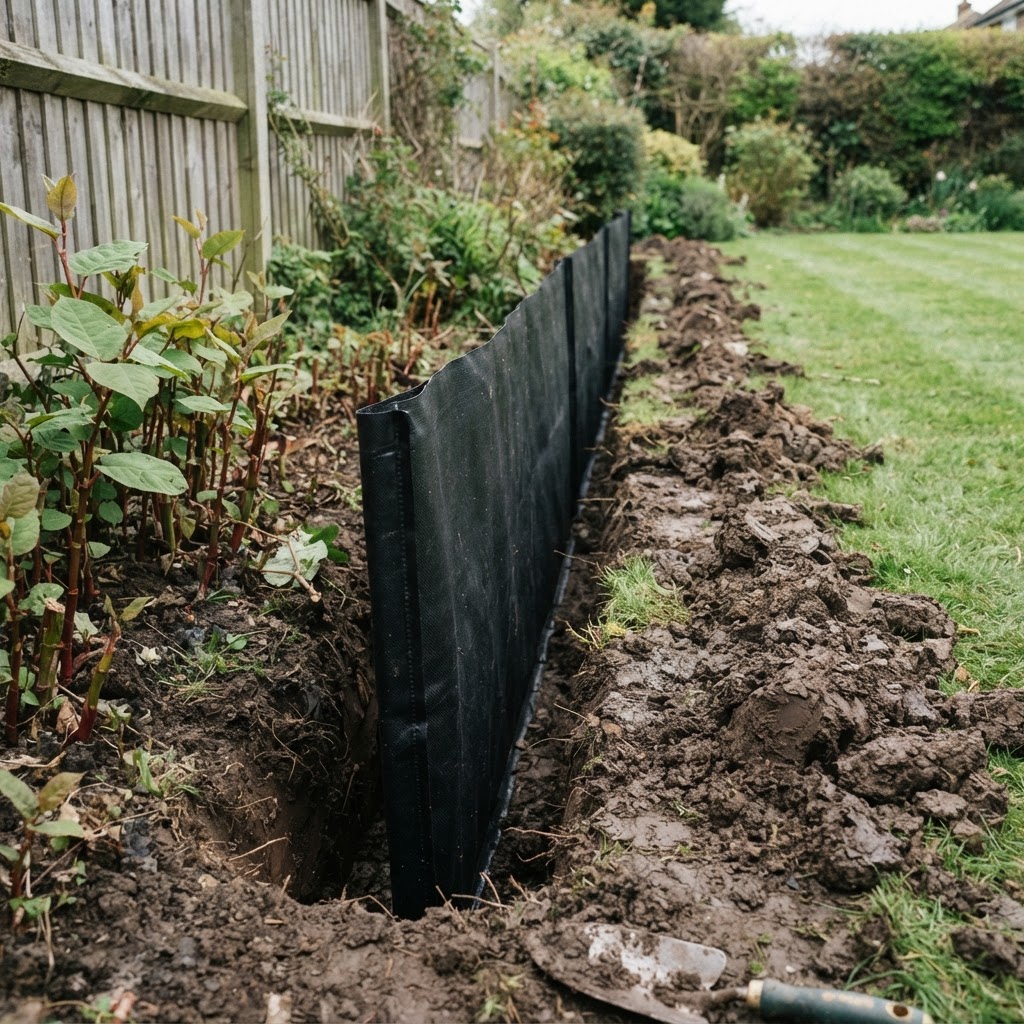
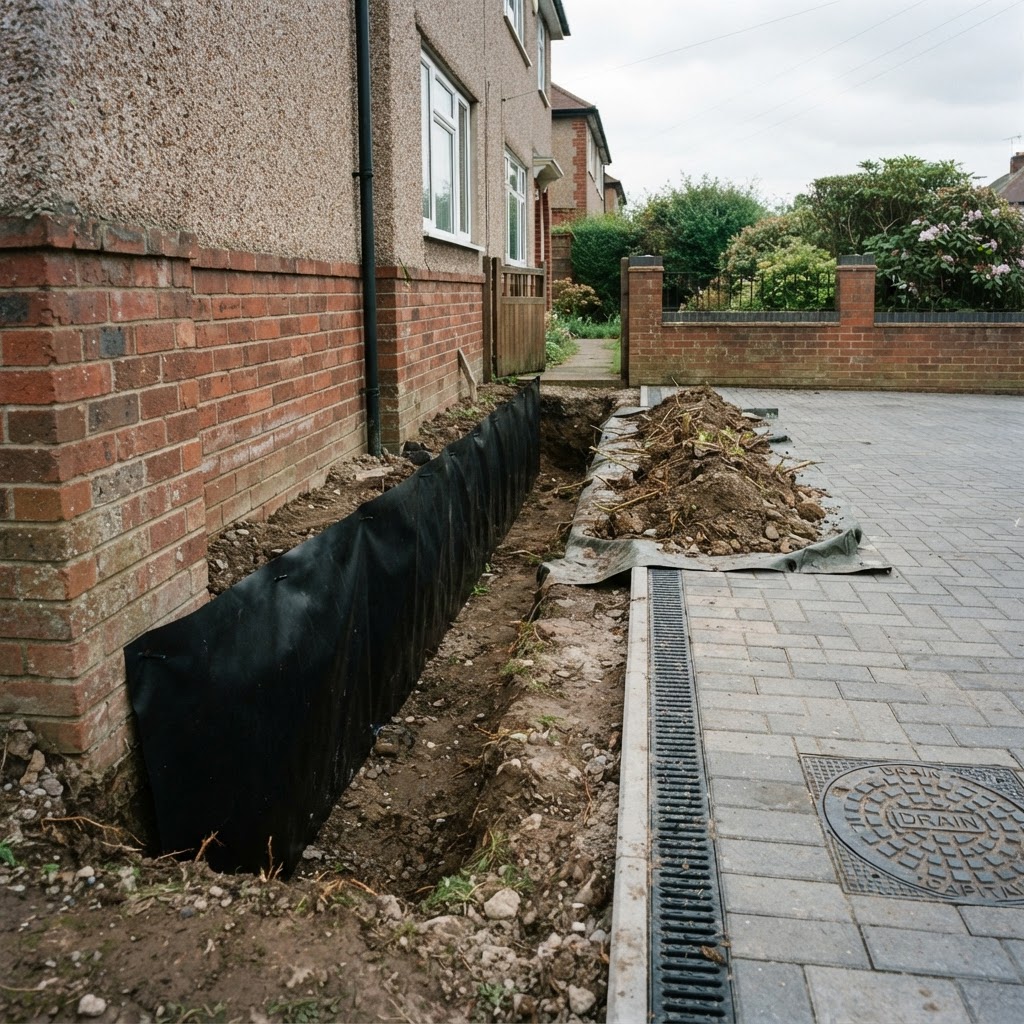
Vertical root barriers are deep, impenetrable subterranean walls installed vertically along property lines, building foundations, retaining walls, and utility pathways to prevent Japanese knotweed rhizomes from spreading laterally onto adjacent land or structures.
Key Features & Applications:
- Deep Trenching: Installed in narrow trenches excavated to depths of 2 to 3 metres to intercept deep-running rhizome networks.
- Boundary Safeguarding: Ideal for stopping knotweed from crossing property lines, preventing neighbour disputes and legal liabilities.
- Structural Defense: Protects walls, patios, drainage channels, and building foundations from root intrusion.
- Durable Geotextiles: Uses heavy-duty, puncture-resistant membrane sheets joined with heat-welded or clamped seams for a continuous seal.
Horizontal Root Barriers
Capping & Surface Layer Protection
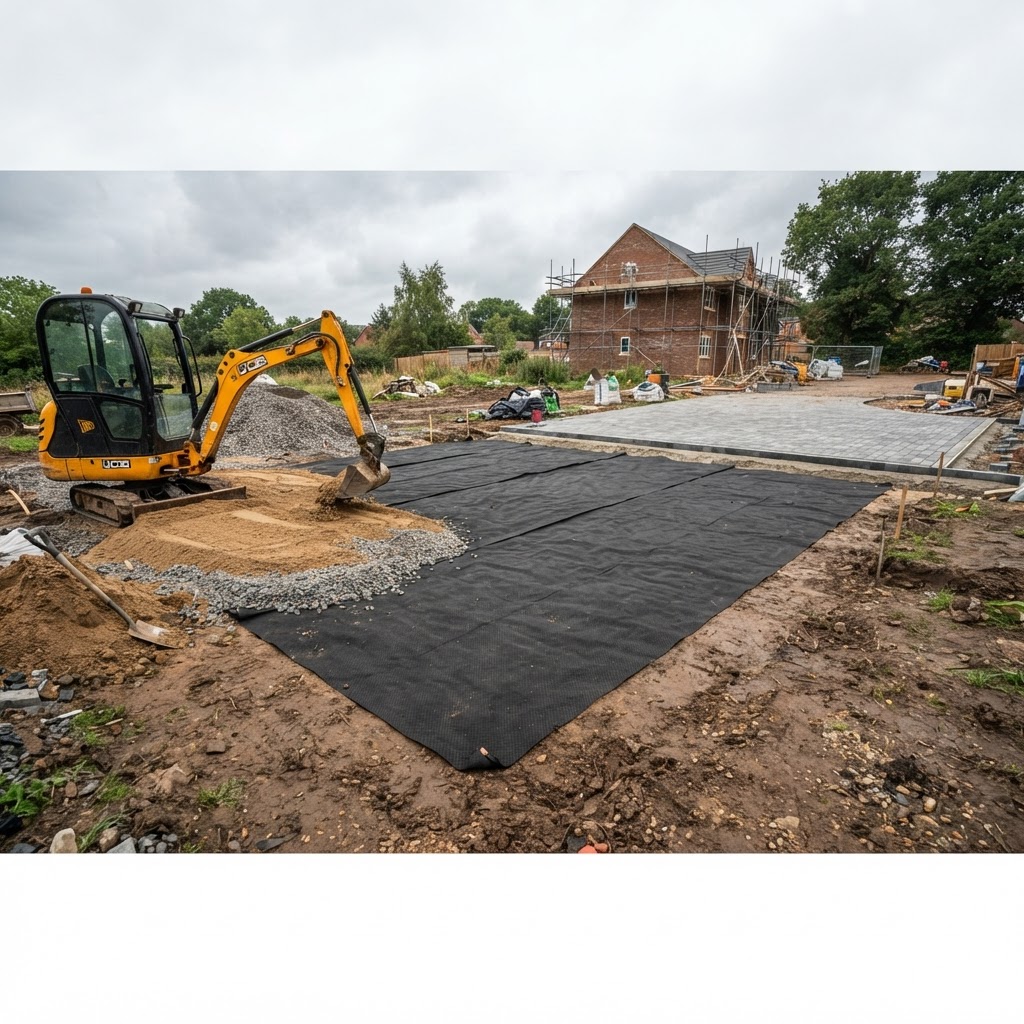
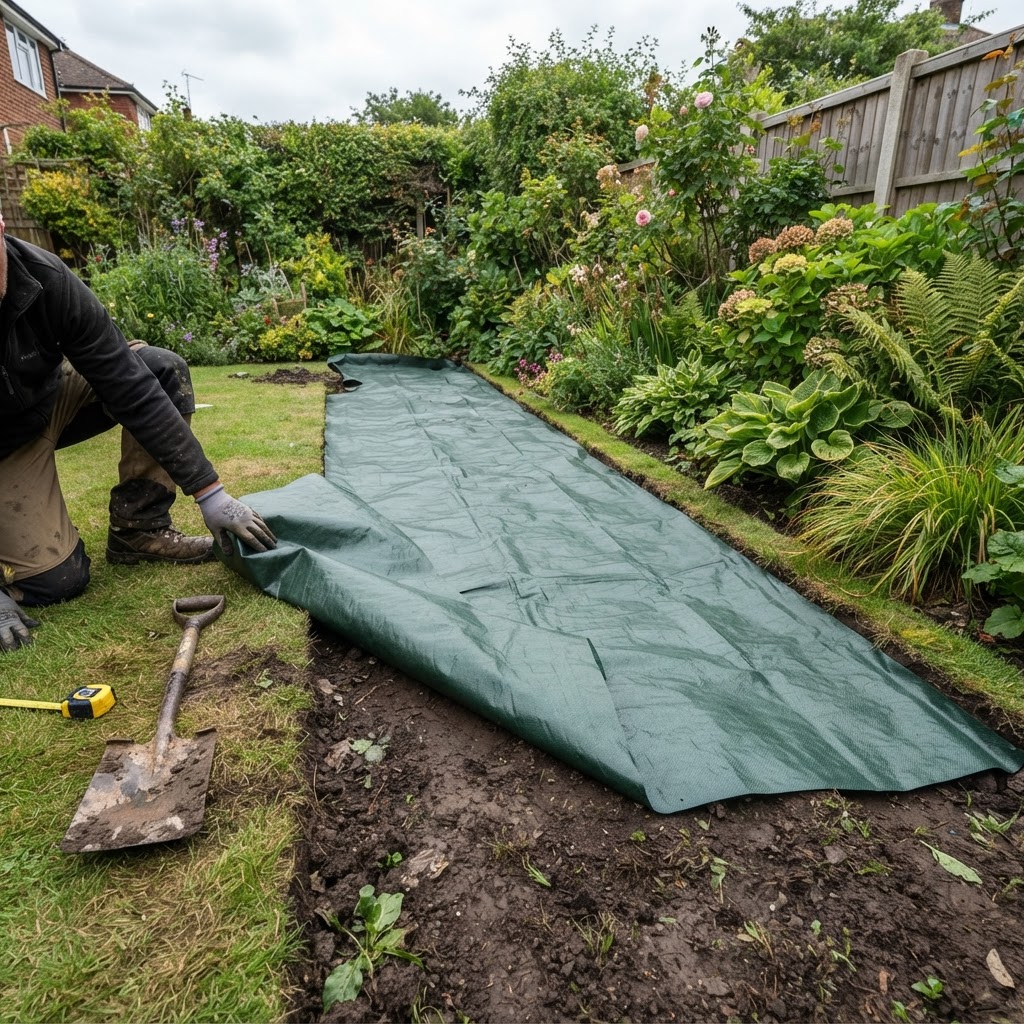
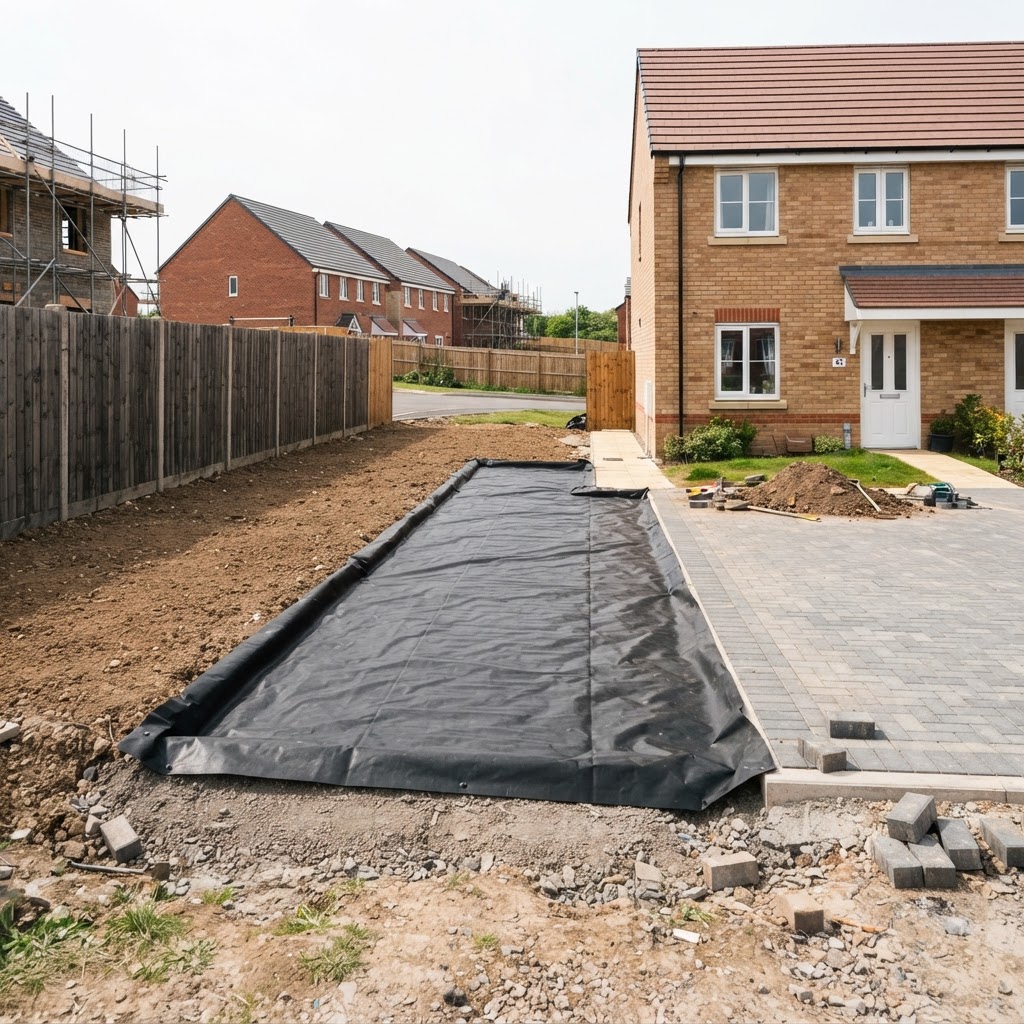
Horizontal root barriers (or root barrier capping) are laid flat across a site to prevent residual knotweed rhizomes deep in the ground from growing upward through clean topsoil, hardscaping, lawns, or new construction.
Key Features & Applications:
- Clean Capping Layer: Laid horizontally over controlled ground before placing clean backfill soil, paving, driveways, or soft landscaping.
- Upward Growth Suppression: Blocks remaining underground rhizomes from surfacing, pushing growth sideways away from sensitive site areas.
- Site Redevelopment: Perfect for gardens, driveways, and landscaped zones where full deep excavation is unfeasible.
- Load-Bearing Design: Engineered to withstand soil compression, aggregate weight, and surface foot or vehicular traffic.
Cell Burial
Complete On-Site Containment
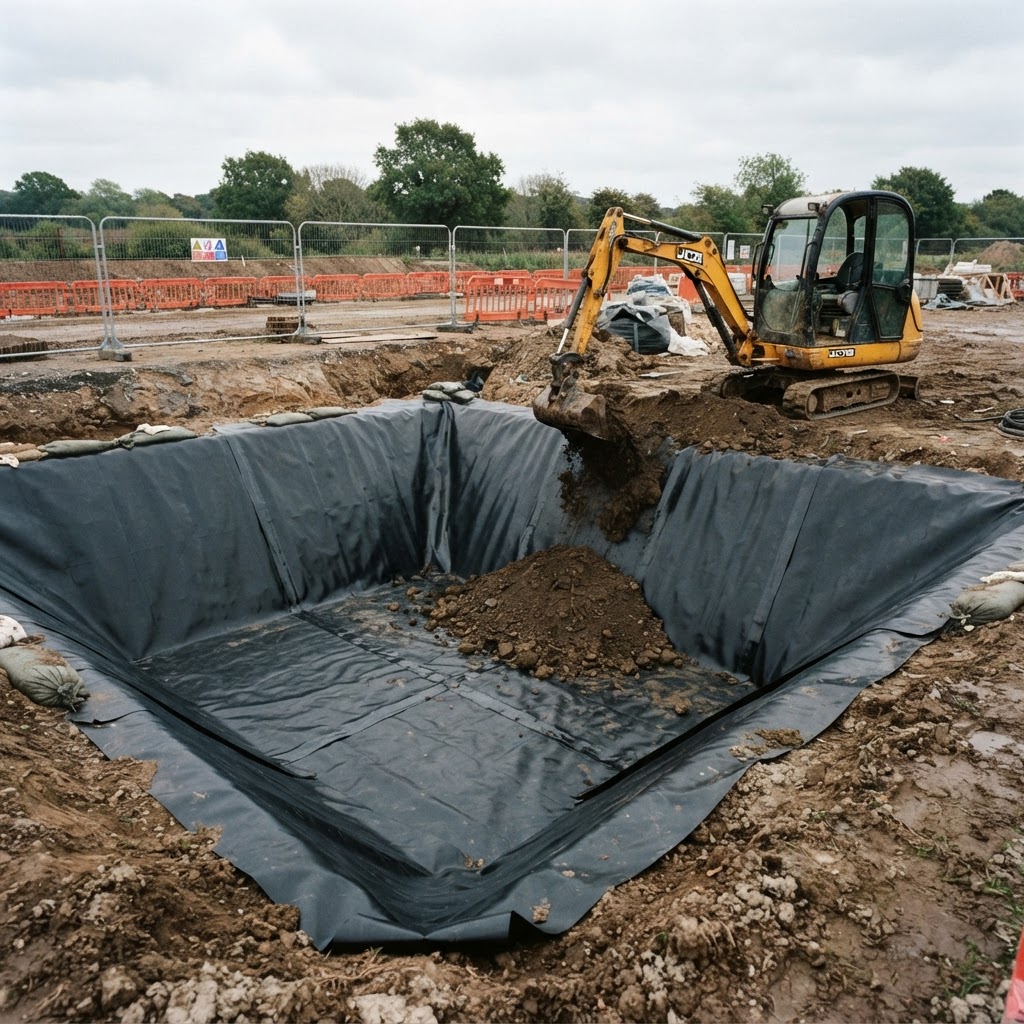
Cell burial (or on-site encapsulation) involves excavating knotweed-contaminated soil and sealing it completely inside a fully enclosed, 3D membrane "cell" buried deep underground on the same property.
Key Features & Applications:
- Full Encapsulation: Contaminated soil and rhizome material are completely wrapped on all top, bottom, and side faces with heat-sealed root barrier membranes.
- Eliminates Off-Site Transport: Keeps all soil safely on-site, eliminating expensive off-site waste disposal and heavy haulage costs.
- Reduced Burial Depth: Standard UK guidelines require uncontained knotweed soil to be buried 5 metres deep; creating a sealed burial cell reduces the required depth to 2 metres.
- Zero Environmental Spread: Creates a self-contained underground chamber that permanently locks away invasive material without chemical intervention.
Japanese Knotweed Root BarriersWhy choose one?
When property boundaries, foundations, or development schedules are at risk, waiting is simply not an option. A Japanese Knotweed Root Barrier offers an immediate, eco-friendly, and completely physical solution. By creating a continuous barrier underground, root barriers instantly block rhizome expansion, giving you complete control and long-term peace of mind from day one.
Stops Underground Spread
A correctly installed barrier creates a physical line of defence against rhizomes, protecting the ground behind it from encroaching Japanese knotweed growth that would otherwise move unseen below the surface.
Protects Structures and Services
Barriers can be installed to defend foundations, retaining walls, driveways, patios, drains and buried services where rhizomes would pose a risk to the built environment or the value of the property.
No Chemicals Required
The barrier relies entirely on a heavy-duty physical membrane, eliminating the need for chemicals. It pairs seamlessly with thermo-electric treatment, excavation, and non-chemical remediation methods where appropriate.
Works Alongside Other Methods
Barriers are rarely used in isolation. They pair naturally with excavation, cell containment, suction removal and monitoring to form a complete, site-specific management plan.
Designed for the Site
Material, depth and line are specified for each project. The barrier is designed around what needs protecting and how the infestation is being managed, rather than a one-size-fits-all specification.
Supports Transactions and Development
A professionally installed barrier, with clear documentation, can give buyers, lenders and planners confidence that a defined area is protected from knotweed encroachment.
Protect Your Property from Japanese Knotweed Spread
Whether you need to protect a property boundary, safeguard a building or manage Japanese Knotweed on a development site, Japanese Knotweed Agency provides specialist advice and tailored solutions to suit your site.
From root barrier installation and excavation to Thermo-Electric treatment, invasive weed suction and ongoing monitoring, we assess the site conditions and recommend the most appropriate approach for your requirements.
Japanese Knotweed Agency — Specialist Knowledge. Innovative Methods. Practical Solutions.
Trusted by Clients Across the UK and Ireland
We work with property professionals, housing providers, local authorities, developers, and commercial organisations throughout the UK and Ireland, delivering expert Japanese Knotweed surveys, management plans, and remediation services with professionalism and reliability.