

Knotweed Growth Explained: Impacts, Risks, Solutions

Japanese knotweed can lower property values by as much as 20 percent, making it one of the most feared plants in the UK. This invasive species does not just spread above ground—its underground rhizome network can lie dormant for years, ready to take over gardens, building foundations, and open land without warning. Learning how knotweed grows, how to spot its different types, and what control methods work matters for anyone looking to protect their property and avoid costly legal issues.

Table of Contents

Key Takeaways

Point Details
Invasive Growth Characteristics Japanese knotweed exhibits remarkable regenerative capabilities, spreading from tiny rhizome fragments and adapting to various environments, making management difficult.
Legal Obligations for Property Owners Landowners must prevent knotweed from spreading and disclose its presence during property sales to avoid penalties and devaluation.
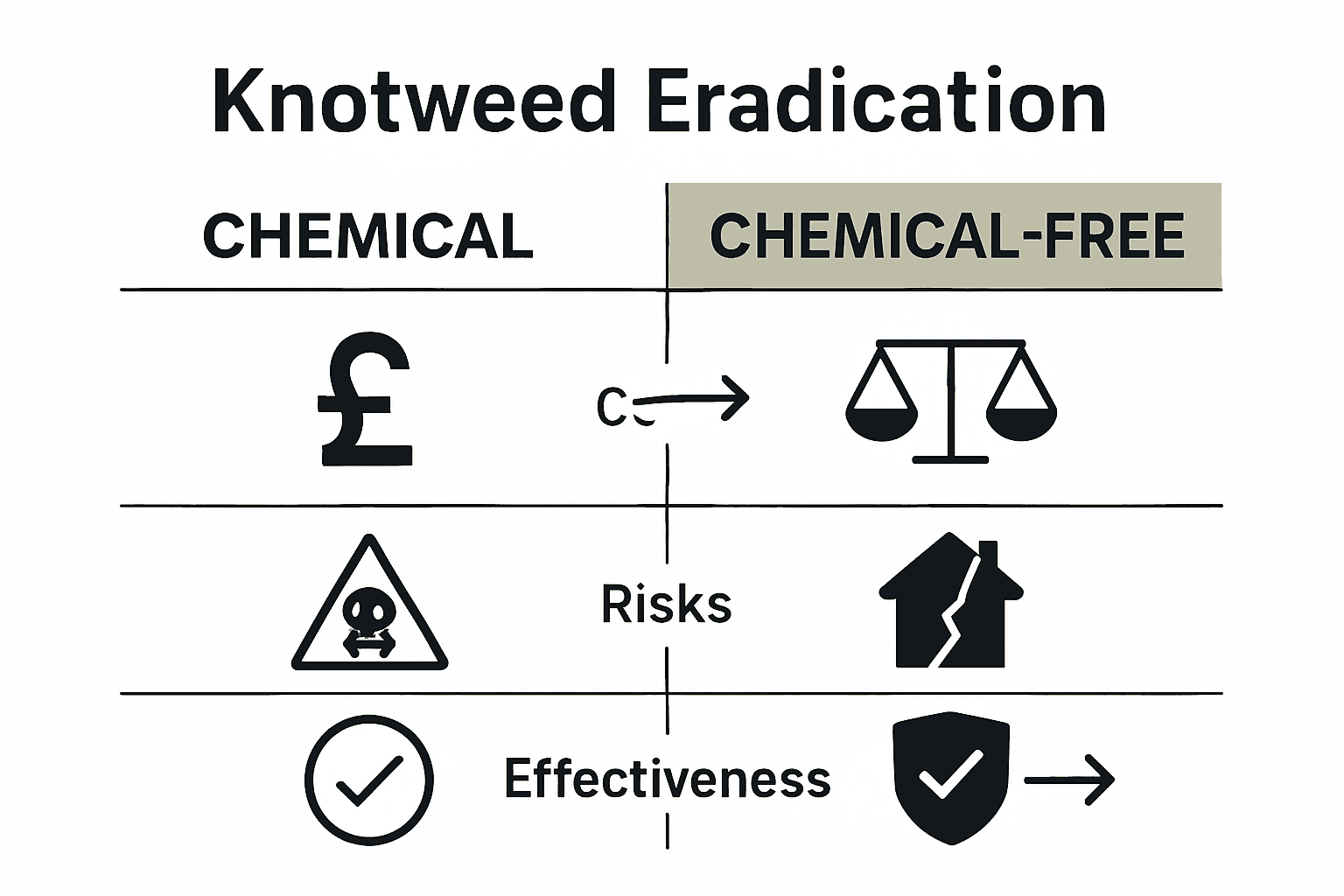
Effective Control Strategies Managing knotweed requires innovative, chemical-free approaches, including mechanical methods like cutting and precise excavation to prevent regrowth.
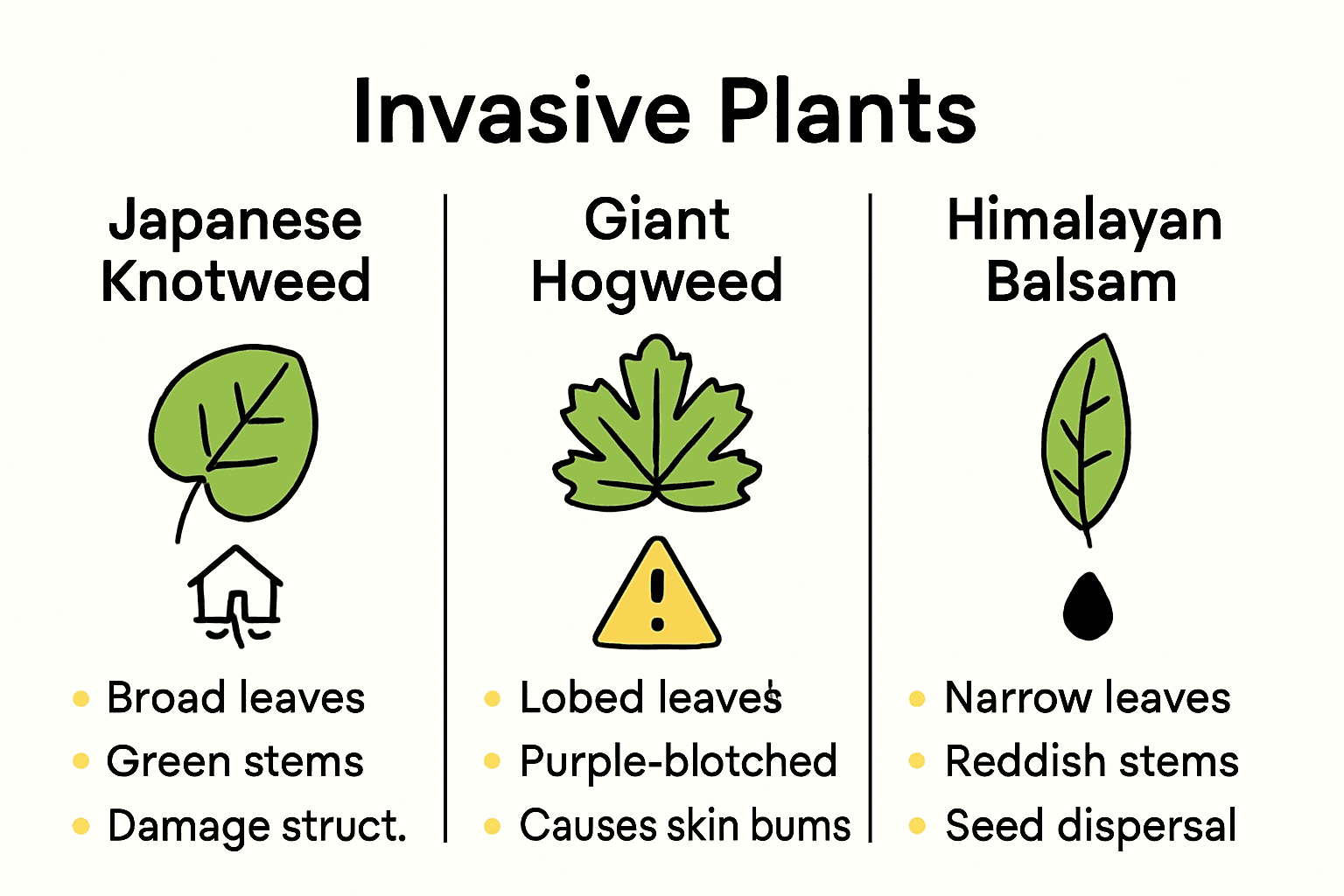
Understanding Major Variants Key knotweed types in the UK include Japanese, Giant, Bohemian, and Dwarf knotweed, each with distinct characteristics impacting control strategies.

Defining Knotweed Growth and Spread Patterns

Japanese knotweed represents an exceptionally aggressive invasive plant species with remarkable regenerative capabilities that challenge traditional plant management approaches. According to Gov.uk, this plant spreads through incredibly resilient mechanisms, with rhizome fragments as small as 1 centimeter capable of generating entirely new plant colonies.

The growth patterns of Japanese knotweed are distinguished by their extraordinary adaptability. Rhizome networks form an underground system that can remain dormant for years before suddenly emerging and colonizing new territories. As RHS highlights, these underground structures can persist in soil for extended periods, making complete eradication extremely challenging.

Key characteristics of knotweed growth include:

  • Ability to regenerate from microscopic root fragments

  • Rapid horizontal and vertical spread through rhizome networks

  • Tolerance to diverse soil conditions

  • Potential to penetrate concrete and building foundations

Understanding these complex spread patterns is crucial for property owners and land managers. Knotweed can emerge in seemingly inhospitable environments like roadsides, waste grounds, and near water systems, demonstrating its remarkable survival instincts. Learn more about the consequences of letting Japanese Knotweed spread to fully appreciate the potential long-term risks associated with this persistent plant species.

Major Knotweed Types Found in the UK

The United Kingdom hosts several distinctive knotweed species that pose significant ecological and property management challenges. According to Gov.uk, these invasive plant varieties include Japanese knotweed, Dwarf knotweed, Giant knotweed, and Bohemian (hybrid) knotweed, each presenting unique characteristics and potential risks.

Among these varieties, Japanese knotweed (Fallopia japonica) remains the most notorious. As RHS highlights, this species often emerges alongside two other significant variants: Giant knotweed (Fallopia sachalinensis) and a hybrid known as Bohemian knotweed (Fallopia x bohemica), which results from crossbreeding between Japanese and Giant knotweed species.

Key characteristics of major UK knotweed types include:

Here’s a comparison of major knotweed types found in the UK:

Knotweed Type Distinguishing Features Spread Rate
Japanese Knotweed Most prevalent
Extremely aggressive growth
Very rapid
Giant Knotweed Large leaves
Taller stems
Slower than others
Bohemian Knotweed Hybrid variety
Mixed resilience
Moderate
Dwarf Knotweed Smaller stature
Very persistent
Moderate
  • Japanese Knotweed: Most prevalent, extremely aggressive growth pattern

  • Giant Knotweed: Larger leaf structures, slower spread rate

  • Bohemian Knotweed: Hybrid variant with mixed genetic resilience

  • Dwarf Knotweed: Smaller growth habit, but equally persistent

Understanding these different knotweed varieties is crucial for effective management and prevention.

Explore our varieties of knotweed in the UK to gain deeper insights into their unique characteristics and potential impact on property landscapes.

Lifecycle and Rhizome Expansion Mechanisms

The lifecycle of Japanese knotweed represents an extraordinary testament to botanical resilience, characterized by complex regenerative capabilities that challenge traditional plant management strategies. According to Eprints, this invasive species can regenerate from extraordinarily small rhizome and stem fragments, with even microscopic 1-centimeter sections capable of developing into entirely new plant colonies.

Rhizome networks form the critical infrastructure of knotweed’s survival mechanism. These underground root systems possess an remarkable ability to remain dormant for extended periods, suddenly emerging to colonize new territories. As RHS highlights, rhizome sections can persist in soil for many years, making complete eradication an extremely challenging process.

Key aspects of knotweeds lifecycle include:

  • Extraordinary regenerative potential from tiny root fragments

  • Ability to remain dormant underground for extended periods

  • Rapid horizontal and vertical expansion capabilities

  • Resistance to traditional removal techniques

The complex expansion mechanisms of knotweed make it a formidable ecological challenge.

VIDEO:video_content] Its capacity to spread through seemingly impossible conditions demonstrates a level of adaptive resilience that sets it apart from most plant species. [Learn more about the consequences of letting Japanese Knotweed spread to understand the full potential risks associated with this persistent botanical invader.

Japanese knotweed presents significant legal and property management challenges that can dramatically impact real estate values and ownership responsibilities. According to Gov.uk, landowners bear a critical legal obligation to prevent this invasive species from spreading beyond their property boundaries, with potential consequences ranging from civil penalties to potential prosecution for environmental contamination.

The legal framework surrounding Japanese knotweed is complex and stringent. As RHS highlights, the plant is officially listed on Schedule 9 of the UK Wildlife & Countryside Act as an invasive non-native species. This classification means that deliberately planting or causing knotweed to grow in the wild constitutes a legal offense across England, Wales, Northern Ireland, and the Republic of Ireland.

Key legal and property risks include:

  • Potential property devaluation of 10-20% if knotweed is present

  • Legal liability for spreading knotweed to neighboring properties

  • Mandatory disclosure requirements during property sales

  • Potential costs for professional eradication and remediation

  • Risk of prosecution for improper waste disposal

Property owners must approach knotweed management with extreme caution and professional guidance. Explore our free Japanese Knotweed Survey to understand the specific risks and legal obligations associated with this invasive plant species on your property.

Chemical-Free Control and Treatment Options

Japanese knotweed management demands innovative and environmentally conscious approaches that go beyond traditional chemical interventions. According to Gov.uk, non-chemical methods offer multiple strategies for controlling this invasive species, including carefully executed techniques such as pulling, digging, cutting, burning, and strategic disposal that prioritize environmental safety and human health.

The mechanical control of Japanese knotweed requires precision and consistent effort. As RHS highlights, cutting techniques must be meticulously implemented every 2-4 weeks during the growing season to prevent regrowth. However, cutting alone proves insufficient for complete eradication and should be integrated with complementary treatment methods.

Effective chemical-free control strategies include:

knotweed root removal

  • Repeated cutting to exhaust underground rhizome networks

  • Systematic removal of plant material to prevent regeneration

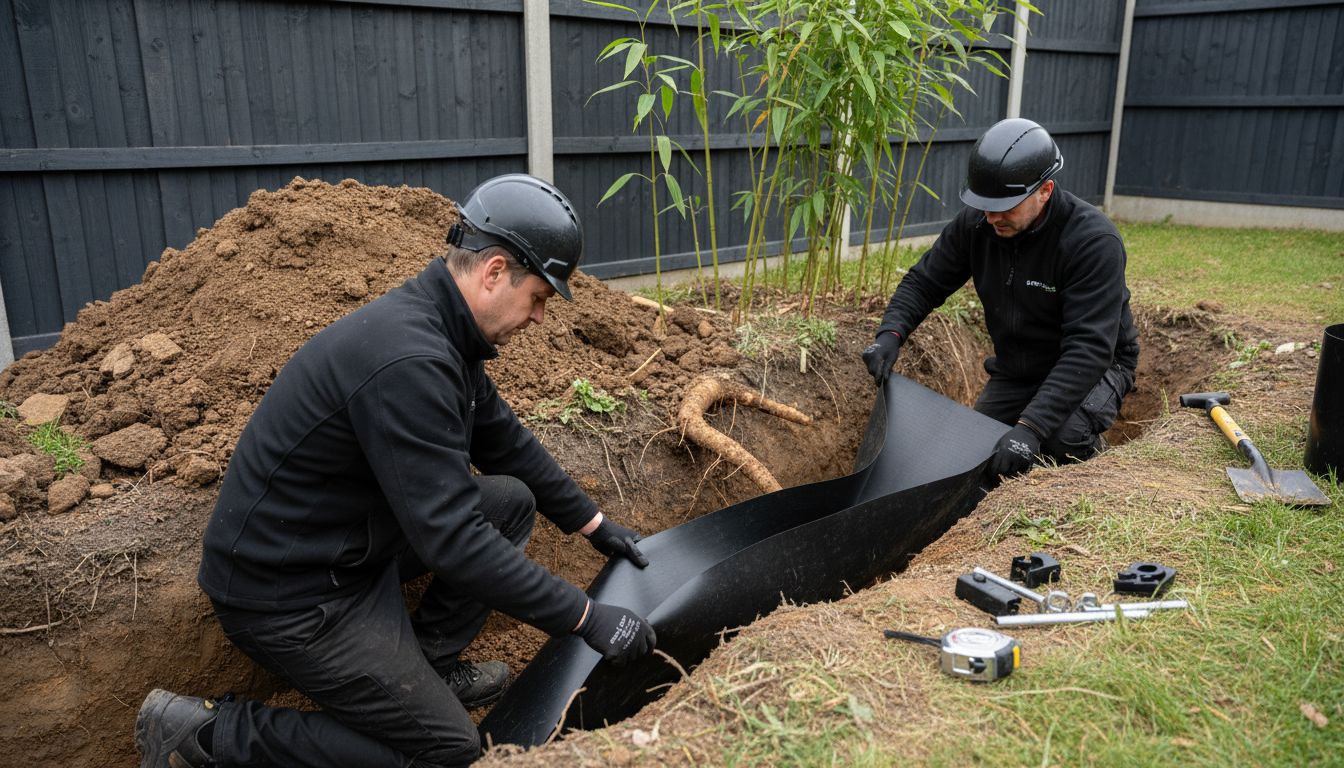
  • Precise root zone excavation and containment

  • Targeted thermal treatment techniques

  • Comprehensive site monitoring and management

Successful knotweed management demands a holistic, multi-faceted approach that adapts to the specific environmental conditions of each infestation. Explore our blog for more insights into knotweed management to understand the nuanced strategies professionals employ in combating this resilient invasive species.

Take Control of Japanese Knotweed Growth Before It Spreads Further

The article highlights the relentless growth and spread of Japanese knotweed through its resilient rhizome networks and underground expansion. If you are worried about property damage, legal risks, or the challenges of eradicating this invasive species, you need a solution that targets the root of the problem. Traditional removal methods often fail because knotweed can regenerate from tiny fragments. Don’t let this aggressive plant reduce your property value or cause costly legal issues.

Recommended Image

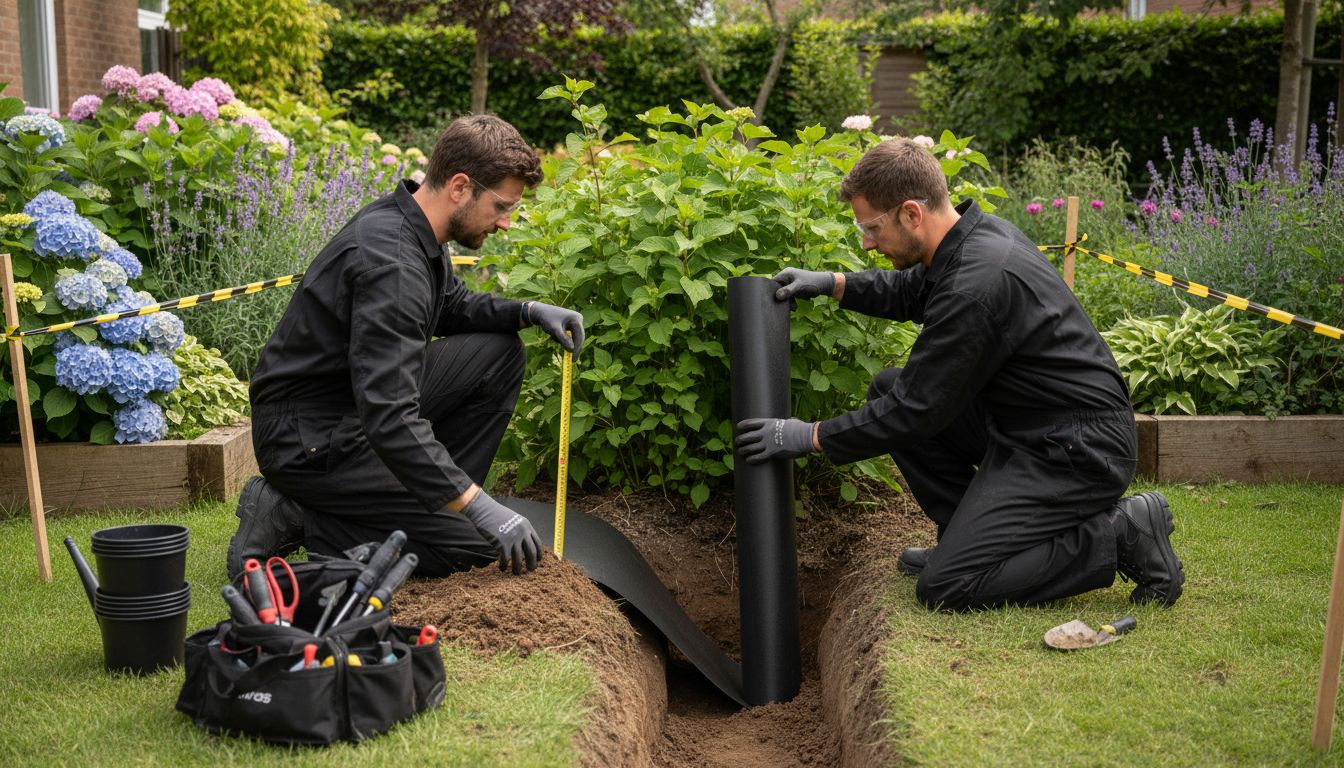
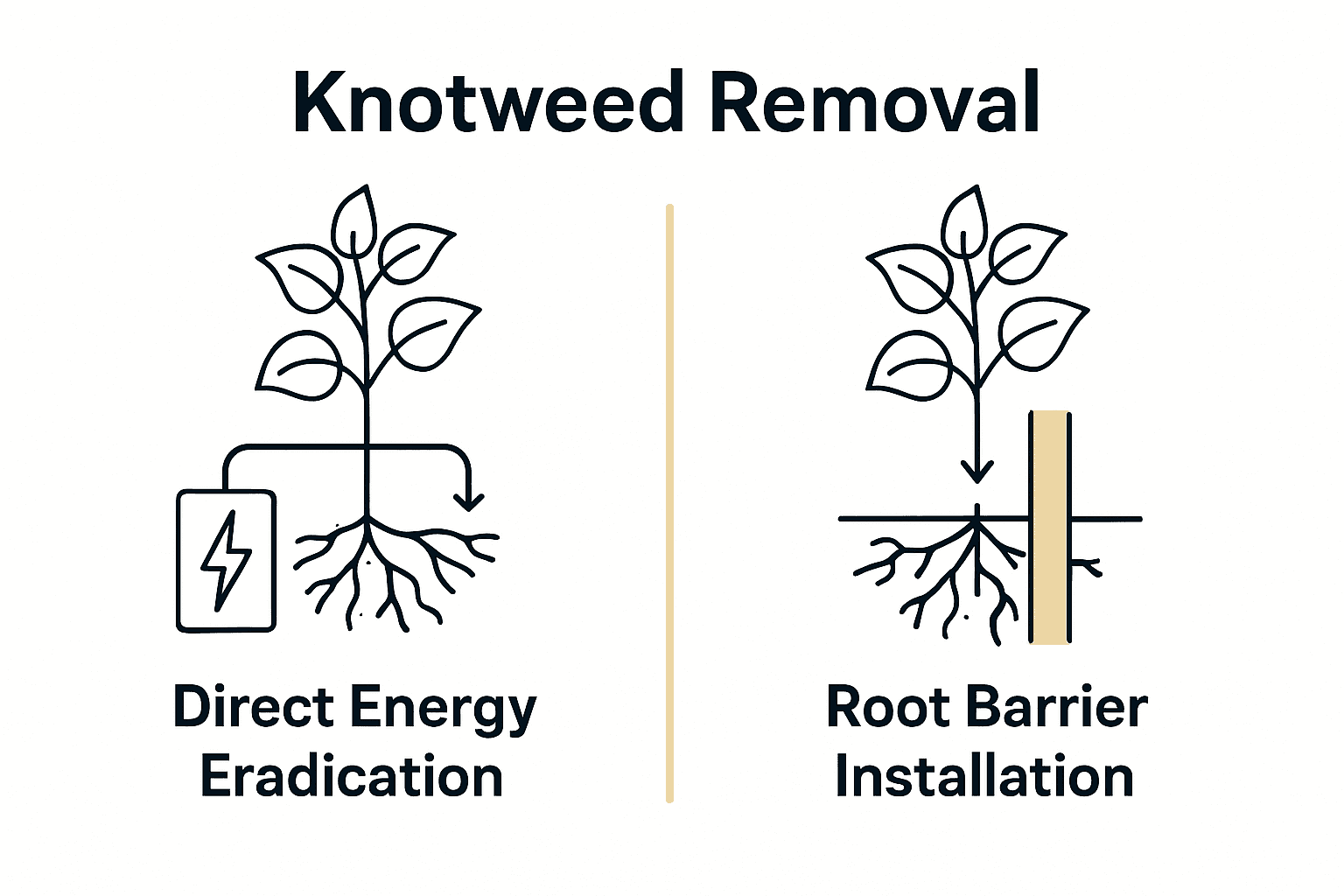
At Japanese Knotweed Agency, we specialize in chemical-free treatments that deliver high-voltage energy directly to the rhizomes, damaging the plant internally to stop regrowth. Our expert team also provides root barrier installations and comprehensive excavation services to prevent further spread. Discover how our proven methods protect your land and comply with legal requirements. Act now to safeguard your property and learn more about our services by visiting our main site or requesting a free invasive weed survey. Take the first step in effective knotweed control today.

Frequently Asked Questions

What are the growth patterns of Japanese knotweed?

Japanese knotweed exhibits aggressive growth patterns characterized by rapid horizontal and vertical spread through extensive rhizome networks. These networks can regenerate even from small root fragments, making management very challenging.

How does Japanese knotweed spread?

Japanese knotweed spreads primarily through resilient rhizome fragments. Even tiny sections of 1 centimeter can develop into new colonies, allowing the plant to invade a variety of environments, including roadsides and disturbed areas.

What risks does Japanese knotweed pose to properties?

The presence of Japanese knotweed can lead to significant property devaluation (10-20%), legal liabilities for spreading it to neighboring properties, and mandatory disclosure requirements during property sales. Additionally, property owners may face costs for professional eradication efforts.

What are effective non-chemical methods to control Japanese knotweed?

Non-chemical control methods for Japanese knotweed include repeated cutting to exhaust rhizome networks, systematic removal of plant materials, precise root zone excavation, and targeted thermal treatments. A comprehensive monitoring plan is essential for successful management.

Risks of Untreated Knotweed – Impact on Property Value

Most American homeowners are shocked to discover that a single fragment of Japanese Knotweed, as small as one centimeter, can regenerate into a full invasive plant. This tenacious species is not just a nuisance, it is a serious threat capable of undermining property value and damaging even concrete foundations. Unpacking the truth about Japanese Knotweed reveals why understanding its unique risks, spread patterns, and common misconceptions matters for anyone protecting their home investment.

Table of Contents

Key Takeaways

Point Details
Invasive Nature Japanese Knotweed can grow rapidly and cause significant structural damage, making professional management essential.
Legal Obligations Homeowners must legally disclose the presence of Japanese Knotweed and can face liability for its spread to neighboring properties.
Financial Impact Properties with Knotweed may see value reductions of up to 30%, and mortgage approvals can be difficult due to infestation issues.
Non-Chemical Treatment Innovative non-chemical approaches, such as mechanical cutting and electric treatment, offer effective alternatives to manage this invasive species sustainably.

Japanese Knotweed Defined and Common Myths

Japanese Knotweed is an invasive plant species scientifically known as Fallopia japonica, originally introduced to the United States and United Kingdom as an ornamental garden plant in the mid-nineteenth century. Unique characteristics of this plant include its rapid growth, bamboo-like hollow stems, and extraordinary ability to spread through an extensive underground root system called rhizomes.

Contrary to popular belief, Japanese Knotweed is not just another garden weed. This plant can grow up to 10 centimeters per day and penetrate concrete foundations, causing significant structural damage to properties. Common misconceptions about the plant often lead homeowners to underestimate its destructive potential. The plant’s rhizome network can extend up to 3 meters deep and 7 meters laterally, making complete eradication challenging without professional intervention.

Key myths surrounding Japanese Knotweed include the belief that cutting or mowing will eliminate the plant. In reality, these actions can actually stimulate more aggressive growth. The plant’s resilience means that even tiny root fragments can regenerate into full plants. Homeowners should understand that attempting DIY removal can inadvertently spread the infestation and potentially decrease property value by up to 10%. Professional treatment methods that target the entire root system are crucial for effective management.

For property owners, recognizing Japanese Knotweed early is critical. Typical identification markers include:- Distinctive bamboo-like green stems with distinctive purple speckles- Shovel-shaped green leaves arranged in a zigzag pattern- Small white flower clusters appearing in late summer- Rapid, aggressive growth pattern compared to native plants

Understanding these characteristics can help homeowners take proactive steps in managing this potentially destructive invasive species.

How Knotweed Spreads and Damages Property

Japanese Knotweed represents an extraordinary threat to property infrastructure due to its remarkable ability to spread through minimal root fragments. Incredibly, pieces as small as one centimeter can generate entirely new plant systems, making complete eradication extremely challenging for homeowners and property managers.

Rhizome Network Invasion occurs through an extensive underground root system that can extend laterally up to 7 meters and penetrate depths of 3 meters. This aggressive underground network allows the plant to compromise building foundations, drainage systems, and structural integrity with alarming efficiency. Property damage consequences can be catastrophic, potentially reducing property values by 10-15% and creating significant repair expenses.

The plant’s reproduction mechanisms are particularly insidious. Traditional landscaping methods like cutting, mowing, or disturbing the plant can actually accelerate its spread. Each fragmented piece contains the potential to regenerate, transforming what seems like routine maintenance into an inadvertent propagation strategy. Homeowners attempting DIY removal often discover they’ve unintentionally expanded the infestation.

Key spread mechanisms include:

  • Underground rhizome expansion
  • Stem fragment regeneration
  • Transportation through contaminated soil
  • Accidental movement during landscaping activities

Professional assessment and targeted treatment remain the most effective strategies for managing this invasive species and protecting property investments.

Homeowners face significant legal obligations when Japanese Knotweed is present on their property. Prevent the spread of knotweed is not just a recommendation, but a critical legal requirement that can result in potential prosecution if mishandled. Property owners must take proactive steps to control the plant and prevent its spread to neighboring lands or public spaces.

Property Liability extends beyond simple containment. Recent legal precedents demonstrate that homeowners can be held financially responsible for damages caused by knotweed encroachment onto adjacent properties. This legal exposure can result in substantial compensation claims, potentially costing tens of thousands of dollars in remediation and damage repair.

Buyers and sellers have distinct legal responsibilities during property transactions. Sellers are now legally obligated to disclose the presence of Japanese Knotweed on the property, with failure to do so potentially constituting fraud. Mortgage lenders typically require a professional survey and treatment plan before approving loans for properties with known knotweed infestations.

Key legal considerations include:

  • Mandatory disclosure of knotweed presence during property sales
  • Potential liability for spread to neighboring properties
  • Financial responsibility for professional treatment and removal
  • Risk of legal action if knotweed is intentionally or negligently spread

Professional documentation, comprehensive surveys, and proactive management are crucial for protecting both legal and financial interests when dealing with Japanese Knotweed.

Financial Risks: Decreased Value and Lending Issues

Japanese Knotweed represents a devastating financial threat to property owners, with significant impact on market value that can dramatically reduce property worth. Homeowners may experience property value reductions ranging from 5% to 30%, transforming what was once a valuable asset into a potential financial liability.

Mortgage Lending Challenges emerge as a critical concern for property owners. Mortgage providers are extremely cautious about properties with knotweed infestations, often refusing to provide loans without comprehensive professional treatment guarantees. Many lenders require properties to be completely free of knotweed within 7 meters of any building structure, making sale and refinancing extremely challenging.

Agent worried about knotweed and home value

The financial implications extend beyond immediate property value. Potential buyers will likely demand significant price reductions or complete treatment before considering a purchase. Professional eradication can cost thousands of dollars, and the stigma associated with knotweed can persist long after treatment, continuing to impact property marketability.

Key financial risks include:

  • Potential property value reduction of up to 30%
  • Increased treatment and removal costs
  • Difficulty obtaining mortgage approvals
  • Potential legal expenses from neighboring property damage

Proactive detection, immediate professional treatment, and comprehensive documentation represent the most effective strategies for mitigating these substantial financial risks.

Non-Chemical Treatment Solutions Explained

Professional non-chemical treatments represent an innovative approach to managing Japanese Knotweed, moving beyond traditional chemical interventions. Repeated cutting techniques can systematically deplete the plant’s energy reserves, though this method requires extraordinary patience and persistent effort over multiple years.

Physical Removal Strategies demand meticulous precision. Excavation processes must be comprehensive, ensuring complete removal of the extensive rhizome network to prevent potential regrowth. Professional teams utilize specialized equipment to extract root systems with surgical accuracy, targeting every potential regeneration point within the contaminated soil.

Electrical treatment emerges as a cutting-edge alternative, delivering targeted energy directly into the plant’s cellular structure. This method disrupts the knotweed’s internal systems by causing cellular damage and systematically depleting its underground energy network. Unlike chemical treatments, electrical intervention provides a more environmentally sustainable approach that minimizes ecological disruption.

Key non-chemical treatment approaches include:

  • Repeated mechanical cutting
  • Complete root system excavation
  • Electrical energy intervention
  • Targeted root barrier installations
  • Systematic soil management techniques

Successful knotweed management requires a multifaceted strategy that combines scientific understanding with precise, targeted intervention techniques.

Protect Your Property Value From Japanese Knotweed Risks

Untreated Japanese Knotweed can drastically reduce your property’s value and complicate mortgage lending as highlighted in the article about the risks of knotweed. If you are facing the threat of this invasive species and worried about structural damage or financial setbacks, addressing it with proven, chemical free methods is vital. Japanese Knotweed’s extensive rhizome network demands expert care to avoid further spread and loss of your investment.

https://japaneseknotweedagency.co.uk

Take control today with Japanese Knotweed Agency, pioneers in advanced energy-based knotweed treatments that safely deplete the plant’s underground energy supply. We also provide comprehensive root barrier installation and precision excavation to fully eradicate infestations while protecting your property. Need a professional survey first Save time and money by booking an invasive weed survey across England, Wales, or Ireland with us. Act now to safeguard your property value and prevent costly legal and financial consequences. Learn more and start your treatment plan at Japanese Knotweed Agency.

Frequently Asked Questions

What is Japanese Knotweed and why is it a concern for property owners?

Japanese Knotweed, or Fallopia japonica, is an invasive plant known for its rapid growth and extensive underground root system. It can cause significant structural damage to properties, leading to decreased property values and potential legal issues for homeowners.

How does Japanese Knotweed affect property value?

Untreated Japanese Knotweed can reduce property values by 5% to 30%. The presence of this invasive species may deter potential buyers, resulting in substantial price reductions or demands for costly treatment before any sale can proceed.

Infographic showing knotweed’s effect on home values

Homeowners must disclose the presence of Japanese Knotweed during property transactions. Failing to do so can lead to legal consequences, including financial liability for any damages caused to neighboring properties due to the spread of the plant.

What are the risks of attempting to remove Japanese Knotweed without professional help?

DIY removal of Japanese Knotweed can worsen the infestation, as even small root fragments can regenerate into new plants. This can lead to greater property damage and potentially increased costs for professional eradication later on.

Why Knotweed Persists – Unpacking Roots and Risks

Most American property owners are shocked to learn that Japanese knotweed can push through concrete and survive even after being dug up or sprayed. This aggressive plant was brought from East Asia as a simple garden feature, yet today, it ranks as one of the most destructive invasive species threatening both homes and natural spaces. If you want to protect your property and understand how Japanese knotweed spreads so quickly, you need clear facts backed by real science.

Table of Contents

Key Takeaways

Point Details
Japanese Knotweed’s Aggressiveness This invasive perennial plant rapidly spreads through resilient rhizome networks, creating significant environmental and property damage risks.
Challenges of Eradication Traditional removal techniques often fail to address knotweed’s underground systems, leading to its persistent regrowth.
Legal Implications Property owners face stringent legal obligations regarding Japanese knotweed, with severe consequences for non-compliance.
Chemical-Free Solutions Advanced, non-chemical methods effectively target knotweed’s survival mechanisms without introducing harmful substances into the ecosystem.

What Is Japanese Knotweed and Why It Spreads

Japanese knotweed is a highly aggressive perennial plant that has become notorious for its extraordinary ability to spread and cause significant damage. Originally introduced as an ornamental garden plant, this invasive species has since transformed from a seemingly harmless decorative addition to a serious environmental and property threat.

Originally imported from East Asia, Japanese knotweed (Reynoutria japonica) rapidly colonizes new areas through its incredibly resilient root system, known as rhizomes. These underground networks can extend up to 10 feet deep and spread laterally across an impressive 65 feet, making complete eradication challenging. Property damage risks are substantial, as the plant’s powerful root structure can penetrate concrete foundations, disrupt infrastructure, and compromise building structural integrity.

The plant’s remarkable survival mechanisms contribute to its persistent spread. Japanese knotweed can regenerate from tiny root fragments as small as 0.7 grams, meaning even minimal disturbance can trigger new growth. Its reproductive strategy allows it to outcompete native vegetation by growing up to 4 inches per day during peak growing seasons, creating dense thickets that effectively crowd out other plant species. This aggressive growth pattern makes Japanese knotweed a significant ecological concern, transforming landscapes and disrupting natural biodiversity.

Rhizome Networks: The Secret to Knotweed Survival

Japanese knotweed’s extraordinary survival strategy hinges on its incredibly complex and adaptive rhizome network – an underground communication and propagation system that makes this plant one of the most resilient invasive species. These subterranean root structures operate like a biological survival machine, allowing the plant to regenerate and spread with remarkable efficiency.

Advanced modeling techniques have revealed the intricate nature of these rhizome networks, which can extend horizontally across vast distances. Researchers have discovered that these underground systems are not just simple root networks, but sophisticated interconnected structures capable of rapid regeneration. Even a tiny fragment measuring less than an inch can potentially generate an entirely new plant, making complete eradication extremely challenging.

Diagram of knotweed rhizome network underground

The phenotypic plasticity of Japanese knotweed’s rhizome network enables it to colonize diverse environments with incredible adaptability. Scientific studies have demonstrated that these root systems can penetrate through concrete, asphalt, and building foundations, creating significant structural risks. The rhizomes store substantial energy reserves, allowing the plant to survive harsh conditions and quickly re-emerge after apparent destruction. This remarkable survival mechanism transforms Japanese knotweed from a simple plant into an ecological challenge that can devastate landscapes, infrastructure, and native ecosystems.

Why Traditional Treatments Often Fail

Traditional approaches to Japanese knotweed eradication consistently underestimate the plant’s remarkable resilience and adaptive capabilities. Herbicides, excavation, and standard removal techniques have repeatedly proven ineffective against this invasive species, primarily because they fail to address the plant’s complex underground rhizome network.

Failed attempt removing knotweed by hand

Conventional treatment methods typically focus on surface-level destruction, which inadvertently triggers the plant’s most potent survival mechanism. When knotweed is cut, burned, or chemically treated, its underground root system interprets these actions as a threat and responds by generating even more aggressive regeneration. A single root fragment as small as 0.7 grams can potentially spawn an entirely new plant, rendering most traditional eradication attempts essentially futile.

Researchers have discovered that Japanese knotweed’s resilience stems from its extraordinary phenotypic plasticity, allowing it to adapt to diverse environmental conditions. Scientific investigations have revealed that standard treatment protocols often create more problems than solutions. The plant’s ability to rapidly regenerate, combined with its sophisticated underground communication system, means that mechanical disruption can actually accelerate its spread. This adaptive strategy has transformed Japanese knotweed from a garden nuisance into a formidable ecological challenge that demands innovative, comprehensive treatment approaches.

Japanese knotweed presents a complex legal and environmental challenge that extends far beyond typical invasive plant management. Legal obligations surrounding this plant are stringent, with significant consequences for property owners, developers, and land managers who fail to address its presence appropriately.

Under the Wildlife and Countryside Act 1981, Japanese knotweed is classified as a controlled species, making it an offense to deliberately plant or allow its spread in wild environments. The plant’s presence can dramatically impact property transactions, potentially preventing mortgage approvals and creating substantial legal complications. Property owners must be exceptionally vigilant, as even unintentional spread can result in legal proceedings and significant financial penalties.

The environmental implications of Japanese knotweed extend beyond legal frameworks. Its aggressive growth pattern threatens native biodiversity by outcompeting indigenous plant species and transforming ecological landscapes. Misidentification remains a critical challenge, with many property owners and professionals struggling to accurately recognize the plant. This uncertainty can lead to unnecessary panic or, conversely, dangerous neglect. Comprehensive management requires a nuanced understanding of the plant’s biology, legal status, and potential ecological impact, making it crucial for landowners to seek expert guidance when confronting this persistent invasive species.

Chemical-Free Eradication Methods Explained

Chemical-free Japanese knotweed eradication represents a sophisticated approach that goes beyond traditional herbicide treatments, targeting the plant’s complex underground network with precision and technological innovation. The goal is to disrupt the plant’s fundamental survival mechanisms without introducing potentially harmful chemical agents into the environment.

Biosecurity protocols play a critical role in preventing knotweed spread during removal processes. Professionals must meticulously clean equipment, implement strict containment procedures, and ensure that even microscopic root fragments are prevented from establishing new growth zones. This methodical approach requires comprehensive tracking and strategic intervention to interrupt the plant’s regenerative capabilities.

Advanced non-chemical techniques leverage targeted energy delivery systems that can penetrate the extensive rhizome network directly. By applying precise electrical treatments, these methods cause internal cellular damage and deplete the plant’s energy reserves without introducing external chemicals. This approach disrupts the knotweed’s ability to regenerate, effectively starving the plant’s underground system. Successful eradication demands a holistic strategy that combines technological intervention, meticulous monitoring, and a deep understanding of the plant’s complex biological resilience.

Take Control of Japanese Knotweed’s Rooted Threat Today

The stubborn persistence of Japanese Knotweed lies in its vast rhizome network and adaptive survival tactics. If you are facing the frustration of traditional treatments failing or the risk of property damage from underground roots, you are not alone. At Japanese Knotweed Agency, we specialize in chemical free solutions that directly target your knotweed problem beneath the surface. Our unique energy delivery up to 5000 volts disrupts the plant’s cell structures and drains its energy reserves, stopping regrowth at its root.

https://japaneseknotweedagency.co.uk

Don’t let this invasive species continue to threaten your property or land value. Discover how our expert property surveys and advanced eradication methods can protect your investment and restore your environment. Act now to secure a future free from Japanese Knotweed by visiting Japanese Knotweed Agency and explore our root barrier installation and excavation services. The sooner you act, the faster you stop the spread and damage.

Frequently Asked Questions

What is Japanese knotweed and why is it a problem?

Japanese knotweed is an aggressive perennial plant known for its ability to spread rapidly and cause significant property damage. Its extensive underground rhizome network can penetrate concrete and disrupt infrastructure.

How does Japanese knotweed spread so efficiently?

Japanese knotweed spreads through a resilient root system known as rhizomes, which can regenerate from tiny fragments and expand laterally across vast distances. This allows the plant to outcompete native vegetation and crowds out other species.

Why do traditional eradication methods often fail against Japanese knotweed?

Traditional eradication methods usually focus on surface destruction, which can stimulate further growth from the root system. Cutting or treating the plant can cause it to regenerate more aggressively due to its adaptive survival mechanisms.

Are there effective chemical-free methods for eradicating Japanese knotweed?

Yes, chemical-free methods involve advanced techniques that disrupt the knotweed’s underground rhizome network using targeted energy treatments. These methods focus on damaging the plant’s internal structure without chemicals, effectively inhibiting its ability to regenerate.

7 Clear Signs of Japanese Knotweed Every Homeowner Should Know

Most American homeowners underestimate how quickly Japanese knotweed can take over a yard. This invasive plant is capable of growing up to 10 centimeters per day, making it one of the fastest-growing threats to properties across the United States. Early detection is the key to preventing costly damage, and knowing the clearest signs can help protect everything from garden landscapes to home foundations.

Table of Contents

Quick Summary

Takeaway Explanation
1. Identify Rapid Growth Japanese knotweed can grow up to 10 centimeters daily, making it crucial to spot early signs for timely intervention.
2. Recognize Distinctive Leaves Look for large, heart-shaped leaves that are 10-15 centimeters long with a glossy surface and zigzag arrangement along stems.
3. Observe Flower Clusters Late summer brings cream to white flower clusters, indicating established growth and a potential increase in spread.
4. Check for Underground Rhizomes Japanese knotweed has extensive underground rhizomes that can regenerate from small fragments, complicating removal efforts.
5. Don’t Ignore Dieback Dead canes during winter may seem inactive but indicate a robust underground network that can regrow in spring.

1. Recognizing Rapid Growth and Tall Stems

Japanese knotweed is a plant that can transform your property landscape faster than you might imagine. Rapid growth rates make this invasive species a serious threat to homeowners.

This plant is an extraordinary botanical sprinter. Research shows Japanese knotweed can grow up to 10 centimeters daily and reach impressive heights of 3 to 4 meters within just 10 weeks. That means in less than three months, this plant can tower over most garden fences and create a dense green barrier across your property.

What to Look For:

  • Bamboo-like stems with distinctive green and purple coloration
  • Stems growing straight up in dense clusters
  • Potential height reaching 3 to 4 meters within a short timeframe
  • Rapid emergence during spring and early summer months

Homeowners should pay special attention during spring when Japanese knotweed emerges. Its growth pattern is so aggressive that you might notice significant changes in your landscape within weeks. The plant’s ability to spread quickly means early identification is crucial to preventing extensive property damage.

Pro Tip: If you notice stems growing more than 10 centimeters per day, immediately contact a Japanese knotweed specialist for professional assessment.

Understanding these growth characteristics can help you spot Japanese knotweed before it becomes an expensive, hard to manage problem. Quick recognition could save you thousands in potential property restoration costs.

2. Identifying Heart-Shaped Leaves

The distinctive leaf shape of Japanese knotweed is one of its most recognizable features. Distinctive leaves serve as a critical identifying marker for this invasive plant.

Japanese knotweed leaves are unique in their appearance and structure. Research indicates these leaves are typically large shovel or heart-shaped, measuring 10 to 15 centimeters long with a smooth and glossy surface that catches the eye.

Key Leaf Characteristics:

  • Large green heart-shaped or oval structure
  • Smooth and glossy leaf surface
  • Zigzag arrangement along the plant stem
  • Typically 10-15 centimeters in length
  • Bright green coloration

What sets Japanese knotweed leaves apart is their distinctive zigzag pattern along the stem. This unique arrangement means the leaves alternate in a somewhat staggered configuration, creating a visual pattern that differs from most other garden plants.

Pro Tip: Compare leaf shape and arrangement carefully. Mistaking Japanese knotweed for another plant could delay critical intervention.

Careful observation of leaf characteristics can help you identify this invasive species before it spreads extensively across your property. Understanding these visual markers is your first line of defense against potential landscape damage.

3. Spotting Dense Bamboo-Like Canes

Japanese knotweed’s distinctive stems are one of its most recognizable features. Dense thickets of bamboo-like stems can quickly transform your landscape into an impenetrable green barrier.

Research reveals that Japanese knotweed produces hollow stems remarkably similar to bamboo, forming dense clusters that can spread several metres deep. These canes are not just visually striking but also incredibly resilient.

Stem Characteristics to Watch:

  • Hollow stems resembling bamboo
  • Purple speckled coloration
  • Distinct zigzag growth pattern
  • Stems growing in dense, interconnected clusters
  • Bright green to reddish brown color transitions

The stems have a unique growth pattern that sets them apart from other plants. They emerge in a distinctive zigzag arrangement, creating a dense network that can quickly overwhelm gardens, driveways, and building foundations. Each stem can grow straight and tall, creating an almost architectural appearance.

Pro Tip: The hollow nature of these stems means they can easily break and regrow, making manual removal extremely challenging.

Recognizing these bamboo-like canes early can help you take swift action before the Japanese knotweed establishes a deep root system. Understanding their growth pattern is your first step in preventing potential property damage.

4. Observing Red or Purple Shoots in Spring

Spring brings a critical moment for Japanese knotweed detection. Reddish-purple shoots emerge as a distinctive warning sign for homeowners and property managers.

Ground-level emergence reveals the plant’s unique reproductive strategy. These crimson-pink buds quickly transform into fleshy reddish-purple shoots that signal the beginning of the plant’s aggressive growth cycle.

Springtime Identification Markers:

  • Crimson-pink buds at ground level
  • Fleshy reddish-purple shoots
  • Rapid emergence from dormant root system
  • Distinctive coloration unlike native plants
  • Quick transformation from small shoots to large stems

The vibrant purple and red coloration serves as a natural alarm system. These shoots stand out dramatically against typical spring vegetation, making them easier to spot in gardens, lawns, and landscaped areas. The color intensity is particularly striking during the early weeks of spring.

Pro Tip: Take photos of suspected shoots and consult a professional. Early identification can prevent extensive property damage.

Understanding these springtime characteristics provides homeowners with a crucial window to identify and address Japanese knotweed before it establishes a complex root network. Vigilance during these early growth stages can save significant time and expense in future remediation efforts.

5. Noting Creamy White Flower Clusters in Summer

Late summer brings a distinctive visual marker for Japanese knotweed identification. White flower sprays emerge as a critical signal of the plant’s reproductive cycle.

Cream colored flower clusters typically appear between August and October, creating a deceptively delicate appearance that masks the plant’s invasive nature. These flowers might look innocent, but they represent a significant stage in the knotweed’s aggressive spread.

Flower Identification Features:

  • Cream to white color
  • Small clustered flower arrangement
  • Typically appearing in late summer
  • Hanging in loose spray formations
  • Approximately 10 centimeters long

The flower clusters might seem attractive at first glance, but they are actually a warning sign of potential landscape invasion. These delicate blooms can produce numerous seeds, contributing to the plant’s remarkable ability to propagate and spread across different terrains.

Pro Tip: Do not be fooled by the flowers’ beauty. These blooms indicate an established and potentially destructive plant system.

Understanding the flowering stage provides homeowners with another crucial identification window. Recognizing these white clusters can help you take proactive steps before the plant establishes an even more extensive root network.

6. Checking for Extensive Underground Rhizomes

The true threat of Japanese knotweed lies beneath the surface. Underground root systems can spread far beyond what is visible to the naked eye.

Extensive rhizome networks make Japanese knotweed a particularly challenging invasive species. These underground structures can extend up to three metres in depth and span seven metres in all directions, with individual rhizomes reaching up to 10 centimeters in diameter.

Underground Rhizome Characteristics:

  • Potential spread of seven metres from parent plant
  • Depth reaching two metres or more underground
  • Rhizomes up to 10 centimeters in diameter
  • Ability to regenerate from tiny root fragments
  • Interconnected network of underground stems

What makes these rhizomes particularly dangerous is their remarkable regenerative capacity. A single tiny fragment left in the ground can potentially sprout an entirely new plant. This means that traditional removal methods like cutting or pulling are often ineffective and can actually encourage further spread.

Pro Tip: Professional assessment is critical. Even seemingly complete removal can fail if a single rhizome fragment remains underground.

Homeowners should understand that what appears to be a small surface problem could represent a massive underground network. Professional evaluation and specialized treatment are often the most effective approaches to managing Japanese knotweed’s complex root system.

7. Understanding Seasonal Dieback and Dead Canes

Don’t be fooled by Japanese knotweed’s winter appearance. Seasonal dieback does not mean the plant has disappeared.

Brown dried stems mark the plant’s seasonal cycle, typically occurring between September and November. These dead canes remain standing as a deceptive reminder of the plant’s persistent underground root system.

Winter Identification Features:

  • Plant dies back to ground level
  • Dry brown canes remain visible
  • Canes can persist for several months
  • Underground rhizomes remain alive and active
  • Stems turn from green to brown

The presence of these dead canes is actually an important identification marker. While the above ground growth appears dormant, the extensive underground rhizome network remains fully alive and capable of regenerating in spring. Homeowners often mistakenly believe the plant has died when they see these brown stems.

Pro Tip: Never assume Japanese knotweed is gone just because the visible stems look dead. The root system remains viable and ready to regrow.

These seemingly lifeless stems are a critical warning sign. They represent the plant’s remarkable survival strategy a testament to its ability to persist through harsh conditions and quickly reestablish growth when temperatures warm.

This table summarizes the main characteristics and identification strategies for Japanese knotweed as discussed in the article.

Feature Description Key Identification Points
Rapid Growth Japanese knotweed grows up to 10 cm daily, reaching heights of 3-4 meters. Bamboo-like stems with green and purple coloration; dense clusters; rapid emergence in spring.
Leaf Shape Leaves are large, shovel or heart-shaped. Smooth, glossy surface; zigzag arrangement; 10-15 cm in length; bright green color.
Stems Hollow, bamboo-resembling stems in dense clusters. Purple speckled coloration; zigzag growth pattern; bright green to reddish brown transitions.
Spring Shoots Reddish-purple shoots emerge in spring. Crimson-pink buds; rapid growth from dormant roots; distinctive coloration.
Summer Flowers Cream to white flowers appear in late summer. Small clusters hanging in loose sprays; approximately 10 cm long.
Rhizomes Extensive underground network of roots. Rhizomes spread up to 7 meters; regenerate from fragments; up to 10 cm diameter.
Winter Dieback Plant appears dead but roots remain active. Brown dried stems remain visible; underground rhizomes alive.

Take Control of Japanese Knotweed Before It Takes Over Your Property

Japanese Knotweed’s rapid growth, dense bamboo-like stems, and extensive underground rhizomes create a serious challenge for homeowners. If you have noticed the heart-shaped leaves, red or purple shoots in spring, or creamy white flower clusters in summer, time is critical. Ignoring these clear signs can lead to costly damage and frustrating removal attempts. That is why expert intervention using proven methods is essential to stop this invasive plant in its tracks.

https://japaneseknotweedagency.co.uk

At Japanese Knotweed Agency, we specialize in chemical free treatment that targets the invasive root system with direct energy technology. This innovative process delivers up to 5000 volts onsite damaging the internal cell structure and conquering even deep rhizome networks. We also offer property surveys, root barrier installations, and excavation services designed to fully protect your land from future harm. Don’t let Japanese Knotweed control your landscape. Act now and reclaim your property’s safety and value by visiting our website today at Japanese Knotweed Agency to schedule your professional survey and treatment.

Frequently Asked Questions

How can I identify Japanese Knotweed in my garden?

You can identify Japanese Knotweed by looking for its bamboo-like stems, large heart-shaped leaves, and its rapid growth, especially in the spring. Check for stems growing straight up in dense clusters, which can reach heights of 3 to 4 meters within weeks.

When is the best time to spot Japanese Knotweed?

The best time to spot Japanese Knotweed is during spring and early summer when it emerges from dormancy. Look for reddish-purple shoots at ground level, as these are strong indicators of its presence.

What should I do if I find Japanese Knotweed on my property?

If you find Japanese Knotweed, contact a specialist for professional assessment and management. Early intervention is crucial to prevent extensive root system establishment and potential property damage.

Are the flowers of Japanese Knotweed harmful?

While the creamy white flower clusters may seem harmless, they indicate that the plant is actively reproducing and can spread even further. It’s important to address the plant before it flowers in late summer, typically between August and October.

What happens to Japanese Knotweed in the winter?

In winter, Japanese Knotweed dies back to the ground level, leaving behind dry brown canes. However, the underground rhizomes remain viable, making it essential to remain vigilant even when the visible parts appear dormant.

How deep do Japanese Knotweed rhizomes grow?

Japanese Knotweed rhizomes can grow up to two meters deep and spread seven meters in all directions. Understanding this extensive underground network is key; even tiny fragments can regrow, so comprehensive management is necessary.