

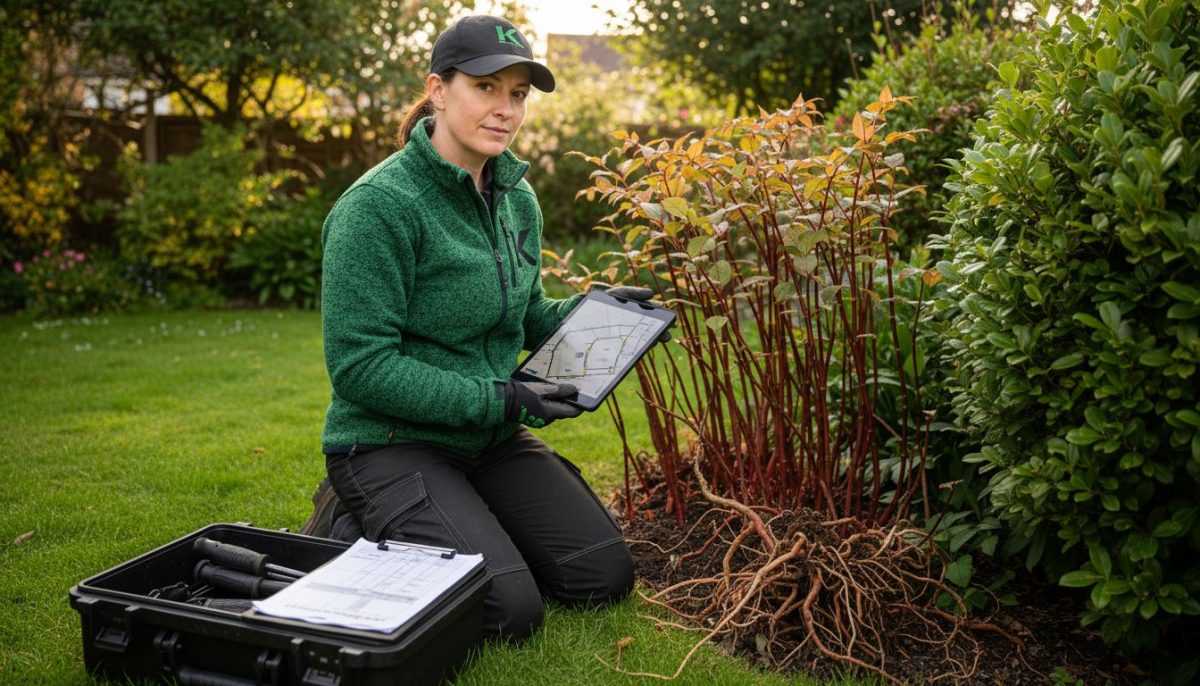
Japanese knotweed can regenerate from pieces as small as 1 centimeter, making it one of the most stubborn invasive plants in the United Kingdom. This plant’s reach is not just a gardener’s problem; a single careless action can spark widespread infestations, disrupt property sales, and lead to costly eradication efforts. Learning how and why Japanese knotweed spreads helps you protect your property, avoid financial risk, and make informed decisions about control.
Table of Contents
- What Is Japanese Knotweed Spread?
- Main Pathways of Knotweed Propagation
- Environmental and Human-Driven Spread Factors
- Risks to Property Buyers and Homeowners
- Containing, Surveying, and Preventing Spread
Key Takeaways
| Point | Details |
|---|---|
| Invasive Nature | Japanese knotweed is a highly invasive species that spreads primarily through its extensive rhizome network, making eradication difficult. |
| Propagation Mechanics | The plant propagates through small rhizome or stem fragments, often transported unintentionally by human activities, complicating management efforts. |
| Property Risks | The presence of Japanese knotweed can significantly reduce property values and complicate mortgage approvals; proactive management is essential. |
| Effective Control | Successful management requires professional herbicide treatments and comprehensive monitoring, as conventional methods may exacerbate the spread. |
What Is Japanese Knotweed Spread?
Japanese knotweed represents a unique and incredibly resilient invasive plant species with an extraordinary capacity for proliferation. According to RHS, this perennial was introduced to the United Kingdom during the mid-19th century and has since become notorious for its aggressive reproductive capabilities.
At the core of Japanese knotweed’s remarkable spread mechanism is its extensive rhizome network – an underground stem system capable of regenerating from minuscule fragments as small as 1 centimeter. Garden Organic confirms that in the United Kingdom, this plant spreads exclusively through vegetative reproduction, which means it rarely produces viable seeds.
The rhizome system of Japanese knotweed is extraordinarily robust and can extend several meters from the parent plant. This characteristic makes eradication incredibly challenging once the plant becomes established. Key spread characteristics include:
- Ability to regenerate from tiny root fragments
- Underground rhizome network spanning multiple meters
- Rapid colonization of diverse habitat types
- Minimal dependence on seed reproduction
Understanding the complex spread mechanism is crucial for property owners and land managers. The consequences of letting Japanese Knotweed spread can be severe, potentially causing significant structural damage and reducing property values if left unchecked.
The plant’s incredible resilience stems from its evolutionary adaptations, allowing it to thrive in various environmental conditions.
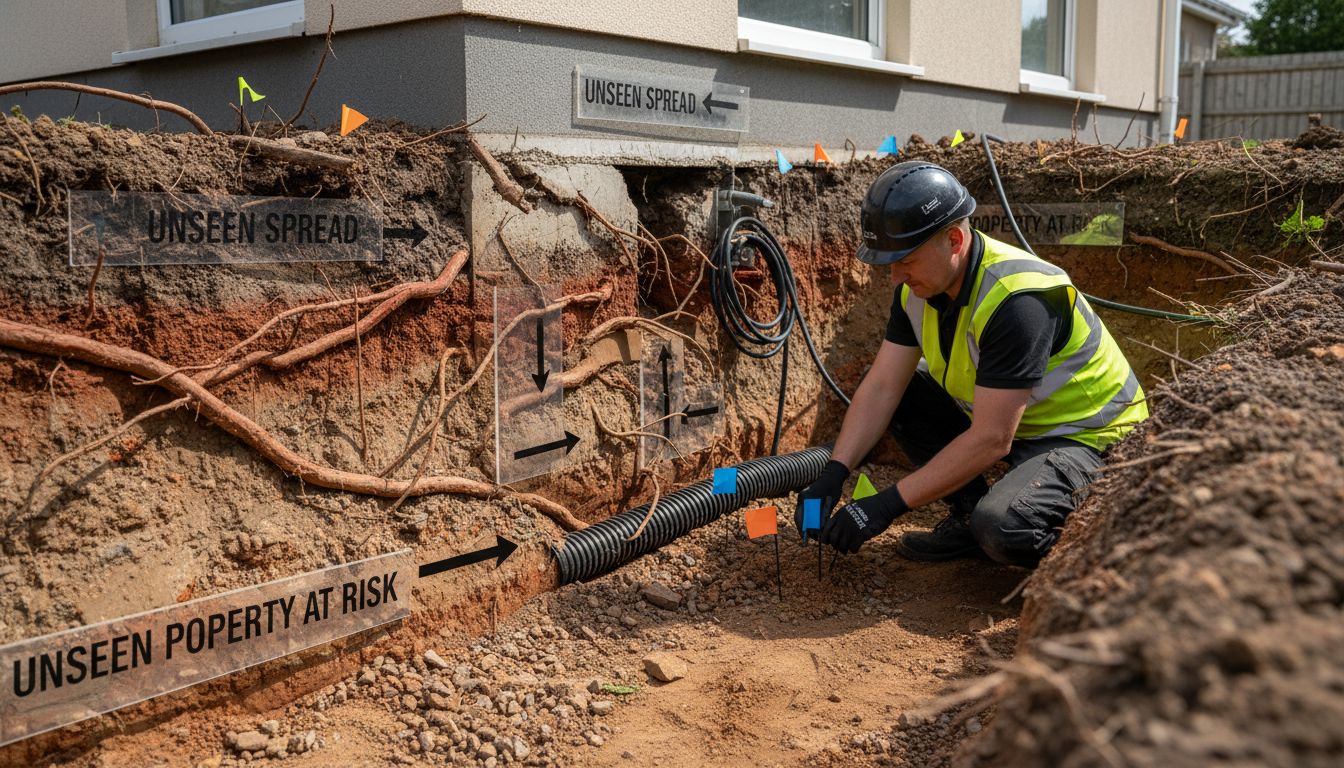 Its rhizome system acts like an underground network, enabling the plant to survive and proliferate even when surface vegetation appears completely removed.
Main Pathways of Knotweed Propagation
Japanese knotweed exhibits an extraordinary ability to spread through multiple intricate propagation pathways. According to Gov UK, the plant propagates through direct rhizome growth and new plant development from stem and rhizome fragments, with even microscopic pieces as small as 1 centimeter capable of generating entirely new plant systems.
The primary mechanisms of propagation involve both underground and surface-level spread strategies. Natural Resources Wales confirms that transportation of rhizome or stem fragments to new locations represents the most significant vector for knotweed expansion. This characteristic makes the plant exceptionally challenging to control and eradicate.
Key propagation pathways include:
- Rhizome fragment transportation via soil movement
- Unintentional movement through construction or landscaping activities
- Water-based dispersal during flooding events
- Accidental spread through contaminated garden waste
- Transportation on machinery, vehicles, or equipment
Understanding these complex propagation mechanisms is crucial for effective management. How Did Japanese Knotweed Get Here? provides additional context about the plant’s historical introduction and subsequent spread across different environments.
The plant’s remarkable reproductive capabilities stem from its evolutionary adaptations, allowing it to survive and proliferate through multiple mechanisms. Its ability to regenerate from minuscule fragments makes Japanese knotweed one of the most challenging invasive species to control, requiring comprehensive and strategic intervention strategies.
Environmental and Human-Driven Spread Factors
Japanese knotweed’s remarkable invasiveness stems from a complex interplay of environmental and human-driven mechanisms that dramatically accelerate its spread. According to NNNSI, the plant proliferates through both natural environmental processes and direct human activities, with its extraordinary ability to regenerate from tiny fragments serving as a primary driver of its expansive distribution.
The human-mediated spread mechanisms are particularly significant in the plant’s propagation. Garden Organic highlights that human activities such as soil transportation, waste dumping, and inadvertent movement of plant materials have been predominantly responsible for Japanese knotweed’s widespread colonization across different landscapes.
Key environmental and human-driven spread factors include:
- Soil transportation during construction projects
- Improper disposal of garden and landscaping waste
- Movement of contaminated machinery between sites
- Natural water course dispersal during flooding
- Landscaping and ground modification activities
- Unintentional fragment distribution through soil movement
The complexity of these spread mechanisms makes Japanese knotweed an exceptionally challenging invasive species. What is Japanese Knotweed? provides deeper insights into the plant’s biological characteristics that enable its aggressive propagation.
Ultimately, the plant’s survival strategy relies on its remarkable adaptability.
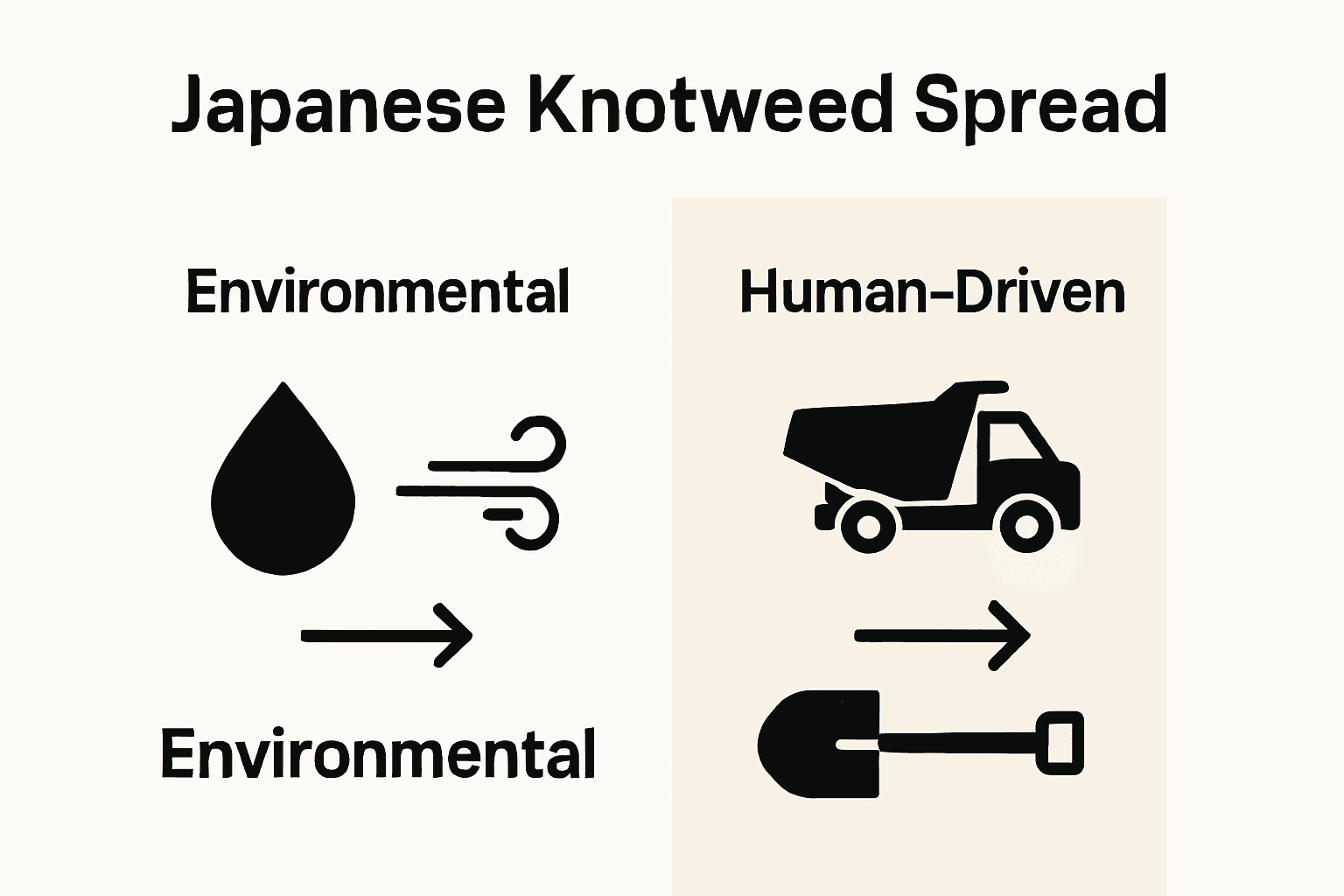 Its capacity to regenerate from microscopic fragments, combined with both environmental and anthropogenic spread vectors, positions Japanese knotweed as a formidable ecological challenge requiring comprehensive, strategic management approaches.
Risks to Property Buyers and Homeowners
Japanese knotweed represents a significant potential threat to property investments, with complex implications for homeowners and prospective buyers. According to University of Leeds, while the plant may be less destructive structurally than traditionally believed, its presence can still dramatically impact property values and mortgage approval processes.
The potential property risks extend beyond simple structural concerns. NHSN emphasizes that Japanese knotweed can cause substantial challenges for property owners, including disruptions to infrastructure such as roads, foundations, and watercourses. Its aggressive growth pattern can potentially displace native vegetation and compromise surrounding landscape integrity.
Critical risks for property buyers and homeowners include:
- Reduced property market value
- Potential mortgage application complications
- Expensive professional eradication requirements
- Potential legal liabilities if spread occurs
- Structural damage to foundations and underground infrastructure
- Landscaping and garden restoration costs
The consequences of letting Japanese Knotweed spread provides additional context about the long-term implications of this invasive species.
Navigating these risks requires proactive management and comprehensive understanding. Potential property purchasers should conduct thorough invasive species surveys, understand potential treatment costs, and recognize that early detection and professional intervention can mitigate most significant financial and structural challenges associated with Japanese knotweed.
Containing, Surveying, and Preventing Spread
Effective management of Japanese knotweed requires a strategic and comprehensive approach to containment and prevention. According to Gov UK, traditional methods like strimming, flailing, or mowing can actually increase the risk of spread, making professional intervention crucial for successful control.
The primary containment strategies focus on specialized treatment protocols. Natural Resources Wales emphasizes that cutting and digging are ineffective, with professional glyphosate-based herbicide applications representing the most reliable method of control. These treatments typically require a sustained approach, potentially spanning two to three years of repeated application.
Key containment and prevention strategies include:
- Professional herbicide treatment
- Comprehensive site surveys
- Strict soil movement protocols
- Root barrier installation
- Controlled waste management
- Regular monitoring and follow-up treatments
Root Barrier provides additional insights into advanced containment techniques that can prevent underground spread.
Successful Japanese knotweed management demands a proactive, multi-faceted approach. Property owners and managers must prioritize early detection, professional assessment, and targeted intervention to minimize potential ecological and structural risks associated with this highly invasive plant species.
Stop Japanese Knotweed Spread With Proven Innovative Solutions
Japanese Knotweed’s aggressive growth and ability to regenerate from tiny fragments create major challenges for property owners and land managers. If you want to protect your home or investment from costly damage and avoid the pitfalls of uncontrolled spread through soil movement, flooding, or waste disposal, acting quickly is critical. Japanese Knotweed Agency offers a pioneering chemical-free treatment that directly targets the plant’s extensive rhizome network by delivering high-voltage energy onsite. This approach causes internal cell damage and depletes the plant’s energy, helping to halt regeneration more effectively than traditional herbicide methods.

Take control now by scheduling a comprehensive property survey for invasive weeds to understand the extent of the issue. Combine that with expert solutions including our advanced root barrier installation and excavation services designed to prevent further rhizome spread underground. Protect your property value and peace of mind with the latest in knotweed management. Visit Japanese Knotweed Agency today and stop the spread before it gets out of control.
Frequently Asked Questions
How does Japanese knotweed spread?
Japanese knotweed primarily spreads through its extensive underground rhizome network, which can regenerate from tiny root fragments as small as 1 centimeter. It reproduces vegetatively rather than through seeds, making it highly invasive.
What are the main pathways for Japanese knotweed propagation?
The main pathways for Japanese knotweed propagation include the transportation of rhizome fragments via soil movement, accidental dispersal through construction activities, and water-based dispersal during flooding. Even small plant fragments can grow into new plants.
What environmental factors contribute to the spread of Japanese knotweed?
Environmental factors such as natural soil movement, flooding, and disturbances from landscaping can accelerate the spread of Japanese knotweed. Human activities also significantly contribute to its propagation, particularly through improper waste disposal and soil transportation.
What risks does Japanese knotweed pose to homeowners?
Japanese knotweed can lead to reduced property values, complications with mortgage applications, and potential structural damage to foundations and infrastructure. Its rapid growth can also disrupt native vegetation and landscape integrity.