

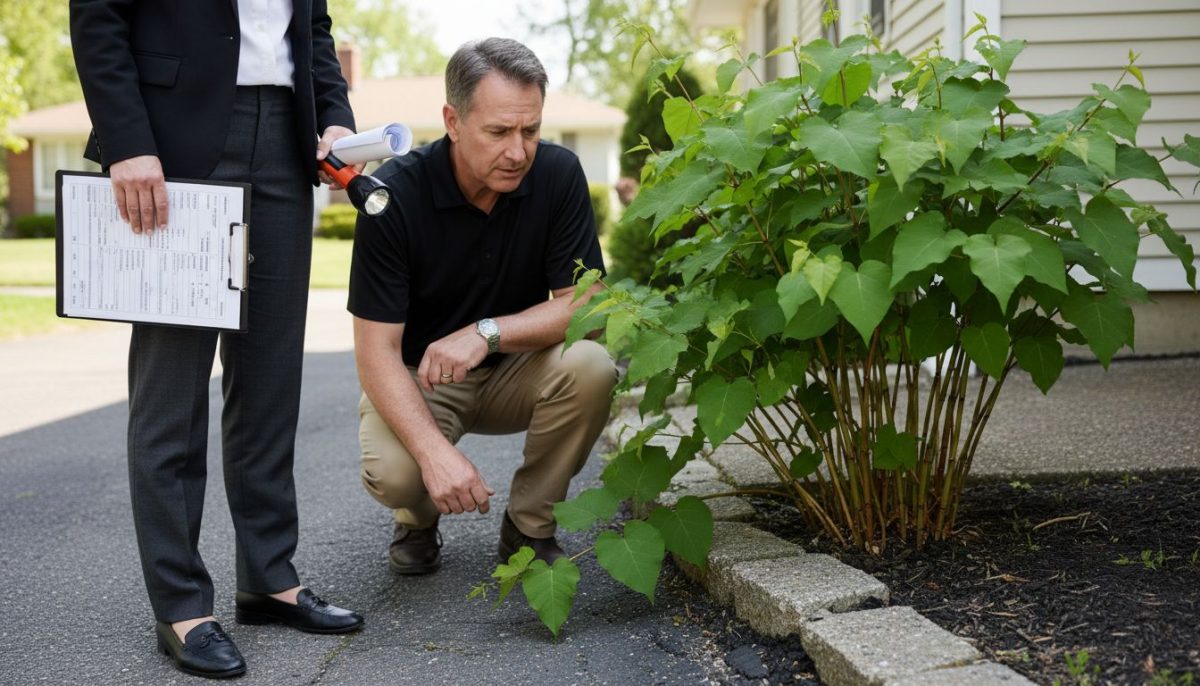
Invasive plants like Japanese knotweed can cause widespread trouble for american homeowners, with removal costs sometimes soaring into the tens of thousands. This relentless species is notorious for breaking through concrete and damaging property foundations, creating stress and unexpected bills. Knowing how to spot and tackle knotweed early means you can protect home value and avoid the steep financial risks many americans face. This guide outlines straightforward, effective steps for identifying and managing Japanese knotweed at any stage.
Table of Contents
- Step 1: Assess Property for Japanese Knotweed Presence
- Step 2: Request a Professional Knotweed Survey
- Step 3: Review Treatment and Remediation Options
- Step 4: Implement a Chemical Free Eradication Plan
- Step 5: Verify Remediation and Secure Warranty
Quick Summary
| Key Insight | Explanation |
|---|---|
| 1. Conduct Early Visual Inspections | Inspect your property between May and September for signs of Japanese knotweed to prevent extensive damage and costs. |
| 2. Hire Certified Professionals for Surveys | Engage experienced surveyors for accurate identification and reporting of knotweed infestations to safeguard your investment. |
| 3. Explore Diverse Remediation Strategies | Understand various treatment options, including chemical, physical, and innovative methods, to effectively eliminate knotweed long-term. |
| 4. Implement Chemical-Free Eradication | Choose non-chemical approaches to eradicate knotweed sustainably, using methods like excavation and energy treatments. |
| 5. Verify Remediation and Secure Warranty | Ensure proper documentation and a warranty for future protection against knotweed regrowth after eradication efforts. |
Step 1: Assess Property for Japanese Knotweed Presence
Detecting Japanese knotweed early can save you thousands in potential property damage and remediation costs. According to the UK Environment Agency, understanding how to identify this invasive plant is crucial for property buyers and homeowners.
When assessing a property for Japanese knotweed presence, start by conducting a comprehensive visual inspection during peak growing season between May and September. Look for distinctive characteristics like bamboo like stems with purple speckles, bright green heart shaped leaves arranged in a zigzag pattern, and large clusters of white flower clusters. As the Centre for Ecology & Hydrology notes, knotweed can grow rapidly up to 10 centimeters per day and can penetrate concrete foundations, driveways, and building structures.
Pro Tip: Do not rely solely on your own inspection. Always hire a professional surveyor experienced in Japanese knotweed identification who can provide an official report.
If you suspect knotweed is present, request documentation from the current property owner about any previous treatments or known infestations. This documentation can help you understand the extent of potential remediation needed and potential impact on property value. Your next step will be to commission a specialized invasive plant survey to confirm any suspicions and develop a comprehensive treatment strategy.
Step 2: Request a Professional Knotweed Survey
Securing a professional knotweed survey is a critical step in protecting your property investment. Royal Institution of Chartered Surveyors guidance emphasizes the importance of expert assessment to accurately identify and manage potential knotweed infestations.
To request a professional survey, start by researching certified surveyors specializing in invasive plant identification. Look for professionals with specific experience in Japanese knotweed detection who can provide comprehensive documentation. As the Property Care Association recommends, choose a surveyor who follows industry best practices and can offer detailed reporting on the extent and potential impact of any knotweed presence.
Pro Tip: Request a free Japanese knotweed survey that provides an initial assessment and professional recommendations.
During the survey, the professional will conduct a thorough site inspection, document any findings with photographs and precise measurements, and provide a comprehensive report detailing the knotweed presence, potential risks, and recommended treatment strategies. This documentation becomes crucial for future property negotiations, insurance purposes, and potential remediation planning.
 Your next step will involve carefully reviewing the survey results and determining the appropriate course of action based on the expert recommendations.
Step 3: Review Treatment and Remediation Options
After identifying Japanese knotweed on your property, understanding your treatment and remediation options becomes crucial. According to the UK Environment Agency, multiple strategies exist for managing this invasive plant effectively.
Research from the University of Leeds highlights several key remediation approaches. Chemical treatments involve herbicide applications over multiple growing seasons, while physical removal methods include excavation and root barrier installations. Some innovative techniques like electromagnetic treatment can target the plant’s root system without extensive ground disturbance.
Pro Tip: Always choose a remediation strategy that provides long term eradication rather than temporary suppression.
Consider factors such as property size, knotweed extent, environmental impact, and budget when selecting your treatment approach. Professional consultation can help you determine the most effective and sustainable method for your specific situation.
Your next step will involve obtaining detailed quotes from certified knotweed removal specialists and developing a comprehensive eradication plan.
Step 4: Implement a Chemical Free Eradication Plan
Implementing a chemical free eradication plan requires strategic planning and specialized techniques to effectively eliminate Japanese knotweed. According to the UK Environment Agency, non chemical methods offer sustainable alternatives to traditional herbicide treatments.
Research from the University of Leeds highlights innovative approaches like electromagnetic treatment and physical removal strategies. Physical methods include complete root system excavation, installing root barriers, and targeted energy treatments that disrupt the plant’s cellular structure without chemical intervention. These techniques can deliver long term eradication by preventing regrowth and minimizing environmental impact.
Pro Tip: Ensure continuous monitoring and follow up treatments to prevent potential knotweed resurgence.
Choose a method that balances effectiveness, cost efficiency, and minimal environmental disruption. Professional consultation can help you develop a tailored chemical free plan specific to your property’s unique characteristics. Your next step will involve implementing the selected eradication strategy and establishing a comprehensive monitoring protocol to ensure complete knotweed removal.
Step 5: Verify Remediation and Secure Warranty
After completing your Japanese knotweed eradication plan, verifying the remediation process becomes critical to protecting your property investment. Royal Institution of Chartered Surveyors emphasizes the importance of comprehensive documentation and professional validation of treatment outcomes.
The Property Care Association recommends securing a formal warranty that covers potential future knotweed regrowth. This warranty should include detailed documentation of the treatment process, including site surveys, eradication methods used, and a comprehensive monitoring plan. Seek a warranty that provides coverage for a minimum of 10 years and includes provisions for additional treatments if any knotweed reappears.
Pro Tip: Request a written guarantee from your treatment specialist that includes specific remediation standards and future monitoring commitments.
Carefully review all documentation, ensuring it includes precise location details, treatment dates, methods employed, and future management strategies. Professional verification helps protect your property value and provides peace of mind that the knotweed has been thoroughly addressed. Your final step will involve maintaining ongoing monitoring and keeping all treatment records for future property transactions.
Protect Your Property Investment with Expert Japanese Knotweed Solutions
Buying a house with Japanese knotweed presents serious challenges that can threaten your property value and peace of mind. The article highlights the critical steps of identifying knotweed presence, commissioning professional surveys, and choosing effective treatment plans.
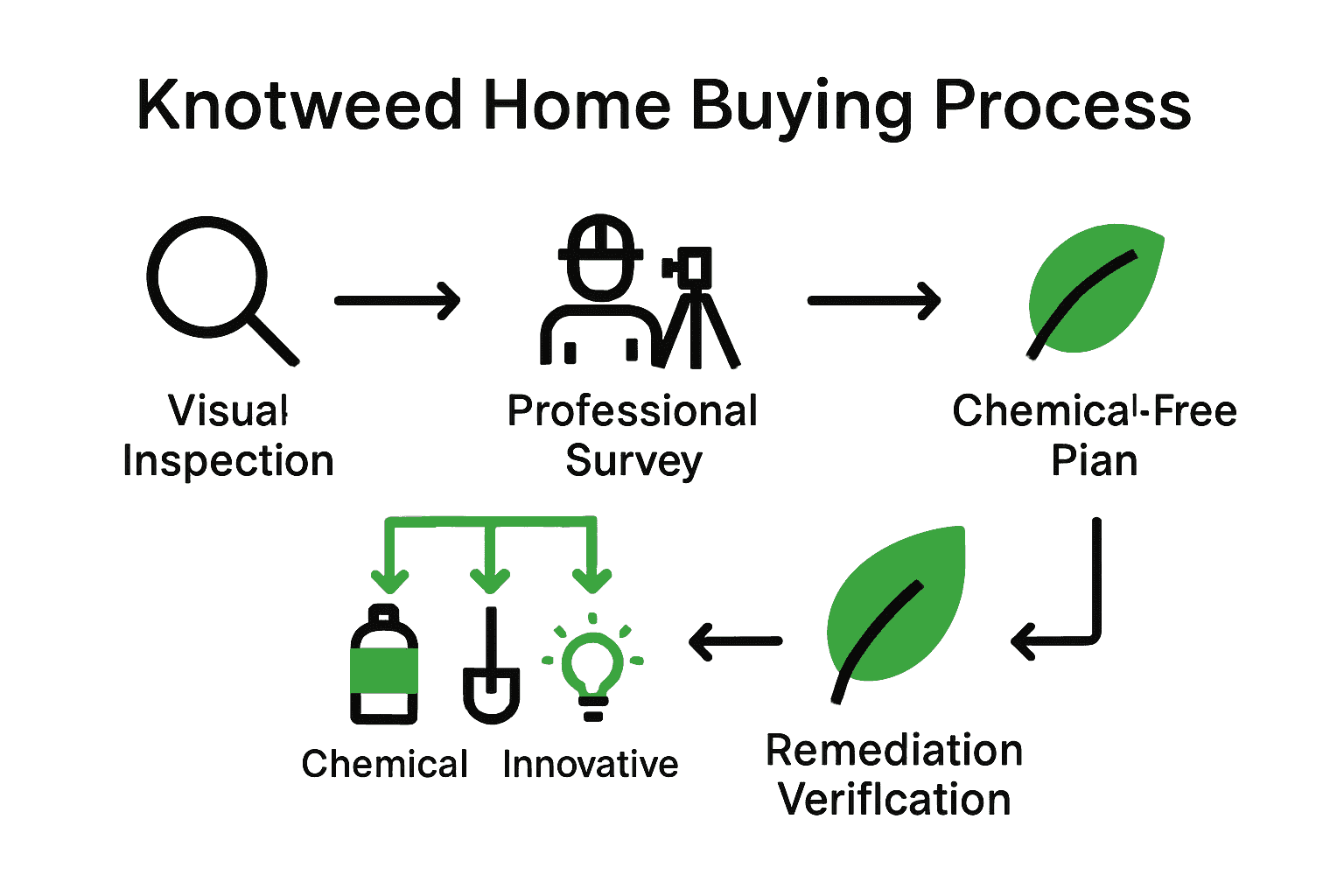 If you want to avoid costly damage and stressful remediation later, it is essential to act decisively with proven, chemical free eradication methods tailored to your property.
At Japanese Knotweed Agency, we specialize in advanced treatment options such as direct energy delivery up to 5000 volts that disrupts knotweed at its roots without harmful chemicals. We also provide thorough property invasive weed surveys across England, Wales, and Ireland to give you the knowledge and confidence you deserve. With root barrier installation and excavation services, we offer comprehensive solutions for lasting knotweed removal.

Don’t wait until knotweed impacts your property purchase or value. Discover how our professional surveys and innovative chemical free eradication techniques can secure your investment today. Start your knotweed journey with Japanese Knotweed Agency and take control of your property future now.
Frequently Asked Questions
What should I look for when assessing a property for Japanese knotweed?
To assess a property for Japanese knotweed, look for bamboo-like stems with purple speckles, bright green heart-shaped leaves arranged in a zigzag pattern, and clusters of white flowers during the growing season from May to September. Conduct a thorough visual inspection and hire a professional surveyor to confirm any findings and provide an official report.
How do I request a professional knotweed survey?
Start by researching certified surveyors who specialize in invasive plant identification, particularly Japanese knotweed. Contact them to request a survey that includes a thorough site inspection and document any findings with detailed reporting, including photographs and measurements.
What treatment options are available if I find Japanese knotweed on my property?
Available treatment options include chemical methods like herbicide applications over multiple seasons, physical removal strategies like excavation, and innovative techniques such as electromagnetic treatment. Review each option carefully, considering your property size and budget, and consult with professionals for the best approach tailored to your situation.
How can I implement a chemical-free eradication plan for Japanese knotweed?
To implement a chemical-free eradication plan, consider methods such as complete root system excavation and installation of root barriers. Choose techniques that minimize environmental impact while effectively preventing regrowth and follow up with continuous monitoring after treatment is completed.
How can I verify the effectiveness of the knotweed remediation?
After completing the eradication plan, verify its effectiveness by securing formal documentation from your treatment specialist that outlines the methods used, the dates of treatment, and a monitoring plan. Ensure the warranty covers at least 10 years and includes provisions for any future treatment needs if knotweed reappears.
What documentation should I keep after the knotweed treatment?
Keep detailed records of the treatment process, including site surveys, eradication methods, and a future monitoring plan. This documentation will be essential for property value protection and any future property transactions involving the house.