

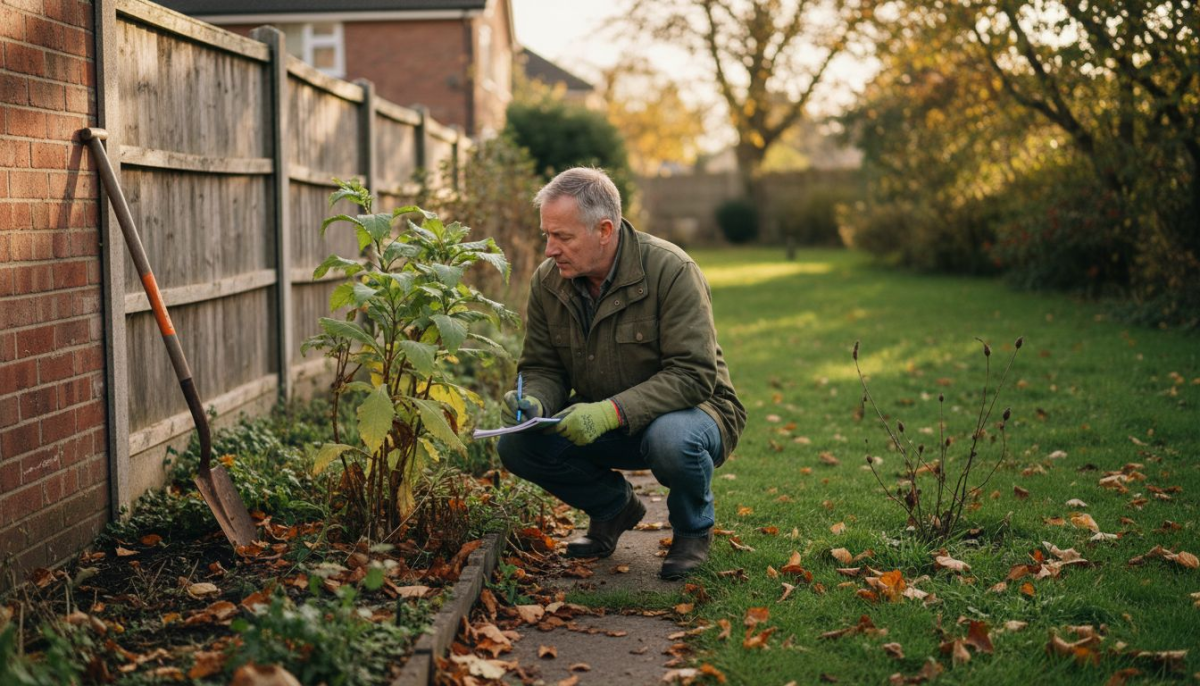
Most British homeowners are surprised to learn that Japanese Knotweed can knock up to 10 percent off a property’s value, raising real concerns during the home-buying process. For families in England, Wales, and Ireland, choosing chemical-free treatment while ensuring a comprehensive property survey matters now more than ever. This guide gives you clear steps to assess your land, spot hidden risks, and achieve peace of mind without resorting to harsh chemicals.
Table of Contents
- Step 1: Prepare Property And Gather Site Details
- Step 2: Inspect And Identify Knotweed Symptoms
- Step 3: Map Infestation Zones And Take Site Photos
- Step 4: Evaluate Risk To Property And Structures
- Step 5: Recommend Chemical-Free Treatment And Verify Outcomes
Quick Summary
| Key Insight | Explanation |
|---|---|
| 1. Gather Comprehensive Site Details | Document all aspects of the property and environmental context for informed assessments and treatments. |
| 2. Systematic Knotweed Identification | Recognise key features of Japanese Knotweed throughout the seasons to ensure accurate identification. |
| 3. Precise Mapping of Infestations | Create detailed maps marking all knotweed locations to assist in future treatment planning. |
| 4. Assess Structural Risks | Evaluate the proximity of knotweed to structures to understand potential damage and necessary precautions. |
| 5. Implement Chemical-Free Treatments | Explore effective non-chemical strategies to eradicate knotweed while minimising environmental impact. |
Step 1: Prepare property and gather site details
Before diving into a Japanese Knotweed assessment, you need a comprehensive overview of your property’s landscape and potential invasive plant history. This critical first step involves collecting precise details that will guide your entire survey and treatment strategy.
Start by creating a detailed site record that goes beyond basic measurements. Thorough site assessments should include precise location information, surrounding area descriptions, and comprehensive documentation of any invasive plant presence. Leverage online resources like Google Street View to verify historical site conditions and track potential previous infestations. Take high-resolution photographs from multiple angles, capturing not just the suspected knotweed areas but also surrounding vegetation, structures, and landscape features.
Document everything meticulously. Note property boundaries, proximity to buildings, drainage systems, and neighbouring land. Your goal is creating a comprehensive snapshot that will help professionals understand the full context of potential knotweed spread. Measuring and mapping affected areas precisely will be crucial for subsequent treatment planning.
Pro tip: Create a digital folder with all site documentation, including photographs, maps, and notes. This organised approach will streamline future communications with knotweed specialists and provide a clear historical record of your property’s condition.
Step 2: Inspect and identify knotweed symptoms
Successfully identifying Japanese Knotweed requires a meticulous and systematic approach that goes beyond casual observation. Your goal in this step is to develop a keen eye for recognising the distinctive characteristics of this invasive plant across different seasons and growth stages.
Prior to physical inspection, conduct thorough desktop research including reviewing local authority maps and aerial imagery to understand potential infestation areas. When physically examining your property, look for several key symptoms. Japanese Knotweed has distinctive features: bright green bamboo-like stems with distinctive purple speckles, large heart-shaped leaves arranged in a zigzag pattern, and a robust root system that can grow aggressively through concrete and building foundations. During spring, new shoots emerge with reddish purple buds, quickly developing into cane-like stems that can grow up to 3 metres tall.
Cross-reference your observations with established identification guides, paying special attention to seasonal variations. Summer brings clusters of small white flowers, while autumn sees the stems turn brown and woody. Take detailed photographs from multiple angles to document your findings, which will be crucial for professional assessments. Surveyors recommend checking not just visible areas but also investigating potential hidden growth zones near boundaries, drainage systems, and structural foundations.
Pro tip: Develop a systematic inspection approach by creating a standardised checklist that covers different property zones and seasonal characteristics, ensuring you don’t miss potential knotweed indicators.
Here is a summary of Japanese Knotweed characteristics by season to assist with accurate identification:
| Season | Visible Features | Typical Growth Pattern |
|---|---|---|
| Spring | Reddish purple shoots | New growth rapidly emerging |
| Summer | Clusters of white flowers | Tall, dense cane-like stems |
| Autumn | Brown, woody stems | Vigorous root activity, leaves begin to drop |
| Winter | Dead-looking canes | Rhizomes dormant underground, minimal foliage |
Step 3: Map infestation zones and take site photos
Carefully mapping knotweed infestation zones requires precision and a strategic approach to documenting the spread of this invasive plant across your property. Your objective is to create a comprehensive visual and spatial record that professionals can use for further assessment and treatment planning.
Accurate mapping of Japanese Knotweed infestations involves creating scaled maps with precise dimensions, marking the locations of all plant stands and indicating the potential extent of the rhizome network. Begin by obtaining a base map or property blueprint, then systematically mark all visible knotweed locations. Use a measuring tape to record exact distances between the plant clusters and key property features like buildings, fences, and drainage systems. Take high resolution photographs from multiple angles for each identified zone, ensuring you capture close-up details of stem characteristics, leaf patterns, and the surrounding landscape context.
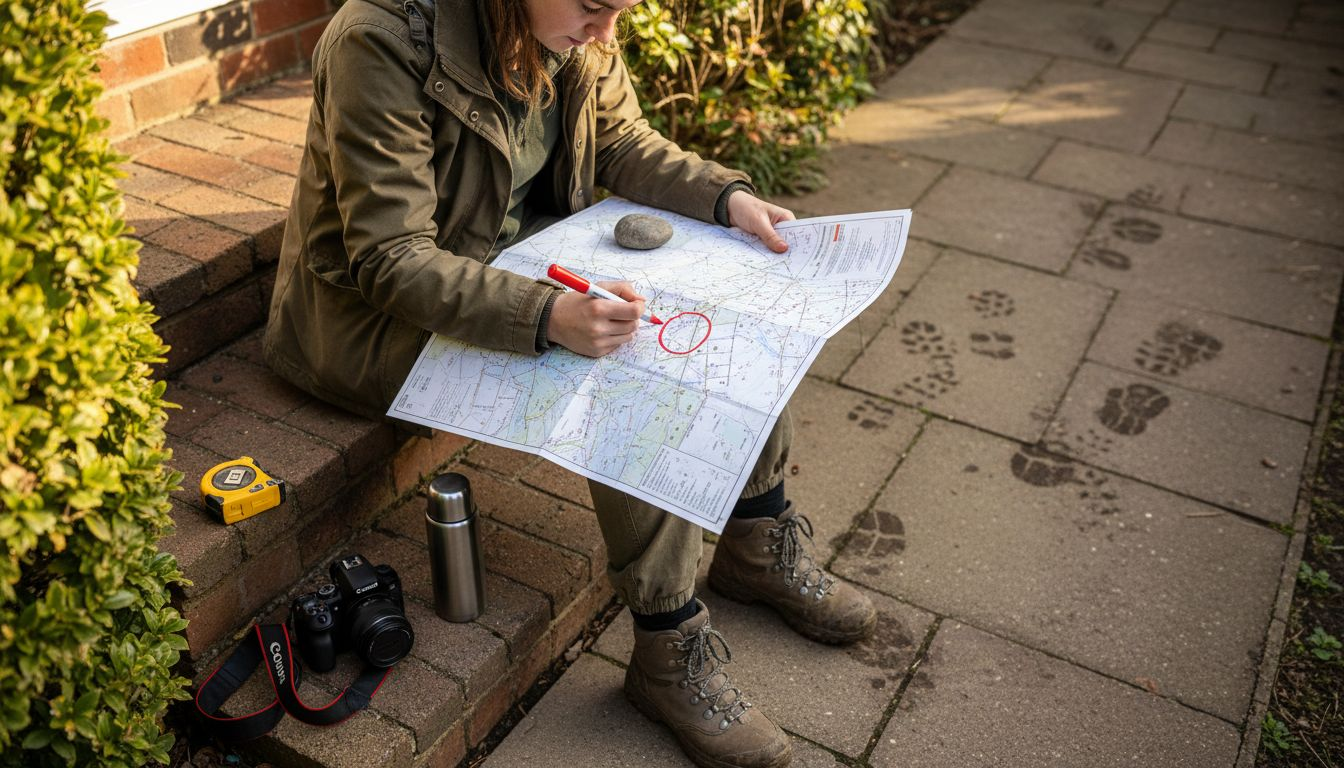
When photographing, include reference points like a measuring stick or common object to provide scale. Capture images during different times of day to highlight varying light conditions and ensure clear documentation. Include wide landscape shots that show the knotweed’s relationship to surrounding terrain, as well as detailed close-ups that reveal specific plant characteristics. Number and label each photograph corresponding to your mapped locations to create a clear, professional documentation system that will be invaluable for future treatment strategies.
Pro tip: Create a digital backup of all site photographs and mapping documents, storing them in a cloud service with multiple redundancies to prevent potential loss of critical evidence.
Step 4: Evaluate risk to property and structures
Assessing the potential damage Japanese Knotweed can inflict on your property requires a comprehensive and strategic evaluation. Understanding the extent and implications of an infestation is crucial for protecting your property’s structural integrity and market value.
Risk assessments must thoroughly evaluate the impact of invasive non-native plants on the property, considering factors like the extent of infestation, proximity to structures, and potential for structural damage. Start by examining the distance between knotweed stands and critical infrastructure such as foundations, drainage systems, retaining walls, and underground utilities. Pay particular attention to areas where knotweed growth appears aggressive or close to building foundations. Japanese Knotweed’s robust rhizome network can exert tremendous pressure, potentially causing cracks, destabilising structures, and compromising underground pipework.
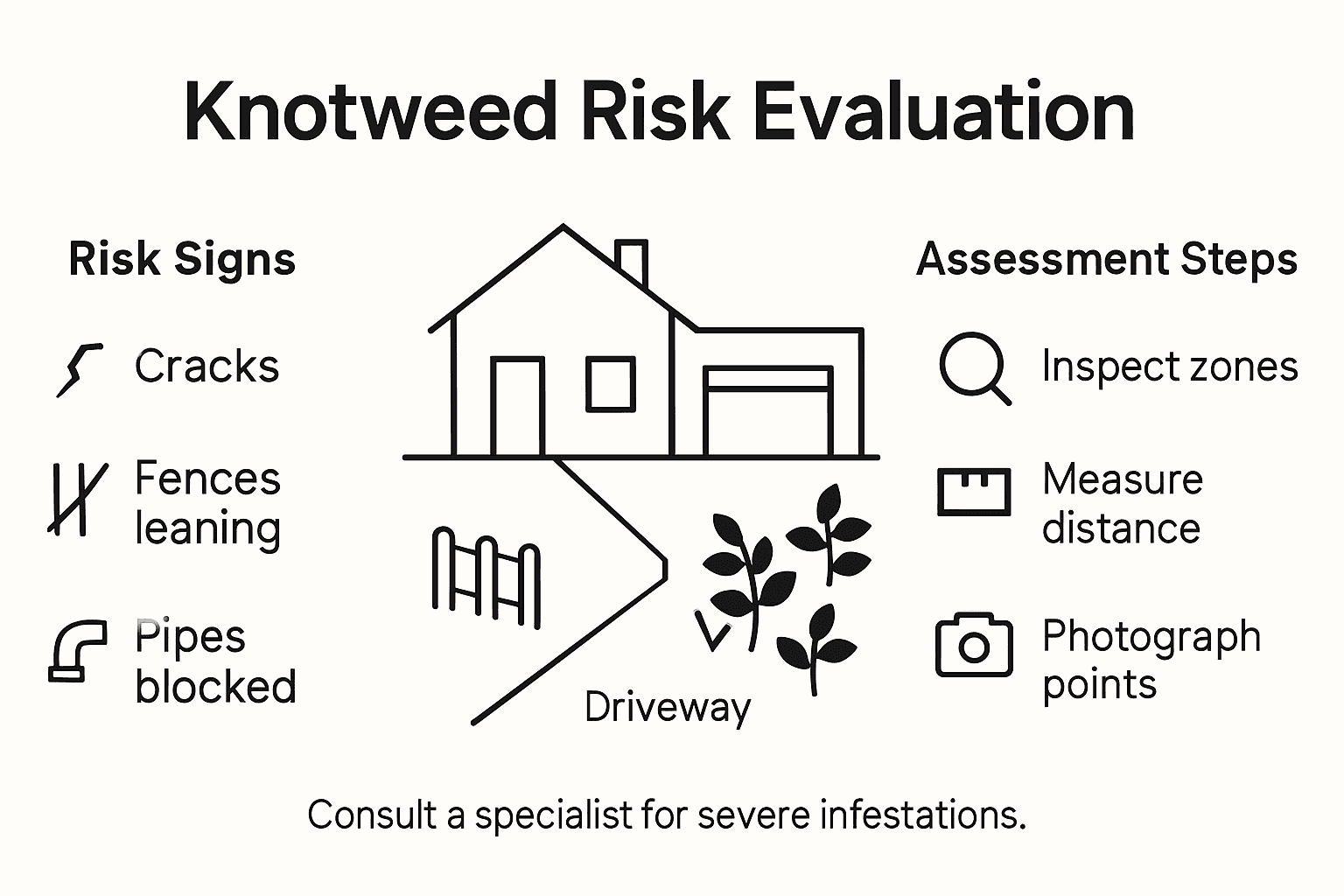
Evaluate both immediate and long-term risks by considering the plant’s growth patterns and potential spread. Look for signs of root penetration near concrete surfaces, pavements, and building foundations. Consider the potential repair costs and structural implications if left untreated. Document any visible damage, measure distances between knotweed clusters and structures, and note the density and maturity of the infestation. This detailed assessment will be critical for insurance purposes, property valuations, and developing an effective remediation strategy.
Pro tip: Consult a professional surveyor specialising in Japanese Knotweed to obtain a comprehensive risk assessment report, which can provide definitive insights into potential structural threats and recommended mitigation strategies.
Step 5: Recommend chemical-free treatment and verify outcomes
Selecting an effective chemical-free treatment strategy for Japanese Knotweed requires a nuanced approach that targets the plant’s extensive underground root system while minimising environmental impact. Your goal is to implement a solution that completely eradicates the invasive plant without introducing harmful chemicals into the ecosystem.
Effective control methods include installing physical barriers made of impenetrable materials like concrete or specialized membranes to prevent rhizome spread. This approach involves creating a comprehensive containment strategy that prevents the knotweed’s underground network from expanding. Consider using thermo-electric treatment methods that deliver targeted energy directly to the plant’s root system, causing internal cell damage and depleting its energy resources. Document the treatment process meticulously, tracking the plant’s response through regular photographic evidence and precise measurements of affected areas.
Verification is critical in confirming the treatment’s success. Schedule multiple follow-up inspections at different intervals to monitor the site for any potential regrowth. Look for signs of plant decline, such as reduced stem density, discoloration, and absence of new shoots. Compare your initial site documentation with subsequent assessments to demonstrate the treatment’s effectiveness. Keep detailed records including dates, treatment methods, and observable changes, which will be valuable for future reference and potential property valuations.
Pro tip: Maintain a comprehensive treatment log with dated photographs and measurement records to create a robust documentation trail that proves the complete eradication of Japanese Knotweed from your property.
Below is a comparison of common chemical-free Japanese Knotweed control strategies:
| Method | Description | Environmental Impact |
|---|---|---|
| Physical Barriers | Instalment of membranes or concrete to block rhizomes | No chemical contamination |
| Thermo-electric Shock | Use of targeted heat or electricity to kill root cells | Very low, non-toxic process |
| Mechanical Removal | Complete excavation and disposal of roots and shoots | High disturbance, soil loss |
Take Control of Japanese Knotweed with Expert Chemical-Free Solutions
If you have followed the detailed steps of the “Knotweed Assessment Workflow for Homeowners” you will understand just how challenging it can be to accurately assess and map the extent of Japanese Knotweed on your property. The frustration of identifying seasonal symptoms, creating precise site maps and evaluating risks is real. More importantly you need effective treatment options that do not harm your garden or surroundings. At Japanese Knotweed Agency we specialise in chemical free eradication techniques that neutralise invasive plants safely and sustainably.

Act now to protect your home and investment. Our pioneering thermo-electric treatments deliver up to 5000 volts directly to the knotweed rhizomes causing internal cell damage and reducing regrowth risk. We also provide professional root barrier installations and comprehensive excavation works tailored to your site survey findings. Discover how our property surveys across England, Wales and Ireland give you peace of mind through expert identification and risk analysis. Take the next step and secure your property against knotweed damage by visiting Japanese Knotweed Agency today.
Frequently Asked Questions
How do I begin a Knotweed assessment on my property?
To begin a Knotweed assessment, gather detailed site information, including measurements and documentation of any invasive plant presence. Create a digital folder to organise your findings and streamline communication with specialists.
What should I look for when inspecting for Japanese Knotweed?
When inspecting for Japanese Knotweed, focus on key symptoms such as bamboo-like stems with purple speckles, heart-shaped leaves, and distinctive growth patterns in different seasons. Develop a checklist to ensure thorough inspection and take photographs to document your findings.
How can I map the areas affected by Knotweed?
To map Knotweed infestation zones, start by creating a scaled map or blueprint of your property. Record the precise locations of each plant cluster and take high-resolution photographs from multiple angles to enhance documentation and future assessments.
What risks does Japanese Knotweed pose to my property?
Japanese Knotweed can damage structures, cause cracks in foundations, and compromise drainage systems through its aggressive root system. Evaluate the distance between Knotweed stands and critical infrastructure to understand the potential risks and plan for remediation.
What chemical-free treatment options are available for Knotweed?
Chemical-free treatment options include installing physical barriers to prevent rhizome spread or using thermo-electric treatments to damage the root system. Document your treatment efforts and schedule follow-up inspections to monitor progress and ensure the Knotweed is eradicated.
How do I verify the success of my Knotweed treatment?
To verify treatment success, conduct multiple follow-up inspections and compare the results against your original site documentation. Look for signs of decline in the Knotweed’s growth, such as reduced stem density and monitor changes over several months to confirm effectiveness.