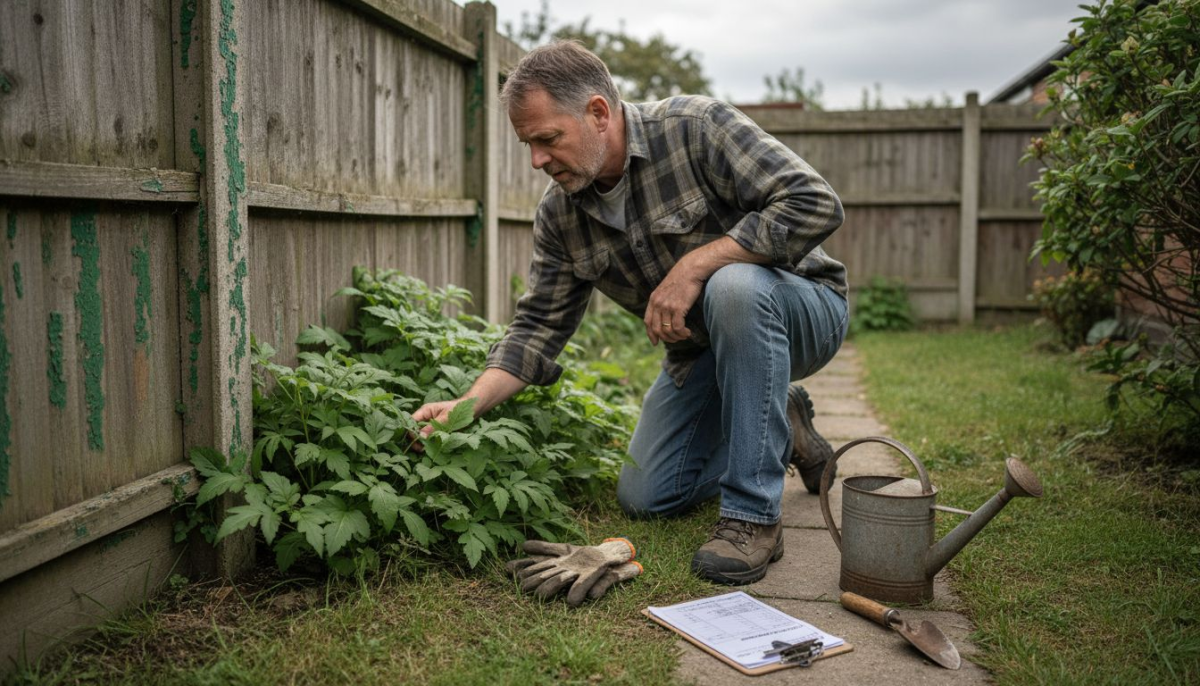
Selling or buying a home in the United Kingdom can quickly become stressful when invasive plants like Japanese Knotweed enter the picture. For many homeowners, discovering this aggressive weed means facing tough legal, financial, and structural threats that jeopardise both property value and peace of mind. Understanding the importance of integrated weed management and seeking chemical-free solutions helps you protect your investment and ensure a smoother property transaction.
Table of Contents
- Property Weed Risk Defined and Explained
- Major Invasive Species Threatening Homes
- Weed Surveys and Risk Assessment Process
- Legal Duties for UK Property Owners
- Chemical-Free Eradication and Root Barriers
- Costs, Liabilities and Conveyancing Risks
Key Takeaways
| Point | Details |
|---|---|
| Understanding Invasive Weeds | Property weed risks, particularly from species like Japanese Knotweed, can cause severe structural damage and reduce property value significantly. |
| Legal Responsibilities | UK homeowners must comply with regulations regarding invasive species to avoid legal penalties and potential property value loss. |
| Professional Surveys Recommended | Conducting professional invasive plant surveys before property purchases can mitigate unexpected financial burdens and ensure legal compliance. |
| Effective Management Strategies | Implementing non-chemical eradication methods and root barriers can effectively control invasive species and protect property investments. |
Property Weed Risk Defined and Explained
Property weed risks represent complex environmental and legal challenges for UK homeowners, involving invasive plant species that can dramatically impact property value, structural integrity, and potential sale prospects. Understanding these risks requires comprehensive knowledge about different types of invasive weeds, their potential damage mechanisms, and legal implications.
Invasive weeds like Japanese Knotweed are particularly problematic, with capabilities that extend far beyond typical garden vegetation. These plants can penetrate structural foundations through seemingly impenetrable surfaces, causing significant structural damage that potentially reduces property marketability.
Key characteristics of problematic property weeds include:
- Rapid and aggressive growth patterns
- Ability to spread through underground root networks
- Potential to compromise building foundations
- High resilience to standard removal techniques
- Legal reporting requirements for property transactions
Property weed risks are not merely aesthetic concerns but serious legal and financial challenges. Mortgage lenders frequently require comprehensive surveys to identify potential invasive plant risks before approving property transactions. Professional assessments help determine the extent of potential damage and recommend appropriate mitigation strategies.
Integrated weed management involves a strategic approach to identifying, evaluating, and addressing invasive plant species. This comprehensive method considers multiple factors:
- Site-specific environmental conditions
- Species identification
- Potential economic impact
- Long-term control strategies
Proper identification and prompt management of invasive weeds can save homeowners significant repair and legal expenses.
Pro tip: Always conduct a professional invasive plant survey before purchasing a property to understand potential hidden risks and avoid unexpected financial burdens.
Major Invasive Species Threatening Homes
Invasive plant species represent a significant threat to UK homeowners, with certain aggressive vegetation capable of causing substantial property damage and financial complications. Garden thugs pose serious risks to residential structures, transforming seemingly harmless landscaping into potential long-term property challenges.
The most problematic invasive species in the United Kingdom include:
- Japanese Knotweed: Notorious for penetrating building foundations
- Cherry Laurel: Rapid spreading and aggressive root development
- Bamboo: Extremely persistent with complex underground networks
- Leyland Cypress: Rapid growth that can compromise property boundaries
These invasive species can create complex legal and environmental challenges for homeowners. Their ability to spread quickly and cause structural damage means they are not merely gardening inconveniences but serious property risk factors that can dramatically impact land value and mortgageability.
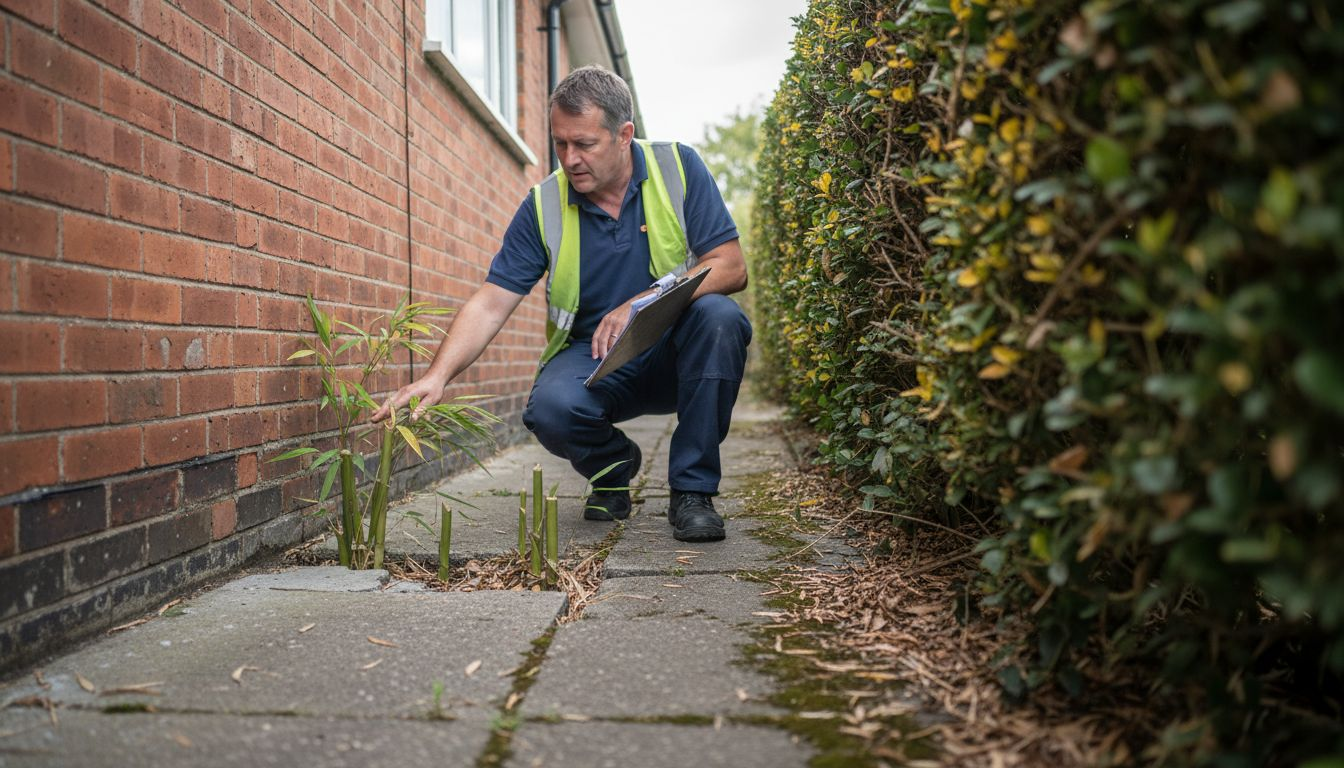
Here’s a comparison of the most problematic invasive species and their distinct impacts on UK properties:
| Species | Primary Threat | Typical Spread Rate | Impact on Property Value |
|---|---|---|---|
| Japanese Knotweed | Foundation penetration | Very rapid | High reduction, up to 20% |
| Cherry Laurel | Root network expansion | Rapid | Moderate decrease |
| Bamboo | Persistent root invasion | Fast, underground | Significant risk in sales |
| Leyland Cypress | Boundary compromise | Fast-growing | Often decreases appeal |
Ecological Impact extends beyond individual properties. Invasive non-native species disrupt native ecosystems by outcompeting indigenous plants and animals, causing significant environmental and economic challenges.
Identifying and managing invasive species early can prevent extensive and expensive property damage.
Unique Characteristics of Invasive Plant Species:
- Rapid growth rates
- Complex underground root systems
- High resilience to standard removal techniques
- Potential to compromise building structures
- Ability to spread across property boundaries
Pro tip: Conduct professional invasive species surveys before purchasing property to identify potential ecological risks and avoid unexpected restoration expenses.
Weed Surveys and Risk Assessment Process
Property weed surveys represent a critical investigative process for homeowners and property professionals seeking to understand potential ecological risks. Comprehensive weed identification methods involve systematic documentation and analysis of invasive plant species that could compromise property integrity.
The professional weed survey process typically encompasses several key stages:
- Initial site reconnaissance
- Detailed botanical species identification
- Mapping of weed distribution
- Assessment of potential structural risks
- Documentation of environmental impact
Surveyors employ multiple assessment techniques to evaluate the potential risks associated with invasive vegetation. These techniques include ground-level inspections, advanced imaging technologies, and comprehensive root system analysis to determine the extent of potential property damage.
Risk Assessment Criteria for invasive weeds involve evaluating multiple factors:
- Species growth rate
- Underground root network complexity
- Proximity to building foundations
- Potential structural compromise potential
- Legal reporting requirements
Professional weed surveys provide critical insights that can prevent significant property damage and financial complications.
Ecological Considerations extend beyond immediate property concerns. Weed management balances maintenance goals with biodiversity preservation, recognising that not all plant presence represents an inherent threat.
Key survey documentation typically includes:
- Precise location mapping
- Species-specific growth characteristics
- Recommended mitigation strategies
- Potential long-term environmental impacts
- Cost estimates for potential removal or management
Pro tip: Request comprehensive written reports from professional surveyors that detail not just current weed presence, but potential future risks and recommended interventions.
Legal Duties for UK Property Owners
Property owners in the United Kingdom face significant legal responsibilities regarding invasive plant species, particularly when managing non-native vegetation that could potentially spread and cause environmental damage. Legal regulations mandate strict control measures to prevent the uncontrolled proliferation of invasive plants like Japanese Knotweed.
Key legal obligations for property owners include:
- Preventing the spread of invasive species to neighbouring lands
- Implementing appropriate biosecurity measures
- Complying with environmental protection regulations
- Reporting and managing known invasive plant infestations
- Maintaining proper documentation of control efforts
The legal framework surrounding invasive species management is comprehensive and complex. Property owners must understand that allowing invasive plants to spread can result in significant legal and financial consequences, including potential prosecution and substantial remediation costs.
Biosecurity Compliance requires property owners to take proactive steps in managing potentially harmful plant species. Environmental regulations impose strict control requirements on land management activities to prevent the unintentional spread of invasive vegetation.
Specific legal responsibilities encompass:
- Immediate reporting of invasive species discoveries
- Implementing containment strategies
- Ensuring proper disposal of contaminated soil and plant material
- Maintaining detailed records of management efforts
- Cooperating with local environmental authorities
Failure to manage invasive species can result in legal actions, substantial fines, and potential property value reduction.
Potential Legal Consequences for non-compliance include:
- Enforcement notices
- Significant financial penalties
- Mandatory remediation requirements
- Potential civil liability for damage to neighbouring properties
- Challenges in property sales and transactions
Pro tip: Consult with professional ecological surveyors to develop a comprehensive management plan that ensures legal compliance and effectively addresses invasive plant risks.
Chemical-Free Eradication and Root Barriers
Chemical-free weed eradication represents an environmentally responsible approach to managing invasive plant species, particularly for homeowners seeking sustainable solutions. Non-chemical control methods offer safer alternatives to traditional herbicide treatments, protecting ecological systems and reducing potential environmental contamination.
Key non-chemical eradication techniques include:
- Manual plant removal
- Repeated cutting and trimming
- Physical root barrier installations
- Smothering vegetation
- Targeted electrical treatments
- Biological control strategies
Root barriers represent a critical technological intervention for preventing invasive plant spread. These physical membranes create underground blockades that prevent root systems from penetrating critical infrastructure, protecting building foundations, drainage systems, and landscaping elements.
Root Barrier Technologies function through multiple strategic approaches:
- Deep underground installation
- Vertical and horizontal barrier configurations
- Specialised materials resistant to root penetration
- Customised designs for specific site requirements
- Long-term structural protection
Proactive root barrier installation can prevent thousands of pounds in potential property damage.
Invasive species eradication strategies increasingly integrate multiple techniques, combining physical removal, electrical treatments, and targeted biological controls to achieve comprehensive plant management.
Additional non-chemical intervention methods include:
- Precise electrical pulse treatments
- Targeted insect biological controls
- Systematic manual extraction
- Progressive vegetation suppression techniques
- Comprehensive site monitoring
Pro tip: Consult professional ecological experts to design a tailored, multi-stage eradication strategy specific to your property’s unique invasive plant challenges.
Costs, Liabilities and Conveyancing Risks
Invasive species have created substantial economic challenges for UK property owners, with potential financial impacts extending far beyond initial remediation expenses. The presence of invasive plants like Japanese Knotweed can dramatically affect property transactions, insurance, and overall market value.
Key financial risks associated with invasive species include:
- Significant property value reduction
- Expensive structural repair costs
- Potential mortgage application rejections
- Legal compliance expenses
- Ongoing management and treatment expenditures
Conveyancing Complications arise when invasive species are discovered during property transactions. Conveyancing professionals must navigate complex legal risks related to environmental contamination and potential undisclosed liabilities.
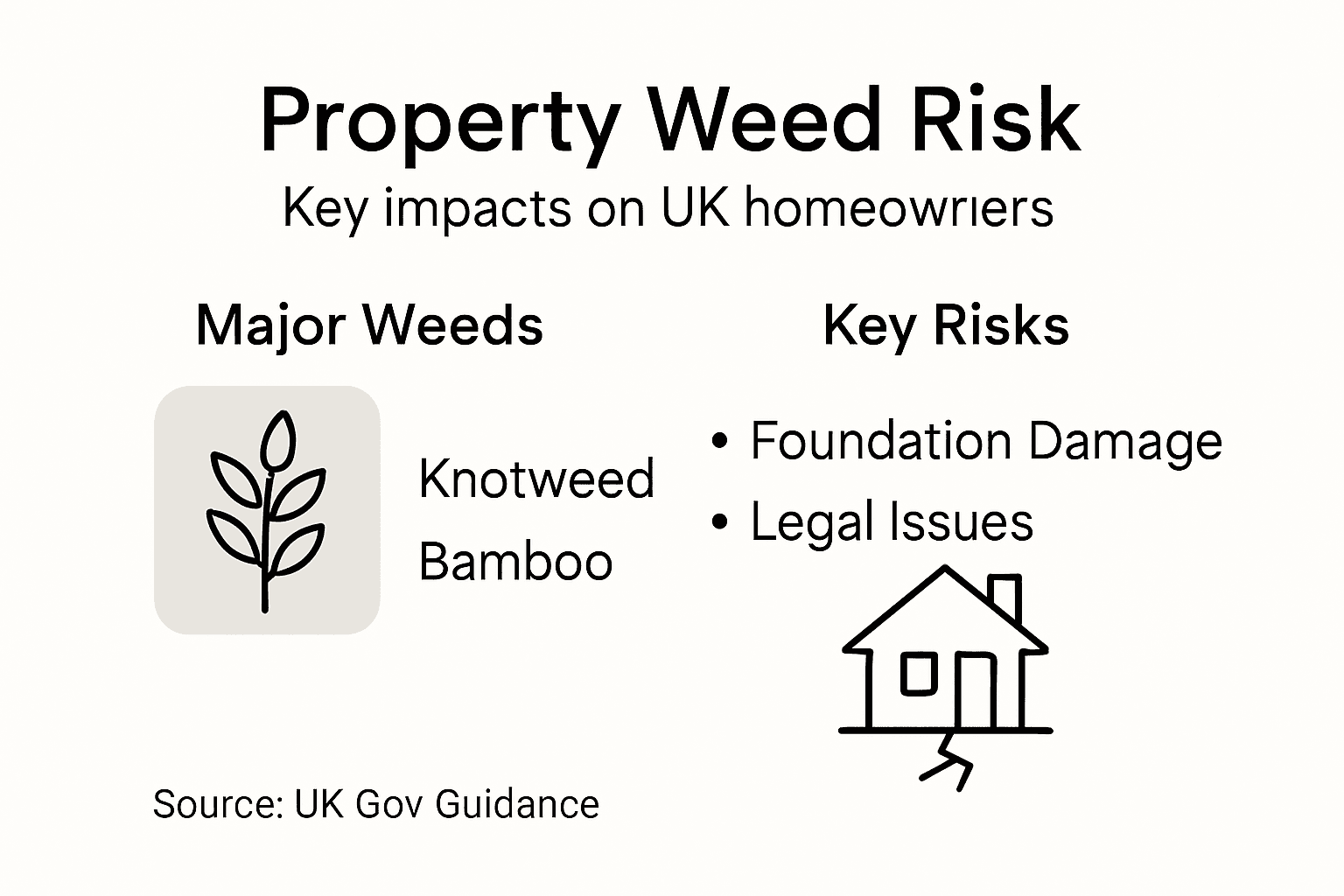
Financial implications can be substantial:
This table summarises major financial and legal consequences linked to unmanaged invasive weeds:
| Risk Type | Financial Implication | Legal Consequence | Impact on Conveyancing |
|---|---|---|---|
| Unmanaged infestation | Expensive repairs, £2k–£20k | Enforcement notices, fines | Mortgage rejection |
| Spread to neighbour’s land | Civil liability for damages | Legal disputes, compensation | Sale delays, lost buyers |
| Inadequate documentation | Increased insurance premiums | Mandatory remediation required | Difficulty securing insurance |
| Non-compliance reporting | Drop in property value | Prosecution, substantial penalties | Extended completion timelines |
- Potential property value reduction up to 15-20%
- Treatment costs ranging from £2,000 to £20,000
- Potential legal disputes with neighbouring properties
- Extended mortgage processing times
- Increased insurance premiums
Unmanaged invasive species can create long-term financial vulnerabilities for property owners.
Liability Exposure Factors:
- Duration of infestation
- Extent of plant proliferation
- Proximity to neighbouring properties
- Potential structural damage
- Legal reporting requirements
Pro tip: Obtain comprehensive professional surveys before property purchase to identify potential invasive species risks and avoid unexpected financial complications.
Protect Your Property from Invasive Weed Risks Today
Facing the challenges of invasive plant species such as Japanese Knotweed is more than just a garden concern it can threaten your property’s value structure and legal standing. With risks like foundation penetration and rapid underground spread homebuyers and owners must act decisively to avoid costly damages and legal complications. Japanese Knotweed Agency specialises in chemical free eradication methods delivering high voltage energy treatments that target extensive rhizome networks ensuring effective and lasting control.

Take control of your property’s future with our expert services including detailed invasive weed surveys root barrier installations and excavation works across England Wales and Ireland. Don’t let invasive species undermine your investment visit Japanese Knotweed Agency today to arrange a professional survey and explore our advanced solutions designed to protect your home and peace of mind. Learn more about how we tackle property weed risks with environmentally conscious methods at Chemical Free Treatment and secure your property against future threats now.
Frequently Asked Questions
What are the major invasive weed risks for homeowners?
Invasive weeds like Japanese Knotweed, Cherry Laurel, Bamboo, and Leyland Cypress can compromise property foundations, cause structural damage, and significantly decrease property value due to their aggressive growth and underground root systems.
How can I identify if my property has invasive weeds?
Conducting a professional invasive plant survey is essential. This includes detailed reconnaissance, species identification, and mapping of weed distribution to assess potential structural risks and environmental impacts.
What legal obligations do I have as a property owner regarding invasive species?
Property owners must prevent the spread of invasive plants, comply with environmental regulations, report any infestations, and maintain documentation of control efforts to avoid legal repercussions and potential fines.
What are some effective non-chemical methods to manage invasive weeds?
Non-chemical eradication methods include manual removal, repeated cutting, installing root barriers, and using targeted biological controls to manage and prevent the spread of invasive vegetation effectively.