
Has Your Surveyor Missed Japanese Knotweed?

espite Japanese Knotweed having made a significant impact on the property industry in the last decade, there are still cases where surveyors miss this invasive plant whilst conducting mortgage evaluations, Home Buyer Reports and RICS Building Surveys. In many of these scenarios, buyers are left in a precarious place, having already invested hundreds of pounds into the home buying process and often reaching the point of no return before making the discovery of an infestation.

The following guidance is intended for those who have discovered that their surveyor has missed Japanese Knotweed:

Do surveyors look for Japanese Knotweed?

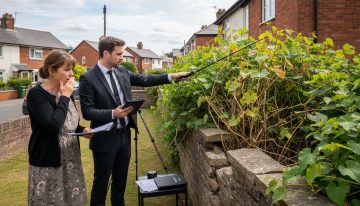
RICS qualified surveyors are trained to look for large masses of vegetation that could signify an invasive plant infestation. A professional surveyor is expected to keep up to date with ongoing development in their industry, which includes the common risk factors that could point to a Japanese Knotweed problem. The RICS have laid out an assessment framework in their resource materials for Japanese Knotweed which includes pre-inspection checks of the local area, an inspection of the property itself and even inspection of neighbouring communal areas.

The RICS notes pertaining to Japanese Knotweed lay out four distinct categories that property surveyors can use to inform their process. It’s important to note that each of these categories refers to the Japanese Knotweed being within 7 metres of either habitable spaces, buildings or boundaries. This ‘7-metre rule’ is based on the assumption that Japanese Knotweed has the capacity to grow up to 7 metres underground from the point that it can be spotted on the surface. This rule has come under scrutiny by the government who have suggested that it has been misused within the property industry, however, it has yet to be replaced by the RICS.

The four categories are ordered here in descending order from most severe to the least:

4: “Japanese Knotweed is within 7 metres of a habitable space, conservatory and/or garage, either within the boundaries of this property or in a neighbouring property or space; and/or Japanese Knotweed is causing serious damage to outbuildings, associated structures, drains, paths, boundary walls and fences and so on. Further investigations by an appropriately qualified and/or experienced person are required.”

3: “Although Japanese Knotweed is present within the boundaries of the property, it is more than 7 metres from a habitable space, conservatory, and/or garage. If there is damage to outbuildings, associated structures, paths and boundary walls and fences, it is minor. Further investigations by an appropriately qualified and/or experienced person are required.”

2: “Japanese Knotweed was not seen within the boundaries of this property, but it was seen on a neighbouring property or land. Here, it was within 7 metres of the boundary, but more than 7 metres away from habitable spaces, conservatory and/or garage of the subject property.”

1: “Japanese Knotweed was not seen on this property, but it can be seen on a neighbouring property or land where it was more than 7 metres.”

In the case where the surveyor deems the infestation to be of a category 3 or 4, then further investigations should be undertaken by an ‘appropriately qualified and/or experienced person’ in order to create a ‘management plan’. In the case where the infestation is classed as a category 1 or 2, the surveyor will decide if further investigations are warranted, depending on their client’s requirements and on their own professional judgment.

Should an RICS survey pick up the presence of Japanese Knotweed?

Whether or not a particular survey will identify Japanese Knotweed will depend on the type of survey that has been commissioned, the scale of the potential infestation, the professionalism of the surveyor and also the extent to which the owner of the property has attempted to conceal the plant.

Not all surveys are created equal. The RICS has a few different types of surveys which cover a range of budgets and scenarios. The cheapest of these is the RICS Condition Report, which costs around £250 and is intended to provide basic information regarding potential legal issues and any urgent problems that the property faces. In the RICS’ words, the visual inspection of the grounds is a ‘relatively cursory’ part of the process, however in cases where the surveyor is aware that there is a greater risk of Japanese Knotweed then this may require ‘particular attention’ on the part of the surveyor. Whilst the RICS materials do say that a client should purchase a Home Buyer Report or building survey if they wish to have ‘greater assurance’, this does not excuse a surveyor from completely missing Japanese Knotweed in their survey.

Should a mortgage valuation pick up Japanese Knotweed?

A mortgage valuation is not always guaranteed to pick up the presence of Japanese Knotweed. A mortgage valuation survey is paid for by a mortgage lender or bank in order to verify that the amount of money that they’re planning on lending is in accordance with the value of the property in question. A valuation is intended to satisfy the mortgage lender, as such, it will not single out any structural issues, or repairs that will need addressing before a purchase is made. Although the prospective buyer is usually expected to pay for the valuation, a surveyor might not focus their attention on the land surrounding the property.

How can a surveyor miss Japanese Knotweed?

Surveyors can miss Japanese Knotweed on a property for a number of reasons, not all of which suggest that they have acted negligently. Homeowners can often act fraudulently when attempting to sell a property infested with Japanese Knotweed, relying on cheap tricks to hide their infestation in order to push the sale through expediently. A property owner could choose to conceal the Japanese Knotweed by burying shoots in the spring with wood chips or topsoil. They might also choose to hack away any evidence of the plant above the surface and fly-tip the evidence.

DIY attempts at treating Japanese Knotweed can lead to deformed or sparse growth which may lead surveyors to miss the infestation altogether, or mistakenly identify it as another plant. Similarly, if the homeowner has paid for a professional removal service then the Japanese Knotweed might have entered into a dormant phase, where it might remain below the surface for years – completely undetectable to anyone.

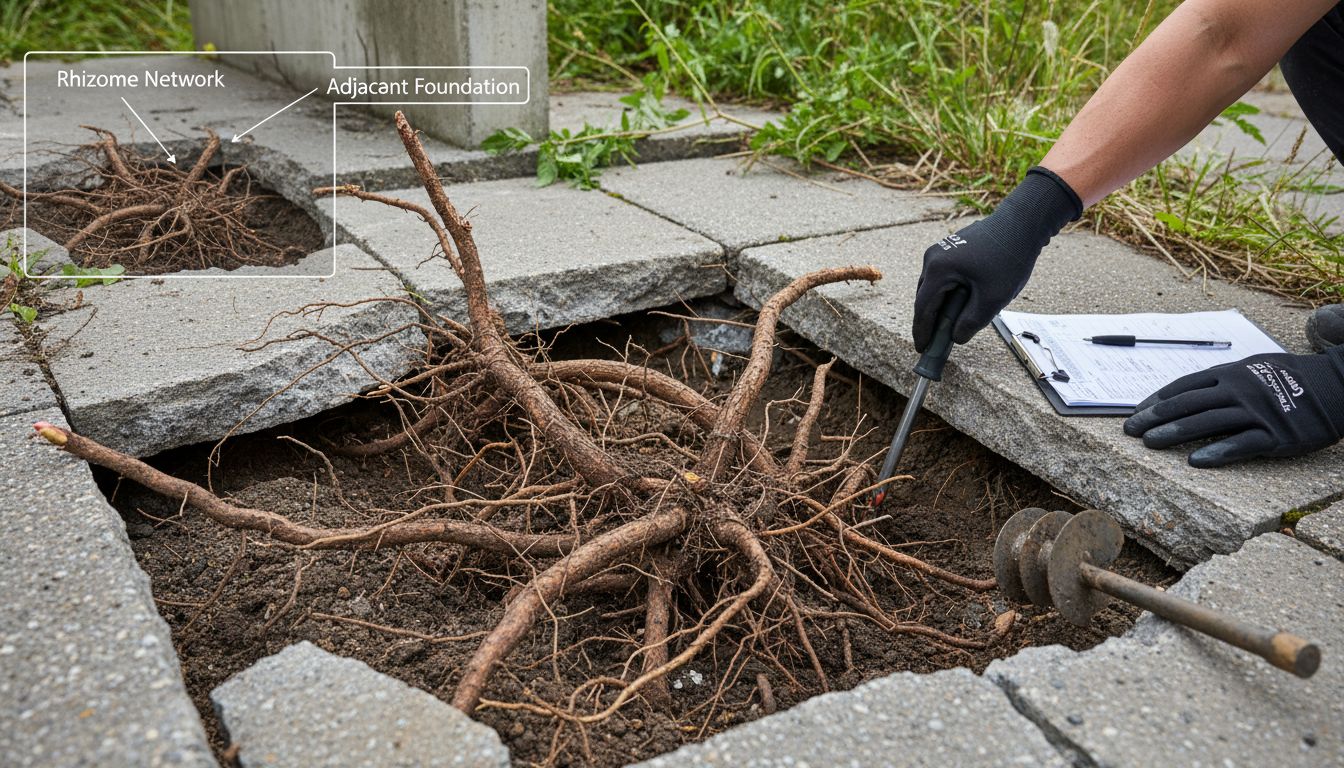
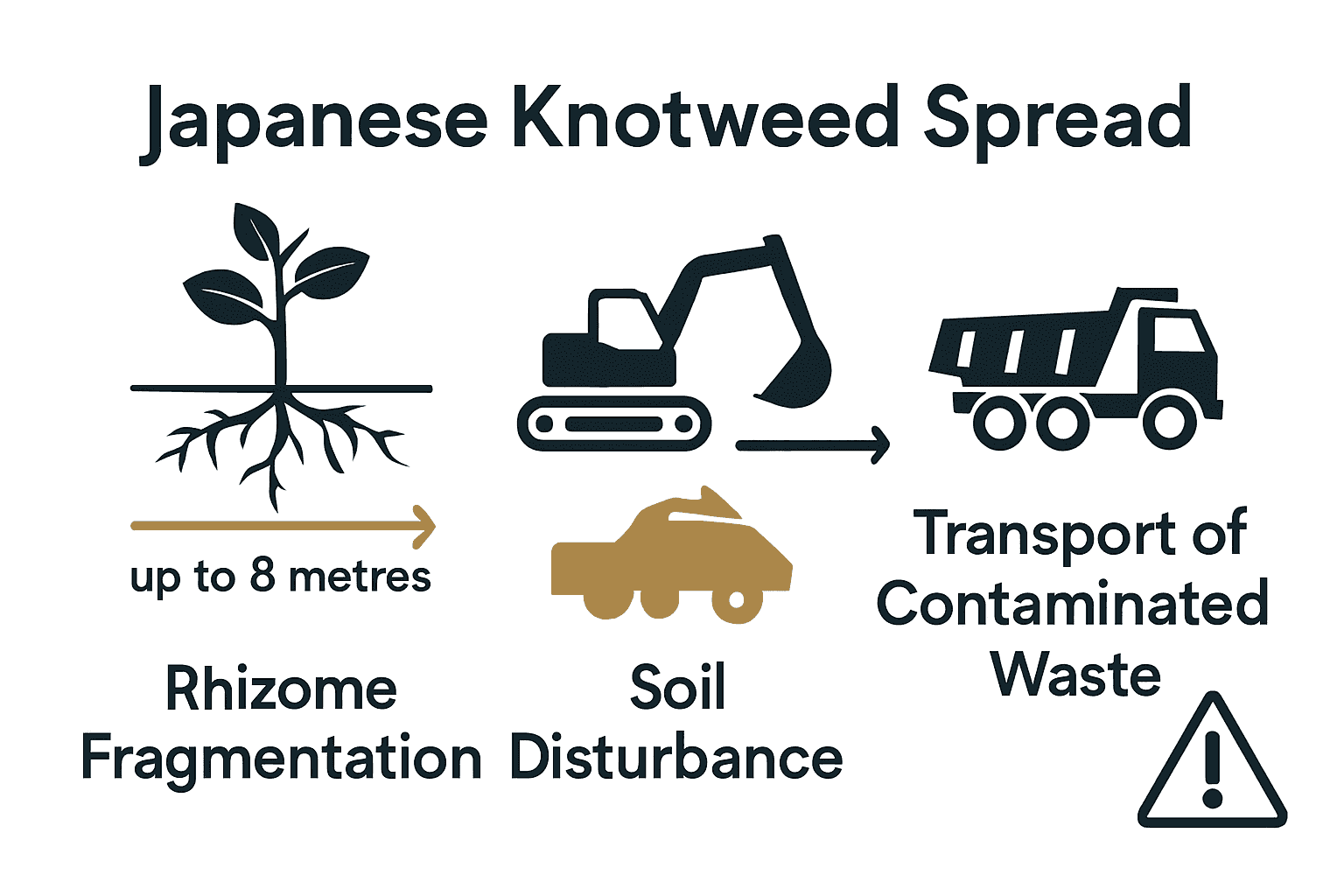
In cases where property developers have built on land with Japanese Knotweed, the infestation might have been dispersed into the earth that your home has been built on. As Knotweed rhizomes can grow from a thumb-size piece into a full-size plant given enough time, a surveyor could easily miss the plant if it is still growing underneath the ground.

What happens if a surveyor missed Japanese Knotweed growing on a property you wish to buy?

If a surveyor missed the presence of Japanese Knotweed on a house before a purchase is made then the prospective buyer will be unable to rely on legal action to claim back any expenses that might have been accrued leading up to the discovery. Although the potential buyer might have already invested money in seeking a valuation and surveying the property, not to mention spending resources setting up the sale of their own home, unless a contract has been signed, they won’t be able to claim these expenses back from the negligent property surveyor.

What if you buy a house and then discover that the surveyor missed Japanese Knotweed on the land?

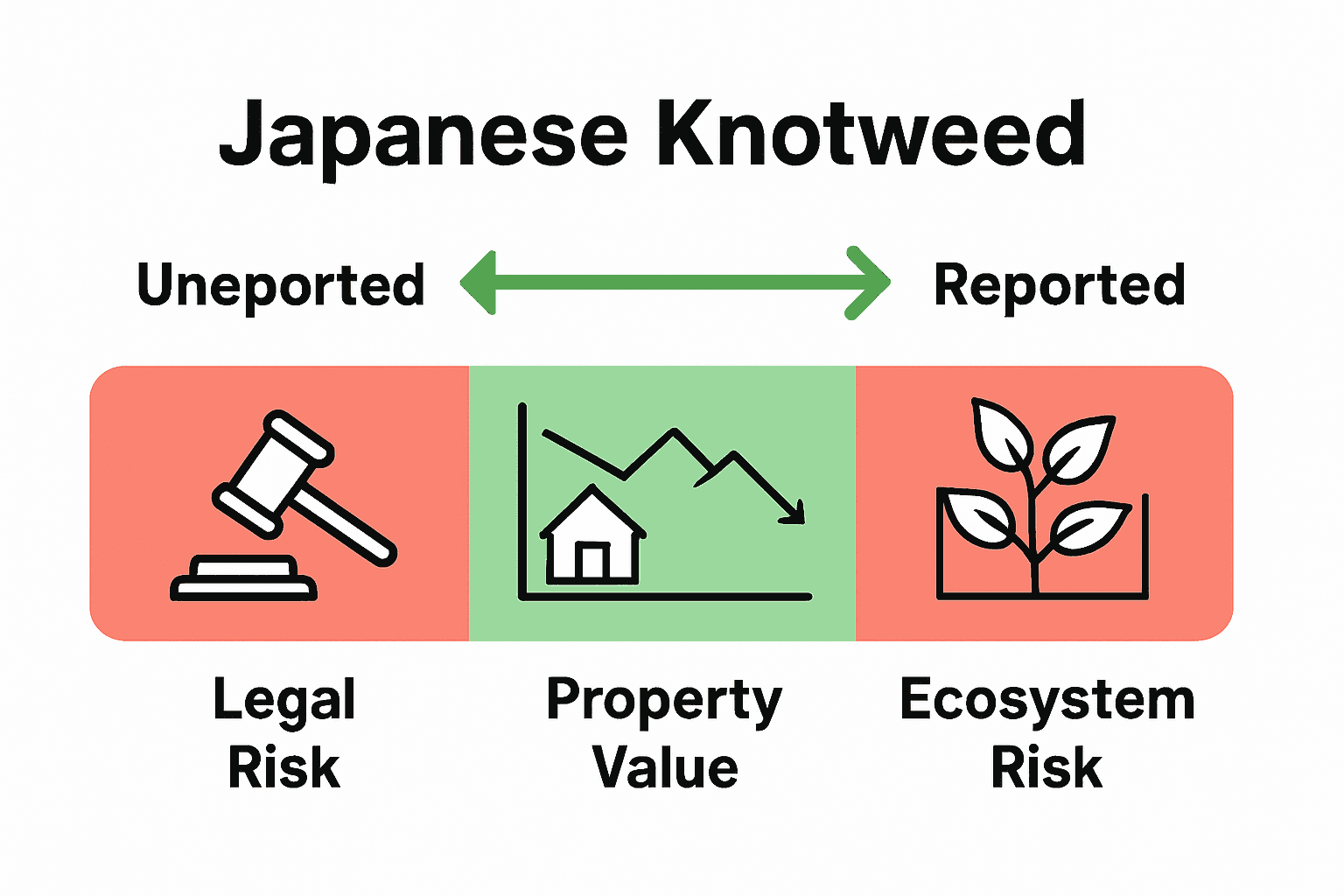
The discovery of Japanese Knotweed on a property can lead to the home being devalued by as much as 5% and can sometimes result in a mortgage lender or bank refusing to lend. A surveyor missing Japanese Knotweed can lead to sales falling through and thousands of pounds being wasted. If a Japanese Knotweed infestation is discovered on a property after a Home Evaluation Report or RICS Home Buyer Survey has said otherwise then the buyer may be able to bring legal action against the surveyor for professional negligence.

Can I sue my surveyor for missing Japanese Knotweed?

It is possible to sue a surveyor for missing Japanese Knotweed, in the event that the sale has of the house has gone through and it can be proved that the surveyor has acted negligently. Courts or tribunals will refer to the resources supplied by the RICS in order to determine whether or not a surveyor has acted negligently in missing Japanese Knotweed. In assessing each case attention will be paid to the lengths that the surveyor went to survey the property, the context surrounding the property, whether or not there’s Japanese Knotweed in neighbouring properties and any notes or recommendations that the surveyor might have made at the time of the survey.

Do surveyors have a duty of care to potential buyers?

According to the RICS Rules of Conduct, all members are required to carry out their work with ‘due skill, care and diligence and with proper regard for the technical standards expected of them’. , In addition to upholding the professional standards expected of them, all surveyors are required to maintain their professional competence by staying up to date with developments in their industry. Surveyors have a duty of care to both the lender and the homebuyer, regardless of if the owner has attempted to hide the infestation. Whether or not a surveyor is deemed to have properly performed their duty of care will depend on the context of the given case, including the type of survey that was ordered and the nature of the property.

Is there precedence for buyers suing surveyors for missing Japanese Knotweed?

In May 2019, Paul Ryb was awarded £50,000 after his RICS Level 3 Building Survey failed to pick up the Japanese Knotweed that was growing in the garden of his ground-floor London flat. Being partially sighted, Mr Ryb was relying completely on the professional opinion of the property surveyor who completely missed the plant on his survey of the building. The £50,000 awarded to Mr Ryb reflected the reduction in value of his £1.2 million home, in addition to the thousands of pounds that he was forced to spend on excavating the infestation. Mr Ryb was also awarded £90,000 to cover the costs of his legal fees.


Call us today on freephone 03335 777 888 or send us an enquiry using the contact form to see if we can help you with your Japanese Knotweed problem.

Your Japanese Knotweed Legal Obligations

Japanese knotweed has been in the UK for more than a century, having been introduced by the Victorians in the 1800s. Native to China, Taiwan and Japan it was first brought to the UK as an ornamental plant for the garden. Fast forward in time and the plant is renowned now for being an invasive weed species. The growth of this plant is rigorous and it can spread as much as 2 metres in one growing season.

Because it’s growth is so aggressive and invasive, a number of Japanese knotweed laws were introduced in order to control its growth, and restrict its transportation. Homeowners need to be aware of Japanese knotweed legal responsibility and ensure they meet their Japanese knotweed legal obligation. It can quickly take over your garden and native species, as well as potentially reduce the price of your house.

What is the Law on Japanese Knotweed?

In the UK, the Japanese knotweed legal obligation is that it’s illegal to plant it or allow it to grow in the wild. It’s not, however, an offence to let it grow in your garden or on any land that you own. Your Japanese knotweed legal obligation also prohibits you from allowing it to escape and spread into a neighbour’s garden. It pays to be aware of your legal responsibilities if you want to avoid a costly day in court or problems with your local council or neighbours.

There are a number of laws that relate to the controlling of Japanese knotweed. They include:

Japanese Knotweed Anti-Social Behaviour Law

The negligent cultivation of Japanese knotweed came under the remit of the Anti-social Behaviour Crime and Policing Act 2014. Authorities, such as the local council and the police are able to issue Community Protection Notices if you are found to be negligently cultivating this invasive plant. The notice requires you to remove the species from your property and/or prevent its return. Failure to comply could result in a substantial fine.

EPA (Environmental Protection Act) 1990

This is the main legislation that relates to Japanese knotweed. The law gives details of methods to remove, transport, and dispose of the plant, considered to be “controlled waste”. As well as covering the plant itself, the legislation also covered plant materials or soil that could potentially be contaminated. Disposing of contaminated soil or plant material in an irresponsible way could result in a large fine.

Wildlife and Countryside Act 1981

This legislation supports the EPA of 1990 and relates to the growth of Japanese knotweed in the wild. Anyone found growing it in the wild faces a £5,000 fine, or a stay of 6 months in prison. You might think this is a little heavy but it does show how serious allowing the plant to grow unchecked is considered.

How to Recognise Japanese Knotweed

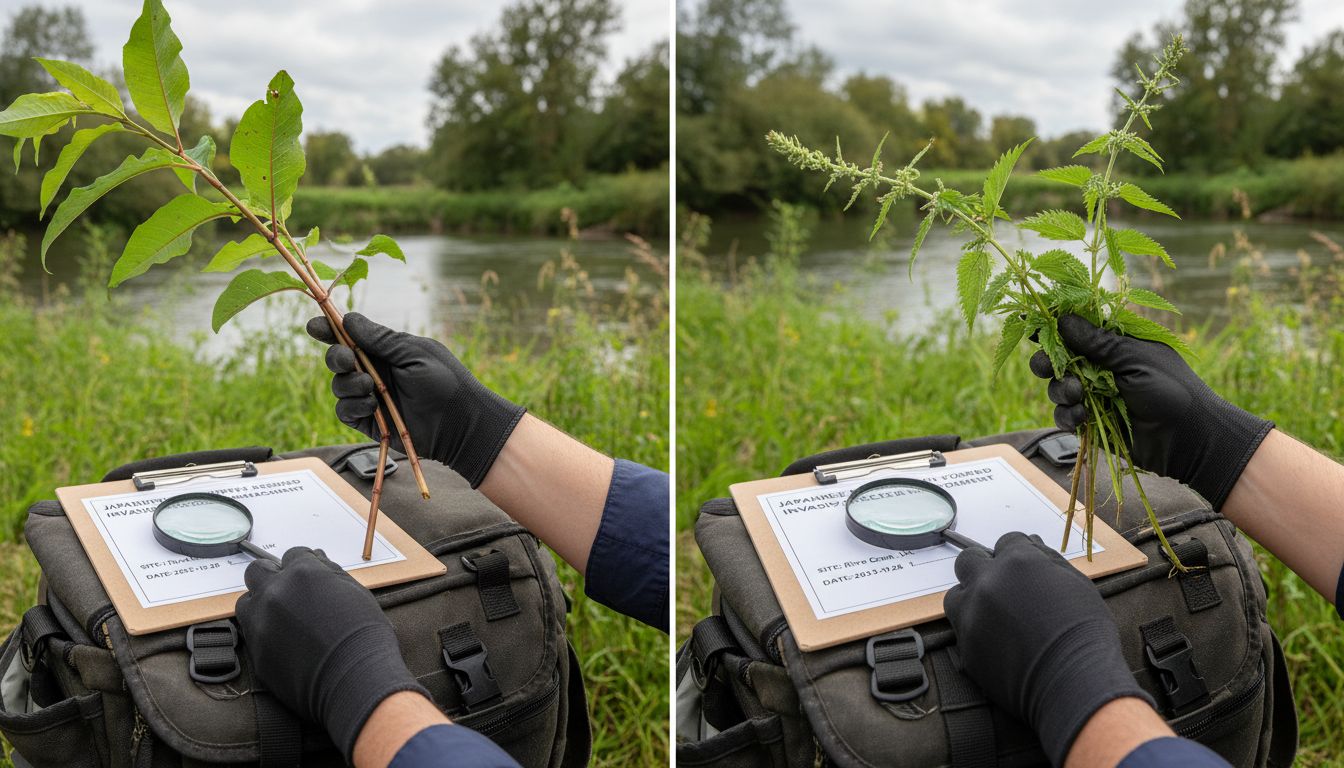
It’s quite easy to confuse Japanese knotweed with other common plants, but there are some very clear signs to look out for. During the summer, the green leaves are broad and shaped like a shield. The stems are reddish and hollow, much like bamboo. In the winter, the plant dies back, leaving stems that become brown and brittle.

What Can You Do if There is Japanese Knotweed in Neighbours Garden?

Your neighbour is under no Japanese knotweed legal obligation to remove it if they have it in their garden. If it starts to spread into your property, however, it is considered a private nuisance and you are legally permitted to take them to court. The best course of action is to talk to them about the problem and suggest they seek the help of a professional Japanese knotweed specialist. They might not be aware there is a problem, and by letting them know it is spreading to your garden, it gives them the opportunity to resolve the problem before it gets too costly.

There are plans to introduce predators and knotweed disease from Japan, but currently, the best course of action, if you’ve got it in your garden and want it removed, is to enlist the help of a professional Japanese knotweed specialist.

To find out more about our services, give us a call today on freephone 03335 777 888

Has Your Property Seller Lied About Japanese Knotweed? Here’s What To Do

Research reported by The Independent has suggested that the discovery of Japanese Knotweed can have a major impact on the house buying process. It’s estimated that 75% of buyers are put off when they discover that Japanese Knotweed is present. Considering the damaging effect that it can have on house prices, it’s hardly surprising that some unethical sellers might choose to lie about the presence of Japanese Knotweed on their property. Those that do so risk serious legal complications which may cost them more than a quick sale ever could make them.

What happens if a seller lies about Japanese Knotweed before the sale?

Selling a house with Japanese Knotweed can be challenging. The plant is now well-documented, as well as its damaging impact on home values. Informed buyers are now much more vigilant when inspecting properties, this has led to some sellers choosing to lie about the presence of Japanese Knotweed in order to push through a quick sale and thereby rid themselves of the property. These scenarios lead to a great deal of wasted time and money on behalf of the prospective buyers. A prospective buyer may have arranged the sale of their existing home, paid for surveys and legal fees before discovering the Japanese Knotweed and being forced to pull out of the purchase. As no contract has been signed between the two parties at this point, the seller cannot be made liable for the costs that the buyer has incurred in the lead up to the failed house purchase.

What can I do if I discover the seller has lied after the sale has been finalised?

If the Japanese Knotweed infestation is discovered after the sale has been put through then the buyer is in a better position to claim for damages, as a formal contract has been signed. Those who have bought a property with Knotweed may be able to claim compensation against the owner for misrepresenting the property, depending on the level of deception or negligence on the part of the seller.

Can I sue the seller for misrepresentation if they lie about Japanese Knotweed?

If a seller lies about Japanese Knotweed in the lead up to the sale then they may find that they have to compensate the new owner for misrepresenting the property. It’s possible to pursue a no win no fee property misrepresentation claims against a previous seller in the case that the buyer has been misled to believe that there is no Japanese Knotweed present on the property, or even if the seller has failed to mention the presence of Japanese Knotweed.

Can estate agents lie about the presence of Japanese Knotweed?

Estate agents have an obligation to present properties as honestly as possible. They’re bound by Consumer Regulations that have been put in place to ensure that agents aren’t allowed to simply lie about the homes that they’re selling. These regulations also require estate agents to inform any potential buyers about any materials facts that would affect the decision to make the purchase. Guidelines appended to these regulations stipulate Japanese Knotweed as ‘material’, so an ethical, professional estate agent should not lie about its presence. If they are proved to do so then they are open to claims from the buyer dealing with them and they could be banned from working as an estate agent.

What if a seller knows about the Knotweed but is not specifically asked about it by the buyer?

One of the tenets that is often discussed when dealing with enquiries related to purchasing houses is ‘buyer beware’. The basic premise of this being that if a buyer does not ask the seller specifically about certain aspects of the house, then the buyer will not be able to claim compensation when they discover something untoward about the property. The introduction of the TA6 Property Information Form has helped to avoid situations where sellers avoid informing buyers about the presence of Japanese Knotweed, however, there are still some cases where they are not used, for example in certain property auctions.

What can I do if the seller lied on the TA6 property information form?

You’ll find the Japanese Knotweed related question at 7.8 on the TA6 form. It reads: Is the property affected by Japanese Knotweed?

There are three options that sellers can choose: Yes, No and Not Known.

Changes were made in February 2020 to the guidance notes on this question, adding context regarding the plant, the ‘Not Known’ option and also a secondary section for sellers to provide information about whether or not a Japanese Knotweed treatment or management plan is in place.

The guidance makes allowances for the fact that Japanese Knotweed can be hard difficult to spot for the uninitiated, however, it stresses that ‘No’ should only be selected when the seller is ‘certain that no rhizome (root) is present in the ground of the property, or within 3 metres of the property boundary even if there are no visible signs above ground’. By selecting ‘Not Known’, the onus is put on the buyer to commission a Japanese Knotweed survey to determine whether or not it affects the property.

This adjustment to the guidance also means that sellers who expressly lie about the presence of Japanese Knotweed put themselves at a much greater risk of being sued as a result.

What happens if the information provided in the TA6 form was correct when given to the buyer, but then incorrect by the time of purchase?

The seller of a property is obligated to ensure that any information they have provided to the buyer is kept up to date, right up to the day of the exchange. This means that if the seller initially reports, truthfully, that there is no Knotweed present on the property and then later discovers an infestation, they are obligated by law to inform the prospective seller. There is a stipulation in the standard TA6 Property Information Form that requires the seller to inform their solicitor in the event of a change in the answer that they have initially provided.  Failure to communicate this change could lead to potential claim against the seller for misrepresentation.


If you’ve found yourself in a difficult legal situation as a result of being lied to about the presence of Japanese Knotweed then our experts may be able to help you. We can find an accredited firm to treat your Japanese Knotweed and recommend a Japanese Knotweed regulated law firm to pursue legal action to compensate you for any costs incurred and diminution in your property value. Send us a message using the contact form or give us a call on freephone 03335 777 888

Guide to Selling A Property with Japanese Knotweed

Since being introduced to Britain in the early 19th century, Japanese Knotweed has spread far and wide across the country, with very few corners of the land remaining unaffected. It has been labelled as an invasive plant by the government, and due to its incredible hardy qualities, has become a bane for homeowners who are looking to sell their properties. Japanese Knotweed remains in the Top 100 most invasive plant species in the world!

Japanese Knotweed can grow up to 10cm a day during the summer, can regrow from a fragment the size of a thumbnail and spreads via an underground network of rhizomes which can remain dormant beneath the ground for years at a time. This invasive plant used to be kept at arms’ length by mortgage lenders, with some flat-out refusing to lend on properties affected, however in recent years this stance has softened somewhat.

Selling a house with Japanese Knotweed is by no means easy, but can be done as long as the correct course is taken and the seller remains proactive and honest with all parties involved.

Where is Japanese Knotweed found?

Japanese Knotweed is often found on land that has been left unattended for a long period of time. A property may be at risk of having the plant if it is near land that is close to a public watercourse (such as a canal), or if it’s close to footpaths, schools and colleges, railways, motorways, car parks, cleared sites or commercial buildings. If your home is close to land that has been unattended to for a long time, then there’s a risk that Japanese Knotweed might be hidden within.

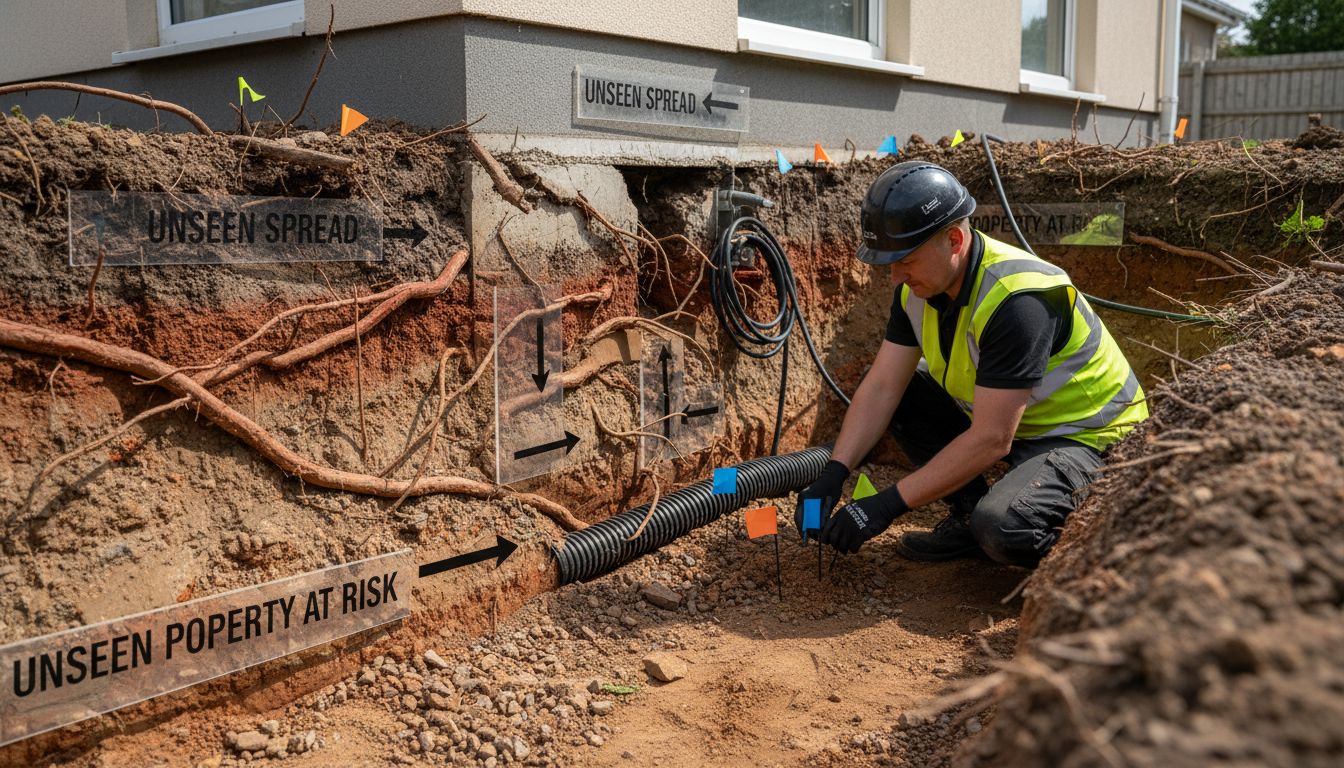
The commonly affected areas of a property, as laid out by the RICS in their guidance notes for surveyors are outdoor spaces and gardens. Japanese Knotweed is known to exploit structural weaknesses, which is why the guidance also lists drains, or buried services (such as gas pipes) as being at risk. Patios and driveways can sometimes hide the presence of the plant. Whereas boundary walls or small garden walls with shallow foundations can also often hide the plant until they are pushed over by the mass of the vegetation. Garden sheds, greenhouses and conservatories can also be at risk of damage.

How do I know if my house has Japanese Knotweed?

You can confirm that your house has Japanese Knotweed by finding the plant (in any of its forms) on your property. Making a positive identification will allow you to understand to what extent the plant affects the property, which should give you an idea as to how much the Japanese Knotweed will devalue your home. Identifying Japanese Knotweed can be as simple as finding a patch of brown canes, or spotting a handful of red shoots coming through the ground in spring. However, there are some cases where making a positive identification can be difficult. For example, in cases where land has been left to overgrow it can be hard to distinguish Japanese Knotweed from other plants, there are also many cases where the plant can be mistaken for others.

If you’re not confident in making an identification yourself then you may want to get a second opinion from a professional. Japanese Knotweed professionals could be removal firms, who have experience in identifying or treating the plant, or they could be RICS approved surveyors who have been trained to spot and calculate the extent to which the plant has affected your property. Getting an outside opinion should confirm whether or not you have Japanese Knotweed on your land.

How much does a Japanese Knotweed survey cost?

A Japanese Knotweed survey from a RICS surveyor on a standard residential property can cost from £200 up to £500, depending on the company that is undertaking the work. In some cases, you may find that a company will offer a free informal survey that will help you make a positive or negative identification of the plant on your property.

Japanese Knotweed Agency has an agreement with a law firm that will undertake the survey at their cost to progress a claim.

Can you sell a property with Japanese Knotweed?

You can sell a property with Japanese Knotweed; however, you may need to take some extra measures to ensure that potential buyers feel comfortable purchasing the house and confident that they will be able to secure a mortgage from their bank. This could involve either completely removing the plant from the property, or paying upfront for an insurance-backed treatment plan.

Despite banks having moved beyond their black and white intolerance of homes affected by Japanese Knotweed, it’s still the case that there is a stigma with these properties. In order to sell a home with Japanese Knotweed it’s important to prove that steps have been taken to control and if possible, remove the plant entirely from the property. As the removal process can take a number of growing seasons to eradicate, management plans cover 10 years and are usually insurance backed, so that treatment is guaranteed, even in the case where the original treatment firm closes.

How much does Japanese Knotweed devalue property?

Japanese Knotweed can devalue a property between 5 and 100%. There have been cases where homes have been completely devalued as a result of severe infestations, however, these are rare occurrences currently. The extent to which a property is devalued will depend on the severity of the infestation and the proximity of the Knotweed to the home. This devaluation will usually be equivalent to the cost of removing the plant and restoring the property to its original value.

Should I tell my estate agent about the Japanese Knotweed?

You should tell your estate agent about the Japanese Knotweed on your property, as in order to sell your home they need to be able to give potential sellers an honest impression of the house that reflects its true value. Choosing to hide or omit the presence of Japanese Knotweed could lead to a sale falling through at a later date, which could have a knock-on effect on your house purchase. If it is not declared and subsequently found out after purchase and aged giving a buyer the thought it was known and not declared, you could be the subject of a legal claim. Japanese Knotweed is no longer a rogue element, estate agents, potential buyers and surveyors alike are all aware of this plant, and attempting to hide it will likely end in the collapse of the sale or even a claim made against you.

Do estate agents have to declare Japanese Knotweed?

Estate agents must declare Japanese Knotweed in order to act within the Consumer Protection Regulations. If an estate agent chooses to lie or misrepresent a property as being free of Japanese Knotweed, then they could be reported to the National Association of Estate Agents. If they are found to have acted outside of the Consumer Protection Regulations then they could be banned from the profession. Do not trust an estate agent who promises to lie or omit the presence of Japanese Knotweed, as this person will be acting outside of the law if they do so.

Do you have to tell the buyer about the Japanese Knotweed?

You will need to tell the buyer about the Japanese Knotweed on your property in order to ensure that you are not misrepresenting the land. In most property conveyances, the buyer’s solicitor will request a TA6 property form from the seller.

The TA6 property information form is comprised of 14 sections, covering the property’s condition, any disputes the property may be connected to and whether or not the property has been affected by Japanese Knotweed. The question regarding Japanese Knotweed is:

“Is the property affected by Japanese Knotweed?”

There are three options to choose from: Yes, No or Not Known. It has been stressed in the guidance for these notes that you should only check ‘No’ when you are absolutely sure that there has not been any Japanese Knotweed present on the property. If it can be proven that you have lied on this form then you could be sued for misrepresenting the property.

Checking ‘Not Known’ puts the onus on the buyer to then commission a Japanese Knotweed survey, but if you are aware of the plant already, then choosing this option will waste the time of the buyer and likely put you in a weaker bargaining position when it comes to settling the eventual price of the home.

Do surveyors check for Japanese Knotweed?

Property surveyors do check for Japanese Knotweed; however, they might not always make this a priority when conducting a survey. Guidance laid out in the Royal Institute for Chartered Surveyors shows that surveyors are trained to pay particular attention to the possibility of Japanese Knotweed being present in cases where homes are at particular risk of having the invasive plant.

Although property surveyors are trained to check for Japanese Knotweed, there have been cases where surveyors have overlooked or altogether missed Japanese Knotweed. This has led to buyers going through with a purchase, only to discover later that they have paid an unfair price for a property that needs thousands of pounds of investment to cover the cost of removal.

What should you do if you’ve found Japanese Knotweed and want to sell your property?

If you want to sell your property, but have just discovered Japanese Knotweed, then your first step should be to speak to your neighbour’s. Whether you’re living in a terraced home or on several acres of land, if you have discovered Japanese Knotweed then it’s likely that the plant may also be on neighbouring land. In order to get a treatment plan in place that will satisfy potential buyers and their mortgage lenders, you will need to find out if the plant affects your neighbour’s land as well. Due to the quick spreading growth of this plant, it would be a pointless effort paying for removal only to find that there is an infestation that is months away from spreading back into the property.

Once you have a complete understanding of how far the plant has spread, you can enlist a Japanese Knotweed specialist to draw up a management plan that sets out how the infestation will be treated.

How much does Japanese Knotweed removal cost?

Japanese Knotweed removal costs can vary greatly depending on the severity of the infestation and the area of land that the plant covers. Removal firms tend to charge based on the square metres that have been infested by the plant, but not all charge the same rate. Regardless of the price paid, Japanese Knotweed removals should always come complete with a 10-year insurance backed guarantee and indemnity policy that ensures that the treatment will be completed.

As a guide, a typical semi-detached property with an infestation in the rear garden in several places could cost between £3000 and £5000 for a full treatment and monitoring plan and an insurance backed guarantee.

If you’ve just discovered Japanese Knotweed on your land and are hoping to put your home on the market soon then you should be prepared to pay for your Japanese Knotweed treatment plan in advance. Many potential buyers will not want to purchase property with the knowledge that they’ll have to pay for treatment, and mortgage lenders will also consider their security to be compromised if a treatment or removal plan isn’t in place.

Can I get rid of Japanese Knotweed myself?

You should not attempt to get rid of the Japanese Knotweed yourself if you are hoping to sell your property soon. DIY attempts at removing or treating Japanese Knotweed are rarely successful, but even in the cases where they are, homeowners are still legally bound to mention that the plant has affected the property. When the buyers’ solicitors inevitably enquire about the treatment or removal plan that has been put in place, they will not be satisfied with a DIY solution. Ultimately, regardless of how effective the treatment was, the homeowner will have to pay for a treatment plan in order for the buyers’ mortgage lender to agree with the sale.

How long does it take to get rid of Japanese Knotweed?

It can take years to remove Japanese Knotweed completely from a property. Even when a treatment plan has been completed, the seller of a property will have to mention Japanese Knotweed has affected the property on the TA6 Property Information Form.

The TA6 was recently updated to include a secondary question, for those answering ‘Yes’ to Japanese Knotweed question. This section gives the seller the opportunity to attach any paperwork related to their Japanese Knotweed treatment plan.

Completely removing the Japanese Knotweed from your land before you put the property on the market will put you in the best position to make a quicker sale, but you will always have to mention the historical presence of the plant. Having the necessary paperwork to back up the work will expedite the sale of the property and remove a pain point for any potential buyer who has reservations about dealing with a property affected by the plant.

What can I do if my neighbour has Japanese Knotweed?

If you’ve discovered Japanese Knotweed on your neighbour’s land then you may be worried that this could affect the sale of your house. When property surveyors assess a home, they can perform a cursory visual check of the boundaries. They might not specifically look out for Japanese Knotweed unless they suspect that your property is at risk, however, if they do discover the plant growing close to the border of your property then they will note this down and this could affect the valuation of your home.

The first thing that you should do is talk to your neighbour about the problem. It may be the case that they are unaware of the plant and may appreciate you warning them about it. This conversation may prompt them to take action, however, if your words are ignored then you can approach the matter more formally, with a view to informing the authorities and filing a Community Protection Notice to force them to deal with the infestation. You can sue your neighbour for failing to control the spread of Japanese Knotweed on their land, however, this will unlikely help you sell your home any quicker.

Can you sell a house with Japanese Knotweed at auction?

You can sell a house with Japanese Knotweed at auction; however, you will still be legally required to inform potential buyers of the invasive plants on the land. Prospective buyers at auction are often much more open to purchasing properties with issues such as Japanese Knotweed, however they are only likely to bid if they are fully aware of the problems involved and the amount of additional investment required to make it sellable in the future.

Despite the current infestation and the costs needed to remedy it, cash buyers will see the value in your property, however you may still need to set the reserve price much lower than the value of your home in order to pique their interest. Generally speaking, auction prices for properties start at 15% below their value, depending on the severity of your Japanese Knotweed infestation you may need to start 25% lower. Once the bidding starts, you may find that the property goes for more than you expect, however the nature of the auction process means that there are never any guarantees.

Can you sell a property with Japanese Knotweed to a cash buyer?

Selling your property with Japanese Knotweed to a cash buyer is another option open to homeowners looking to sell their affected property quickly, however, this can come with its own set of drawbacks. Estate agents often have a number of cash buyers on their books who are looking to make a quick investment, however these people will only strike a deal if it’s in their interest. They will rarely agree to a price of more than 30% below the market value of the property (before devaluation from Japanese Knotweed).

Finding a cash buyer who is willing to pay closer to the market value of the home may take more time, and there will likely be little guarantee that any new sale will stick, leaving you in an uncertain position which certainly isn’t ideal if you are already involved in an ongoing property chain. Cash buyer companies specialising in properties affected with Japanese Knotweed are hard to find, and those that are willing to buy the property may do so at a price much lower than any auctioneer’s suggested reserve price.


If you’re trying to sell a property with Japanese Knotweed and are unsure about what your options are then you can get in touch with us for guidance. Call us direct on freephone 03335 777 888 or use the contact form on the right to get started.