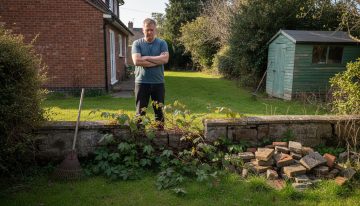


Few garden threats are as costly or persistent as Japanese knotweed, a plant capable of spreading up to 7 meters beneath the ground. Its rapid growth and destructive roots can cause major property damage while also bringing legal headaches for homeowners. Understanding how to spot and manage this invasive species matters for anyone looking to protect their property investment and avoid expensive mistakes. This guide walks you through proven steps for effective Japanese knotweed control and long-term prevention.
Table of Contents
- 1. Understand Japanese Knotweed Identification
- 2. Schedule a Professional Property Survey
- 3. Prioritise Chemical-Free Treatment Methods
- 4. Consider Direct Energy Cell Disruption Techniques
- 5. Install Root Barriers to Prevent Regrowth
- 6. Safely Remove and Dispose of Knotweed Waste
- 7. Monitor and Maintain Treated Areas Long-Term
Quick Summary
| Takeaway | Explanation |
|---|---|
| 1. Identify Japanese knotweed early. | Recognizing its unique characteristics can prevent costly damage and legal issues later on. |
| 2. Schedule a professional property survey. | Experts can assess the extent of infestation and provide necessary documentation for treatment. |
| 3. Use chemical-free treatment methods. | Eco-friendly approaches like excavation and plant competition reduce environmental harm while managing knotweed. |
| 4. Install root barriers to stop spread. | Properly installed barriers prevent rhizomes from spreading to adjacent properties, providing long-term protection. |
| 5. Monitor treated areas regularly. | Continuous observation and documentation help spot regrowth early and maintain effective control over time. |
1. Understand Japanese Knotweed Identification
Identifying Japanese knotweed early can save you thousands in potential property damage and legal complications. According to the Royal Horticultural Society, this invasive plant has distinctive characteristics that set it apart from other garden plants.
Japanese knotweed presents several unique visual markers that homeowners and property managers should recognize. Key identification features include:
- Bamboo-like hollow stems with distinctive green and red speckled appearance
- Large, alternate green leaves shaped like shovel points
- Creamy white flower clusters appearing in late summer
- Rapid growth pattern that can extend up to 10 centimeters per day during peak season
The plant’s aggressive growth makes it particularly dangerous. Its extensive underground rhizome network can spread up to 7 meters horizontally and 3 metres deep, causing significant structural damage to foundations, driveways, and building infrastructure.
To help property owners, the UK Government provides comprehensive guidance with detailed photographs for precise identification. Professional assessment remains the most reliable method, especially when dealing with potential property impacts.
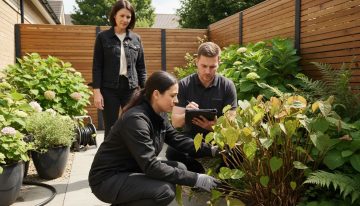
A quick visual inspection is not enough. If you suspect Japanese knotweed on your property, consult a professional who can provide a free identification service to confirm and recommend appropriate removal strategies.
2. Schedule a Professional Property Survey
A professional property survey represents your first critical defense against potential Japanese knotweed damage. Natural Resources Wales strongly recommends engaging qualified professionals to accurately assess the extent and impact of an infestation.
Why Professional Surveys Matter:
- Provides comprehensive risk assessment for property damage
- Identifies hidden underground rhizome networks
- Produces legally recognized documentation
- Enables precise treatment strategy development
The Property Care Association emphasizes that expert surveyors can detect subtle signs of infestation that untrained eyes might miss. These professionals use specialized techniques to map out the complete spread of Japanese knotweed across your property.
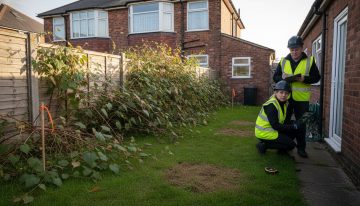
During a professional survey, experts will examine both visible above ground indicators and conduct underground assessments. They will document precise locations, measure potential spread, and recommend targeted removal strategies tailored to your specific property conditions.
Ready to protect your property? You can book a survey with specialized professionals who understand the unique challenges of Japanese knotweed management.
3. Prioritise Chemical-Free Treatment Methods
Chemical-free Japanese knotweed removal offers a safer, more environmentally responsible approach to managing this invasive plant. The Royal Horticultural Society highlights several non chemical control methods that can effectively combat knotweed spread.
Key Chemical-Free Treatment Strategies:
- Physical excavation and root system removal
- On site burial with specialized containment protocols
- Encouraging competitive plant growth to suppress knotweed
- Repeated manual cutting and root disruption
The UK Government recommends comprehensive approaches that focus on complete rhizome elimination. Chemical free methods require patience and systematic intervention to prevent regrowth.
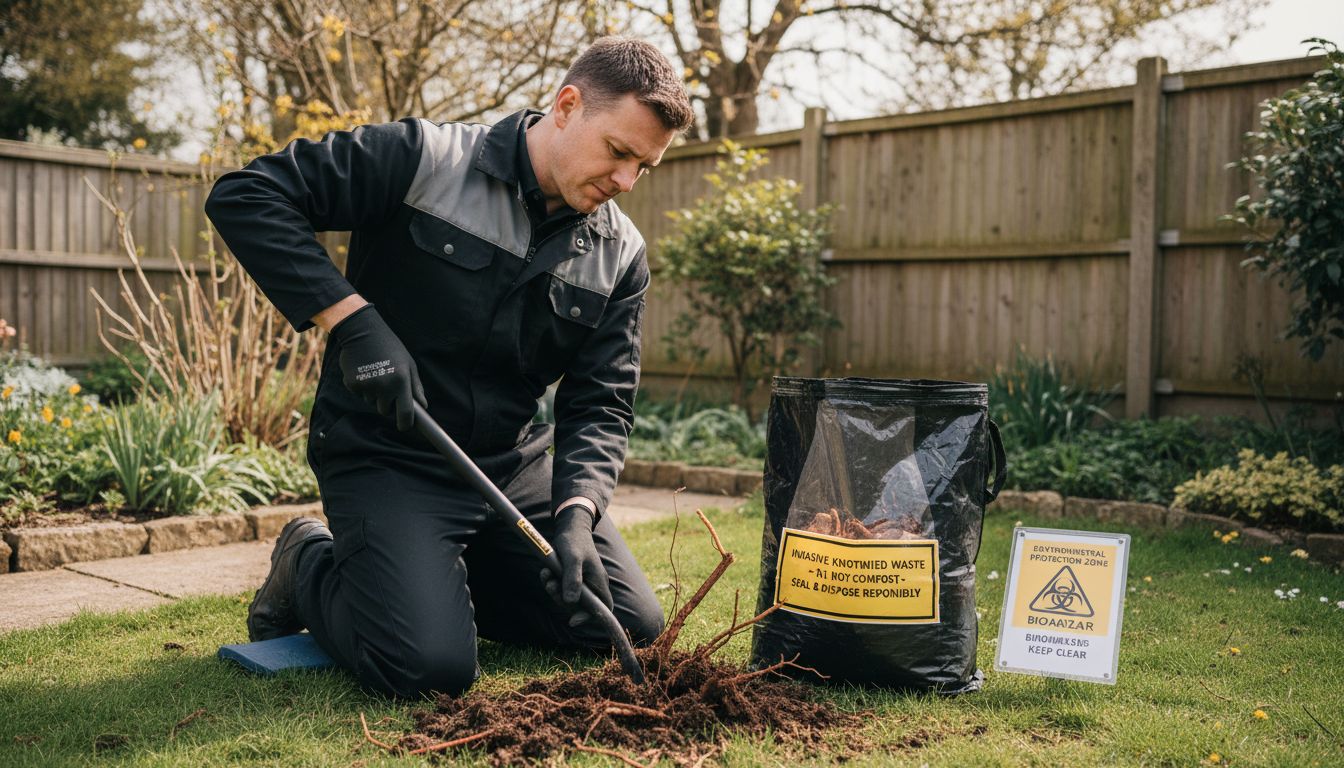
Physical removal involves carefully extracting the entire underground root network. This process demands precision to ensure no fragments remain that could potentially regenerate. Professional teams use specialized equipment to dig deep and remove root systems without spreading contaminated soil.
For property owners seeking sustainable solutions, understanding these chemical free techniques can prevent long term environmental damage while effectively managing Japanese knotweed infestations. Want to explore more eco friendly removal strategies? Check out our informative blog articles for additional insights.
4. Consider Direct Energy Cell Disruption Techniques
Direct energy cell disruption represents a groundbreaking approach to Japanese knotweed elimination that goes beyond traditional removal methods. The Royal Horticultural Society acknowledges experimental techniques like soil heating as potential innovative control strategies.
Key Benefits of Direct Energy Treatment:
- Targets plant cells at the molecular level
- Eliminates underground rhizome networks
- Minimizes soil disturbance
- Provides a non chemical alternative to traditional treatments
The UK Government recognizes that innovative techniques are emerging as promising solutions for invasive plant management. Direct energy methods work by delivering targeted electrical impulses that disrupt the internal cellular structure of Japanese knotweed.
This technique involves precise energy application that penetrates deep into the plant network. By delivering controlled electrical charges directly to the rhizome system, the treatment effectively depletes the plant energy resources and prevents future regrowth. The process ensures complete destruction of the plant at its core without extensive excavation or chemical intervention.
Understanding the complexity of Japanese knotweed requires advanced approaches that can address its resilient nature. Professional application of direct energy techniques offers a scientific solution that goes beyond surface level treatments.
5. Install Root Barriers to Prevent Regrowth
Root barriers represent a critical defensive strategy against the aggressive spread of Japanese knotweed. The Royal Horticultural Society recommends these specialized containment systems as an essential method to prevent rhizome migration.
Root Barrier Installation Essentials:
- Creates underground protective perimeter
- Prevents lateral rhizome expansion
- Protects adjacent properties and structures
- Provides long term containment solution
The UK Government emphasizes the importance of comprehensive containment strategies. Root barriers work by creating an impenetrable underground membrane that blocks knotweed rhizomes from spreading into surrounding areas.
Professional installation is crucial. The barrier must extend deep enough to intercept the extensive underground root network typical of Japanese knotweed. Typically, this means creating a continuous vertical shield that reaches at least 3 meters deep and is constructed from specialized materials resistant to root penetration.
Property owners can significantly reduce future spread and potential damage by implementing these protective measures. For a comprehensive root barrier solution, professional assessment and precise installation are key to long term management.
6. Safely Remove and Dispose of Knotweed Waste
Disposing of Japanese knotweed waste requires meticulous care to prevent unintentional spread and potential legal complications. Natural Resources Wales emphasizes strict protocols for handling this invasive plant material.
Knotweed Waste Disposal Guidelines:
- Treat all plant material as controlled waste
- Use licensed waste carriers only
- Transport waste in sealed containers
- Dispose at authorized specialized disposal sites
- Avoid composting or standard green waste disposal
The UK Government classifies Japanese knotweed as controlled waste due to its extraordinary regenerative capabilities. A single fragment smaller than a fingernail can potentially regrow into a complete plant system.
Professional removal teams understand the complexity of knotweed disposal. They employ specialized techniques to prevent cross contamination and ensure complete containment during transportation and disposal. This includes using sealed vehicles, protective sheeting, and documenting waste transfer to meet legal requirements.
Understanding the legal implications is crucial. By understanding the laws regarding Japanese knotweed, property owners can avoid significant fines and potential environmental penalties associated with improper disposal.
7. Monitor and Maintain Treated Areas Long-Term
Successful Japanese knotweed removal is not a one time event but an ongoing commitment to preventing potential regrowth. The Royal Horticultural Society strongly emphasizes the critical nature of continuous monitoring and maintenance.
Long Term Monitoring Strategies:
- Conduct regular visual inspections
- Track potential regrowth zones
- Maintain detailed treatment documentation
- Schedule professional follow up assessments
- Remain vigilant for emerging shoots
The UK Government underscores that complete eradication requires persistent attention. Japanese knotweed can remain dormant underground for extended periods and suddenly reappear when conditions become favorable.
Professional monitoring involves systematic site assessments at prescribed intervals. These evaluations help identify any potential resurgence early before the plant can establish a significant foothold. Experts recommend annual inspections for at least two years following initial treatment to ensure comprehensive control.
Property owners should maintain comprehensive records of all treatment activities. Want to stay informed about your ongoing management strategy? Learn more about your Japanese knotweed legal obligations to understand the importance of thorough documentation.
This table summarizes the key strategies, steps, and considerations for managing and eliminating Japanese knotweed as discussed in the article.
| Main Topic | Key Points & Actions | Benefits/Outcomes |
|---|---|---|
| Identification | Recognize bamboo-like stems, large alternate leaves, creamy flowers, rapid growth; consult professionals for confirmation. | Early detection prevents extensive property damage. |
| Professional Survey | Conduct surveys for comprehensive risk assessment and hidden rhizome detection. Document findings for legal purposes. | Accurate infestation mapping and legal documentation. |
| Chemical-Free Methods | Use physical excavation, burial, competitive planting, manual cutting. | Environmentally friendly management without chemicals. |
| Direct Energy Techniques | Apply energy cell disruption to target and disable rhizomes at the molecular level. | Minimizes regrowth and soil disturbance, offering a non-chemical solution. |
| Root Barriers | Install barriers to prevent rhizome spread using deep, resistant materials. | Long-term containment and protection of properties. |
| Waste Disposal | Dispose of knotweed as controlled waste using licensed carriers and sealed containers. | Prevents illegal spread and meets legal disposal requirements. |
| Long-Term Monitoring | Schedule regular inspections, track regrowth zones, maintain documentation. | Early regrowth detection ensures comprehensive control. |
Take Control of Japanese Knotweed with Proven Chemical-Free Solutions
Dealing with Japanese knotweed requires more than just quick fixes. The article highlights key challenges like identifying the plant, managing its aggressive underground rhizomes, and the importance of long-term monitoring. You deserve a solution that targets these issues directly while protecting your property and the environment.
At Japanese Knotweed Agency, we specialize in chemical-free treatments using powerful direct energy technology that disrupts knotweed cells at their core. Our experts also provide thorough property surveys to assess infestation levels and offer tailored excavation and root barrier installations to stop regrowth and spread.
Don’t let Japanese knotweed damage your property or cause legal headaches. Act now to secure your space with trusted, environmentally responsible methods. Discover how our comprehensive approach aligns with the 7 best practices you just learned by visiting Japanese Knotweed Agency. Book a professional survey today and take the first step toward total eradication.
Frequently Asked Questions
How can I identify Japanese knotweed on my property?
Identifying Japanese knotweed involves looking for bamboo-like hollow stems, large shovel-pointed leaves, and creamy white flower clusters in late summer. Conduct a thorough visual inspection and compare your findings against reliable identification guides.
What should I expect from a professional property survey for Japanese knotweed?
A professional property survey will provide a comprehensive assessment of any knotweed infestation, including visible signs and underground rhizome networks. Schedule this survey to document the extent of the problem and receive tailored removal strategies.
What are the most effective chemical-free treatment methods for Japanese knotweed?
Effective chemical-free methods include physical excavation, on-site burial of the root system, and encouraging competitive plant growth. Prioritize ongoing manual cutting and root disruption to manage and prevent regrowth over time.
How do I install root barriers to prevent Japanese knotweed regrowth?
To install root barriers, create an underground protective perimeter that reaches at least 3 meters deep to block lateral rhizome expansion. Engage professionals to ensure the barrier is correctly placed and constructed from resistant materials.
What are the legal guidelines for disposing of Japanese knotweed waste?
Japanese knotweed waste must be treated as controlled waste, requiring proper handling and disposal at authorized sites. Follow strict protocols such as using licensed carriers and sealed containers to prevent any accidental spread.
How can I ensure long-term management after treating Japanese knotweed?
Long-term management includes regular visual inspections and ongoing documentation of treatment activities. Schedule professional follow-up assessments at least annually for up to two years to catch any potential regrowth early.