Knotweed and Planning Permission – What Homeowners Must Know

Most British homeowners are shocked to learn that Japanese Knotweed causes over £170 million in property damage each year. This invasive plant triggers complex planning permission hurdles and can derail mortgage approvals across England and Wales. Understanding the strict local legal frameworks, survey requirements, and safe, chemical-free removal methods could save you thousands while protecting your investment. Discover how the latest ecological approaches and expert surveys offer practical solutions for long-term peace of mind.

Table of Contents

Key Takeaways

Point Details
Understanding Legal Obligations Familiarise yourself with key legislation affecting Japanese Knotweed management to avoid potential legal consequences and financial penalties.
Importance of Professional Surveys Commission a specialised Japanese Knotweed survey before any property transaction to assess risks and develop a management plan.
Planning Permission Impact Japanese Knotweed presence can significantly influence planning permission outcomes; thorough management plans are often required by local authorities.
Exploring Alternative Solutions Investigate environmentally-friendly methods for Japanese Knotweed management that minimise ecological impact while effectively controlling the plant.

Japanese Knotweed and Planning Permission Defined

Navigating the complex landscape of Japanese Knotweed and planning permission requires understanding the critical legal framework that governs this invasive plant species. In the United Kingdom, Japanese Knotweed represents a significant environmental and property development challenge, with specific regulations that can impact homeowners and potential property transactions. The UK government recognises Japanese knotweed as a major invasive non-native plant that demands careful management and strategic intervention.

Under current legislation, local planning authorities have substantial discretion when assessing development proposals where Japanese Knotweed is present. The presence of this plant can fundamentally alter planning permission decisions, with authorities often requiring comprehensive management plans to mitigate potential environmental and structural risks. The Environment Agency’s code of practice specifically outlines that managing Japanese Knotweed is a crucial consideration for development projects, potentially making specialised treatment protocols a mandatory condition for gaining planning approval.

Homeowners and developers must understand that while there is no legal requirement to remove Japanese Knotweed from private land, authorities can mandate action if its presence poses a risk to neighbouring properties or represents a potential nuisance. This means that during planning permission applications, evidence of a professional, structured approach to Japanese Knotweed management can significantly influence the outcome of your proposal. Detailed surveys, comprehensive treatment plans, and documentation demonstrating responsible management are often critical elements in securing planning permission when this invasive species is identified on a site.

Pro tip: Always commission a professional Japanese Knotweed survey before submitting any planning permission application to understand the full extent of potential challenges and develop a proactive management strategy.

The legal landscape surrounding invasive plant species in the United Kingdom is complex and multifaceted, with several key legislative frameworks designed to address environmental and property management challenges. Management of Japanese Knotweed is governed by multiple critical pieces of legislation, including the Wildlife and Countryside Act 1981, the Environmental Protection Act 1990, and the Anti-social Behaviour, Crime and Policing Act 2014.

These legislative instruments create a comprehensive legal framework that places significant responsibilities on landowners and property managers. The Wildlife and Countryside Act 1981 specifically makes it an offence to intentionally plant or cause Japanese Knotweed to grow in the wild, while the Environmental Protection Act 1990 provides guidelines for the controlled disposal of contaminated soil. Notably, the Anti-social Behaviour, Crime and Policing Act 2014 enables local authorities to take more direct action against property owners who fail to manage invasive plant infestations effectively.

Understanding these legal frameworks is crucial for homeowners, developers, and property managers. The legislation not only addresses the environmental risks posed by invasive plants but also provides mechanisms for local authorities to intervene when plant species threaten neighbouring properties or public spaces. This means that property owners can be compelled to take action, with potential legal consequences for non-compliance, including financial penalties and enforcement notices that could impact property development plans.

Here’s a summary of the key UK laws governing Japanese Knotweed:

Legislation Main Focus Enforcement Authority Typical Penalties
Wildlife and Countryside Act 1981 Prevents spread into the wild Police, Local Authorities Fines, prosecution
Environmental Protection Act 1990 Controls disposal of contaminated soil Environment Agency Waste notices, fines
Anti-social Behaviour, Crime and Policing Act 2014 Addresses nuisance and neglect Local Authorities Legal orders, financial penalties

Pro tip: Consult a legal professional specialising in environmental law to fully understand your specific obligations regarding invasive plant management on your property.

Survey Requirements Before Building or Buying

Property surveys play a critical role in identifying and managing Japanese Knotweed risks before purchasing or developing land. The Royal Institution of Chartered Surveyors (RICS) has established comprehensive standards for surveying properties with potential invasive plant infestations, ensuring that potential buyers and developers receive detailed information about environmental risks.

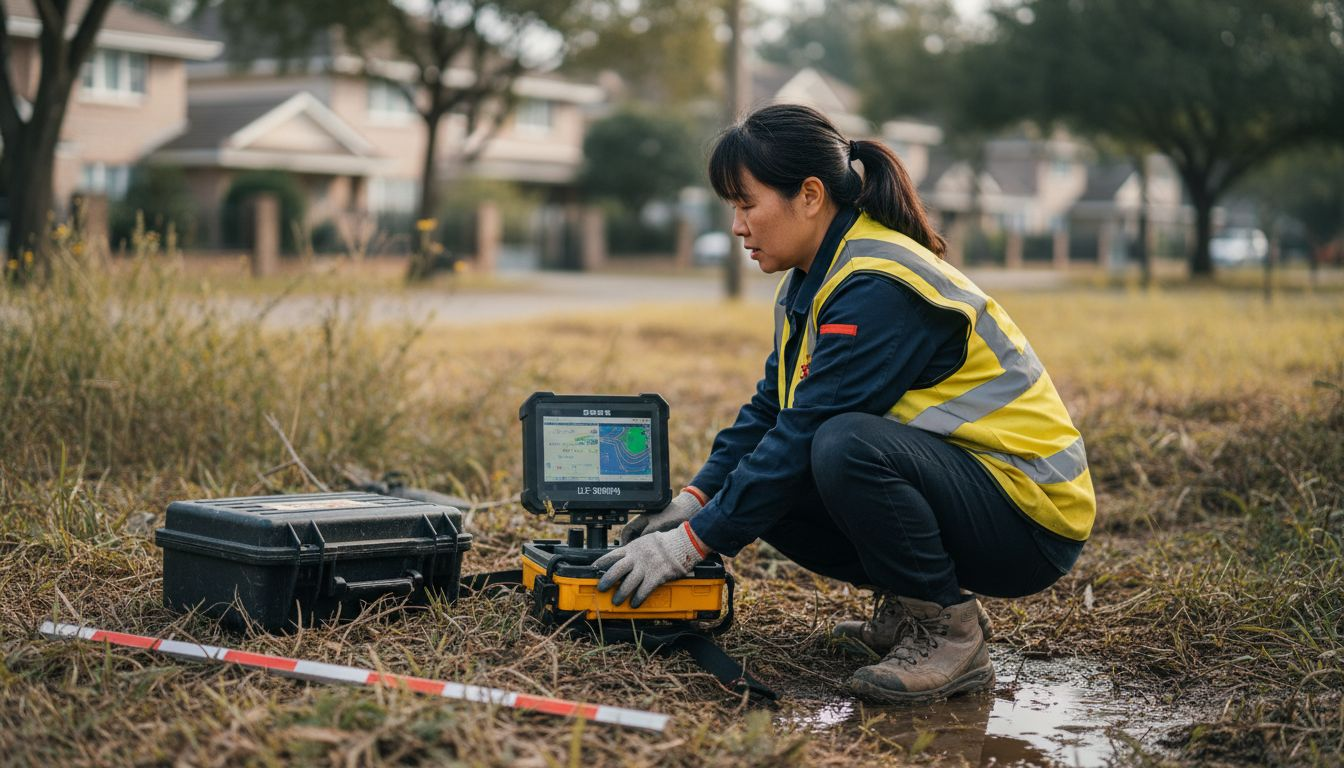
Professional surveyors must conduct thorough investigations that go beyond standard property assessments. Professional guidance for valuers and surveyors emphasises the importance of comprehensive site inspections specifically targeting Japanese Knotweed identification. These investigations typically involve detailed site mapping, visual assessments, and potential ground-penetrating radar or soil testing to determine the precise extent and location of any knotweed infestation.

The survey process is particularly crucial for mortgage applications and property transactions. Lenders and financial institutions now require comprehensive documentation demonstrating that any Japanese Knotweed presence has been professionally assessed and can be effectively managed. This means surveyors must not only identify the plant but also provide a detailed management plan that outlines potential treatment strategies, estimated costs, and long-term mitigation approaches. Failure to conduct a rigorous survey could result in delayed property transactions, reduced property values, or even complete mortgage rejections.

Pro tip: Always request a specialised Japanese Knotweed survey from a qualified professional before finalising any property purchase or development project.

Planning Permission Conditions and Management Plans

Developers and property owners must navigate complex requirements when Japanese Knotweed is present on a development site. The Environment Agency provides comprehensive guidance on management plan submissions for planning permission, establishing critical standards for invasive plant control and documentation.

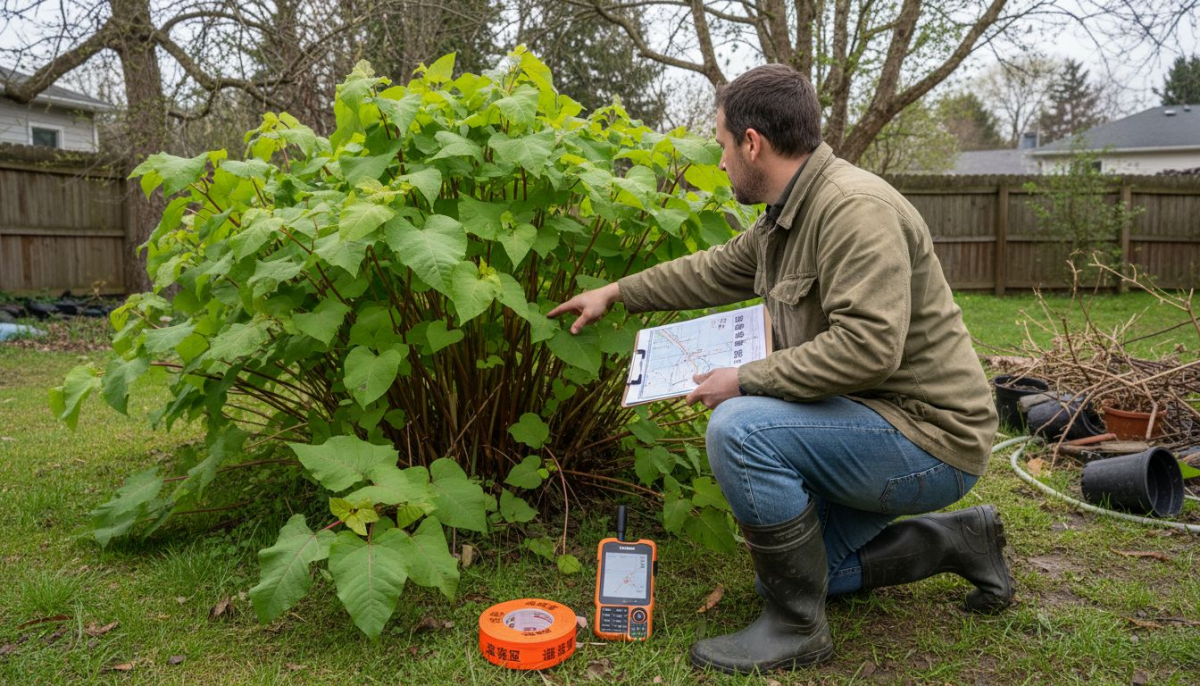
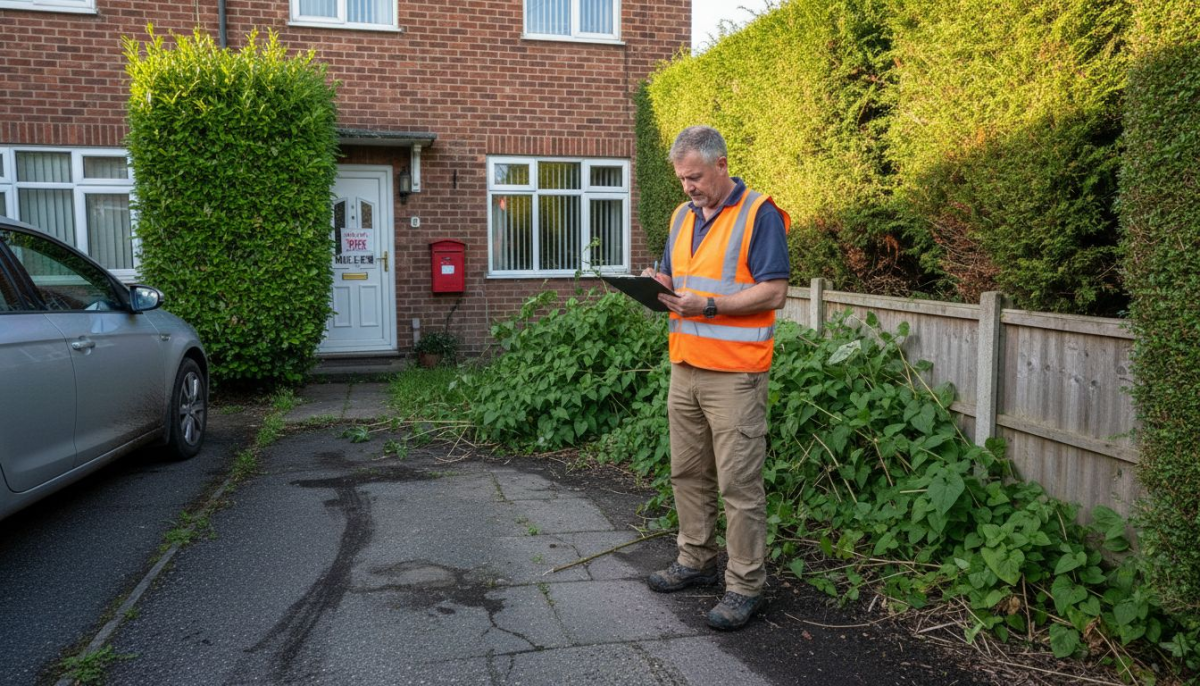
Property developer viewing a knotweed management plan

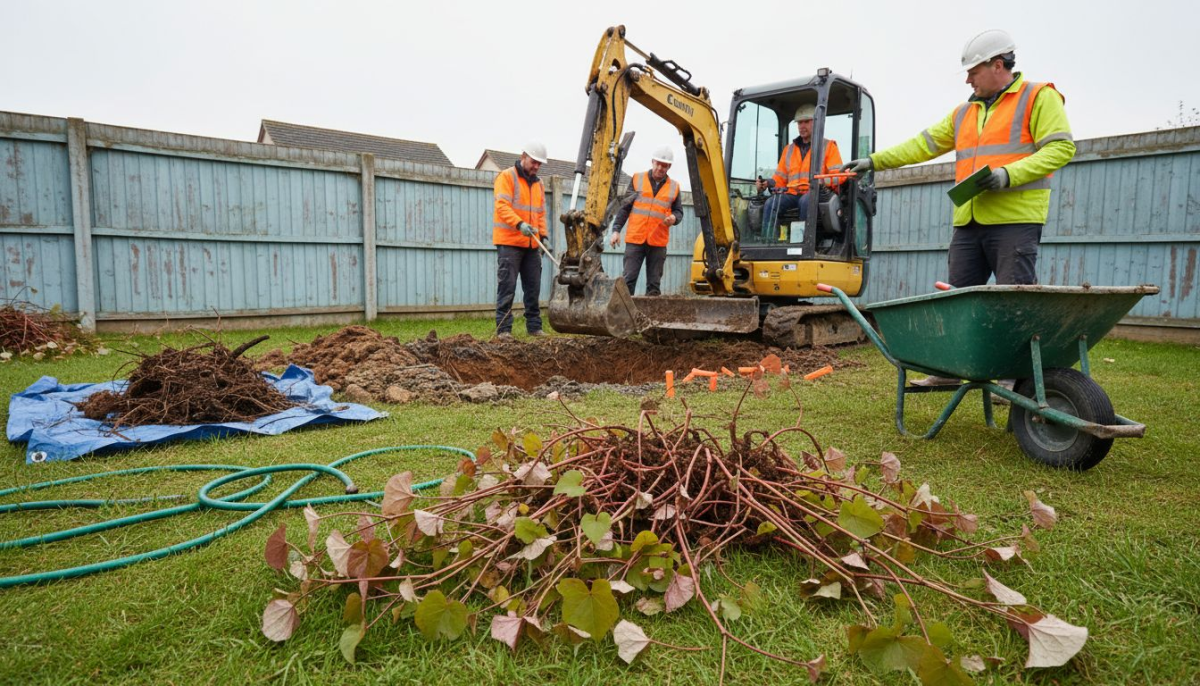
A robust Japanese Knotweed management plan typically encompasses several key components that local planning authorities carefully scrutinise. These include detailed site surveys documenting the precise extent of knotweed infestation, comprehensive control strategies outlining treatment methodologies, clear responsibility allocations for implementation, and specific protocols for safe disposal of contaminated plant materials. Planning conditions frequently mandate ongoing monitoring and reporting, ensuring that potential environmental risks are systematically addressed throughout the development process.

The implications of inadequate management plans can be significant for property developers and landowners. Local authorities may withhold planning permission, impose additional conditions, or require expensive remediation work if knotweed management strategies are deemed insufficient. This means that developers must approach knotweed management proactively, working closely with ecological specialists to develop thorough, scientifically robust plans that demonstrate a comprehensive understanding of the plant’s potential environmental and structural impacts.

Pro tip: Engage a specialist knotweed management consultant early in your planning process to develop a comprehensive, authoritative management plan that will satisfy planning authority requirements.

Risks, Liabilities and Mortgage Implications

Japanese Knotweed represents a significant financial and legal risk for property owners and potential buyers. Parliamentary evidence highlights the substantial challenges Japanese Knotweed poses for mortgage lenders and property transactions, creating complex implications for property ownership and valuation.

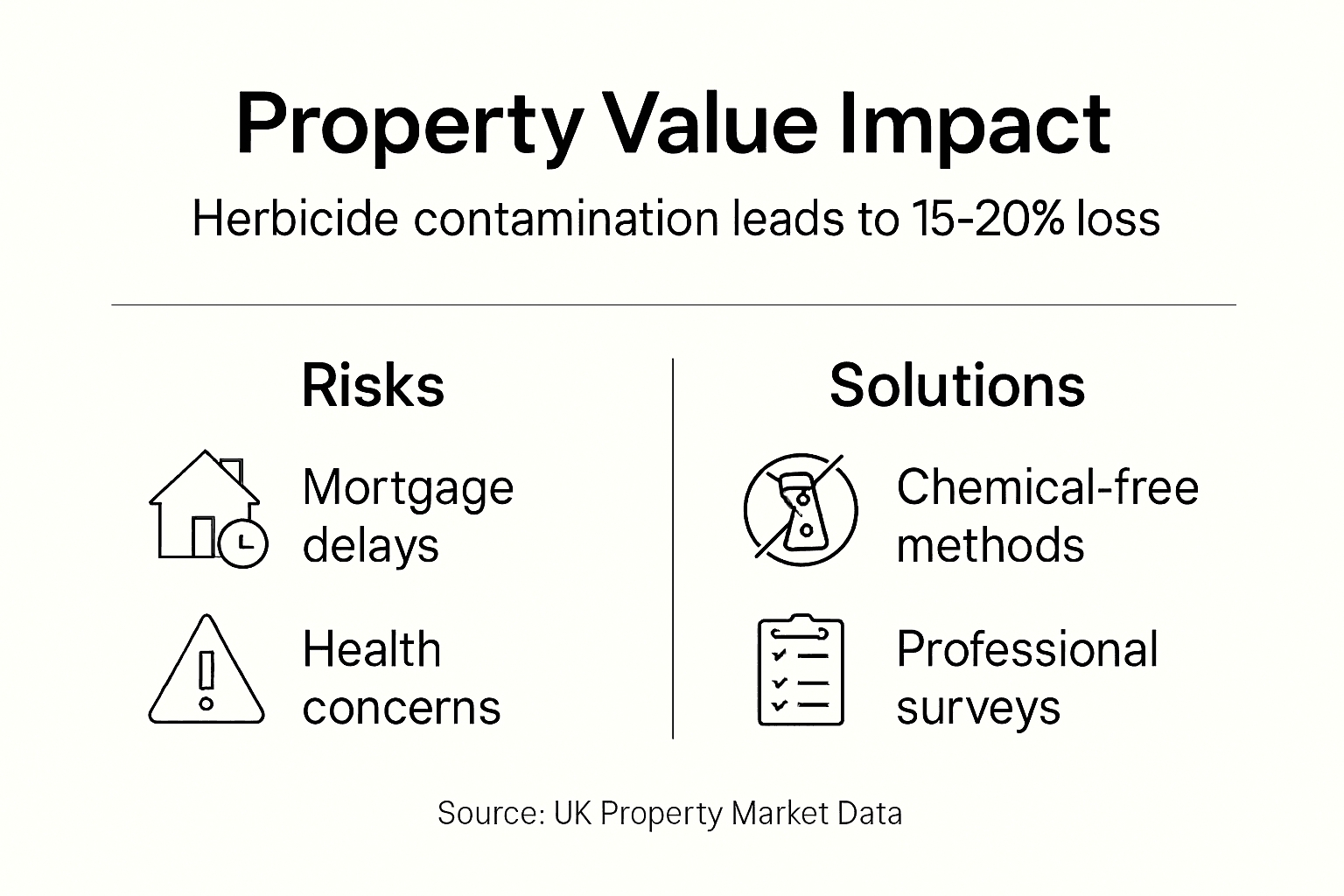
Infographic outlines knotweed risks and liabilities

Mortgage lenders have become increasingly stringent in their assessment of properties with Japanese Knotweed presence. Financial institutions typically require comprehensive professional management plans before considering mortgage applications, and the mere presence of this invasive plant can dramatically reduce property values. Potential buyers may find themselves facing significant obstacles, including reduced lending options, increased survey and treatment costs, and potential legal complications that can arise from improper management of the plant.

The legal liabilities associated with Japanese Knotweed extend beyond immediate property transactions. Property owners can be held responsible for allowing the plant to spread to neighbouring properties, potentially facing costly legal disputes and enforcement actions. Insurance providers may impose additional restrictions or refuse coverage for properties with known knotweed infestations, creating long-term financial and legal challenges that can persist well beyond the initial property purchase or development project.

Pro tip: Obtain a comprehensive Japanese Knotweed survey and management plan before purchasing a property to mitigate potential financial and legal risks.

Chemical-Free Knotweed Solutions for Homeowners

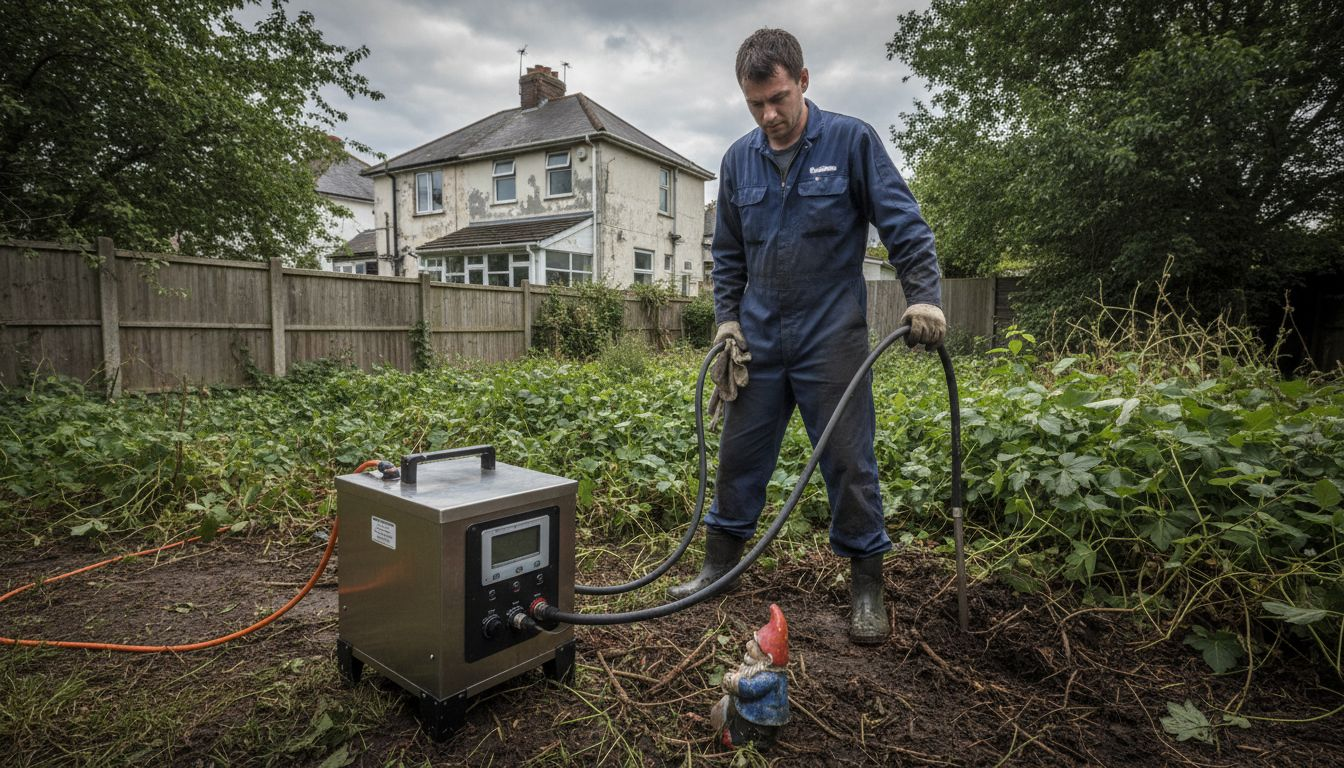
Homeowners confronting Japanese Knotweed increasingly seek environmentally responsible alternatives to traditional chemical treatments. Innovative research by the North Wales Wildlife Trust is pioneering chemical-free methods such as deep-soil steaming, offering promising solutions that minimise environmental impact while effectively eradicating this invasive plant species.

Biological control represents another cutting-edge approach to managing Japanese Knotweed without harsh chemicals. The Japanese Knotweed Alliance, in collaboration with research partners like CABI and Defra, is exploring biological control strategies, including trials with the psyllid insect Aphalara itadori. These methods offer a sustainable alternative to traditional herbicide treatments, focusing on long-term ecological management that addresses the root causes of knotweed spread.

Emergent technologies are transforming how homeowners approach knotweed management. Techniques such as targeted thermal treatment, which uses precise heat application to destroy root systems, and advanced physical removal methods provide effective alternatives to chemical interventions. These approaches not only eliminate the immediate knotweed threat but also preserve soil health and surrounding ecosystem integrity, offering a more holistic approach to invasive plant management.

Pro tip: Consult ecological specialists who can provide tailored, chemical-free solutions specific to your property’s unique knotweed challenges.

Comparing chemical-free knotweed solutions for homeowners:

Method Typical Application Environmental Impact Effectiveness
Deep-soil steaming Direct soil treatment Low; no residues High for small areas
Psyllid insects Biological control Minimal; natural method Moderate, longer term
Targeted thermal Heat root systems Low; preserves soil Good for local patches
Physical removal Manual excavation Low; soil disruption Effective but labour intensive

Take Control of Japanese Knotweed for Planning Permission Success

Dealing with Japanese Knotweed during your planning permission process can feel overwhelming and stressful. The article highlights the importance of professional surveys, detailed management plans, and clear evidence of responsible knotweed control to meet legal obligations and satisfy local planning authorities. If you want to safeguard your property value, avoid costly delays, and comply confidently with regulations like the Environmental Protection Act 1990 and Wildlife and Countryside Act 1981, expert help is essential.

https://japaneseknotweedagency.co.uk

At Japanese Knotweed Agency, we specialise in cutting-edge chemical-free treatment that targets the invasive root network directly. Our services include precise property surveys across England, Wales and Ireland, effective root barrier installations and expert excavation works. Acting now means you can secure a thorough management plan that accelerates your planning permission approval and removes the knotweed risk for good. Don’t let Japanese Knotweed jeopardise your property investment. Visit Japanese Knotweed Agency to book your survey and explore sustainable treatment solutions today.

Frequently Asked Questions

What should homeowners know about Japanese Knotweed and planning permission?

Homeowners should understand that the presence of Japanese Knotweed can significantly affect planning permission applications. Local authorities may require comprehensive management plans to mitigate risks associated with this invasive plant.

Do I need to remove Japanese Knotweed before applying for planning permission?

While not legally required, homeowners should consider taking action if Japanese Knotweed poses a risk to neighbouring properties. Demonstrating a professional management strategy can help facilitate a smoother planning permission process.

What components should be included in a Japanese Knotweed management plan for planning submissions?

A robust management plan should include detailed site surveys, control strategies for treatment methodologies, responsibilities for implementation, and protocols for safe disposal of contaminated materials. Ongoing monitoring and reporting are also crucial elements.

How does Japanese Knotweed affect property values and mortgage applications?

The presence of Japanese Knotweed can reduce property values and complicate mortgage applications, as lenders often require comprehensive management plans. Failure to address knotweed issues can lead to financial and legal risks for property owners.

Read more

Knotweed Legislation UK – Impact on Homeowners’ Decisions

Japanese Knotweed lurks as a costly risk for British homeowners, with studies showing it can cut property values by up to 10 percent. If you are buying or remortgaging in England or Wales, tackling this invasive plant legally and safely is much more than a garden worry. This guide helps you understand your responsibilities, the current laws, and how eco-friendly solutions can protect your property and peace of mind.

Table of Contents

Key Takeaways

Point Details
Invasive Species Legal Status Japanese Knotweed is classified as a controlled plant under the Wildlife and Countryside Act 1981, imposing legal obligations on property owners to manage its spread.
Financial Implications The presence of Japanese Knotweed can significantly reduce property values and complicate mortgage approvals and insurance coverage.
Responsibilities of Property Owners Landowners are legally required to prevent Japanese Knotweed from spreading and must manage its disposal as controlled waste.
Due Diligence in Property Transactions Homebuyers must conduct professional surveys to identify Japanese Knotweed infestations, as non-disclosure can result in serious legal consequences.

Japanese Knotweed represents one of the most aggressive and problematic invasive plant species in the United Kingdom, with significant legal implications for property owners and land managers. The UK government classifies Japanese Knotweed as a controlled plant under the Wildlife and Countryside Act 1981, making its management and spread a serious legal concern.

The plant’s extraordinary ability to propagate rapidly through tiny root fragments creates substantial challenges for homeowners and property developers. Even minuscule sections of root can regenerate into full plant systems, enabling it to penetrate building foundations, disrupt infrastructure, and cause extensive structural damage. Property valuations, mortgage approvals, and legal responsibilities are directly impacted by the presence of this invasive species.

Legal frameworks in the United Kingdom mandate specific responsibilities for landowners encountering Japanese Knotweed. Failure to manage or control the plant can result in significant penalties, including potential legal action from neighbouring properties or local authorities. The potential for environmental and structural damage means that comprehensive understanding of invasive plant risks is crucial for responsible property management.

Pro tip: Always conduct a professional survey before purchasing property to identify potential Japanese Knotweed infestations and understand the associated legal and financial implications.

Current Laws on Knotweed in England and Wales

The legal landscape surrounding Japanese Knotweed in England and Wales is complex and multifaceted, with several key legislative frameworks governing its management and control. Multiple statutes create comprehensive obligations for property owners and land managers, establishing clear guidelines for handling this invasive plant species.

Critical legislation includes the Wildlife and Countryside Act 1981, which explicitly prohibits planting or allowing Japanese Knotweed to grow in the wild. The Environmental Protection Act 1990 further complicates management by classifying knotweed-infested soil and removed plant material as controlled waste, requiring specialised disposal procedures. Additionally, the Anti-social Behaviour, Crime and Policing Act 2014 empowers local authorities to issue Community Protection Notices against individuals who fail to manage knotweed effectively.

Welsh government guidance reinforces these national regulations, emphasising strict legal requirements for knotweed control. Property owners face significant potential consequences for non-compliance, including financial penalties and legal actions. The laws are designed to prevent environmental spread and protect neighbouring properties from potential damage caused by this aggressive invasive species.

Pro tip: Consult a legal professional specialising in property law and environmental regulations to understand the full extent of your responsibilities when dealing with Japanese Knotweed.

Here is a summary of the primary UK laws governing Japanese Knotweed:

Legislation Main Requirement Penalty for Breach
Wildlife and Countryside Act 1981 Prohibits intentional planting or spread in the wild Fines, prosecution
Environmental Protection Act 1990 Classifies knotweed waste as controlled; special disposal Heavy fines, legal action
Anti-social Behaviour, Crime & Policing Community Protection Notices for poor management Mandatory action, potential fines
Welsh Government Guidance Reinforces national regulations and control standards Local authority enforcement

Property owners in the United Kingdom bear significant legal obligations when it comes to managing Japanese Knotweed on their land. Comprehensive legal frameworks impose strict requirements for preventing the spread of this invasive species, with potential serious consequences for non-compliance.

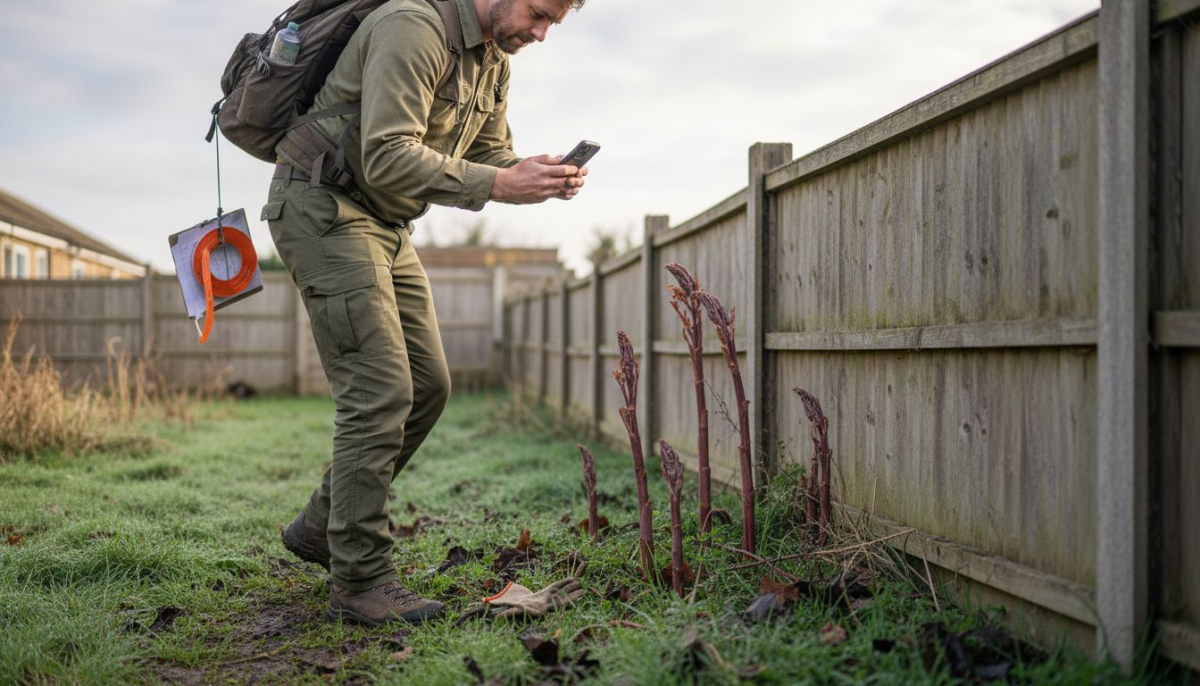
Woman photographing knotweed by boundary

The primary legal responsibility centres on preventing Japanese Knotweed from spreading to neighbouring properties or into wild environments. Owners must take proactive measures to control and manage the plant, which includes regular monitoring, appropriate treatment, and responsible disposal. Failure to do so can result in substantial legal challenges, including potential nuisance claims from neighbours, government-issued fines, and Community Protection Notices that mandate specific actions.

Disposal of Japanese Knotweed presents another critical legal consideration. The Environmental Protection Act 1990 mandates that all knotweed-contaminated materials must be treated as controlled waste, requiring disposal only at licensed waste management facilities. Improper disposal methods, such as placing infested soil or plant material in standard refuse or composting systems, can lead to significant legal penalties and environmental contamination risks.

Pro tip: Document all Japanese Knotweed management efforts, including professional surveys, treatment records, and disposal certificates, to protect yourself from potential legal disputes.

Knotweed Disclosure in Homebuying and Remortgaging

Professional property surveyors must now categorise and disclose Japanese Knotweed infestations as a critical component of property transactions, fundamentally transforming how homebuying and remortgaging processes operate in the United Kingdom. These disclosure requirements have significant implications for both property sellers and potential buyers, creating a complex legal landscape surrounding invasive plant management.

The Law Society’s TA6 property form now explicitly requires sellers to declare Japanese Knotweed presence on, adjacent to, or abutting their property boundaries. This mandatory disclosure means that withholding information about knotweed can result in serious legal consequences, including potential contract rescission, financial penalties, and legal disputes. Mortgage lenders have become increasingly stringent, often requiring comprehensive management plans and professional surveys before approving financing for properties with knotweed history.

Mortgage providers and financial institutions now treat Japanese Knotweed as a significant risk factor, which can substantially impact property valuations and lending decisions. Potential buyers must conduct thorough due diligence, including professional surveys and comprehensive environmental assessments, to understand the full extent of any knotweed-related risks. The presence of Japanese Knotweed can potentially reduce property values, complicate insurance coverage, and create long-term financial challenges for unsuspecting homeowners.

Pro tip: Always commission a professional environmental survey that specifically checks for Japanese Knotweed before completing any property purchase or remortgaging application.

The table below highlights how Japanese Knotweed can affect property values and transactions:

Scenario Impact on Property Value Mortgage Approval Risk Insurance Coverage Issues
Knotweed present, not managed Significant reduction High risk Likely exclusions
Knotweed present, management plan Moderate reduction Possible, with conditions Limited or higher premiums
No knotweed on property No negative impact Standard process Standard coverage

Government regulations establish severe penalties for property owners who fail to manage Japanese Knotweed appropriately, creating a complex legal framework that extends far beyond simple environmental concerns. Property owners can face significant financial and legal repercussions when they do not comply with established guidelines for controlling this invasive plant species.

Infographic highlighting knotweed penalties and legal risks

The Environmental Protection Act 1990 provides a robust legal mechanism for prosecution, allowing authorities to issue substantial fines and compel property owners to undertake mandatory remediation efforts. Criminal charges can be brought against individuals who intentionally or negligently allow Japanese Knotweed to spread, with potential penalties including hefty financial sanctions, court-mandated treatment programmes, and even criminal records that can impact future property transactions and personal reputation.

Beyond direct legal penalties, non-compliance can trigger extensive financial consequences that extend to property valuation, mortgage approvals, and insurance coverage. Potential impacts include reduced property market value, difficulty obtaining mortgage financing, increased insurance premiums, and potential civil litigation from neighbouring property owners who suffer damage from uncontrolled knotweed spread. These financial risks can significantly outweigh the initial costs of professional knotweed management and treatment.

Pro tip: Maintain comprehensive documentation of all Japanese Knotweed management efforts, including professional surveys, treatment records, and disposal certificates, to protect yourself from potential legal and financial complications.

Navigating the complex UK legislation surrounding Japanese Knotweed can be overwhelming for homeowners facing legal responsibilities to prevent its spread and costly penalties. The risks of property devaluation, mortgage complications and enforcement actions from local authorities make professional intervention essential. Our advanced, chemical free treatment targets the invasive rhizome network directly, providing a legal and effective solution to eradicate Japanese Knotweed while protecting your property and peace of mind.

https://japaneseknotweedagency.co.uk

Choose the pioneers in safe Japanese Knotweed treatment. Visit Japanese Knotweed Agency today to arrange a thorough property survey that identifies infestation risks early. Act now to meet your legal duties, avoid financial penalties and secure your home’s future with our expert treatment and root barrier services. Every delay risks further spread and mounting costs.

Frequently Asked Questions

What is Japanese Knotweed and why is it a concern for homeowners?

Japanese Knotweed is an aggressive invasive plant species that can cause significant structural damage to properties. Its ability to propagate rapidly through small root fragments presents challenges for homeowners, impacting property valuations and mortgage approvals.

Property owners must prevent Japanese Knotweed from spreading onto neighbouring properties and manage its presence on their land. This includes monitoring, treatment, and responsible disposal according to established legal frameworks to avoid fines and legal action.

How does Japanese Knotweed affect property transactions and mortgage approvals?

The presence of Japanese Knotweed can lead to reduced property valuations and complicate mortgage approvals, as lenders often require comprehensive management plans and professional surveys before financing properties with knotweed history.

What are the penalties for failing to manage Japanese Knotweed?

Failure to manage Japanese Knotweed appropriately can lead to severe penalties, including substantial fines, mandatory remediation efforts, and potential criminal charges for negligence, which may impact future property transactions and personal reputation.

Read more

Knotweed Rhizomes: How They Impact UK Mortgages

Many British homeowners in England, Wales, and Ireland are discovering that Japanese Knotweed’s underground rhizome system can silently compromise property value and mortgage approval. The plant’s roots can stretch up to 7 metres, often with barely any sign above ground, leading to unexpected financial headaches and legal complications. Eco-friendly treatment and professional property surveys offer practical solutions for tackling these issues while protecting both the environment and your investment.

Table of Contents

Key Takeaways

Point Details
Invasive Nature of Japanese Knotweed Japanese Knotweed’s rhizome system can extend up to 7 metres laterally and 2 metres deep, making eradication extremely difficult.
Misconceptions About Treatment Traditional gardening techniques are ineffective; specialised interventions are necessary to manage this invasive plant.
Impact on Property Values Presence of Knotweed can significantly lower property value and create complications for mortgage approval.
Legal Responsibilities for Landowners Landowners must adhere to legal regulations regarding Knotweed management, including controlled waste disposal and prevention of its spread.

Defining Knotweed Rhizomes And Common Misconceptions

Japanese Knotweed is a highly aggressive invasive plant characterised by complex underground rhizome networks that pose significant challenges for property owners across the United Kingdom. These underground stem systems are remarkably resilient, capable of spreading extensively beneath the surface with minimal visible evidence above ground. Understanding Japanese knotweed’s unique biological characteristics reveals why this plant creates such substantial problems for homeowners and mortgage providers.

The rhizome system of Japanese Knotweed is extraordinarily robust, with underground stems that can extend up to 7 metres laterally and penetrate depths of 2 metres. Critically, these rhizomes can regenerate new plant growth from fragments as small as 0.6 grams, making complete eradication extremely challenging. Contrary to common misconceptions, surface treatments or cutting the visible plant will not eliminate the underlying rhizome network. Only specialised intervention can effectively interrupt the plant’s extensive underground propagation mechanisms.

Many property owners mistakenly believe that Japanese Knotweed is simply another aggressive weed that can be managed through traditional gardening techniques. However, the plant’s unique reproductive strategy relies almost exclusively on rhizome fragment movement, with no viable seed production in the United Kingdom. This means that even tiny pieces of root transported through soil, construction materials, or landscaping activities can potentially generate entirely new infestations. Comprehensive identification guides are crucial for recognising the subtle signs of potential knotweed presence before significant spread occurs.

Pro Tip for Homeowners: Conduct a professional invasive plant survey before purchasing any property, especially in areas with known Japanese Knotweed prevalence, to identify potential rhizome networks and avoid significant financial complications.

Here is a summary comparing Japanese Knotweed rhizome characteristics to typical garden weeds:

Attribute Japanese Knotweed Rhizome Common Garden Weed Root
Growth Depth Up to 2 metres below ground Usually less than 0.5 metres
Lateral Spread Up to 7 metres Typically under 1 metre
Regeneration Potential From fragments as small as 0.6g Rarely regrow from fragments
Above-Ground Indicators Often minimal or delayed Clear growth correlates
Eradication Difficulty Extremely challenging Easily managed

How Rhizomes Enable Japanese Knotweed Spread

Japanese Knotweed’s extraordinary ability to proliferate stems directly from its incredibly adaptive rhizome network, a subterranean system that allows unprecedented levels of vegetative reproduction. Understanding the mechanisms of knotweed spread reveals how even minuscule root fragments can generate entirely new plant colonies across different landscapes.

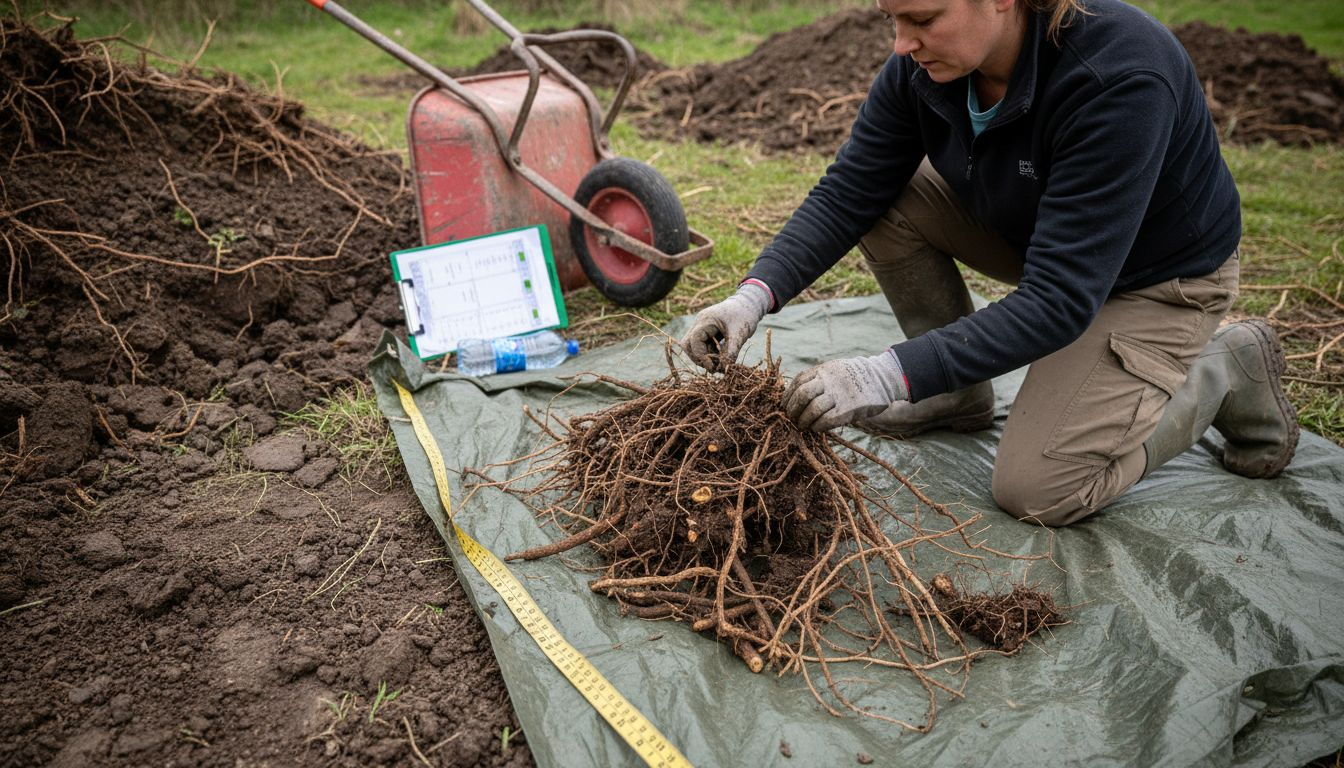
Homeowner exposes knotweed rhizome damage

The rhizome system functions as an underground survival mechanism, capable of remaining dormant in soil for extended periods while retaining remarkable regenerative potential. Scientific research demonstrates that fragments as small as 1 centimetre can generate new plant growth, making complete eradication exceptionally challenging. These underground stems can traverse significant distances, emerging through concrete, tarmac, and building foundations with persistent destructive capability.

Movement of contaminated soil represents a critical vector for Japanese Knotweed propagation. Construction activities, landscaping work, and inappropriate waste disposal can inadvertently transport rhizome fragments across different sites, enabling rapid and uncontrolled spread. The consequences of unmanaged knotweed expansion can be devastating, potentially compromising property structural integrity and significantly reducing land value.

Pro Tip for Property Managers: Implement strict soil management protocols during any ground disturbance, ensuring comprehensive screening and careful handling of excavated materials to prevent unintentional knotweed dispersal.

Identifying Knotweed Infestation In Your Property

Detecting Japanese Knotweed early requires a keen understanding of its distinctive botanical characteristics. 7 key warning signs can help homeowners quickly identify potential infestations, preventing long-term property damage and costly remediation efforts. The plant’s unique appearance includes hollow bamboo-like stems with prominent nodes, distinctive heart-shaped leaves arranged in a zigzag pattern, and creamy white flower clusters that emerge during late summer.

Seasonal identification becomes crucial, as Japanese Knotweed transforms dramatically throughout the year. During spring, reddish-purple shoots emerge rapidly, quickly developing into dense bamboo-like canes that can grow up to 3 metres in height. By late summer, the plant produces small creamy-white flower tassels, while autumn sees the stems turn brown and woody, persisting through winter as distinctive dead canes that signal potential underground rhizome activity.

Professional property surveys remain the most reliable method for comprehensive knotweed detection, especially in urban and infrastructure-adjacent settings where the plant frequently establishes dense monocultural stands. Homeowners can follow a systematic checklist to systematically inspect their property, paying special attention to boundaries, disturbed ground areas, and locations with previous landscaping or construction work. The underground rhizome system can extend several metres laterally, meaning visible surface growth might represent only a fraction of the actual infestation.

Pro Tip for Property Inspection: Photograph any suspicious vegetation and consult a professional invasive plant specialist for definitive identification, as many native plants can be mistaken for Japanese Knotweed.

Mortgage Risks Linked To Invasive Rhizomes

Japanese Knotweed represents a significant financial threat to property owners, with its invasive rhizome system capable of causing substantial structural damage that directly impacts mortgage prospects. Mortgage lenders have developed stringent policies to mitigate risks associated with these pervasive underground networks, often requiring comprehensive treatment plans before approving property financing.

The presence of Japanese Knotweed can dramatically reduce a property’s market value and create substantial barriers to mortgage approval. Lenders typically demand extensive evidence of professional treatment, ongoing monitoring, and complete remediation plans before considering a mortgage application. Some financial institutions may refuse lending entirely or impose significantly higher interest rates and stricter lending conditions when knotweed is detected on or near a property.

Property sellers face legal obligations to disclose any known knotweed infestations, with failure to do so potentially resulting in future legal challenges and financial penalties. The risks of untreated knotweed extend far beyond immediate property damage, potentially creating long-term financial complications that can affect property transferability, insurance coverage, and overall investment value. Mortgage providers increasingly require comprehensive surveys and professional treatment certifications to mitigate their potential financial exposure.

Pro Tip for Homeowners: Obtain a professional Japanese Knotweed survey before listing your property or applying for a mortgage, ensuring you have comprehensive documentation of the plant’s status and any remediation efforts.

Addressing Japanese Knotweed requires a sophisticated approach that balances environmental responsibility with legal compliance. Chemical-free treatment methods have emerged as a progressive solution, offering landowners sustainable alternatives to traditional chemical interventions. The legal framework surrounding knotweed management is complex, with strict regulations governing its control and potential spread.

UK environmental legislation imposes significant responsibilities on landowners, making professional intervention crucial. The Wildlife and Countryside Act 1981 and Environmental Protection Act 1990 establish clear legal boundaries for invasive species management. These regulations classify knotweed-contaminated material as controlled waste, requiring specialist disposal at licensed facilities. Innovative approaches now include biological controls such as specialised insects and pathogenic fungi that can naturally suppress knotweed populations with minimal environmental disruption.

Infographic showing knotweed risks and solutions

Landowners must navigate a delicate balance between effective treatment and legal compliance. It is a criminal offence to allow knotweed to spread into wild areas, creating substantial potential for legal and financial consequences. Professional treatment services now offer comprehensive solutions that include detailed documentation, systematic removal, and ongoing monitoring. These approaches not only address the immediate knotweed challenge but also provide essential protection against potential legal challenges and property devaluation.

Pro Tip for Landowners: Maintain comprehensive documentation of all knotweed treatment efforts, including professional survey reports, treatment plans, and disposal certificates, to protect yourself from potential legal disputes and demonstrate responsible land management.

The following table outlines legal responsibilities and eco-friendly solutions for controlling Japanese Knotweed:

Legal Requirement Eco-Friendly Solution Benefit
Controlled waste disposal Biological control methods Reduces chemical use
No spread to wild land allowed Mechanical removal and monitoring Prevents legal penalties
Professional documentation recommended Use of natural pathogens and insects Supports long-term site health

Compliance with UK legislation mandatory Specialist surveys and tailored plans Minimises property value loss

Protect Your Property From Japanese Knotweed Rhizomes Impacting Your Mortgage

The underground rhizome network of Japanese Knotweed can deeply threaten your property value and mortgage approval, as highlighted in our article. If you want to avoid costly surprises and ensure your investment remains secure you need a proven chemical-free solution that targets these resilient root systems at their core. Japanese Knotweed Agency specialises in delivering high-voltage treatment onsite, damaging rhizome cell structure to stop regrowth combined with expert root barrier installations and excavation services for thorough eradication.

https://japaneseknotweedagency.co.uk

Do not risk blocked mortgages or legal disputes. Take control with a professional invasive weed survey and treatment plan created specifically for your property. Discover how our innovative and eco-friendly methods protect your home while meeting legal requirements. Visit Japanese Knotweed Agency to book your survey now and learn more about our chemical free treatment and property surveys for invasive weeds services. Act today to secure your property’s future before knotweed rhizomes jeopardise your mortgage prospects.

Frequently Asked Questions

What are Japanese Knotweed rhizomes?

Japanese Knotweed rhizomes are complex underground stem systems that enable the plant to spread extensively. They can extend up to 7 metres laterally and penetrate depths of 2 metres, making complete eradication challenging.

How do knotweed rhizomes affect property mortgages?

The presence of Japanese Knotweed can significantly impact property mortgages. Lenders often require evidence of professional treatment and remediation plans before approving loans, which can reduce property value and complicate mortgage applications.

Can I remove Japanese Knotweed myself?

Removing Japanese Knotweed is not advisable as traditional gardening techniques are ineffective. Professional intervention is essential to ensure the comprehensive removal of the resilient rhizome network and prevent regrowth.

What should I do if I suspect Japanese Knotweed on my property?

If you suspect Japanese Knotweed, conduct a professional survey immediately. Early identification and intervention are crucial to mitigate potential damage and comply with legal responsibilities regarding invasive species management.

Read more

Knotweed Assessment Workflow for Homeowners: Complete Guide

Most British homeowners are surprised to learn that Japanese Knotweed can knock up to 10 percent off a property’s value, raising real concerns during the home-buying process. For families in England, Wales, and Ireland, choosing chemical-free treatment while ensuring a comprehensive property survey matters now more than ever. This guide gives you clear steps to assess your land, spot hidden risks, and achieve peace of mind without resorting to harsh chemicals.

Table of Contents

Quick Summary

Key Insight Explanation
1. Gather Comprehensive Site Details Document all aspects of the property and environmental context for informed assessments and treatments.
2. Systematic Knotweed Identification Recognise key features of Japanese Knotweed throughout the seasons to ensure accurate identification.
3. Precise Mapping of Infestations Create detailed maps marking all knotweed locations to assist in future treatment planning.
4. Assess Structural Risks Evaluate the proximity of knotweed to structures to understand potential damage and necessary precautions.
5. Implement Chemical-Free Treatments Explore effective non-chemical strategies to eradicate knotweed while minimising environmental impact.

Step 1: Prepare property and gather site details

Before diving into a Japanese Knotweed assessment, you need a comprehensive overview of your property’s landscape and potential invasive plant history. This critical first step involves collecting precise details that will guide your entire survey and treatment strategy.

Start by creating a detailed site record that goes beyond basic measurements. Thorough site assessments should include precise location information, surrounding area descriptions, and comprehensive documentation of any invasive plant presence. Leverage online resources like Google Street View to verify historical site conditions and track potential previous infestations. Take high-resolution photographs from multiple angles, capturing not just the suspected knotweed areas but also surrounding vegetation, structures, and landscape features.

Document everything meticulously. Note property boundaries, proximity to buildings, drainage systems, and neighbouring land. Your goal is creating a comprehensive snapshot that will help professionals understand the full context of potential knotweed spread. Measuring and mapping affected areas precisely will be crucial for subsequent treatment planning.

Pro tip: Create a digital folder with all site documentation, including photographs, maps, and notes. This organised approach will streamline future communications with knotweed specialists and provide a clear historical record of your property’s condition.

Step 2: Inspect and identify knotweed symptoms

Successfully identifying Japanese Knotweed requires a meticulous and systematic approach that goes beyond casual observation. Your goal in this step is to develop a keen eye for recognising the distinctive characteristics of this invasive plant across different seasons and growth stages.

Prior to physical inspection, conduct thorough desktop research including reviewing local authority maps and aerial imagery to understand potential infestation areas. When physically examining your property, look for several key symptoms. Japanese Knotweed has distinctive features: bright green bamboo-like stems with distinctive purple speckles, large heart-shaped leaves arranged in a zigzag pattern, and a robust root system that can grow aggressively through concrete and building foundations. During spring, new shoots emerge with reddish purple buds, quickly developing into cane-like stems that can grow up to 3 metres tall.

Cross-reference your observations with established identification guides, paying special attention to seasonal variations. Summer brings clusters of small white flowers, while autumn sees the stems turn brown and woody. Take detailed photographs from multiple angles to document your findings, which will be crucial for professional assessments. Surveyors recommend checking not just visible areas but also investigating potential hidden growth zones near boundaries, drainage systems, and structural foundations.

Pro tip: Develop a systematic inspection approach by creating a standardised checklist that covers different property zones and seasonal characteristics, ensuring you don’t miss potential knotweed indicators.

Here is a summary of Japanese Knotweed characteristics by season to assist with accurate identification:

Season Visible Features Typical Growth Pattern
Spring Reddish purple shoots New growth rapidly emerging
Summer Clusters of white flowers Tall, dense cane-like stems
Autumn Brown, woody stems Vigorous root activity, leaves begin to drop
Winter Dead-looking canes Rhizomes dormant underground, minimal foliage

Step 3: Map infestation zones and take site photos

Carefully mapping knotweed infestation zones requires precision and a strategic approach to documenting the spread of this invasive plant across your property. Your objective is to create a comprehensive visual and spatial record that professionals can use for further assessment and treatment planning.

Accurate mapping of Japanese Knotweed infestations involves creating scaled maps with precise dimensions, marking the locations of all plant stands and indicating the potential extent of the rhizome network. Begin by obtaining a base map or property blueprint, then systematically mark all visible knotweed locations. Use a measuring tape to record exact distances between the plant clusters and key property features like buildings, fences, and drainage systems. Take high resolution photographs from multiple angles for each identified zone, ensuring you capture close-up details of stem characteristics, leaf patterns, and the surrounding landscape context.

Person mapping knotweed areas on property map

When photographing, include reference points like a measuring stick or common object to provide scale. Capture images during different times of day to highlight varying light conditions and ensure clear documentation. Include wide landscape shots that show the knotweed’s relationship to surrounding terrain, as well as detailed close-ups that reveal specific plant characteristics. Number and label each photograph corresponding to your mapped locations to create a clear, professional documentation system that will be invaluable for future treatment strategies.

Pro tip: Create a digital backup of all site photographs and mapping documents, storing them in a cloud service with multiple redundancies to prevent potential loss of critical evidence.

Step 4: Evaluate risk to property and structures

Assessing the potential damage Japanese Knotweed can inflict on your property requires a comprehensive and strategic evaluation. Understanding the extent and implications of an infestation is crucial for protecting your property’s structural integrity and market value.

Risk assessments must thoroughly evaluate the impact of invasive non-native plants on the property, considering factors like the extent of infestation, proximity to structures, and potential for structural damage. Start by examining the distance between knotweed stands and critical infrastructure such as foundations, drainage systems, retaining walls, and underground utilities. Pay particular attention to areas where knotweed growth appears aggressive or close to building foundations. Japanese Knotweed’s robust rhizome network can exert tremendous pressure, potentially causing cracks, destabilising structures, and compromising underground pipework.

Infographic showing knotweed property risk evaluation

Evaluate both immediate and long-term risks by considering the plant’s growth patterns and potential spread. Look for signs of root penetration near concrete surfaces, pavements, and building foundations. Consider the potential repair costs and structural implications if left untreated. Document any visible damage, measure distances between knotweed clusters and structures, and note the density and maturity of the infestation. This detailed assessment will be critical for insurance purposes, property valuations, and developing an effective remediation strategy.

Pro tip: Consult a professional surveyor specialising in Japanese Knotweed to obtain a comprehensive risk assessment report, which can provide definitive insights into potential structural threats and recommended mitigation strategies.
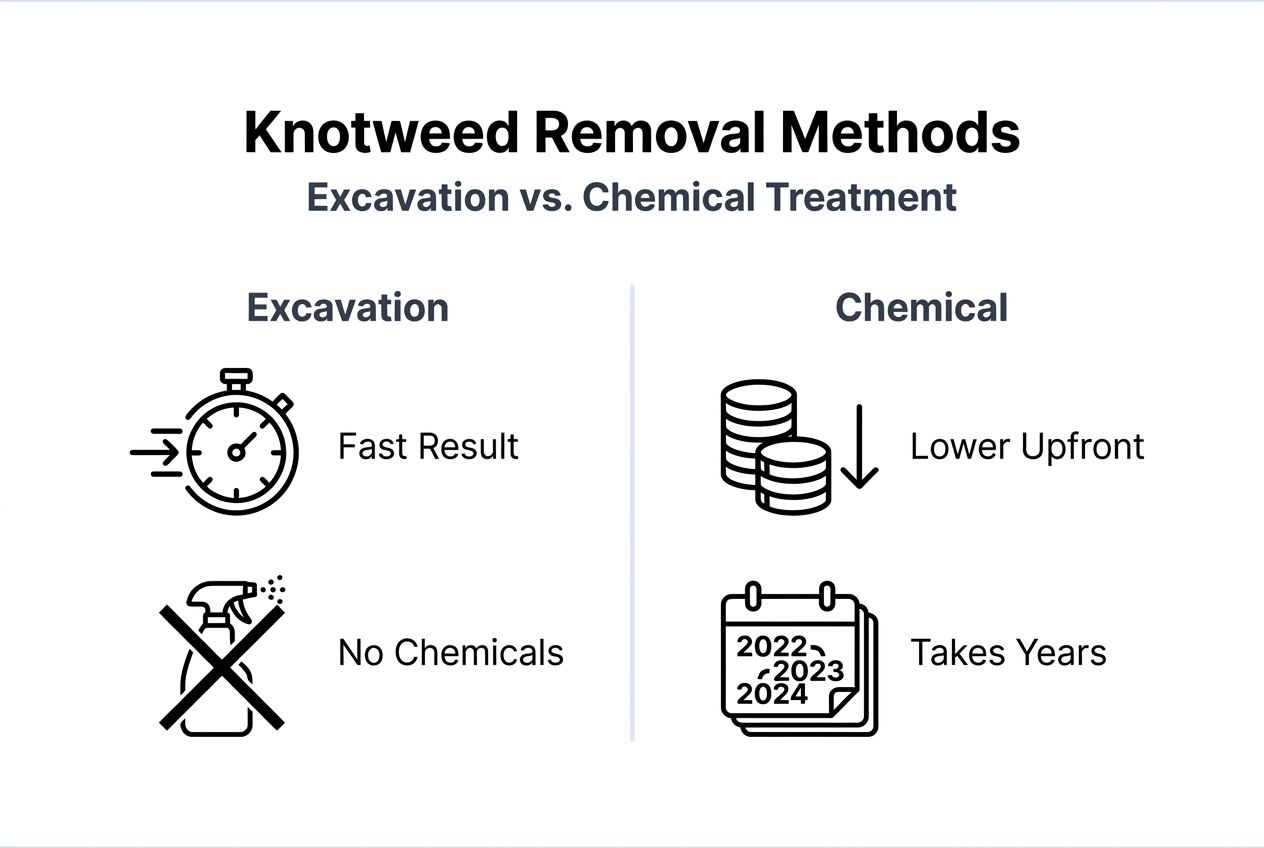
Step 5: Recommend chemical-free treatment and verify outcomes

Selecting an effective chemical-free treatment strategy for Japanese Knotweed requires a nuanced approach that targets the plant’s extensive underground root system while minimising environmental impact. Your goal is to implement a solution that completely eradicates the invasive plant without introducing harmful chemicals into the ecosystem.

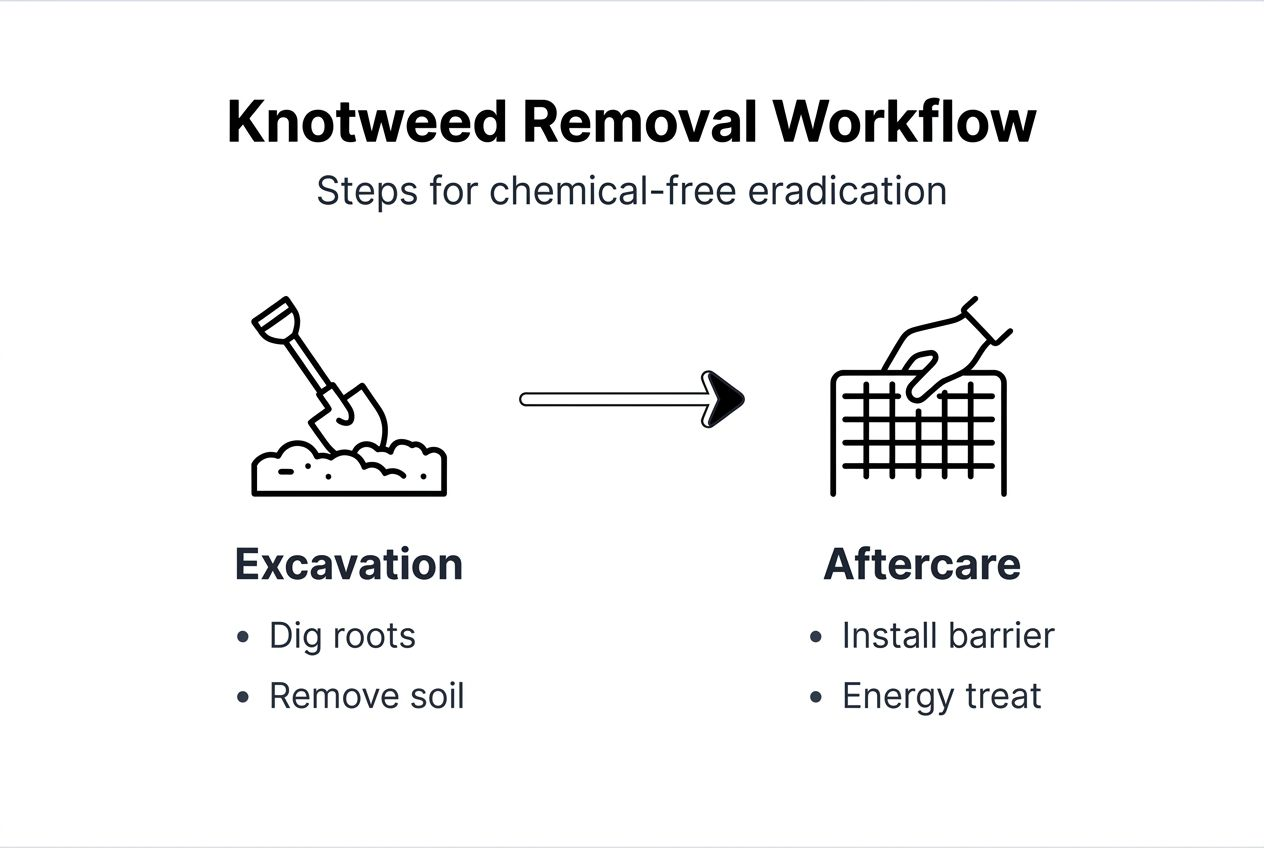
Effective control methods include installing physical barriers made of impenetrable materials like concrete or specialized membranes to prevent rhizome spread. This approach involves creating a comprehensive containment strategy that prevents the knotweed’s underground network from expanding. Consider using thermo-electric treatment methods that deliver targeted energy directly to the plant’s root system, causing internal cell damage and depleting its energy resources. Document the treatment process meticulously, tracking the plant’s response through regular photographic evidence and precise measurements of affected areas.

Verification is critical in confirming the treatment’s success. Schedule multiple follow-up inspections at different intervals to monitor the site for any potential regrowth. Look for signs of plant decline, such as reduced stem density, discoloration, and absence of new shoots. Compare your initial site documentation with subsequent assessments to demonstrate the treatment’s effectiveness. Keep detailed records including dates, treatment methods, and observable changes, which will be valuable for future reference and potential property valuations.

Pro tip: Maintain a comprehensive treatment log with dated photographs and measurement records to create a robust documentation trail that proves the complete eradication of Japanese Knotweed from your property.

Below is a comparison of common chemical-free Japanese Knotweed control strategies:

Method Description Environmental Impact
Physical Barriers Instalment of membranes or concrete to block rhizomes No chemical contamination
Thermo-electric Shock Use of targeted heat or electricity to kill root cells Very low, non-toxic process
Mechanical Removal Complete excavation and disposal of roots and shoots High disturbance, soil loss

Take Control of Japanese Knotweed with Expert Chemical-Free Solutions

If you have followed the detailed steps of the “Knotweed Assessment Workflow for Homeowners” you will understand just how challenging it can be to accurately assess and map the extent of Japanese Knotweed on your property. The frustration of identifying seasonal symptoms, creating precise site maps and evaluating risks is real. More importantly you need effective treatment options that do not harm your garden or surroundings. At Japanese Knotweed Agency we specialise in chemical free eradication techniques that neutralise invasive plants safely and sustainably.

https://japaneseknotweedagency.co.uk

Act now to protect your home and investment. Our pioneering thermo-electric treatments deliver up to 5000 volts directly to the knotweed rhizomes causing internal cell damage and reducing regrowth risk. We also provide professional root barrier installations and comprehensive excavation works tailored to your site survey findings. Discover how our property surveys across England, Wales and Ireland give you peace of mind through expert identification and risk analysis. Take the next step and secure your property against knotweed damage by visiting Japanese Knotweed Agency today.

Frequently Asked Questions

How do I begin a Knotweed assessment on my property?

To begin a Knotweed assessment, gather detailed site information, including measurements and documentation of any invasive plant presence. Create a digital folder to organise your findings and streamline communication with specialists.

What should I look for when inspecting for Japanese Knotweed?

When inspecting for Japanese Knotweed, focus on key symptoms such as bamboo-like stems with purple speckles, heart-shaped leaves, and distinctive growth patterns in different seasons. Develop a checklist to ensure thorough inspection and take photographs to document your findings.

How can I map the areas affected by Knotweed?

To map Knotweed infestation zones, start by creating a scaled map or blueprint of your property. Record the precise locations of each plant cluster and take high-resolution photographs from multiple angles to enhance documentation and future assessments.

What risks does Japanese Knotweed pose to my property?

Japanese Knotweed can damage structures, cause cracks in foundations, and compromise drainage systems through its aggressive root system. Evaluate the distance between Knotweed stands and critical infrastructure to understand the potential risks and plan for remediation.

What chemical-free treatment options are available for Knotweed?

Chemical-free treatment options include installing physical barriers to prevent rhizome spread or using thermo-electric treatments to damage the root system. Document your treatment efforts and schedule follow-up inspections to monitor progress and ensure the Knotweed is eradicated.

How do I verify the success of my Knotweed treatment?

To verify treatment success, conduct multiple follow-up inspections and compare the results against your original site documentation. Look for signs of decline in the Knotweed’s growth, such as reduced stem density and monitor changes over several months to confirm effectiveness.

Read more

Knotweed and Mortgage Issues – Impact on Property Sales

More than 850,000 British households face ongoing struggles with Japanese Knotweed, a plant notorious for causing structural damage and lowering property values by up to 25 percent. This invasive species spreads rapidly, posing a unique challenge for homeowners determined to protect their investment. Understanding how to spot Japanese Knotweed early can mean the difference between a manageable situation and significant financial headaches.

Table of Contents

Key Takeaways

Point Details
Invasive Nature of Japanese Knotweed This plant can severely damage property structures and reduce property values significantly if not addressed promptly.
Financial Implications Presence of knotweed can lead to a 25% decrease in property value, complicating mortgage approvals and insurance provisions.
Legal Obligations Sellers must disclose any knotweed presence, and failure to do so may result in legal consequences.
Professional Treatment Required Engaging a specialist for treatment is critical to satisfy lender requirements and ensure property value is maintained.

Japanese Knotweed – Identifying the Problem

Japanese Knotweed represents a serious ecological threat that can devastate property values and compromise structural integrity. This invasive plant species grows aggressively, capable of penetrating concrete foundations, tarmac surfaces, and building structures with remarkable resilience. Homeowners must develop keen observation skills to identify potential knotweed infestations before significant damage occurs.

Recognising the distinctive characteristics of Japanese Knotweed requires understanding its unique growth patterns and visual markers. The plant typically presents distinctive bamboo-like stems with characteristic nodes, displaying bright green leaves that are predominantly heart or shield-shaped. During summer months, the plant produces small white flower clusters, while its underground rhizome network can extend several metres from the visible plant, making complete eradication challenging. Early detection becomes critical, as the plant can grow up to 10 centimetres per day during peak growing seasons.

The potential financial implications of Japanese Knotweed cannot be overstated. Mortgage lenders frequently consider the presence of this invasive species a significant risk, often requiring comprehensive treatment plans before approving property transactions. Professional surveyors recommend thorough property assessments, particularly in areas with known knotweed prevalence. Warning signs include unusual plant growth near building foundations, unexplained cracks in paving or walls, and rapid vegetation spread that seems resistant to standard removal techniques.

Here is a summary of the main risks associated with Japanese Knotweed on properties:

Risk Factor Description Financial Impact
Structural Damage Can penetrate foundations and pavements Costly repairs needed
Property Value Reduction Diminishes market appeal and transaction value Up to 25% loss
Mortgage Approval Barriers Lenders may refuse or delay loans Higher borrowing costs
Legal Liability Required disclosure and management by law Possible legal claims

Infographic on knotweed property risks

Pro Tip for Property Inspection: Conduct a detailed visual survey of your property’s perimeter and foundation during late spring and summer, focusing on areas with potential moisture and soil disturbance, and consult a professional knotweed specialist if any suspicious vegetation is detected.

How Knotweed Affects Property Values

The presence of Japanese Knotweed can create substantial financial challenges for property owners, with devastating impacts on property market value. Research indicates that the mere existence of this invasive plant can dramatically reduce property values by 5-15% for properties with knotweed within close proximity to structures, and potentially up to 25% for severe infestations causing structural damage.

Mortgage lenders and potential buyers view Japanese Knotweed as a significant risk, which fundamentally transforms the property’s marketability. The financial implications extend beyond direct treatment costs, encompassing complex challenges in property transactions. Approximately 850,000 to 900,000 UK households are affected by this plant, resulting in an estimated £20 billion reduction in national property values. Sellers are legally obligated to disclose any current or historical knotweed presence, which can further complicate sales processes.

The economic impact extends beyond immediate property valuation, affecting mortgage approvals and insurance provisions. Many financial institutions require comprehensive treatment plans and professional surveys before considering lending, creating additional barriers for property owners. The underground rhizome network of Japanese Knotweed can cause long-term structural damage, making potential buyers extremely cautious and potentially reducing competitive interest in affected properties.

Pro Tip for Property Protection: Obtain a professional Japanese Knotweed survey immediately if you suspect infestation, as early detection and comprehensive treatment can significantly mitigate potential financial losses and maintain your property’s market value.

Mortgage Lenders’ Policies on Knotweed

Mortgage lenders have developed increasingly stringent policies regarding properties affected by Japanese Knotweed, viewing the invasive plant as a significant financial and structural risk. Navigating mortgage requirements with Japanese Knotweed has become a complex process that demands comprehensive documentation and professional treatment plans.

Typically, mortgage providers require a detailed professional survey that demonstrates the extent of knotweed infestation and a comprehensive eradication strategy. Most lenders will not approve mortgage applications for properties with active knotweed growth within 7 metres of the main building structure. Financial institutions demand evidence of a professional treatment plan from a certified specialist, complete with insurance-backed guarantees that cover potential future regrowth. This stringent approach means that properties with knotweed often face significant lending obstacles, potentially requiring specialist mortgage providers who understand the specific risks.

The assessment process involves multiple critical evaluations, including physical property surveys, risk assessments, and verification of treatment plans. Lenders categorise knotweed risk into different levels, with each category determining the potential for mortgage approval. Some institutions may require complete eradication and a minimum 5-year monitoring period before considering a mortgage application. This approach reflects the plant’s ability to cause substantial structural damage and the potential long-term financial implications for property owners.

Pro Tip for Mortgage Applicants: Obtain a professional Japanese Knotweed survey before applying for a mortgage, ensuring you have a comprehensive treatment plan and documentation that demonstrates the property’s managed and controlled knotweed status.

Legal responsibilities surrounding Japanese Knotweed create complex challenges for property transactions, with significant implications for both buyers and sellers. Property owners must prevent Japanese Knotweed from spreading beyond their land, understanding that controlled waste regulations and potential prosecution can result from improper management of this invasive species.

Sellers have a strict legal duty to disclose the presence of Japanese Knotweed during property transactions. This obligation requires full transparency about current or historical infestations, including any professional treatment programmes previously undertaken. Failure to disclose known knotweed presence can result in legal action for misrepresentation, potentially allowing buyers to seek compensation or rescind the property purchase. Professional surveys and comprehensive documentation become critical evidence in demonstrating responsible property management and compliance with environmental regulations.

Homeowner completing knotweed disclosure form

Buyers must exercise significant due diligence when purchasing properties, particularly in areas with known knotweed prevalence. This includes requesting detailed property surveys, investigating historical land use, and understanding the potential financial and structural implications of knotweed presence. Legal frameworks increasingly require sellers to provide explicit information about invasive plant species, with knotweed being a primary concern due to its potential for causing substantial structural damage. The burden of proof increasingly falls on sellers to demonstrate proactive management and containment strategies.

Pro Tip for Property Transactions: Obtain a comprehensive professional survey that specifically identifies and documents any Japanese Knotweed presence before finalising any property transaction, ensuring complete legal and financial protection for both buyers and sellers.

Treatment Solutions and Avoiding Delays

Hiring a professional specialising in invasive weed control represents the most effective strategy for addressing Japanese Knotweed infestations. Professional treatment approaches offer comprehensive solutions that not only eradicate the plant but also provide critical documentation required by mortgage lenders and insurers. These specialist interventions prevent potential property transaction delays and mitigate the long-term risks associated with this invasive species.

Multiple treatment methodologies exist, ranging from chemical treatments to advanced thermo-electric eradication techniques. Chemical treatments traditionally involve targeted herbicide applications over multiple growing seasons, while more innovative approaches utilise direct energy methods to damage the plant’s internal cellular structure. Each treatment strategy requires meticulous planning, with professional surveys determining the most appropriate intervention based on the specific infestation characteristics, property layout, and environmental considerations.

The complexity of Japanese Knotweed treatment demands a systematic approach that extends beyond immediate plant removal. Mortgage lenders and property surveyors typically require comprehensive documentation demonstrating a complete eradication strategy, including post-treatment monitoring and insurance-backed guarantees. Property owners must obtain detailed treatment plans that outline the proposed methodology, expected timelines, and long-term management strategies to satisfy professional assessment requirements and prevent potential transaction complications.

Below is a comparison of common Japanese Knotweed treatment methods and their effectiveness:

Treatment Method Typical Duration Effectiveness Documentation Provided
Chemical Spraying 2-3 years (multiple) Suitable for most cases Standard treatment report
Excavation & Removal 1-2 weeks Immediate eradication Detailed removal warranty
Thermo-Electric Methods Several days Innovative, rapid results Insurance-backed guarantees

Pro Tip for Knotweed Management: Engage a certified invasive plant specialist immediately upon discovering Japanese Knotweed, ensuring you receive a comprehensive treatment plan with insurance-backed guarantees that will satisfy mortgage lender requirements and protect your property’s market value.

Protect Your Property Value with Expert Japanese Knotweed Solutions

Facing Japanese Knotweed challenges can feel overwhelming when dealing with mortgage refusals and property sale delays. This invasive plant poses serious risks such as structural damage and a loss of market appeal, making professional intervention critical. At Japanese Knotweed Agency, we specialise in chemical free eradication methods that effectively disrupt the plant’s root system using advanced direct energy treatments. Our experts also provide thorough property surveys across England, Wales and Ireland to help you identify infestations early and meet lender requirements.

https://japaneseknotweedagency.co.uk

Do not let knotweed jeopardise your property sale or mortgage approval. Gain peace of mind with our comprehensive treatment plans and root barrier installations designed to safeguard your investment. Visit Japanese Knotweed Agency now to schedule a professional survey and secure your property’s value today. Learn more about our innovative chemical free treatment solutions and how we can support your mortgage journey.

Frequently Asked Questions

What is the impact of Japanese Knotweed on property values?

The presence of Japanese Knotweed can reduce property values by 5-15%, with severe infestations potentially causing losses of up to 25%. This affects marketability and the overall transaction value.

How do mortgage lenders handle properties affected by Japanese Knotweed?

Mortgage lenders often require a professional survey, treatment plan, and evidence of eradication before approving loans for properties with active knotweed growth, especially if it is within 7 metres of the main structure.

Sellers must disclose any presence of Japanese Knotweed, both current and historical, during property transactions. Failure to do so may result in legal action for misrepresentation.

What treatment options are available for Japanese Knotweed?

Effective treatment options include chemical spraying, excavation and removal, and thermo-electric methods. Each treatment requires a detailed plan and documentation to satisfy lender requirements.

Read more

Knotweed Encroachment’s Impact on UK Property

Most British homeowners are unaware that Japanese Knotweed can slash property values by up to 15 percent, creating a nightmare for anyone looking to sell or remortgage. This fast-spreading plant is far more than a garden annoyance in the United Kingdom. If left unchecked, knotweed encroachment may damage buildings, spark legal disputes, and leave you facing large financial burdens. Discover why quick action matters and what every British property owner must know about this silent invader.

Table of Contents

Key Takeaways

Point Details
Knotweed Encroachment Risk Japanese Knotweed can cause significant structural damage and reduce property values by up to 15%. Early detection and professional management are crucial.
Legal Responsibilities Property owners are legally obliged to manage knotweed or face potential lawsuits and financial penalties from neighbours. Documenting management efforts is vital.
Financial Implications Treatment costs for knotweed can range from £2,000 to £20,000, impacting property marketability and mortgage approvals. Comprehensive surveys are recommended before transactions.
Sustainable Control Options Chemical-free methods are effective for knotweed management, minimising environmental impact while preventing the plant’s spread. Regular monitoring and professional intervention are essential.

What knotweed encroachment means

Knotweed encroachment represents an invasive botanical phenomenon where Japanese Knotweed systematically spreads and infiltrates property boundaries, causing significant structural and legal challenges for UK homeowners. This aggressive plant species can penetrate concrete foundations, compromise building structures, and create substantial financial risks through property devaluation and potential legal disputes.

The process of knotweed encroachment begins underground through its extensive rhizome network, which can extend up to 7 metres horizontally and penetrate 3 metres deep. These underground root systems allow the plant to spread rapidly, often breaching property lines without visible surface indication. The consequences of letting Japanese Knotweed spread demonstrate how quickly these plants can transform from a seemingly innocuous garden presence to a significant property threat.

Legal implications of knotweed encroachment are particularly complex in the UK property market. Mortgage lenders and surveyors now routinely assess properties for knotweed presence, with confirmed infestations potentially reducing property values by up to 15%. Neighbours can even pursue legal action if knotweed from one property spreads and damages adjacent land, making early detection and professional management crucial.

Pro Tip: Early Detection Strategy: Conduct professional annual property surveys to identify potential knotweed growth before it becomes an extensive and costly problem, potentially saving thousands in remediation and legal expenses.

Here is a summary of the primary impacts of Japanese knotweed encroachment on UK homeowners:

Impact Area Key Consequence Typical Severity
Property Structure Potential foundation and wall damage Significant risk
Legal Liability Risk of neighbour disputes and lawsuits High in infested areas
Property Value Up to 15% market value reduction Major for sellers
Mortgage Approval Survey, treatment, or loan denial required Considerable difficulty

How Japanese knotweed spreads underground

Japanese knotweed’s underground spread represents a complex and highly aggressive botanical invasion mechanism that makes it one of the most dangerous invasive plant species in the United Kingdom. How Japanese Knotweed Spreads reveals the extraordinary resilience of this plant’s underground root system, known as rhizomes, which enable rapid and near-uncontrollable expansion across property boundaries.

Knotweed rhizomes under garden paving

Underground propagation occurs through an intricate network of rhizome fragments that can regenerate from pieces as small as 1 centimetre. According to government research, these rhizome fragments possess extraordinary regenerative capabilities, allowing new plants to emerge rapidly even from minuscule root sections. This biological characteristic means that traditional removal methods like cutting or digging can paradoxically contribute to the plant’s spread if not executed with extreme precision and professional expertise.

The underground spread of Japanese knotweed follows a strategic pattern of horizontal and vertical expansion. Rhizomes can extend up to 7 metres horizontally and penetrate 3 metres deep, creating an extensive subterranean network that can compromise building foundations, drainage systems, and underground infrastructure. The plant’s ability to grow through tarmac, concrete, and building foundations makes it particularly dangerous for property owners, potentially causing significant structural damage and reducing property values.

Pro Tip: Root Management Strategy: Always engage professional knotweed specialists who use specialised techniques to completely extract rhizome networks, ensuring no fragment remains that could potentially regenerate and restart the invasion.

Japanese knotweed presents a complex legal landscape for property owners, with significant potential for nuisance claims and legal liability. Comprehensive legal guidance on knotweed responsibilities highlights that landowners bear direct responsibility for controlling and preventing the spread of this invasive plant species across property boundaries.

Under UK property law, Japanese knotweed constitutes a serious legal nuisance that can trigger civil liability claims between neighbours. Property owners who knowingly allow knotweed to spread can face substantial financial penalties, including compensation for damage to adjacent properties, remediation costs, and potential legal proceedings. Courts have consistently ruled that property owners have a legal duty to prevent knotweed from encroaching onto neighbouring land, with failure to act potentially resulting in significant monetary damages.

The legal implications extend beyond simple property boundaries, affecting mortgage approvals, property valuations, and potential sale transactions. Mortgage lenders increasingly require detailed knotweed surveys and treatment plans, with unresolved infestations potentially preventing property sales or refinancing. Potential buyers can also pursue legal action against sellers who fail to disclose known knotweed presence, making transparent communication and proactive management crucial for property owners.

Pro Tip: Legal Protection Strategy: Document all knotweed management efforts, retain professional treatment certificates, and disclose any historical or current knotweed presence during property transactions to mitigate potential legal risks.

Costs, property value and mortgage issues

Japanese knotweed represents a significant financial threat to property owners, with potential impacts ranging from direct treatment costs to substantial reductions in property marketability. Why Knotweed Spreads Fast: Complete UK Guide illustrates the complex economic challenges associated with this invasive plant species, highlighting the potential for extensive financial consequences.

Professional knotweed eradication can cost between £2,000 and £20,000 depending on the infestation’s severity and property size. Property devaluation is particularly concerning, with confirmed knotweed presence potentially reducing market value by up to 15%. Mortgage lenders have become increasingly stringent, often requiring comprehensive treatment plans and professional certification before approving loans. Some financial institutions may refuse mortgage applications entirely or demand significant additional guarantees when knotweed is detected.

The financial implications extend beyond immediate treatment costs. Potential buyers will typically require extensive surveys and may negotiate significant price reductions to account for potential future remediation expenses. Insurance companies are also adapting, with many policies now explicitly excluding knotweed-related damage, leaving property owners financially vulnerable. Ongoing management can involve recurring treatment costs, legal expenses for potential disputes, and potential structural repair investments if the plant has compromised building foundations.

Infographic of knotweed impact on property

Pro Tip: Financial Protection Strategy: Obtain professional knotweed surveys before property transactions, maintain comprehensive documentation of all treatment efforts, and budget for potential remediation to mitigate unexpected financial risks.

Chemical‑free control and prevention steps

Chemical-free knotweed management represents an innovative approach to controlling this invasive plant species, focusing on sustainable and environmentally responsible eradication techniques. Why Knotweed Persists – Unpacking Roots and Risks highlights the critical importance of comprehensive, non-chemical treatment strategies that target the plant’s complex underground root system.

The primary non-chemical control methods involve targeted physical interventions designed to systematically deplete the plant’s energy resources. These techniques include repeated cutting, excavation, and targeted electrical treatment that disrupts the plant’s internal cellular structure. Professionals use specialised approaches like precise root barrier installations, which prevent horizontal rhizome spread, and thermo-electric treatments that deliver controlled energy directly to the plant’s root network, causing internal cell damage without introducing harmful chemical agents.

Prevention strategies are equally crucial in chemical-free knotweed management. Property owners should implement comprehensive monitoring programmes, conduct regular ground surveys, and maintain strict landscaping practices that limit potential spread. This includes careful soil management, immediate identification of potential growth areas, and creating physical barriers that prevent rhizome expansion. Collaborative approaches with neighbouring properties can also enhance overall containment efforts, reducing the likelihood of cross-boundary contamination and establishing a proactive defence against potential infestations.

Pro Tip: Sustainable Containment Strategy: Implement a consistent monitoring programme, maintain meticulous ground records, and engage professional specialists who can provide targeted, chemical-free interventions tailored to your specific property’s environmental conditions.

This table compares chemical-free knotweed control methods with traditional chemical approaches:

Control Approach Main Tools Used Environmental Impact Suitability for Homes
Chemical-Free Cutting, excavation, root barriers Minimal, eco-friendly Very suitable
Traditional Chemical Herbicides and pesticides High, may harm local flora Suitable, with caveats

Protect Your Property from Knotweed Encroachment Today

Japanese Knotweed encroachment poses a serious threat to your property’s structure and value. The extensive underground rhizome network can silently spread beneath your home, causing costly damage and creating legal risks between neighbours. If you want to avoid financial loss and headaches associated with knotweed, early and effective intervention is essential.

https://japaneseknotweedagency.co.uk

At Japanese Knotweed Agency, we specialise in chemical free treatment methods that deliver direct energy up to 5000 volts to deplete the plant’s internal energy reserves. Our expert team also offers root barrier installations and excavation works tailored to halt the underground spread. We conduct comprehensive property surveys for invasive weeds across England, Wales and Ireland so that no infestation goes undetected.

Take control of your property’s future. Visit Japanese Knotweed Agency now to arrange your survey and explore our proven eradication solutions—because acting swiftly can save thousands in structural repairs and legal costs.

Frequently Asked Questions

What is knotweed encroachment?

Knotweed encroachment refers to the invasive spread of Japanese Knotweed, which can penetrate property boundaries and cause significant structural damage and legal challenges for homeowners.

How does Japanese knotweed spread underground?

Japanese knotweed spreads through an intricate network of rhizomes that can extend up to 7 metres horizontally and 3 metres deep, allowing rapid and uncontrollable expansion, often breaching property lines without visible signs.

Homeowners are legally responsible for controlling Japanese knotweed on their property. Failure to manage its spread can lead to significant financial penalties, neighbour disputes, and complications concerning mortgage approvals and property sales.

How can property owners manage Japanese knotweed effectively?

Effective management includes conducting professional annual surveys, employing targeted root management strategies, and using chemical-free control methods like cutting and excavation to prevent its further spread.

Read more

How to Manage Knotweed in Public Spaces Naturally

Over one million British homes are estimated to be affected by Japanese knotweed, a plant notorious for outgrowing almost any landscape. This invasive species can weaken building foundations, disrupt public parks, and cost local communities millions in repairs. Understanding the assessment and safe removal of Japanese knotweed is vital for anyone managing public spaces in the United Kingdom. This guide reveals practical steps and expert-backed methods to tackle the problem with confidence and minimize long-term damage.

Table of Contents

Quick Summary

Key Point Explanation
1. Conduct Detailed Site Assessments Thoroughly survey public areas for Japanese knotweed, documenting its extent and potential impact.
2. Utilize Digital Mapping Tools Implement digital tools to accurately record knotweed locations and growth, enhancing documentation efficiency.
3. Adopt Non-Chemical Treatment Methods Employ physical removal techniques like cutting and excavation to control Japanese knotweed sustainably.
4. Implement Strategic Eradication Plans Develop a comprehensive plan that includes phased removal strategies and continuous monitoring.
5. Maintain Vigilant Monitoring Regularly inspect treated areas for regrowth using visual checks and advanced technologies to ensure long-term control.

Stage 1: Assess the Infested Public Area

Successfully managing Japanese knotweed in public spaces begins with a comprehensive and strategic assessment of the affected zone. Your goal is to understand the precise extent and potential impact of the knotweed infestation.

Start by conducting a detailed site survey, carefully examining the entire area for signs of Japanese knotweed growth. The UK government provides specific guidelines for identifying and preventing knotweed spread, which are crucial for effective management. Look for telltale signs like bamboo-like stems, distinctive zigzag growth patterns, and characteristic heart-shaped leaves. Pay special attention to ground conditions, noting any cracks in pavements, walls, or foundations where the plant might be emerging.

Documenting the infestation is key. Use a mapping system to mark precise locations of knotweed clusters, measuring their spread and recording growth density. Professional standards from the Royal Institution of Chartered Surveyors recommend thorough site inspection protocols that help create a comprehensive management strategy. Take multiple photographs from different angles, include scale references, and note the proximity to buildings, infrastructure, and other sensitive areas.

Specialist insight: Aerial photography or drone surveys can provide an excellent overhead view of knotweed distribution, helping you understand the full extent of the infestation more accurately than ground-level observations alone.

Advisory tip: Always wear protective clothing and maintain a safe distance when first surveying knotweed areas to prevent potential skin contact or accidental spread of plant fragments.

Stage 2: Identify and Record Knotweed Locations

Precisely identifying and documenting Japanese knotweed locations is crucial for effective management in public spaces. Your mission is to create a comprehensive record that captures the plant’s exact distribution and characteristics.

Begin by familiarising yourself with the plant’s distinctive features. Japanese knotweed has unique characteristics including bamboo-like hollow stems, zigzag growth patterns, and large heart-shaped leaves. Environmental reporting centres provide detailed guidance for accurately documenting knotweed sightings, which involves capturing critical details like plant measurements, growth density, and precise geographical location using grid references.

Utilise digital tools to enhance your documentation process. Interactive mapping technologies enable comprehensive tracking of knotweed infestations across different regions, allowing you to cross reference your local findings with broader environmental data. Take high resolution photographs from multiple angles, ensuring you include scale references like a ruler or standard object to demonstrate the plant’s size and spread. Record GPS coordinates, note the surrounding terrain, and document any visible damage to infrastructure or surrounding vegetation.

Infographic shows steps for recording knotweed locations

Specialist insight: Digital mapping applications can help create a more accurate and shareable record of knotweed locations, making it easier to track the plant’s progression and inform future management strategies.

Advisory tip: Always maintain a safe distance when documenting knotweed and wash your hands thoroughly afterwards to prevent accidental seed or fragment dispersal.

Stage 3: Select Safe, Chemical-Free Treatment Methods

Developing an effective strategy for managing Japanese knotweed without harmful chemicals requires careful consideration and a nuanced approach. Your objective is to select treatment methods that effectively control the plant while minimising environmental impact.

Volunteers digging up knotweed roots by river

UK government guidance highlights several non-chemical control strategies for preventing Japanese knotweed spread, emphasising physical removal techniques that can be both sustainable and effective. Consider methods such as repeated cutting, root barriers, and targeted excavation. These approaches work by systematically weakening the plant’s energy reserves and preventing further propagation. Some innovative techniques include using thermal treatments that apply controlled heat to destroy the root system without introducing toxic substances into the environment.

Research from the University of Leeds suggests that alternative management strategies can be particularly effective in managing knotweed infestations, indicating that physical interventions can substantially control plant spread. Focus on creating a comprehensive management plan that combines multiple approaches such as mechanical removal, root zone monitoring, and continuous disruption of the plant’s growth cycle. Consider professional intervention for large scale or complex infestations, as specialised equipment and expertise can significantly improve treatment outcomes.

Specialist insight: Integrating multiple non chemical treatment methods can create a more robust and sustainable approach to knotweed management, reducing the risk of regrowth and minimising environmental disruption.

Here is a summary of common non-chemical treatment methods for Japanese knotweed and their main advantages:

Treatment Method Key Advantage Typical Use Case
Repeated Cutting Reduces vigour over time Public parks and open spaces
Root Barriers Blocks underground spread Near buildings and infrastructure
Targeted Excavation Removes root systems Dense or longstanding patches
Thermal Treatments Destroys roots without chemicals Environmentally sensitive zones

Advisory tip: Always consult local environmental regulations and seek professional advice before implementing large-scale knotweed removal to ensure compliance and effectiveness.

Stage 4: Implement Targeted Eradication Procedures

Successfully eliminating Japanese knotweed requires a strategic and methodical approach that minimises environmental disruption while effectively controlling the invasive plant. Your goal is to develop a comprehensive eradication plan tailored to the specific characteristics of the infestation.

UK government guidance provides detailed procedures for controlling Japanese knotweed spread, emphasising precise techniques that prevent further proliferation. Begin by creating a detailed site map identifying all knotweed clusters, then design a phased removal strategy. This might involve techniques such as repeated cutting to exhaust the plant’s energy reserves, installing root barriers to prevent underground spread, and implementing targeted excavation of contaminated soil zones. The key is consistent and persistent intervention that disrupts the plant’s regenerative capabilities.

The Environment Agency’s comprehensive code of practice offers expert protocols for managing invasive plant species, which recommend comprehensive monitoring and waste management strategies. Focus on creating a long term management plan that includes regular site inspections, precise documentation of treatment progress, and strategies for preventing recolonisation. Consider professional thermal treatment methods that can destroy root systems without introducing chemical interventions, ensuring a more environmentally friendly approach to eradication.

Specialist insight: Successful knotweed eradication requires patience and a multifaceted approach that combines mechanical disruption with strategic long term management.

Advisory tip: Always maintain detailed records of your eradication efforts and consult local environmental regulations to ensure your treatment methods comply with regional guidelines.

Stage 5: Monitor Results and Prevent Regrowth

After implementing your initial eradication strategy, vigilant monitoring becomes crucial to ensuring long term success in managing Japanese knotweed. Your primary objective is to detect and prevent any potential regrowth that could undermine your previous treatment efforts.

UK government guidance emphasises the critical importance of consistent post treatment surveillance, recommending systematic site inspections to catch early signs of potential regeneration. Establish a structured monitoring schedule that includes quarterly visual assessments of the treated area, carefully examining ground surfaces for any emerging shoots or root system indicators. Document each inspection meticulously recording date, location, and observations using standardised recording methods. Pay particular attention to areas previously identified as dense knotweed clusters and zones with historical infestation.

The Environment Agency’s comprehensive monitoring protocols provide expert recommendations for tracking invasive plant recovery, suggesting comprehensive strategies beyond simple visual checks. Implement technological monitoring approaches such as ground penetrating radar or thermal imaging to detect underground root activity that might not be immediately visible. Create a digital tracking system that allows you to map and analyse potential regrowth patterns, enabling rapid response to any emerging threats. Consider maintaining soil samples and conducting periodic laboratory tests to confirm the complete eradication of knotweed rhizomes.

Specialist insight: Successful long term knotweed management requires a proactive approach that combines persistent monitoring with swift intervention strategies.

The following table compares monitoring technologies used to detect knotweed regrowth post-eradication:

Monitoring Method Detection Capability Resource Requirement
Visual Site Inspections Early indication above ground Low (manual checks)
Ground Penetrating Radar Detects concealed root material High (specialist equipment)
Thermal Imaging Identifies underground growth Medium (technology access)
Soil Sample Analysis Confirms rhizome presence Medium (laboratory testing)

Advisory tip: Develop a comprehensive digital log of all monitoring activities and treatment interventions to create a detailed historical record that can inform future management decisions.

Manage Japanese Knotweed Naturally with Expert Support

Tackling Japanese Knotweed in public spaces calls for reliable, chemical-free solutions that stop spread while safeguarding the environment. This article highlights key challenges such as safe assessment, precise location recording, and effective non-chemical eradication methods like root barriers and thermal treatments. If you need a proven strategy that truly disrupts the invasive rhizomes without harmful chemicals consider professional help.

At Japanese Knotweed Agency, we specialise in delivering innovative chemical-free treatments onsite by applying direct energy up to 5000 volts. This approach targets the plant’s internal cellular structure weakening the extensive root network with each session. We also provide expert root barrier installation and excavation services tailored for sensitive public spaces and infrastructure. With wide experience conducting property and environmental surveys across England, Wales and Ireland, our team ensures precise identification and long-term control that matches the comprehensive approach outlined in this guide.

Discover our chemical-free treatment solutions and learn how we can help you confidently manage knotweed infestations with minimal environmental impact.

https://japaneseknotweedagency.co.uk

Take control of your knotweed problem today by consulting the specialists who understand the complexity of natural management methods and offer cutting-edge alternatives. Visit Japanese Knotweed Agency now to explore your options and schedule a survey that sets your eradication efforts on the right path.

Frequently Asked Questions

How can I assess the extent of a Japanese knotweed infestation in a public space?

To assess the extent of a Japanese knotweed infestation, conduct a thorough site survey to look for signs of growth, such as bamboo-like stems and zigzag patterns. Document your findings with a mapping system to track locations and clusters, measuring their spread approximately every 30 days to gauge progress.

What non-chemical methods can I use to manage Japanese knotweed in public spaces?

Non-chemical methods for managing Japanese knotweed include repeated cutting, root barriers, and targeted excavation. Implement a combination of these techniques consistently to reduce the plant’s vigour over time and disrupt its growth cycle effectively, aiming for visible results within several months.

How do I create a monitoring plan for Japanese knotweed after treatment?

To create a monitoring plan, establish a schedule for regular site inspections, ideally on a quarterly basis, to check for any signs of regrowth. Document each visit meticulously, recording dates and observations, and consider integrating additional monitoring technologies for more comprehensive oversight.

How can I document the locations of Japanese knotweed effectively?

Effectively document Japanese knotweed locations by using digital tools or interactive mapping technologies. Capture high-resolution photos from multiple angles, note GPS coordinates, and record precise measurements to keep an accurate record of the infestation’s characteristics and spread.

What should I do if Japanese knotweed starts to regrow after treatment?

If Japanese knotweed starts to regrow after treatment, promptly revisit your eradication strategy. Conduct a thorough inspection of the area and implement additional physical interventions, such as repeated cutting or targeted excavation, to prevent further spread and control regrowth within a few weeks.

Read more

Invasive Weed Management: Protecting UK Homes Safely

Controlling invasive weeds is a pressing issue facing many British communities. These non-native plants cause millions in property damage each year and threaten the natural balance of local ecosystems. Effective invasive weed management plays a crucial role in protecting both biodiversity and infrastructure across the United Kingdom. By understanding targeted control strategies and legal obligations, British homeowners and land managers can reduce risks and help preserve their environment for the future.

Table of Contents

Key Takeaways

Point Details
Invasive Weed Management is Essential Effective management is crucial for protecting the UK’s ecological systems, infrastructure, and biodiversity.
Focus on Prevention and Early Detection Conduct regular surveys to identify invasive species early, reducing costs and environmental impacts.
Explore Chemical-Free Alternatives Utilise non-chemical methods such as mechanical removal and biological control to manage invasive weeds sustainably.
Understand Legal Responsibilities Homeowners and local authorities must actively manage invasive species to comply with legal obligations and avoid penalties.

Defining Invasive Weed Management in the UK

Invasive weed management represents a critical environmental protection strategy across the United Kingdom, focusing on controlling non-native plant species that pose significant risks to ecological systems, infrastructure, and property. Invasive plant management efforts are designed to mitigate the spread of aggressive plant species that can cause substantial damage to native biodiversity and built environments.

In the UK context, invasive weed management encompasses a comprehensive approach involving identification, prevention, control, and eradication of non-indigenous plant species. These plants, often introduced accidentally or intentionally, can rapidly colonise new territories, overwhelming native vegetation and disrupting delicate ecological balances. Systematic management strategies involve careful assessment of potential environmental, economic, and health impacts, requiring coordinated efforts from local authorities, property owners, and environmental specialists.

The primary objectives of invasive weed management include preventing further spread, minimising ecological disruption, and protecting infrastructure from potential damage. Key strategies involve precise identification of invasive species, understanding their growth patterns, and implementing targeted intervention methods such as mechanical removal, biological control, and specialised treatment techniques. These approaches not only address immediate plant management concerns but also contribute to long-term environmental conservation and biodiversity protection.

Pro Tip – Early Detection Matters: Conduct regular property surveys to identify potential invasive plant species early, as prompt intervention can significantly reduce management costs and environmental impact.

Types of Invasive Weeds and Their Threats

The United Kingdom faces significant environmental challenges from several highly aggressive invasive weed species that pose substantial risks to native ecosystems, infrastructure, and property. Invasive weed species in the UK represent a complex ecological threat, with certain plant varieties demonstrating extraordinary capacity to disrupt local habitats and cause extensive damage.

Among the most problematic invasive weeds are Japanese Knotweed, Giant Hogweed, and Himalayan Balsam. Japanese Knotweed, notorious for its aggressive growth pattern, can penetrate concrete foundations, compromise building structures, and spread rapidly through underground rhizome networks. Giant Hogweed presents significant health risks, with its toxic sap capable of causing severe skin burns and potential long-term photosensitivity. Himalayan Balsam, while visually attractive, overwhelms native riverbank vegetation, destabilising ecosystems and increasing soil erosion risks.

Japanese Knotweed growing through pavement

Here is a comparison of the most problematic invasive weed species affecting the UK:

Invasive Weed Notable Threat Impact on Environment Key Management Challenge
Japanese Knotweed Rapid structural invasion Damages buildings, infrastructure Difficult rhizome eradication
Giant Hogweed Toxic sap, health risk Threatens public health, native flora Safe removal due to toxicity
Himalayan Balsam Dominates riverbanks Displaces native plants, causes erosion Extensive seed dispersal

The environmental and economic implications of these invasive weeds extend far beyond their immediate appearance. They can dramatically reduce biodiversity by outcompeting native plant species, alter soil composition, disrupt wildlife habitats, and create substantial financial burdens for property owners and local authorities tasked with management and eradication. Comprehensive invasive plant management requires sophisticated understanding of each species’ unique characteristics, growth patterns, and potential mitigation strategies.

Pro Tip – Species Identification: Learn to recognise distinctive characteristics of invasive weeds in your local area, as early identification is crucial for preventing widespread infestation and minimising potential environmental and property damage.

Chemical-Free Eradication and Alternative Methods

Addressing invasive weed challenges requires innovative approaches that move beyond traditional chemical treatments. Non-chemical methods for controlling invasive plants offer environmentally responsible strategies that focus on sustainable ecosystem management and targeted plant removal techniques.

Ecological plant management encompasses a range of sophisticated approaches designed to suppress invasive species without relying on harmful chemical interventions. Physical removal techniques involve systematic excavation of root networks, carefully extracting entire plant systems to prevent regrowth. Ecologically based invasive plant management emphasises understanding plant biology and ecosystem dynamics, which allows for more precise and effective intervention strategies. These methods might include targeted mechanical removal, strategic mulching, and introducing competitive native plant species that naturally restrict invasive weed proliferation.

Advanced non-chemical eradication techniques increasingly utilise innovative technologies such as targeted electrical treatments, thermal disruption, and biological control mechanisms. These approaches aim to disrupt plant cellular structures and rhizome networks without introducing external chemical agents. By focusing on comprehensive ecosystem understanding, practitioners can develop nuanced strategies that not only remove invasive species but also restore native ecological balance and prevent future infestations.

The following table summarises core non-chemical invasive weed management approaches and their ecological benefits:

Method Main Action Ecological Benefit
Mechanical Removal Uproots invasive plants Minimises chemical pollution
Biological Control Introduces natural enemies Balances ecosystem naturally
Thermal/Electrical Treatments Destroys plant cells Preserves soil and water quality
Competitive Planting Uses native species Restores biodiversity and stability

Pro Tip – Ecosystem Restoration: Develop a holistic approach to weed management by focusing on soil health, native plant reintroduction, and understanding the underlying ecological conditions that enable invasive species to thrive.

Invasive weed management in the United Kingdom is governed by stringent legal frameworks that place significant responsibilities on both homeowners and local authorities. Legal regulations surrounding invasive non-native plants explicitly prohibit the intentional planting or allowing the uncontrolled growth of harmful plant species in wild environments, with potential legal consequences for non-compliance.

Statutory obligations extend beyond mere prevention, requiring active management and control of invasive species. Regulatory guidelines for plant management mandate that property owners and land managers must take proactive steps to prevent invasive plants from spreading to neighbouring properties or causing environmental damage. These responsibilities include identifying invasive species, implementing appropriate control measures, and preventing potential ecological disruption. Failure to manage invasive weeds can result in substantial financial penalties, legal proceedings, and potential property devaluation.

The legal framework surrounding invasive weed management is complex, involving multiple governmental bodies and environmental regulations. Local councils, environmental agencies, and property owners share collective responsibility for monitoring and controlling invasive plant species. This collaborative approach ensures a comprehensive strategy for protecting native ecosystems, infrastructure, and public health. Specific legal requirements may vary depending on the particular invasive species, property type, and local environmental conditions, necessitating a nuanced and informed approach to weed management.

Pro Tip – Legal Compliance: Conduct regular property surveys and maintain detailed documentation of invasive weed management efforts to demonstrate proactive compliance with legal requirements and protect yourself from potential legal challenges.

Risks of Chemical Contamination and Safer Solutions

Chemical herbicide treatments for invasive weeds pose significant environmental and health risks, introducing potentially harmful substances into delicate ecosystem networks. Traditional chemical interventions can contaminate soil, groundwater, and surrounding vegetation, creating long-lasting ecological disruptions that extend far beyond the initial target area.

Ecological plant management represents a sophisticated alternative approach that prioritises environmental integrity and sustainable intervention strategies. Ecologically based invasive plant management focuses on understanding and restoring natural ecological processes, utilising methods that target invasive species without introducing harmful chemical agents. These approaches might include targeted mechanical removal, strategic mulching, introducing competitive native plant species, and implementing biological control mechanisms that work in harmony with existing ecosystem dynamics.

Infographic comparing weed control methods

The potential consequences of chemical contamination extend beyond immediate environmental damage. Herbicides can compromise soil microbial communities, disrupt native plant reproduction cycles, and create long-term resilience in invasive species populations. Advanced non-chemical techniques offer more nuanced and sustainable solutions, addressing root causes of invasive species proliferation while maintaining ecological balance and protecting biodiversity. These methods require a comprehensive understanding of plant biology, ecosystem interactions, and local environmental conditions.

Pro Tip – Ecological Assessment: Conduct a thorough ecological assessment of your property before implementing any invasive plant management strategy, ensuring that your approach is tailored to the specific environmental conditions and minimises potential unintended ecological consequences.

Protect Your Property with Expert Chemical-Free Invasive Weed Management

Invasive weeds like Japanese Knotweed and Giant Hogweed threaten UK homes and gardens with costly structural damage and health hazards. Managing these species safely requires early detection, precise identification, and innovative treatments that avoid chemical contamination. If you want to protect your property while preserving the environment, understanding the benefits of ecological and electrical removal methods is key.

https://japaneseknotweedagency.co.uk

Discover how Japanese Knotweed Agency leads the way in chemical-free eradication using powerful direct energy treatments that target invasive plants at their root. With expert property surveys available across England, Wales and Ireland, you can trust professionals to deliver safe, effective solutions including root barrier installations and excavation works. Take action today to stop invasive weeds from spreading further and safeguard your home with proven, eco-friendly methods. Learn more about our chemical-free treatments and schedule your survey now.

Frequently Asked Questions

What are the most common invasive weeds in the UK?

The most common invasive weeds in the UK include Japanese Knotweed, Giant Hogweed, and Himalayan Balsam. These plants pose significant risks to native ecosystems and property.

How can I manage invasive weeds without using chemicals?

Non-chemical methods for managing invasive weeds include mechanical removal, biological control by introducing natural predators, and ecological planting with competitive native species to suppress invasives.

Homeowners are legally required to manage and control invasive weeds on their property, preventing their spread to neighbouring areas. Failure to do so can result in financial penalties and legal actions.

Why is early detection important in controlling invasive weeds?

Early detection is crucial as it allows for prompt intervention, which can significantly reduce management costs, minimise ecological disruption, and prevent extensive infestations from taking hold.

Read more

7 Steps to Create an Effective Invasive Plant Checklist

Over half of British homeowners encounter invasive plants without realising the serious risks these species pose. The rapid spread of these botanical threats can disrupt entire neighbourhoods, leading to costly property damage and ecological upheaval. Knowing how to identify, document, and manage invasive plants arms British residents with the tools they need to safeguard their property value and local biodiversity while preventing unwanted legal or financial headaches.

Table of Contents

Quick Summary

Takeaway Explanation
1. Identify Invasive Plants Early Early recognition of invasive species can prevent ecological disruption and damage to property. Document characteristics for verification and management.
2. Conduct Systematic Property Surveys Regular surveys help identify potential invasive plants. Focus on unusual growth patterns in various areas to assess risk effectively.
3. Understand Legal and Financial Risks Invasive plants can reduce property value and complicate mortgage applications, necessitating proactive management and documentation.
4. Engage Professional Help for Surveys Professional surveys provide comprehensive assessments and ensure legal compliance, essential for effective management and property transactions.
5. Document Findings Meticulously Detailed records support identification, future management strategies, and provide necessary evidence for professionals and legal purposes.

1. Understand What Qualifies as an Invasive Plant

Invasive plants are more than just pesky garden weeds. They represent serious ecological threats that can rapidly disrupt native ecosystems and landscapes. According to UK government guidelines for invasive non native plant species, these botanical invaders are specifically defined as plant species introduced outside their natural geographical range that pose significant risks to biodiversity and environmental stability.

To comprehensively identify an invasive plant, you need to assess several critical characteristics. Key indicators include: rapid reproduction rates, aggressive spreading mechanisms, ability to outcompete native vegetation, and potential to cause environmental or economic damage. These plants typically demonstrate extraordinary resilience, often thriving in diverse conditions and displaying remarkable regenerative capabilities.

Recognising an invasive plant involves understanding its behavioural patterns. Some display extraordinary survival strategies like underground root networks that can regenerate from tiny fragments, extensive seed dispersal mechanisms, or resistance to traditional removal techniques. Japanese Knotweed, for instance, can push through concrete and grow several centimetres per day, making it a prime example of an aggressive invasive species.

The UK government has officially catalogued 36 distinct invasive non native plant species as of November 2024. These range from ornamental garden plants accidentally introduced decades ago to agricultural imports that have since become environmental challenges. Identifying them requires systematic observation and understanding of their unique propagation methods.

Practical classification involves examining several diagnostic elements: growth rate, reproductive strategy, geographical origin, and potential ecological impact. Professional ecologists use comprehensive checklists that evaluate multiple factors beyond simple visual identification.

Expert Tip: When investigating potential invasive plants on your property, document everything meticulously. Take clear photographs, measure growth rates, and record precise location details to support accurate identification and potential management strategies.

2. Identify Signs of Japanese Knotweed and Other Weeds

Identifying invasive plant species requires keen observation and specific botanical knowledge. Understanding the unique characteristics of Japanese Knotweed and other aggressive weeds can help homeowners and land managers prevent potential ecological and structural damage.

Japanese Knotweed presents distinctive features that make it relatively straightforward to recognise. According to the comprehensive knotweed identification guide, this plant exhibits several telltale signs. Key visual indicators include:

• Bamboo-like hollow stems with distinctive purple speckles
• Shield-shaped green leaves arranged in a zigzag pattern
• Creamy-white flower clusters appearing in late summer
• Rapid growth potential of up to 10 centimetres per day
• Extensive underground rhizome network spreading several metres from the visible plant

Differentiating Japanese Knotweed from similar plants requires understanding its unique growth patterns. Unlike harmless garden plants, this invasive species can push through concrete, cause significant structural damage, and regenerate from tiny root fragments. Its aggressive nature makes early identification crucial for effective management.

Beyond Japanese Knotweed, other invasive plants share similar aggressive characteristics. Look for plants with extraordinarily rapid growth, ability to spread quickly, and capacity to outcompete native vegetation. Some species might appear innocuous initially but can cause substantial environmental disruption over time.

Professional botanical surveys recommend documenting plant characteristics systematically. Take clear photographs, measure growth rates, and note specific location details. These records can help experts confirm identification and develop targeted removal strategies.

Expert Tip: When investigating potential invasive plants, always wear protective clothing and avoid direct contact. Some invasive species can cause skin irritation or allergic reactions, so careful observation from a safe distance is recommended.

3. Survey Your Property for Invasive Species Risk

Conducting a comprehensive property survey for invasive plant species is crucial in preventing potential ecological and structural damage. Understanding the landscape of your property requires systematic observation and strategic assessment.

Local biodiversity centres encourage public participation in invasive species monitoring, recognising that early detection is key to effective management. A thorough property survey should focus on several critical areas:

• Perimeter boundaries and fence lines
• Garden beds and landscaped areas
• Unused or overgrown sections of land
• Areas with previous landscaping modifications
• Regions near water sources or drainage systems

When surveying your property, pay close attention to unusual plant growth patterns. Look for vegetation that appears unusually aggressive, spreads rapidly, or demonstrates characteristics inconsistent with native plant species. Some invasive plants can grow several centimetres per day and regenerate from tiny root fragments.

Documentation is essential during your survey. Photograph any suspicious vegetation, measure growth rates, and record precise locations. This information becomes invaluable if you need professional intervention or wish to track potential invasive species spread.

Consider seasonal variations during your survey. Some invasive plants become more identifiable during specific growth stages, so conducting multiple assessments throughout the year can provide comprehensive insights. Different seasons reveal distinct plant characteristics that might be hidden during other times.

Professional botanical surveys recommend a methodical approach. Start from one corner of your property and systematically move across the entire area, ensuring no section remains unchecked. Use protective clothing and avoid direct contact with unfamiliar vegetation.

Expert Tip: Maintain a detailed logbook of your property survey, including dates, photographs, and observations. This documentation can help track potential invasive species progression and support future management strategies.

4. Assess the Impact on Property Value and Mortgages

Invasive plant species represent more than just an ecological challenge they can significantly impact property transactions and financial investments. UK legal guidelines regarding invasive non-native plant species highlight the critical importance of understanding potential property risks associated with these botanical intruders.

Key financial implications of invasive plant species include:

• Potential reduction in property market value
• Complications with mortgage applications
• Increased insurance and remediation costs
• Legal challenges during property transactions
• Structural damage risk assessment requirements

Mortgage lenders take invasive plant presence extremely seriously. Japanese Knotweed, for instance, can trigger comprehensive risk assessments that may delay or potentially prevent property sales. Some financial institutions require detailed survey reports demonstrating professional treatment plans before considering mortgage approval.

Property valuers systematically evaluate invasive plant risks by examining potential structural damage, regeneration capabilities, and long term ecological impact. A single invasive plant species can reduce property value by up to 10 percent, depending on the extent of potential damage and treatment complexity.

Home buyers and sellers must proactively address invasive plant risks. This involves obtaining professional surveys, documenting treatment histories, and maintaining comprehensive records of botanical interventions. Transparent communication with potential buyers and mortgage providers can mitigate financial uncertainties.

Understanding the legal landscape is crucial. Certain invasive species carry specific legislative requirements that can impact property transactions. Sellers must disclose known invasive plant presences, and buyers should conduct thorough environmental assessments before finalising purchases.

Expert Tip: Always commission a professional invasive plant survey before property transactions. Comprehensive documentation can prevent unexpected financial complications and provide clarity during mortgage application processes.

5. Document Findings and Keep Accurate Records

Meticulous documentation represents the cornerstone of effective invasive plant management. Wildlife recording centres actively encourage systematic documentation of invasive species to support broader ecological monitoring and intervention strategies.

Critical elements of comprehensive documentation include:

• High resolution photographs
• Precise location mapping
• Growth measurements
• Detailed plant characteristics
• Dates of observation
• Potential spread indicators
• Environmental context

Creating a robust record involves more than simple note taking. Professional documentation requires scientific precision and strategic information gathering. Each observation contributes to understanding regional invasive plant dynamics and supports potential future management interventions.

Photographic evidence serves as an essential component of your documentation strategy. Use clear, well lit images that capture multiple angles of the plant. Include reference objects for scale and ensure images are timestamped and geographically tagged when possible.

Measurement protocols are fundamental to accurate tracking. Use standardised tools to record plant dimensions consistently. Track stem height, width, and underground spread potential. Note environmental conditions such as soil type, surrounding vegetation, and potential moisture sources that might influence plant growth.

Digital record keeping offers significant advantages over traditional paper methods. Consider using specialised botanical surveying applications that allow precise GPS tagging, automatic date stamping, and easy information sharing with environmental management professionals.

Expert Tip: Create a dedicated digital folder for your invasive plant documentation. Organise files chronologically and include metadata such as location coordinates, weather conditions, and any observed changes in plant characteristics.

6. Explore Chemical-Free Eradication Solutions

Chemical-free invasive plant eradication requires strategic approaches that minimise environmental impact while effectively addressing botanical threats. Professional treatment processes demand comprehensive understanding of non chemical intervention techniques.

Innovative chemical-free eradication strategies include:

• Thermal treatment methods
• Targeted electrical intervention
• Precise root network disruption
• Systematic excavation techniques
• Biological control mechanisms
• Persistent root barrier installations
• Targeted moisture management

Thermal treatment represents a sophisticated approach to invasive plant management. By delivering precise energy directly into plant structures, professionals can cause internal cellular damage without introducing harmful chemical substances. This method disrupts the plant’s fundamental biological processes while maintaining environmental integrity.

The Royal Horticultural Society warns that traditional manual removal techniques often prove ineffective. Non chemical interventions require professional expertise to ensure complete eradication and prevent potential regeneration from residual root fragments.

Effective chemical-free solutions demand a multifaceted approach. Professionals assess specific plant characteristics, environmental conditions, and potential regeneration risks before implementing targeted intervention strategies. This comprehensive evaluation ensures maximum effectiveness while minimising potential ecological disruption.

Successful eradication involves understanding the intricate root network of invasive species. Advanced techniques focus on complete root system elimination, recognising that partial removal can trigger aggressive regeneration responses.

Expert Tip: Always document and photograph the entire eradication process. Maintaining comprehensive records supports future management strategies and provides critical evidence of professional intervention.

7. Consult Professionals for Formal Surveys and Plans

Professional invasive plant surveys represent a critical step in comprehensive property management and ecological protection. Expert intervention ensures thorough assessment and strategic management of invasive species across residential and commercial properties.

Key reasons to engage professional survey specialists include:

• Comprehensive botanical identification
• Detailed risk assessment protocols
• Legal compliance verification
• Precise treatment strategy development
• Advanced diagnostic technologies
• Regulatory documentation preparation
• Long term management planning

Qualified professionals bring scientific expertise and specialised equipment to invasive plant investigations. They utilise advanced diagnostic techniques that extend far beyond visual inspection, incorporating technological assessments of underground root networks and potential environmental impacts.

A professional survey provides more than simple plant identification. These comprehensive evaluations generate detailed reports documenting precise location, growth patterns, potential structural risks, and recommended intervention strategies. Such documentation becomes crucial for property transactions, insurance assessments, and potential legal considerations.

The complexity of invasive plant management requires specialist knowledge. Professional surveyors understand nuanced ecological interactions, regeneration potential, and specific treatment methodologies that general property owners might overlook. Their expertise helps prevent potential long term environmental and structural damage.

Legal and financial implications of invasive plant presence make professional assessment paramount. Many mortgage providers and property insurers require formal survey documentation before processing applications or providing coverage.

Expert Tip: Request comprehensive written reports from professional surveyors. Ensure the documentation includes detailed photographic evidence, precise measurements, and clear recommendations for management and potential eradication strategies.

Below is a comprehensive table summarizing the critical aspects and strategies regarding invasive plant management as discussed throughout the article.

Aspect Description Key Considerations
Understanding Invasive Plants Defined as species introduced outside their natural range that disrupt ecosystems. Identify characteristics like rapid growth and ability to outcompete native species.
Identification Techniques Use visual markers and behavioural patterns to recognise invasive species like Japanese Knotweed. Document features, growth rates, and locations.
Property Survey Conduct thorough surveys focusing on boundaries, gardens, and water sources. Maintain logs and measure growth periodically for comprehensive insights.
Financial Impact Invasive plants can reduce property value and complicate transactions. Obtain professional surveys and disclose known presences to buyers.
Documentation Systematic recording of plant traits supports management and ecological monitoring. Use high-resolution images, precise mapping, and digital records.
Eradication Strategies Explore chemical-free methods like thermal treatment and biological control. Assess plant characteristics and environmental conditions for effective intervention.
Professional Consultation Engage experts for detailed surveys and management plans. Ensure thorough documentation for legal and financial requirements.

Take Control of Invasive Plant Challenges with Expert Support

Creating an effective invasive plant checklist requires detailed knowledge, careful documentation, and timely action to prevent costly property damage and legal complications. The article highlights key concerns such as accurately identifying species like Japanese Knotweed, thorough property surveys, and maintaining meticulous records. You might be feeling overwhelmed by the prospect of managing stubborn rhizomes that regenerate aggressively or worried about how invasive species can affect your property’s value and mortgage prospects.

Japanese Knotweed Agency specialises in chemical free treatment and eradication methods that effectively tackle these challenges. Our advanced direct energy treatments reach up to 5000 volts to disrupt the invasive plant’s root network safely and efficiently. Alongside expert root barrier installations and excavation works, we provide professional property surveys to identify and assess invasive species risks across England, Wales, and Ireland.

Get precise, expert help to protect your landscape and investment now

https://japaneseknotweedagency.co.uk

Explore how our comprehensive services can turn your invasive plant checklist into a confident management plan. Visit Japanese Knotweed Agency, discover our chemical free treatment process, and request a detailed property survey today. Act early to avoid escalating costs and secure your property’s future.

Frequently Asked Questions

How do I start creating an effective invasive plant checklist?

Begin by understanding the characteristics that qualify as invasive plants. Document key indicators such as growth rate, reproductive strategy, and ecological impact to develop a comprehensive checklist.

What specific characteristics should I include on my invasive plant checklist?

Your checklist should include detailed descriptions of the plant’s growth patterns, reproductive methods, and potential risks to native species. Focus on including visual indicators and environmental conditions related to invasive plants.

How can I assess the impact of invasive plants on my property?

Conduct a thorough property survey to identify invasive species, focusing on areas like garden beds and unusual growth patterns. Document your findings meticulously, noting locations and characteristics to assess potential impacts effectively.

What documentation techniques are best for tracking invasive plants?

Utilise high-resolution photographs and precise location mapping as part of your documentation. Measure growth rates and keep detailed notes of observational data to support your management strategies.

How often should I update my invasive plant checklist?

Aim to update your checklist at least once a season, as different growth stages can reveal distinct characteristics of invasive plants. Regular updates help in tracking changes and adjusting management plans effectively.

When should I consider consulting professionals for my invasive plant checklist?

Consider consulting professionals if you identify substantial invasive plant risks or require formal surveys for compliance and property transactions. Their expertise can enhance your understanding and management plans significantly.

Read more

Nutrient Depletion in Knotweed – Impact on Eradication

Over two thousand properties in the United Kingdom are affected by Japanese knotweed each year, frustrating British homeowners and land managers. This invasive plant’s relentless ability to regenerate through its underground rhizome network creates major hurdles for property values, mortgage approvals, and ecological restoration efforts. Discover how nutrient depletion plays a central role in the survival and control of Japanese knotweed, and learn which strategies can actually make a difference for British residents facing this botanical threat.

Table of Contents

Key Takeaways

Point Details
Nutrient Depletion Mechanism Japanese Knotweed efficiently stores and redistributes nutrients through its rhizome network, allowing rapid regrowth and making eradication difficult.
Targeted Eradication Strategies Effective management requires comprehensive treatments focused on nutrient depletion within the rhizome system, rather than surface-level plant removal.
Non-Chemical Approaches Innovative methods like thermal and electrical treatments offer chemical-free options to disrupt nutrient storage and prevent regrowth.
Legal and Environmental Implications Strict regulations on Japanese Knotweed management necessitate thorough documentation and strategies to protect property values and native biodiversity.

What Is Nutrient Depletion In Knotweed?

Nutrient depletion in Japanese knotweed represents a complex biological mechanism wherein the plant systematically exhausts and redistributes essential minerals and organic compounds throughout its extensive underground rhizome network. This robust regenerative capability enables the invasive plant to survive and propagate under challenging environmental conditions, making traditional eradication methods significantly more difficult.

The rhizome system acts as a sophisticated nutrient storage infrastructure, allowing Japanese knotweed to maintain remarkable resilience. When above-ground sections are damaged or removed, the plant can rapidly redirect stored nutrients from its underground network to generate new growth. This strategic nutrient management means that fragmented root sections can quickly regenerate, presenting a formidable challenge for property owners and ecological management professionals.

Understanding nutrient depletion mechanisms becomes crucial in developing targeted eradication strategies. Scientific research demonstrates that disrupting the plant’s ability to store and redistribute nutrients can significantly reduce its regenerative potential. By comprehensively targeting the rhizome network and preventing nutrient accumulation, specialists can develop more effective approaches to controlling this invasive species.

Pro Tip – Strategic Nutrient Management: When dealing with Japanese knotweed, focus on comprehensive root zone treatments that systematically deplete nutrient reserves, rather than merely removing visible plant matter. Consistent, targeted interventions are key to successful long-term eradication.

How Knotweed Rhizomes Store And Use Nutrients

Rhizome nutrient storage represents a sophisticated survival mechanism in Japanese knotweed, enabling the plant to maintain extraordinary resilience and regenerative capabilities. Advanced nutrient sequestration strategies allow the plant to accumulate and strategically redistribute essential carbohydrates and minerals throughout its extensive underground network, creating a robust infrastructure for survival and rapid regrowth.

The rhizome system functions as a complex biological reservoir, storing substantial quantities of carbohydrates and nutrients that fuel the plant’s remarkable regenerative processes. When above-ground vegetation is damaged or removed, these stored resources enable Japanese knotweed to quickly generate new shoots and expansive root systems. Scientific research demonstrates that this nutrient storage mechanism is so efficient that even small root fragments can produce entirely new plant colonies, making traditional eradication methods remarkably challenging.

Exposed knotweed roots showing nutrient storage

The intricate nutrient management within knotweed rhizomes involves multiple physiological processes. The plant continuously transfers and stores energy reserves, creating a dynamic system that prioritises survival and expansion. This adaptive mechanism allows Japanese knotweed to thrive in diverse environmental conditions, redirecting nutrients from less critical areas to support new growth and maintain the plant’s overall vitality.

Pro Tip – Strategic Nutrient Disruption: Target the rhizome network with treatments designed to systematically deplete and interrupt nutrient storage mechanisms, recognising that successful eradication requires a comprehensive approach that goes beyond surface-level interventions.

Chemical-Free Methods For Depleting Knotweed Nutrients

Electronic and thermal intervention techniques have emerged as promising non-chemical eradication strategies for addressing Japanese knotweed’s persistent nutrient storage capabilities. Innovative trials by conservation organisations are demonstrating that targeted physical interventions can effectively disrupt the plant’s complex nutrient preservation mechanisms without relying on traditional herbicidal approaches.

One particularly groundbreaking approach involves precision thermo-electric treatments that directly target the knotweed’s cellular infrastructure. Advanced electrical intervention techniques enable specialists to deliver controlled electrical currents that systematically destroy the plant’s internal energy storage systems. By penetrating the rhizome network and causing cellular damage, these methods prevent nutrient redistribution and inhibit the plant’s regenerative capabilities.

Physical extraction methods also play a critical role in chemical-free nutrient depletion strategies. Comprehensive root zone excavation, combined with careful screening and removal of root fragments, can significantly reduce the plant’s ability to store and redistribute nutrients. These mechanical interventions require precision and expertise to ensure that even the smallest rhizome segments are completely removed, preventing potential regrowth and subsequent nutrient reaccumulation.

Pro Tip – Holistic Nutrient Disruption: Combine multiple chemical-free intervention techniques, such as electrical treatment and comprehensive root extraction, to create a multi-layered approach that comprehensively targets the knotweed’s nutrient storage and regeneration mechanisms.

Here is a concise comparison of common chemical-free methods for Japanese knotweed nutrient depletion:

Method How It Works Strengths Limitations
Thermal Treatment Uses heat to damage rhizomes and impede regrowth Avoids chemicals, targets roots May require specialist equipment
Electrical Treatment Passes electricity through rhizomes to disrupt cells Immediate cellular damage Skilled operation and monitoring
Physical Excavation Manually removes rhizomes and soil fragments Removes most plant material Labour-intensive, risk of fragments

Risks And Benefits Of Nutrient Depletion Approaches

Nutrient depletion strategies for Japanese knotweed present a complex landscape of potential benefits and inherent challenges. Innovative conservation trials demonstrate that alternative eradication methods can offer significant environmental advantages over traditional chemical treatments, particularly in sensitive ecological contexts where preserving native biodiversity is paramount.

Infographic showing knotweed rhizome nutrient flow

The primary benefits of targeted nutrient depletion include minimal environmental contamination and reduced ecological disruption. Advanced intervention techniques enable specialists to address knotweed infestations without introducing harmful chemical agents into the surrounding ecosystem. These methods provide a more nuanced approach to plant management, focusing on systematically disrupting the plant’s internal energy systems rather than employing broad-spectrum destructive interventions.

However, chemical-free nutrient depletion approaches are not without significant challenges. These methods often require multiple treatment cycles, extensive specialist expertise, and substantially more time compared to traditional herbicide applications. The complexity of completely eradicating an extensive rhizome network means that property owners and ecological management professionals must commit to prolonged, meticulous intervention strategies that demand considerable technical skill and persistent monitoring.

Pro Tip – Strategic Risk Management: Develop a comprehensive, multi-phase nutrient depletion strategy that combines different intervention techniques, anticipates potential regrowth scenarios, and includes rigorous follow-up assessments to ensure complete eradication.

Japanese knotweed legislation in the United Kingdom represents a complex regulatory landscape that addresses both environmental protection and property management challenges. Research from academic institutions highlights the significant implications of this invasive species, particularly its potential to impact property values, mortgage approvals, and ecological biodiversity across urban and rural environments.

The legal framework surrounding Japanese knotweed management involves multiple stakeholders, including property owners, mortgage lenders, and environmental regulatory bodies. Strict control measures are mandated to prevent the plant’s spread, with potential legal consequences for negligent management. Specialist guidance emphasises that simple cutting or surface-level removal is insufficient, requiring comprehensive eradication strategies that address the plant’s extensive underground rhizome network.

Environmental considerations extend beyond immediate property concerns, encompassing broader ecological impact assessments. The invasive nature of Japanese knotweed threatens native plant biodiversity, disrupts soil ecosystems, and can cause substantial infrastructural damage. Regulatory bodies increasingly require detailed management plans that demonstrate a systematic approach to complete plant removal, with potential legal ramifications for property owners who fail to implement appropriate control measures.

This table summarises the primary legal and environmental considerations for Japanese knotweed management in the UK:

Aspect Key Point Impact on Management
Legislation Strict controls, legal obligations Requires documented eradication
Property Implications Affects mortgage approval and property value Can delay or prohibit transactions
Environmental Impact Threatens native species, damages soil ecology Demands detailed management plans

Pro Tip – Legal Compliance Strategy: Obtain professional documentation of knotweed treatment and maintain a comprehensive record of eradication efforts to protect yourself from potential legal disputes and demonstrate responsible environmental management.

Take Control of Knotweed Nutrient Depletion with Proven Chemical-Free Solutions

The article highlights how Japanese knotweed’s extensive rhizome network stores and redistributes vital nutrients, making eradication a complex challenge. If you are facing frustration with persistent regrowth caused by nutrient reserves within underground roots then targeted energy disruption is key. At Japanese Knotweed Agency, we focus on delivering up to 5000 volts of direct energy onsite to cause internal cell damage that systematically depletes those stubborn nutrient stores. This chemical-free approach directly addresses the root of the problem rather than surface growth alone.

https://japaneseknotweedagency.co.uk

Don’t let knotweed’s resilience put your property at risk. Explore how our expert chemical free treatments and root barrier installations provide long-lasting solutions that interrupt root nutrient cycles effectively. Whether you need a thorough property survey for invasive weeds, or advanced nutrient depletion interventions, acting now with specialists prevents costly future damage and legal complications. Visit Japanese Knotweed Agency today to secure your site with proven eradication expertise.

Frequently Asked Questions

What is nutrient depletion in knotweed, and why is it significant for eradication?

Nutrient depletion in knotweed refers to the plant’s ability to exhaust and redistribute essential nutrients through its underground rhizome network. This characteristic is significant for eradication efforts, as it allows knotweed to quickly regenerate after above-ground parts are removed, making traditional eradication methods less effective.

How do knotweed rhizomes store nutrients?

Knotweed rhizomes act as a storage system for carbohydrates and essential minerals, enabling the plant to maintain resilience. When above-ground vegetation is damaged, the rhizomes release stored nutrients to promote rapid regrowth, complicating eradication efforts.

What are some effective chemical-free methods for depleting nutrients in knotweed?

Effective chemical-free methods include thermal treatments, which use heat to damage rhizomes, and electrical treatments that disrupt the plant’s cellular systems. Physical excavation to remove rhizomes can also help deplete nutrient storage, although these methods require precision and expertise.

Legal considerations include strict regulations on managing knotweed to prevent its spread, as failure to address it properly can have legal ramifications and affect property values. Accurate documentation of eradication efforts is essential for compliance and to protect against potential disputes.

Read more