Over half of British property buyers say invasive plants influence their decisions, with Japanese knotweed posing a unique threat to homes and gardens. Managing this aggressive species is more than a nuisance for British homeowners—it can directly affect property value, legal standing, and ecosystem health. Understanding every step from early detection to eradication delivers the lasting protection and peace of mind British property owners need.
Table of Contents
- Stage 1: Assess Knotweed Presence And Site Conditions
- Stage 2: Prepare Area And Implement Safety Measures
- Stage 3: Deliver Direct Energy To Target Knotweed Rhizomes
- Stage 4: Monitor Site And Schedule Repeat Treatments
- Stage 5: Verify Eradication And Implement Long-Term Prevention
Quick Summary
| Key Insight | Explanation |
|---|---|
| 1. Assess Site for Knotweed Presence | Conduct a thorough site assessment to identify Japanese knotweed presence and its potential environmental impacts, ensuring effective management plans. |
| 2. Implement Safety Protocols | Establish strict exclusion zones and utilise protective equipment during treatment to prevent environmental contamination and accidental spreading of knotweed. |
| 3. Use Precision Energy Treatment | Apply specialized thermo-electric treatments directly to the rhizomes to effectively disrupt their growth and prevent regeneration without soil disruption. |
| 4. Schedule Regular Monitoring | Continuously monitor the site for up to three years post-treatment, conducting multiple inspections to identify any regrowth of knotweed. |
| 5. Verify Eradication Scientifically | Confirm complete eradication through detailed assessments, including soil sampling and root analysis, to ensure no viable remnants remain. |
Stage 1: Assess Knotweed Presence and Site Conditions
Successfully managing Japanese knotweed begins with a thorough site assessment that identifies the plant’s presence, extent, and potential environmental impact. This critical first step determines the most effective treatment strategy for your specific landscape.
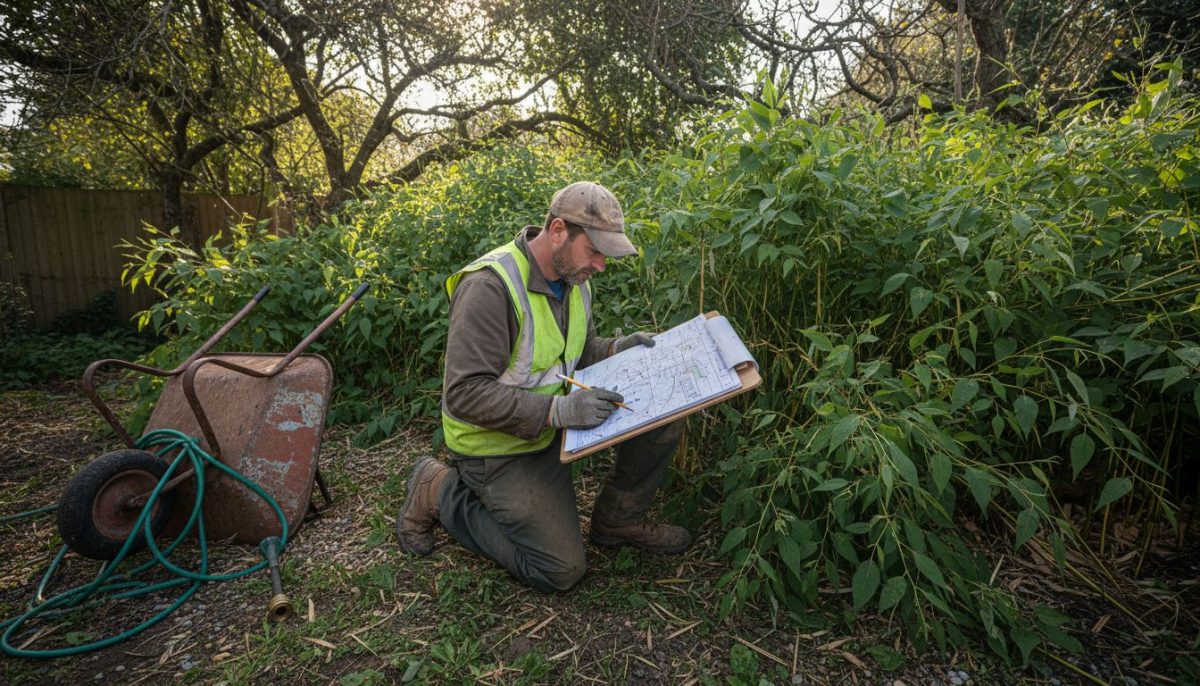
Starting your assessment requires careful visual inspection and understanding key identification markers. Japanese knotweed has distinctive characteristics including bamboo like stems, alternating leaf patterns, and aggressive rhizome networks that can spread rapidly. Government guidance recommends examining the entire property for potential infestations, paying special attention to areas near buildings, boundaries, and landscaped zones.
Professional surveyors use systematic approaches to evaluate knotweed presence. They map the plant’s growth, measure its spread, and assess potential structural damage risks. Forest Research emphasises the importance of comprehensive site surveys to develop targeted management strategies. Key evaluation factors include rhizome depth, proximity to structures, soil composition, and potential underground utility interactions.
Warning: Never attempt to remove Japanese knotweed without professional guidance. Improper handling can cause further spread and potentially breach legal regulations regarding invasive species management.
Stage 2: Prepare Area and Implement Safety Measures
Preparing the site for Japanese knotweed treatment requires meticulous planning and strategic safety protocols to prevent environmental contamination and ensure effective eradication. This stage focuses on creating a controlled environment that minimises potential spread and protects surrounding ecosystems.
Begin by establishing clear boundary zones around the identified knotweed infestation. Government safety guidelines recommend creating strict exclusion areas to prevent accidental plant dispersal during treatment. Personal protective equipment is essential, including waterproof gloves, protective clothing, and specialised footwear that can be thoroughly cleaned or disposed of after site work. Ensure all equipment and tools are thoroughly sanitised before and after use to prevent unintentional propagation of plant fragments.
Natural Resources Wales emphasises obtaining proper permissions before commencing any treatment, particularly when working near watercourses or environmentally sensitive areas. This includes consulting local environmental authorities, checking utility line locations, and understanding potential restrictions on chemical treatments. Professional surveyors should map underground services, assess soil conditions, and develop a comprehensive treatment strategy that minimises environmental disruption.
Warning: Contaminated soil and plant materials must be handled as controlled waste. Never transport knotweed materials without following strict biosecurity protocols, as even tiny root fragments can generate new infestations.
Stage 3: Deliver Direct Energy to Target Knotweed Rhizomes
Targeting Japanese knotweed requires precision and strategic energy delivery to permanently disable its extensive underground rhizome network. This stage involves applying specialised thermo-electric treatment that penetrates deep into the plant’s root system, disrupting its ability to regenerate and spread.
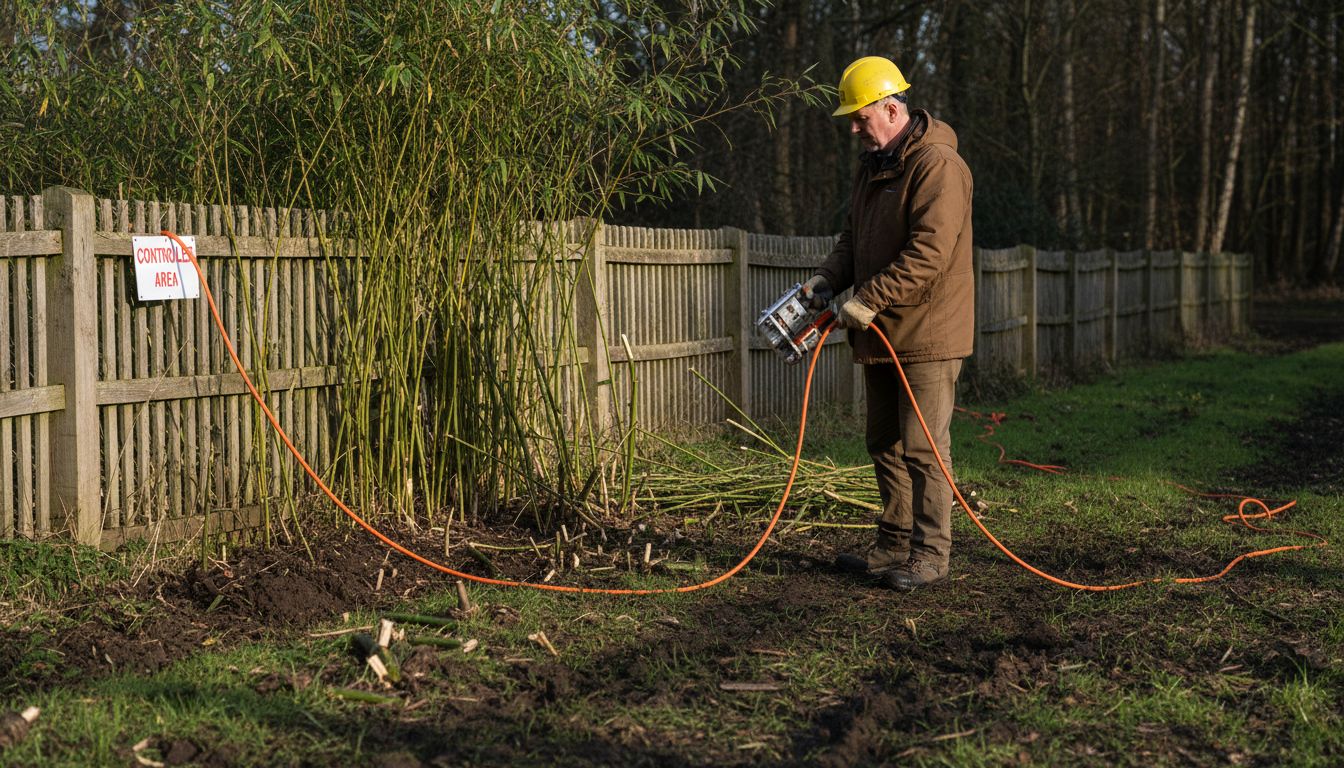
Government guidance highlights the importance of comprehensive treatment approaches that systematically target the entire rhizome network. The process involves delivering controlled electrical energy directly into the ground, creating internal cell damage that prevents future growth. Technicians use specialised equipment to map the rhizome spread and calculate precise energy delivery points, ensuring maximum penetration and minimal environmental disturbance.
Natural Resources Wales emphasises the critical nature of thorough root network treatment to prevent potential regrowth. The thermo-electric method works by introducing high voltage electrical currents that disrupt the plant’s cellular structure, effectively destroying its capacity to regenerate. Unlike chemical treatments, this approach provides a non-invasive solution that minimises soil disruption and eliminates the risk of chemical contamination.
Warning: Precise targeting is crucial. Incomplete treatment can result in partial rhizome survival and potential future reinfestation, making professional expertise essential for successful eradication.
Stage 4: Monitor Site and Schedule Repeat Treatments
Successful Japanese knotweed eradication requires persistent monitoring and strategic follow-up treatments to ensure complete elimination of this resilient invasive species. This stage focuses on systematic site surveillance and developing a comprehensive long-term management plan that prevents potential regrowth.
Government guidance emphasises the critical nature of ongoing site monitoring to track treatment effectiveness and identify any potential resurgence. Professional surveyors recommend scheduling multiple site inspections at regular intervals typically spanning two to three years after initial treatment. These inspections involve detailed visual assessments, mapping any potential new growth, and comparing current site conditions against the original baseline survey to detect even minor signs of knotweed regeneration.
Natural Resources Wales highlights the importance of structured repeat treatment protocols to ensure complete eradication. The monitoring process involves precise documentation of treatment zones, tracking soil conditions, and maintaining a comprehensive log of interventions. Technicians will analyse growth patterns, assess the effectiveness of previous treatments, and adjust the strategy accordingly to prevent any potential rhizome survival.
Warning: Even microscopic root fragments can potentially regenerate into a full infestation. Consistent professional monitoring is essential to guarantee long term site clearance and prevent unexpected knotweed reemergence.
Stage 5: Verify Eradication and Implement Long-Term Prevention
Confirming the complete eradication of Japanese knotweed requires a comprehensive verification process that goes beyond visual inspection. This final stage focuses on scientifically validating treatment success and establishing robust preventative measures to protect the site from potential future infestations.
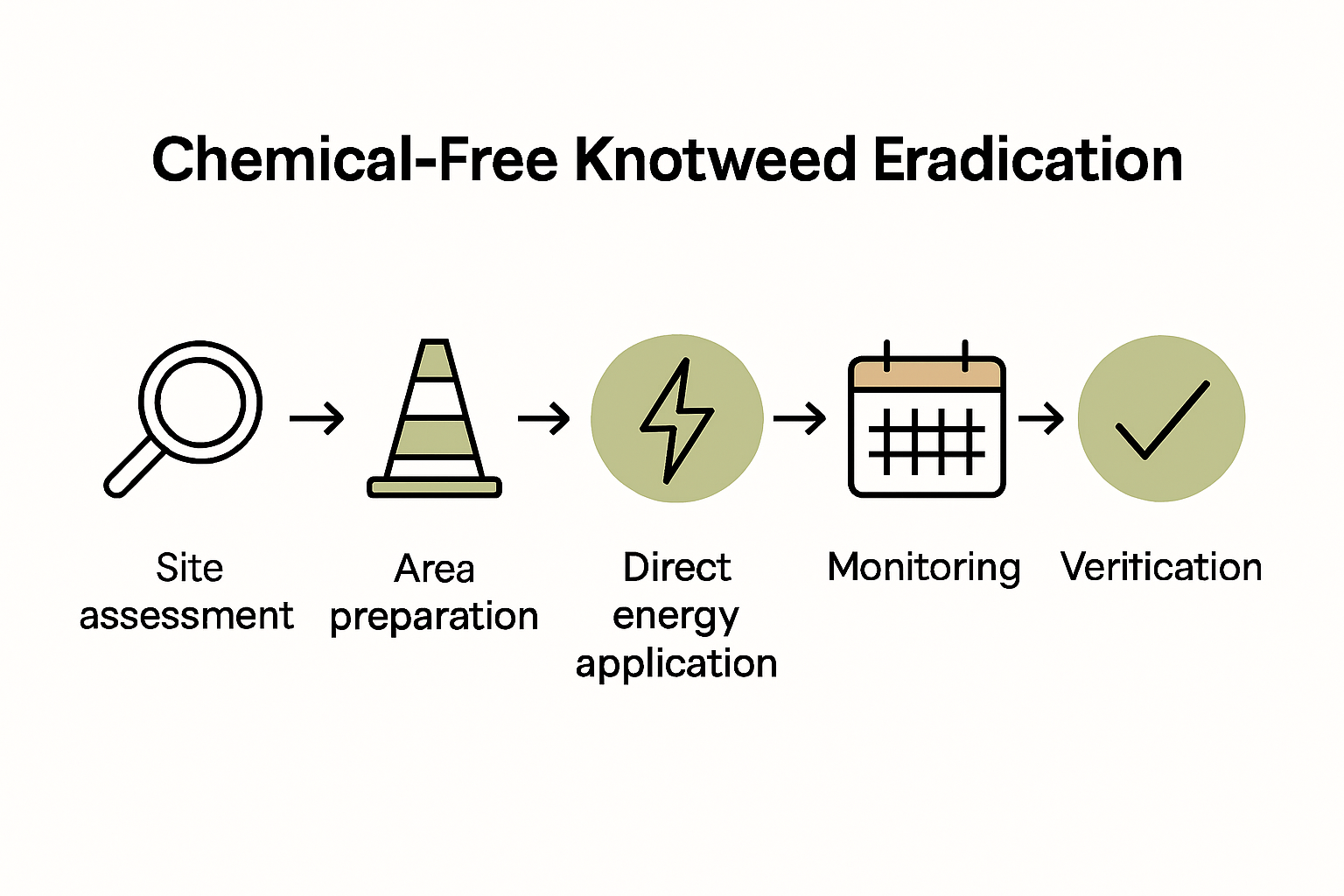
Government guidance recommends a systematic approach to verifying knotweed elimination that involves multiple layers of assessment. Professional surveyors conduct detailed soil sampling, root network analysis, and extended site monitoring to confirm the total destruction of the plant’s underground rhizome system. This verification process typically involves precise mapping of treatment zones, advanced root tissue testing, and comprehensive documentation that demonstrates the absence of viable plant material.
Natural Resources Wales emphasises the critical nature of long-term prevention strategies beyond initial treatment. Implementing preventative measures includes developing a site management plan that includes regular ecological assessments, soil health monitoring, and creating barriers to potential future invasive plant introduction. Landowners should maintain detailed records of treatment history, implement strict biosecurity protocols, and remain vigilant about potential reintroduction from neighbouring properties or environmental sources.
Warning: Certification of complete eradication requires professional verification. Never assume treatment success without comprehensive scientific assessment and expert validation.
Take Control with Chemical Free Japanese Knotweed Treatment
Dealing with Japanese Knotweed is challenging and the article clearly highlights the need for precise, chemical free methods that target the invasive rhizome network without harming the environment. The pain points of improper removal, risk of regrowth from tiny root fragments and the need for specialised expertise are exactly why you must choose a proven treatment solution. Our direct energy approach delivers up to 5000 volts on site to cause irreversible cell damage in the rhizomes, providing a safe and effective alternative to chemicals.
Ready to protect your property with a pioneering, environmentally friendly solution from trusted experts? Visit Japanese Knotweed Agency to explore our full range of services including root barrier installs and expert property surveys across England, Wales and Ireland. Take the first step toward permanent eradication with our chemical free treatment – discover how we can help your site today.
Frequently Asked Questions
What is the first step in the chemical-free knotweed treatment process?
Successfully managing Japanese knotweed begins with a thorough site assessment to identify its presence and extent. Conduct a detailed visual inspection of your property, focusing on key identification markers to inform the treatment strategy.
How can I prepare the area for chemical-free knotweed treatment?
Preparing the site involves establishing clear boundary zones around the knotweed infestation to prevent its spread. Implement safety protocols, including wearing protective equipment and sanitising tools, to minimise environmental impact during treatment.
What methods are used for targeting knotweed rhizomes without chemicals?
The chemical-free approach primarily utilises thermo-electric treatment to disrupt the rhizome network. This method delivers controlled electrical energy into the ground, damaging the plant’s ability to regenerate while minimising soil disturbance.
How often should I monitor the site after treatment?
Regular monitoring is essential to ensure the complete elimination of Japanese knotweed and should occur at intervals of six months to two years after treatment. Conduct detailed visual assessments and document any signs of regrowth to inform future intervention strategies.
What steps can I take for long-term prevention of knotweed?
Implement a site management plan that includes regular ecological assessments and soil health monitoring to prevent future infestations. Maintain detailed treatment records and remain vigilant for potential reintroduction from neighbouring areas.
How can I verify the complete eradication of knotweed?
Verification involves a comprehensive assessment, including soil sampling and root network analysis, to confirm the absence of viable plant material. Engage a professional to conduct thorough monitoring and ensure scientific validation of the treatment success.