

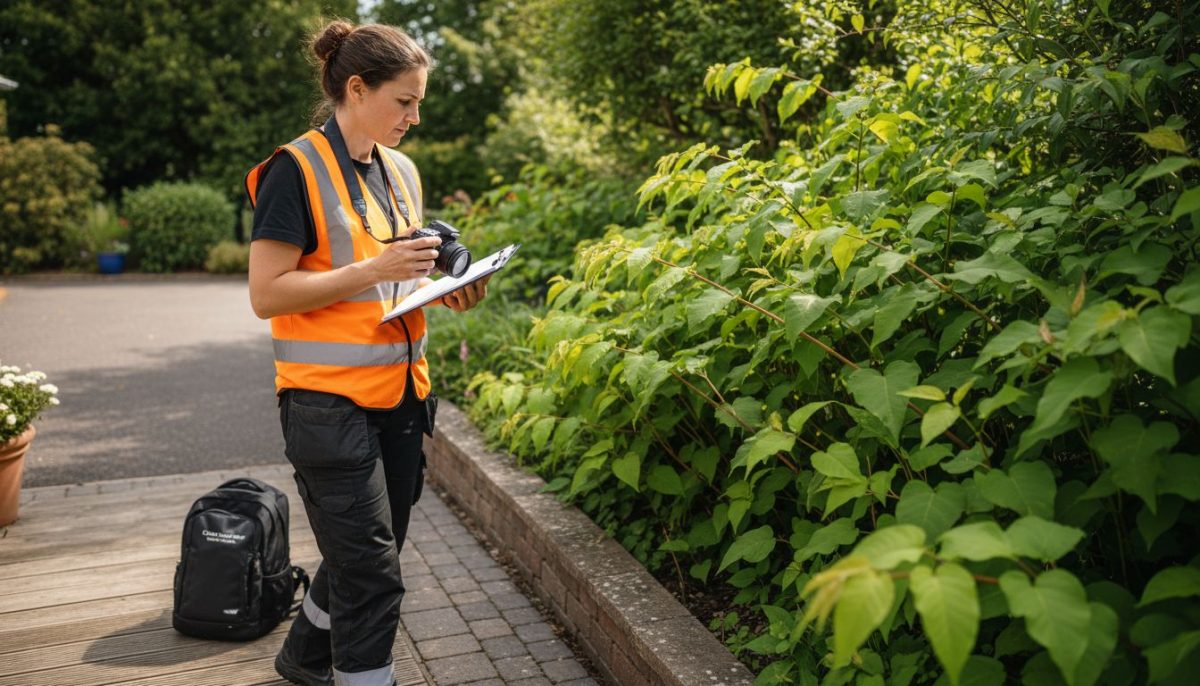
Over 80 percent of property owners underestimate the risk Japanese knotweed poses to homes and gardens each year. Left unchecked, this fast-growing plant can undermine foundations, damage driveways, and even lower property values. Tackling knotweed takes more than a quick fix. With the right steps, you can protect your investment and restore your landscape without relying on harmful chemicals.
Table of Contents
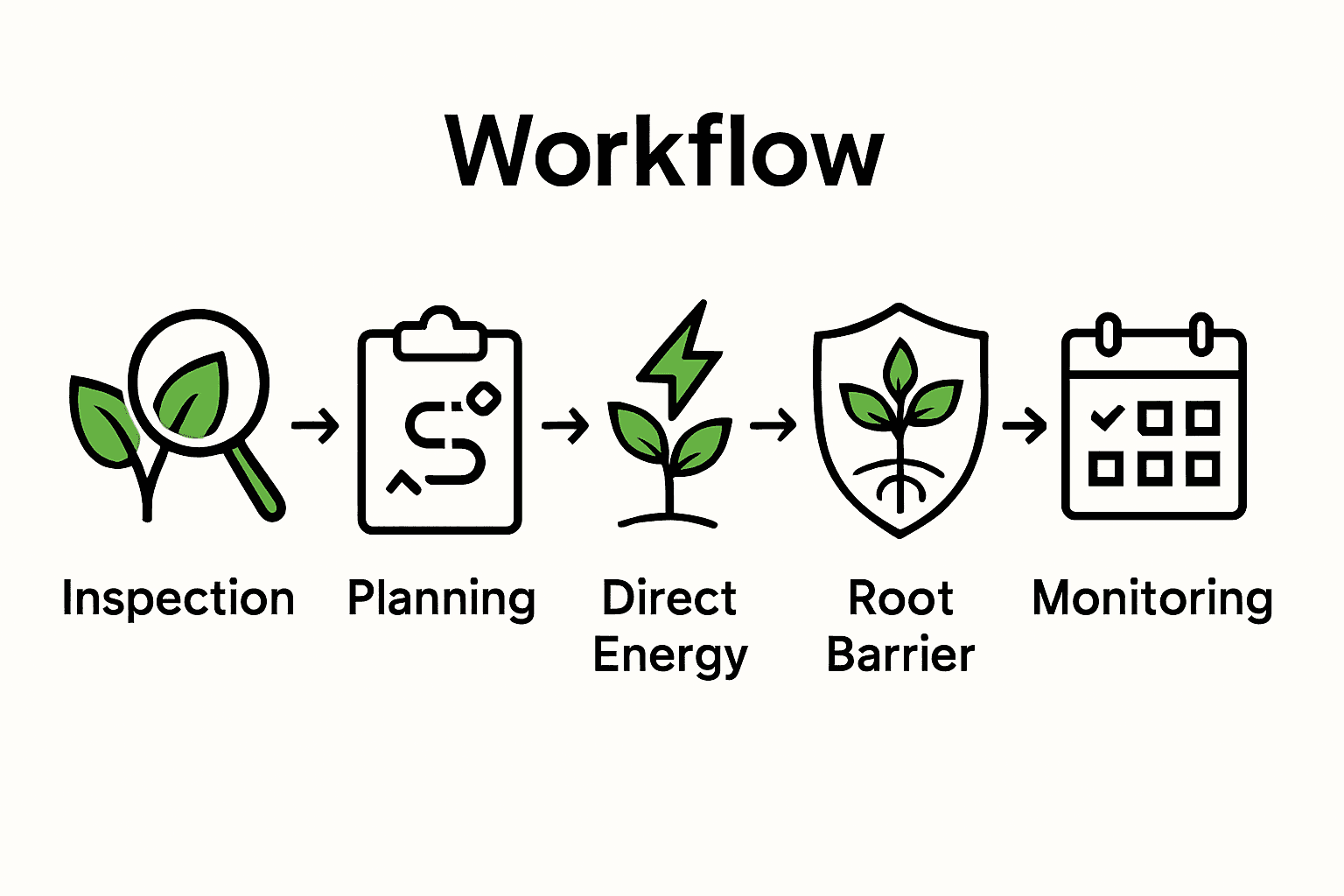
- Step 1: Assess Property For Knotweed Infestation
- Step 2: Develop A Bespoke Chemical-Free Treatment Plan
- Step 3: Apply Direct Energy Eradication Techniques
- Step 4: Install Root Barriers And Manage Excavation
- Step 5: Verify Eradication Success And Monitor Regrowth
Quick Summary
| Key Point | Explanation |
|---|---|
| 1. Assess your property for knotweed signs | Start by examining areas prone to knotweed; look for distinctive stems, leaves, and growth clusters to identify potential infestations. |
| 2. Create a chemical-free treatment plan | Develop a targeted strategy that uses innovative eradication techniques, avoiding harmful chemicals while promoting ecosystem health. |
| 3. Employ direct energy eradication methods | Use specialized equipment to apply electrical energy to the plant, effectively destroying its roots without chemical harm. |
| 4. Install root barriers for protection | Create robust barriers around infested areas to prevent root spread; ensure proper installation to guard against future infestations. |
| 5. Regularly monitor for regrowth | Conduct systematic inspections over 12 months to verify eradication success and promptly address any new growth signs. |
Step 1: Assess Property for Knotweed Infestation
The first critical step in addressing a potential Japanese knotweed problem is thoroughly assessing your property for signs of infestation. According to the Royal Institution of Chartered Surveyors, understanding how this invasive plant impacts property structures is crucial for effective management.
Begin your assessment by examining key areas where knotweed commonly emerges. Look for distinctive bamboo-like stems with distinctive zigzag patterns, which typically appear bright green in spring and turn brown and woody during winter. Check around building foundations, garden borders, driveways, and any areas with recent ground disturbance. Focus on identifying the plant’s unique characteristics such as shield-shaped leaves, reddish shoots, and dense clusters of growth. The UK Centre for Ecology & Hydrology recommends paying special attention to areas with known historical infestations in your local postcode region.
A critical warning: Do not attempt to remove knotweed yourself without professional guidance. Improper removal can cause further spread and potentially increase property damage. If you suspect an infestation, the next step is to schedule a FREE Knotweed Survey with a professional who can provide a comprehensive assessment and targeted treatment strategy.
Step 2: Develop a Bespoke Chemical-Free Treatment Plan
Developing a targeted chemical-free treatment plan is essential for effectively managing Japanese knotweed without harming the surrounding environment. According to North Wales Wildlife Trust, innovative approaches can successfully eradicate knotweed within a year while promoting natural ecosystem regeneration.
To create your bespoke treatment strategy, start by mapping the full extent of the knotweed infestation. The HomeOwners Alliance recommends considering thermo-electric eradication techniques that target the plant’s cellular structure without introducing harmful chemicals. This approach involves precisely delivering electrical energy to systematically destroy the knotweed’s root network while minimizing impact on surrounding vegetation.
A critical tip for success: document every stage of your treatment plan meticulously. Take detailed photographs, track treatment dates, and monitor regrowth patterns. This documentation will help you adjust your strategy and provide valuable evidence of your proactive approach to property management. If you need expert guidance in developing your custom treatment plan, consider reaching out to professionals who specialize in chemical-free knotweed management approaches to ensure the most effective outcome.
Step 3: Apply Direct Energy Eradication Techniques
Applying direct energy eradication is a groundbreaking chemical-free approach to eliminating Japanese knotweed at its root. According to the HomeOwners Alliance, this innovative technique involves applying up to 5000 volts directly to the plant, effectively boiling it from the inside out and depleting its critical energy reserves.
The process requires precision and careful planning. Begin by identifying the full extent of the knotweed infestation, ensuring complete coverage of the treatment area. North Wales Wildlife Trust notes that the Roots Reset technique aims for complete eradication within a year by systematically targeting the plant’s cellular structure. Focus on delivering electrical energy directly to the root network, which disrupts the plant’s ability to regenerate and survive.
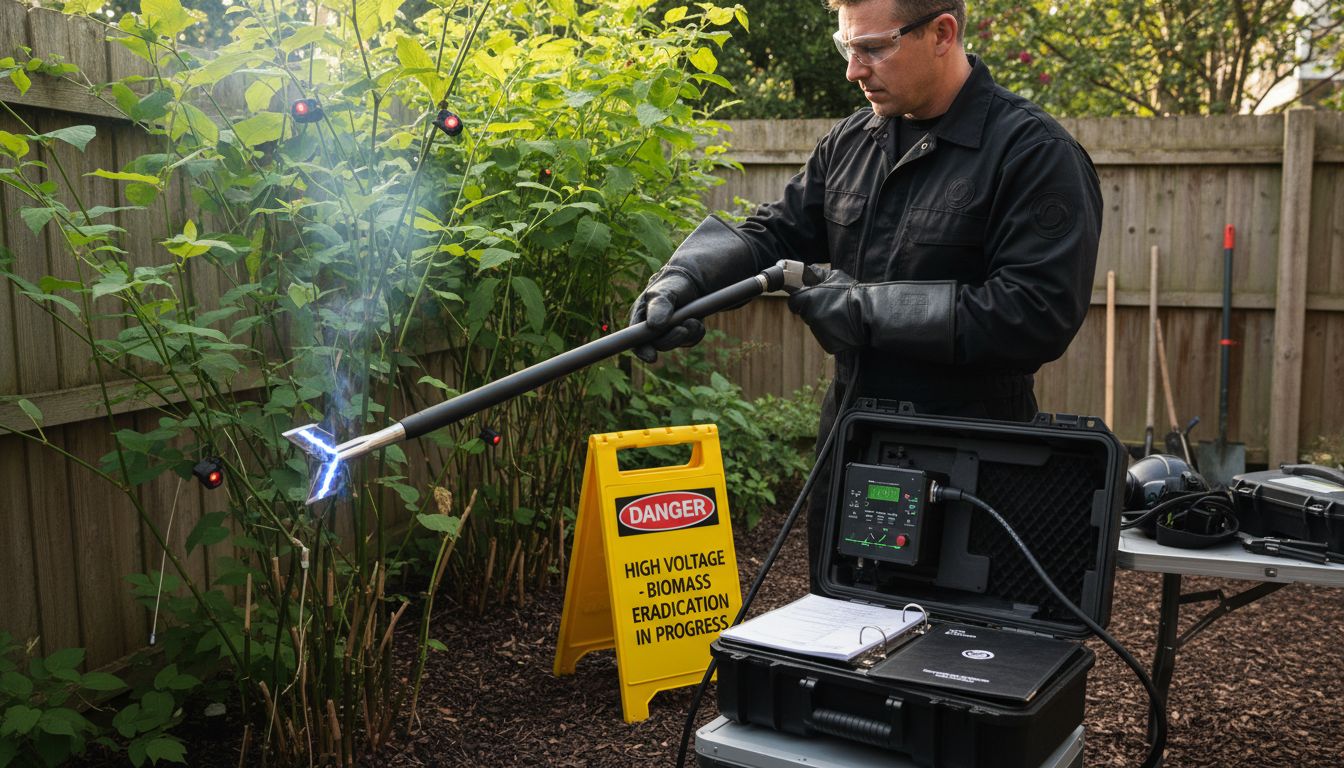
A critical warning: direct energy eradication requires specialized equipment and expertise. Do not attempt this method without professional guidance. For those interested in understanding more about this cutting-edge approach, explore our detailed case study on thermo-electric treatment in Derbyshire, which provides insights into the effectiveness of this innovative eradication technique.
Step 4: Install Root Barriers and Manage Excavation
Installing root barriers and managing excavation are critical steps in preventing Japanese knotweed from spreading and causing long-term property damage. These protective measures create a comprehensive defense against the plant’s aggressive underground root system, ensuring your property remains safe from future infestations.
Begin by carefully mapping the entire extent of the knotweed growth area. You will need to install a robust root barrier that extends at least 3 meters deep and creates a complete perimeter around the identified infestation zone. Precision is key when installing these barriers to prevent any potential root penetration. When excavating, remove as much of the root network as possible, taking extra care to extract even the smallest root fragments that could potentially regenerate.
A critical warning: excavation and root barrier installation require professional expertise. Improper techniques can accidentally spread the knotweed or cause environmental contamination. For property owners seeking comprehensive protection, consider consulting specialized professionals who can provide expert root barrier installation services tailored to your specific landscape and infestation challenges. This approach ensures your property receives the most effective and precise protection against Japanese knotweed’s persistent growth.
Step 5: Verify Eradication Success and Monitor Regrowth
Verifying the complete eradication of Japanese knotweed and monitoring potential regrowth is the final crucial step in your chemical-free treatment strategy. According to the North Wales Wildlife Trust, a comprehensive 12-month monitoring period is essential to confirm the effectiveness of your treatment approach and ensure total plant elimination.
Establish a systematic monitoring plan that involves regular visual inspections of the previously infested area. Look for any signs of new growth such as emerging shoots, discolored vegetation, or unusual ground disturbances. HomeOwners Alliance recommends ongoing professional supervision to assess potential regrowth and quickly address any emerging signs of knotweed reestablishment. Document each inspection with detailed photographs and notes, tracking the location and condition of the treated area.
A critical tip for success: remain vigilant even after apparent eradication. Japanese knotweed can remain dormant and resurface unexpectedly. If you need additional insights into long-term monitoring techniques, explore our case study on advanced eradication methods, which provides expert perspectives on comprehensive plant management strategies.
Take Control of Japanese Knotweed with Proven Chemical-Free Solutions
Dealing with the relentless spread of Japanese knotweed is a challenge that demands precision and expertise. This article highlights how chemical-free methods such as direct energy eradication and root barrier installation provide a sustainable, effective path to reclaim your property. If you want to end the frustration of recurring infestations and avoid costly damage, our tailored approach targets knotweed at its root without harmful chemicals.
Choose Japanese Knotweed Agency for your complete solution. We deliver powerful onsite treatment up to 5000 volts to destroy invasive roots and expertly install root barriers and manage excavation. Start with a comprehensive property survey for invasive weeds across England, Wales, and Ireland. Visit our website to learn how our innovative, chemical-free methods can secure your property now. Take the first step toward effective eradication by contacting us at Japanese Knotweed Agency today.
Frequently Asked Questions
How can I assess my property for Japanese knotweed infestation?
To assess your property, thoroughly examine areas where knotweed typically grows, such as building foundations and garden borders. Look for bamboo-like stems and shield-shaped leaves; if you suspect an infestation, schedule an inspection by a professional.
What steps are involved in developing a chemical-free treatment plan for knotweed?
Start by mapping the extent of the infestation, then explore techniques like thermo-electric treatment that target the plant’s structure without chemicals. Document your plan meticulously, including treatment dates and regrowth patterns, to monitor its effectiveness.
What does direct energy eradication involve and how does it work?
Direct energy eradication uses high voltage to destroy the plant’s cellular structure, essentially boiling the knotweed from the inside out. Ensure precise targeting of the root network and seek professional assistance for this specialized method to avoid risks.
How do I properly install root barriers to prevent knotweed regrowth?
To install root barriers, dig at least 3 meters deep around the identified infestation zone to create a complete perimeter. Ensure the barriers are installed correctly to prevent root penetration, and consider professional consultation for effective installation.
How can I verify the success of my knotweed eradication efforts?
Verify eradication by establishing a systematic monitoring plan with regular visual inspections for at least 12 months. Document your observations, looking for new growth or disturbances, and remain vigilant for signs of resurgence post-eradication.
What maintenance tasks should I perform after eradication to prevent knotweed from returning?
After eradication, continue regular inspections of the previously infested area and maintain proper landscape management practices. This proactive approach helps you quickly address any emerging signs of knotweed reestablishment.