

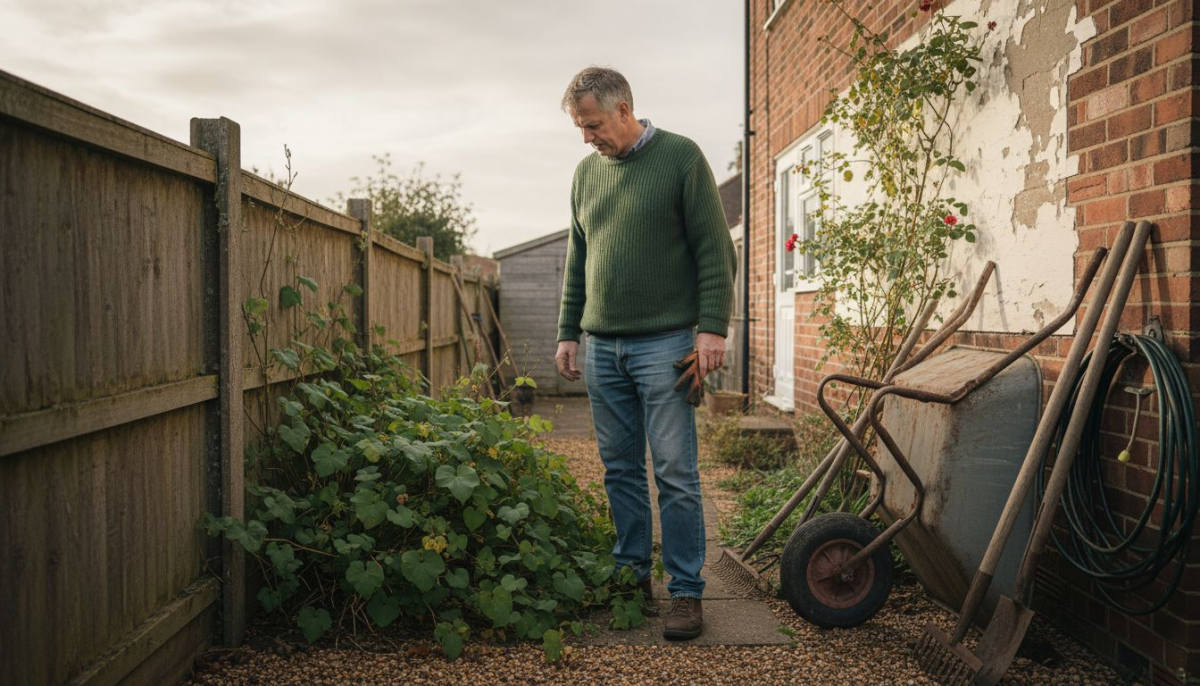
Hearing about Japanese knotweed on your property can spark real anxiety. With its reputation for causing trouble, it’s easy to get swept up in stories that make the problem seem impossible to solve. Sorting out fact from fiction is vital if you want to protect your home, wallet, and peace of mind.
This guide clears up the most common myths holding homeowners back. You’ll discover practical truths about treatment, sale requirements, and the real risks to your property—straight from reliable sources. Be ready to spot costly misunderstandings before they spiral, and gain the knowledge to handle Japanese knotweed with confidence.
Table of Contents
- Myth 1: Japanese Knotweed Can’t Be Treated Without Chemicals
- Myth 2: Knotweed Always Damages Home Foundations
- Myth 3: Removing Knotweed Means It’s Gone for Good
- Myth 4: You Can Sell Your Home If Knotweed Is Present
- Myth 5: All Knotweed Treatments Work the Same Way
- Myth 6: Knotweed Only Spreads During Summer
- Myth 7: Only Experts Can Spot Knotweed Early
Quick Summary
| Takeaway | Explanation |
|---|---|
| 1. Chemical treatments aren’t the only solution | Modern ecological approaches effectively manage Japanese knotweed with targeted energy treatments, minimising harsh chemicals. |
| 2. Early detection reduces structural damage risk | Identifying knotweed early helps mitigate potential foundation issues by allowing for prompt professional intervention. |
| 3. Complete removal is challenging | Japanese knotweed can regenerate from small root fragments, so multiple treatments and ongoing monitoring are essential for control. |
| 4. Disclosing knotweed is mandatory when selling | Homeowners must report Japanese knotweed on property sales to avoid legal consequences and potential reduction in property value. |
| 5. Knotweed can be identified by visual clues | Homeowners can learn to spot Japanese knotweed by its unique characteristics, enabling early intervention before extensive damage occurs. |
1. Myth 1: Japanese Knotweed Can’t Be Treated Without Chemicals
Many homeowners believe Japanese knotweed is an unbeatable plant that can only be controlled through harsh chemical treatments. However, this widespread misconception is far from the truth. Modern ecological approaches have developed innovative methods for managing this invasive species without relying solely on herbicides.
Contrary to popular belief, chemical treatments are not the only solution for Japanese knotweed control. Professionals now employ advanced techniques like targeted energy treatments that can effectively manage and eradicate knotweed without extensive chemical applications. These methods involve precise interventions that target the plant’s complex root system directly.
The key to successful knotweed management lies in understanding its growth patterns and employing strategic approaches. While traditional herbicide treatments typically require multiple years of repeated applications, alternative methods can provide more sustainable and environmentally friendly solutions. These techniques focus on disrupting the plant’s energy resources and preventing its aggressive spread.
Professional knotweed removal requires a comprehensive approach that considers the specific characteristics of the site, the extent of infestation, and the potential for regrowth. Experienced specialists can assess the most effective treatment strategy, which may include a combination of mechanical and targeted energy interventions.
Expert tip: Always consult a professional knotweed specialist who can provide a tailored treatment plan specific to your property’s unique conditions and infestation level.
2. Myth 2: Knotweed Always Damages Home Foundations
Homeowners often panic at the mere mention of Japanese knotweed, believing it will inevitably destroy their property’s foundations. While knotweed can potentially cause structural issues, the reality is far more nuanced than this widespread misconception suggests.
Japanese knotweed does not automatically guarantee catastrophic foundation damage. Instead, it seeks paths of least resistance, typically infiltrating existing structural weaknesses. The plant’s root system can expand through small cracks and weak points in buildings, but total foundation destruction is relatively rare when early detection and professional management occur.
The actual risk depends on several critical factors including the knotweed’s age, proximity to structures, duration of infestation, and the specific condition of your property’s foundations. Some buildings might experience minimal impact, while others could face more significant challenges. Professional assessment remains crucial for understanding your specific situation.
Prevention and early intervention are key strategies for protecting your property. Regular property inspections, maintaining structural integrity, and addressing any existing foundation cracks can significantly reduce potential knotweed related risks. Proactive management helps mitigate potential damage before it becomes a serious concern.
Expert tip: Have a professional survey conducted at the first sign of knotweed to assess potential risks and develop a targeted management strategy.
3. Myth 3: Removing Knotweed Means It’s Gone for Good
Many UK homeowners mistakenly believe that physically removing Japanese knotweed eliminates the problem permanently. However, this dangerous misconception can lead to significant ongoing challenges for property owners who do not understand the plant’s remarkable resilience.
Japanese knotweed possesses an extraordinary ability to regenerate from tiny root fragments, making complete eradication extremely challenging. Dormant rhizomes can survive underground for several years, waiting for optimal conditions to regrow. Even minimal disturbance or soil movement can trigger new growth, rendering simple removal ineffective.
Successful knotweed management requires a comprehensive and sustained approach. Professional treatment typically involves multiple years of carefully monitored interventions, including targeted energy treatments, root barrier installations, and ongoing surveillance. Homeowners must understand that a single removal attempt does not guarantee the plant will not return.
The complex root system of Japanese knotweed can spread extensively underground, often extending several metres from the visible plant. This means that even apparently complete removal might leave behind microscopic root fragments capable of regenerating and creating new infestations. Professional assessment and long term management are crucial for truly controlling this persistent plant.
Expert tip: Always engage a professional knotweed specialist who can provide a comprehensive management plan that includes multiple follow up inspections and treatments.
4. Myth 4: You Can Sell Your Home If Knotweed Is Present
Many homeowners mistakenly believe they can simply sell their property without addressing a Japanese knotweed infestation. This dangerous assumption can lead to significant legal and financial complications during the property sales process.
Contrary to popular belief, you cannot sell a home with Japanese knotweed without taking specific steps. Property sales require full disclosure of knotweed presence on the TA6 Property Information Form. Failing to disclose this information can result in potential legal action and substantial financial penalties.
Mortgage lenders are extremely cautious about properties with Japanese knotweed. Most will require a comprehensive treatment plan and insurance backed guarantee before approving a mortgage. This means that untreated knotweed can dramatically reduce your property’s marketability and potentially decrease its value by up to 10 percent.
To successfully sell a property with Japanese knotweed, you must engage a professional knotweed removal specialist who can provide a detailed treatment plan. This plan should include a comprehensive survey, proposed treatment method, and an insurance backed guarantee that will reassure potential buyers and mortgage providers.
Expert tip: Obtain a professional knotweed survey and treatment plan before listing your property to avoid potential sale delays and financial complications.
5. Myth 5: All Knotweed Treatments Work the Same Way
Homeowners often assume that treating Japanese knotweed is a straightforward process with universal solutions. In reality, each knotweed infestation requires a nuanced and carefully tailored approach that considers multiple environmental and structural factors.
Different treatment methods can have dramatically varied outcomes depending on specific site conditions, infestation severity, and proximity to structures. Chemical free treatment techniques represent a sophisticated alternative to traditional herbicide applications, targeting the plant’s complex root network through precision energy interventions.
Successful knotweed management demands a comprehensive understanding of the plant’s biological characteristics. Some treatments focus on surface elimination, while advanced methods aim to disrupt the extensive underground rhizome network. Professional assessment becomes crucial in determining the most effective strategy for complete eradication.
The location of knotweed growth plays a significant role in treatment selection. Infestations near building foundations require different approaches compared to those in open landscapes. Factors like soil composition, moisture levels, and surrounding vegetation all influence the chosen treatment methodology.
Expert tip: Always engage a specialised knotweed professional who can conduct a thorough site assessment and develop a targeted treatment plan specific to your unique environmental conditions.
6. Myth 6: Knotweed Only Spreads During Summer
Many UK homeowners mistakenly believe Japanese knotweed only poses a threat during the visible summer growing season. This dangerous misconception can lead to unexpected and aggressive spread throughout the year.
Contrary to popular belief, knotweed spreads far beyond summer months. The plant’s underground rhizome network remains active year round, capable of generating new growth whenever soil conditions are disturbed. Even during winter when above ground vegetation appears dormant, the extensive root system continues to develop and potentially expand.
The remarkable resilience of Japanese knotweed means that a single fragment of root as small as 0.7 grams can regenerate into a completely new plant. Construction work, gardening activities, or soil movement can inadvertently trigger spread at any time of year. This makes year round vigilance critical for effective knotweed management.
Professional knotweed specialists understand that controlling this invasive species requires comprehensive strategies that address both visible growth and underground propagation. Seasonal changes do not limit the plant’s ability to survive and spread, making continuous monitoring essential for property owners.
Expert tip: Treat knotweed management as a continuous process and never assume the plant is inactive during colder months.
7. Myth 7: Only Experts Can Spot Knotweed Early
Homeowners often believe Japanese knotweed identification requires specialised botanical expertise. However, with the right knowledge, almost anyone can learn to recognise this invasive plant’s distinctive characteristics before it becomes a significant problem.
Japanese knotweed has several unmistakable visual markers that make early detection accessible. In early spring, look for reddish purple shoots emerging from the ground that resemble asparagus spears. During summer, the plant develops distinctive bamboo-like stems with distinctive purple speckles and large heart-shaped leaves arranged in a zigzag pattern.
Key identification features include the plant’s rapid growth rate, hollow stems with purple speckling, and the unique leaf arrangement. Unlike many garden plants, Japanese knotweed grows incredibly quickly, potentially increasing in height by several centimetres each day during peak growing season. This aggressive growth makes it easier to spot compared to slower growing plants.
While professional confirmation remains important, homeowners can become adept at recognising initial signs. Online resources, botanical guides, and local gardening groups offer excellent visual references to help individuals identify potential knotweed infestations before they spread extensively.
Expert tip: Take clear photographs of suspected knotweed and consult with a professional specialist for definitive identification if you are uncertain.
Below is a comprehensive table summarising the myths and facts about Japanese knotweed control discussed in the article.
| Myth | Clarification | Key Takeaway |
|---|---|---|
| Chemical Free Control Is Impossible | Knotweed can be managed through non-chemical methods like targeted energy treatments. | Modern techniques allow for sustainable control without heavy herbicide use. |
| Foundation Damage Is Guaranteed | Knotweed affects structures through existing weaknesses and cracks, not outright destruction. | Early detection and proper management prevent structural issues. |
| Single Removal Ensures Eradication | Knotweed regrows from dormant rhizomes, requiring ongoing management strategies. | Comprehensive and monitored treatment is key for long-term removal. |
| Home Sale Is Unaffected | Disclosure of knotweed presence is legally required during property sales. | Engage professionals for a treatment plan to ensure transparency and marketability. |
| Treatment Methods Are Homogeneous | Knotweed management is tailored to infestation specifics and site conditions. | Consult professionals to select the most effective technique. |
| Spread Is Limited to Summer | Knotweed’s underground growth is active throughout the year. | Continuous monitoring ensures effective ongoing control. |
| Only Experts Can Identify Knotweed | Visibility of unique plant features allows early identification by homeowners. | Educate oneself on distinctive characteristics for proactive intervention. |
Take Control of Japanese Knotweed with Proven Chemical Free Solutions
Understanding the truth behind common Japanese Knotweed myths is the first step to protecting your home and investment. The article highlights key challenges like the plant’s resilience, risks to foundations, and the complexity of effective treatments. If you are concerned about ongoing infestations, potential property damage, or the impact on house sales, you need a treatment plan that goes beyond conventional herbicides.
At Japanese Knotweed Agency, we specialise in chemical free eradication that targets the root cause of knotweed problems using advanced direct energy treatments up to 5000 volts. Our experts also offer comprehensive property surveys and professional advice tailored to your unique situation across England, Wales and Ireland. Learn how our invasive weed surveys identify risks early and how our removal methods prevent regrowth safely without harmful chemicals.

Ready to break free from knotweed myths and get effective, sustainable results? Visit Japanese Knotweed Agency to book a professional survey and start your tailored treatment plan today before the problem spreads further.
Frequently Asked Questions
How can I treat Japanese knotweed without using chemicals?
You can manage Japanese knotweed using targeted energy treatments or mechanical approaches, which are environmentally friendly alternatives to chemical herbicides. Consult a professional knotweed specialist to develop a tailored treatment plan that suits your property’s needs.
What should I do if I suspect Japanese knotweed on my property?
If you suspect Japanese knotweed, take clear photographs and monitor any growth changes. Engage a professional for a thorough assessment, as early detection is crucial to prevent further spread and potential damage.
Can Japanese knotweed really damage my home’s foundations?
While Japanese knotweed can pose risks to structures, it does not automatically cause foundation damage. Schedule a professional survey to evaluate the extent of the infestation and understand the risks specific to your property.
Is it possible to sell my home if I have Japanese knotweed?
You cannot sell a property with Japanese knotweed without disclosing its presence on the property information form. Take proactive steps by obtaining a professional treatment plan to enhance your property’s marketability and satisfy potential buyers.
How long does it take to effectively manage a Japanese knotweed infestation?
Effectively managing a Japanese knotweed infestation requires a prolonged approach, often spanning multiple years with ongoing treatments and monitoring. Work with a specialist who can outline a comprehensive plan that includes regular inspections and follow-up treatments within a specified timeframe.