Most British properties face a real threat from Japanese Knotweed, which can devalue homes by up to 15 percent if left unchecked. With 2025 regulations on the horizon, acting early is crucial for both buyers and developers across England and Wales. This guide uncovers practical, chemical-free strategies to safeguard your investment, helping you meet legal requirements and protect property value without harming the local environment.
Table of Contents
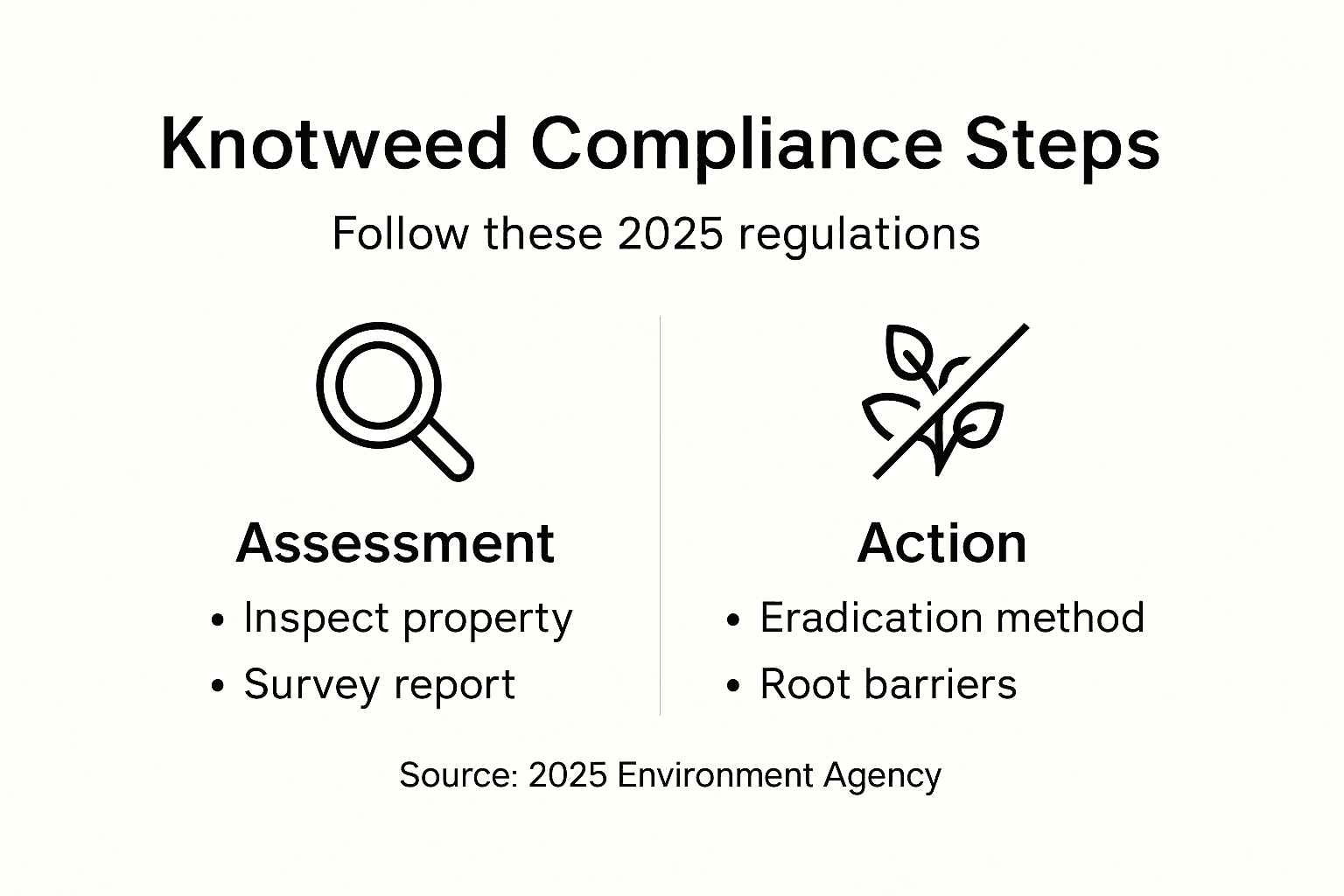
- Step 1: Assess Property For Japanese Knotweed Presence
- Step 2: Obtain A Professional Knotweed Survey Report
- Step 3: Choose A Compliant Eradication Method Without Chemicals
- Step 4: Install Protective Root Barriers Where Necessary
- Step 5: Verify Compliance With 2025 Knotweed Regulations
Quick Summary
| Key Point | Explanation |
|---|---|
| 1. Conduct regular property inspections | Regular checks for Japanese knotweed help to identify infestations early and prevent potential structural damage. |
| 2. Obtain a professional survey report | A certified knotweed survey provides essential documentation for treatment plans and legal compliance during property transactions. |
| 3. Use environmentally-friendly eradication | Non-chemical methods, like thermo-electric treatment, effectively eliminate knotweed while preserving soil health. |
| 4. Install effective root barriers | Root barriers can prevent rhizome spread, protecting foundations and gardens from invasive plant damage. |
| 5. Ensure compliance with regulations | Understanding and adhering to the latest knotweed regulations is vital to avoid legal complications and ensure proper management practices. |
Step 1: Assess property for Japanese knotweed presence
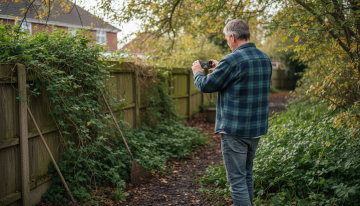
Spotting Japanese knotweed early requires strategic visual inspection and professional assessment. Understanding the key characteristics and potential growth areas will help protect your property from potential damage and legal complications.
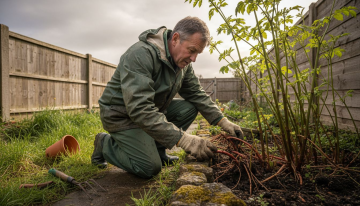
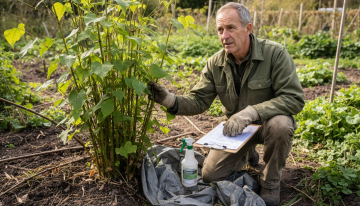
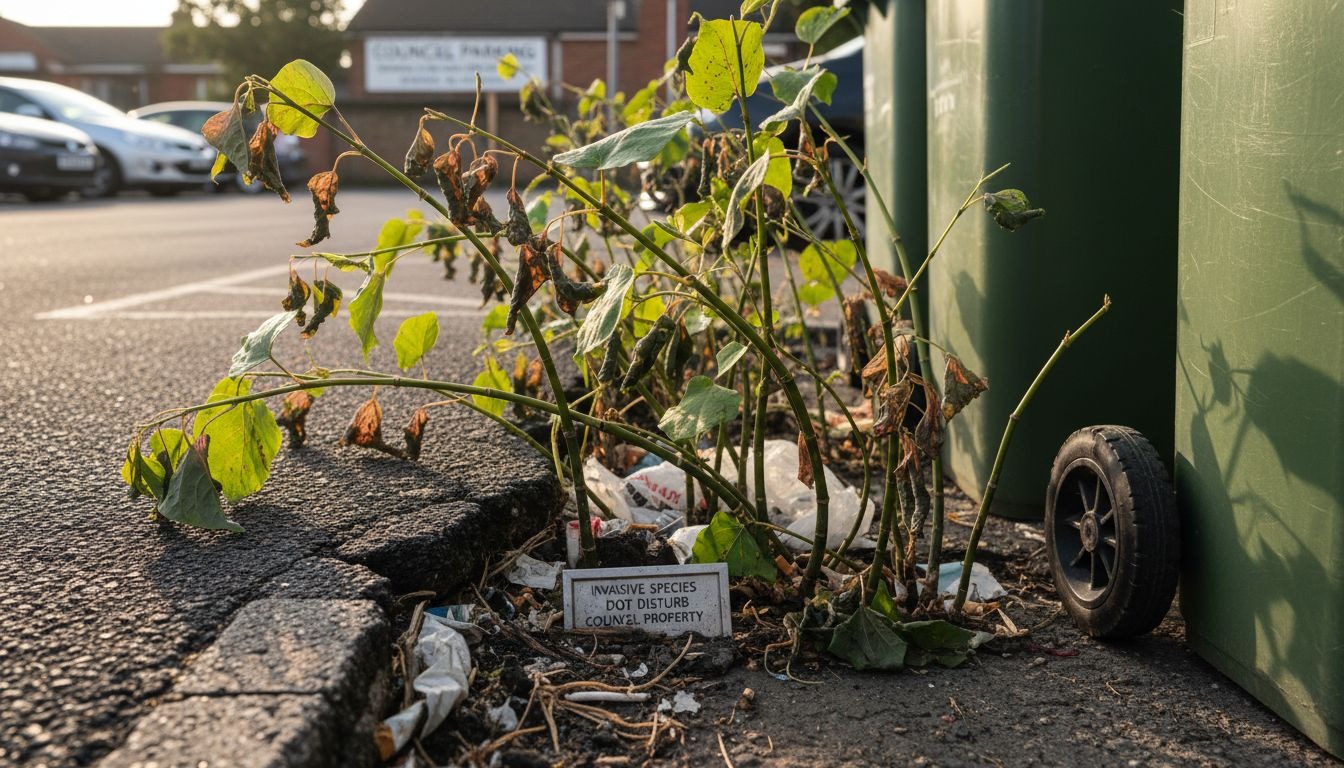
Begin by thoroughly examining your property for distinctive signs of Japanese knotweed. The plant has bamboo-like stems with alternating leaves, typically growing in dense clusters with bright green foliage during spring and summer. Look carefully around property boundaries, near foundations, and in garden areas where rhizome spread can impact structures. Professional surveyors recommend checking within three metres of your property boundary, as the underground rhizome network can extend far beyond visible plant growth.
Here is a summary of key Japanese knotweed identification characteristics:
| Physical Trait | Description | Season Most Noticeable |
|---|---|---|
| Stem Appearance | Bamboo-like, hollow, segmented | Spring to Autumn |
| Leaf Shape | Shield or heart-shaped with pointed tip | Late Spring to Summer |
| Growth Pattern | Dense clusters, upright stems | Spring to Autumn |
| Foliage Colour | Bright green in active growth | Spring to Summer |
While initial visual assessments help, a professional property survey specifically targeting knotweed provides comprehensive identification and risk evaluation. Trained experts use specialised techniques to detect even subtle knotweed presence, assessing potential structural risks and recommending appropriate management strategies.
Top tip: Take clear photographs of any suspicious plant growth to assist professional surveyors in accurate identification and documentation.
Step 2: Obtain a professional knotweed survey report
Securing a comprehensive professional survey is crucial for understanding the extent of Japanese knotweed on your property and determining appropriate legal and remedial actions. A thorough survey provides critical documentation that protects your property investment and supports future transaction processes.

To obtain a professional survey, seek out specialists certified in Japanese knotweed site survey reporting. Qualified surveyors with Property Care Association credentials will conduct a detailed site inspection, documenting precise plant locations, growth patterns, potential structural impacts, and recommended management strategies. These reports serve multiple purposes including legal disclosure, property valuation, and treatment planning.
When selecting a survey provider, request comprehensive documentation that includes client instructions, specific site observations, risk assessments, and clear recommendations for treatment or management. Ensure the report provides a formal contract basis that can be used for potential property transactions or legal requirements.
Top tip: Request digital and physical copies of your survey report and keep them securely filed for future reference and potential property transactions.
Step 3: Choose a compliant eradication method without chemicals
Addressing Japanese knotweed requires selecting an environmentally responsible and legally compliant treatment method that effectively eliminates the invasive plant without causing additional environmental damage. Understanding alternative approaches is crucial as traditional chemical treatments become increasingly restricted.
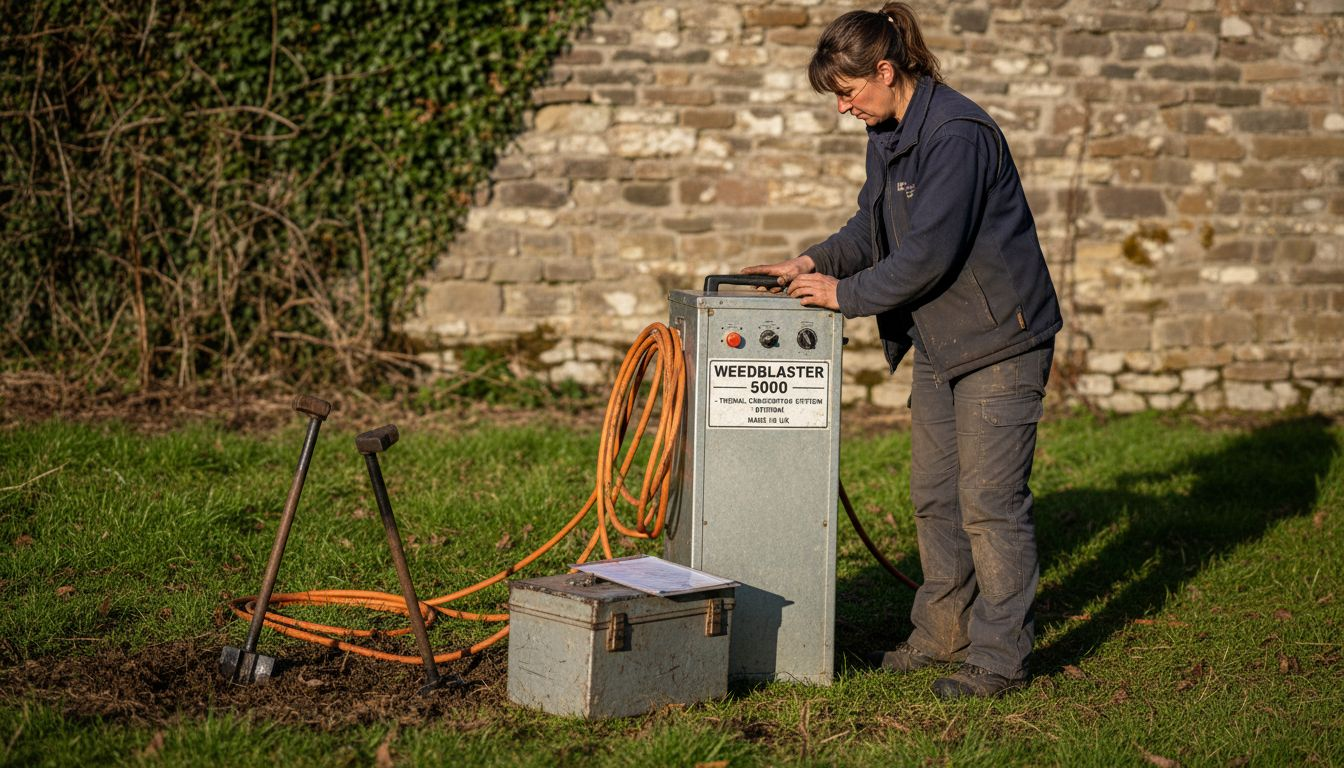
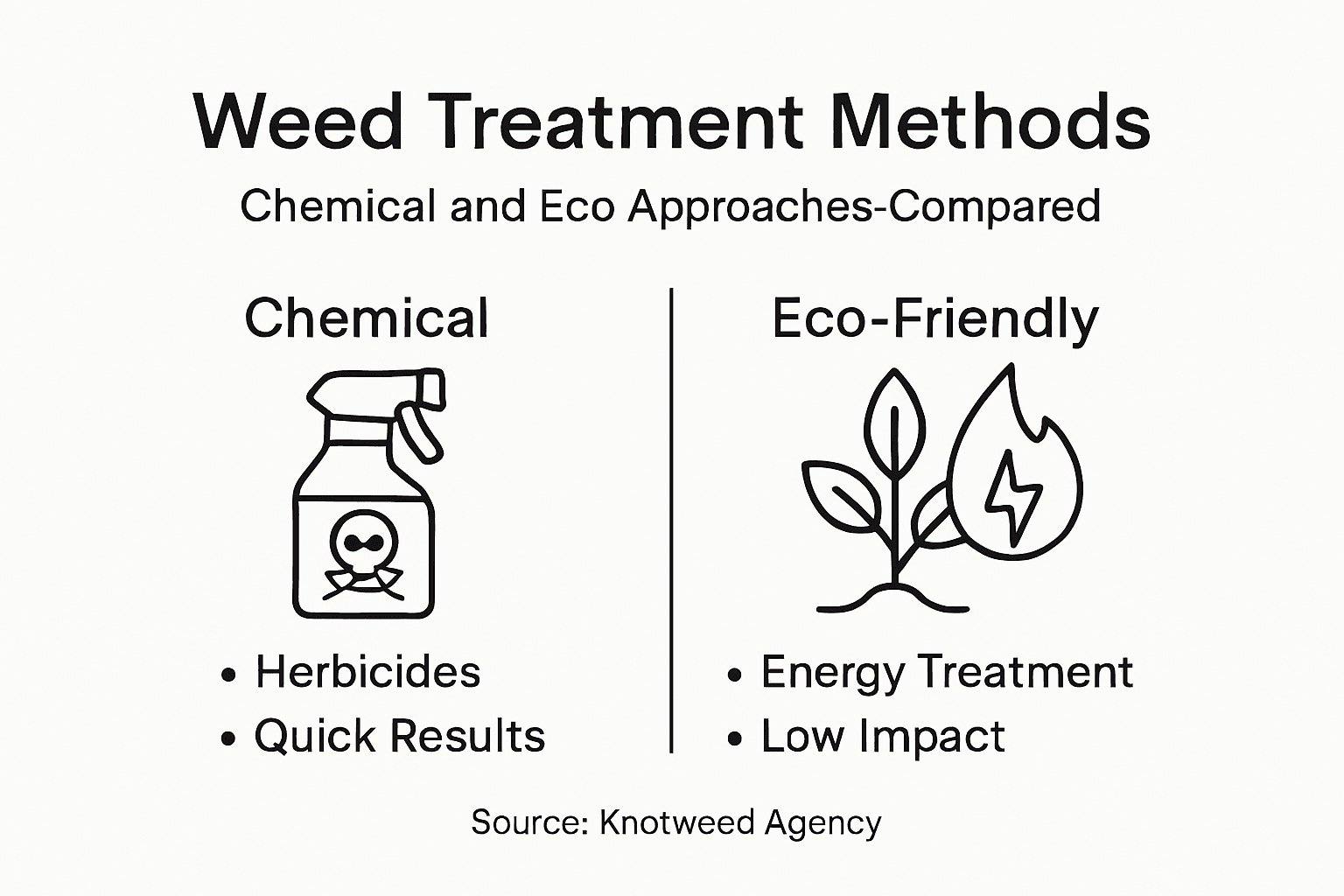
One highly effective modern solution is thermo-electric eradication technology, which uses controlled electrical currents to destroy knotweed at its cellular level. This innovative approach precisely targets the plant while preserving surrounding soil ecosystems and avoiding the use of harmful chemical herbicides. The method works by delivering targeted electrical energy directly into the plant and its extensive underground rhizome network, ensuring complete destruction without environmental contamination.
When evaluating non-chemical eradication methods, consider factors such as long-term effectiveness, environmental impact, cost, and compliance with emerging 2025 environmental regulations. Professional consultation can help you determine the most suitable approach for your specific property and knotweed infestation, ensuring both legal compliance and comprehensive plant removal.
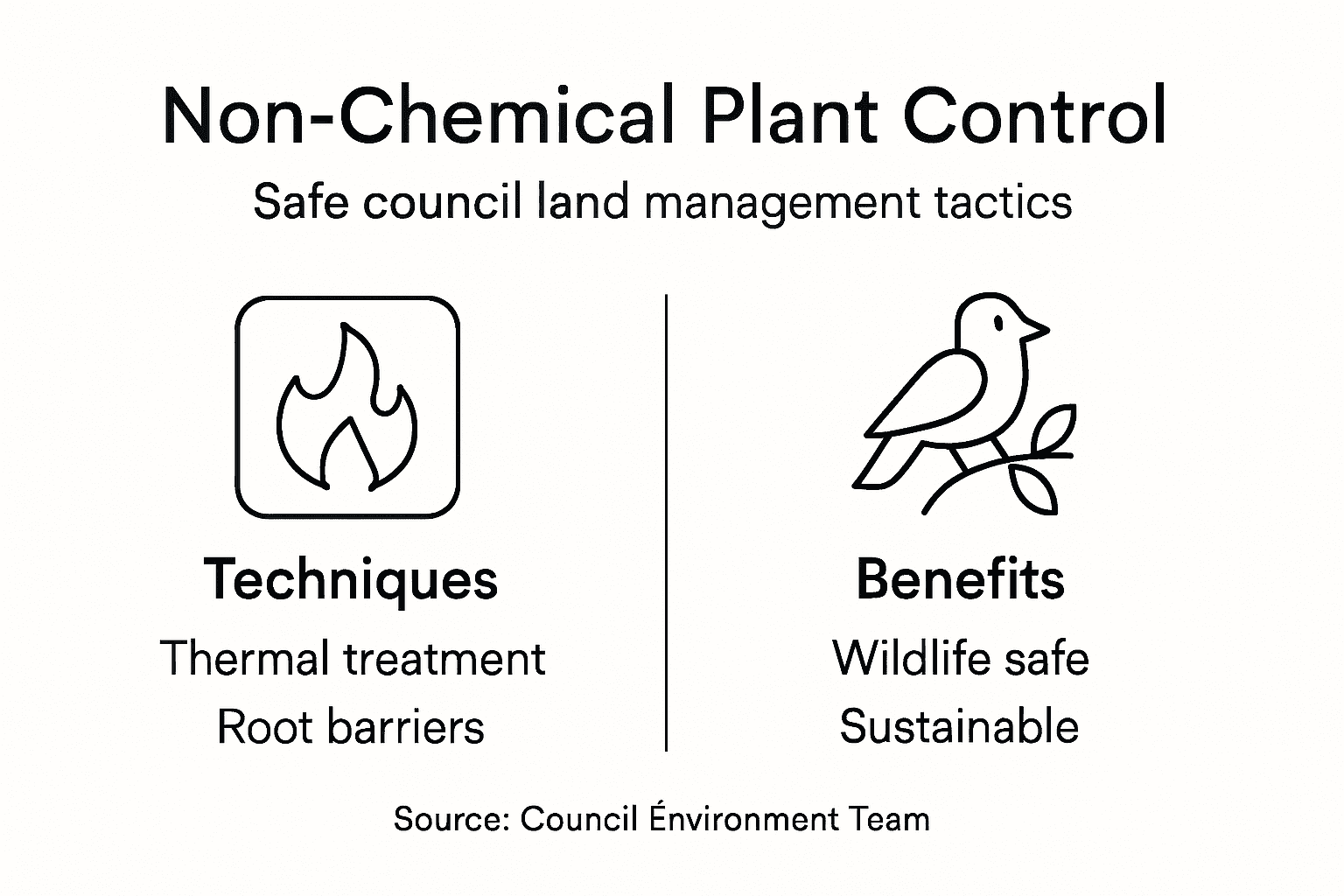
The following table compares non-chemical knotweed eradication options:
| Method | Key Benefit | Environmental Impact |
|---|---|---|
| Thermo-electric Treatment | Targets rhizomes precisely | Preserves soil integrity |
| Physical Excavation | Immediate plant removal | Disturbs soil structure |
| Root Barrier Installation | Blocks regrowth at boundaries | Minimal disruption |
Top tip: Always request comprehensive documentation and treatment guarantees from your chosen eradication specialist to protect your property investment.
Step 4: Install protective root barriers where necessary
Protecting your property from potential Japanese knotweed invasion requires strategic root barrier installation to prevent rhizome spread and potential structural damage. Root barriers serve as a critical defensive mechanism against the aggressive underground growth of this invasive plant species.
Installing a root barrier involves creating a physical underground membrane that blocks knotweed rhizomes from penetrating into critical areas around foundations, property boundaries, and infrastructure. Professional installation of root barrier systems requires precise excavation techniques and specialised materials designed to withstand the plant’s extensive underground network. The barrier should extend to a minimum depth of one metre and be constructed from robust materials such as high density polyethylene or specially engineered root barrier membranes that prevent root penetration.
When planning root barrier installation, consider comprehensive site mapping to identify potential vulnerable areas and ensure complete protection. Professional specialists can conduct detailed assessments to determine the most effective barrier placement, taking into account soil conditions, property layout, and specific knotweed growth patterns unique to your property.
Top tip: Ensure your root barrier installation includes a comprehensive warranty and documented professional assessment to validate the protection mechanism.
Step 5: Verify compliance with 2025 knotweed regulations
Navigating the evolving landscape of Japanese knotweed management requires a comprehensive understanding of the latest regulatory requirements. Ensuring full legal compliance protects your property investment and prevents potential legal complications associated with invasive plant management.
Carefully review the Environment Agency’s Regulatory Position Statement which outlines specific conditions for treating and disposing of Japanese knotweed. This guidance provides critical insights into management protocols including precise requirements for burial depths, on-site reuse, disposal methods, and necessary record-keeping practices. Key areas to scrutinise include permissible treatment techniques, storage time limits, and documentation standards that demonstrate responsible environmental management.
Consult with professional knotweed specialists who can provide an up-to-date compliance assessment tailored to your specific property situation. These experts can help you interpret the nuanced regulatory landscape, ensuring your treatment approach meets all legal requirements and environmental protection standards set forth in the 2025 regulations.
Top tip: Maintain a comprehensive documentation portfolio of all knotweed management activities to demonstrate proactive compliance with regulatory standards.
Take Control of Your Property’s Future with Expert Knotweed Solutions
Complying with the 2025 Japanese knotweed regulations can feel overwhelming. You need proven methods that deliver chemical-free eradication while safeguarding your property and the environment. At Japanese Knotweed Agency, we understand the urgency to use cutting-edge treatments like our direct energy system which attacks the invasive plant down to its rhizome network, all without harmful chemicals. We also provide professional root barrier installation and expert property surveys across England, Wales and Ireland to protect your investment long-term.
Don’t wait until compliance issues threaten your property’s value. Discover how our pioneering approach aligns perfectly with the detailed steps in the guide including non-chemical treatment and regulatory compliance by visiting Japanese Knotweed Agency. For personalised advice and reliable service, explore our root barrier installation and secure your property’s future today with a comprehensive property survey. Act now to stay ahead of the 2025 legal requirements and protect what matters most.
Frequently Asked Questions
How can I effectively assess my property for Japanese knotweed presence?
To effectively assess your property, conduct a thorough visual inspection, focusing on areas like boundaries and foundations where Japanese knotweed is likely to grow. Look for bamboo-like stems and bright green foliage from spring to summer, as early detection is key in preventing damage.
What should I expect from a professional knotweed survey report?
A professional knotweed survey report provides detailed documentation of knotweed locations, growth patterns, and potential structural impacts. Ensure your report includes specific observations and management recommendations to guide your next steps in dealing with the infestation.
What are the non-chemical eradication methods for Japanese knotweed?
Non-chemical eradication methods include thermo-electric treatment, which destroys the plant at a cellular level while preserving surrounding ecosystems. Consider this method as a sustainable option to eliminate knotweed without using harmful chemicals.
How do I install root barriers to protect against Japanese knotweed?
To install root barriers, create an underground membrane that blocks knotweed rhizomes from entering vulnerable areas around your property. Ensure the barrier is at least one metre deep and made from robust materials to effectively prevent regrowth.
What new regulations should I be aware of regarding Japanese knotweed in 2025?
Review the new regulations regarding Japanese knotweed management that outline specific treatment and disposal conditions. Familiarise yourself with burial depths and necessary documentation to guarantee compliance and avoid future legal issues.
How can I verify compliance with the latest knotweed regulations?
To verify compliance, maintain a comprehensive record of all knotweed management activities, including treatment methods and disposal techniques. Consult with professionals to ensure your approach aligns with current regulations and complete necessary documentation to demonstrate adherence.