
Invasive species eradication plan: guide for UK homeowners

Japanese Knotweed and other invasive plants are causing real headaches for homeowners across England, Wales, and Ireland. Whether you’ve spotted those distinctive hollow stems pushing through your patio or noticed fast-spreading Himalayan Balsam along your boundary, the consequences go well beyond an untidy garden. Affects over 1.2 million UK properties and can reduce property value by 5 to 15%, making swift, well-planned action essential. The good news is that chemical-free eradication is not only possible but increasingly preferred by lenders, buyers, and environmentally conscious homeowners alike. This guide walks you through every stage of planning and executing a non-chemical invasive species eradication plan.

Table of Contents

Key Takeaways

Point Details
Legal compliance You must stop invasive species spreading and document eradication for full property value and security.
Professional support A formal plan and professional monitoring make chemical-free eradication faster and lender-approved.
Plan documentation Keep records and guarantees for future buyers and mortgage lenders to avoid legal obstacles.
Eco-friendly success Thermo-electric and barrier methods deliver effective control without chemicals if expertly managed.

Understanding invasive species and their impact

Not all invasive plants are equal, but they share one thing in common: left unchecked, they cause serious damage. Japanese Knotweed (Fallopia japonica) is the most notorious, with roots that can penetrate foundations, drainage systems, and flood defences. Giant Hogweed poses direct health risks through its toxic sap, while Himalayan Balsam spreads rapidly along riverbanks, outcompeting native vegetation and increasing erosion risk.

The risks to homeowners extend well beyond the garden fence:

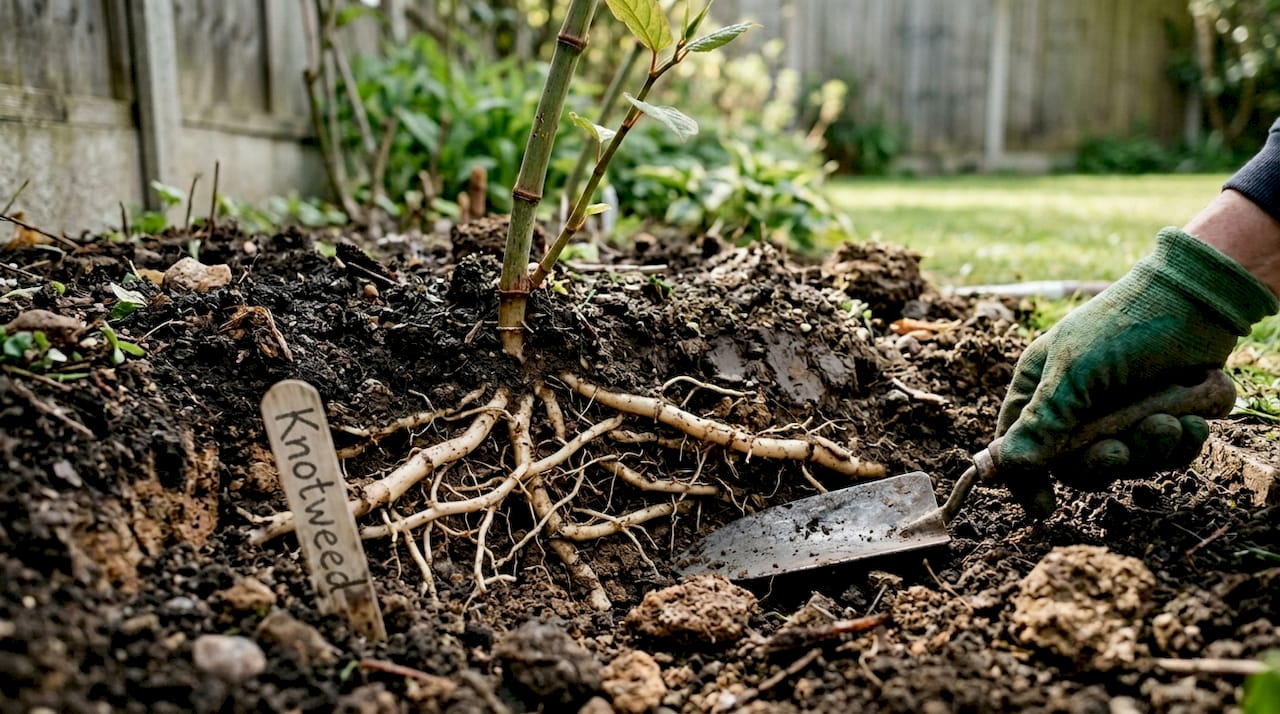
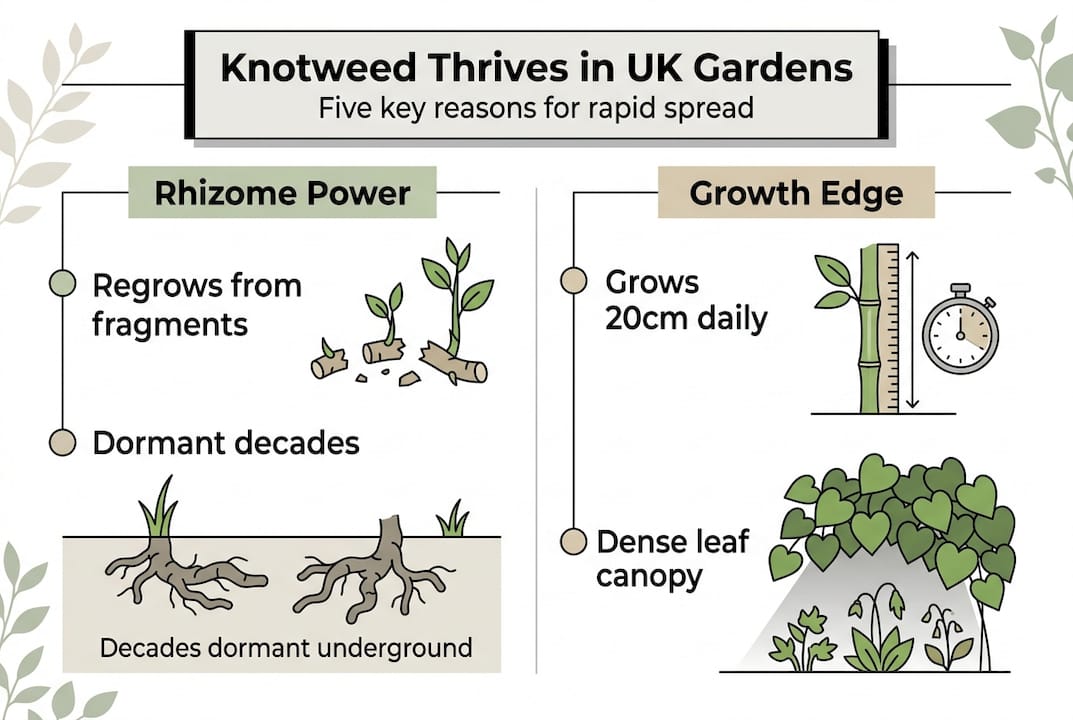
  • Property damage: Knotweed rhizomes can extend up to 7 metres horizontally and 3 metres deep, undermining structures.
  • Legal obligations: It is an offence to allow Japanese Knotweed to spread under UK Wildlife legislation.
  • Regulatory compliance: Disposal and management are regulated under the Wildlife Act in the UK and Reg 49 SI 477 in Ireland.
  • Mortgage and sale complications: Many lenders refuse applications or require formal treatment plans before proceeding.

Chemical-free methods are increasingly in demand for good reason. Herbicide treatments raise concerns about soil contamination, harm to surrounding plants, and long treatment timelines of three to five years. Professional thermo-electric treatment options offer a faster, environmentally responsible alternative that satisfies both lender requirements and ecological concerns. The RHS guidance on invasive species is a useful starting point for understanding your obligations.

Did you know? A single fragment of Japanese Knotweed rhizome as small as 0.7 grams can regenerate into a new plant. This is why containment and professional handling are non-negotiable.

Planning for chemical-free eradication: what you need

Preparation is where most homeowners go wrong. Jumping straight into removal without a proper plan can worsen the infestation, create legal liability, and invalidate any future guarantee. A formal management plan is required for mortgage or sale, and chemical-free methods must be documented for lender compliance.

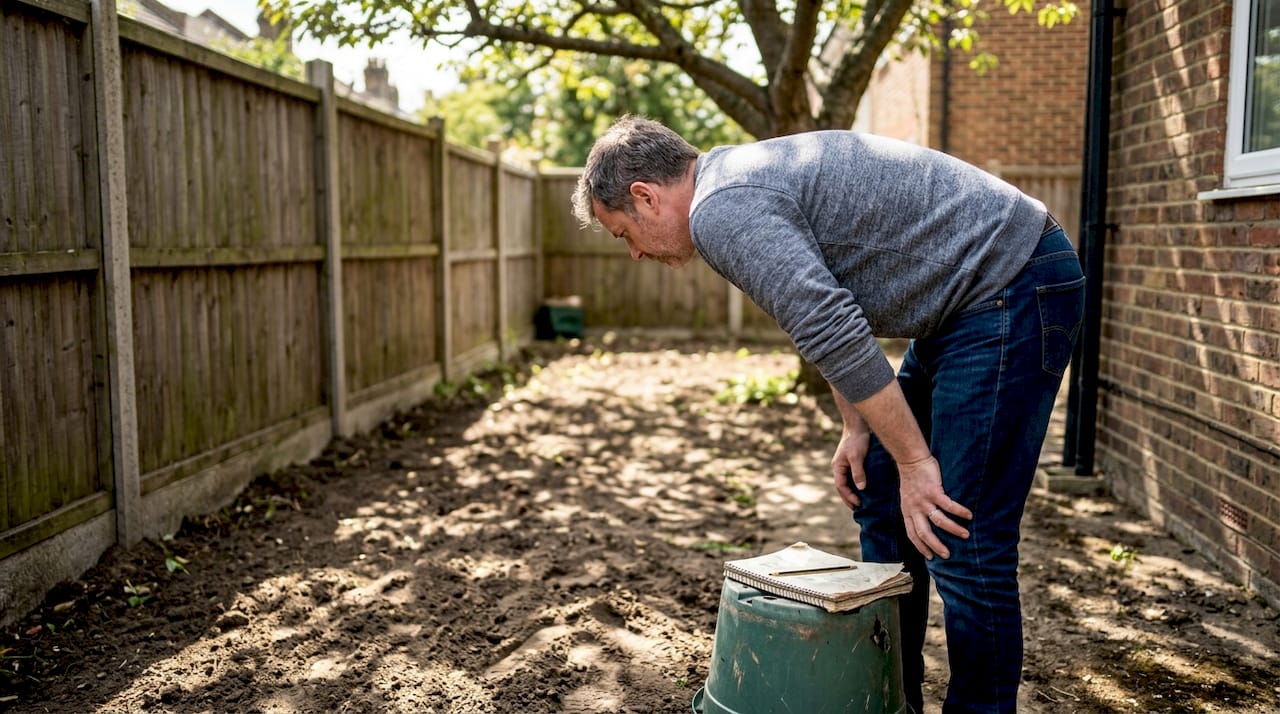
Woman making garden removal preparation notes

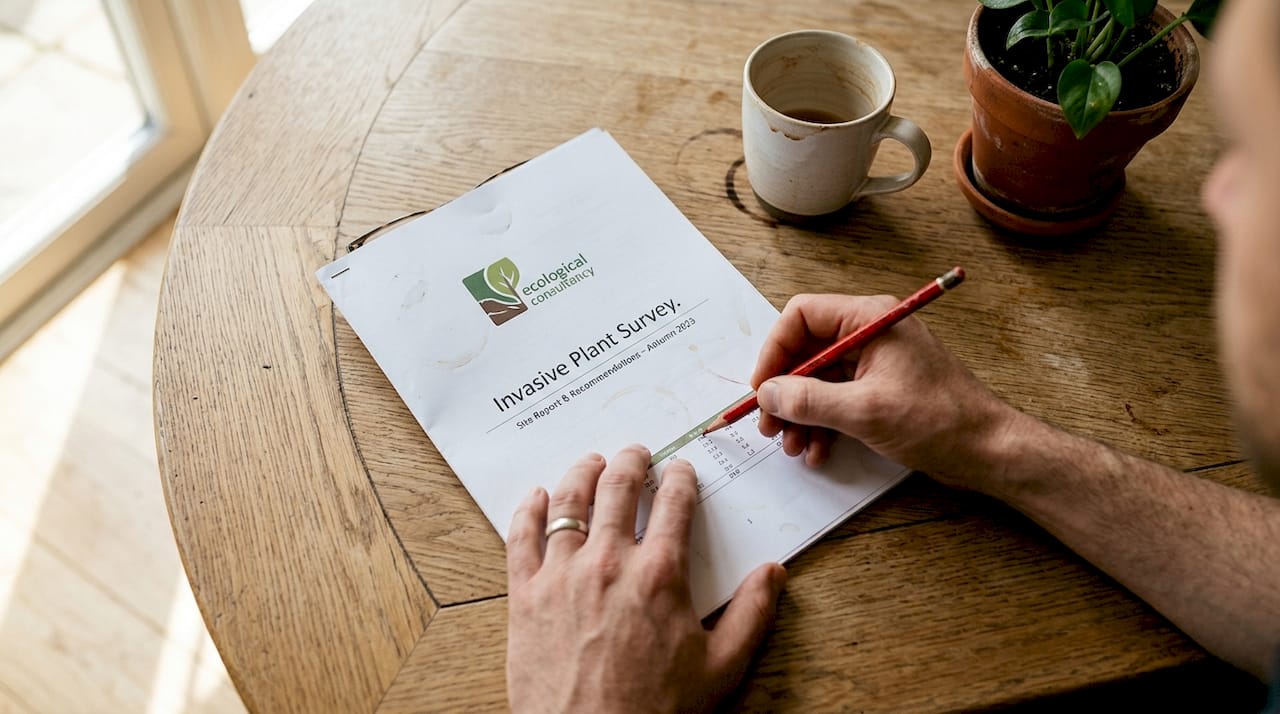
The foundation of any effective plan is a professional survey. This establishes the extent of the infestation, identifies species, and produces the documentation lenders and solicitors need. Understanding the property survey process before committing to any treatment is strongly advised. You can also read more about what a survey before eradication should cover.

A complete chemical-free management plan must include:

  • A detailed site survey with species identification and mapping
  • A written eradication strategy with timelines
  • Chosen treatment method with justification
  • Waste disposal and containment protocols
  • Long-term monitoring schedule
  • Formal guarantee documentation

Here is an overview of the typical tools and resources used in professional chemical-free eradication:

Tool or resource Purpose Typical use case
Thermo-electric treatment unit Delivers up to 5,000 volts to destroy root cells Medium to large infestations
Root barrier membrane Prevents lateral rhizome spread Boundary and foundation protection
Excavation equipment Physical removal of root mass Severe or construction-adjacent cases
Monitoring logs and photo records Tracks regrowth and treatment progress All cases, ongoing
Waste containment bags Compliant disposal of excavated material Post-excavation

For further practical advice on safe removal, the HOA advice on eradication is worth reviewing alongside your professional plan.

Pro Tip: Document every single treatment visit with dated photographs, written notes, and any correspondence with your contractor. This record is your strongest asset when dealing with lenders, solicitors, or future buyers.

Step-by-step guide to effective chemical-free eradication

The right approach depends on the scale of your infestation. Here is how to tackle it at each level.

For small infestations (under 1 square metre):

  1. Identify and confirm the species before touching anything.
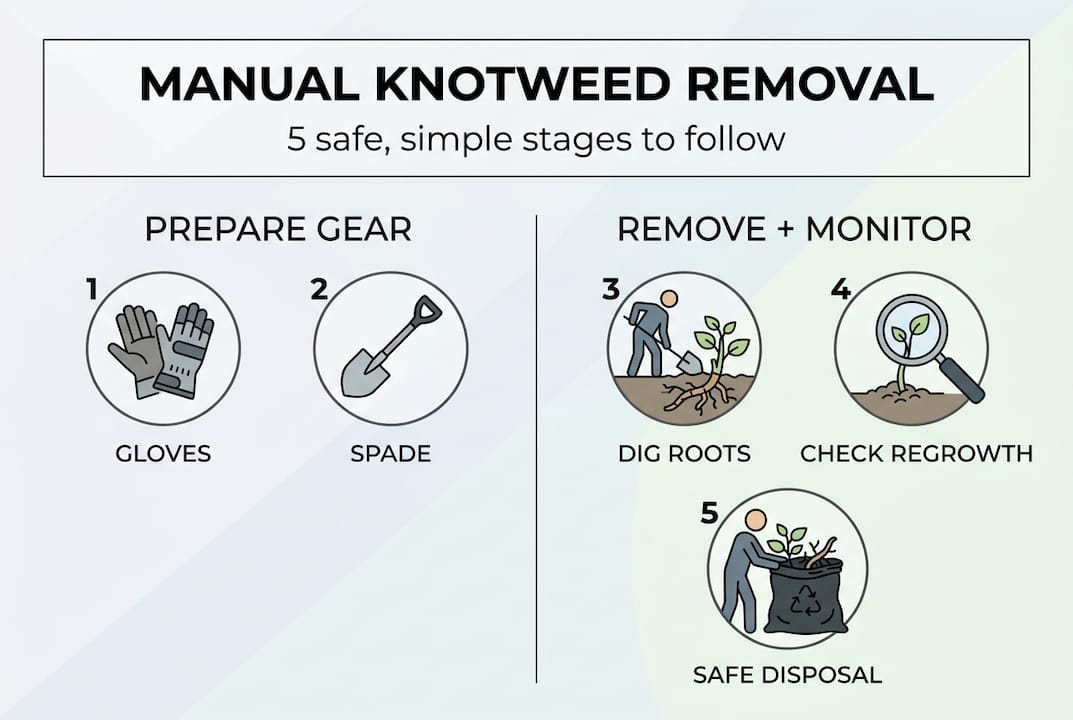
  2. Wear gloves and use dedicated tools that will not be used elsewhere.
  3. Cut stems at the base and bag immediately in heavy-duty waste sacks.
  4. Do not compost or leave cuttings on site.
  5. Monitor the area every two to four weeks and repeat as needed.
  6. Keep a written log of every action taken.

For medium to large infestations:

  1. Commission a professional survey to map the full extent of the rhizome network.
  2. Choose your primary treatment method based on site conditions, budget, and timeline.
  3. Install root barriers if the infestation is near boundaries, foundations, or drainage.
  4. Begin treatment, whether thermo-electric, excavation, or a combination.
  5. Arrange compliant waste disposal for any excavated material.
  6. Schedule follow-up visits and monitoring surveys.

Here is a comparison of the three main professional chemical-free methods:

Method Speed Best for Lender-compliant Waste generated
Thermo-electric treatment Fast (1 to 2 years) All sizes, eco-sensitive sites Yes, with formal plan Minimal
Excavation Immediate (if thorough) Construction sites, severe cases Yes, with formal plan High
Manual cutting and barrier Slow (2 to 4 years) Small, accessible areas Yes, with formal plan Low

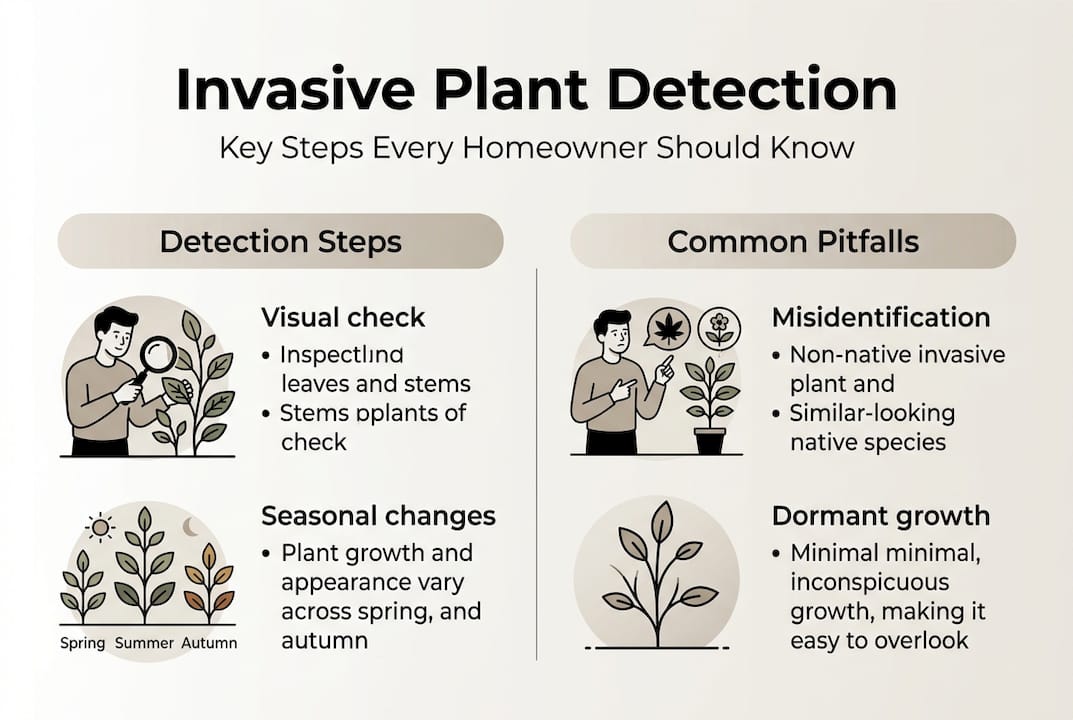
Infographic showing key chemical-free eradication steps

Thermo-electric treatment destroys plant root cells faster and is eco-safe, but manual and barrier methods remain important for smaller cases. You can explore non-chemical control tips and energy-based approaches in more detail on our site. For guidance on manual and barrier methods, the RHS provides a useful reference.

Non-chemical methods such as excavation generate waste requiring controlled disposal. All excavated knotweed material is classified as controlled waste in the UK and must be disposed of at a licensed facility. Never bag it with general household waste.

Important: Disturbing a large knotweed infestation without professional containment can spread viable fragments across your site and neighbouring land, creating new colonies and potentially increasing your legal liability.

Pro Tip: For any infestation affecting a mortgaged property or one you plan to sell, engage a company that is a member of the Property Care Association (PCA) or the Invasive Non-Native Specialists Association (INNSA). Their documentation carries the most weight with lenders.

Monitoring, verification and securing guarantees

Eradication does not end when the visible plant disappears. The rhizome network can remain dormant underground and regenerate if monitoring stops too early. Continued verification is what separates a successful plan from a costly repeat problem.

Effective monitoring involves:

  • Photographic records taken at the same points each season
  • Written treatment logs noting dates, methods, and observations
  • Follow-up professional surveys at six and twelve month intervals
  • Boundary checks to confirm no spread to neighbouring land

Formally documented treatment plans typically include five to ten year guarantees against regrowth. This guarantee is what lenders and buyers need to see. Without it, even a visually clear site may not satisfy a mortgage application or property sale.

When your contractor issues a formal certificate of treatment or guarantee, keep both a digital and physical copy. Solicitors will request this during conveyancing. Review removal best practices to understand what a robust completion report should contain. The RHS official guidance also outlines what documentation is considered acceptable for property transactions.

Pro Tip: Keep a dedicated monitoring diary, separate from general property records. Note every observation, even when there is nothing to report. A consistent record of clear inspections is just as valuable as a record of treatment.

Common challenges, mistakes and expert troubleshooting tips

Even well-intentioned homeowners make mistakes that set their eradication plan back by months or years. Knowing what to avoid is just as important as knowing what to do.

The most common missteps include:

  • DIY digging without containment: Spreading fragments across the garden creates multiple new infestations.
  • Improper waste disposal: Bagging knotweed with general waste is illegal and can result in prosecution.
  • Missing or incomplete records: Without documentation, your treatment has no legal or commercial value.
  • Stopping treatment too early: One season of no visible growth does not mean eradication is complete.
  • Ignoring neighbouring land: Knotweed does not respect boundaries, and spread from a neighbour’s property can undo your work.

Expert warning: Cutting or digging large infestations often increases spread risk and may worsen mortgage issues if not handled by a professional with proper containment protocols.

Knowing when to call a professional is critical. If your infestation covers more than a couple of square metres, sits near a boundary or structure, or is linked to a property transaction, professional involvement is not optional. It is the only route to a lender-compliant outcome. Explore thermal weed control options if you are considering a faster, non-invasive approach. For broader professional guidance, the RHS remains an authoritative resource.

How to take the next step: secure your home’s future

If you have identified an invasive species on your property, the most important thing you can do right now is act with a plan rather than react with a spade. A professionally managed, chemical-free eradication plan protects your property value, satisfies lender requirements, and gives you documented proof of compliance.

https://japaneseknotweedagency.co.uk

At Japanese Knotweed Agency, we specialise in chemical-free treatment and eradication across England, Wales, and Ireland. Our thermo-electric technology delivers up to 5,000 volts directly to the rhizome network, causing internal cell damage without a single drop of herbicide. We also carry out professional property surveys, install root barriers, and provide the formal documentation your lender or solicitor needs. Explore our full chemical-free treatment process, browse our invasive plant solutions for homeowners, or visit our common invasive species questions page to get answers fast.

Frequently asked questions

How long does chemical-free knotweed eradication take?

Non-chemical methods can eradicate Japanese Knotweed in one to two years when conducted professionally, compared to three to five years for chemical treatment. Thermo-electric treatment is currently the fastest non-chemical option available.

Do I need to inform my mortgage lender or buyers about invasive species?

Yes. A formal plan must be disclosed for property sales and mortgage applications, and failure to do so can result in legal action after completion. Most lenders will not proceed without a documented treatment plan and guarantee.

Allowing knotweed to spread is an offence under Schedule 9 of the Wildlife and Countryside Act 1981 in the UK. In Ireland, Reg 49 SI 477 regulates disposal and management with similar legal weight.

Are non-chemical methods approved by lenders?

Yes. Chemical-free treatment plans are lender-compliant provided they are formally documented by a qualified professional and include a recognised guarantee period. Always confirm your contractor’s credentials before commissioning work.

无化学处理方法:房主和管理者的入侵植物安全指南

购买或再融资房产时,入侵植物调查结果往往让房主措手不及。发现日本虎杖或其他入侵物种不仅可能延误交易,还会带来数万英镑的治理成本和长期法律风险。传统化学处理虽然常见,但对土壤、水源和周边环境存在潜在危害,且部分地区已限制使用。幸运的是,无化学处理技术已发展成熟,通过根系阻断和能量灭除等方法,既能有效根治入侵植物,又保护生态安全。本文将为您详细介绍这些科学方案,帮助您做出明智决策。

目录

关键要点

要点 详情
调查要点 房产交易前的专业入侵植物调查对揭示治理成本与法律风险至关重要,能降低交易不确定性。
无化学治理 通过根系阻断和能量灭除等方法实现高效根治,同时保护土壤和地下水,适合学校和住宅等敏感区域。
主流技术对比 根系阻断可即时保护建筑,能源灭除追求彻底根治,两者结合往往效果最佳,兼顾速度与长期性。
持续管理 实施后应定期评估、记录并维护长期保障计划,通常提供5到10年的回访与补充处理。

理解入侵植物及其影响

入侵植物是指非本地物种在新环境中快速扩散,对生态系统和人类活动造成负面影响的植物。在英国,日本虎杖、喜马拉雅凤仙花和巨型猪草是最常见的入侵物种。这些植物生长速度极快,根系可深入地下3米,穿透混凝土、排水管道和建筑地基,造成结构性损坏。

入侵植物严重影响房产价值,贷款机构通常要求提供专业治理方案才批准抵押贷款。未披露入侵植物存在可能导致合同纠纷,卖方需承担治理费用甚至面临法律诉讼。房产估值也会因此下降10%至15%,严重情况下买家直接放弃购买。

识别入侵植物需要专业知识。日本虎杖具有心形叶片和空心茎秆,春季生长迅速,夏季可达3米高度。喜马拉雅凤仙花开粉红或白色花朵,种子弹射传播,沿河流和湿地快速蔓延。巨型猪草高度可超过5米,汁液接触皮肤会引发严重灼伤。这些植物在英格兰、威尔士和爱尔兰的城市郊区和乡村地区均有分布,尤其在河岸、荒地和老旧房产周边更为常见。

房产交易前进行入侵植物调查至关重要。专业调查员会检查地面植被、查阅历史记录,并评估邻近土地的潜在风险。调查报告不仅帮助买家了解治理成本,也为卖方提供透明信息,避免后续纠纷。及时发现并制定识别入侵植物指南,能显著降低财产损失和法律风险。

专业提示:购房前务必要求卖方提供入侵植物调查报告,即使房产外观良好也不可掉以轻心。许多入侵植物在冬季休眠,仅凭肉眼难以发现,专业设备和经验能确保全面评估。

无化学处理方法的核心原理和优势

无化学入侵植物治理主要依靠物理和能量技术,从根本上阻断植物生长和扩散。根系阻断技术通过安装高密度聚乙烯膜或混凝土屏障,将入侵植物根系限制在特定区域,防止其向建筑物或邻近土地蔓延。屏障深度通常达到2至3米,使用寿命超过20年,适合长期保护房产安全。

能量灭除法是另一项创新技术。通过向植物根系输送高达5000伏的直流电能,破坏细胞结构并耗尽地下根茎的能量储备。每次处理后,植物逐渐衰弱,经过多次施加能量,根系最终失去再生能力。这种方法无需化学药剂,对土壤和地下水零污染,特别适合学校、公园和住宅区等敏感区域。

技术人员正在公园内进行能量清除作业。

能源和根系阻断技术实现85%以上的治愈成功率,远高于传统化学方法的长期效果。化学除草剂需要反复喷洒,残留物质可能影响土壤微生物平衡,并通过雨水渗入地下水系统。相比之下,无化学方法仅针对目标植物,不会伤害周边原生植被或有益昆虫。

操作流程通常分为三个阶段。首先,专业团队进行现场评估,确定入侵植物种类、分布范围和根系深度。接着,根据具体情况选择根系阻断或能量灭除方案,制定详细施工计划。最后,定期监测治理效果,必要时进行补充处理,确保植物彻底根除。整个过程透明可控,房主可随时了解进展。

无化学方法的环境优势显而易见。化学除草剂可能导致土壤酸化、破坏有机质结构,并对蜜蜂等授粉昆虫造成致命威胁。无化学技术则完全避免这些问题,符合可持续发展理念,也满足越来越严格的环保法规要求。对于计划长期持有房产或关注生态健康的房主,这是最佳选择。

专业提示:选择治理方案前,咨询多家专业机构并索取详细报价。优质服务商会提供长期保障计划,包括定期回访和免费补充处理,确保治理效果持久稳定。

各类无化学技术的比较与选择指南

不同无化学技术各有特点,适用场景和成本差异明显。根系阻断适合需要快速保护建筑物或满足贷款机构要求的情况,安装后立即生效,无需等待植物死亡。能量灭除法则更注重彻底根治,通过多次处理逐步消耗根系能量,适合有充足时间和预算的房主。机械挖掘虽然直接,但需要处理大量土壤,成本高且可能损坏地下管线。

无化学工艺流程及核心优势一览图

技术类型 成本范围 治理周期 适用场景 主要优势
根系阻断 £3000-£8000 立即生效 建筑物周边、贷款要求 快速保护,长期有效
能量灭除 £2000-£6000 1至3年 住宅花园、公共绿地 彻底根治,无污染
机械挖掘 £5000-£15000 数周 小面积严重感染 立即清除,但成本高
热处理 £1500-£4000 6至18个月 表层植被控制 快速见效,需多次处理

根系阻断与能量技术适合不同程度和类型入侵植物治理。轻度感染且远离建筑物的区域,能量灭除法性价比最高。中度感染且靠近房屋地基,根系阻断能提供即时保护并满足法律要求。严重感染且面积较小,机械挖掘虽然昂贵但能快速解决问题。

选择技术时需考虑多个因素。首先评估入侵植物的种类和生长阶段,日本虎杖根系深且顽固,需要更强力的方案。其次考虑房产用途,住宅区优先选择安全无污染的方法,商业开发项目可能需要快速清场。预算和时间也是关键,如果急需完成交易,根系阻断是最佳选择。

实际案例显示,组合使用多种技术效果更佳。先安装根系阻断保护关键区域,再对外围植被进行能量灭除,既能满足贷款机构要求,又能实现长期根治。这种策略在复杂地形或大面积感染的情况下尤为有效。

专业机构会根据现场评估提供定制方案。他们使用专业设备检测根系分布,结合土壤条件和周边环境制定最优计划。选择无化学防治方法清单中的技术时,务必咨询有资质的服务商,避免因操作不当导致治理失败。

操作实施指南及持续管理策略

无化学处理项目的成功依赖于科学规划和严格执行。第一步是详细的现场评估,专业团队使用探地雷达或人工挖掘确定根系深度和分布范围。评估报告应包含植物种类、感染程度、土壤条件和周边风险因素,为后续方案提供数据支持。

第二步是制定施工计划。根系阻断项目需要挖掘沟槽、安装屏障并回填土壤,施工期间需注意保护地下管线和邻近植被。能量灭除法需要专业设备和操作人员,每次处理间隔4至6周,确保植物有足够时间消耗能量储备。所有施工活动应遵守安全规范,佩戴防护装备,避免接触有毒植物汁液。

第三步是执行治理方案。根系阻断安装完成后,需要检查屏障完整性,确保无缝隙或破损。能量灭除需要多次施加电能,每次处理后记录植物反应,根据生长情况调整频率和强度。机械挖掘必须彻底清除所有根系碎片,即使微小残留也可能导致再生。

定期评估和跟踪是提高根治成功率的关键环节。治理完成后,建议每季度检查一次,观察是否有新芽出现。前两年是关键期,任何复发迹象都需要立即处理。专业机构通常提供5至10年保障计划,包括免费回访和补充治理,确保长期效果。

常见问题包括治理期间植物快速生长、邻近土地再次感染等。应对策略是加密处理频率,并与邻居沟通协调治理计划。如果发现根系穿越边界,可能需要联合治理或法律协商。保持详细记录,包括照片、处理日期和效果评估,有助于解决潜在纠纷。

长期管理需要房主的持续参与。定期巡查房产周边,及早发现新的入侵植物。保持土壤健康,种植原生植被形成天然屏障。避免从未知来源引入土壤或植物,防止新的感染源。与专业机构保持联系,获取最新治理技术和政策信息,确保财产安全和环境健康。

专业提示:治理期间拍摄详细照片和视频,记录每个阶段的进展。这些资料不仅帮助监测效果,也是向贷款机构或买家证明治理质量的重要证据。完整的文档记录能显著提升房产交易的透明度和可信度。

了解更多无化学入侵植物处理方案

面对入侵植物带来的挑战,专业支持能让治理过程更高效、更可靠。Japanese Knotweed Agency专注于无化学治理技术,通过根系阻断和高压能量灭除方法,已成功帮助数千名房主和管理者解决入侵植物问题。我们的团队在英格兰、威尔士和爱尔兰提供全方位服务,从初步调查到长期监测,每个环节都由经验丰富的专家负责。

https://japaneseknotweedagency.co.uk

我们提供定制化方案,满足不同房产类型和治理需求。无论您是首次购房者需要满足贷款要求,还是地方管理者寻求大规模治理计划,我们都能提供科学可行的解决方案。访问我们的无化学处理步骤指南,了解详细流程和技术细节。查看无化学入侵植物解决方案,获取更多实用建议。如有疑问,我们的入侵植物常见问题解答能为您提供即时帮助,助您做出明智决策,保护财产价值和生态环境。

无化学处理常见问题解答

无化学方法实现根除的时间一般多久?

根除时间取决于入侵植物种类和感染程度。轻度感染的日本虎杖通过能量灭除法通常需要1至2年,每4至6周处理一次。严重感染可能需要3年或更长时间,配合根系阻断能加快进程。根系阻断本身立即生效,但完全杀死植物仍需持续监测。

无化学处理是否适合所有入侵植物?

大多数入侵植物都可以通过无化学方法有效治理,包括日本虎杖、喜马拉雅凤仙花和巨型猪草。能量灭除和根系阻断对根系深的物种特别有效。某些表层蔓延的植物可能需要结合机械清除或热处理。专业评估能确定最适合的技术组合。

处理期间对邻居和环境有影响吗?

无化学方法对邻居和环境影响极小。根系阻断施工期间可能有短暂噪音,但无有害排放。能量灭除完全无污染,不会影响土壤或地下水。处理过程中不会产生化学气味或残留物,儿童和宠物在施工区域外完全安全。这正是无化学方法的核心优势。

如何自查入侵植物及何时需要专业介入?

春夏季观察房产周边是否有快速生长的陌生植物,日本虎杖具有心形叶和空心茎,喜马拉雅凤仙花开粉红花朵。发现可疑植物后拍照并查阅识别指南,但切勿擅自处理。任何疑似入侵植物都应立即联系专业机构评估,自行挖掘可能导致扩散。房产交易前务必进行专业调查,避免法律和财务风险。

推荐

Chemical free treatment for Japanese knotweed in 2026

Homeowners across England, Wales and Ireland now face tighter restrictions on herbicide use, making chemical free treatment for Japanese Knotweed more relevant than ever. With glyphosate regulations evolving and growing concerns about synthetic chemicals near families and pets, alternative methods have moved from niche to mainstream. This article explores proven chemical free solutions, formal eradication plans, and practical advice to help you tackle this invasive plant safely and effectively.

Table of Contents

Key Takeaways

Point Details
Chemical free methods Chemical free methods encompass energy based, mechanical, biological and barrier approaches to control Knotweed without herbicides.
High success rates Evidence from field trials shows success rates of around 80 to 95 percent when treatments are planned and monitored.
Formal eradication plans Formal eradication plans include surveys, bespoke schedules, monitoring and guarantees.
Professional oversight essential Professional treatment is essential to avoid spreading and to ensure compliance with regulations.

What does chemical free treatment mean for Japanese Knotweed?

Chemical free treatment means tackling Japanese Knotweed without synthetic herbicides like glyphosate, relying instead on physical, mechanical, energy based or biological approaches. This shift has gained momentum as UK and Ireland regulations tighten around pesticide use, particularly near waterways and residential areas. Homeowners increasingly seek alternatives that protect their families, pets and local ecosystems whilst still delivering effective control.

The core methods include manual or mechanical removal, thermo electric treatment using high voltage currents, biological innovations that target the plant’s energy reserves, and physical barriers that contain rhizome spread. Each approach has distinct advantages depending on site conditions, infestation size and proximity to sensitive receptors. Contrary to common misconceptions, non chemical methods can achieve comparable or superior results to herbicide treatment when applied correctly and monitored over time.

Many homeowners mistakenly believe chemical free means ineffective or impractical. Evidence from field trials and professional programmes demonstrates success rates between 80 and 95 percent when treatments follow structured plans with ongoing monitoring. The key difference lies in the mechanism: rather than poisoning the plant systemically, these methods physically disrupt cell structures, exhaust energy reserves, or prevent spread through containment.

Pro Tip: Chemical free treatment often suits mortgage and insurance requirements better than herbicide based plans, especially on properties near schools, care homes or protected habitats where chemical use faces additional scrutiny.

Choosing chemical free treatment aligns with evolving environmental standards and provides peace of mind for families concerned about residual toxins in soil or groundwater. It also avoids the compliance burden of herbicide application records and buffer zone restrictions that can complicate development or sale timelines.

Key chemical free methods to tackle Japanese Knotweed

The landscape of chemical free knotweed control includes several proven methodologies, each with specific applications, timelines and cost profiles. Understanding these options helps homeowners select the approach that best fits their property constraints and treatment goals.

Infographic showing knotweed treatment methods

Thermo electric treatment delivers energy based eradication by applying electrical currents up to 5000 volts directly to the plant and rhizome network. This method causes internal cell damage and depletes energy reserves without introducing chemicals. Treatment typically spans one to two years with multiple sessions, achieving success rates above 80 percent. It works exceptionally well in gardens, near water features, and on sites where excavation is impractical or prohibited.

Mechanical excavation involves removing all visible plant material and rhizomes to depths of two to three metres, often extending several metres beyond the visible infestation. This method delivers rapid results, clearing sites within weeks, but requires specialist disposal of contaminated soil at licensed facilities. Costs can be substantial, particularly for large infestations or sites with limited access for machinery. Excavation suits development projects where immediate clearance is necessary and budget allows for comprehensive removal.

Excavator digging knotweed in backyard

Root barriers provide long term containment by installing knotweed root barriers made from high density polyethylene or similar materials around the infestation perimeter. Barriers prevent rhizome spread into adjacent properties or sensitive areas, often combined with other treatment methods to control the existing stand. This approach offers a permanent physical solution that requires minimal ongoing maintenance once installed correctly.

Biological innovations like Roots Reset introduce beneficial fungi or bacteria that target the plant’s energy metabolism, achieving success rates up to 95 percent within one year in controlled trials. These methods remain relatively new but show promise for homeowners seeking the most environmentally benign option. They work best on smaller infestations where soil conditions support the biological agents.

Traditional cutting or smothering involves repeated manual removal of above ground growth combined with thick barriers to block light. This method is slow, often requiring three to five years of consistent effort, and less reliable than modern alternatives. However, it remains chemical free and low cost, suitable for homeowners willing to invest time rather than money.

Method Timeline Success rate Best application
Thermo electric 1 to 2 years 80 to 90 percent Gardens, water adjacent sites
Mechanical excavation Weeks to months 95+ percent Development sites, small infestations
Root barriers Immediate containment 100 percent containment Boundary protection, combined treatments
Biological 1 to 2 years 85 to 95 percent Ecologically sensitive areas
Cutting and smothering 3 to 5 years 60 to 75 percent Low budget, patient homeowners

Pro Tip: Combining methods often delivers the best outcomes. For example, installing a root barrier alongside thermo electric treatment provides immediate containment whilst the energy based approach gradually exhausts the rhizome network.

Professional chemical free treatment begins with a mandatory site survey that maps the infestation extent, identifies rhizome depth and spread, and assesses site specific risks like proximity to structures, drains or protected habitats. This survey forms the foundation of a bespoke treatment schedule tailored to the chosen method and property conditions. Surveys typically cost between £150 and £300 but provide essential documentation for mortgage lenders and insurers.

Treatment schedules vary by method but generally involve multiple sessions over one to two years. Thermo electric programmes might include four to six treatment visits spaced across growing seasons to target regrowth and deplete underground energy reserves. Mechanical excavation requires fewer visits but demands careful planning for soil removal and disposal. Each session is documented with photographic evidence, GPS mapping and treatment records that satisfy regulatory and financial compliance requirements.

Monitoring extends for at least 12 months after the final treatment session to detect any resurgence and confirm eradication success. Professional providers conduct regular site inspections, often quarterly, to track progress and adjust treatment if necessary. This monitoring phase is critical for securing long term guarantees and demonstrating compliance with invasive species regulations.

Documentation supports property transactions by providing evidence of professional treatment and ongoing control. Mortgage lenders increasingly require formal excavation vs treatment plans before approving loans on affected properties. Insurance backed guarantees, typically valid for five to ten years, protect homeowners and lenders against treatment failure or resurgence.

“Formal plans include site survey, customised treatment scheduling with multiple visits, monitoring for 12+ months, and documentation to satisfy lenders and insurers.”

Compliance with UK and Ireland invasive species regulations is mandatory. The Wildlife and Countryside Act 1981 and equivalent Irish legislation make it an offence to cause Japanese Knotweed to spread in the wild. Chemical free methods must follow best practice guidelines to prevent fragment dispersal during treatment. Professional providers carry appropriate insurance and training certifications to ensure legal compliance.

Key steps in a formal eradication plan:

  1. Initial site survey with detailed mapping and photographic record
  2. Bespoke treatment schedule based on infestation size, site conditions and chosen method
  3. Multiple treatment sessions over one to two years with documented progress
  4. Quarterly monitoring visits to track regrowth and adjust approach
  5. Final clearance inspection and certification of eradication success
  6. Insurance backed guarantee protecting against resurgence for five to ten years
  7. Comprehensive documentation package for mortgage lenders and future buyers

Homeowners should verify that providers follow property survey processes accredited by industry bodies like the Property Care Association. Accreditation ensures adherence to professional standards and provides recourse if treatment fails. It also supports invasive weed management that meets regulatory expectations and protects property values.

Challenges, nuances and best practices for chemical free Japanese Knotweed treatment

Selecting the optimal chemical free method depends on several site specific factors that influence treatment success and cost effectiveness. Small infestations under ten square metres often suit mechanical excavation, which can remove the entire rhizome network in a single operation. This approach minimises long term monitoring costs and delivers immediate clearance for development or landscaping projects.

Water adjacent gardens and ecologically sensitive locations favour energy based methods that avoid soil disturbance and chemical runoff. Thermo electric treatment works effectively near ponds, streams or wetlands where excavation might damage habitats or violate environmental protections. These sites also benefit from the precision of electrical delivery, which targets knotweed without harming surrounding vegetation.

Some knotweed strains show resistance to traditional herbicides, making chemical free approaches particularly valuable. Electrical treatment overcomes this resistance by physically disrupting cell structures rather than relying on metabolic pathways that resistant plants can bypass. Field data shows herbicide resistant knotweed responds well to sustained thermo electric programmes with success rates matching or exceeding chemical alternatives.

DIY removal carries significant risks that often outweigh potential cost savings. Improper handling can spread rhizome fragments, creating new infestations that are harder and more expensive to control. Legal liability for causing spread onto neighbouring properties or public land can result in prosecution and substantial fines. Professional treatment ensures removal best practices that prevent dispersal and maintain compliance with invasive species regulations.

Budget considerations influence method selection, with mechanical excavation typically costing £3000 to £8000 for small to medium infestations, whilst thermo electric programmes range from £1500 to £4000 depending on site access and treatment frequency. Root barriers add £500 to £2000 to overall costs but provide permanent containment that protects property boundaries and reduces long term management expenses.

Pro Tip: Properties with suspected structural damage should prioritise rapid excavation over gradual treatment methods. Whilst knotweed rarely causes property damage directly, removing the infestation quickly allows for proper structural assessment and repair without ongoing plant pressure.

Site condition Recommended method Key advantage
Small infestation under 10m² Mechanical excavation Rapid clearance, immediate results
Water adjacent or wetland Thermo electric No chemical runoff, minimal disturbance
Homes with children or pets Energy based or biological Zero toxic exposure
Herbicide resistant strains Thermo electric Bypasses chemical resistance
Boundary protection needed Root barriers plus treatment Permanent containment
Limited budget Cutting and smothering Low cost, high effort

Successful chemical free treatment requires realistic expectations about timelines and the importance of professional expertise. Homeowners should budget for one to two years of active treatment and monitoring, recognising that gradual approaches like thermo electric or biological methods achieve lasting results through sustained pressure rather than immediate eradication. Patience and adherence to the treatment schedule deliver better outcomes than rushed or incomplete programmes.

Find trusted chemical free Japanese Knotweed solutions

When herbicide restrictions and environmental concerns make chemical free treatment the smart choice, professional expertise ensures effective, compliant eradication. Japanese Knotweed Agency specialises in chemical free treatment processes that combine energy based technology, mechanical solutions and root barrier installations tailored to your property’s unique conditions.

https://japaneseknotweedagency.co.uk

Our comprehensive plans include detailed site surveys, bespoke treatment schedules with ongoing monitoring, and insurance backed guarantees up to ten years. We serve homeowners across England, Wales and Ireland with chemical free invasive plant solutions designed to protect families, pets and local ecosystems whilst satisfying mortgage lenders and insurers. Explore our knotweed FAQs for answers to common questions or contact us for a professional assessment of your property.

Frequently asked questions

What are the best chemical free options for knotweed removal in my garden?

The best option depends on your infestation size, site sensitivity and budget. Thermo electric treatment suits most residential gardens, especially near water or play areas, delivering 80 to 90 percent success over one to two years. Mechanical excavation works well for small infestations under ten square metres where rapid clearance is needed. Root barriers combined with energy based treatment provide comprehensive control and boundary protection. Professional invasive weed management ensures the chosen method fits your specific circumstances and compliance requirements.

How long does chemical free Japanese Knotweed treatment usually take?

Chemical free treatments generally require one to two years depending on the method and site conditions. Thermo electric programmes involve four to six treatment sessions spaced across growing seasons to exhaust rhizome energy reserves. Mechanical excavation delivers immediate clearance within weeks but requires careful planning for soil disposal. Biological methods can achieve 95 percent success within one year under optimal conditions. All approaches need at least 12 months of monitoring after final treatment to confirm eradication and secure long term guarantees.

Are chemical free methods safer for families and pets?

Chemical free treatments avoid synthetic herbicides, eliminating toxic exposure risks for children, pets and wildlife. Energy based and mechanical methods introduce no chemicals to soil or groundwater, making them ideal for homes with play areas, vegetable gardens or water features. Biological approaches use naturally occurring organisms that pose no health risks to mammals. These methods also prevent the buffer zone restrictions and application records required for herbicide use, simplifying compliance and reducing long term liability.

How can I ensure chemical free treatment success and compliance?

Use accredited professionals who provide comprehensive site surveys and bespoke treatment plans backed by insurance guarantees. Verify that your provider follows property survey processes recognised by mortgage lenders and industry bodies. Ensure the treatment schedule includes ongoing monitoring for at least 12 months and documentation that satisfies legal and financial requirements. Look for guarantees of five to ten years that protect against resurgence and demonstrate compliance with UK and Ireland invasive species regulations. Professional treatment prevents the legal risks and costly mistakes associated with DIY removal attempts.

Survey before excavation prevents Japanese Knotweed spread

Many homeowners believe that simply digging out Japanese Knotweed will solve the problem, but excavation without a proper survey can actually worsen the infestation. Even fragments smaller than a fingernail can regenerate into new plants, turning a contained problem into a widespread nightmare. A thorough survey before any excavation work maps the full extent of underground rhizomes, preventing fragmentation and protecting your property investment. This article explains why surveying beforehand is crucial for effective eradication and how it can save you thousands in the long run.

Table of Contents

Key Takeaways

Point Details
Survey led excavation Professional surveys improve excavation success by eighty five per cent by mapping rhizomes before digging.
Prevent fragmentation A thorough survey maps the full extent of underground rhizomes and prevents fragmentation during digging.
Reinfestation reduction Combining surveys with root barriers reduces reinfestation by over seventy per cent.
Lenders require surveys Mortgage lenders increasingly require invasive weed surveys before approving property purchases.

Understanding why surveying is essential before excavation

Japanese Knotweed spreads underground through extensive rhizomes that can extend up to seven metres horizontally and three metres deep. These root systems are invisible from the surface, making it impossible to gauge the true extent of an infestation without professional assessment. When you excavate blindly, you risk cutting through rhizomes and leaving fragments behind that will regenerate into new plants within weeks.

Professional surveys improve excavation success by 85% because they provide precise mapping data that guides every stage of the removal process. Without this information, excavation teams work in the dark, potentially spreading the problem rather than solving it. The biological reality of Japanese Knotweed makes surveying non-negotiable if you want lasting results.

Consider what happens during unplanned excavation:

  • Machinery breaks rhizomes into dozens of fragments
  • Each fragment contains viable nodes that can regenerate
  • Soil movement distributes these pieces across a wider area
  • New infestations emerge in multiple locations within months
  • Property damage escalates as roots penetrate foundations and drainage systems

Surveys before excavation prevent spreading Japanese Knotweed by mapping the full extent of underground rhizomes, avoiding fragmentation during digging which can regenerate from tiny pieces. This detailed knowledge allows contractors to plan excavation zones, disposal methods, and protective measures that contain the infestation rather than dispersing it.

“The difference between surveyed and unsurveyed excavation is the difference between surgical precision and blind destruction. One removes the problem, the other multiplies it.”

Property owners who skip the survey step often face reinfestation within a single growing season, requiring additional treatments that cost far more than the initial survey would have. The knotweed removal best practices emphasise survey-led approaches because they deliver measurably better outcomes. Even experienced contractors cannot visually assess underground rhizome networks accurately.

The financial implications extend beyond immediate treatment costs. Mortgage lenders increasingly require invasive weed surveys before approving property purchases, and surveyor missed knotweed scenarios can derail transactions entirely. A proper survey protects your investment by providing documentation that satisfies legal and financial requirements whilst ensuring the excavation actually works.

Comparing excavation methods: survey-led vs. non-survey approaches

The methodology you choose for excavation determines whether you solve the Japanese Knotweed problem or simply relocate it. Survey-led excavation uses detailed mapping to identify every section of rhizome network before machinery touches the ground. Non-survey approaches rely on visual inspection of above-ground growth, which reveals only a fraction of the actual infestation.

Approach Success rate Reinfestation risk Long-term cost
Survey-led excavation 85-90% Low £8,000-£15,000
Non-survey excavation 40-50% High £15,000-£30,000+
Survey plus root barriers 95%+ Very low £12,000-£20,000
Visual inspection only 20-30% Very high £25,000-£50,000+

These figures reflect real-world outcomes across thousands of UK properties. Excavation offers fastest eradication but demands precise survey-led methodology; combine with root barriers for 70%+ reduced reinfestation. The upfront investment in surveying pays for itself by eliminating the need for repeated treatments.

Survey-led excavation follows a systematic process:

  • Ground-penetrating radar maps rhizome depth and spread
  • Excavation zones are marked with precise boundaries
  • Contaminated soil is removed to specified depths
  • Root barriers are installed at strategic points
  • Follow-up monitoring confirms complete removal

Non-survey approaches typically involve digging out visible growth plus a safety margin, but this margin is guesswork. Rhizomes often extend far beyond what surface growth suggests, and fragments left in surrounding soil regenerate rapidly. The preparing for knotweed excavation guide emphasises that preparation begins with comprehensive surveying, not machinery hire.

Pro tip: Always confirm survey accuracy before dig to avoid costly errors. Request a detailed site plan showing rhizome locations, depths, and recommended excavation boundaries. This documentation protects you if disputes arise and ensures contractors follow the survey specifications exactly.

Combining excavation with root barrier tips creates a defensive perimeter that prevents reinfestation from missed fragments or neighbouring properties. Root barriers made from high-density polyethylene block rhizome growth whilst allowing water drainage, providing long-term protection that justifies the additional cost. Survey data determines optimal barrier placement for maximum effectiveness.

The cost difference between approaches narrows significantly when you factor in reinfestation treatments. A £3,000 survey that prevents a £15,000 reinfestation problem represents exceptional value. Property owners who choose non-survey excavation to save money upfront often spend triple that amount addressing the consequences.

How pre-excavation surveys protect your property investment

Japanese Knotweed infestations can reduce property values by 5-15% depending on severity and location. Buyers increasingly demand invasive weed surveys as part of due diligence, and mortgage lenders may refuse financing for affected properties without a professional management plan. A comprehensive survey provides the documentation needed to satisfy these requirements and demonstrates responsible property stewardship.

Agent and owners review knotweed survey at property

Surveys prevent fragmentation during digging which can regenerate from tiny pieces, protecting property value from invasive spread. This protection extends beyond the immediate treatment to include legal compliance, insurance considerations, and future sale prospects. Without survey documentation, you cannot prove the infestation has been properly addressed.

The protective value of surveys manifests in several ways:

  1. Early identification allows intervention before structural damage occurs
  2. Detailed reports support insurance claims for knotweed-related damage
  3. Survey data satisfies mortgage lender requirements for property purchases
  4. Legal disclosure obligations are met with professional documentation
  5. Treatment plans based on survey findings achieve higher success rates
  6. Property value is preserved through demonstrable infestation control

UK law requires property sellers to disclose known Japanese Knotweed presence on the TA6 form. Failing to disclose can result in legal action from buyers who discover the problem after purchase. A professional survey provides defensible documentation of the infestation status, protecting you from future liability claims. The knotweed legal obligations guide explains these requirements in detail.

Mortgage lenders increasingly require invasive weed surveys before approving loans for properties with suspected infestations. The knotweed survey workflow shows how these assessments integrate into the property purchase process. Without a clean survey or documented management plan, financing may be refused entirely, effectively making the property unsaleable.

Insurance implications also favour surveyed properties. Some insurers exclude knotweed damage from standard policies, whilst others require proof of professional management. Survey reports demonstrate proactive risk management, potentially reducing premiums or securing coverage that would otherwise be denied. This protection becomes increasingly valuable as awareness of Japanese Knotweed grows among insurers.

Pro tip: Always obtain a detailed invasive weed report when purchasing property. Request surveys from the past three years and verify that any treatment plans were completed according to specifications. This due diligence prevents inheriting someone else’s knotweed problem and provides leverage for price negotiations if infestations are discovered.

The financial protection extends to preventing costly emergency interventions. Properties with unmanaged Japanese Knotweed may face foundation damage, drainage blockages, and tarmac lifting that require urgent repairs. Early survey identification allows planned, cost-effective treatment before these expensive problems develop.

Step-by-step overview of the survey process before excavation

Understanding what happens during a Japanese Knotweed survey helps you prepare effectively and interpret the results accurately. The process follows a structured methodology designed to capture complete information about the infestation whilst identifying optimal treatment strategies.

  1. Initial consultation establishes the survey scope and property access arrangements
  2. Site visit includes visual inspection of all accessible areas above and below ground
  3. Rhizome mapping uses ground-penetrating radar or trial pits to locate underground growth
  4. Photographic documentation records infestation extent and proximity to structures
  5. Soil sampling may be conducted to detect dormant rhizome fragments
  6. Detailed report production includes site plans, treatment recommendations, and cost estimates
  7. Follow-up consultation explains findings and answers property owner questions

Professional surveys improve excavation success by 85% by thoroughly mapping rhizomes before works begin. This comprehensive approach ensures nothing is missed and excavation can proceed with confidence. The survey timeline typically spans one to three days depending on property size and infestation complexity.

Infographic showing knotweed survey process steps

Specialised equipment enhances survey accuracy beyond what visual inspection alone can achieve. Ground-penetrating radar detects rhizomes up to three metres deep, revealing the true extent of underground networks. Trial pits provide direct visual confirmation of rhizome presence and depth, whilst soil sampling identifies fragments that might otherwise go undetected.

Survey component Information provided Typical duration
Visual inspection Above-ground growth extent 1-2 hours
Rhizome mapping Underground network location 2-4 hours
Photographic documentation Evidence of infestation severity 30-60 minutes
Report preparation Treatment recommendations 1-2 days

The knotweed survey checklist outlines what surveyors examine during each phase. This includes checking for knotweed growth near boundaries, assessing structural risk to buildings, and identifying potential spread vectors like watercourses or shared access areas. Comprehensive surveys also consider neighbouring properties that might harbour infestations.

Legal and environmental compliance forms a crucial survey component. Surveyors verify that any proposed treatment complies with Environmental Protection Act requirements for waste disposal and contractor licensing. The survey report should specify licensed waste facilities for contaminated soil and outline the reporting Japanese Knotweed obligations that apply to your situation.

Continuous monitoring follows excavation to confirm complete removal. Post-treatment surveys conducted at six-month intervals for two years provide assurance that no regrowth occurs. This monitoring period is often required by mortgage lenders and provides valuable documentation if you sell the property. The initial survey establishes baseline conditions against which post-treatment results are measured.

Survey reports should include detailed site plans showing rhizome locations, excavation boundaries, and recommended root barrier placements. These plans guide contractors during excavation and provide a permanent record of the infestation extent. Quality surveys also include cost estimates for various treatment options, allowing informed decision-making about the most appropriate approach for your circumstances.

Learn more and get expert help with Japanese Knotweed

Navigating Japanese Knotweed challenges becomes simpler when you have access to reliable information and experienced professionals. Whether you’re dealing with an existing infestation or conducting due diligence on a property purchase, expert guidance ensures you make informed decisions that protect your investment.

https://japaneseknotweedagency.co.uk

Our comprehensive knotweed FAQ listing answers common questions about identification, treatment options, and legal obligations. You’ll find detailed explanations of survey processes, excavation methods, and long-term management strategies tailored to UK property owners. The invasive weeds survey guide walks you through what to expect during professional assessments and how to interpret survey reports.

For lasting protection against reinfestation, explore our root barrier installation tips that explain how these defensive systems work alongside excavation treatments. Root barriers provide peace of mind by blocking rhizome spread from neighbouring properties and containing any fragments that might have been missed during removal.

What happens if you excavate without a survey?

Excavating without a survey almost guarantees fragmentation that spreads Japanese Knotweed rather than removing it. Machinery breaks rhizomes into dozens of viable fragments, each capable of regenerating into a new plant. These fragments get distributed across a wider area through soil movement, creating multiple infestations where previously only one existed.

The cost implications are severe. Property owners typically spend two to three times more addressing reinfestation than they would have spent on proper survey-led excavation initially. Structural damage escalates as new growth penetrates foundations, drainage systems, and tarmac surfaces. Legal complications arise if knotweed spreads to neighbouring properties, potentially resulting in civil claims for remediation costs.

Mortgage and insurance problems compound the financial burden. Lenders may refuse refinancing or sale financing for properties with documented knotweed mismanagement. Insurance claims for damage may be denied if you cannot prove professional treatment was attempted. The knotweed FAQ listing provides detailed information about these legal and financial risks.

Reinfestation typically becomes apparent within one growing season, requiring immediate intervention to prevent further spread. By this point, the infestation area has often doubled or tripled, and contaminated soil volumes have increased proportionally. The cleanup costs reflect this expanded scope, making the initial survey investment seem trivial by comparison.

How long does a survey take and what does it include?

Most Japanese Knotweed surveys take between two and four hours for typical residential properties, though larger sites or complex infestations may require additional time. The survey includes comprehensive visual inspection of all accessible areas, underground rhizome mapping using specialised equipment, photographic documentation, and detailed report preparation.

Surveyors examine not just obvious growth but also potential spread vectors like boundary walls, drainage systems, and shared access areas. Ground-penetrating radar or trial pits reveal underground rhizome networks that visual inspection alone would miss. The final report includes site plans, treatment recommendations, cost estimates, and compliance guidance.

Can a survey guarantee complete knotweed removal?

A survey significantly improves excavation precision but represents one component of a comprehensive treatment strategy rather than a standalone guarantee. Survey data guides excavation boundaries and depths, reducing fragmentation risk and improving removal completeness. However, biological factors like dormant rhizome fragments and neighbouring property spread mean no single intervention offers absolute certainty.

Combining survey-led excavation with root barriers and follow-up monitoring achieves success rates exceeding 95%. This layered approach addresses both immediate removal and long-term reinfestation prevention. The survey provides the foundation for this strategy by identifying exactly what needs removing and where protective measures should be installed.

Are surveys required by UK law when buying property?

Whilst UK law does not explicitly mandate Japanese Knotweed surveys for property purchases, they form a critical part of legal and financial due diligence. Mortgage lenders increasingly require invasive weed assessments before approving loans, effectively making surveys mandatory for financed purchases. Sellers must disclose known knotweed presence on TA6 forms, and buyers who discover undisclosed infestations can pursue legal action.

Professional surveys protect both buyers and sellers by providing defensible documentation of property condition. The knotweed legal obligations guide explains disclosure requirements and the consequences of non-compliance. Solicitors routinely recommend surveys when knotweed is suspected or when properties are located in high-risk areas, making them a practical necessity even without explicit legal requirements.