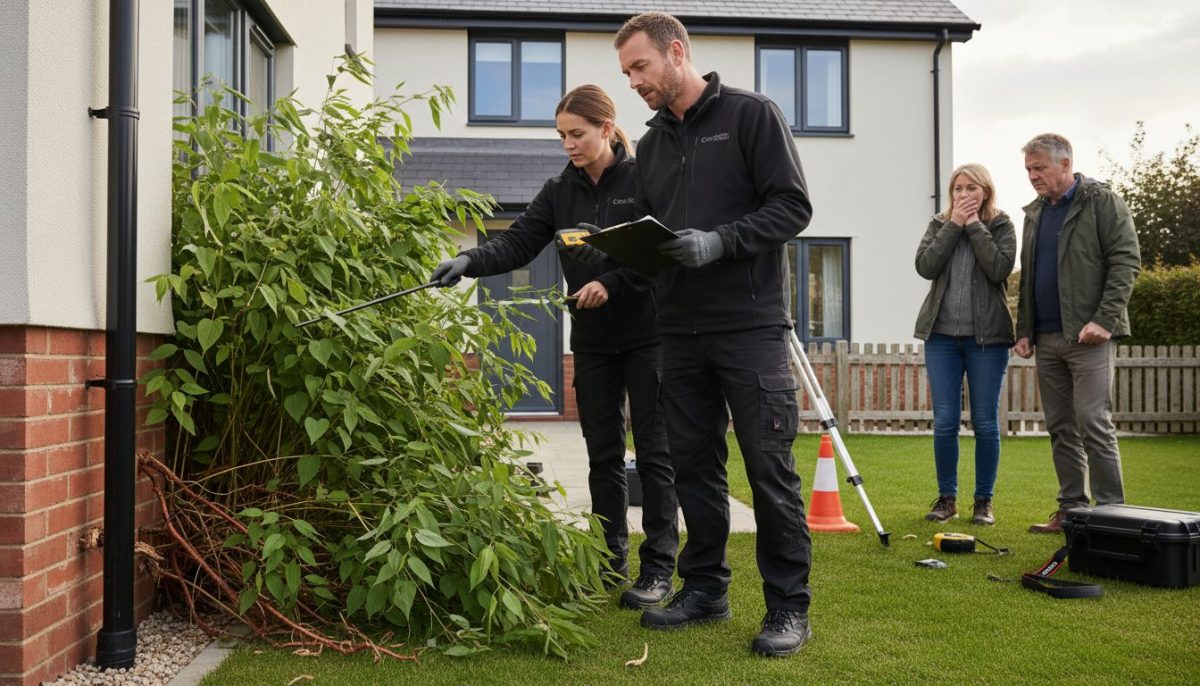
Japanese knotweed can reduce property values by up to 20 percent, yet many homeowners remain unaware of the growing threat it poses. This invasive plant spreads with astonishing speed, using its resilient roots to invade gardens, foundations, and even roads. Understanding how Japanese knotweed multiplies and why it is so difficult to control helps property owners protect both their investments and local environments from long-term damage.
Table of Contents
- What Is Japanese Knotweed and Why It Spreads
- How Knotweed Damages Properties and Land
- Legal Obligations for Knotweed in the UK
- Risks for Homebuyers and Mortgage Seekers
- Chemical-Free Eradication and Best Solutions
Key Takeaways
| Point | Details |
|---|---|
| Invasive Nature | Japanese knotweed is a highly aggressive species capable of causing significant ecological and structural damage, spreading rapidly through small rhizome fragments. |
| Legal Obligations | Property owners must prevent the spread of knotweed, manage it properly, and disclose its presence in transactions to avoid severe legal and financial consequences. |
| Impact on Property Value | Properties with confirmed knotweed infestations face reduced values and may struggle with mortgage approvals and resale challenges. |
| Innovative Management Solutions | Traditional chemical treatments are under scrutiny; non-chemical methods and professional intervention are increasingly recommended for effective eradication. |
What Is Japanese Knotweed and Why It Spreads
Japanese knotweed is an extraordinarily aggressive invasive plant species that poses significant risks to property and native ecosystems. Originally introduced from East Asia, this perennial plant has earned a notorious reputation for its rapid spread and destructive capabilities. According to gov.uk, Japanese knotweed thrives in diverse soil conditions, particularly in man-made environments like roadsides, waste grounds, and railway embankments.
What makes this plant truly remarkable is its extraordinary ability to propagate. Rhizome fragments as tiny as 1 centimeter can generate entirely new plant colonies, making it incredibly challenging to control. Natural Resources Wales highlights that these small fragments can rapidly form dense vegetation stands that effectively outcompete native plant species.
The plant’s spread mechanism is both sophisticated and problematic. Japanese knotweed reproduces through:
- Underground rhizome networks
- Stem fragment transportation
- Incredibly resilient root systems
- Minimal soil disturbance requirements
Homeowners and property managers must understand that this plant is not just another weed.
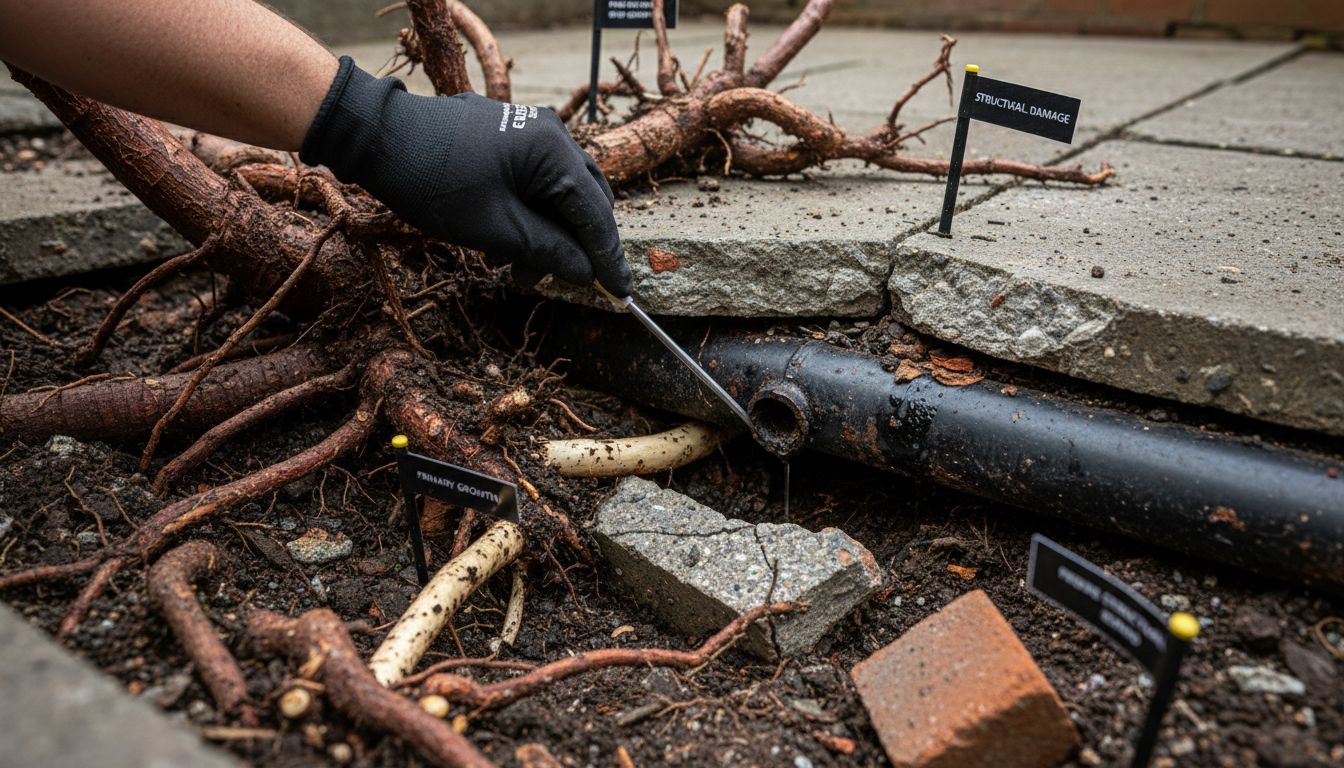 It can cause significant structural damage, compromise building foundations, and dramatically reduce property values. Its ability to grow through concrete, tarmac, and building foundations makes it a formidable ecological challenge that requires professional intervention.
Understanding the origins of Japanese knotweed and its unique spread characteristics is the first step in developing an effective management strategy. Each year, thousands of properties are impacted by this invasive species, making early detection and professional treatment critical for property preservation.
How Knotweed Damages Properties and Land
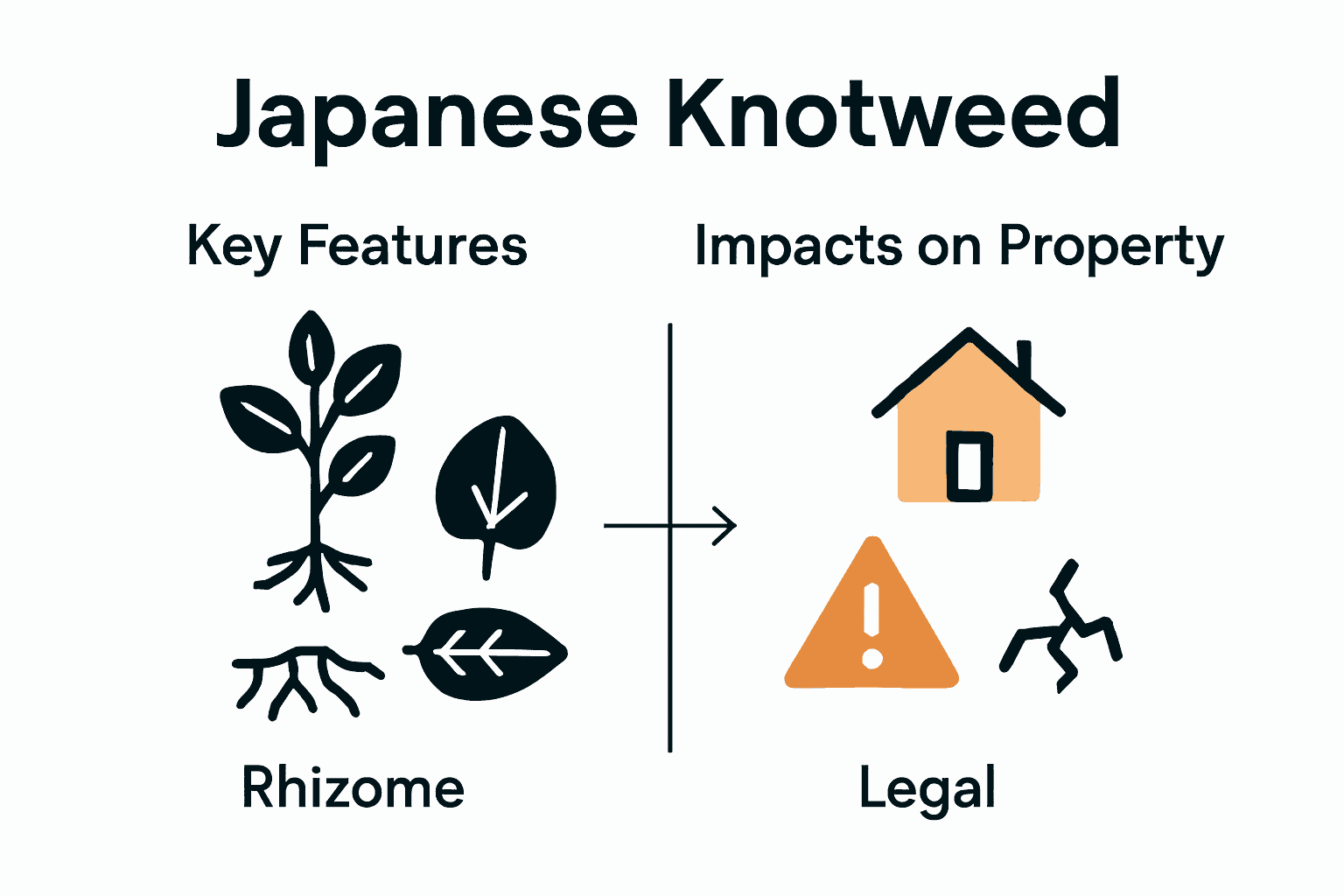
Japanese knotweed represents an extraordinary threat to property infrastructure and land value, capable of causing extensive and costly damage. According to Hull City Council, this invasive plant can forcefully penetrate concrete and brick structures, creating substantial structural risks for buildings and roads. Structural compromise is not just a potential concern but a serious reality for property owners.
The plant’s aggressive root system, known as rhizomes, enables it to grow through the smallest cracks and foundation weaknesses. These underground networks can expand rapidly, destabilizing building foundations, driveways, patios, and underground utilities. Bristol City Council confirms that knotweed grows in dense clusters, systematically preventing native plant growth and causing significant ecological disruption.
Specific property damage risks include:
- Compromising building foundations
- Cracking concrete and brick structures
- Damaging underground pipes and drainage systems
- Reducing property market value
- Creating expensive remediation requirements
The economic impact of Japanese knotweed can be devastating.
 Mortgage lenders often refuse properties with confirmed infestations, and removal costs can range from thousands to tens of thousands of pounds. Exploring the consequences of letting Japanese Knotweed spread reveals that early detection and professional intervention are crucial to mitigating potential financial losses.
Beyond physical infrastructure, Japanese knotweed also poses significant environmental challenges. Its rapid growth suppresses biodiversity by outcompeting native plant species, creating monocultural landscapes that disrupt local ecosystems. Homeowners and land managers must treat this invasive species as a serious threat requiring immediate, professional intervention.
Legal Obligations for Knotweed in the UK
Navigating the legal landscape of Japanese knotweed can be complex for property owners, with specific responsibilities that carry significant consequences. According to Gov.uk, landowners have a critical legal duty to prevent Japanese knotweed from spreading off their property. Ecological contamination is not just an environmental concern but a potential legal liability that can result in substantial penalties.
Natural Resources Wales clarifies an important legal nuance: while it is not an offense to have Japanese knotweed on your land, it is strictly prohibited to plant or allow it to grow in the wild. This distinction is crucial for property owners to understand, as controlled waste regulations apply stringently to knotweed management.
Key legal obligations for property owners include:
- Preventing knotweed spread beyond property boundaries
- Properly disposing of knotweed waste at licensed facilities
- Documenting and reporting knotweed infestations
- Implementing professional eradication strategies
- Disclosing knotweed presence during property transactions
The financial and legal implications of mismanaging Japanese knotweed can be severe. Mortgage lenders, insurance companies, and potential buyers may impose significant restrictions or penalties for improper knotweed management. For a comprehensive understanding of your specific legal responsibilities, consult our guide on Japanese Knotweed legal obligations.
Professional intervention is not just recommended but often legally necessary.
Failure to control Japanese knotweed can lead to civil claims, potential prosecution, and substantial financial penalties. Property owners must treat knotweed management as a critical legal and environmental responsibility, requiring expert assessment and systematic eradication to mitigate potential legal risks.
Risks for Homebuyers and Mortgage Seekers
Purchasing a property with Japanese knotweed can transform what seems like a dream investment into a financial nightmare. Knowsley Council emphasizes that this invasive plant spreads rapidly and can cause significant property damage, making it a critical consideration for potential homebuyers. Mortgage risk extends far beyond simple landscaping concerns, potentially threatening the entire property transaction.
Mortgage lenders have become increasingly stringent about Japanese knotweed, often requiring comprehensive surveys and treatment plans before approving financing. Properties with confirmed knotweed infestations can experience dramatic value reductions, with some lenders refusing to provide loans altogether. The presence of Japanese knotweed can create a cascading series of financial complications that impact not just the current property owner, but potential future sellers as well.
Key risks for homebuyers include:
- Potential mortgage application rejection
- Significant property value depreciation
- Expensive eradication and remediation costs
- Potential legal disputes with previous property owners
- Challenges in future property resale
Navigating these risks requires thorough due diligence. Professional property surveys become essential, with specialized invasive plant assessments providing crucial insights before completing a purchase. Understanding the laws regarding Japanese Knotweed can help potential buyers protect themselves from unexpected financial burdens.
For mortgage seekers, Japanese knotweed represents more than an environmental nuisance. It’s a potential deal-breaker that can derail property transactions, impact insurance options, and create long-term financial liabilities. Proactive assessment, professional consultation, and comprehensive treatment plans are not just recommended—they’re becoming an absolute necessity in today’s property market.
Chemical-Free Eradication and Best Solutions
Traditional chemical treatments for Japanese knotweed are becoming increasingly scrutinized, pushing innovative property owners towards more environmentally conscious eradication methods. Natural Resources Wales strongly cautions against common misconceptions, specifically warning that conventional approaches like strimming, flailing, or mowing can dramatically increase the plant’s spread and potentially constitute a legal offense.
Chemical treatments, while historically prevalent, present significant environmental and health risks. Gov.uk acknowledges that herbicide spraying or stem injection can be effective, but often requires multiple treatments and carries potential ecological side effects. Non-chemical solutions are emerging as more sustainable and comprehensive approaches to long-term knotweed management.
Effective chemical-free eradication strategies include:
- Targeted electrical treatment
- Systematic root zone disruption
- Precise excavation techniques
- Comprehensive root barrier installations
- Biological control methods
Advanced non-chemical techniques leverage innovative technologies that directly target the plant’s internal cellular structure. By delivering precise energy treatments, these methods can systematically deplete the knotweed’s extensive underground rhizome network without introducing harmful chemicals into the environment. Explore our blog for deeper insights into Japanese knotweed management to understand the latest breakthrough technologies.
Successful knotweed eradication requires a holistic, scientifically informed approach. Professional assessment, precise intervention, and ongoing monitoring are crucial to ensuring complete plant elimination. Property owners must move beyond traditional chemical treatments and embrace innovative, environmentally responsible solutions that offer long-term protection against this persistent invasive species.
Protect Your Home from Japanese Knotweed Damage Today
Japanese Knotweed is more than just a plant problem. It threatens your property with foundation damage, legal risks, and financial loss. The article shows how this invasive species spreads rapidly through tiny rhizome fragments and underground networks. It is frustrating to face costly repairs or mortgage denials because of this aggressive weed. You need a solution that stops Japanese Knotweed at the source without harmful chemicals that risk spreading the plant further.

Take control with professional chemical-free treatments from Japanese Knotweed Agency. Our pioneering technology delivers targeted energy up to 5000 volts onsite causing internal cell damage deep in the rhizome network. We also specialize in root barrier installations and excavation works to provide a long-term defense. Avoid escalating costs and protect your property value. Get a thorough property survey for invasive weeds across England, Wales, and Ireland. Act now before your Japanese Knotweed problem worsens by visiting Japanese Knotweed Agency and securing your home with expert help.
Frequently Asked Questions
What is Japanese knotweed and why is it a concern?
Japanese knotweed is an aggressive invasive plant that can cause significant structural damage to properties and reduce property values. Its rapid spread and ability to penetrate building foundations make it a major ecological and economic threat.
How does Japanese knotweed damage properties?
Japanese knotweed’s extensive rhizome network can compromise building foundations, crack concrete, damage underground utilities, and create expensive remediation requirements. Its invasive nature prevents native plant growth and disrupts local ecosystems.
What legal obligations do property owners have regarding Japanese knotweed?
Property owners must prevent the spread of Japanese knotweed beyond their property, dispose of it properly, document infestations, and report them. Failing to manage knotweed can result in legal liabilities and financial penalties.
What are some effective chemical-free methods for eradicating Japanese knotweed?
Effective chemical-free methods include targeted electrical treatment, root zone disruption, precise excavation, root barrier installations, and biological control methods. These strategies focus on eliminating the plant without introducing harmful chemicals into the environment.