
Why Invasive Species Matter for UK Property Owners

Selling or buying a home in England or Wales can become stressful when Japanese Knotweed threatens a smooth property transaction. This invasive plant is notorious for causing severe structural damage and can reduce land value, making chemical-free solutions a priority for many homeowners. Understanding exactly what invasive species are and how they differ from harmless non-native plants is essential to avoid costly surprises. You will discover clear guidance on effective chemical-free strategies and formal eradication plans trusted by professionals.

Table of Contents

Key Takeaways

Point Details
Understanding Invasive Species Invasive species are non-native organisms that cause significant ecological and economic harm in their new environments. Prompt identification and management are crucial to mitigate their impact.
Legal Responsibilities Homeowners have a legal obligation to prevent the spread of invasive species, including proper reporting, disposal, and compliance with wildlife laws. Failure to comply can result in financial penalties and legal issues.
Health and Property Risks Invasive species infestations pose serious risks, including disease transmission and structural damage, which can significantly decrease property value. Regular inspections and professional assessments can help identify potential issues early.
Chemical-Free Management Strategies Effective management of invasive species can be achieved through non-chemical methods such as physical removal, site restoration, and proper sanitisation of equipment. Implementing a comprehensive management plan is essential for long-term success.

Defining invasive species and major myths

Invasive species represent non-native organisms that cause substantial ecological and economic disruption in their introduced environments. Unlike harmless non-native species, these organisms rapidly spread and fundamentally transform existing ecosystems. Non-native species information reveals that over 3,000 such species exist in Britain, presenting significant challenges for environmental management.

The primary characteristics of invasive species include:

  • Rapid reproduction and spread
  • Ability to outcompete native species
  • Significant potential to alter habitat structures
  • High resilience to environmental controls
  • Capacity to cause economic damage

Biological invasion occurs through multiple pathways, often facilitated by human activities such as international trade, gardening, and accidental transportation. Invasive species research demonstrates that these organisms can introduce diseases, disrupt food chains, and dramatically reduce local biodiversity.

Common myths about invasive species often mislead property owners. Many believe these organisms are merely aggressive plants or animals, when in reality, they represent complex ecological challenges that require professional intervention. Some property owners underestimate the potential damage, assuming small populations pose minimal risk. However, invasive species can rapidly spread, causing structural damage and reducing property values.

Pro tip: Always consult ecological professionals when identifying potential invasive species on your property to prevent long-term environmental and financial consequences.

Key invasive plants affecting UK properties

Invasive plant species pose significant challenges for UK property owners, with certain botanical invaders causing extensive damage to landscapes and structures. Non-native species research highlights several key species that demand immediate attention and professional management.

The most problematic invasive plants in UK properties include:

  • Japanese Knotweed: Notorious for causing structural damage
  • Giant Hogweed: Produces harmful sap that can cause severe skin burns
  • Himalayan Balsam: Rapidly spreads and overwhelms native vegetation
  • Floating Pennywort: Clogs waterways and disrupts aquatic ecosystems
  • Himalayan Knotweed: Aggressive growth pattern threatening property foundations

University research on garden plants reveals additional ornamental species with invasive potential, such as Mexican fleabane, cypress spurge, and purple top. These seemingly harmless plants can quickly transform from attractive garden additions to aggressive ecological threats.

Property owners must understand that invasive plants are not merely aesthetic concerns but significant ecological and structural risks. These organisms can penetrate building foundations, compromise drainage systems, and create expensive remediation challenges. Some species like Japanese knotweed can grow through concrete, causing devastating property damage that may substantially reduce land value.

To clarify how common UK invasive plant species compare regarding impact and management urgency, see the table below:

Plant Species Typical Impact on Property Management Priority
Japanese Knotweed Severe structural damage Extremely urgent
Giant Hogweed Health hazard and soil erosion High
Himalayan Balsam Loss of native plants Moderate
Floating Pennywort Waterway blockage High
Himalayan Knotweed Foundation risk High

Pro tip: Conduct regular garden inspections and consult ecological professionals to identify and manage potential invasive plant species before they establish extensive root systems.

Property and health risks from infestations

Invasive species research reveals significant health and property risks associated with invasive species infestations across UK properties. These biological invaders pose complex challenges that extend far beyond simple aesthetic concerns, potentially compromising both structural integrity and human health.

Key health and property risks include:

  • Disease transmission: Rodent infestations spread dangerous pathogens
  • Structural damage: Invasive organisms can compromise building foundations
  • Property devaluation: Infestations can reduce land and home values
  • Ecosystem disruption: Invasive species alter local environmental balances
  • Economic burden: Remediation and management require substantial financial investment

Economic impact studies demonstrate that invasive species generate enormous economic challenges, with potential costs exceeding £5 billion over 40-50 years. Rat populations, for instance, not only carry serious diseases like leptospirosis and salmonellosis but can also cause extensive property damage through continuous gnawing and contamination.

Beyond immediate health concerns, invasive species like Japanese knotweed can cause profound structural damage. These organisms can penetrate concrete, destabilise foundations, and create long-lasting environmental and financial challenges for property owners. The risks extend to potential legal complications, insurance challenges, and significant remediation expenses.

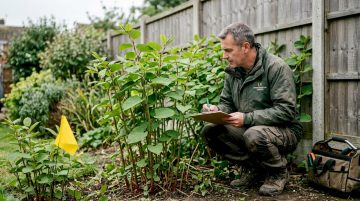
Surveyor inspects knotweed garden damage

Pro tip: Invest in regular professional pest and invasive species inspections to detect and address potential infestations before they become catastrophic.

Invasive species regulations place significant legal obligations on UK property owners regarding management and control of non-native species. Homeowners must proactively prevent the spread of invasive organisms, with potential legal consequences for non-compliance.

Key legal responsibilities include:

  • Preventing species spread: Legally mandated to stop invasive species from reproducing or escaping
  • Proper disposal: Requirement to manage and eliminate invasive plant and animal materials
  • Reporting obligations: Duty to inform relevant authorities about significant infestations
  • Compliance with wildlife laws: Adherence to Wildlife and Countryside Act 1981
  • Risk management: Proactive identification and mitigation of invasive species risks

Government guidance on invasive species emphasises strict regulations surrounding invasive plants. Property owners can face substantial fines and potential prosecution for allowing listed invasive species to spread or reproduce. The legal framework covers both intentional and unintentional spread, making comprehensive property management crucial.

Infographic summarizing legal duties for invasive species

The potential consequences of non-compliance extend beyond financial penalties. Homeowners might encounter challenges with property sales, insurance claims, and potential civil liability if invasive species cause damage to neighbouring properties. Professional surveys and documented management strategies can provide critical protection against these legal risks.

The following table summarises key differences between legal and practical homeowner obligations regarding invasive species:

Obligation Type Main Focus Example Actions
Legal Requirement Preventing legal breaches Reporting infestations, proper disposal
Practical Action Reducing risk and long-term cost Regular surveys, expert intervention

Pro tip: Maintain comprehensive documentation of invasive species management efforts and seek professional ecological assessments to demonstrate legal compliance.

Chemical-free eradication and management options

Biosecurity guidance offers comprehensive strategies for managing invasive species without relying on chemical treatments. Property owners can implement several effective non-chemical approaches to control and prevent the spread of invasive organisms while minimising environmental impact.

Key chemical-free management techniques include:

  • Physical removal: Manual extraction of invasive plants and roots
  • Cutting and containment: Regular cutting to prevent seed dispersal
  • Targeted burning: Controlled incineration of plant materials
  • Site restoration: Replanting with native species to prevent reinvasion
  • Equipment sanitisation: Thorough cleaning of tools and clothing between sites

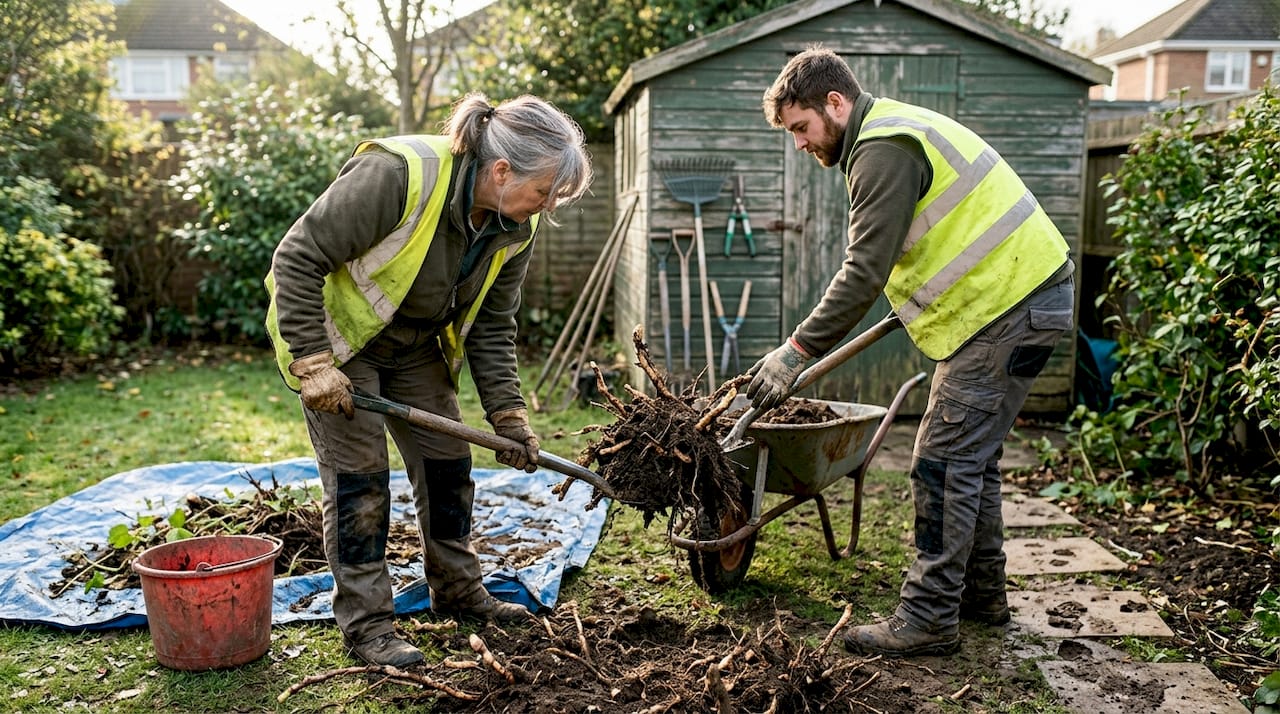
Government guidance emphasises the importance of comprehensive management strategies. Physical methods such as pulling, digging, cutting, and careful disposal can effectively control invasive species. Each approach requires meticulous implementation to prevent accidental spread and minimise potential ecological disruption.

Successful chemical-free management demands a holistic approach. Property owners must understand specific invasive species’ growth patterns, implement consistent control measures, and monitor treatment sites. Post-treatment restoration with native plant species plays a crucial role in preventing future invasions and supporting local ecosystem recovery.

Pro tip: Develop a comprehensive, long-term management plan that combines multiple non-chemical control techniques and consistently monitors treated areas.

Take Control of Invasive Species Threats to Your Property Today

Understanding the danger invasive species pose to UK properties is the first step in protecting your home and land from costly damage and complex legal challenges. From the relentless spread of Japanese Knotweed to harmful health risks posed by invasive plants and animals, these issues require expert, chemical-free solutions designed to halt the problem at its source.

https://japaneseknotweedagency.co.uk

Partner with the Japanese Knotweed Agency to benefit from pioneering chemical-free eradication methods that target invasive species at the root. Our innovative high voltage treatments effectively deplete the rhizome network’s energy, preventing regrowth and minimising ecosystem disruption. We also provide professional property surveys across England, Wales, and Ireland to identify risks early and install root barriers or conduct excavation works where necessary.

Don’t wait for invasive species to cause irreparable harm or legal consequences. Visit Japanese Knotweed Agency now and secure expert support to safeguard your property and health with proven, eco-friendly techniques.

Frequently Asked Questions

What are invasive species and why are they a concern for property owners?

Invasive species are non-native organisms that cause significant ecological and economic disruption. They can rapidly spread, outcompete native species, and cause structural damage to properties, leading to reduced property values and increased management costs.

How can I identify invasive plants on my property?

Common invasive plants include Japanese Knotweed, Giant Hogweed, and Himalayan Balsam. Look for aggressive growth patterns, potential structural threats, and harm to local ecosystems. If unsure, consult with ecological professionals for identification and management strategies.

Property owners are mandated to prevent the spread of invasive species, properly dispose of invasive materials, report significant infestations to relevant authorities, and comply with laws like the Wildlife and Countryside Act 1981. Non-compliance can result in fines and property devaluation.

What are effective non-chemical methods for managing invasive species?

Chemical-free management techniques include manual removal, regular cutting to prevent seed dispersal, targeted burning, site restoration with native plants, and equipment sanitisation. A comprehensive management plan that combines these methods is essential for long-term success.

什么是日本结缕草及对英国房产的影响

购房或再抵押时,许多British房主都面临着日本结缕草这样的入侵植物带来的困扰。这种原产于East Asia的多年生草本植物,仅仅一厘米的根茎碎片就能迅速再生,成片扩散到邻地,严重影响房产交易和贷款审批。专业化学处理及根系隔离方案,成为守护房产价值和法律合规的关键选择。

目录

关键要点

要点 详情
日本结缕草是一种极具破坏性的入侵植物 其强大的生根能力和繁殖速度使其成为房地产的重大风险。
法律要求房主进行管理 房主必须防止日本结缕草扩散,并妥善处理受污染的土壤。
专业处理至关重要 选择有资质的专业团队进行治理可以有效降低未来风险和修复成本。
房产交易需做专业调查 在买卖房产前,进行日本结缕草的调查可以减少交易风险,保护房产价值。

日本结缕草基本定义与常见误区

日本结缕草是一种极具破坏性的入侵植物,在英国房产市场中备受关注。这种源自东亚地区的多年生草本植物以其强大的生存能力和惊人的生长速度而闻名。日本结缕草的基因特性显示,它具有极强的繁殖能力,仅仅一小段根茎就能迅速生长成完整的植株。

日本结缕草的主要特征包括:

  • 原产于日本、中国和韩国
  • 通过地下根茎和茎的碎片快速繁殖
  • 遗传单一性,几乎所有英国的日本结缕草都源自同一无性繁殖母株
  • 对环境具有极强的适应能力

关于日本结缕草,存在许多常见的误解。许多房主错误地认为:

  1. 通过种子繁殖是其主要传播方式
  2. 只需简单的除草方法就能完全清除
  3. 它的根茎蔓延范围有限

事实上,日本结缕草的根茎系统极其复杂,可以深入地面3米以上,并且横向蔓延范围可达7米。这种植物不仅仅是一种普通的杂草,而是一种对建筑和土地构成严重威胁的入侵物种。

实用技巧在购买或出售房产时,务必进行专业的日本结缕草调查,以避免潜在的昂贵修复成本。

生长特性与繁殖方式解析

日本结缕草的生长特性令人惊叹,其强大的繁殖能力使其成为英国最具挑战性的入侵植物之一。根茎扩展研究表明,这种植物的地下茎生长范围通常在2-2.5米之间,极端情况下可达4米。

日本结缕草的繁殖方式主要包括:

  • 通过地下根茎无性繁殖
  • 极小的根茎碎片(仅1厘米)即可生长
  • 快速克隆扩展
  • 对环境条件适应性极强

其生长过程具有以下关键特点:

  1. 根茎再生能力极强
  2. 夏季可开白色小花
  3. 生长速度惊人
  4. 可穿透建筑基础和路面

专业提示对于房产业主来说,及早发现和专业处理日本结缕草至关重要,可以有效避免巨大的修复成本。

房产中介正在检查房屋地基附近的虎杖根部情况。

英国法律对房主的管理要求

在英国,日本结缕草的管理已成为房主必须严肃对待的法律问题。自然环境保护法规明确规定,房主有义务防止这种入侵植物从其土地蔓延至周边区域。

房主面临的主要法律要求包括:

  • 防止日本结缕草扩散到邻居土地
  • 控制植物生长范围
  • 妥善处理受污染的土壤
  • 遵守植物管制规定

具体的法律风险主要体现在:

  1. 未能控制植物蔓延可能触犯民事侵权法
  2. 可能收到地方政府的社区保护令
  3. 可能面临经济赔偿诉讼
  4. 土地处置和销售将受到严格限制

专业建议及时进行专业的日本结缕草调查和管理,不仅可以避免法律纠纷,还能有效保护房产价值。

化学免除处理及根系隔离方法

日本结缕草的根系管理是一项复杂且专业的工程。政府指导规范明确要求必须由具备资质的专业人员实施化学处理,禁止私自操作。

化学处理的主要方法包括:

  • 使用获得批准的草甘膦类除草剂
  • 多年持续性施药
  • 精准定位喷洒
  • 严格控制处理范围

根系隔离的技术路径主要有:

  1. 安装专业地下根系屏障
  2. 深度挖掘并更换受污染土壤
  3. 建立隔离物理屏障
  4. 定期监测根系生长状况

专业建议选择经验丰富的专业团队进行日本结缕草处理,可显著降低后续蔓延风险。

以下为英国主要日本结缕草处理方法对比,便于房主选择最适合方案:

处理方法 成本估算 成功率 所需时间
化学除草 中等,数千英镑 70-90% 2-3年持续
根系隔离 较高,数万英镑 95%以上 1-2月完成
单纯割除 低,但效果差 低于20% 需长期重复

房产买卖与再抵押的风险影响

日本结缕草对英国房地产市场构成显著风险。学术研究显示,其存在会导致房产估价下降、交易延迟以及贷款成本增加。这种入侵植物不仅影响房产价值,还可能严重影响房主的融资能力。

房产交易中的主要风险包括:

  • 房产估值直接下降
  • 抵押贷款审批难度增加
  • 潜在买家可能退出交易
  • 维修和处理成本显著提高

具体风险评估需要关注的关键因素:

  1. 结缕草生长范围和程度
  2. 专业除草报告的详细程度
  3. 历史处理记录
  4. 未来可能的蔓延风险

专业提示在房产交易前务必进行专业的日本结缕草调查,并获取详细的处理报告,这将有助于降低交易风险和维护房产价值。

下表总结了日本结缕草在不同阶段对房产可能造成的影响,有助于房主全面了解潜在风险:

阶段 主要影响 房产损失预估 风险管理建议
初期发现 建筑轻微受损 估值下降1-5% 尽早专业治理
大面积蔓延 建筑结构裂缝 估值下降10-15% 化学和物理联合处理
未治理转售 买家流失,融资困难 交易延迟严重,贷款受阻 提供完整处理报告

房产受日本结缕草影响及防治措施一览图

解决英国房产日本结缕草困扰的专业选择

面对文章中提到的日本结缕草强大根茎扩展和快速繁殖能力,许多房主感到无从下手。您可能正在担忧其对房产估值和交易风险的严重影响,也可能担心普通除草方法难以根除,甚至引发法律责任。正如文章强调的,专业彻底的处理和根系隔离是核心关键。

Japanese Knotweed Agency开创无化学药剂处理技术,利用高达5000伏的能量直接破坏结缕草细胞内部结构,精准缜密地切断根茎生长链。我们同时提供根系隔离屏障安装及土壤挖掘服务,保障您的房产环境安全无忧。无论是首次调查还是持续管理,我们覆盖英格兰、威尔士和爱尔兰全境,助您实现全面有效的控制和消除。

了解更多我们的专业服务,查看详细的房产调查方案

https://japaneseknotweedagency.co.uk

现在就行动起来,防止日本结缕草侵蚀您的房产价值和贷款资格。点击访问Japanese Knotweed Agency官网预约专业咨询,让专家团队帮您制定科学方案,确保彻底清除和长效保障。越早处理,越少烦恼。

常见问题

日本结缕草是什么?

日本结缕草是一种极具破坏性的入侵植物,原产于东亚地区,以其强大的生存能力和快速繁殖为特点,主要通过地下根茎扩散。

日本结缕草对房产的影响有哪些?

日本结缕草的生长可导致建筑受损,房产估值下降,并可能导致融资困难、交易延迟以及潜在买家退出交易。

如何识别日本结缕草?

日本结缕草通常具有绿色的茎、宽大的心形叶子,夏季开白色小花,并且其根系可深入地下、迅速横向蔓延。

如何处理日本结缕草?

处理日本结缕草可以使用获得批准的草甘膦类除草剂进行化学处理,或安装地下根系屏障进行根系隔离,最好由专业人员实施管理。

推荐

7 Essential Property Buying Checklist Invasive Weeds Tips

Spotting invasive weeds on a potential property in England or Wales can feel overwhelming, especially when some species are easy to overlook during a viewing. Missing these hidden threats could mean facing expensive removal bills, legal headaches, and even trouble selling or mortgaging your home later. Knowing what to look for and how to handle the risks puts you in control from the very start.

This guide brings together the most important steps for recognising and dealing with invasive plant species before buying a property. You will discover clear checks, expert-approved approaches, and practical tips for protecting your investment and staying on the right side of the law. Learn how simple actions now can save you major stress and expense down the line.

Table of Contents

Quick Summary

Takeaway Explanation
1. Identify Invasive Weeds Recognising invasive species like Japanese Knotweed can save you thousands in remediation costs.
2. Conduct Professional Surveys Always request a professional survey to identify potential invasive plants and mitigate risks before purchasing.
3. Review Survey Reports Carefully Scrutinise property survey reports for invasive species to avoid hidden ecological issues.
4. Consider Non-Chemical Solutions Explore chemical-free eradication methods for sustainable management of invasive weeds.
5. Obtain Guarantee for Treatment Ensure you secure comprehensive eradication guarantees to protect against future invasive species regrowth.

1. Know the Common Invasive Weeds to Spot

When purchasing a property in England or Wales, understanding invasive plant species is crucial for protecting your investment and complying with legal requirements. Common invasive weed species pose significant risks to property value, ecological balance, and potential legal complications.

The United Kingdom has strict regulations surrounding invasive plant species, with 36 specific plants banned from being planted or allowed to grow in the wild. Property buyers must be vigilant and recognise these potentially problematic plants before making a purchase.

Key invasive weeds to identify include:

  • Japanese Knotweed: Most notorious invasive species with extreme growth potential
  • Giant Hogweed: Dangerous plant causing skin burns and severe allergic reactions
  • Himalayan Balsam: Rapidly spreading plant that damages native ecosystems
  • Floating Pennywort: Aquatic weed that can quickly overtake water systems

Identifying these invasive species early can save thousands in potential removal and property remediation costs.

Detecting these plants requires careful observation during property viewings. Look for unusual growth patterns, distinctive leaf structures, and rapid spread across gardens or surrounding landscapes. Professional surveys can provide comprehensive identification and assessment.

Expert tip: Always request a professional invasive plant survey before finalising any property purchase to protect your investment and avoid potential legal complications.

2. Understand the Risks of Japanese Knotweed

Japanese knotweed represents one of the most problematic invasive plant species in the United Kingdom, presenting significant challenges for property owners and potential buyers. Risks of untreated knotweed can dramatically impact property values and structural integrity.

This aggressive plant species possesses extraordinary growth capabilities, with rhizome networks that can penetrate building foundations, walls, and drainage systems. Its ability to spread rapidly through tiny root fragments makes it particularly dangerous for property investments.

Key risks associated with Japanese knotweed include:

  • Structural damage to buildings and infrastructure
  • Potential reduction in property market value
  • Legal complications from uncontrolled growth
  • Expensive professional removal requirements
  • Challenges with mortgage lending and property sales

The presence of Japanese knotweed can reduce property values by up to 10% and potentially make a property unmortgageable.

Landowners have a legal responsibility to prevent knotweed spread beyond their property boundaries. Prosecution can occur if the plant is allowed to proliferate unchecked, making professional identification and management critical.

Expert tip: Always commission a professional Japanese knotweed survey before purchasing a property to understand potential risks and treatment requirements.

3. Check Property Survey Reports Thoroughly

Property survey reports are your critical defence against hidden ecological risks that could compromise your property investment. Knotweed property survey strategies can mean the difference between a sound purchase and a potential financial nightmare.

When reviewing property survey reports, potential buyers must be extraordinarily vigilant about potential invasive plant presence. Standard property surveys often overlook specific ecological risks, particularly those related to invasive species like Japanese knotweed.

Key elements to scrutinise in property survey reports include:

  • Specific invasive plant identification sections
  • Detailed botanical survey notes
  • Recommendations for further ecological assessment
  • Historical land use information
  • Photographic evidence of potential plant infestations

A comprehensive survey can save you thousands in potential remediation and property damage costs.

Mortgage lenders increasingly require detailed invasive species assessments, making thorough survey report examination not just prudent but potentially mandatory. Professional surveyors specialising in ecological assessments provide the most comprehensive insights into potential plant-related property risks.

Expert tip: Request a specialised ecological survey that specifically investigates invasive plant species if the standard property survey appears incomplete or vague.

4. Request a Specialist Invasive Weed Survey

Invasive weeds represent a significant hidden risk when purchasing property, potentially causing substantial damage and financial complications. Invasive plant survey strategies can protect your investment and provide crucial ecological insights.

A specialist invasive weed survey goes far beyond standard property inspections, delivering comprehensive botanical and ecological assessments that generic surveys frequently overlook. These targeted investigations identify potential plant risks that could compromise your property’s structural integrity and market value.

Key reasons to request a specialist survey include:

  • Detailed botanical identification
  • Comprehensive risk assessment
  • Mortgage lending requirements
  • Legal compliance documentation
  • Potential cost avoidance for future remediation

A specialist survey can save you thousands in potential property damage and legal complications.

Professional surveyors use advanced techniques to detect invasive plant species, including ground-penetrating radar and systematic botanical investigations. Their expertise helps identify subtle signs of plant infestations that untrained eyes might completely miss.

Expert tip: Always engage a certified ecological surveyor with specific expertise in invasive plant species, particularly those experienced in identifying Japanese knotweed and other problematic vegetation.

5. Review Chemical-Free Eradication Options

Environmentally conscious property buyers increasingly seek sustainable approaches to managing invasive plant species. Chemical-free treatment methods offer safer alternatives to traditional herbicide-based solutions.

Chemical-free eradication represents a holistic approach to managing invasive weeds that protects both environmental and human health. These methods focus on mechanical removal, natural barriers, and targeted ecological interventions rather than relying on potentially harmful chemical treatments.

Effective non-chemical eradication options include:

  • Hand pulling for smaller infestations
  • Root barrier installations
  • Physical excavation techniques
  • Targeted thermal treatment
  • Controlled smothering methods

Non-chemical approaches prioritise long-term ecological balance over short-term plant elimination.

Each eradication method requires careful assessment of the specific invasive species, site conditions, and potential environmental impact. Professional ecological consultants can help design targeted strategies that minimise disruption and prevent plant regrowth.

Expert tip: Combine multiple non-chemical techniques and maintain persistent monitoring to ensure complete and sustainable invasive weed management.

6. Look for Root Barrier and Excavation Services

Property buyers must understand the critical role of specialised root management services in protecting their investment from invasive plant species. Root barrier installation techniques represent a sophisticated approach to containing potentially destructive plant growth.

Root barrier and excavation services provide comprehensive protection against invasive weeds like Japanese knotweed, which can cause significant structural damage to buildings and infrastructure. These professional interventions create physical containment and prevent further plant spread.

Key considerations for root barrier and excavation services include:

  • Detailed site assessment
  • Professional rhizome mapping
  • Specialised membrane installation
  • Controlled soil removal techniques
  • Long-term management strategies

Proper root barrier installation can prevent costly future property damage and potential legal complications.

Professional services utilise advanced techniques such as vertical and horizontal membrane installations to create robust ecological barriers. These methods not only contain existing plant growth but also prevent potential future reinfestation.

Expert tip: Request comprehensive documentation and guarantees from root barrier specialists to ensure complete protection and compliance with environmental regulations.

7. Secure a Guarantee for Permanent Eradication

When dealing with invasive plant species, property buyers must prioritise obtaining robust professional guarantees that ensure complete long-term eradication. Insurance-backed guarantees provide critical financial and legal protection against potential plant regrowth.

A comprehensive eradication guarantee protects your property investment by offering structured management and legal recourse should invasive species reappear after professional treatment. These guarantees represent more than simple paperwork they are your financial safeguard against potential ecological and structural risks.

Key elements of a robust eradication guarantee include:

  • Detailed treatment documentation
  • Ongoing monitoring provisions
  • Clear regrowth response protocols
  • Financial compensation mechanisms
  • Legal compliance certification

A quality guarantee transforms invasive weed management from a risk into a managed, predictable process.

Professional treatment providers typically offer multi-year guarantees that cover potential plant resurgence, ensuring property owners have comprehensive protection against unexpected ecological challenges.

Expert tip: Always request a comprehensive written guarantee that explicitly outlines treatment methods, monitoring frequency, and specific financial protections against potential reinfestation.

Below is a summary table highlighting key topics, strategies, and considerations discussed in the article about identifying, managing, and mitigating risks associated with invasive weed species when purchasing properties in England and Wales.

Topic Key Points Benefits
Common Invasive Weeds Japanese Knotweed, Giant Hogweed, Himalayan Balsam, and Floating Pennywort can severely impact property value, ecology, and legal compliance. Early identification can save costs in removal and property remediation.
Evaluating Japanese Knotweed Risks Japanese Knotweed can cause structural damage, reduce property value, limit mortgage options, and necessitate expensive removal. Prevention of property devaluation and structural issues.
Reviewing Property Surveys Inspect surveys for invasive plant identification, ecological assessments, and past land usage. Professional surveys are essential for accurate detection. Increases confidence in property investment decisions and compliance with lending requirements.
Specialised Plant Surveys Conduct detailed ecological and botanical surveys to assess property for invasive species. Enhanced detection and management of potential risks to protect investment and comply with regulations.
Environmentally Friendly Eradication Chemical-free removal methods including hand pulling, root barriers, and thermal treatments offer sustainable alternatives to herbicides. Minimises environmental impact and promotes lasting ecological solutions.
Root Barrier and Excavation Services Installation of specialised root barriers and controlled excavation to prevent invasive plant spread and protect infrastructure. Ensures physical containment, elimination of infestations, and legal compliance.
Secure Professional Guarantees Obtain guarantees from treatment providers for long-term eradication, including documentation and monitoring provisions. Financial and legal assurance against future regrowth incidents.

Protect Your Property Investment from Invasive Weeds with Expert Solutions

The challenges of identifying and managing invasive weeds like Japanese Knotweed can feel overwhelming when buying a property. From hidden root damage to costly remediation, the risks are real and can severely impact your property’s value and legal standing. Japanese Knotweed Agency specialises in chemical free treatment methods that deliver powerful eradication without harming the environment. Our targeted energy-based technology attacks invasive plant rhizomes directly onsite, ensuring permanent elimination.

https://japaneseknotweedagency.co.uk

Don’t let invasive weeds jeopardise your property purchase. Benefit from our professional invasive weed surveys, expert root barrier installation and excavation services, and receive comprehensive support across England, Wales, and Ireland. Visit Japanese Knotweed Agency now to secure a guaranteed solution and protect your investment for the long term.

Frequently Asked Questions

What are the common invasive weeds I should look for when buying property?

Identifying invasive weeds like Japanese Knotweed, Giant Hogweed, Himalayan Balsam, and Floating Pennywort is crucial during property viewings. Watch for unusual growth patterns and distinctive leaf structures to spot these potentially problematic plants.

How can I effectively check property survey reports for invasive weed issues?

When reviewing property survey reports, look for sections that specifically identify invasive plants and detailed botanical notes. Pay attention to recommendations for further ecological assessments to ensure a thorough understanding of any risks.

Should I hire a specialist for an invasive weed survey?

Yes, engaging a specialist for an invasive weed survey can provide a detailed botanical and ecological assessment beyond standard property inspections. Request this survey to ensure you fully understand any potential plant risks that could affect your investment.

What are my options for eradication of invasive weeds without chemicals?

Consider non-chemical eradication methods such as hand pulling, root barrier installations, or controlled smothering. Evaluate these options based on the specific invasive species and site conditions to ensure effective management.

How can I secure a guarantee for eradication of invasive weeds?

To obtain a robust guarantee for eradication, request comprehensive documentation outlining treatment methods, ongoing monitoring, and response protocols for any potential regrowth. Ensure the guarantee offers clear financial protections for any future ecological challenges.

Why is it important to understand the risks of Japanese Knotweed?

Japanese Knotweed poses serious structural risks to properties and can significantly decrease market value. Understanding these risks helps you make informed decisions before purchasing a property.

日式结缕草去除流程:无化学药剂彻底治理方案

每一次购买或再抵押房产,许多英格兰和威尔士房主都会担心日式结缕草可能带来的结构和生态威胁。这种植物不仅影响房产价值,还会造成地基和花园的损害。面对结缕草问题,彻底且无化学药剂的治理方案显得格外重要。本指南将帮助房主系统掌握检测、处理与长效防控的关键步骤,有效守护您的资产安全。

目录

快速摘要

关键点 解释
1. 评估结缕草入侵范围 通过全面排查和绘图,确定结缕草的分布,以便制定治理策略。
2. 准备无化学处理设备 确保设备安全性和正确配置,以提高处理效率和成功率。
3. 实施高压能量处理 直接针对植物根系进行精准处理,以彻底消灭结缕草生存能力。
4. 安装根系屏障防复发 通过合适的防渗材料阻挡根系蔓延,保护房产长期不受影响。
5. 进行效果验收 定期检查处理效果,确保根系失活并防止结缕草复生。

步骤 1: 确认并评估结缕草入侵范围

了解结缕草入侵范围是根治这种顽固植物的第一步。在对房产进行全面评估时,需要专业且系统的方法来确定植物的实际扩散程度。

评估入侵范围的核心步骤包括:

  • 目视全面排查房产每一个角落
  • 仔细检查地表和地下区域
  • 绘制结缕草生长分布图
  • 测量生长区域的具体范围

对于房主而言,英国入侵杂草风险评估能帮助快速识别潜在危险区域。专业检测可以准确定位结缕草的生长范围,并评估其对房产结构的潜在威胁。

检测过程中,需要特别关注以下关键区域:

  1. 房屋地基周围
  2. 花园和庭院
  3. 车道和人行道
  4. 围墙和栅栏附近

结缕草的根系可以穿透混凝土和建筑材料,因此全面、彻底的检测至关重要。

通过系统和专业的方法,房主可以准确掌握结缕草的入侵情况,为后续治理制定精准策略。

专业建议: 在进行结缕草检测时,建议请专业团队进行全面评估,以确保不会遗漏任何潜在生长区域。

常见结缕草入侵重点区域与典型风险对照:

检查位置 潜在风险 特别关注点
地基周围 结构破坏 根系接近墙体
花园庭院 生态影响 与其他植物混生
车道人行道 混凝土受损 易被忽视裂缝处
围墙栅栏 根系穿透延展 邻近物业交叉蔓延

步骤 2: 准备无化学能量处理设备

在开始结缕草治理之前,正确准备无化学能量处理设备至关重要。这一步骤决定了后续处理的效率和成功率,需要专业且谨慎的操作。

准备设备需要关注以下关键点:

  • 检查设备的技术规格和性能参数
  • 确认设备的电压和能量输出范围
  • 准备必要的防护装备
  • 确保设备连接和接地系统安全

英国入侵杂草风险评估提供了专业设备选择的重要参考。无化学能量处理设备通常包括以下核心组件:

  1. 高压电源系统
  2. 专用电极
  3. 接地装置
  4. 安全防护设备

设备的精确控制和安全性是成功处理结缕草的关键因素。

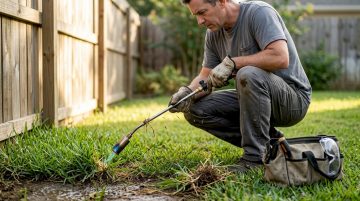
在实际操作中,需要仔细评估房产的具体情况,选择适合的设备配置。不同环境和结缕草生长情况可能需要调整设备参数。

技术人员正在为能源设备的作业做好各项准备工作。

专业建议: 在首次使用设备前,务必进行全面的设备检查和模拟测试,确保每个系统组件都能正常工作。

步骤 3: 实施直达根部高压能量处理

直达根部的高压能量处理是彻底根治结缕草的关键技术。这一步骤旨在通过精准的高压电能直接攻击植物根系,从根本上消灭结缕草的生存能力。

实施高压能量处理的具体操作步骤:

  • 确定植株根系分布区域
  • 调整电极精确定位
  • 控制电压和能量输出
  • 均匀覆盖根系生长范围

英国入侵杂草风险评估为这一过程提供了专业指导。高压能量处理的关键技术包括:

  1. 精确的电极放置
  2. 控制电压强度
  3. 确保能量均匀分布
  4. 避免对周围环境造成损害

高压能量处理的核心在于精准控制和全面覆盖,而非单纯的破坏性处理。

在实际操作中,需要根据结缕草的生长情况和根系分布,灵活调整处理策略。不同区域可能需要不同的能量输出和处理时间。

专业建议: 处理过程中要保持耐心和专注,确保每个区域都得到充分和均匀的能量处理。

步骤 4: 安装专业根系屏障防止复发

安装专业根系屏障是防止结缕草再次蔓延的关键防御措施。这一步骤不仅能够阻断植物根系的扩散,还能为房产提供长期的保护屏障。

安装根系屏障的关键流程包括:

  • 选择合适的防渗材料
  • 确定屏障安装深度
  • 精确定位屏障范围
  • 确保安装连续性和密封性

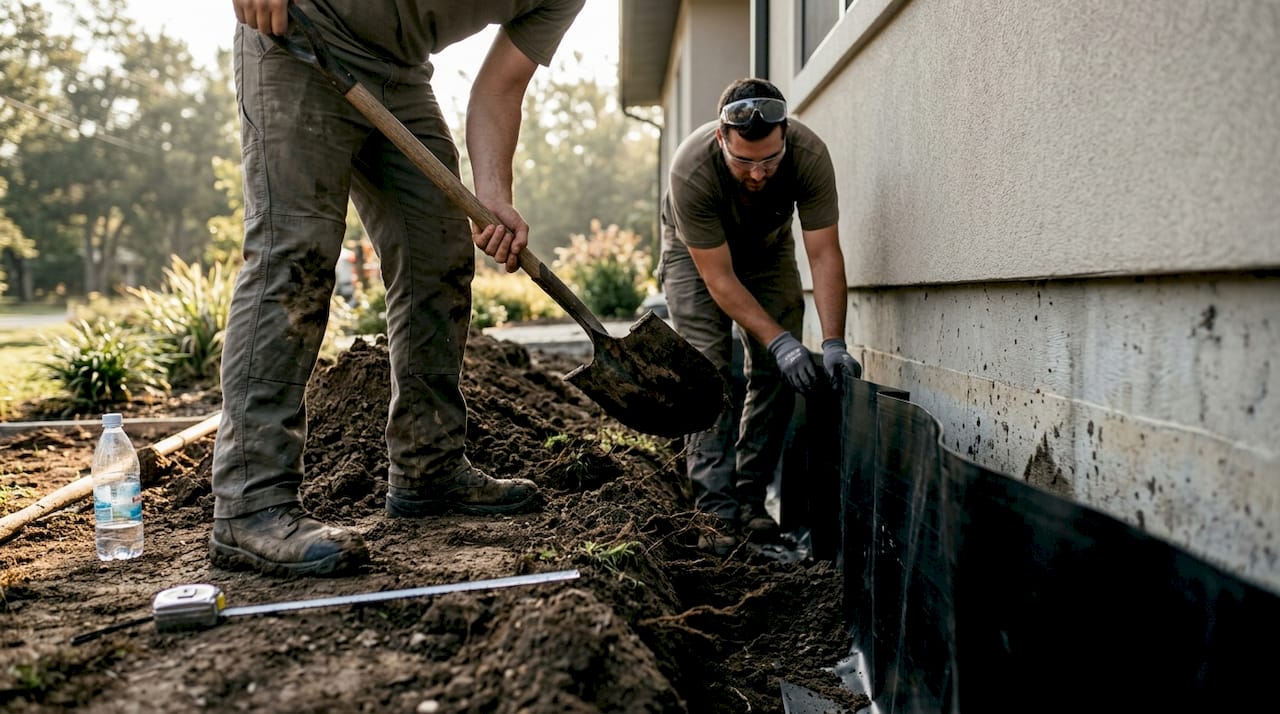
英国入侵杂草风险评估为根系屏障安装提供了专业指导。专业根系屏障安装的核心步骤:

  1. 挖掘预定屏障区域
  2. 铺设防根穿透膜
  3. 确保膜片无缝连接
  4. 回填并压实土壤

根系屏障的质量直接决定了防御结缕草再生的效果。

在实际操作中,需要根据房产的具体情况,选择合适的屏障材料和安装深度。不同地质和环境可能需要调整屏障的设计和安装方案。

专业建议: 安装根系屏障时,建议请专业团队进行现场评估和精确施工,以确保最大程度地阻断结缕草生长。

步骤 5: 检查并验收结缕草去除效果

验收结缕草去除效果是整个治理过程的关键总结环节。这一步骤不仅要确认处理是否彻底,还需要全面评估处理的长期有效性。

验收效果的关键检查要点包括:

  • 检查根系是否完全失活
  • 评估处理区域植被恢复情况
  • 确认无新的生长迹象
  • 分析土壤环境变化

入侵植物管理技巧为房主提供了专业的效果评估指南。专业验收的具体步骤:

  1. 目视检查根系状态
  2. 取土样进行深度检测
  3. 记录处理后的环境变化
  4. 评估长期防控效果

结缕草根系的完全失活是判断治理成功的关键标准。

在实际验收中,建议请专业团队进行全面和客观的评估。不同环境和处理方案可能需要采用不同的验收标准。

专业建议: 建议在处理后的6-12个月内进行多次跟踪检查,确保结缕草彻底根除。

以下表格总结了结缕草治理各步骤的目标与重点难点:

步骤编号 主要目标 关键难点 典型挑战
步骤 1 明确入侵分布范围 检测隐蔽区域 地下根系复杂
步骤 2 准备处理设备 设备安全合规 连接与参数设定
步骤 3 根部彻底处理 能量均匀覆盖 环境适应性
步骤 4 挡根防止复发 材料选择与密封性 屏障深度设计
步骤 5 彻底验收效果 长期跟踪监测 标准客观评估

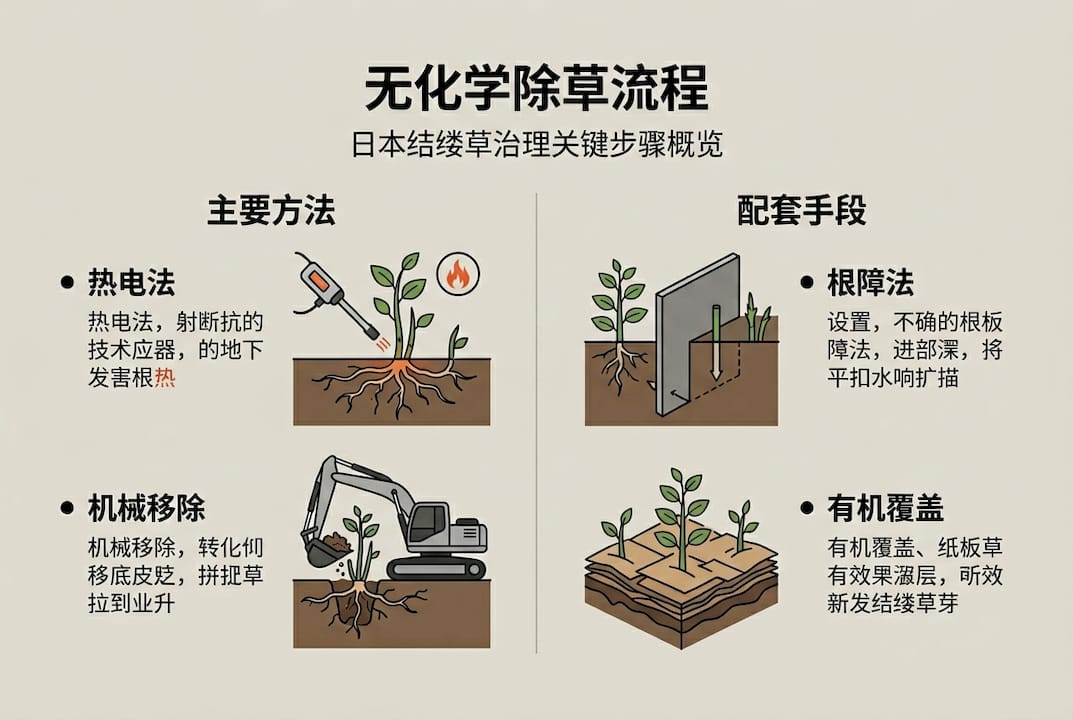
结缕草养护管理五大关键步骤一览图

打造无化学安全环境 完美根除结缕草

面对结缕草入侵带来的复杂挑战 您是否在寻找一种既环保又高效的彻底解决方案 本文介绍的无化学高压能量处理与根系屏障安装正是针对结缕草地下根系复杂难除的痛点精心设计的 这套方案不仅深度破坏根系能量 还防止复发 保护您的房产安全无忧

https://japaneseknotweedagency.co.uk

Japanese Knotweed Agency 专注于无化学药剂的结缕草治理 使用现场高达5000伏的直接能量 精准破坏细胞内部结构 彻底消耗根茎网络的能量资源 结合专业根系屏障安装 全面预防根系扩散 我们的专业团队覆盖英格兰 威尔士和爱尔兰地区 提供包括入侵杂草风险评估和挖掘工程在内的一站式解决方案 立即访问Japanese Knotweed Agency官网获取专业检测和咨询 让您的家园摆脱入侵植物的困扰 实现长久安全的生态环境 了解更多请浏览英国入侵杂草风险评估和入侵植物管理技巧 助力您科学管控结缕草 立即行动保障房产安稳 让专业护航您的绿色未来!

常见问题

如何确认结缕草的入侵范围?

确认结缕草的入侵范围需要进行全面的目视检查,并绘制生长分布图。请仔细检查房屋地基、花园、车道等区域,并记录生长情况。

准备无化学能量处理设备时需要注意什么?

准备设备时,要检查设备的技术规格和性能,确保安全接地和电压输出正常。务必确认所有防护装备齐全,并进行设备的模拟测试,保证其正常工作。

高压能量处理的最佳操作步骤有什么?

实施高压能量处理时,首先确定根系分布,然后调整电极位置并均匀控制电压输出。确保覆盖到所有根系生长区域,以实现彻底处理。

安装根系屏障时需要多深?

根系屏障的安装深度应视具体情况而定,一般推荐至少挖掘60厘米深,确保防渗材料有效阻挡根系扩散。安装时确保屏障的连续性和密封性。

如何检查结缕草去除的效果?

检查效果需要细致评估根系是否失活,并确认无新生长迹象。建议在处理后6-12个月内进行多次检查,确保治理的长期有效性。

推荐