Property Weed Risk – Impact on UK Homeowners

Selling or buying a home in the United Kingdom can quickly become stressful when invasive plants like Japanese Knotweed enter the picture. For many homeowners, discovering this aggressive weed means facing tough legal, financial, and structural threats that jeopardise both property value and peace of mind. Understanding the importance of integrated weed management and seeking chemical-free solutions helps you protect your investment and ensure a smoother property transaction.

Table of Contents

Key Takeaways

Point Details
Understanding Invasive Weeds Property weed risks, particularly from species like Japanese Knotweed, can cause severe structural damage and reduce property value significantly.
Legal Responsibilities UK homeowners must comply with regulations regarding invasive species to avoid legal penalties and potential property value loss.
Professional Surveys Recommended Conducting professional invasive plant surveys before property purchases can mitigate unexpected financial burdens and ensure legal compliance.
Effective Management Strategies Implementing non-chemical eradication methods and root barriers can effectively control invasive species and protect property investments.

Property Weed Risk Defined and Explained

Property weed risks represent complex environmental and legal challenges for UK homeowners, involving invasive plant species that can dramatically impact property value, structural integrity, and potential sale prospects. Understanding these risks requires comprehensive knowledge about different types of invasive weeds, their potential damage mechanisms, and legal implications.

Invasive weeds like Japanese Knotweed are particularly problematic, with capabilities that extend far beyond typical garden vegetation. These plants can penetrate structural foundations through seemingly impenetrable surfaces, causing significant structural damage that potentially reduces property marketability.

Key characteristics of problematic property weeds include:

  • Rapid and aggressive growth patterns
  • Ability to spread through underground root networks
  • Potential to compromise building foundations
  • High resilience to standard removal techniques
  • Legal reporting requirements for property transactions

Property weed risks are not merely aesthetic concerns but serious legal and financial challenges. Mortgage lenders frequently require comprehensive surveys to identify potential invasive plant risks before approving property transactions. Professional assessments help determine the extent of potential damage and recommend appropriate mitigation strategies.

Integrated weed management involves a strategic approach to identifying, evaluating, and addressing invasive plant species. This comprehensive method considers multiple factors:

  • Site-specific environmental conditions
  • Species identification
  • Potential economic impact
  • Long-term control strategies

Proper identification and prompt management of invasive weeds can save homeowners significant repair and legal expenses.

Pro tip: Always conduct a professional invasive plant survey before purchasing a property to understand potential hidden risks and avoid unexpected financial burdens.

Major Invasive Species Threatening Homes

Invasive plant species represent a significant threat to UK homeowners, with certain aggressive vegetation capable of causing substantial property damage and financial complications. Garden thugs pose serious risks to residential structures, transforming seemingly harmless landscaping into potential long-term property challenges.

The most problematic invasive species in the United Kingdom include:

  • Japanese Knotweed: Notorious for penetrating building foundations
  • Cherry Laurel: Rapid spreading and aggressive root development
  • Bamboo: Extremely persistent with complex underground networks
  • Leyland Cypress: Rapid growth that can compromise property boundaries

These invasive species can create complex legal and environmental challenges for homeowners. Their ability to spread quickly and cause structural damage means they are not merely gardening inconveniences but serious property risk factors that can dramatically impact land value and mortgageability.

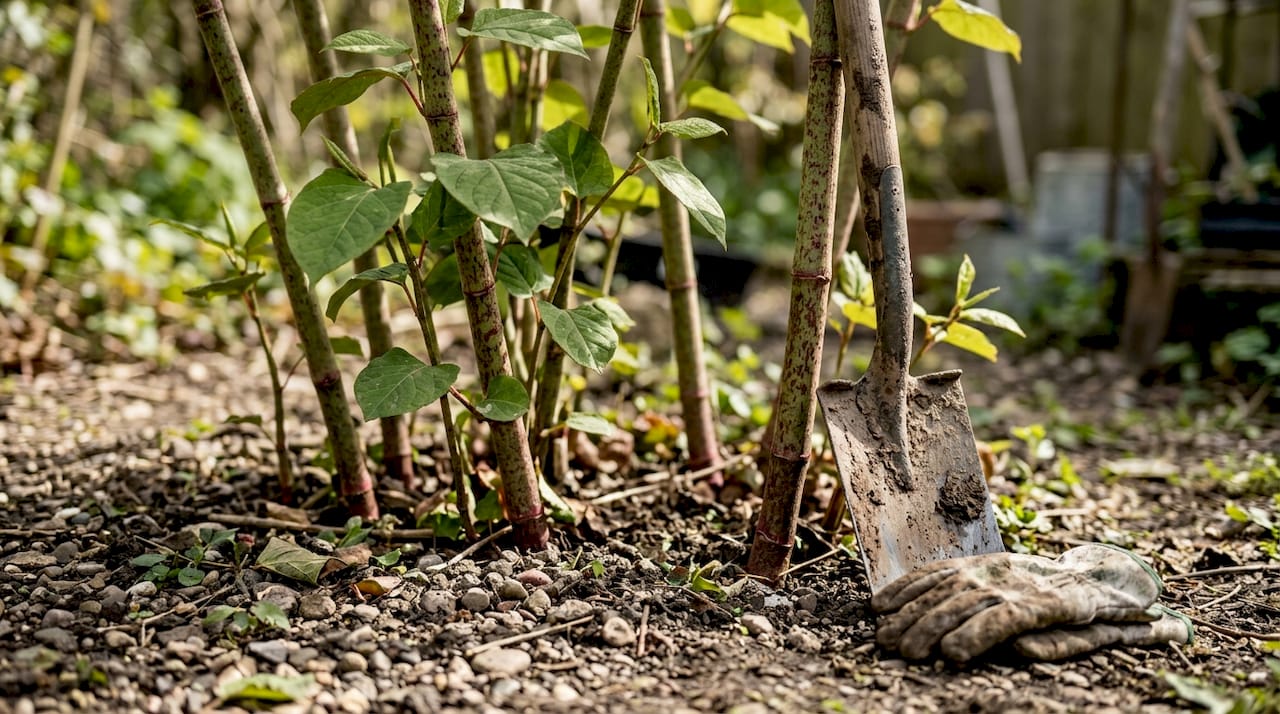
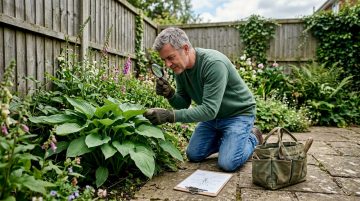
Surveyor noting damage from invasive weeds

Here’s a comparison of the most problematic invasive species and their distinct impacts on UK properties:

Species Primary Threat Typical Spread Rate Impact on Property Value
Japanese Knotweed Foundation penetration Very rapid High reduction, up to 20%
Cherry Laurel Root network expansion Rapid Moderate decrease
Bamboo Persistent root invasion Fast, underground Significant risk in sales
Leyland Cypress Boundary compromise Fast-growing Often decreases appeal

Ecological Impact extends beyond individual properties. Invasive non-native species disrupt native ecosystems by outcompeting indigenous plants and animals, causing significant environmental and economic challenges.

Identifying and managing invasive species early can prevent extensive and expensive property damage.

Unique Characteristics of Invasive Plant Species:

  • Rapid growth rates
  • Complex underground root systems
  • High resilience to standard removal techniques
  • Potential to compromise building structures
  • Ability to spread across property boundaries

Pro tip: Conduct professional invasive species surveys before purchasing property to identify potential ecological risks and avoid unexpected restoration expenses.

Weed Surveys and Risk Assessment Process

Property weed surveys represent a critical investigative process for homeowners and property professionals seeking to understand potential ecological risks. Comprehensive weed identification methods involve systematic documentation and analysis of invasive plant species that could compromise property integrity.

The professional weed survey process typically encompasses several key stages:

  • Initial site reconnaissance
  • Detailed botanical species identification
  • Mapping of weed distribution
  • Assessment of potential structural risks
  • Documentation of environmental impact

Surveyors employ multiple assessment techniques to evaluate the potential risks associated with invasive vegetation. These techniques include ground-level inspections, advanced imaging technologies, and comprehensive root system analysis to determine the extent of potential property damage.

Risk Assessment Criteria for invasive weeds involve evaluating multiple factors:

  • Species growth rate
  • Underground root network complexity
  • Proximity to building foundations
  • Potential structural compromise potential
  • Legal reporting requirements

Professional weed surveys provide critical insights that can prevent significant property damage and financial complications.

Ecological Considerations extend beyond immediate property concerns. Weed management balances maintenance goals with biodiversity preservation, recognising that not all plant presence represents an inherent threat.

Key survey documentation typically includes:

  • Precise location mapping
  • Species-specific growth characteristics
  • Recommended mitigation strategies
  • Potential long-term environmental impacts
  • Cost estimates for potential removal or management

Pro tip: Request comprehensive written reports from professional surveyors that detail not just current weed presence, but potential future risks and recommended interventions.

Property owners in the United Kingdom face significant legal responsibilities regarding invasive plant species, particularly when managing non-native vegetation that could potentially spread and cause environmental damage. Legal regulations mandate strict control measures to prevent the uncontrolled proliferation of invasive plants like Japanese Knotweed.

Key legal obligations for property owners include:

  • Preventing the spread of invasive species to neighbouring lands
  • Implementing appropriate biosecurity measures
  • Complying with environmental protection regulations
  • Reporting and managing known invasive plant infestations
  • Maintaining proper documentation of control efforts

The legal framework surrounding invasive species management is comprehensive and complex. Property owners must understand that allowing invasive plants to spread can result in significant legal and financial consequences, including potential prosecution and substantial remediation costs.

Biosecurity Compliance requires property owners to take proactive steps in managing potentially harmful plant species. Environmental regulations impose strict control requirements on land management activities to prevent the unintentional spread of invasive vegetation.

Specific legal responsibilities encompass:

  • Immediate reporting of invasive species discoveries
  • Implementing containment strategies
  • Ensuring proper disposal of contaminated soil and plant material
  • Maintaining detailed records of management efforts
  • Cooperating with local environmental authorities

Failure to manage invasive species can result in legal actions, substantial fines, and potential property value reduction.

Potential Legal Consequences for non-compliance include:

  • Enforcement notices
  • Significant financial penalties
  • Mandatory remediation requirements
  • Potential civil liability for damage to neighbouring properties
  • Challenges in property sales and transactions

Pro tip: Consult with professional ecological surveyors to develop a comprehensive management plan that ensures legal compliance and effectively addresses invasive plant risks.

Chemical-Free Eradication and Root Barriers

Chemical-free weed eradication represents an environmentally responsible approach to managing invasive plant species, particularly for homeowners seeking sustainable solutions. Non-chemical control methods offer safer alternatives to traditional herbicide treatments, protecting ecological systems and reducing potential environmental contamination.

Key non-chemical eradication techniques include:

  • Manual plant removal
  • Repeated cutting and trimming
  • Physical root barrier installations
  • Smothering vegetation
  • Targeted electrical treatments
  • Biological control strategies

Root barriers represent a critical technological intervention for preventing invasive plant spread. These physical membranes create underground blockades that prevent root systems from penetrating critical infrastructure, protecting building foundations, drainage systems, and landscaping elements.

Root Barrier Technologies function through multiple strategic approaches:

  • Deep underground installation
  • Vertical and horizontal barrier configurations
  • Specialised materials resistant to root penetration
  • Customised designs for specific site requirements
  • Long-term structural protection

Proactive root barrier installation can prevent thousands of pounds in potential property damage.

Invasive species eradication strategies increasingly integrate multiple techniques, combining physical removal, electrical treatments, and targeted biological controls to achieve comprehensive plant management.

Additional non-chemical intervention methods include:

  • Precise electrical pulse treatments
  • Targeted insect biological controls
  • Systematic manual extraction
  • Progressive vegetation suppression techniques
  • Comprehensive site monitoring

Pro tip: Consult professional ecological experts to design a tailored, multi-stage eradication strategy specific to your property’s unique invasive plant challenges.

Costs, Liabilities and Conveyancing Risks

Invasive species have created substantial economic challenges for UK property owners, with potential financial impacts extending far beyond initial remediation expenses. The presence of invasive plants like Japanese Knotweed can dramatically affect property transactions, insurance, and overall market value.

Key financial risks associated with invasive species include:

  • Significant property value reduction
  • Expensive structural repair costs
  • Potential mortgage application rejections
  • Legal compliance expenses
  • Ongoing management and treatment expenditures

Conveyancing Complications arise when invasive species are discovered during property transactions. Conveyancing professionals must navigate complex legal risks related to environmental contamination and potential undisclosed liabilities.

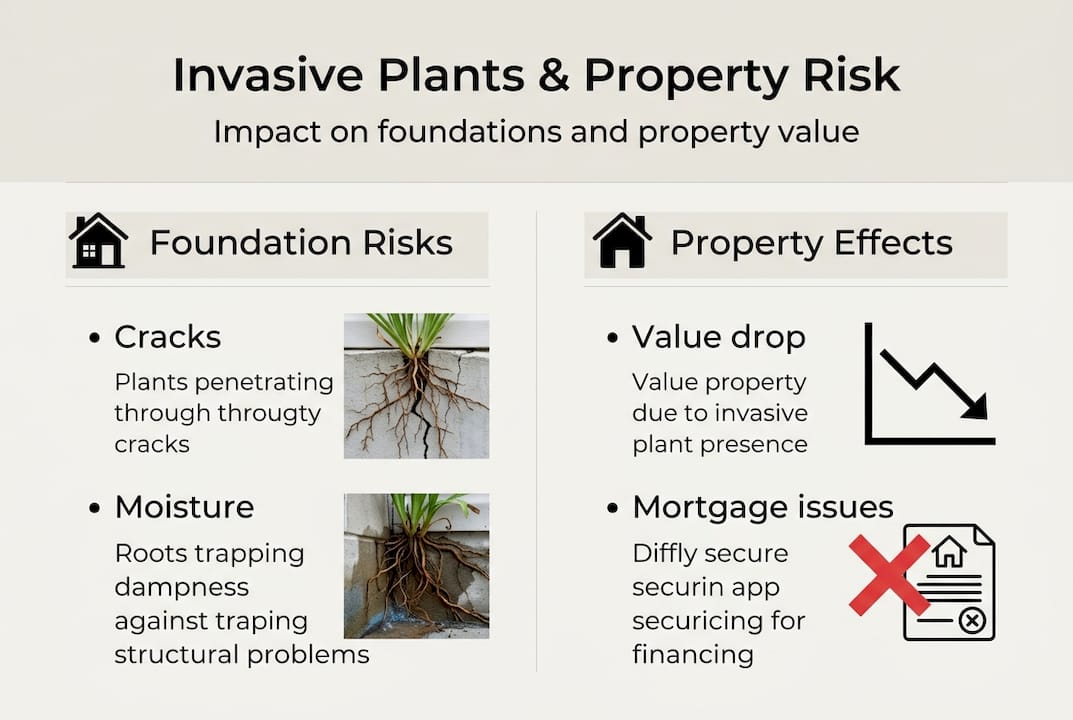
Infographic of property weed risks and consequences

Financial implications can be substantial:

This table summarises major financial and legal consequences linked to unmanaged invasive weeds:

Risk Type Financial Implication Legal Consequence Impact on Conveyancing
Unmanaged infestation Expensive repairs, £2k–£20k Enforcement notices, fines Mortgage rejection
Spread to neighbour’s land Civil liability for damages Legal disputes, compensation Sale delays, lost buyers
Inadequate documentation Increased insurance premiums Mandatory remediation required Difficulty securing insurance
Non-compliance reporting Drop in property value Prosecution, substantial penalties Extended completion timelines
  • Potential property value reduction up to 15-20%
  • Treatment costs ranging from £2,000 to £20,000
  • Potential legal disputes with neighbouring properties
  • Extended mortgage processing times
  • Increased insurance premiums

Unmanaged invasive species can create long-term financial vulnerabilities for property owners.

Liability Exposure Factors:

  • Duration of infestation
  • Extent of plant proliferation
  • Proximity to neighbouring properties
  • Potential structural damage
  • Legal reporting requirements

Pro tip: Obtain comprehensive professional surveys before property purchase to identify potential invasive species risks and avoid unexpected financial complications.

Protect Your Property from Invasive Weed Risks Today

Facing the challenges of invasive plant species such as Japanese Knotweed is more than just a garden concern it can threaten your property’s value structure and legal standing. With risks like foundation penetration and rapid underground spread homebuyers and owners must act decisively to avoid costly damages and legal complications. Japanese Knotweed Agency specialises in chemical free eradication methods delivering high voltage energy treatments that target extensive rhizome networks ensuring effective and lasting control.

https://japaneseknotweedagency.co.uk

Take control of your property’s future with our expert services including detailed invasive weed surveys root barrier installations and excavation works across England Wales and Ireland. Don’t let invasive species undermine your investment visit Japanese Knotweed Agency today to arrange a professional survey and explore our advanced solutions designed to protect your home and peace of mind. Learn more about how we tackle property weed risks with environmentally conscious methods at Chemical Free Treatment and secure your property against future threats now.

Frequently Asked Questions

What are the major invasive weed risks for homeowners?

Invasive weeds like Japanese Knotweed, Cherry Laurel, Bamboo, and Leyland Cypress can compromise property foundations, cause structural damage, and significantly decrease property value due to their aggressive growth and underground root systems.

How can I identify if my property has invasive weeds?

Conducting a professional invasive plant survey is essential. This includes detailed reconnaissance, species identification, and mapping of weed distribution to assess potential structural risks and environmental impacts.

Property owners must prevent the spread of invasive plants, comply with environmental regulations, report any infestations, and maintain documentation of control efforts to avoid legal repercussions and potential fines.

What are some effective non-chemical methods to manage invasive weeds?

Non-chemical eradication methods include manual removal, repeated cutting, installing root barriers, and using targeted biological controls to manage and prevent the spread of invasive vegetation effectively.

无化学杂草治理方法彻底祛除日本虎杖指南

每位在英格兰和威尔士拥有房产的房主都知道,一旦日本虎杖在住宅周边生长,不仅会威胁房屋结构和再抵押流程,也可能对环境与健康带来隐患。英国政府明确规定,识别和定位入侵杂草区域对于防止其扩散至关重要。本文将帮助您掌握无化学日本虎杖治理的专业方法,兼顾生态安全,让您的房产顺利交易并安心居住。

目录

快速总结

关键点 说明
1. 提早识别杂草区域 尽早定位日本虎杖生长处,防止其扩散是必要的。
2. 系统化准备根系屏障 确保根系屏障的深度和密封性,以阻止再生。
3. 安全实施电击根系 在进行高能电击根系时,遵循安全规范以保护操作人员。
4. 徹底挖掘清除根系 挖掘需确保根系完整清除,并控制碎片扩散。
5. 持续效果监测 定期检查治理效果,以防止杂草再生,确保生态平衡。

步骤 1: 识别并定位杂草问题区域

日本虎杖的早期识别对于防止其蔓延至关重要。本节将教您如何系统地勘察和定位可疑区域。

识别日本虎杖需要对其独特的生长特征保持警惕。这种入侵性植物通常在英国入侵杂草风险区域生长迅速,常见于以下位置:

  • 房屋周边未开发地带
  • 花园边缘和未维护区域
  • 建筑工地和废弃土地
  • 河流和水渠沿岸
  • 铁路和公路边缘

识别日本虎杖的关键特征包括:

  • 竹子般直立的茎秆
  • 绿色叶片呈盾形或心形
  • 夏季开花时出现白色或浅绿色小花簇
  • 快速生长,可在一个夏季内长到2-3米高
  • 茎秆节间呈现独特的紫色斑点

专业调查建议采用系统化方法。从房产边界开始,仔细检查每一处可疑区域。使用测量工具,绘制初步调查地图,标记所有可能的生长点。

提醒:日本虎杖的根系极其顽固,即使看似死亡的植株仍可能在地下存活并迅速再生。

建议的调查步骤:

  1. 目视全面检查
  2. 测量和记录可疑区域
  3. 拍摄高清照片作为记录
  4. 绘制初步分布图
  5. 咨询专业团队进行确认

专业提示: 在调查时穿着长裤和结实的鞋子,避免直接接触可疑植物,以防止意外传播。

步骤 2: 准备根系屏障与施工设备

日本虎杖根系屏障的正确准备是预防其蔓延的关键环节。本节将详细指导您如何有效地准备设备和屏障系统。

工作人员在安装防止树根蔓延的隔离层时,每一步都非常细致,确保屏障能够有效发挥作用。

在开始施工前,必须全面了解建筑施工安全规划的基本要求。准备工作需要系统性地进行,确保施工安全和环境保护。

准备根系屏障需要以下关键设备:

  • 防渗土工膜
  • 专业根系阻隔材料
  • 高强度塑料屏障板
  • 精密测量工具
  • 挖掘设备
  • 个人防护装备

屏障安装的具体步骤:

  1. 进行详细的场地勘察
  2. 测量和标记屏障区域
  3. 清理目标区域的植被
  4. 挖掘适当深度的沟槽
  5. 安装根系屏障材料
  6. 进行严格的密封检查

安装根系屏障时需特别注意以下技术细节:

以下表格对比了物理屏障法和电击根系法两种治理方法的适用场景及成本效果:

方法 适用场景 成本投入 效果持久性
物理屏障法 新建或翻修场地 材料及施工费用高 长期屏障阻隔再生
电击根系法 已生长根系集中地 设备投入与人力成本 快速杀灭根系但需复查
  • 屏障深度至少需要达到2-3米
  • 确保材料之间完全密封
  • 选用耐腐蚀、抗老化的专业材料
  • 留出适当的排水通道

重要提醒:根系屏障安装必须符合环境保护法规,防止对周边生态系统造成潜在损害。

在选择和使用设备时,还需考虑以下环境因素:

  • 土壤类型
  • 地下水位
  • 周边植被情况
  • 地形特点

专业提示: 在安装根系屏障前,建议聘请专业团队进行详细的现场评估,以确保施工方案的精确性和有效性。

步骤 3: 施加高能直流电冲击根系

高能直流电冲击是根除日本虎杖最有效的非化学方法之一。本节将详细阐述如何安全且精准地实施电击根系技术。

在开始电击程序之前,必须严格遵守危险物质健康控制条例的安全规范。这一步骤不仅关乎杂草根系的根除,更事关操作人员的安全。

电击设备准备清单:

  • 高压直流电发生器
  • 专业绝缘防护装备
  • 接地电极
  • 电流测量仪
  • 安全防护面罩
  • 绝缘手套和靴子

实施电击根系的关键步骤:

  1. 确认目标根系区域
  2. 检查所有电气设备
  3. 穿戴完整的防护装备
  4. 设置适当的电压参数
  5. 分区域逐步实施电击
  6. 记录并监测根系反应

电击参数控制要点:

  • 电压范围控制在3000-5000伏特
  • 脉冲时间控制在0.5-2秒
  • 每平方米根系区域重复3-5次电击
  • 保持电极与根系的最佳接触角度

重要提醒:电击过程中必须保持安全距离,避免非预期的电流接触。

需要特别注意的安全细节:

  • 避免在潮湿环境下操作
  • 定期检查设备绝缘性能
  • 确保现场至少有两名trained操作人员
  • 备好应急医疗设备

专业提示: 电击根系前进行彻底的地块测绘,可以显著提高电击的精确性和效率。

步骤 4: 实施专业根系挖掘清除

日本虎杖根系挖掘是彻底根除这种顽固植物的关键步骤。本节将详细阐述如何安全且高效地进行专业根系清除工作。

开展根系挖掘前,必须先了解防止日本虎杖蔓延的专业指导,确保操作符合环境保护标准。

专业根系挖掘需准备的关键设备:

  • 液压挖掘机
  • 精密根系追踪探测器
  • 高强度防渗土工膜
  • 专业运输车辆
  • 安全防护装备
  • 土壤分析工具

根系挖掘的详细操作流程:

  1. 全面勘察目标区域
  2. 绘制详细根系分布图
  3. 设置安全隔离区
  4. 分层逐步挖掘
  5. 严格控制根系碎片
  6. 统一密封处理

挖掘作业的关键技术要点:

  • 挖掘深度不低于3米
  • 确保根系完整清除
  • 控制挖掘区域范围
  • 防止根系碎片扩散
  • 密封所有开挖区域

重要提醒:根系挖掘过程必须极其谨慎,任何根系碎片都可能导致新的生长。

挖掘后的后续处理步骤:

  • 对挖掘区域进行土壤消毒
  • 填埋被挖掘区域
  • 铺设防根屏障
  • 记录并监测区域变化

专业提示: 挖掘前进行地下管线探测,可以有效避免意外损坏地下基础设施。

步骤 5: 检测治理效果并巩固结果

日本虎杖根系治理的最终目标是彻底根除并防止其再生。本节将详细介绍如何科学有效地评估治理成果并长期巩固治理效果。

根据健康安全执行署风险评估指南,我们需要系统性地监测和验证治理效果。

检测治理效果的关键指标:

  • 目标区域无新生根系迹象
  • 植被完全停止生长
  • 土壤结构恢复正常
  • 周边生态环境未受影响
  • 无根系碎片存活

长期监测的具体步骤:

  1. 初步评估期(治理后3-6个月)
  2. 中期复查(治理后6-12个月)
  3. 年度全面检查
  4. 持续观察记录
  5. 必要时追加治理措施

需要重点关注的检测方法:

  • 地面目视检查
  • 土壤样本分析
  • 根系深度探测
  • 生物监测
  • 环境影响评估

重要提醒:治理效果评估是一个长期动态的过程,不能仅凭短期观察做出结论。

巩固治理结果的关键措施:

  • 定期检查受影响区域
  • 及时清除可疑植被
  • 维护根系屏障完整性
  • 控制周边环境因素
  • 保持良好的生态平衡

专业提示: 建议保留详细的治理记录和影像资料,为后续监测提供重要参考依据。

下面表格总结了日本虎杖治理五大关键步骤与其专业难点:

步骤 主要操作 技术难点 推荐保障
识别定位 勘察和记录区域 根系隐蔽性高 标记地图和影像
屏障准备 材料采购安装 屏障深度与密封 专业测量规划
电击根系 高压直流电操作 电流参数与安全 防护装备完整
挖掘清除 挖掘和密封处理 根系碎片易遗留 土壤消毒及监测
检测巩固 持续效果评估 再生监测周期长 记录与长期观察

日本虎杖防治五大关键步骤一览

无化学方法彻底根治日本虎杖的专业选择

面对文章中提到的日本虎杖顽固根系和快速蔓延问题,许多读者都渴望找到无化学安全又高效的治理方案。文章详细介绍了从定位、屏障安装到高能电击和深挖根系的关键步骤,每一步都强调了技术难点与安全要求。若您对传统化学方法心存顾虑,迫切需要科学精准的非化学根系破坏方案,我们的服务正契合您的期待。

Japanese Knotweed Agency 领先行业,专注于高压直流电技术直接作用于地下根系,瞬间破坏其细胞并耗尽能量,彻底阻断再生可能。我们同样提供专业根系屏障安装及精确挖掘,全面保障您的财产安全与环境健康。选择我们,您将获得由经验丰富团队执行的现场管理和持续监测支持。请浏览我们的主页了解更多详细方案。

https://japaneseknotweedagency.co.uk

现在就采取行动,防止日本虎杖对您居所和土地造成不可逆转的损害。访问Japanese Knotweed Agency专业服务掌握治理科学,或咨询现场杂草调查与风险评估,让专业团队为您定制无化学方案,安全高效地解决顽固入侵问题。不要等待根系扩散,立刻夺回您的生活空间!

常见问题解答

如何识别日本虎杖的生长区域?

识别日本虎杖的生长区域需要仔细检查房屋周边的空地、花园边缘,以及废弃土地等位置。建议使用测量工具标记可疑区域,并记录观察到的植物特征,以便后续处理。

应该如何准备根系屏障以防止日本虎杖蔓延?

在准备根系屏障时,首先清理目标区域的植被,确保屏障材料与地面完全密封。屏障的深度应达到2-3米,以有效阻止根系的再生。

电击根系时需要注意哪些安全事项?

在实施电击根系时,务必穿着完整的防护装备,并确保设备绝缘性能良好。同时,保持操作人员之间的安全距离,避免意外接触。

挖掘根系过程中的关键步骤是什么?

挖掘根系时最重要的是全面勘察,并绘制详细的根系分布图。需要分层逐步挖掘,确保根系的完整清除,避免留下任何根系碎片。

如何评估治理效果并确保长期无再生?

评估治理效果应在治理后3-6个月进行初步检查,包括观察新生根系和植被的情况。持续监测和记录改良状态,有助于及时采取措施巩固治理。

日本虎杖治理后,应该如何维护治理效果?

维护治理效果需要定期检查受影响区域,及时清除可疑植被,并保持根系屏障的完整性。建议至少每年进行一次详细的检查,以确保不再出现再生情况。

推荐

Invasive Weed Survey Guide for Safe Property Purchase

Buying a home close to Japanese Knotweed hotspots in England and Wales can raise concerns about hidden risks and future costs. The presence of invasive plants like Japanese Knotweed often threatens property value and infrastructure integrity, making a thorough property survey and chemical-free removal strategies essential for peace of mind. This guide walks you through expert steps to identify, document, and address invasives without chemicals, helping you secure your investment with confidence.

Table of Contents

Quick Overview

Essential Insight Clear Explanation
1. Prepare for thorough inspections Conduct a visual landscape assessment to identify potential invasive species before purchasing a property.
2. Document findings meticulously Take clear photographs and GPS coordinates of invasive species during your assessment for accurate records.
3. Explore chemical-free control options Consult with specialists about non-chemical methods to manage invasive plants, ensuring environmental safety.
4. Validate survey findings comprehensively Cross-reference survey results with expert reviews and historical records to confirm accuracy before purchasing.
5. Clear access for professional assessments Trim vegetation and remove debris to enhance visibility for surveyors, facilitating thorough inspections.

Step 1: Prepare property for thorough weed inspection

Preparing your property for a comprehensive invasive weed survey requires strategic planning and careful assessment. Your primary goal is to facilitate a thorough inspection that identifies potential risks before purchasing a property.

Start by conducting a comprehensive visual landscape assessment. Walk the entire property perimeter and document potential areas where invasive species might establish themselves. This includes checking vegetation management zones carefully, paying special attention to:

  • Boundary walls and fence lines
  • Unused or overgrown areas
  • Drainage channels and water-adjacent spaces
  • Concrete or tarmac surfaces with potential cracks

Documenting these areas helps surveyors quickly identify potential invasive plant risks. Consider gathering historical landscape photographs or speaking with previous property owners about past vegetation management. This additional context provides valuable insights into potential long-term invasive species patterns.

A detailed property preparation involves more than visual inspection. You want to create clear access for professional surveyors by trimming excessive vegetation, removing debris, and ensuring all areas are accessible. Consider clearing a minimum 2-metre perimeter around structures to allow comprehensive examination.

A methodical approach to property preparation significantly reduces the likelihood of unexpected invasive plant discoveries during your purchase process.

Expert recommendation: Engage a professional landscaper to pre-clear complex or overgrown areas before the official survey to ensure maximum visibility and accurate assessment.

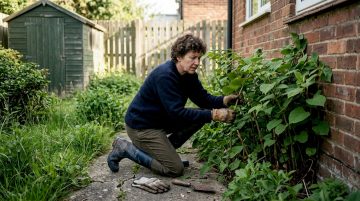
Landscaper clearing weeds by garden shed

Step 2: Conduct visual and physical assessment for invasives

Conducting a comprehensive visual and physical assessment of invasive plant species is crucial for protecting your potential property investment. Your goal is to systematically identify and document potential invasive plant risks across the entire property landscape.

Begin by performing detailed survey methods that thoroughly examine each section of the property. Focus on identifying key characteristics of invasive species, paying close attention to:

  • Unique leaf structures and growth patterns
  • Root system spread and penetration
  • Seasonal variations in plant appearance
  • Proximity to building foundations and infrastructure
  • Unusual vegetation density or irregular plant clusters

Know the specific identification markers for common invasive plants like Japanese knotweed, which can have distinctive bamboo-like stems and heart-shaped leaves. Look for signs of potential damage such as cracks in concrete, displaced paving, or unusual vegetation growth near structural elements.

Documenting your findings is essential. Take clear photographs from multiple angles, noting GPS locations and measuring the extent of potential invasive plant areas. This visual evidence will be crucial for professional surveyors and potential remediation strategies.

Systematic and meticulous observation can prevent significant property damage and expensive future restoration costs.

Expert recommendation: Bring a measuring tape, notebook, and smartphone with good camera resolution to comprehensively document potential invasive plant locations during your assessment.

Infographic summarizing weed survey key steps

The following table summarises common invasive plant detection challenges and their property impact:

Detection Challenge Typical Impact on Property Suggested Proactive Response
Hidden root systems Undetected damage to structures Use physical probing tools
Seasonal plant variation Missed infestations in some months Schedule multiple inspections
Overgrown vegetation Obscures invasive species Clear site before survey
Historical infestations Recurring plant regrowth Review old landscape records

Step 3: Record and map identified weed infestations

Recording and mapping invasive weed infestations is a critical step in protecting your property investment and understanding potential environmental risks. Your objective is to create a comprehensive and accurate documentation system that captures the full extent of invasive plant presence.

Utilise digital mapping resources to systematically document each identified invasive plant location. Your mapping process should include detailed information such as:

  • GPS coordinates of infestation sites
  • Precise measurements of affected areas
  • Photographic evidence from multiple angles
  • Date of initial discovery
  • Estimated plant species and growth stage
  • Potential impact on surrounding infrastructure

Ensure your documentation is methodical and precise. Use digital tools like smartphone apps or handheld GPS devices to capture exact locations. Measure the spread of invasive plants carefully, noting the boundaries and potential root system extensions.

Consider creating a digital overlay or sketch of the property that highlights all identified invasive plant zones. This visual representation will be invaluable for professional surveyors, potential property buyers, and future remediation efforts.

Comprehensive mapping transforms scattered observations into strategic intelligence for invasive species management.

Expert recommendation: Create a digital folder with geotagged photographs and a spreadsheet tracking each invasive plant location to maintain a professional and thorough record.

Step 4: Verify chemical-free control options with specialists

Verifying chemical-free control options requires careful consultation with invasive species management specialists who can provide tailored, environmentally responsible solutions. Your goal is to explore comprehensive treatment strategies that minimise ecological disruption while effectively addressing invasive plant challenges.

Explore non-chemical weed control techniques that specialists recommend for your specific property context. These methods might include:

  • Manual extraction and root system removal
  • Thermal treatment technologies
  • Physical barrier installation
  • Targeted mechanical disruption
  • Biological control mechanisms
  • Sustainable landscape management approaches

Schedule detailed consultations with professional invasive species experts who can assess your specific site conditions. These specialists will conduct comprehensive evaluations of the invasive plant species, assess potential risks, and recommend precise chemical-free intervention strategies tailored to your property’s unique environmental characteristics.

Each consultation should produce a detailed, scientifically informed treatment plan that outlines the proposed non-chemical control methods, estimated timeframes, potential challenges, and expected outcomes. Request comprehensive documentation that explains the rationale behind each recommended intervention.

Specialist consultation transforms complex invasive plant management into structured, targeted ecological solutions.

Expert recommendation: Request written documentation of proposed treatment methods and ask specialists to explain the ecological principles underlying their recommended non-chemical control strategies.

Here is a comparison of non-chemical and chemical weed control approaches for property management:

Method Environmental Impact Long-term Effectiveness
Manual extraction Minimal High with regular checks
Biological controls Low Variable, site-specific
Chemical herbicides High May harm non-target plants
Thermal treatment Low Effective but needs repeats

Step 5: Confirm survey accuracy for confident property purchase

Confirming the accuracy of your invasive weed survey is a critical final step in ensuring a safe and informed property purchase. Your objective is to thoroughly validate the survey findings and understand their potential long-term implications for your property investment.

Utilise standardized wildlife monitoring methods to cross-reference and verify the survey results. This comprehensive validation process should include:

  • Independent expert review of survey documentation
  • Cross-checking findings with local ecological databases
  • Comparing survey results against historical property records
  • Requesting detailed photographic evidence
  • Confirming the qualifications of survey professionals
  • Checking compliance with UK invasive species regulations

Ensure that the survey documentation provides comprehensive details about the methodology used, including identification techniques, mapping approaches, and potential risk assessments. Request a formal report that clearly outlines the extent of any identified invasive plant species, their potential impact, and recommended management strategies.

Carefully analyse the survey report for consistency, scientific rigour, and professional standards. Pay particular attention to the credibility of the sources, the depth of investigation, and the clarity of recommendations provided.

Meticulous verification transforms a simple survey into a powerful tool for protecting your property investment.

Expert recommendation: Request a follow-up consultation with the survey team to discuss any technical details or potential concerns not fully addressed in the initial report.

Ensure a Safe Property Purchase with Expert Invasive Weed Solutions

Navigating an invasive weed survey can be daunting when facing hidden root systems, seasonal plant variations, and the risk of expensive property damage. The challenge lies in achieving accurate identification and effective control without harming your land’s environment. Your goal is clear thorough documentation, non-chemical treatments, and confident survey verification as highlighted in the guide.

Japanese Knotweed Agency specialises in chemical-free eradication of Japanese Knotweed and other invasive species. Our innovative energy delivery treatments target the extensive rhizome networks causing internal cell damage for lasting results. We also provide root barrier installations and expert excavation services across England, Wales and Ireland. With professional surveys that blend meticulous mapping and advanced control methods, we help you take confident steps in your property purchase.

https://japaneseknotweedagency.co.uk

Discover how our expert invasive weed surveys and advanced treatment options can protect your investment today. Visit Japanese Knotweed Agency to arrange a survey or learn more about our proven chemical-free solutions. Dont risk hidden invasives affecting your property value when trusted support is only a click away.

Frequently Asked Questions

How can I prepare my property for an invasive weed survey?

To prepare your property for an invasive weed survey, start with a comprehensive visual landscape assessment. Walk the property perimeter, document potential areas where invasive species might thrive, and clear access for surveyors by trimming vegetation and removing debris.

What should I document during my invasive weed inspection?

During your invasive weed inspection, document key characteristics of invasive species, such as leaf structures, growth patterns, and areas of unusual vegetation density. Take clear photographs from multiple angles and note GPS locations to create a precise record of all identified infestations.

What are chemical-free control options for invasive weeds?

Chemical-free control options for invasive weeds include manual extraction, thermal treatment technologies, and the installation of physical barriers. Consult with invasive species management specialists to tailor strategies to your property’s specific conditions and develop an effective management plan.

How can I verify the accuracy of my invasive weed survey?

To verify the accuracy of your invasive weed survey, conduct an independent review of the documentation and cross-check findings with existing ecological databases. Request detailed photographic evidence and engage in a follow-up consultation with the survey team to clarify any technical details.

What key characteristics should I look for in invasive plants?

When identifying invasive plants, focus on unique leaf structures, root system spread, and seasonal variations in appearance. Pay attention to how these plants interact with nearby structures, such as signs of damage or unusual growth patterns that may indicate invasive threats.

防止植物根系扩散于英国家庭的无化学方案

每位英国房主在购买或重新抵押物业时,常常担心日本结缕草等入侵植物的根系影响。根系扩散不仅可能破坏房屋地基,还会降低房产市场价值,这已成为许多英国家庭面临的现实问题。英国法律对入侵非本地植物有明确限制,科学而无化学药物的根系管理方案为业主保障物业安全和合规带来了新选择。

目录

关键要点

重点 详情
入侵植物定义 入侵植物是非原生物种,具有强大的生存和扩散能力,会对建筑和生态造成显著影响。
根系扩散风险 根系能够破坏建筑基础和管道,降低房产价值,及早识别和控制至关重要。
法律法规要求 英国对入侵植物有严格的法律规定,违反法律将面临严重后果。
无化学处理建议 采用手工除草和物理阻隔等无化学方法,比单一防治策略更有效。

根系扩散与入侵植物定义解析

在英国房地产市场,根系扩散是一个极具挑战性的环境和法律问题。入侵植物不仅破坏建筑基础,还可能严重影响房产价值和交易进程。英国政府明确定义了入侵非本地植物,这些植物具有极强的繁殖和扩散能力。

根据官方定义,入侵植物具有以下关键特征:

  • 非原生地引入的外来物种
  • 能够迅速繁殖并取代本地植被
  • 对生态系统造成显著破坏
  • 具有极强的生存和扩散能力

入侵植物的根系扩散机制主要包括三种方式:种子传播、地下根茎生长以及人类活动辅助。特别是像结缕草这类植物,其根系网络可以穿透混凝土、地基,并以惊人的速度蔓延。环境部强调了防止这类植物传播的重要性

根系扩散的风险不容忽视。这些植物能够:

  • 破坏建筑地基
  • 损害地下管道系统
  • 降低房产市场价值
  • 触发昂贵的法律纠纷

对于英国房主而言,及早识别和控制入侵植物至关重要。专业的根系管理不仅能保护房产投资,还能避免潜在的法律风险。

专业建议: 在购房或出售房产前,务必进行专业的入侵植物风险评估,防患于未然。

常见入侵植物种类及根系特点

在英国房地产环境中,几种特定的入侵植物因其极具破坏性的根系网络而备受关注。英国皇家园艺学会详细研究了这些非本地植物,揭示了它们对建筑和生态系统的潜在威胁。

最常见的入侵植物种类包括:

  • 日本虎杖:根系网络极其复杂,可穿透混凝土和地基
  • 喜马拉雅凤仙花:快速蔓延,破坏自然生态平衡
  • 加拿大蓟:根系深入土壤,抑制周围植物生长
  • 大王蓟:生长迅速,竞争力强

这些植物的根系具有以下关键特征:

以下是几种常见入侵植物根系特征对比表,有助于快速识别及风险预估:

植物名称 根系扩散速度 对建筑破坏性 生态影响
日本虎杖 极快 能穿透地基和混凝土 严重影响本地植被
喜马拉雅凤仙花 很快 影响生态但结构破坏轻 破坏水域植被平衡
加拿大蓟 管道破坏风险较高 阻碍其他植物生长
大王蓟 路面和墙体受损明显 增加生态竞争压力
  • 生长速度极快
  • 能穿透硬质表面
  • 横向扩展能力极强
  • 对周围环境具有显著的破坏性

根系扩散机制尤其令人担忧。这些植物通过地下根茎网络迅速占领territory,不仅破坏建筑地基,还会严重影响周围植被的生存空间。它们能够:

  • 穿透建筑物裂缝
  • 扩展至地下管道
  • 破坏园林和农业用地
  • 降低周边土地价值

对于房主而言,及早识别这些植物的根系特征至关重要。专业的根系评估和管理可以有效预防潜在的结构性损害。

关于外来植物根系和管道结构的具体特征解析

专业建议: 在购买房产前,务必委托专业机构进行全面的入侵植物根系风险评估。

根系扩散对英国家庭物业的影响

根系扩散对房产的破坏是英国房主面临的一个严重且常见的风险。专业树木服务公司研究显示,树木根系可能会对建筑基础造成显著的结构性损害。

根系对房产的潜在影响主要包括:

  • 土壤水分变化引起的地基收缩
  • 管道系统渗漏和破坏
  • 路面和地面不平整
  • 建筑结构性裂缝
  • 房产价值显著下降

根系扩散风险区域通常集中在:

  1. 建筑地基周边
  2. 地下管道系统
  3. 院墙和人行道
  4. 排水系统

根系对物业的破坏机制主要源于以下因素:

  • 根系横向快速扩展,通常超过树冠直径
  • 持续吸水导致土壤体积变化
  • 穿透性强,能穿过混凝土和管道
  • 对周围环境的侵略性生长模式

对于英国房主而言,及早识别和预防根系扩散风险至关重要。建筑专家建议定期进行专业的根系评估,尤其是在靠近老树或具有侵略性植物的地区。

专业建议: 在购买房产时,务必委托专业机构对周边植被进行详细的根系风险评估,防范潜在的结构性损害。

电能处理与根系物理屏障原理

植物根系控制是现代环境管理的关键技术。根系屏障系统为保护建筑基础提供了科学解决方案,通过物理和电子方法有效限制根系扩散。

物理屏障材料主要包括:

  • 高密度聚乙烯(HDPE)板
  • 橡胶防护板
  • 玻璃纤维屏障
  • 金属定向板

屏障的工作原理可分为两个主要机制:

  1. 物理阻挡:形成不可穿透的屏障墙
  2. 生长引导:改变根系自然生长方向

电能处理技术的核心原理是通过特定电压中断根系生长网络。这种创新方法可以:

  • 在不使用化学药品的情况下抑制根系
  • 精确控制根系生长范围
  • 最大程度保护周围生态环境
  • 减少对建筑基础的潜在损害

专业实践表明,电能处理结合物理屏障是控制根系扩散的最有效方法之一。通过精准的电压输送,可以在不破坏植物整体健康的前提下,有效限制其根系网络。

非化学方式控制根系扩散方法一览图

以下为常用根系控制技术的比较,可辅助选择最适合的防扩散方案:

方法 控制效果 环境友好性 维护成本
物理屏障 较好,阻隔彻底 高,不含化学物质 一次性投入较高
电能处理 精准限制范围 高,对生态安全 需定期专业维护
手工除草 局部有效 极高 人力持续投入
生态调控 长期提升防御力 极高,改善环境 科学规划需成本

专业建议: 选择根系控制方案时,务必咨询专业机构,评估您特定的建筑和植被环境。

英国无化学防扩散法律及政策要求

英国对入侵植物的管理已经形成了严格且全面的法律框架。英国政府明确规定了非本地入侵物种的管控规则,旨在保护本土生态系统和建筑安全。

法律管控的主要内容包括:

  • 禁止种植特定入侵植物
  • 限制入侵植物的运输和销售
  • 要求及时清除和控制入侵植物
  • 对违法行为处以罚款

受管控的入侵植物主要包括:

  1. 日本虎杖
  2. 喜马拉雅凤仙花
  3. 大王蓟
  4. 加拿大蓟

无化学防扩散的政策要点

  • 优先选择物理移除方法
  • 鼓励使用机械切割技术
  • 推荐根系阻隔方案
  • 强调生态友好型处理方式

对于房主和土地管理者而言,了解并遵守这些法律至关重要。违反相关规定可能面临严重的法律后果,包括罚款和潜在的刑事责任。

专业建议: 在处理潜在入侵植物时,务必咨询专业机构,确保完全符合当地法律规定。

选择合适无化学处理与常见误区

植物根系控制是一项精细的生态管理工作。英国皇家园艺学会提供了多种非化学除草方法,为房主提供了可持续的植物管理解决方案。

无化学处理的主要方法包括:

  • 手工精细除草
  • 持续割草和修剪
  • 物理遮蔽和阻隔
  • 生态平衡调控
  • 根系生长引导

常见的错误处理方式:

  1. 期望快速见效
  2. 采用单一防治策略
  3. 忽视长期维护
  4. 错误识别植物种类

选择无化学处理的关键考虑因素

  • 准确识别植物种类
  • 评估根系扩散范围
  • 选择适合的物理控制方法
  • 制定长期管理计划
  • 持续监测和调整

专业实践表明,成功的植物根系控制需要耐心、专业知识和系统性方法。不同环境和植物类型需要定制化的处理策略,不存在一刀切的解决方案。

专业建议: 在实施任何根系控制方案前,建议聘请专业机构进行详细的现场评估和个性化方案设计。

专业无化学方案助力防止植物根系扩散保护英国家庭物业

面对入侵植物根系的高速扩散以及对建筑基础和生态环境造成的严重破坏,传统化学方法往往带来环境污染风险且效果有限。本文重点强调了无化学处理的重要性及根系物理屏障和电能处理技术的必要性。针对您关注的无化学根系控制需求,Japanese Knotweed Agency凭借先进的电能处理技术和专业的根系屏障安装服务,为英格兰、威尔士及爱尔兰的家庭提供安全有效的解决方案。我们的现场高压能量直接作用于根系细胞,精准破坏根茎网络,同时避免化学药剂对环境的影响,真正实现了绿色治理。

https://japaneseknotweedagency.co.uk

现在就行动保护您的房产价值和生态环境。访问我们的官网了解无化学根系控制技术,获取专业入侵植物风险评估和定制化治理方案。选择专业团队,避免结构性损害及法律风险,确保您的住宅远离入侵植物的威胁。

常见问题

如何有效防止植物根系扩散?

要有效防止植物根系扩散,可以采用无化学处理方法,如手工除草、物理遮蔽、根系屏障和生态平衡调控等。这些方法有助于限制根系的生长并保护周围环境。

什么是根系屏障,如何使用?

根系屏障是一种物理材料(如高密度聚乙烯板)用于阻挡植物根系扩散。安装时需根据植物的生长范围与建筑物距离,确保屏障高度和深度能够完全覆盖根系扩散的潜在区域。

无化学处理的优点是什么?

无化学处理具有环保、安全和可持续的优势,相比化学方法,不会对土壤和水源造成污染,且有助于维持生态平衡,长期有效。

为什么需要监测根系扩散情况?

定期监测根系扩散情况可以及时发现潜在问题,防止根系对建筑和基础设施造成损害,从而有效保护房产价值和确保居住环境安全。

推荐