Controlling invasive weeds is a pressing issue facing many British communities. These non-native plants cause millions in property damage each year and threaten the natural balance of local ecosystems. Effective invasive weed management plays a crucial role in protecting both biodiversity and infrastructure across the United Kingdom. By understanding targeted control strategies and legal obligations, British homeowners and land managers can reduce risks and help preserve their environment for the future.
Table of Contents
- Defining Invasive Weed Management in the UK
- Types of Invasive Weeds and Their Threats
- Chemical-Free Eradication and Alternative Methods
- Legal Responsibilities for Homeowners and Authorities
- Risks of Chemical Contamination and Safer Solutions
Key Takeaways
| Point | Details |
|---|---|
| Invasive Weed Management is Essential | Effective management is crucial for protecting the UK’s ecological systems, infrastructure, and biodiversity. |
| Focus on Prevention and Early Detection | Conduct regular surveys to identify invasive species early, reducing costs and environmental impacts. |
| Explore Chemical-Free Alternatives | Utilise non-chemical methods such as mechanical removal and biological control to manage invasive weeds sustainably. |
| Understand Legal Responsibilities | Homeowners and local authorities must actively manage invasive species to comply with legal obligations and avoid penalties. |
Defining Invasive Weed Management in the UK
Invasive weed management represents a critical environmental protection strategy across the United Kingdom, focusing on controlling non-native plant species that pose significant risks to ecological systems, infrastructure, and property. Invasive plant management efforts are designed to mitigate the spread of aggressive plant species that can cause substantial damage to native biodiversity and built environments.
In the UK context, invasive weed management encompasses a comprehensive approach involving identification, prevention, control, and eradication of non-indigenous plant species. These plants, often introduced accidentally or intentionally, can rapidly colonise new territories, overwhelming native vegetation and disrupting delicate ecological balances. Systematic management strategies involve careful assessment of potential environmental, economic, and health impacts, requiring coordinated efforts from local authorities, property owners, and environmental specialists.
The primary objectives of invasive weed management include preventing further spread, minimising ecological disruption, and protecting infrastructure from potential damage. Key strategies involve precise identification of invasive species, understanding their growth patterns, and implementing targeted intervention methods such as mechanical removal, biological control, and specialised treatment techniques. These approaches not only address immediate plant management concerns but also contribute to long-term environmental conservation and biodiversity protection.
Pro Tip – Early Detection Matters: Conduct regular property surveys to identify potential invasive plant species early, as prompt intervention can significantly reduce management costs and environmental impact.
Types of Invasive Weeds and Their Threats
The United Kingdom faces significant environmental challenges from several highly aggressive invasive weed species that pose substantial risks to native ecosystems, infrastructure, and property. Invasive weed species in the UK represent a complex ecological threat, with certain plant varieties demonstrating extraordinary capacity to disrupt local habitats and cause extensive damage.
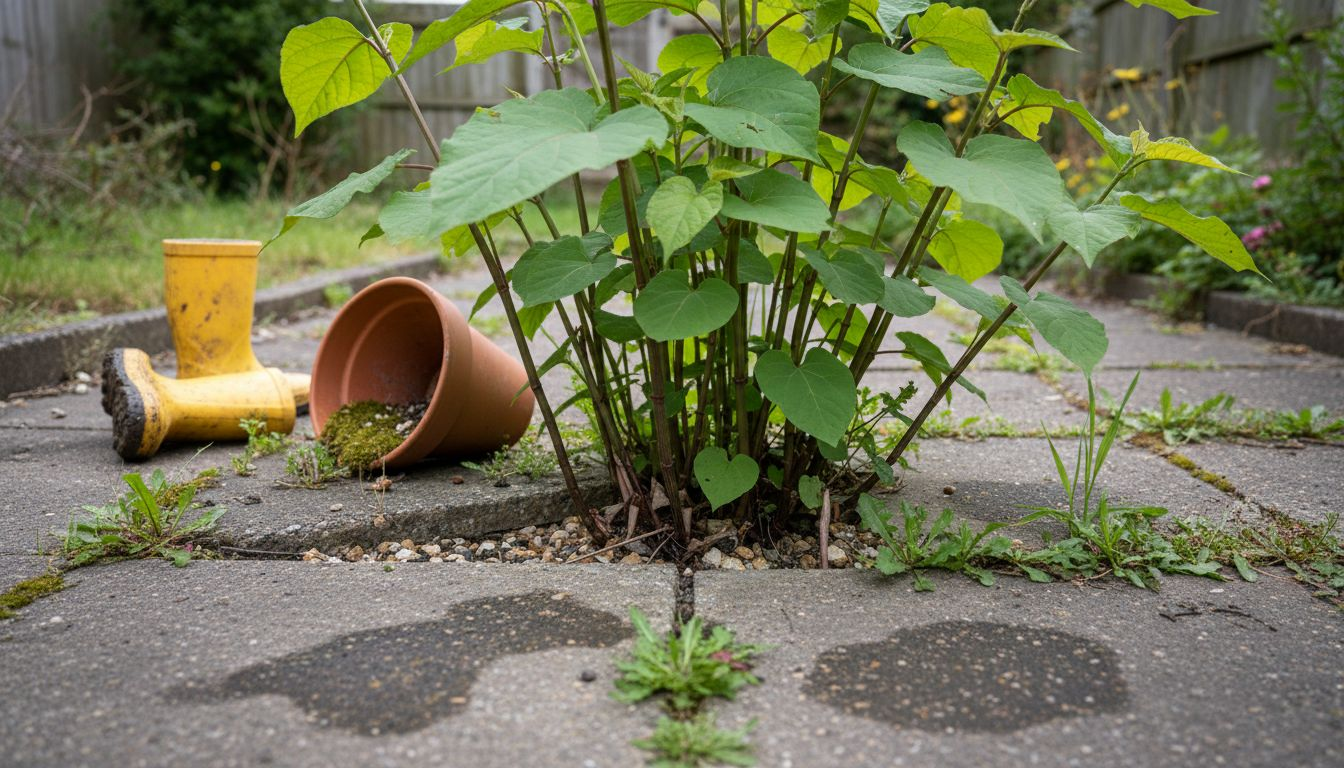
Among the most problematic invasive weeds are Japanese Knotweed, Giant Hogweed, and Himalayan Balsam. Japanese Knotweed, notorious for its aggressive growth pattern, can penetrate concrete foundations, compromise building structures, and spread rapidly through underground rhizome networks. Giant Hogweed presents significant health risks, with its toxic sap capable of causing severe skin burns and potential long-term photosensitivity. Himalayan Balsam, while visually attractive, overwhelms native riverbank vegetation, destabilising ecosystems and increasing soil erosion risks.
Here is a comparison of the most problematic invasive weed species affecting the UK:
| Invasive Weed | Notable Threat | Impact on Environment | Key Management Challenge |
|---|---|---|---|
| Japanese Knotweed | Rapid structural invasion | Damages buildings, infrastructure | Difficult rhizome eradication |
| Giant Hogweed | Toxic sap, health risk | Threatens public health, native flora | Safe removal due to toxicity |
| Himalayan Balsam | Dominates riverbanks | Displaces native plants, causes erosion | Extensive seed dispersal |
The environmental and economic implications of these invasive weeds extend far beyond their immediate appearance. They can dramatically reduce biodiversity by outcompeting native plant species, alter soil composition, disrupt wildlife habitats, and create substantial financial burdens for property owners and local authorities tasked with management and eradication. Comprehensive invasive plant management requires sophisticated understanding of each species’ unique characteristics, growth patterns, and potential mitigation strategies.
Pro Tip – Species Identification: Learn to recognise distinctive characteristics of invasive weeds in your local area, as early identification is crucial for preventing widespread infestation and minimising potential environmental and property damage.
Chemical-Free Eradication and Alternative Methods
Addressing invasive weed challenges requires innovative approaches that move beyond traditional chemical treatments. Non-chemical methods for controlling invasive plants offer environmentally responsible strategies that focus on sustainable ecosystem management and targeted plant removal techniques.
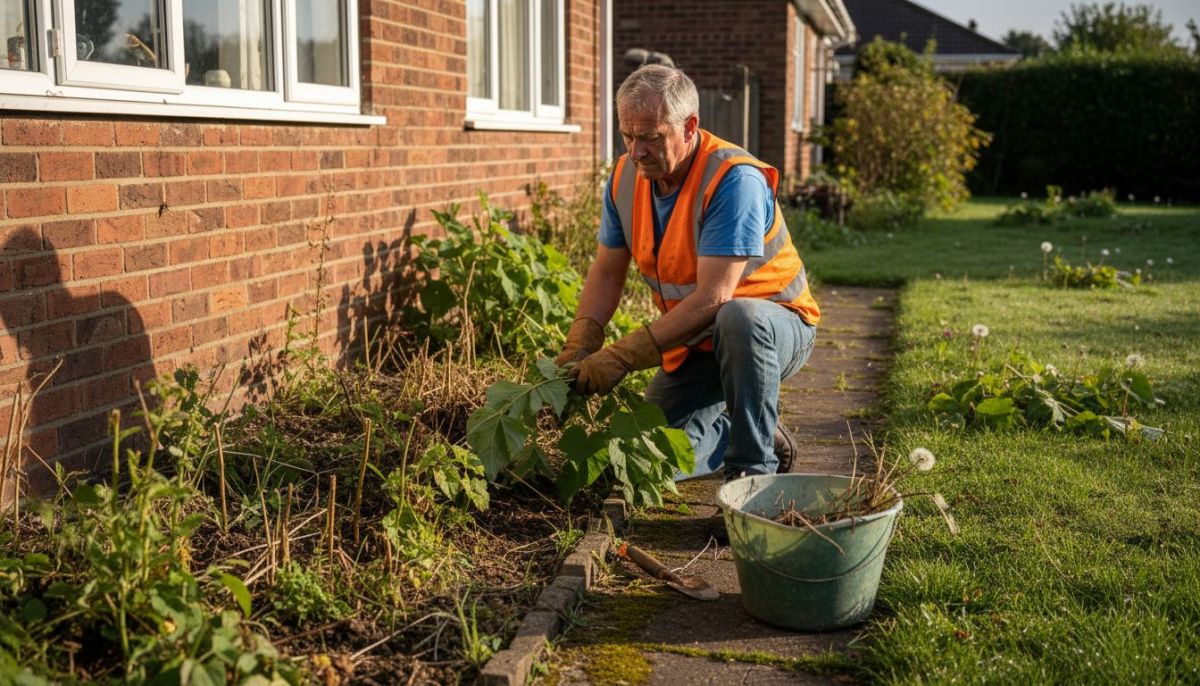
Ecological plant management encompasses a range of sophisticated approaches designed to suppress invasive species without relying on harmful chemical interventions. Physical removal techniques involve systematic excavation of root networks, carefully extracting entire plant systems to prevent regrowth. Ecologically based invasive plant management emphasises understanding plant biology and ecosystem dynamics, which allows for more precise and effective intervention strategies. These methods might include targeted mechanical removal, strategic mulching, and introducing competitive native plant species that naturally restrict invasive weed proliferation.
Advanced non-chemical eradication techniques increasingly utilise innovative technologies such as targeted electrical treatments, thermal disruption, and biological control mechanisms. These approaches aim to disrupt plant cellular structures and rhizome networks without introducing external chemical agents. By focusing on comprehensive ecosystem understanding, practitioners can develop nuanced strategies that not only remove invasive species but also restore native ecological balance and prevent future infestations.
The following table summarises core non-chemical invasive weed management approaches and their ecological benefits:
| Method | Main Action | Ecological Benefit |
|---|---|---|
| Mechanical Removal | Uproots invasive plants | Minimises chemical pollution |
| Biological Control | Introduces natural enemies | Balances ecosystem naturally |
| Thermal/Electrical Treatments | Destroys plant cells | Preserves soil and water quality |
| Competitive Planting | Uses native species | Restores biodiversity and stability |
Pro Tip – Ecosystem Restoration: Develop a holistic approach to weed management by focusing on soil health, native plant reintroduction, and understanding the underlying ecological conditions that enable invasive species to thrive.
Legal Responsibilities for Homeowners and Authorities
Invasive weed management in the United Kingdom is governed by stringent legal frameworks that place significant responsibilities on both homeowners and local authorities. Legal regulations surrounding invasive non-native plants explicitly prohibit the intentional planting or allowing the uncontrolled growth of harmful plant species in wild environments, with potential legal consequences for non-compliance.
Statutory obligations extend beyond mere prevention, requiring active management and control of invasive species. Regulatory guidelines for plant management mandate that property owners and land managers must take proactive steps to prevent invasive plants from spreading to neighbouring properties or causing environmental damage. These responsibilities include identifying invasive species, implementing appropriate control measures, and preventing potential ecological disruption. Failure to manage invasive weeds can result in substantial financial penalties, legal proceedings, and potential property devaluation.
The legal framework surrounding invasive weed management is complex, involving multiple governmental bodies and environmental regulations. Local councils, environmental agencies, and property owners share collective responsibility for monitoring and controlling invasive plant species. This collaborative approach ensures a comprehensive strategy for protecting native ecosystems, infrastructure, and public health. Specific legal requirements may vary depending on the particular invasive species, property type, and local environmental conditions, necessitating a nuanced and informed approach to weed management.
Pro Tip – Legal Compliance: Conduct regular property surveys and maintain detailed documentation of invasive weed management efforts to demonstrate proactive compliance with legal requirements and protect yourself from potential legal challenges.
Risks of Chemical Contamination and Safer Solutions
Chemical herbicide treatments for invasive weeds pose significant environmental and health risks, introducing potentially harmful substances into delicate ecosystem networks. Traditional chemical interventions can contaminate soil, groundwater, and surrounding vegetation, creating long-lasting ecological disruptions that extend far beyond the initial target area.
Ecological plant management represents a sophisticated alternative approach that prioritises environmental integrity and sustainable intervention strategies. Ecologically based invasive plant management focuses on understanding and restoring natural ecological processes, utilising methods that target invasive species without introducing harmful chemical agents. These approaches might include targeted mechanical removal, strategic mulching, introducing competitive native plant species, and implementing biological control mechanisms that work in harmony with existing ecosystem dynamics.
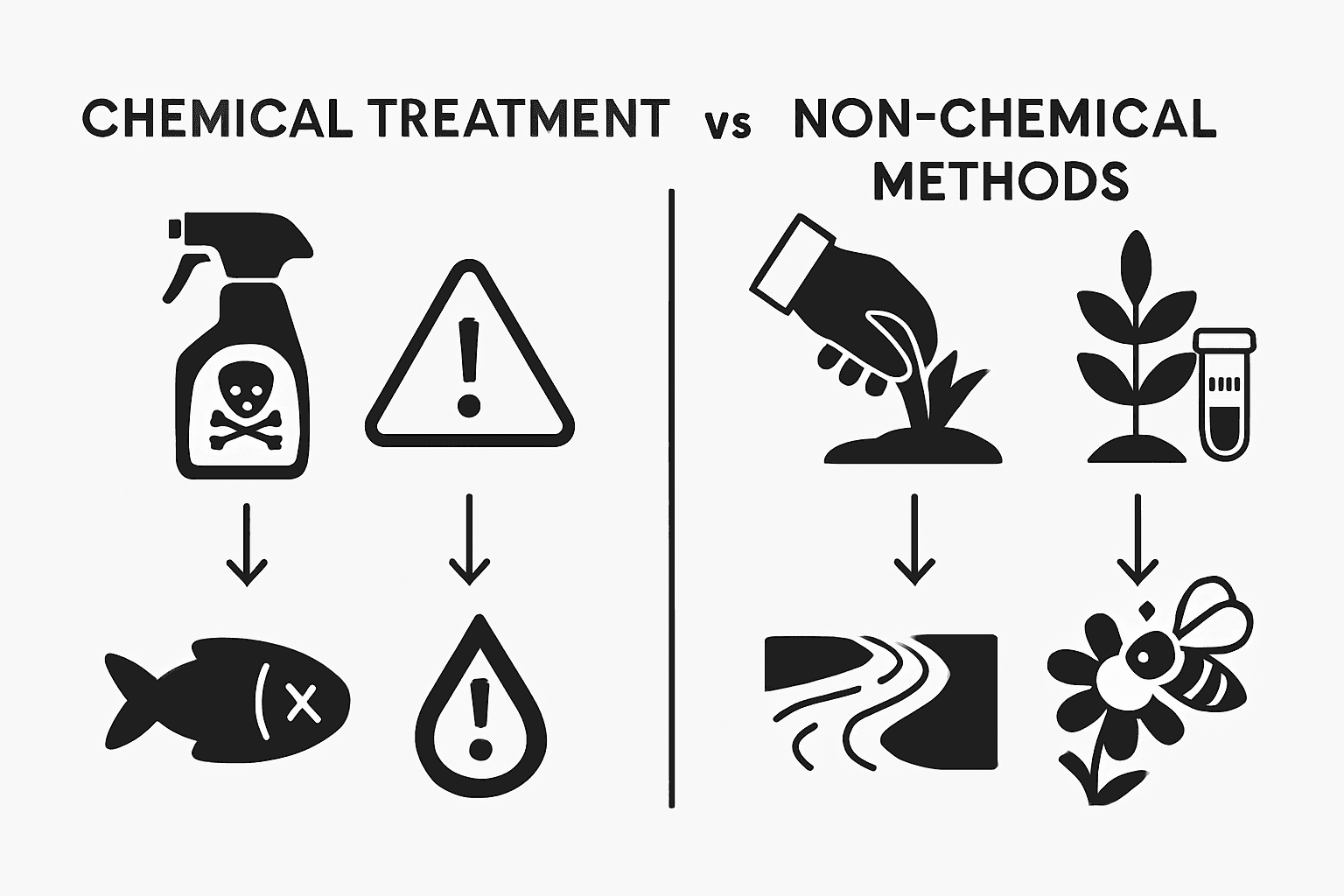
The potential consequences of chemical contamination extend beyond immediate environmental damage. Herbicides can compromise soil microbial communities, disrupt native plant reproduction cycles, and create long-term resilience in invasive species populations. Advanced non-chemical techniques offer more nuanced and sustainable solutions, addressing root causes of invasive species proliferation while maintaining ecological balance and protecting biodiversity. These methods require a comprehensive understanding of plant biology, ecosystem interactions, and local environmental conditions.
Pro Tip – Ecological Assessment: Conduct a thorough ecological assessment of your property before implementing any invasive plant management strategy, ensuring that your approach is tailored to the specific environmental conditions and minimises potential unintended ecological consequences.
Protect Your Property with Expert Chemical-Free Invasive Weed Management
Invasive weeds like Japanese Knotweed and Giant Hogweed threaten UK homes and gardens with costly structural damage and health hazards. Managing these species safely requires early detection, precise identification, and innovative treatments that avoid chemical contamination. If you want to protect your property while preserving the environment, understanding the benefits of ecological and electrical removal methods is key.

Discover how Japanese Knotweed Agency leads the way in chemical-free eradication using powerful direct energy treatments that target invasive plants at their root. With expert property surveys available across England, Wales and Ireland, you can trust professionals to deliver safe, effective solutions including root barrier installations and excavation works. Take action today to stop invasive weeds from spreading further and safeguard your home with proven, eco-friendly methods. Learn more about our chemical-free treatments and schedule your survey now.
Frequently Asked Questions
What are the most common invasive weeds in the UK?
The most common invasive weeds in the UK include Japanese Knotweed, Giant Hogweed, and Himalayan Balsam. These plants pose significant risks to native ecosystems and property.
How can I manage invasive weeds without using chemicals?
Non-chemical methods for managing invasive weeds include mechanical removal, biological control by introducing natural predators, and ecological planting with competitive native species to suppress invasives.
What legal responsibilities do homeowners have regarding invasive weeds?
Homeowners are legally required to manage and control invasive weeds on their property, preventing their spread to neighbouring areas. Failure to do so can result in financial penalties and legal actions.
Why is early detection important in controlling invasive weeds?
Early detection is crucial as it allows for prompt intervention, which can significantly reduce management costs, minimise ecological disruption, and prevent extensive infestations from taking hold.
Recommended
- Invasive Plants: Impact on UK Homes and Land
- Complete Guide to Invasive Plant Identification UK
- 7 Top Invasive Plant Threats Homeowners Should Know
- 7 Steps to Create an Effective Invasive Plant Checklist
- What Is Perimeter Security? Complete Overview UK | Brainiac Media
- 7 Essential Steps for a Summer Lawn Care Checklist in Minnetonka – YardWoo Lawncare
- 7 Essential Garden Furniture Care Tips for UK Homes