Every year, invasive plants cause billions in property and environmental damage, yet many American homeowners never realize the threat lurking in their own backyards. These aggressive species are not just a nuisance—they’re the second leading cause of global biodiversity loss, posing risks to ecosystems and home values alike. Understanding what makes these invaders so dangerous can help you better protect your property, local wildlife, and long-term investments.
Table of Contents
- 1. Understanding Invasive Plants And Their Risks
- 2. Japanese Knotweed: Why It’s A Major Threat
- 3. Giant Hogweed: Dangers And Identification Tips
- 4. Himalayan Balsam: How To Spot And Control It
- 5. Common Rhododendron: Harm To Local Ecosystems
- 6. New Zealand Pigmyweed: Waterway Invasion Issues
- 7. Steps Homeowners Can Take To Tackle Invasive Plants
Quick Summary
| Takeaway | Explanation |
|---|---|
| 1. Identify Invasive Plants Early | Early identification prevents extensive ecological and financial damage to property and local ecosystems. |
| 2. Understand Japanese Knotweed Risks | This plant can cause serious property damage and legal issues if not managed properly. |
| 3. Monitor for Giant Hogweed Exposure | Contact with this plant can lead to severe skin burns and other health risks. |
| 4. Control Himalayan Balsam Growth | This plant rapidly spreads and threatens local biodiversity; quick removal is essential. |
| 5. Seek Professional Help for Eradication | Aggressive species may require expert intervention for safe and effective removal. |
1. Understanding Invasive Plants and Their Risks
Invasive plants represent a significant ecological challenge that can dramatically transform local ecosystems and property landscapes. These non native species pose substantial threats to homeowners, causing environmental and property damage that often goes unnoticed until substantial harm occurs.
The impact of invasive plants extends far beyond simple gardening inconveniences. Invasive species are considered the second greatest threat to global biodiversity after habitat loss, with over 1,800 non native species documented across the United Kingdom. These aggressive plant varieties can rapidly overtake native vegetation, disrupting intricate ecological balance and creating widespread environmental problems.
Key Characteristics of Invasive Plants:
- Reproduce and spread extremely quickly
- Outcompete native plant species
- Require minimal resources to thrive
- Lack natural predators or control mechanisms
Non native invasive plants like Japanese Knotweed, Himalayan Balsam, and Giant Hogweed represent prime examples of ecological invaders. These plants can cause significant harm not just to surrounding vegetation, but potentially to human health and property structures. Some species can penetrate building foundations, damage underground infrastructure, and create expensive remediation challenges for homeowners.
Understanding these risks allows property owners to take proactive identification and management steps. Early detection and strategic intervention can prevent extensive ecological and financial damages, protecting both local biodiversity and personal property investments.
2. Japanese Knotweed: Why It’s a Major Threat
Japanese Knotweed represents one of the most destructive and challenging invasive plant species homeowners can encounter. This seemingly innocent plant has earned a notorious reputation for its ability to cause extensive property damage and create significant legal complications.
Japanese Knotweed spreads rapidly through an extraordinarily resilient root system capable of penetrating concrete foundations, underground pipes, and building structures. Its underground network can extend several meters horizontally and vertically, making complete eradication extremely challenging.
Critical Characteristics of Japanese Knotweed:
- Grows up to 10 centimeters per day
- Can break through solid concrete and tarmac
- Regenerates from tiny root fragments
- Extremely difficult to kill permanently
Homeowners face serious consequences if Japanese Knotweed is left untreated. Local authorities can issue community protection notices or pursue legal action against property owners who allow the plant to spread. The potential for prosecution exists when knotweed migrates to neighboring properties, creating potential financial and legal risks.
The economic impact can be substantial. Japanese Knotweed can dramatically reduce property values, with some estimates suggesting a potential 15 percent decrease in market value. Professional removal and treatment can cost thousands of dollars, making early detection and professional intervention crucial for property owners.
Protecting your property requires proactive monitoring, immediate identification, and professional remediation strategies. Understanding the plant’s aggressive growth patterns and potential destruction can help homeowners take swift action before significant damage occurs.
3. Giant Hogweed: Dangers and Identification Tips
Giant Hogweed might look like an innocent garden plant, but it represents one of the most dangerous invasive species homeowners can encounter. This towering plant harbors a toxic secret that can cause severe health risks to humans and animals who come into contact with it.
Physical Characteristics:
- Height can reach up to 16 feet tall
- Large white flowering clusters
- Thick green stems with purple blotches
- Enormous leaves spanning several feet wide
Giant Hogweed is classified as a serious environmental hazard, with legal restrictions preventing its intentional growth. Its sap contains phototoxic chemicals that create an extreme skin reaction when exposed to sunlight, causing painful blisters and potential long term skin damage.
Potential Health Risks:
- Severe skin burns and blistering
- Potential blindness if sap contacts eyes
- Extreme skin sensitivity to sunlight
- Potential scarring from chemical burns
According to wildlife regulations, planting or allowing Giant Hogweed to grow is legally prohibited. The Wildlife and Countryside Act 1981 specifically lists this plant under Schedule 9, making it an offense to intentionally cause its spread.
If you suspect Giant Hogweed on your property, professional removal is strongly recommended. Attempting to remove the plant without proper protective equipment can result in serious medical complications. Always wear protective clothing, avoid direct skin contact, and consult experts who can safely eliminate this dangerous invasive species.
4. Himalayan Balsam: How to Spot and Control It
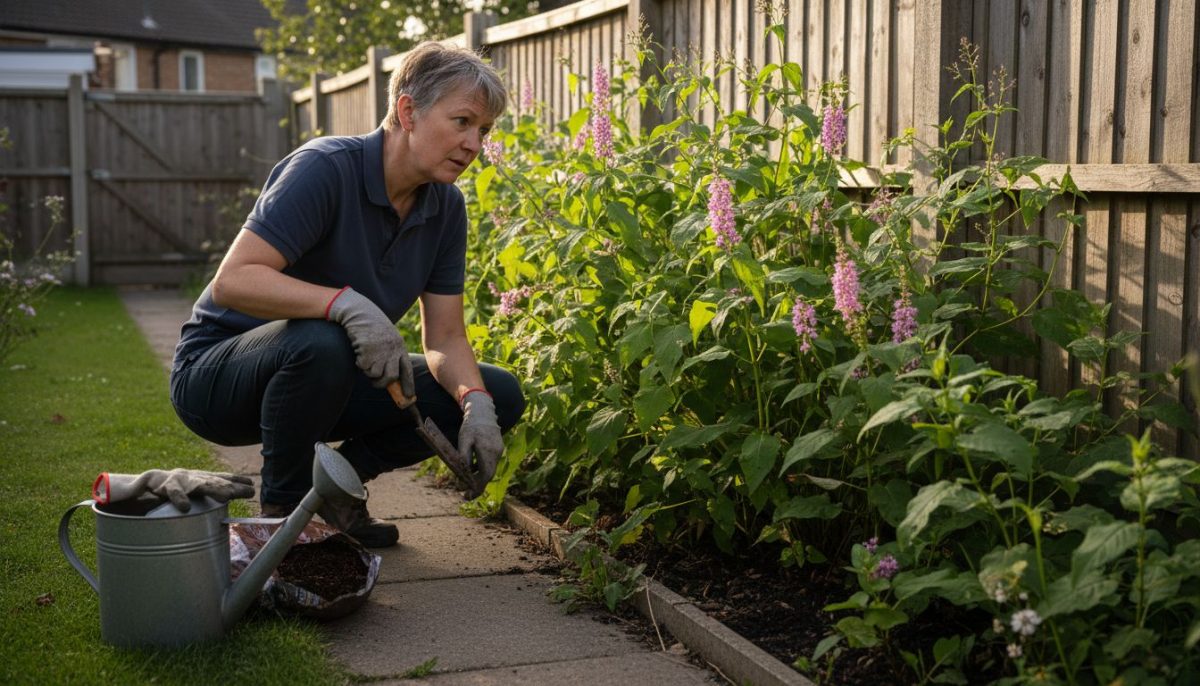
Himalayan Balsam might appear beautiful with its delicate pink flowers, but this invasive plant represents a serious ecological threat to native ecosystems. Often mistaken for an ornamental garden plant, it aggressively spreads and destroys local biodiversity.
Distinctive Identification Features:
- Purple pink helmet shaped flowers
- Tall plant structure
- Smooth green stems
- Large leaf formations
- Explosive seed dispersal mechanism
This invasive species demonstrates remarkable reproductive capabilities that make it particularly dangerous to local environments. Each plant can produce an astonishing 800 seeds that can be propelled up to 7 meters away, creating rapid and uncontrolled spread across landscapes.
Control and Removal Strategies:
- Hand pull plants before seed formation
- Cut plants at ground level multiple times per season
- Prevent seed pod development
- Monitor areas for recurring growth
- Dispose of plants carefully to prevent accidental spread
Homeowners should act quickly when identifying Himalayan Balsam. The plant typically flowers from June to October, providing a clear window for identification and removal. Professional intervention might be necessary for large infestations, as improper removal can inadvertently assist the plant’s aggressive propagation.
5. Common Rhododendron: Harm to Local Ecosystems
Rhododendron might seem like an attractive ornamental plant with its vibrant blooms, but this deceptive species represents a significant threat to native ecosystems. What appears to be a beautiful garden addition can quickly become an ecological nightmare for local environments.
Invasive Characteristics:
- Dense growth patterns
- Rapid spread capabilities
- Ability to suppress native vegetation
- Toxic properties deterring local wildlife
Extensive research confirms Rhododendron ponticum as a particularly aggressive invasive species that systematically destroys local biodiversity. The South Downs National Park Authority emphasizes how this plant can completely dominate landscapes, suppressing native flora and fundamentally altering habitat structures.
Ecological Impact Zones:
- Woodland environments
- Grassland ecosystems
- Coastal vegetation regions
- Agricultural border zones
Homeowners and land managers must recognize the potential long term consequences of allowing Rhododendron to establish itself. Its dense canopy blocks sunlight, preventing native plant growth and creating monoculture environments that drastically reduce local plant and animal diversity. Professional removal and strategic management are crucial to preventing widespread ecological disruption.
6. New Zealand Pigmyweed: Waterway Invasion Issues
New Zealand Pigmyweed might seem like an innocuous aquatic plant, but this small organism represents a significant threat to waterway ecosystems across the United Kingdom. Its unassuming appearance belies a remarkably destructive potential that can fundamentally alter local aquatic environments.
Distinctive Growth Characteristics:
- Thrives in slow moving water
- Rapid reproduction capabilities
- Adaptable to multiple water environments
- Can grow in both submerged and emerged conditions
Invasive species strategies highlight New Zealand Pigmyweed as a critical ecological concern for water management professionals. The plant can flourish in stagnant and slow moving water sources, including canals, lakes, and small water bodies, creating substantial disruption to native aquatic ecosystems.
Potential Ecological Impacts:
- Displaces native aquatic plant species
- Reduces water oxygen levels
- Blocks sunlight from reaching underwater vegetation
- Disrupts local marine biodiversity
Homeowners with ponds, water features, or properties near water sources should remain vigilant. Professional assessment and targeted removal strategies are crucial to preventing this invasive species from establishing itself and causing long term environmental damage.
7. Steps Homeowners Can Take to Tackle Invasive Plants
Tackling invasive plant species requires a strategic and informed approach that goes beyond simple garden maintenance. Homeowners play a critical role in preventing the spread of destructive non native plants that can cause significant ecological and property damage.
Key Proactive Strategies:
- Accurate plant identification
- Immediate intervention
- Professional consultation
- Proper disposal techniques
- Regular monitoring
Successful invasive plant management begins with understanding proper identification and treatment methods. The Royal Horticultural Society recommends specific disposal protocols for different invasive plant species, emphasizing that different plants require unique removal approaches.
Recommended Action Steps:
- Research specific plant characteristics
- Consult local ecological resources
- Use protective equipment during removal
- Avoid spreading plant material
- Document and track plant locations
Professional intervention becomes crucial when dealing with particularly aggressive species like Japanese Knotweed or Giant Hogweed. Homeowners should never attempt removal without understanding the specific risks and proper containment methods. Specialized treatment techniques can prevent further ecological damage and potential legal complications associated with invasive plant spread.
Below is a comprehensive table summarizing the main threats and management strategies for invasive plant species discussed throughout the article.
| Plant Species | Characteristics | Risks & Impacts | Management Strategies |
|---|---|---|---|
| Invasive Plants Overall | Rapid Spread Outcompete Natives Disrupt Ecosystems |
Environmental Damage Property Damage |
Early Detection Strategic Intervention |
| Japanese Knotweed | Resilient Roots Grows Quickly |
Property Damage Legal Complications |
Professional Removal Proactive Monitoring |
| Giant Hogweed | Tall Growth Phototoxic Sap |
Health Risks Legal Restrictions |
Professional Removal Protective Clothing |
| Himalayan Balsam | Explosive Seed Dispersal | Ecological Threat Rapid Spread |
Hand Pulling Monitor Growth |
| Common Rhododendron | Dense Growth Toxic Properties |
Suppresses Native Plants Reduces Biodiversity |
Professional Management Regular Intervention |
| New Zealand Pigmyweed | Aquatic Growth Rapid Reproduction |
Displaces Native Species Disrupts Waterways |
Targeted Removal Professional Assessment |
| General Strategies | Accurate Identification Proper Disposal |
Prevents Spread Minimizes Ecological Damage |
Use Protective Equipment Consult Experts |
Protect Your Property from Destructive Invasive Plants Today
Invasive plants such as Japanese Knotweed, Giant Hogweed, and Himalayan Balsam pose serious risks to your property and local ecosystems. These aggressive species can damage foundations, reduce property value, and even create legal troubles if left unchecked. If you want to tackle these threats with safe and effective solutions, our chemical free treatments at Japanese Knotweed Agency are designed to deliver direct energy to invasive plants, breaking down their root systems and preventing regrowth.

Don’t wait until invasive plants cause irreparable damage. Take proactive steps now by scheduling a professional property survey and exploring innovative options like root barrier installations and excavation works. Visit Japanese Knotweed Agency to learn more about our proven eradication methods and secure your home’s future against these relentless invaders.
Frequently Asked Questions
How can I identify invasive plants on my property?
To identify invasive plants, look for species that spread quickly, outcompete native plants, and have distinct growth patterns. Familiarize yourself with common characteristics of invasive plants, such as rapid reproduction rates and minimal resource requirements. You can start by comparing local vegetation with online resources or field guides.
What are the signs of Japanese Knotweed infestation?
Signs of Japanese Knotweed infestation include bamboo-like stems, large heart-shaped leaves, and hollow stems with distinct purple speckles. If you notice these features, take immediate action by marking the area and consulting extermination experts to manage the situation effectively within a timely manner.
How can I safely remove Giant Hogweed from my yard?
Safely remove Giant Hogweed by wearing protective clothing and avoiding direct contact with the plant. Use gloves and eye protection, and seek professional help to ensure safe removal of this hazardous plant without risking exposure to its toxic sap.
What steps should I follow if I find Himalayan Balsam in my garden?
If you find Himalayan Balsam, act quickly by hand-pulling plants before they set seed, ideally before they start flowering from June to October. Properly dispose of the plants by sealing them in bags to prevent seed dispersal and consider asking for professional assistance if the infestation is extensive.
How do invasive plants like Rhododendron affect local ecosystems?
Invasive plants like Rhododendron create dense areas that block sunlight and suppress native species, leading to a decline in local biodiversity. To mitigate their effect, regularly monitor your property and remove any Rhododendron plants to promote a healthier ecosystem around you.
What’s the best approach to manage New Zealand Pigmyweed in waterways?
To manage New Zealand Pigmyweed, conduct regular assessments of your waterway and remove any signs of growth immediately. Engage local environmental services if necessary to deploy targeted removal strategies within the weed’s growing season to limit its spread.