Most advice about invasive plants misses a crucial point: over 2,000 non-native species now thrive within British borders, yet only a few actually threaten local ecosystems. For homeowners and gardeners alike, understanding which invaders pose real risks can make the difference between a healthy garden and costly property damage. Sorting fact from fiction can arm you with the knowledge to protect your British landscape, uncovering the true dangers and common misconceptions about these troublesome plants.
Table of Contents
- Invasive Plants Defined and Common Myths
- Major Invasive Species Threatening The UK
- How Invasive Plants Spread and Cause Harm
- Legal Responsibilities For Homeowners and Authorities
- Chemical-Free Eradication and Survey Options
Key Takeaways
| Point | Details |
|---|---|
| Invasive Species Characteristics | Invasive plants grow rapidly, outcompete native species, and often lack natural predators, posing significant ecological and economic threats. |
| Legal Responsibilities | Homeowners must manage invasive species on their properties to avoid legal repercussions, including potential prosecution and financial penalties. |
| Transmission Mechanisms | Invasive plants spread through various means, including accidental human transportation and natural dispersal methods, making prevention challenging. |
| Chemical-Free Eradication | Non-chemical removal strategies offer sustainable alternatives for managing invasive plants while protecting ecosystems and public health. |
Invasive Plants Defined and Common Myths
Invasive species represent a complex ecological challenge with significant implications for UK landscapes and property owners. According to the Natural History Museum’s definition, invasive species are non-native organisms capable of spreading rapidly and causing substantial environmental, economic, or human health disruptions. These plants are not simply foreign botanical visitors, but aggressive colonisers that can dramatically transform ecosystems.
Contrary to popular misconceptions, not all non-native plants qualify as invasive. Many introduced species coexist harmoniously within existing ecosystems, while a small subset demonstrates extraordinary adaptability and destructive potential. Research from Cherwell District Council highlights that invasive plants are not limited to wilderness areas but can significantly impact urban environments, causing infrastructure damage and reducing local biodiversity.
Key characteristics of invasive plants include:
- Rapid, uncontrolled growth patterns
- Ability to outcompete native species
- Limited natural predators or control mechanisms
- Potential to cause substantial economic damage
- Capacity to spread through multiple reproduction strategies
Understanding these plants requires dispelling several persistent myths. While some assume invasive species are always deliberately introduced, many arrive accidentally through international trade, shipping, or human movement. The ecological impact of these plants can be profound, transforming landscapes, disrupting native species interactions, and creating long-term environmental challenges for UK homeowners and local authorities.
Major Invasive Species Threatening the UK
According to the UK government’s official guidelines, several invasive plant species pose significant threats to the United Kingdom’s ecological balance and infrastructure. These botanical invaders include Japanese knotweed, giant hogweed, Himalayan balsam, rhododendron ponticum, and New Zealand pygmyweed, each presenting unique challenges to native ecosystems and property owners.
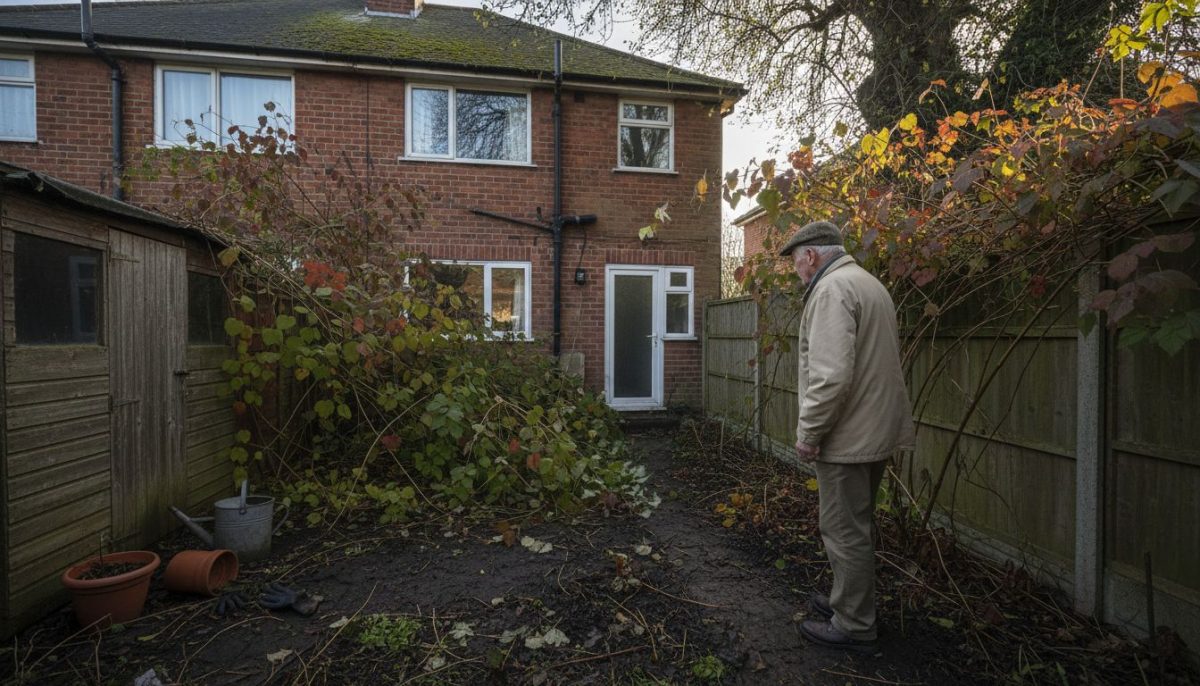
Japanese Knotweed stands out as particularly problematic. The Natural History Museum highlights its extraordinary capacity to proliferate, having been originally introduced as an ornamental plant but now causing extensive damage across British landscapes. This invasive species can grow through concrete, compromise building foundations, and rapidly outcompete native vegetation, making it a significant concern for homeowners and property developers.
The most destructive invasive species in the UK include:
- Japanese Knotweed: Capable of causing structural damage
- Giant Hogweed: Produces toxic sap that can cause skin burns
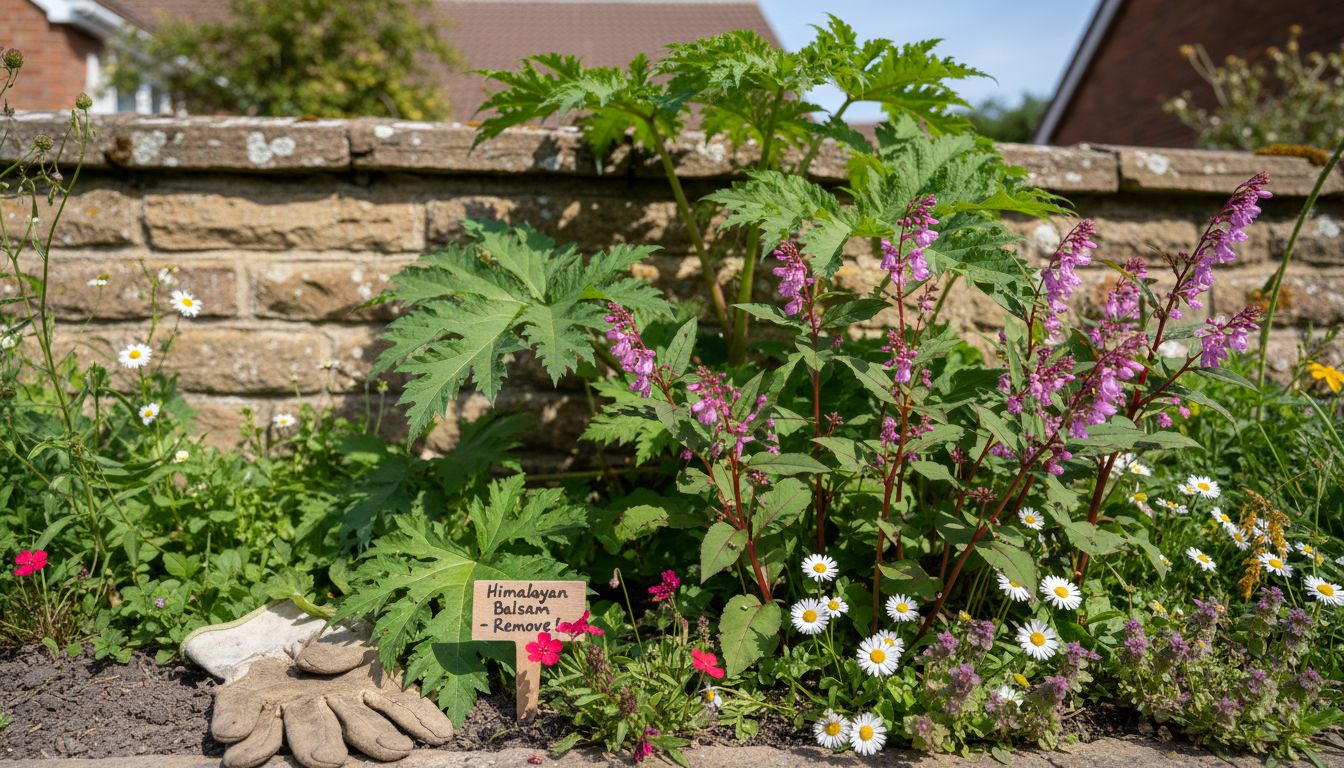
- Himalayan Balsam: Rapidly spreads and reduces biodiversity
- Rhododendron Ponticum: Blocks light and carries plant diseases
- New Zealand Pygmyweed: Chokes water systems and native aquatic life
These invasive plants share common characteristics that make them particularly challenging: rapid reproduction, limited natural predators, aggressive growth patterns, and the ability to survive in diverse environmental conditions. Property owners, landscapers, and environmental management professionals must remain vigilant in identifying and controlling these botanical invaders to protect both natural habitats and built environments.
How Invasive Plants Spread and Cause Harm
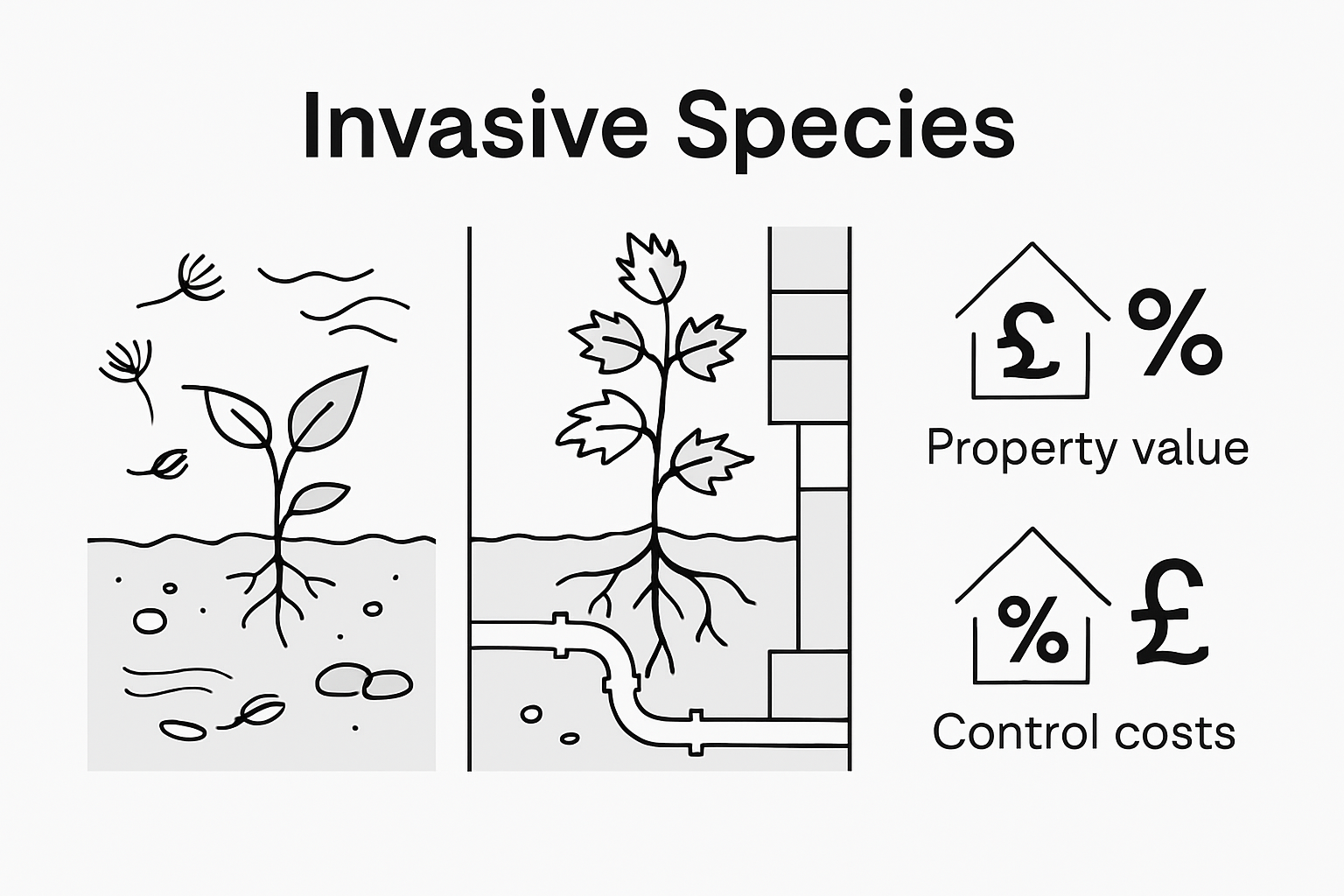
The UK Centre for Ecology & Hydrology reveals the complex mechanisms of invasive plant dispersal, highlighting how these botanical intruders can spread through seemingly innocuous means. Hitchhiking on clothing, tools, vehicles, and even animal fur, these plants possess remarkable adaptability that allows them to colonise new environments with alarming efficiency. Their ability to establish themselves quickly enables them to outcompete native species and transform entire ecological landscapes.
Transmission Mechanisms play a critical role in invasive plant propagation. Some species spread through root fragments, while others disperse through wind-borne seeds or underground rhizome networks. Bridgend County Borough Council emphasises the potential infrastructure and health risks associated with these plants, noting how species like giant hogweed can cause severe skin burns and compromise riverbank stability.
Key transmission pathways for invasive plants include:
- Accidental human transportation
- Animal fur and feather dispersal
- Water and wind-based seed distribution
- Root and rhizome fragment migration
- Soil contamination through gardening activities
The ecological and economic consequences of invasive plant spread are profound. These botanical invaders can dramatically alter habitat structures, reduce biodiversity, increase flood risks, and cause significant damage to buildings, roads, and agricultural lands. Property owners, landscapers, and environmental managers must remain vigilant, implementing robust prevention and management strategies to mitigate the potentially devastating impacts of these resilient plant species.
Legal Responsibilities for Homeowners and Authorities
The UK government mandates strict legal obligations regarding the management of invasive non-native plants, establishing clear responsibilities for landowners and authorities. These regulations are designed to prevent the uncontrolled spread of harmful botanical species that can cause significant environmental and infrastructural damage. Homeowners and property managers must proactively identify, control, and prevent the proliferation of invasive plant species on their land.
Under current legal frameworks, landowners face potential prosecution for failing to manage invasive plants effectively. Specific Legal Obligations include preventing non-native plants from growing in the wild, stopping their spread to neighbouring properties, and taking immediate action when invasive species are identified. Staffordshire Moorlands District Council emphasises the critical importance of correct identification and control measures to avoid potential legal repercussions and environmental damage.
Key legal responsibilities for property owners include:
- Identifying invasive plant species on their property
- Preventing plants from spreading to neighbouring lands
- Implementing appropriate control and eradication methods
- Maintaining accurate records of management efforts
- Reporting significant infestations to local authorities
The consequences of non-compliance can be severe, ranging from substantial financial penalties to potential legal action. Local authorities have the power to serve enforcement notices, require specific remediation actions, and even pursue criminal prosecution in cases of persistent negligence. Property owners must therefore adopt a proactive approach, seeking professional advice and implementing comprehensive management strategies to mitigate the risks associated with invasive plant species.
Chemical-Free Eradication and Survey Options
The UK government provides comprehensive guidance on treating invasive non-native plants without chemical interventions, emphasising environmentally sensitive approaches that protect both human health and ecological systems. Chemical-free eradication strategies have emerged as a critical alternative to traditional herbicide treatments, offering property owners and environmental managers sustainable methods for managing invasive plant species. These techniques require careful planning, consistent implementation, and a deep understanding of plant biology and growth patterns.
Non-Chemical Removal Techniques encompass a range of sophisticated approaches designed to systematically eliminate invasive plants. West Lindsey District Council confirms that manual removal methods can be highly effective, though they often demand more time and persistent effort compared to chemical treatments. These strategies include:
- Repeated cutting and mowing
- Manual extraction of root systems
- Systematic excavation of contaminated soil
- Targeted thermal treatment techniques
- Biological control through competitive native species
Successful chemical-free eradication requires a comprehensive survey and strategic approach. Property owners must conduct thorough initial assessments, documenting the extent of plant invasion, identifying specific species, and developing a tailored removal plan. Professional invasive plant specialists can provide detailed surveys that map out infestations, assess potential risks, and recommend the most appropriate non-chemical intervention strategies. By adopting a methodical, patient approach, landowners can effectively manage and ultimately eliminate invasive plant populations while preserving the surrounding ecosystem’s delicate balance.
Take Control of Invasive Plants Threatening Your Property Today
Invasive plants such as Japanese Knotweed are not only damaging to the environment but can also threaten the value and safety of your home. This article highlights the challenges invasive species present, including rapid growth that invades foundations and legal duties homeowners must face. If you are concerned about aggressive plants undermining your property or health risks like those posed by giant hogweed, it is vital to act before the problem worsens.
Japanese Knotweed Agency specialises in chemical-free eradication using advanced direct energy treatment designed to target invasive species at their root system. Our property surveys identify infestations early so you can meet your legal responsibilities and avoid costly damage.
Discover more about our eradication methods and book a comprehensive invasive weed survey with trusted experts who work across England, Wales, and Ireland.

Don’t let invasive plants continue to threaten your home and land. Contact Japanese Knotweed Agency now to get precise surveys and proven, environmentally safe treatment. Protect your property’s future today by taking the first step with a professional assessment and tailored removal plan.
Frequently Asked Questions
What are invasive plants and how do they affect homes?
Invasive plants are non-native species that spread rapidly, often outcompeting local flora. They can cause structural damage to homes, harm local ecosystems, and result in costly property repairs.
How can I identify invasive plant species on my property?
Look for rapid growth patterns, aggressive behaviour, and difficulty in controlling these plants. Common invasive species include Japanese knotweed and giant hogweed. Consulting local resources or experts can help with proper identification.
What legal responsibilities do homeowners have regarding invasive plants?
Homeowners must manage invasive plants on their property, preventing their spread to neighbouring lands and controlling their growth. Failure to do so can result in legal action and significant penalties.
What are some effective chemical-free methods to eradicate invasive plants?
Chemical-free methods include manual removal of roots, repeated cutting, thermal treatment, and using competitive native species to outgrow invasives. A thorough initial survey is necessary to implement a successful eradication plan.