Over 2,000 non-native plant species now threaten Britain’s gardens and wild spaces. Many people believe invasive plants are just fast-growing weeds, but the risks they pose reach much further. Invasive species can ruin structures, erase native habitats, and spark costly long-term issues. Understanding what makes these plants so disruptive, and how to spot them quickly, can help protect both your property and the natural world around you.
Table of Contents
- Defining Invasive Plants And Common Misconceptions
- Major Invasive Species Found In The UK
- Techniques For Identifying Invasive Plants
- Legal And Environmental Responsibilities For Homeowners
- Non-Chemical Eradication And Treatment Options
Key Takeaways
| Point | Details |
|---|---|
| Understanding Invasive Plants | Invasive plants are fast-growing, non-native species that threaten local ecosystems and biodiversity, requiring early identification and management. |
| Major Invasive Species | Key invasive species in the UK include Japanese Knotweed and Giant Hogweed, which pose severe ecological risks and require strategic intervention. |
| Legal Responsibility | Homeowners have legal obligations to prevent the spread of invasive plants and manage their gardens responsibly to protect native biodiversity. |
| Non-Chemical Management | Sustainable eradication techniques focus on physical removal and habitat management to control invasive species without chemical interventions. |
Defining Invasive Plants and Common Misconceptions
Invasive plants are non-native species that spread rapidly and cause significant ecological damage. According to Centre for Ecology & Hydrology, Britain hosts over 2,000 non-native species that can potentially disrupt local ecosystems. These plants typically share critical characteristics that distinguish them from standard garden varieties.
Key Characteristics of Invasive Plants include:
- Extremely fast growth rates
- Ability to reproduce quickly through multiple methods
- Limited natural predators or control mechanisms
- High adaptability to different environmental conditions
- Capacity to outcompete native plant species
Many homeowners mistakenly believe that invasive plants are simply aggressive garden weeds. However, the reality is far more complex. Royal Horticultural Society emphasizes that these plants pose significant risks beyond typical gardening challenges. They can cause structural damage, reduce biodiversity, and create expensive long-term management problems.
Understanding the difference between aggressive plants and truly invasive species requires careful assessment. Invasive plants aren’t just unwanted garden guests – they represent a serious ecological threat that can spread rapidly across landscapes, disrupting natural habitats and causing substantial environmental and economic damage. Proper identification and early intervention are crucial in managing these botanical invaders effectively.
Major Invasive Species Found in the UK
The United Kingdom faces significant challenges with numerous invasive plant species that threaten local ecosystems and biodiversity. Government of UK provides comprehensive documentation of these ecological disruptors, highlighting the urgent need for effective management strategies.
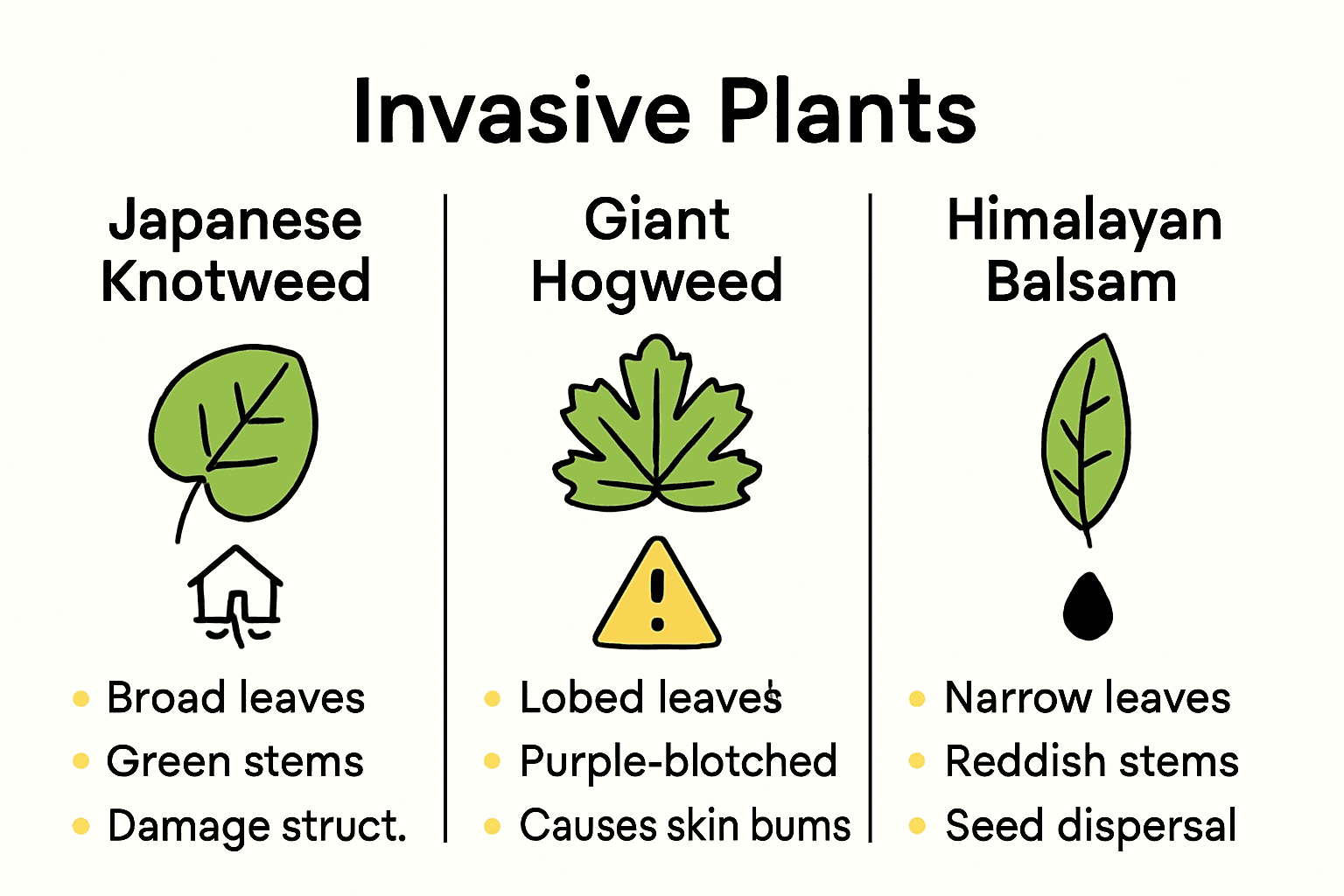
Most Prevalent Invasive Plant Species in the UK include:
- Japanese Knotweed: Perhaps the most notorious invasive plant
- Giant Hogweed: Causes severe skin burns and grows extremely rapidly
- Himalayan Balsam: Quickly colonizes riverbanks and displaces native vegetation
- New Zealand Pygmyweed: Overwhelms pond and wetland ecosystems
- Rhododendron: Spreads aggressively in woodland areas
According to NHBS Environmental Books, these invasive species share common characteristics that enable their rapid spread. They typically possess extraordinary adaptability, multiple reproduction methods, and minimal natural predation in their introduced environments.
 This allows them to quickly outcompete native plant species and fundamentally alter local ecological balances.
Understanding these invasive species isn’t just an academic exercise. Homeowners, property managers, and environmental professionals must recognize these plants to prevent ecological and structural damage. Early identification and strategic intervention can significantly mitigate the potential environmental and economic consequences of these botanical invaders.
Techniques for Identifying Invasive Plants
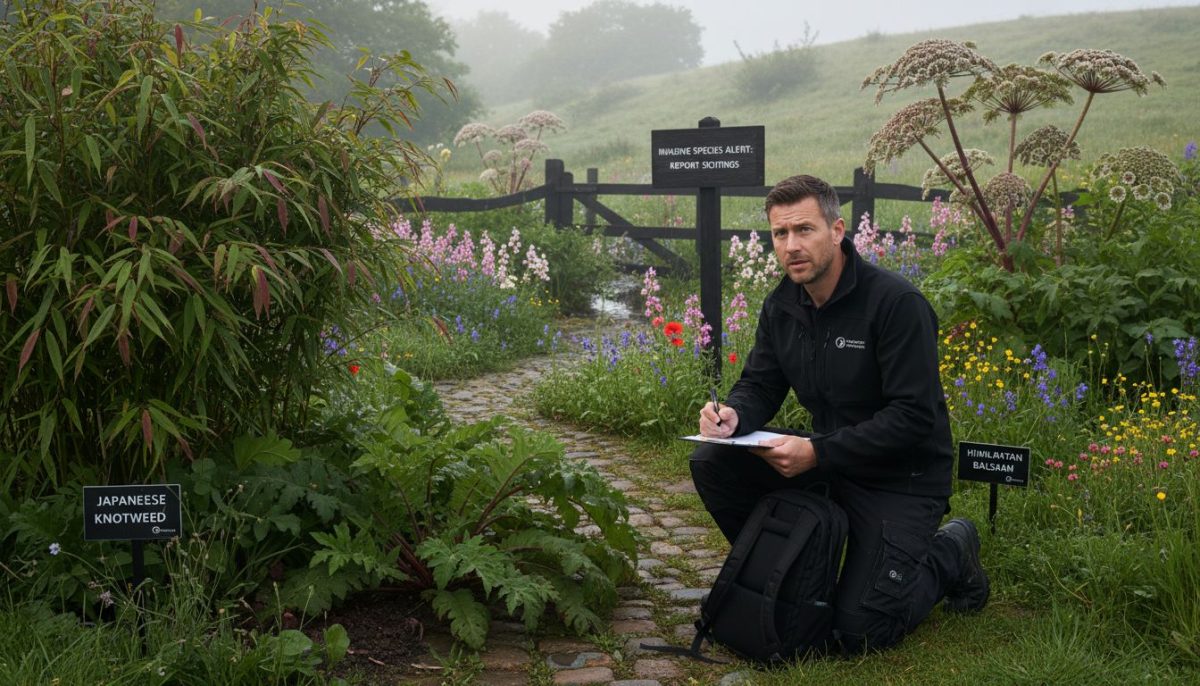
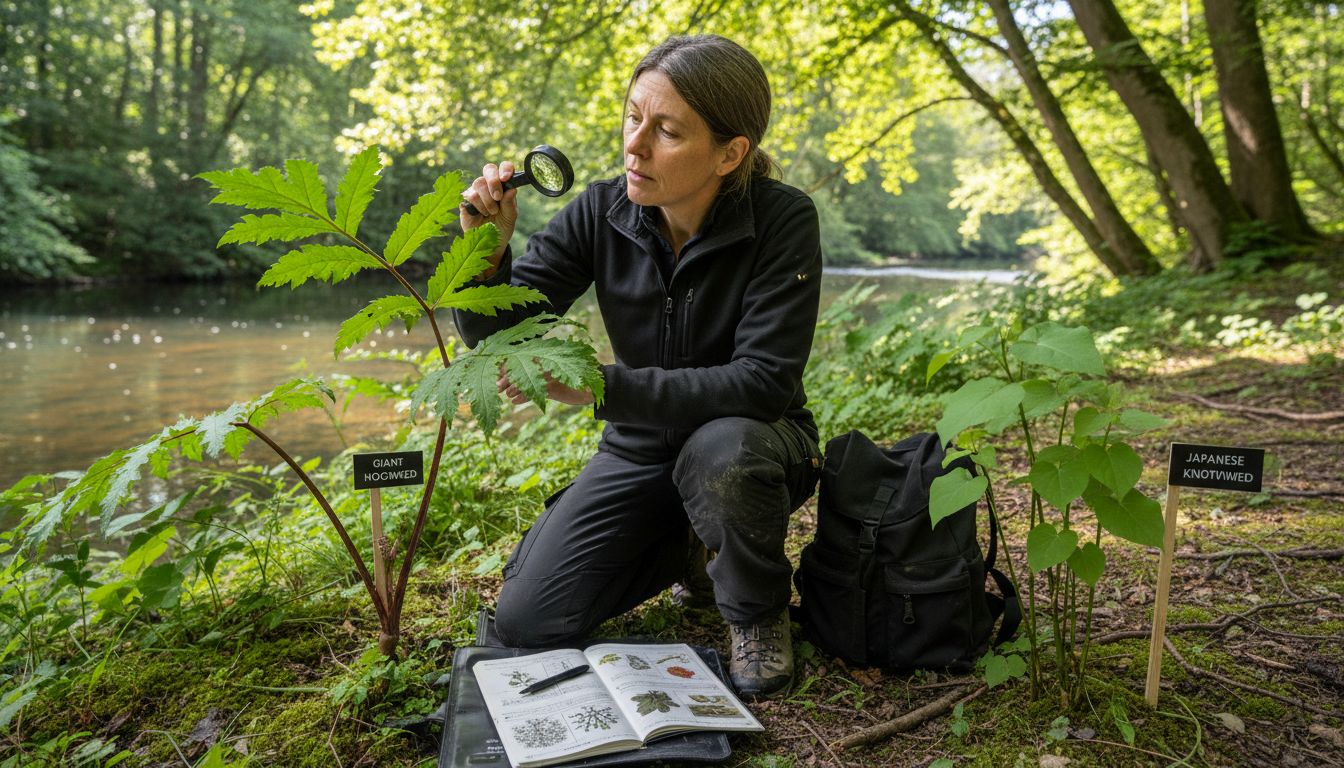
Centre for Ecology & Hydrology emphasizes that accurate identification of invasive plants requires a systematic and detailed approach. Successful detection involves understanding unique morphological characteristics, growth patterns, and ecological behaviors that distinguish these species from native vegetation.
Key Identification Techniques include:
- Visual Leaf Examination: Analyzing leaf shape, size, and arrangement
- Growth Pattern Analysis: Observing rapid spread and colonization behaviors
- Seasonal Transformation: Tracking changes in plant appearance throughout different seasons
- Root System Investigation: Examining underground rhizome networks
- Comparative Botanical Mapping: Comparing against known native species
According to the Royal Horticultural Society, effective identification goes beyond simple visual recognition. Professionals recommend documenting specific traits such as leaf texture, stem characteristics, flowering patterns, and reproductive mechanisms.
Advanced techniques might involve microscopic analysis, genetic testing, or consultation with botanical experts.
Successful invasive plant identification requires patience, detailed observation, and a comprehensive understanding of local ecosystem dynamics. Homeowners and environmental professionals should develop a systematic approach, combining visual inspection, photographic documentation, and potentially expert consultation to accurately identify and manage these challenging botanical invaders.
Legal and Environmental Responsibilities for Homeowners
Government of UK provides clear guidance on homeowners’ legal obligations regarding invasive plant species. These regulations are designed to protect local ecosystems and prevent the uncontrolled spread of non-native plants that can cause significant environmental damage. Failure to manage invasive species can result in substantial legal and financial consequences.
Key Legal Responsibilities for Homeowners include:
- Preventing invasive plants from spreading to neighboring properties
- Disposing of plant materials through approved waste management channels
- Reporting significant invasive plant infestations to local authorities
- Avoiding planting known invasive species in gardens
- Implementing responsible management strategies
According to the Royal Horticultural Society, environmental responsibility extends beyond legal compliance. Homeowners play a crucial role in protecting native biodiversity by proactively managing and controlling invasive plant species. This involves regular monitoring, swift intervention, and understanding the potential ecological impact of plants in their garden.
Ultimately, managing invasive plants is a shared responsibility that requires awareness, education, and commitment. Homeowners must recognize that their gardening choices can have far-reaching consequences for local ecosystems. By staying informed, following legal guidelines, and adopting responsible environmental practices, individuals can significantly contribute to preserving the UK’s natural botanical heritage.
Non-Chemical Eradication and Treatment Options
Royal Horticultural Society emphasizes that non-chemical treatment strategies are crucial for managing invasive plant species effectively. These approaches focus on sustainable, environmentally friendly methods that minimize ecological disruption while controlling plant spread and preventing further infestation.
Non-Chemical Eradication Techniques include:
- Physical Removal: Systematic excavation of entire root systems
- Repeated Cutting: Systematic cutting to deplete plant energy reserves
- Mulching: Blocking sunlight to prevent plant regeneration
- Competitive Planting: Introducing native species to outcompete invasives
- Habitat Management: Modifying environmental conditions to restrict growth
According to the Centre for Ecology & Hydrology, successful non-chemical treatment requires a comprehensive and persistent approach. Biological control methods, such as introducing natural predators or competing plant species, can provide long-term management solutions without relying on chemical interventions.
Successful non-chemical eradication demands patience, consistent monitoring, and a strategic approach. Homeowners and land managers must develop tailored treatment plans that account for specific plant species, local ecosystem dynamics, and long-term environmental sustainability. By combining multiple techniques and maintaining persistent intervention, invasive plant populations can be effectively controlled and gradually eliminated.
Take Control of Invasive Plants in Your Garden Today
Identifying invasive plants like Japanese Knotweed and Himalayan Balsam is only the first step to protecting your property and local ecosystem. The article highlights how rapid growth and resilient root systems create serious challenges that demand professional intervention. If you are concerned about spreading rhizomes or costly damage, it is critical to act now before these invaders take hold.

Japanese Knotweed Agency specializes in chemical free treatment using powerful direct energy technology that targets the deep root structure safely and effectively. We also provide expert property surveys for invasive weeds across England, Wales, and Ireland, ensuring early detection and tailored eradication plans. Visit Japanese Knotweed Agency to discover how our unique solutions can protect your home and environment. Don[NULL]t wait until invasive plants overwhelm your garden. Contact us today to schedule a consultation and stop the spread before it starts.
Frequently Asked Questions
What are invasive plants, and why are they a problem?
Invasive plants are non-native species that spread rapidly, causing significant ecological damage by disrupting local ecosystems, reducing biodiversity, and sometimes leading to expensive management issues.
How can I identify invasive plants in my garden?
To identify invasive plants, analyze unique morphological characteristics, such as leaf shape and growth patterns, observe seasonal transformations, and investigate root systems. Comparative botanical mapping can also help distinguish them from native species.
What are some common invasive species found in the UK?
Common invasive species include Japanese Knotweed, Giant Hogweed, Himalayan Balsam, New Zealand Pygmyweed, and Rhododendron. These plants have adapted well to their environments and can outcompete native species.
What are my legal responsibilities regarding invasive plants?
Homeowners are required to prevent the spread of invasive plants to neighboring properties, properly dispose of plant materials, report significant infestations to local authorities, and refrain from planting known invasive species in their gardens.