

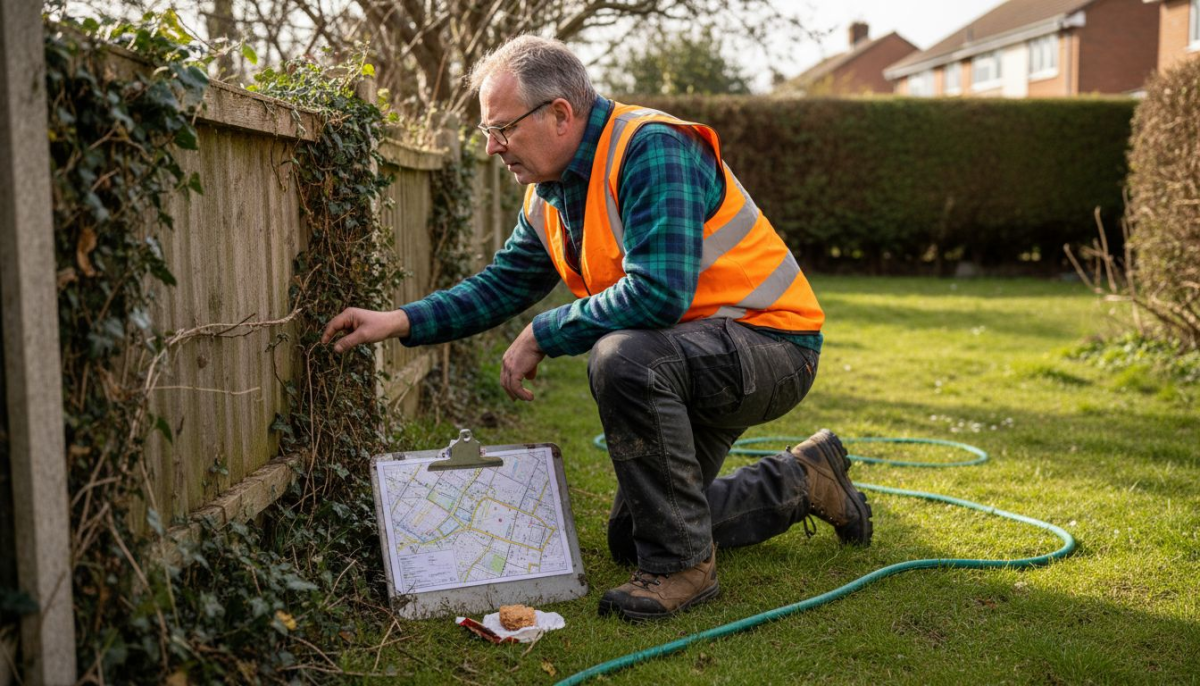
Buying a home close to Japanese Knotweed hotspots in England and Wales can raise concerns about hidden risks and future costs. The presence of invasive plants like Japanese Knotweed often threatens property value and infrastructure integrity, making a thorough property survey and chemical-free removal strategies essential for peace of mind. This guide walks you through expert steps to identify, document, and address invasives without chemicals, helping you secure your investment with confidence.
Table of Contents
- Step 1: Prepare Property For Thorough Weed Inspection
- Step 2: Conduct Visual And Physical Assessment For Invasives
- Step 3: Record And Map Identified Weed Infestations
- Step 4: Verify Chemical-Free Control Options With Specialists
- Step 5: Confirm Survey Accuracy For Confident Property Purchase
Quick Overview
| Essential Insight | Clear Explanation |
|---|---|
| 1. Prepare for thorough inspections | Conduct a visual landscape assessment to identify potential invasive species before purchasing a property. |
| 2. Document findings meticulously | Take clear photographs and GPS coordinates of invasive species during your assessment for accurate records. |
| 3. Explore chemical-free control options | Consult with specialists about non-chemical methods to manage invasive plants, ensuring environmental safety. |
| 4. Validate survey findings comprehensively | Cross-reference survey results with expert reviews and historical records to confirm accuracy before purchasing. |
| 5. Clear access for professional assessments | Trim vegetation and remove debris to enhance visibility for surveyors, facilitating thorough inspections. |
Step 1: Prepare property for thorough weed inspection
Preparing your property for a comprehensive invasive weed survey requires strategic planning and careful assessment. Your primary goal is to facilitate a thorough inspection that identifies potential risks before purchasing a property.
Start by conducting a comprehensive visual landscape assessment. Walk the entire property perimeter and document potential areas where invasive species might establish themselves. This includes checking vegetation management zones carefully, paying special attention to:
- Boundary walls and fence lines
- Unused or overgrown areas
- Drainage channels and water-adjacent spaces
- Concrete or tarmac surfaces with potential cracks
Documenting these areas helps surveyors quickly identify potential invasive plant risks. Consider gathering historical landscape photographs or speaking with previous property owners about past vegetation management. This additional context provides valuable insights into potential long-term invasive species patterns.
A detailed property preparation involves more than visual inspection. You want to create clear access for professional surveyors by trimming excessive vegetation, removing debris, and ensuring all areas are accessible. Consider clearing a minimum 2-metre perimeter around structures to allow comprehensive examination.
A methodical approach to property preparation significantly reduces the likelihood of unexpected invasive plant discoveries during your purchase process.
Expert recommendation: Engage a professional landscaper to pre-clear complex or overgrown areas before the official survey to ensure maximum visibility and accurate assessment.

Step 2: Conduct visual and physical assessment for invasives
Conducting a comprehensive visual and physical assessment of invasive plant species is crucial for protecting your potential property investment. Your goal is to systematically identify and document potential invasive plant risks across the entire property landscape.
Begin by performing detailed survey methods that thoroughly examine each section of the property. Focus on identifying key characteristics of invasive species, paying close attention to:
- Unique leaf structures and growth patterns
- Root system spread and penetration
- Seasonal variations in plant appearance
- Proximity to building foundations and infrastructure
- Unusual vegetation density or irregular plant clusters
Know the specific identification markers for common invasive plants like Japanese knotweed, which can have distinctive bamboo-like stems and heart-shaped leaves. Look for signs of potential damage such as cracks in concrete, displaced paving, or unusual vegetation growth near structural elements.
Documenting your findings is essential. Take clear photographs from multiple angles, noting GPS locations and measuring the extent of potential invasive plant areas. This visual evidence will be crucial for professional surveyors and potential remediation strategies.
Systematic and meticulous observation can prevent significant property damage and expensive future restoration costs.
Expert recommendation: Bring a measuring tape, notebook, and smartphone with good camera resolution to comprehensively document potential invasive plant locations during your assessment.
The following table summarises common invasive plant detection challenges and their property impact:
| Detection Challenge | Typical Impact on Property | Suggested Proactive Response |
|---|---|---|
| Hidden root systems | Undetected damage to structures | Use physical probing tools |
| Seasonal plant variation | Missed infestations in some months | Schedule multiple inspections |
| Overgrown vegetation | Obscures invasive species | Clear site before survey |
| Historical infestations | Recurring plant regrowth | Review old landscape records |
Step 3: Record and map identified weed infestations
Recording and mapping invasive weed infestations is a critical step in protecting your property investment and understanding potential environmental risks. Your objective is to create a comprehensive and accurate documentation system that captures the full extent of invasive plant presence.
Utilise digital mapping resources to systematically document each identified invasive plant location. Your mapping process should include detailed information such as:
- GPS coordinates of infestation sites
- Precise measurements of affected areas
- Photographic evidence from multiple angles
- Date of initial discovery
- Estimated plant species and growth stage
- Potential impact on surrounding infrastructure
Ensure your documentation is methodical and precise. Use digital tools like smartphone apps or handheld GPS devices to capture exact locations. Measure the spread of invasive plants carefully, noting the boundaries and potential root system extensions.
Consider creating a digital overlay or sketch of the property that highlights all identified invasive plant zones. This visual representation will be invaluable for professional surveyors, potential property buyers, and future remediation efforts.
Comprehensive mapping transforms scattered observations into strategic intelligence for invasive species management.
Expert recommendation: Create a digital folder with geotagged photographs and a spreadsheet tracking each invasive plant location to maintain a professional and thorough record.
Step 4: Verify chemical-free control options with specialists
Verifying chemical-free control options requires careful consultation with invasive species management specialists who can provide tailored, environmentally responsible solutions. Your goal is to explore comprehensive treatment strategies that minimise ecological disruption while effectively addressing invasive plant challenges.
Explore non-chemical weed control techniques that specialists recommend for your specific property context. These methods might include:
- Manual extraction and root system removal
- Thermal treatment technologies
- Physical barrier installation
- Targeted mechanical disruption
- Biological control mechanisms
- Sustainable landscape management approaches
Schedule detailed consultations with professional invasive species experts who can assess your specific site conditions. These specialists will conduct comprehensive evaluations of the invasive plant species, assess potential risks, and recommend precise chemical-free intervention strategies tailored to your property’s unique environmental characteristics.
Each consultation should produce a detailed, scientifically informed treatment plan that outlines the proposed non-chemical control methods, estimated timeframes, potential challenges, and expected outcomes. Request comprehensive documentation that explains the rationale behind each recommended intervention.
Specialist consultation transforms complex invasive plant management into structured, targeted ecological solutions.
Expert recommendation: Request written documentation of proposed treatment methods and ask specialists to explain the ecological principles underlying their recommended non-chemical control strategies.
Here is a comparison of non-chemical and chemical weed control approaches for property management:
| Method | Environmental Impact | Long-term Effectiveness |
|---|---|---|
| Manual extraction | Minimal | High with regular checks |
| Biological controls | Low | Variable, site-specific |
| Chemical herbicides | High | May harm non-target plants |
| Thermal treatment | Low | Effective but needs repeats |
Step 5: Confirm survey accuracy for confident property purchase
Confirming the accuracy of your invasive weed survey is a critical final step in ensuring a safe and informed property purchase. Your objective is to thoroughly validate the survey findings and understand their potential long-term implications for your property investment.
Utilise standardized wildlife monitoring methods to cross-reference and verify the survey results. This comprehensive validation process should include:
- Independent expert review of survey documentation
- Cross-checking findings with local ecological databases
- Comparing survey results against historical property records
- Requesting detailed photographic evidence
- Confirming the qualifications of survey professionals
- Checking compliance with UK invasive species regulations
Ensure that the survey documentation provides comprehensive details about the methodology used, including identification techniques, mapping approaches, and potential risk assessments. Request a formal report that clearly outlines the extent of any identified invasive plant species, their potential impact, and recommended management strategies.
Carefully analyse the survey report for consistency, scientific rigour, and professional standards. Pay particular attention to the credibility of the sources, the depth of investigation, and the clarity of recommendations provided.
Meticulous verification transforms a simple survey into a powerful tool for protecting your property investment.
Expert recommendation: Request a follow-up consultation with the survey team to discuss any technical details or potential concerns not fully addressed in the initial report.
Ensure a Safe Property Purchase with Expert Invasive Weed Solutions
Navigating an invasive weed survey can be daunting when facing hidden root systems, seasonal plant variations, and the risk of expensive property damage. The challenge lies in achieving accurate identification and effective control without harming your land’s environment. Your goal is clear thorough documentation, non-chemical treatments, and confident survey verification as highlighted in the guide.
Japanese Knotweed Agency specialises in chemical-free eradication of Japanese Knotweed and other invasive species. Our innovative energy delivery treatments target the extensive rhizome networks causing internal cell damage for lasting results. We also provide root barrier installations and expert excavation services across England, Wales and Ireland. With professional surveys that blend meticulous mapping and advanced control methods, we help you take confident steps in your property purchase.

Discover how our expert invasive weed surveys and advanced treatment options can protect your investment today. Visit Japanese Knotweed Agency to arrange a survey or learn more about our proven chemical-free solutions. Dont risk hidden invasives affecting your property value when trusted support is only a click away.
Frequently Asked Questions
How can I prepare my property for an invasive weed survey?
To prepare your property for an invasive weed survey, start with a comprehensive visual landscape assessment. Walk the property perimeter, document potential areas where invasive species might thrive, and clear access for surveyors by trimming vegetation and removing debris.
What should I document during my invasive weed inspection?
During your invasive weed inspection, document key characteristics of invasive species, such as leaf structures, growth patterns, and areas of unusual vegetation density. Take clear photographs from multiple angles and note GPS locations to create a precise record of all identified infestations.
What are chemical-free control options for invasive weeds?
Chemical-free control options for invasive weeds include manual extraction, thermal treatment technologies, and the installation of physical barriers. Consult with invasive species management specialists to tailor strategies to your property’s specific conditions and develop an effective management plan.
How can I verify the accuracy of my invasive weed survey?
To verify the accuracy of your invasive weed survey, conduct an independent review of the documentation and cross-check findings with existing ecological databases. Request detailed photographic evidence and engage in a follow-up consultation with the survey team to clarify any technical details.
What key characteristics should I look for in invasive plants?
When identifying invasive plants, focus on unique leaf structures, root system spread, and seasonal variations in appearance. Pay attention to how these plants interact with nearby structures, such as signs of damage or unusual growth patterns that may indicate invasive threats.