Most British homeowners are surprised to learn that invasive plants like Japanese Knotweed devalue thousands of properties across England and Wales every year. If you are planning to sell or remortgage, ignoring this threat can create legal and financial headaches. This guide shows how British homeowners can take practical, chemical-free steps to identify and eradicate unwelcome invaders, protect their investment, and meet buyers’ expectations without risking the environment.
Table of Contents
- 1. Identify Common Invasive Plants In Your Area
- 2. Assess The Extent Of Plant Infestation On Your Property
- 3. Record Locations Using Accurate Mapping Methods
- 4. Evaluate Potential Risks For Your Home Transaction
- 5. Choose The Best Chemical-Free Eradication Solution
- 6. Document Survey Findings For Legal And Lending Needs
- 7. Plan Follow-Up Visits For Long-Term Plant Control
Quick Summary
| Key Insight | Explanation |
|---|---|
| 1. Identify Invasive Plants | Learn to recognise local invasive plants to prevent their spread and protect native ecosystems. |
| 2. Assess Infestation Extent | Create a detailed map of your property to document and understand invasive plant growth areas. |
| 3. Use Accurate Mapping Methods | Employ precise mapping techniques to document plant locations for effective management and tracking. |
| 4. Address Legal Risks Before Buying/Selling | Request professional surveys to ensure compliance and avoid financial complications related to invasive plants. |
| 5. Plan for Long-Term Monitoring | Schedule follow-up visits to regularly assess and manage invasive plant growth effectively over time. |
1. Identify Common Invasive Plants in Your Area
Identifying invasive plants in your local environment is a crucial first step in preventing their spread and protecting native ecosystems. In the United Kingdom, numerous non-native species can rapidly overtake landscapes and cause significant ecological disruption.
Understanding these plants requires keen observation and knowledge of their distinctive characteristics. Common invasive species in the UK include Japanese knotweed, Himalayan balsam, giant hogweed, and rhododendron ponticum. Each of these plants demonstrates remarkable adaptability and aggressive growth patterns that threaten local biodiversity.
To effectively identify invasive plants, homeowners and gardeners should learn key visual markers. Japanese knotweed, for instance, features bamboo-like stems with distinctive zigzag growth patterns and heart-shaped leaves. Its underground rhizome network can extend several metres, making complete eradication challenging.
Gardeners play a critical role in early detection. By reporting potentially invasive garden plants, they contribute valuable data to researchers tracking emerging ecological threats. Simple actions like photographing unusual plant growth and consulting local botanical experts can significantly support invasive species management.
Top Tip: Create a photographic reference guide of local invasive plants to help you quickly identify potential ecological intruders in your garden or neighbourhood.
2. Assess the Extent of Plant Infestation on Your Property
Understanding the full scope of invasive plant infestation on your property is critical for effective management and ecological preservation. A thorough assessment helps homeowners develop targeted strategies to control and eliminate these problematic botanical invaders.
Invasive plants can spread rapidly, often creating complex networks of growth that extend well beyond visible surface areas. Safety guidance for plant surveys emphasises the importance of comprehensive site investigations that consider both visible and hidden plant propagation.
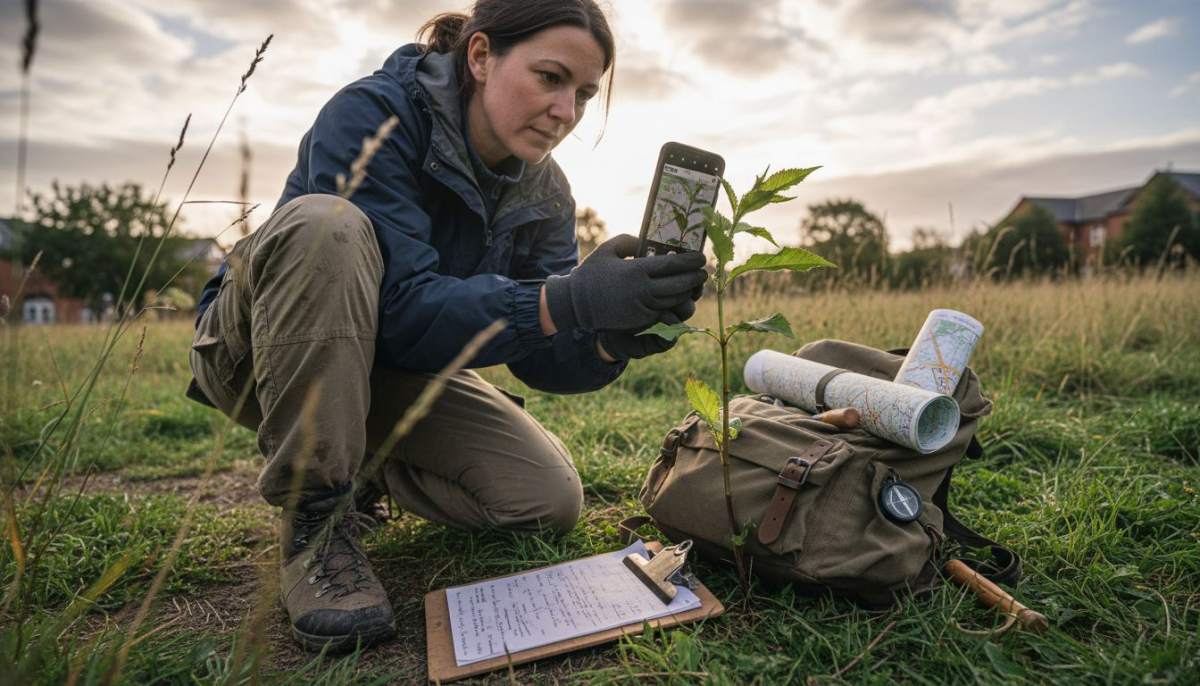
Begin by creating a detailed map of your property, documenting areas where unusual plant growth appears. Look for tell-tale signs like dense patches of non native vegetation, unusual growth patterns, or areas where native plant species seem to be declining. Pay special attention to boundary areas, neglected corners, and regions with minimal maintenance.
Careful measurement and documentation are essential. Note the approximate square meterage of infested zones, track growth rates, and photograph key areas for future reference. This systematic approach allows for precise monitoring and helps professionals develop targeted eradication strategies.
Clever Tip: Use a grid system when mapping your property to ensure no potential infestation zones are accidentally overlooked during your survey.
3. Record Locations Using Accurate Mapping Methods
Precise location mapping represents a critical component of invasive plant management, transforming random observations into strategic ecological intelligence. Documenting the precise geographical spread of problematic vegetation enables targeted intervention and comprehensive tracking.
Non-native species mapping tools provide systematic approaches for recording plant infestations with scientific accuracy. Effective mapping involves more than simple notation it requires methodical documentation of spatial characteristics, growth patterns, and potential expansion zones.
Start by creating a detailed property map using digital tools or traditional graph paper. Mark each identified invasive plant location with specific coordinates, noting the approximate square meterage of the affected area. Include additional context such as proximity to water sources, terrain characteristics, and neighbouring vegetation types.
Utilise smartphone applications or GPS devices to capture precise location data. These technologies allow for centimetre level accuracy, ensuring your records provide comprehensive insights for professional ecological assessments. Consistent documentation helps track changes over time and supports potential management or eradication strategies.
Expert Tip: Take multiple photographs from different angles when marking invasive plant locations to create a visual reference library that complements your mapping efforts.
4. Evaluate Potential Risks for Your Home Transaction
Invasive plant species represent significant potential complications for property transactions, potentially affecting legal compliance, mortgage approvals, and overall property value. Understanding these risks is crucial for homeowners and prospective buyers navigating the property market.
Invasive weed property risks can create substantial legal and financial challenges during home sales. Mortgage lenders frequently require comprehensive surveys to confirm the absence of problematic plant species like Japanese knotweed, which can compromise structural integrity and require expensive remediation.
Legal regulations in England and Wales impose strict responsibilities on property owners regarding invasive plant management. Failure to disclose or address known invasive plant infestations can result in potential legal disputes, reduced property values, and challenges securing mortgage financing. Some lenders may refuse lending or require extensive treatment plans before approving property transactions.
Homeowners should commission professional invasive plant surveys prior to listing their property. These assessments provide detailed documentation demonstrating proactive management, potentially mitigating potential transaction complications and reassuring potential buyers about the property’s ecological status.
Expert Tip: Request a comprehensive invasive plant survey report before marketing your property to identify and address potential risks that could complicate your home sale.
5. Choose the Best Chemical-Free Eradication Solution
Selecting an appropriate chemical-free eradication solution requires careful consideration of the specific invasive plant species and your property’s unique environmental conditions. Modern ecological management emphasises sustainable approaches that minimise environmental disruption.
Integrated control strategies prioritise environmentally sensitive methods that target invasive plants without causing collateral damage to surrounding ecosystems. This approach involves understanding the plant’s growth patterns, root systems, and potential regeneration capabilities.
Mechanical removal techniques such as repeated cutting, excavation, and root barrier installation can effectively manage invasive plant populations. These methods require precision and consistent application to prevent regrowth. For instance, Japanese knotweed demands comprehensive root network removal to prevent potential regeneration from tiny root fragments.
Consider site specific factors including soil composition, proximity to water sources, and surrounding vegetation when selecting your eradication strategy. Professional surveys can provide detailed insights into the most appropriate chemical-free treatment methods tailored to your specific landscape and invasive plant challenges.
Expert Tip: Document and photograph your invasive plant removal process to track progress and identify any potential regrowth areas that might require additional targeted interventions.
6. Document Survey Findings for Legal and Lending Needs
Effective documentation of invasive plant survey findings is essential for navigating property transactions, mortgage approvals, and legal compliance. Comprehensive records protect both property owners and potential buyers by providing transparent evidence of ecological conditions.
Biodiversity recording strategies require meticulous attention to detail and standardised reporting formats. Mortgage lenders and legal professionals increasingly demand robust documentation that demonstrates proactive management of potential environmental risks.
Your survey documentation should include precise location mapping, species identification, extent of infestation, recommended treatment strategies, and photographic evidence. Utilise official templates like the PA7 management plan to ensure your records meet regulatory standards and provide clear insights into the property’s ecological status.
Include specific measurements of affected areas, growth patterns, and potential spread risks. Note the proximity to structures, water sources, and neighbouring properties. Accurate, comprehensive documentation can significantly expedite property transactions and demonstrate responsible land management.
Expert Tip: Create a digital archive of your survey documents with multiple backup copies to ensure you can provide immediate evidence of invasive plant management if required by lenders or legal professionals.
7. Plan Follow-Up Visits for Long-Term Plant Control
Successful invasive plant management requires strategic, consistent monitoring beyond initial treatment. Implementing a comprehensive follow-up plan ensures complete eradication and prevents potential regrowth of problematic plant species.
Plant health surveillance strategies emphasise the critical nature of repeated site inspections. Invasive plants like Japanese knotweed possess remarkable regenerative capabilities, making periodic professional assessments essential for maintaining long-term ecological control.
Develop a structured monitoring schedule that includes multiple site visits over several years. These follow-up inspections should systematically document any emerging plant growth, assess treatment effectiveness, and identify potential recolonisation risks. Professional surveyors recommend creating a multi-year management plan that tracks vegetation changes and adapts intervention strategies accordingly.
Document each follow-up visit with detailed photographs, precise location mapping, and comprehensive notes on plant conditions. This records maintenance provides crucial evidence for property transactions, demonstrating proactive ecological management and potential compliance with mortgage lending requirements.
Expert Tip: Schedule follow-up surveys at different seasonal intervals to capture potential plant regeneration cycles and ensure comprehensive monitoring of treatment effectiveness.
This table summarises the key concepts about identifying and managing invasive plants in your local area, as discussed in the article.
| Topic | Summary | Key Insights |
|---|---|---|
| Identifying Invasive Plants | Investigate local plant species to determine invasiveness, observing distinctive features such as growth patterns and characteristics. | Helps in preventing the spread and maintaining local ecosystems. |
| Assessing Infestation | Map your property to identify and document areas of infestation spread. | Enables precise monitoring and development of effective management strategies. |
| Utilising Mapping Tools | Employ digital or manual tools for precise mapping and documentation of invasive plant locations. | Facilitates targeted intervention and comprehensive tracking for long-term results. |
| Managing Homeownership Risks | Assess and address infestation risks when buying or selling property, incorporating professional surveys and compliance with regulations. | Minimises financial and legal complications while enhancing property value. |
| Implementing Eradication Strategies | Use chemical-free methods tailored to the specific invasive species and site conditions for sustainable ecological management. | Reduces environmental impact and promotes harmony within local habitats. |
| Recording and Documentation | Generate detailed reports and maintain organised records of surveys, treatments, and outcomes. | Provides transparency for stakeholders and supports legal and financial processes. |
| Planning Follow-Up Visits | Schedule and document systematic follow-up inspections to monitor plant conditions and treatment efficacy. | Ensures comprehensive control and effective prevention of regrowth. |
Take Control of Invasive Plant Threats with Expert Chemical-Free Solutions
Dealing with invasive plants such as Japanese knotweed can feel overwhelming when faced with the complexities of accurate surveys, risk evaluation for property transactions, and environmentally safe eradication methods. The detailed steps in the article highlight challenges like precise mapping, ongoing monitoring and legal documentation — all pivotal for protecting your home and investment.
At Japanese Knotweed Agency, we specialise in chemical-free treatment that targets the invasive rhizome networks with powerful, safe energy delivery — eliminating regrowth risks without harming the surrounding environment. Our comprehensive property surveys across England, Wales, and Ireland provide the detailed information you need to navigate mortgage concerns and legal obligations with confidence. Don’t wait for costly surprises: start your journey to eradication and long-term control today by visiting Japanese Knotweed Agency. Take the first step now for a safer, greener future.
Frequently Asked Questions
What are the first steps to identify invasive plants on my property?
Identifying invasive plants begins with observing and recognising their distinctive features. Take time to learn about common invasive species in your area and create a photographic reference guide to assist in quick identification.
How can I assess the extent of invasive plant infestation on my property?
Assess the extent of infestation by surveying your property thoroughly and mapping areas of unusual plant growth. Document the size of infested zones and track growth rates in order to establish targeted management strategies.
What methods can I use for accurately documenting survey findings?
Accurately document your survey findings by creating detailed records that include precise location mapping and photographs. Ensure your documentation is organised and covers all key aspects of the infestation, including species identification and recommended treatment plans.
How should I plan follow-up visits for invasive plant control?
Plan regular follow-up visits to monitor treated areas and assess for potential regrowth of invasive plants. Schedule inspections over several years to ensure comprehensive management and document any changes in plant conditions to adapt your strategies as needed.
Why is it important to address invasive plants before selling my property?
Addressing invasive plants is crucial as they can affect property value and complicate transactions. Before listing your property, conduct a professional invasive plant survey to document your management efforts and reassure potential buyers about the property’s ecological status.