
Most British homeowners are surprised to learn that invasive plants like Japanese Knotweed cost the United Kingdom over £165 million each year in property damage and control efforts. Understanding the difference between harmless non-native species and aggressive invaders is crucial before buying or remortgaging. This guide helps you confidently identify these plants, explains why professional property surveys matter, and highlights trusted chemical-free solutions for safeguarding your home and investment.
Table of Contents
- Invasive Plants Defined And Common Misconceptions
- Primary Ways Invasive Species Spread In The UK
- Role Of Rhizomes And Seed Dispersal Methods
- Risks For Property Owners And Buyers
- Chemical-Free Control Solutions And Prevention
Key Takeaways
| Point | Details |
|---|---|
| Understanding Invasive Plants | Invasive Non-Native Species disrupt local ecosystems and biodiversity, necessitating awareness and management. |
| Property Risks | Invasive plants like Japanese Knotweed can cause significant structural damage and affect property marketability. |
| Control Strategies | Integrated Pest Management with non-chemical methods is crucial for managing invasive species effectively and sustainably. |
| Prevention Practices | Establishing preventive measures and conducting ecological assessments are vital in minimising invasive species spread. |
Invasive Plants Defined And Common Misconceptions
Invasive Non-Native Species (INNS) represent a significant ecological challenge in the United Kingdom, defined as plant species introduced beyond their natural habitat through human intervention. These plants lack the natural control mechanisms present in their original ecosystem, enabling them to spread rapidly and dominate new environments. Invasive plant species pose serious threats to local biodiversity, disrupting established ecological balances.
Contrary to popular belief, not all non-native plants are inherently harmful. Some non-native species successfully integrate into new environments without causing significant damage, while others become invasive by aggressively outcompeting native flora. The key distinction lies in their ability to spread quickly, suppress indigenous plant populations, and potentially introduce new diseases or disrupt existing ecosystem dynamics. Research from botanical experts highlights that invasive plants typically demonstrate rapid growth, extensive reproductive capabilities, and mechanisms like allelopathy that inhibit other plant species’ development.
Understanding the characteristics of invasive plants is crucial for UK homeowners and land managers. These species often exhibit remarkable resilience, with advanced root systems and reproductive strategies that enable them to thrive in diverse conditions. Common invasive plants in the United Kingdom include Japanese Knotweed, Himalayan Balsam, and Giant Hogweed, each presenting unique challenges for property management and ecological preservation.
Here is a summary of key differences between some of the most problematic invasive plants in the UK:
| Species | Key Spread Mechanism | Typical Impact on Property |
|---|---|---|
| Japanese Knotweed | Rhizome fragments | Damages foundations and hardscape |
| Himalayan Balsam | Explosive seed dispersal | Outcompetes native riverside flora |
| Giant Hogweed | Wind-borne seeds | Affects public health and safety |
Pro tip: If you suspect an invasive plant on your property, consult a professional ecological survey service before attempting removal, as improper handling can inadvertently encourage further spread.
Primary Ways Invasive Species Spread In The UK
Invasive species proliferate across the United Kingdom through multiple complex pathways, primarily driven by human activities and environmental conditions. Invasive species strategies reveal that intentional and accidental human-mediated transport represents the most significant mechanism of spread, encompassing sectors like international trade, horticulture, and global travel.
The transportation of plants, seeds, and biological material occurs through diverse vectors. Commercial shipping, vehicles, agricultural equipment, and personal luggage can unknowingly transport invasive species fragments across geographical boundaries. Wind, water currents, and animal migrations also contribute significantly to natural dispersal mechanisms. Research from botanical experts indicates that seeds and plant fragments can survive substantial journeys, establishing themselves in new environments with remarkable resilience.
Particular invasive species demonstrate extraordinary adaptability in the British landscape. Japanese Knotweed, for instance, can propagate through minute root fragments, while Himalayan Balsam produces explosive seed pods that can distribute seeds several metres from the parent plant. These reproductive strategies, combined with the absence of natural predators in new ecosystems, enable rapid colonisation and competitive displacement of native plant populations.
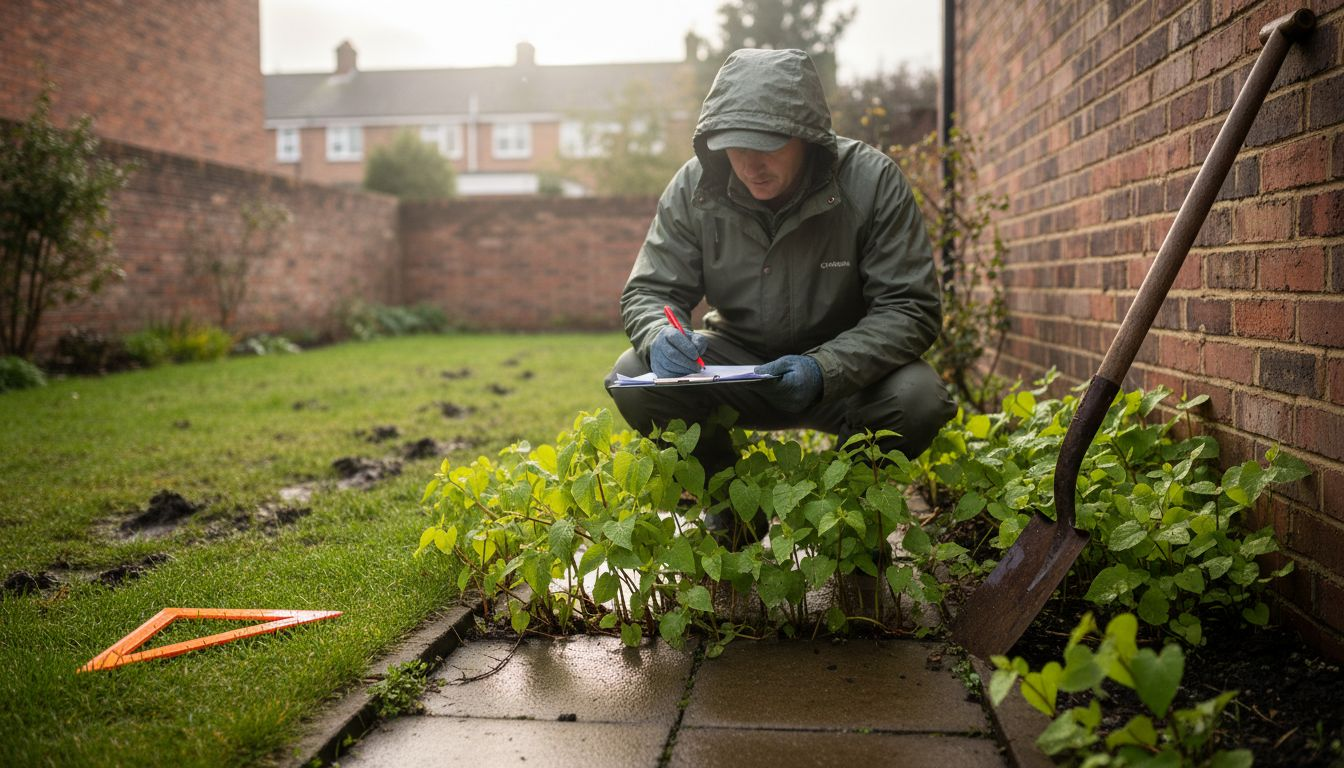
Pro tip: Always clean outdoor equipment, gardening tools, and vehicle tyres after working in areas with known invasive plant populations to minimise unintentional species transportation.
Role Of Rhizomes And Seed Dispersal Methods
Rhizomes represent a sophisticated biological mechanism that enables invasive plant species to spread rapidly and persistently across landscapes. Seed dispersal strategies reveal complex methods by which plants propagate, including wind transportation, animal-assisted movement, and underground vegetative expansion through rhizomatous growth networks.
Plants employ diverse dispersal mechanisms to escape competition and colonise new territories. Wind-based dispersal involves lightweight seeds like sycamore’s characteristic ‘helicopter’ seeds, while animal dispersal occurs through seeds attaching to fur or being ingested and deposited elsewhere. Some plants, such as gorse, utilise explosive seed pod mechanisms that eject seeds several metres from the parent plant, creating extraordinary colonisation capabilities.
The underground rhizome network represents a particularly effective spread strategy for invasive species. Ecological research demonstrates that rhizomes generate new shoots beneath soil surfaces, enabling horizontal growth and persistent infestation. This vegetative propagation method allows invasive plants like Japanese Knotweed to create dense, interconnected plant colonies that can rapidly overwhelm native ecosystems, making physical removal exceptionally challenging.
Pro tip: When managing potential invasive plant areas, always investigate underground root systems and consider professional assessment, as visible surface growth often represents only a fraction of the plant’s actual spread.
Risks For Property Owners And Buyers
Invasive plant species pose significant financial and structural risks for property owners and potential buyers across the United Kingdom. Property damage assessments reveal that plants like Japanese Knotweed can cause substantial structural harm by aggressively penetrating foundations, walls, and underground infrastructure, potentially leading to extensive and costly repair work.

The legal and financial implications of invasive plant presence extend far beyond immediate physical damage. Mortgage lenders increasingly scrutinise property surveys for invasive species, with their presence potentially blocking property sales or refinancing opportunities. Infrastructure management research indicates that properties with established invasive plant populations may face increased insurance premiums, reduced market value, and potential legal responsibilities for controlling and removing these persistent botanical invaders.
Property buyers must conduct thorough investigations before purchasing, as invasive plants can create long-term complications. Japanese Knotweed, for instance, can grow through tarmac, concrete, and building foundations, compromising structural integrity. The underground rhizome networks of such plants can extend several metres from visible growth, making complete eradication complex and expensive. Surveyors and potential buyers should prioritise comprehensive ecological assessments to understand the full extent of potential plant-related risks.
Pro tip: Always commission a specialised invasive plant survey before purchasing a property, as the cost of the survey is minimal compared to potential remediation expenses.
Chemical-Free Control Solutions And Prevention
Integrated Pest Management offers comprehensive approaches for controlling invasive plant species without relying on chemical interventions. Non-chemical control strategies emphasise mechanical removal techniques such as hand-pulling, precise cutting before seed production, and strategic mulching to suppress regrowth and limit plant expansion.
Prevention represents the most effective method of managing invasive species spread. Ecological management research recommends implementing targeted awareness campaigns like the ‘Check, Clean, Dry’ protocol to minimise unintentional transportation of plant fragments. Manual intervention techniques include carefully extracting entire root systems, cutting plants before seed development, and maintaining rigorous monitoring of potentially vulnerable areas.
Successful invasive plant management requires a holistic approach that combines multiple strategies. Encouraging native ecosystem resilience by promoting biodiversity, creating physical barriers, and supporting natural predator populations can significantly reduce invasive species establishment. Specialised techniques like targeted thermal treatment, which delivers precise energy disruption to plant cellular structures, provide innovative alternatives to traditional chemical eradication methods, ensuring minimal environmental impact and long-term ecological preservation.
The table below compares primary strategies for chemical-free invasive plant control:
| Control Method | Best Application Area | Main Limitation |
|---|---|---|
| Hand-pulling | Small infestations, young plants | Labour-intensive, regrowth common |
| Strategic cutting | Preventing seed development | Must be ongoing, not root removal |
| Mulching | Open soil or garden beds | Less effective on deep-rooted types |
| Thermal treatment | Targeted plant clusters | Requires specialist equipment |
Pro tip: Develop a comprehensive site-specific management plan that combines multiple control methods, and always consult ecological professionals before attempting invasive plant removal.
Protect Your Property From Invasive Plant Threats Today
The article highlights the serious risks invasive plants like Japanese Knotweed pose to UK homes including costly structural damage and complex removal challenges caused by resilient rhizome networks. If you are concerned about the financial impact or potential loss in property value, understanding these threats is only the first step. You need expert solutions that go beyond traditional chemical treatments to safeguard your investment and wellbeing.

At Japanese Knotweed Agency we specialise in chemical free eradication techniques delivering up to 5000 volts of direct energy onsite. This unique approach targets the invasive species’ underground rhizomes causing irreversible cell damage and preventing regrowth without harmful chemicals. We also provide expert property surveys for invasive weeds across England, Wales and Ireland to assess the full extent of infestation before treatment. Our services include professional root barrier installations and excavation works tailored to your site needs.
Don’t let invasive plants threaten your home or financial future. Act now by arranging your comprehensive survey or treatment plan with us. Visit Japanese Knotweed Agency to protect your property with trusted chemical free expertise.
Frequently Asked Questions
How do invasive plants spread in the UK?
Invasive plants spread primarily through human activities such as international trade, horticulture, and travel, as well as natural dispersal mechanisms like wind, water currents, and animal migration.
What are the risks of invasive plants for property owners?
Invasive plants can cause significant structural damage to properties, leading to costly repairs. They may also complicate property transactions, increase insurance premiums, and reduce market value.
How can I identify invasive plants on my property?
Common invasive plants include Japanese Knotweed, Himalayan Balsam, and Giant Hogweed. Look for rapid growth, aggressive spreading, and the inability of native plants to thrive alongside them.
What are some effective chemical-free control methods for invasive plants?
Effective non-chemical control methods include hand-pulling, strategic cutting before seed production, and mulching. These techniques, combined with prevention strategies like maintaining biodiversity, can help manage invasive plant populations.