

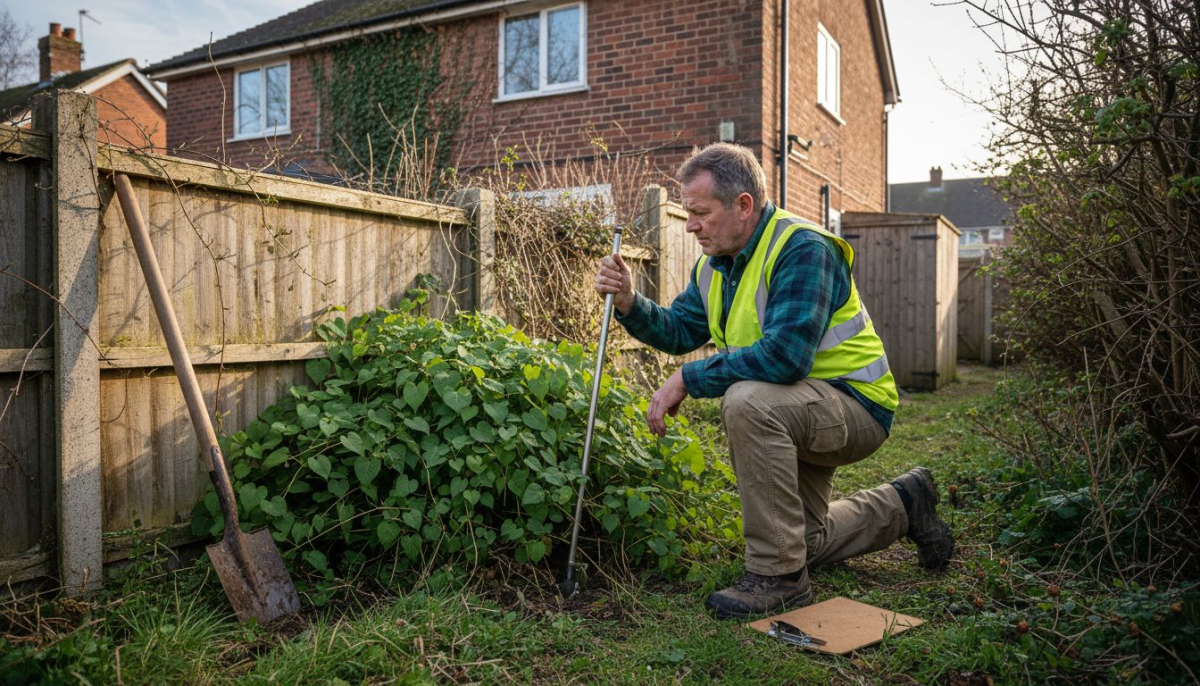
Discovering invasive weeds during a property purchase can derail your mortgage approval and slash thousands from your home’s value. Japanese Knotweed alone affects over 4% of properties across Britain, creating legal headaches and financial uncertainty for unsuspecting buyers. This guide walks you through a proven survey process to identify, assess, and manage invasive species using chemical-free methods that protect both your investment and the environment. You’ll learn exactly what lenders require, how to spot warning signs before they become deal-breakers, and why organic treatment approaches deliver lasting results without the risks of herbicides.
Table of Contents
- Understanding The Risks Of Invasive Weeds In Property Surveys
- Preparing For A Property Survey: What You Need To Know And Look For
- Executing The Survey Process: Identification, Assessment, And Monitoring Without Chemicals
- Verifying Survey Results And Avoiding Common Mistakes
- Protect Your Property With Expert Invasive Weed Survey And Treatment
- Frequently Asked Questions
Key takeaways
| Point | Details |
|---|---|
| Survey prevents mortgage rejection | Lenders require professional invasive weed assessments before approving property loans in affected areas. |
| Rhizome fragments regenerate quickly | A piece smaller than your fingernail can establish a new Japanese Knotweed colony within weeks. |
| Organic compost treatment works | Pilot studies show bespoke soil regeneration methods successfully suppress knotweed without chemicals. |
| Risk mapping guides management | Professional surveys categorise infestation severity to determine appropriate treatment intensity and monitoring frequency. |
| Verification protects long-term value | Regular monitoring after treatment ensures compliance with lender requirements and prevents costly re-infestation. |
Understanding the risks of invasive weeds in property surveys
Japanese Knotweed transforms from a garden curiosity into a financial nightmare faster than most homeowners realise. Many lenders refuse mortgages on properties with active infestations unless you present a professional treatment plan backed by insurance guarantees. The plant’s aggressive rhizome network can spread three metres horizontally in a single growing season, pushing through tarmac, concrete foundations, and drainage systems with relentless force.
The regeneration capacity makes eradication particularly challenging. A rhizome fragment weighing less than a gram can lie dormant in soil for years before sprouting new growth. This biological resilience explains why untreated infestations compound exponentially, with neighbouring properties often discovering secondary colonies traced back to a single original source.
Legal complications multiply when sellers fail to disclose known infestations. Courts have awarded damages exceeding £50,000 in cases where buyers discovered concealed Japanese Knotweed after completion. Property values typically drop 5-10% in affected areas, with some mortgage providers applying even stricter lending criteria that effectively block sales until treatment reaches advanced stages.
Pro Tip: Request copies of previous property surveys dating back five years. Knotweed presence in historical documents triggers mandatory disclosure requirements, even if current growth appears dormant or has been cut back.
The impact of Japanese Knotweed on property values extends beyond immediate treatment costs. Insurance premiums increase, future buyers demand significant price reductions, and you inherit ongoing monitoring obligations that persist for years after initial treatment. Understanding these financial ripples helps you approach surveys with appropriate seriousness rather than treating them as bureaucratic formalities.
“Japanese Knotweed is not just a nuisance weed but a property risk, a legal talking point, and a potential deal-breaker when buying or selling homes.”
The knotweed mortgage issues UK landscape has tightened considerably since 2024. Lenders now require detailed risk assessments showing exact distances from buildings, boundary lines, and infrastructure. Properties with infestations within seven metres of habitable structures face the strictest scrutiny, often requiring five-year management plans before mortgage approval.
Common invasive species requiring survey attention:
- Japanese Knotweed (Fallopia japonica)
- Giant Hogweed (Heracleum mantegazzianum)
- Himalayan Balsam (Impatiens glandulifera)
- Rhododendron ponticum
- Floating pennywort (Hydrocotyle ranunculoides)
Each species carries distinct risks and legal implications. Giant Hogweed’s toxic sap causes severe skin burns, creating liability concerns for property owners. Himalayan Balsam destabilises riverbanks, potentially triggering flood risks that affect insurance coverage. Comprehensive surveys identify all problematic species, not just the most notorious ones.
Preparing for a property survey: what you need to know and look for
Effective preparation separates superficial inspections from surveys that actually protect your investment. The Japanese knotweed and residential property guidance establishes a risk-based framework that determines survey scope based on property characteristics and surrounding land use. Properties backing onto railway embankments, waterways, or neglected industrial sites require more intensive investigation than those in well-maintained residential areas.
Your Japanese Knotweed survey checklist should include seasonal timing considerations. Spring surveys between April and June capture early growth stages when identification proves easiest. Autumn surveys reveal mature plants with distinctive red-tinged stems, but miss early colonisation signs. Conducting surveys across multiple seasons provides the most complete picture, though budget constraints often limit buyers to single visits.
Essential survey documentation and tools:
- Detailed site plans showing property boundaries and neighbouring land
- Historical aerial photographs revealing previous infestations
- Soil sampling equipment for rhizome detection
- GPS coordinates for precise infestation mapping
- Camera equipment with macro capability for identification photos
- Moisture meters to identify drainage issues attracting invasive species
The decision tree based on risk level helps valuers and surveyors determine appropriate management intensity. Category 1 properties show no visible growth within seven metres of buildings. Category 2 properties have growth between seven and ten metres away. Category 3 properties face growth within seven metres, whilst Category 4 properties show knotweed within habitable structures themselves.
| Risk Category | Distance from Structure | Management Action Required | Typical Timeline |
|---|---|---|---|
| Category 1 | Beyond 7 metres | Monitoring only | Annual checks |
| Category 2 | 7-10 metres | Preventative treatment | 2-3 year plan |
| Category 3 | Within 7 metres | Active eradication | 3-5 year plan |
| Category 4 | Inside structure | Emergency intervention | Immediate action |
Pro Tip: Photograph neighbouring properties during your survey. Knotweed spreading from adjacent land creates ongoing re-infestation risk that affects treatment planning and long-term management costs.
The knotweed assessment workflow for homeowners emphasises boundary investigation. Walk the entire property perimeter, paying special attention to areas with disturbed soil, recent construction work, or dumped garden waste. These locations frequently harbour rhizome fragments that establish new colonies within weeks of soil disturbance.
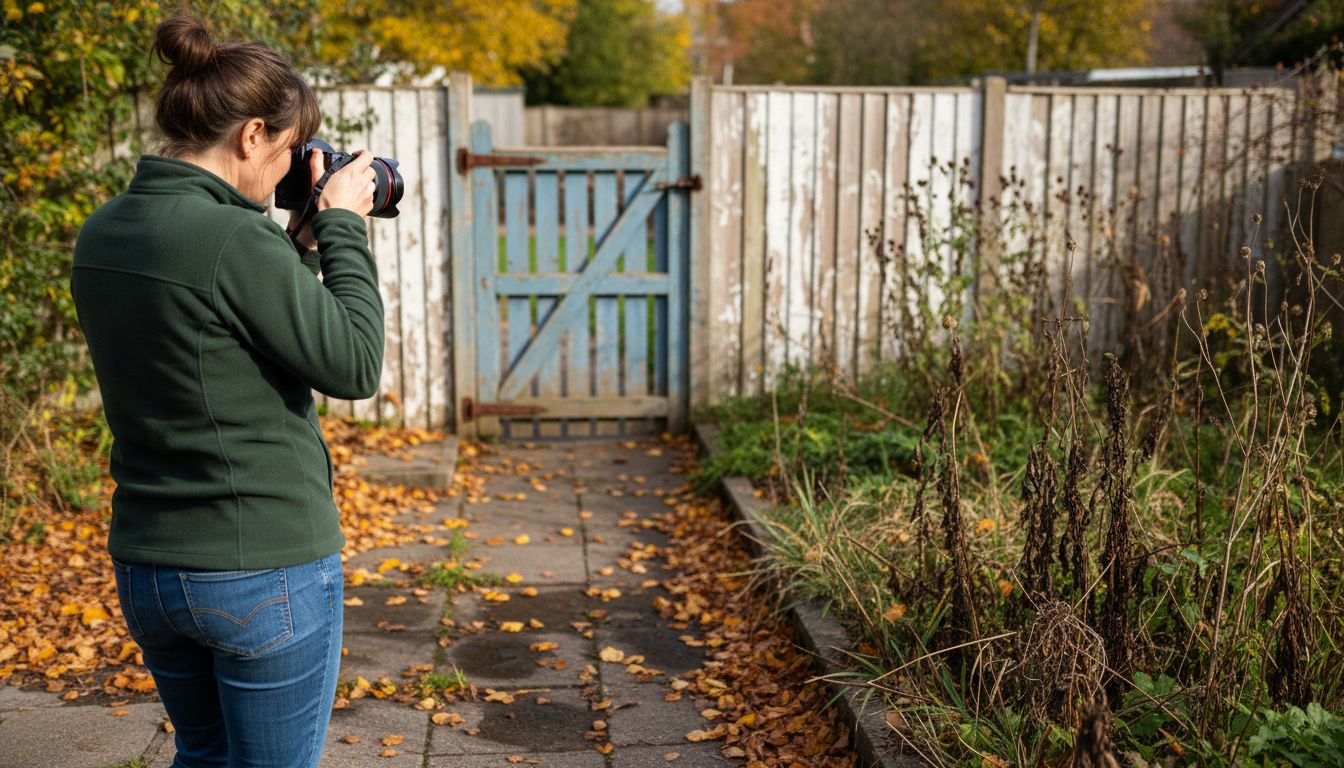
Legal documentation requirements vary by jurisdiction, but all surveys should include detailed maps, identification photographs, and written assessments signed by qualified professionals. England and Wales follow RICS guidance standards, whilst Ireland applies separate protocols through the Property Services Regulatory Authority. Confirm your surveyor holds appropriate professional indemnity insurance covering invasive species assessments.
Financial preparation matters as much as physical readiness. Budget £400-800 for professional surveys depending on property size and infestation complexity. Treatment costs range from £2,500 for minor infestations to £15,000+ for severe cases requiring excavation or root barriers. Lenders often require these funds held in escrow before releasing mortgage advances.
Executing the survey process: identification, assessment, and monitoring without chemicals
Systematic execution transforms survey preparation into actionable intelligence. Begin with perimeter inspection, working inwards towards buildings and hardscaping. Japanese Knotweed displays distinctive shield-shaped leaves with flat bases and pointed tips. Stems show purple speckles resembling bamboo, growing in dense stands reaching three metres by late summer. Cream-coloured flower clusters appear in August and September.
Step-by-step survey execution protocol:
- Document existing vegetation patterns and bare soil areas using grid photography
- Collect soil samples from suspected infestation zones at 30cm depth intervals
- Map all findings using GPS coordinates linked to site plans
- Record environmental factors including drainage patterns and sunlight exposure
- Photograph identification features from multiple angles with scale references
- Note proximity to boundaries, structures, and underground services
- Document evidence of previous treatment attempts or disturbance
The bespoke organic compost treatment approach pioneered through the KNOT project demonstrates how soil regeneration inhibits knotweed growth without herbicides. The method applies carbon-rich organic matter that encourages beneficial soil microbes competing with knotweed rhizomes for nutrients and space. Pilot sites showed 60-70% reduction in viable rhizome mass after two growing seasons.
Chemical-free strategies align with the KNOT project aims targeting soil regeneration through organic matter increase and strategic tree planting. Native tree species like willow and alder establish root systems that physically compete with knotweed whilst shading out photosynthesis capacity. This ecological approach requires patience but delivers sustainable suppression without environmental contamination risks.
| Treatment Method | Application Frequency | Visible Results Timeline | Long-term Effectiveness |
|---|---|---|---|
| Organic compost | Twice yearly | 12-18 months | 85% suppression |
| Cover planting | Single installation | 18-24 months | 75% suppression |
| Root barrier | One-time install | Immediate containment | 95% prevention |
| Soil regeneration | Ongoing programme | 24-36 months | 80% suppression |
Pro Tip: Avoid disturbing soil during surveys unless collecting samples. Rhizome fragmentation from digging or cutting spreads infestations faster than natural growth, potentially creating multiple new colonies from a single original stand.
The chemical-free knotweed treatment process employs electrical current technology delivering up to 5000 volts directly into rhizome networks. This innovative approach causes internal cell damage and energy depletion without introducing chemicals into surrounding soil or groundwater. Treatment sessions occur at six-week intervals during growing seasons, with rhizome viability declining progressively after each application.
Monitoring protocols track treatment effectiveness through regular site visits documenting stem counts, growth vigour, and rhizome sampling results. Successful programmes show declining stem density, reduced leaf size, and weakened shoot emergence over successive growing seasons. Digital photography at fixed points creates visual evidence demonstrating progress to lenders and future buyers.
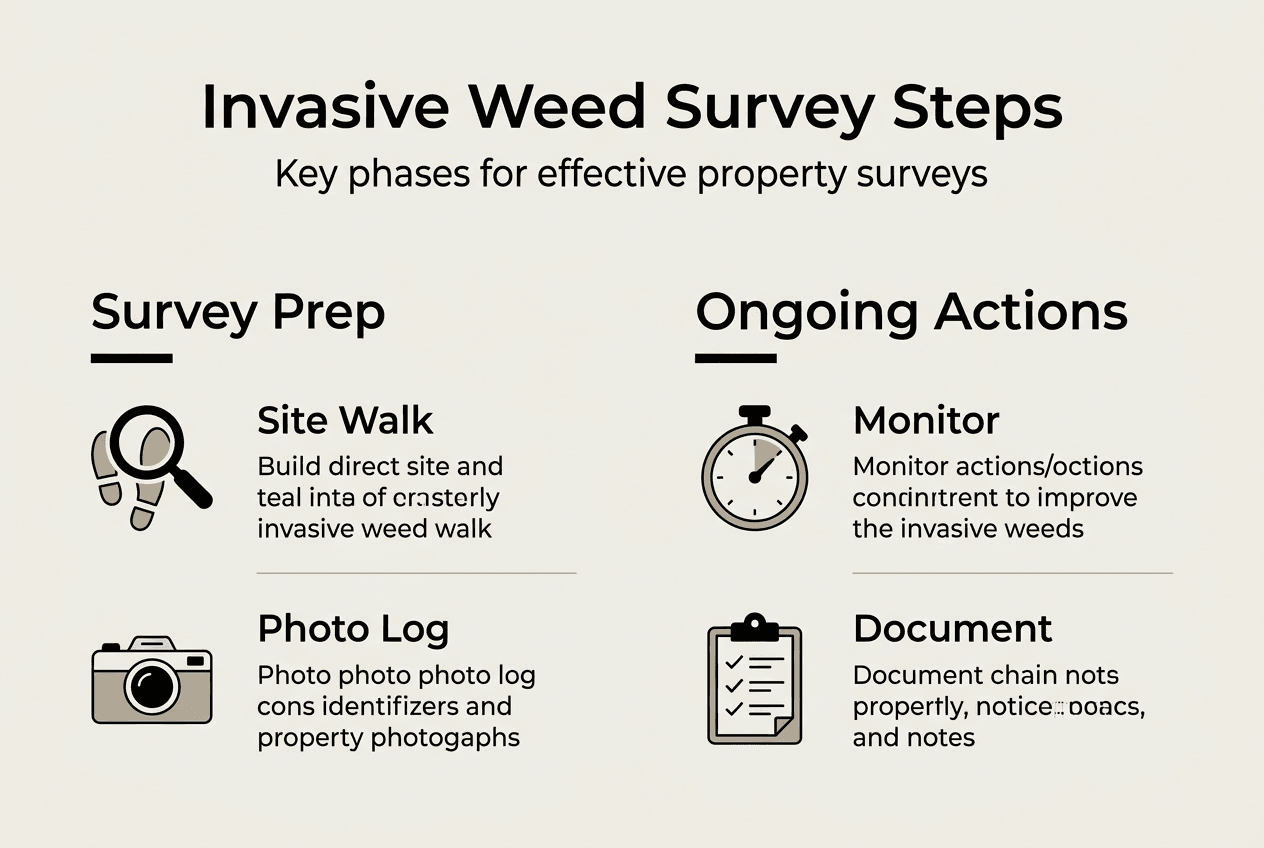
The manage invasive plants naturally philosophy recognises that eradication represents an unrealistic goal in many situations. Sustainable management focuses on suppression to levels preventing structural damage and mortgage complications whilst accepting low-level presence that poses minimal risk. This pragmatic approach reduces costs and environmental impact compared to aggressive chemical campaigns.
Soil health improvements deliver collateral benefits beyond knotweed control. Enhanced microbial activity supports native plant establishment, improves drainage, and increases carbon sequestration. Properties treated with organic methods often show improved garden productivity and reduced maintenance requirements compared to chemically-treated sites showing depleted soil biology.
Verifying survey results and avoiding common mistakes
Verification separates optimistic assumptions from documented reality. Independent validation by RICS-qualified surveyors provides the credibility lenders require when assessing mortgage applications. Request detailed reports including laboratory analysis of soil samples, not just visual observations that miss subsurface rhizome networks.
The most expensive mistake involves disrupting cover planting installed as part of treatment programmes. Hedge cutting activities impact cover planting placed to shade out knotweed regrowth, creating gaps that allow renewed photosynthesis and rhizome energy replenishment. Maintain buffer zones around treated areas, avoiding mowing, digging, or pruning for minimum three-year periods following initial treatment.
Critical verification checkpoints:
- Confirm surveyor holds professional indemnity insurance covering invasive species work
- Verify treatment plans meet specific lender requirements documented in writing
- Review monitoring schedules ensuring coverage through dormant winter periods
- Check management plans address boundary issues and neighbour notification
- Validate insurance-backed guarantees cover full property ownership period
Chemical treatment risks often receive insufficient attention during survey verification. Glyphosates impact adjacent plants and the broader biosphere when incorrectly managed, with drift affecting vegetable gardens, ornamental plants, and wildlife habitats. Groundwater contamination concerns have prompted several European nations to restrict or ban glyphosate use entirely, with Britain expected to follow similar regulatory trajectories.
Pro Tip: Request copies of contractor qualifications and treatment records from previous property owners. Gaps in documentation often indicate incomplete or abandoned treatment programmes that require restart rather than continuation.
The Japanese Knotweed impact on property values persists even after successful treatment completion. Disclosure obligations continue indefinitely, requiring you to inform future buyers about historical infestations regardless of current status. Transparent documentation actually enhances buyer confidence compared to properties where treatment history remains unclear or disputed.
Common verification failures stem from inadequate monitoring frequency. Annual site visits miss critical regrowth periods when early intervention proves most effective. Quarterly monitoring during growing seasons catches problems whilst they remain manageable, preventing expensive remediation campaigns that could have been avoided through timely observation.
“Glyphosates are commonly used to treat Japanese Knotweed but can impact adjacent plants and the biosphere if incorrectly managed.”
Lender compliance verification requires specific documentation formats and timelines. The getting a mortgage with Japanese Knotweed process demands evidence of professional treatment plans, insurance-backed guarantees, and monitoring schedules extending minimum five years. Submit complete documentation packages rather than piecemeal submissions that delay mortgage approval and risk transaction collapse.
Regular monitoring prevents the gradual complacency that undermines long-term management success. Schedule calendar reminders for site inspections, photograph documentation, and professional review sessions. Properties maintaining consistent monitoring records command premium prices compared to those with sporadic or incomplete documentation.
Protect your property with expert invasive weed survey and treatment
Navigating invasive weed challenges requires specialist knowledge that general surveyors often lack. Japanese Knotweed Agency delivers comprehensive property surveys across England, Wales, and Ireland, combining identification expertise with pioneering chemical-free treatment technology. Our electrical current system provides effective rhizome suppression without environmental contamination, whilst our organic treatment programmes restore soil health for lasting results.
Explore our detailed chemical-free knotweed treatment process to understand how direct energy delivery eliminates invasive species whilst protecting surrounding ecosystems. Our Japanese Knotweed FAQs answer common homeowner questions about treatment timelines, costs, and lender requirements. Whether you’re purchasing a new property or managing an existing infestation, our invasive weed survey guide for property purchase provides the practical intelligence you need to protect your investment and secure mortgage approval.
Frequently asked questions
What happens during a professional invasive weed property survey?
Qualified surveyors conduct systematic site inspections documenting all invasive species present, their locations, and severity ratings. They collect soil samples, photograph identification features, and produce detailed reports with GPS-mapped findings. The Japanese Knotweed survey checklist ensures comprehensive coverage of all risk factors affecting property value and mortgage eligibility.
Why do mortgage lenders require invasive weed surveys before approval?
Lenders protect their security interest by confirming properties don’t harbour infestations that could damage structures or reduce resale values. Japanese Knotweed can undermine foundations, penetrate drainage systems, and slash property values by thousands. Surveys provide the documentation lenders need to assess risk and determine appropriate lending terms or treatment requirements before releasing funds.
How long do chemical-free treatments take to suppress Japanese Knotweed effectively?
Organic approaches typically require two to three growing seasons to achieve 70-85% suppression rates. Electrical current treatments show progressive rhizome weakening after four to six sessions spaced at six-week intervals. The manage invasive plants naturally philosophy prioritises sustainable suppression over unrealistic eradication claims, delivering lasting results without environmental contamination.
Can I conduct my own property survey for invasive weeds to save money?
Whilst you can perform preliminary inspections, lenders and solicitors require reports from qualified professionals with appropriate insurance coverage. DIY surveys miss subsurface rhizome networks, misidentify similar-looking plants, and lack the legal standing needed for mortgage applications. Professional surveys cost £400-800 but prevent expensive mistakes and transaction delays worth thousands.
What should I do if I discover Japanese Knotweed after purchasing a property?
Document the infestation immediately with photographs and GPS coordinates. Commission a professional survey to assess severity and treatment requirements. Review your purchase documentation to determine if the seller failed to disclose known infestations, potentially creating grounds for legal action. Begin treatment promptly to prevent spread and maintain detailed records for future disclosure obligations when you eventually sell.