
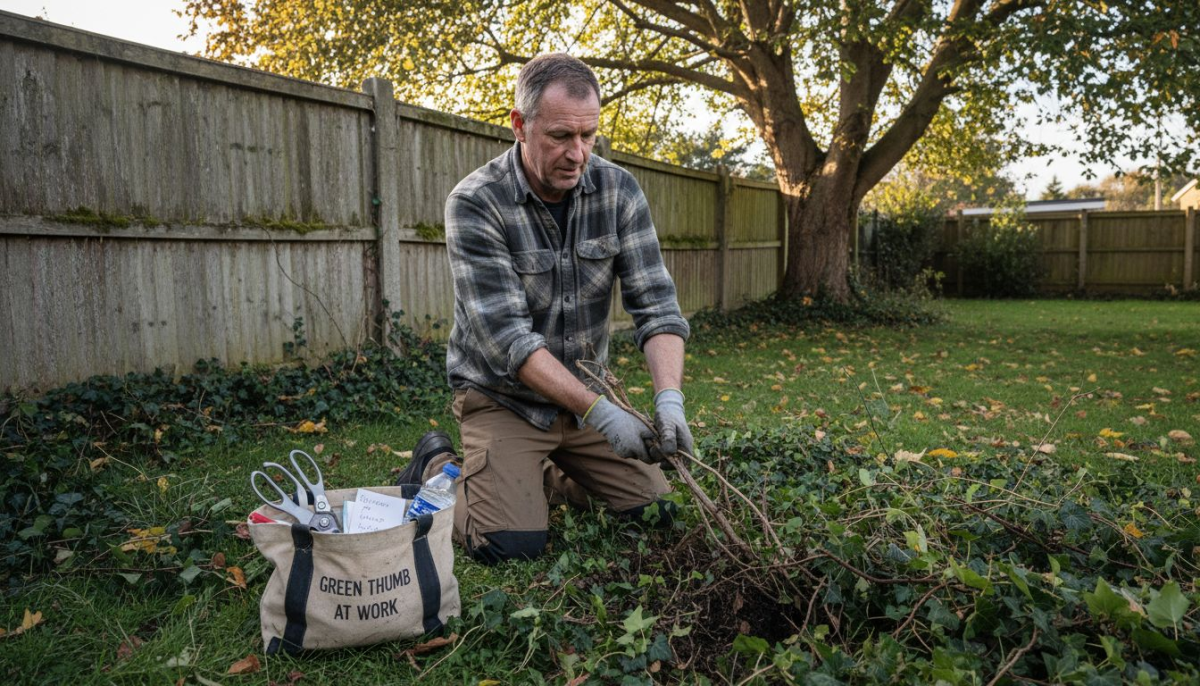
Most British homeowners are surprised to learn that invasive plants can reduce property value by up to 20 percent. With Japanese Knotweed spreading across England, Wales, and Ireland, protecting your investment from this persistent threat is more urgent than ever. This guide highlights practical, chemical-free strategies to tackle infestations and safeguard property during sales or remortgaging, focusing on real steps every homeowner can take starting today.
Table of Contents
- Step 1: Assess and Identify Invasive Plants
- Step 2: Prepare Site for Chemical Free Treatment
- Step 3: Apply Direct Energy Eradication Safely
- Step 4: Install Root Barriers for Long-Term Protection
- Step 5: Verify Results and Monitor Future Growth
Quick Summary
| Key Point | Explanation |
|---|---|
| 1. Identify invasive plants promptly | Regularly survey your property to spot non-native species that could threaten local wildlife and landscapes. |
| 2. Implement strict biosecurity measures | Clean all tools and equipment thoroughly to prevent the spread of invasive species across different areas. |
| 3. Use thermal energy for eradication | Apply targeted heat to damage invasive plants’ roots, ensuring surrounding native vegetation is not harmed. |
| 4. Install root barriers effectively | Create underground barriers to prevent the spread of invasive roots into desired areas within your property. |
| 5. Monitor treated areas consistently | Regularly check for new growth and document changes to confirm the success of your invasive plant management strategy. |
Step 1: Assess and Identify Invasive Plants
Identifying invasive plants accurately is crucial for protecting your property and local ecosystem. This section will guide you through recognising potentially harmful non native species that could threaten your garden and surrounding landscape.
Begin by conducting a systematic visual survey of your property. Look for plants with unusually aggressive growth patterns or those spreading rapidly beyond their original planting area. The GB Non native Species Information Portal provides comprehensive resources for tracking over 3000 non native species in Britain, helping homeowners understand potential ecological risks.
Specific characteristics to watch for include plants with rapid spreading capabilities, unusual root systems that penetrate structures, and species not native to the United Kingdom. Invasive plants often demonstrate competitive behaviours that disrupt local biodiversity, such as outcompeting native vegetation or altering habitat structures. Recognising these invasive species characteristics requires careful observation and potentially professional consultation.
Here is a summary of common indicators and impacts of invasive plants:
| Indicator | Description | Typical Impact |
|---|---|---|
| Rapid spreading | Expands quickly across garden areas | Reduces native plant diversity |
| Aggressive root system | Roots penetrate deeply and widely | Damages underground structures |
| Not native to Britain | Species introduced from outside UK | Alters local habitat balance |
| Competitive behaviour | Outcompetes local vegetation for resources | Leads to biodiversity loss |
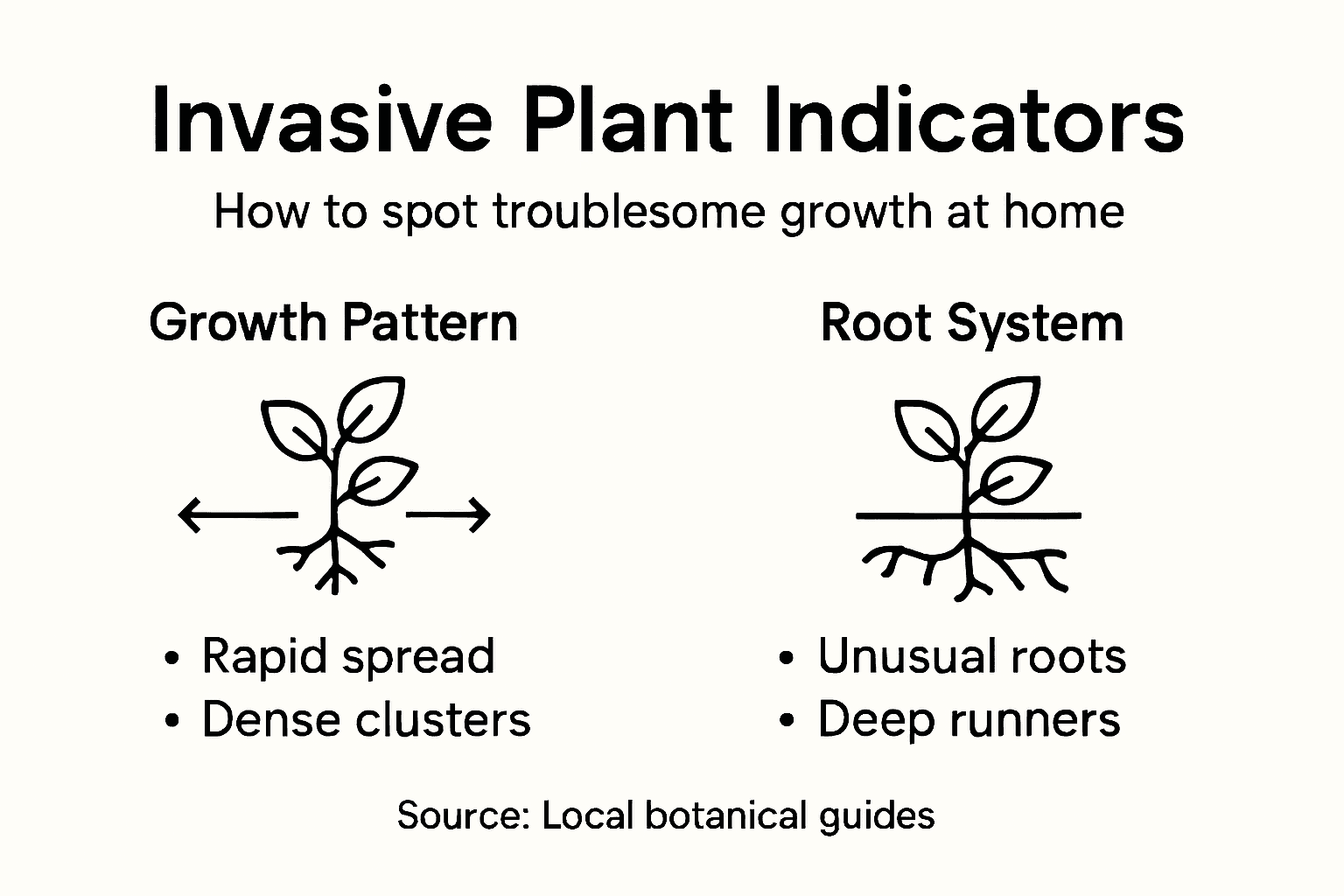
Handy Tip: Take clear photographs of suspicious plants and compare them against reputable online identification guides or consult local ecological experts for precise species identification.
Step 2: Prepare Site for Chemical Free Treatment
Preparing your site correctly is essential for successful chemical free invasive plant management. This stage sets the foundation for effective treatment by creating optimal conditions that minimise plant resilience and spread.
Begin by implementing rigorous biosecurity measures to prevent species movement. This involves thoroughly cleaning all equipment and tools that might contact the invasive plants to prevent unintentional spreading. Remove any soil or plant debris from shoes, gardening tools, and machinery before moving between different areas of your property. Create designated clean zones and dirty zones to maintain strict control over potential contamination.
Carefully assess the site conditions and develop a strategic approach to weaken the invasive plants naturally. Urban grassland management guidelines recommend reducing habitat disturbance and modifying environmental conditions to discourage aggressive plant growth. This might include adjusting soil composition, managing moisture levels, and creating competitive conditions for native plant species that can naturally suppress invasive growth.
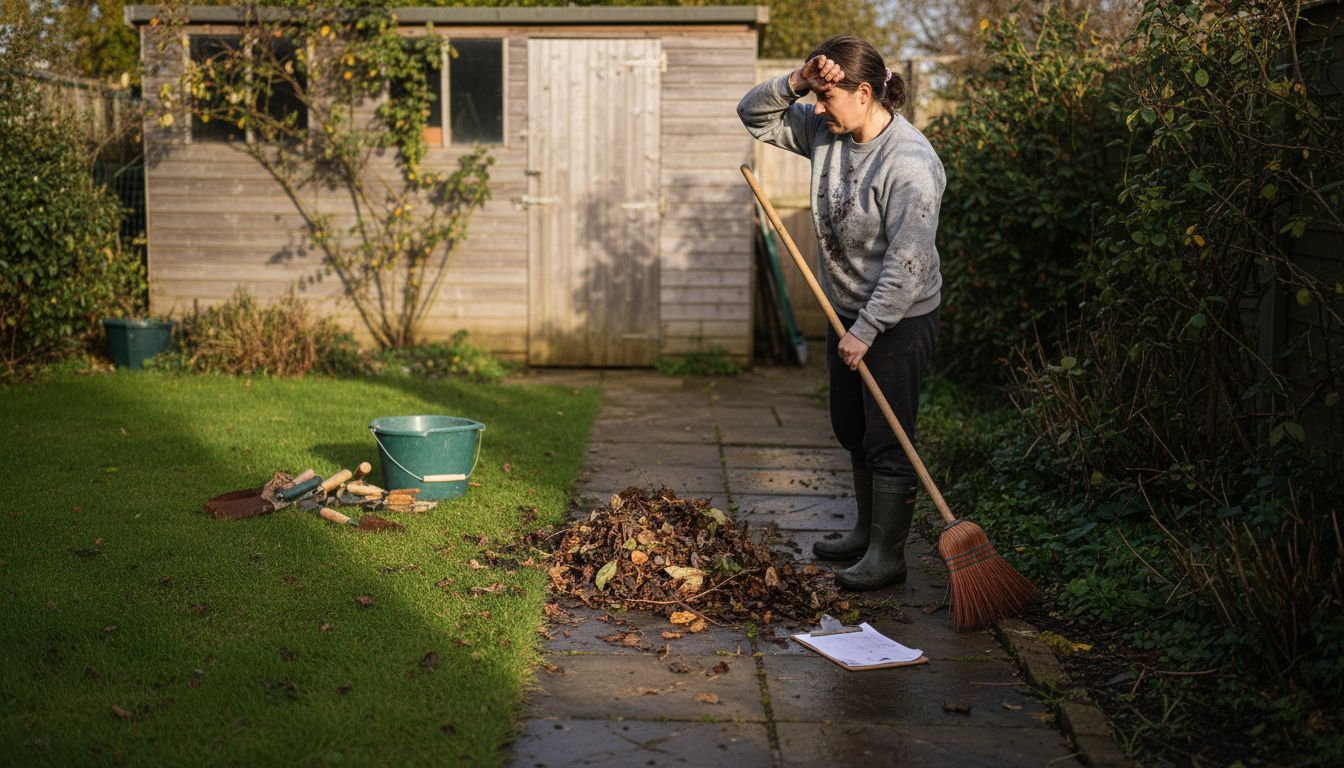
Handy Tip: Document your site preparation process with photographs and notes to track progress and help ecological experts provide more targeted advice during follow up consultations.
Step 3: Apply Direct Energy Eradication Safely
Direct energy eradication represents an advanced chemical free approach to managing invasive plant species on your property. This method involves precisely targeting invasive plants using controlled thermal energy to disrupt their cellular structures and prevent regrowth.
Understand the principles of invasive species thermal treatment before beginning. The technique requires careful application to ensure you eliminate the invasive plants while protecting surrounding native vegetation. Heat treatment works by delivering targeted energy directly into the plant’s root system creating internal cellular damage that prevents future regeneration. Carefully monitor the temperature and duration of application to maximise effectiveness without causing unnecessary environmental disruption.
Precision is key when applying direct energy. Plant stress response mechanisms suggest that different plant species respond uniquely to thermal treatments. Conduct small test areas first to understand how the specific invasive species in your garden react to the energy application. Wear appropriate protective equipment such as heat resistant gloves and safety glasses to prevent personal injury during the treatment process.
Handy Tip: Keep a detailed log of treatment areas temperature settings and plant responses to help refine your approach in future eradication efforts.
Step 4: Install Root Barriers for Long-Term Protection
Root barriers provide a strategic defence against invasive plant spread by creating an underground boundary that prevents root systems from expanding into undesired areas. This method offers a proactive chemical free approach to managing aggressive plant species on your property.
Understand the principles of root system control techniques before installation. Carefully map out the area where you want to prevent root growth and select a high quality root barrier material designed to withstand underground pressures. Barriers should extend deep enough to block horizontal root expansion typically at least 1 metre into the ground. Create a vertical barrier that forms a complete seal around the target area ensuring no potential gaps for roots to penetrate.
Consider the long-term vegetation management strategies when installing your root barrier. Proper installation involves careful ground preparation including removing existing roots creating a clean trench and ensuring the barrier material is correctly positioned and sealed. Use specialized root barrier materials that are resistant to root penetration and designed for underground environments. Monitor the barrier periodically to check for any signs of root breakthrough or material degradation.
The following table compares chemical free eradication methods covered in this guide:
| Method | Primary Action | Ideal Use Case | Safety Measures Needed |
|---|---|---|---|
| Manual removal | Uproots invasive plants | Small infestations, early detection | Gloves, avoid soil disturbance |
| Thermal energy | Destroys plant tissues | Targeted treatment of stubborn roots | Heat resistant protection gear |
| Physical barriers | Blocks root expansion | Long-term prevention, heavy spread | Careful trenching, periodic checks |
Handy Tip: Photograph the installation process and mark barrier locations on your property plan to maintain a clear record of your invasive plant management strategy.
Step 5: Verify Results and Monitor Future Growth
Verifying the success of your invasive plant management strategy is crucial for ensuring long term protection of your property and local ecosystem. This final stage involves systematic observation and documentation to confirm the effectiveness of your treatment approach.
Utilise the plant biosecurity monitoring techniques to track your invasive plant management progress. Regularly inspect the treated areas looking for signs of new growth regrowth or potential breakthrough. Create a detailed photographic record comparing the site before and after treatment noting specific changes in plant density root system spread and overall vegetation health. Take measurements of any remaining plant clusters and document their size location and growth patterns.
Engage with citizen science reporting systems to contribute your observations and gain additional insights. These platforms allow homeowners to track invasive species distribution and share valuable data with ecological researchers. Regular monitoring should occur seasonally at minimum with more frequent checks during peak growing periods. Look for subtle changes in soil composition plant density and root system behaviour that might indicate incomplete eradication or potential future spread.
Handy Tip: Create a dedicated monitoring journal with dated photographs measurements and observations to build a comprehensive record of your invasive plant management journey.
Take Control of Invasive Plants with Expert Chemical Free Solutions
Managing invasive plants naturally is a challenging task that requires precision, persistence, and the right expertise. If you are concerned about rapid spreading species like Japanese Knotweed damaging your property or local biodiversity, it is essential to use proven methods such as direct energy eradication and root barrier installation. These techniques, highlighted in the article, align perfectly with the advanced services offered by Japanese Knotweed Agency to protect your home and the environment without harmful chemicals.

Dont let invasive plants take over your garden or risk structural damage. Benefit from professional property surveys and expert treatments covering England, Wales, and Ireland. Visit Japanese Knotweed Agency today to secure a chemical free eradication plan tailored to your needs. Explore how our direct energy technology and root barrier installs can deliver lasting peace of mind and safeguard your property now.
Frequently Asked Questions
How can I identify invasive plants on my property?
Identifying invasive plants involves conducting a visual survey of your garden to look for aggressive growth patterns or species not native to your area. Document the characteristics of suspicious plants, including their growth habits and root systems, to help pinpoint invasive species and take action.
What steps should I take to prepare my site for chemical free treatment of invasive plants?
To prepare your site, implement biosecurity measures by cleaning all tools and equipment to prevent spreading invasive plants. Create separate clean and dirty zones in your garden and assess soil and moisture conditions to weaken invasives naturally.
How can I safely apply direct energy eradication to invasive plants?
To safely apply direct energy eradication, target the invasive plant’s root system with controlled thermal energy and carefully monitor the temperature applied. Conduct small test treatments first to assess how the specific invasive species react and wear appropriate protective gear.
What should I consider when installing root barriers to prevent invasive plant spread?
When installing root barriers, ensure the material extends at least 1 metre deep to block root expansion. Prepare the ground by removing existing roots and sealing the barrier properly to prevent gaps, enhancing long-term protection from invasive plants.
How can I monitor the effectiveness of my invasive plant management efforts?
To monitor effectiveness, regularly check treated areas for signs of new growth or breakthroughs and document any changes with photographs. Maintain a dedicated journal to track measurements and observations, assessing progress at least seasonally or during peak growth periods.
What are common indicators of invasive plants I should be aware of?
Common indicators include rapid spreading, aggressive root systems, and competitive behaviour that outcompetes local vegetation. Make note of any plant species displaying these traits and take necessary action to manage their spread effectively.
Recommended
- Invasive Plants: Impact on UK Homes and Land
- 7 Key Signs of Invasive Plants Every Homeowner Should Know
- Invasive Plants on Council Land: Effective Control
- Invasive Weed Management: Protecting UK Homes Safely
- 7 Best Plants for Kitchens to Brighten Your Space
- 7 Essential Insights into What are Anti-Parasitic Herbs – Mahoney inter
- 7 Essential Tips for Gardening in Yarra Valley – Yarra Valley Carpet Cleaning