

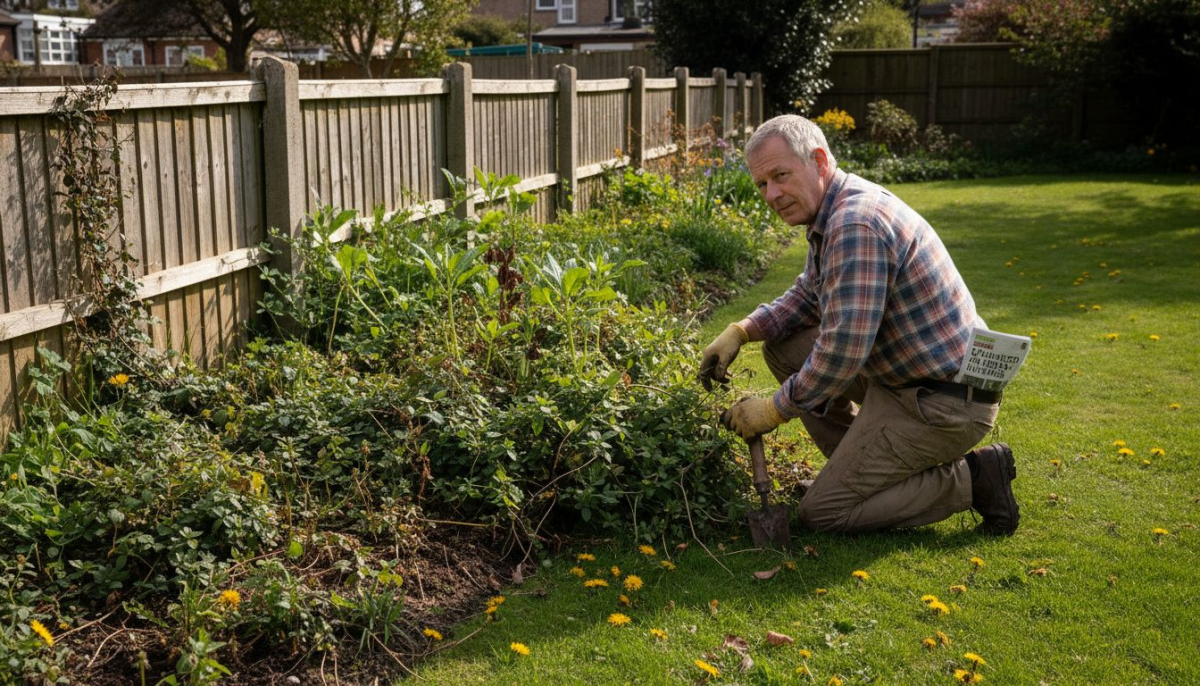
Most British homeowners are surprised to learn that invasive plants such as Japanese Knotweed can grow faster than nearly any native species. These rapid expansion patterns hold serious risks for gardens and property foundations across England and Wales. Spotting the warning signs early can help prevent costly damage and protect your investment. This guide uncovers the most common clues of invasive plant activity and practical steps for identifying threats to your British property.
Table of Contents
- 1. Unusual Rapid Growth Patterns In Your Garden
- 2. Dense Thickets Crowding Out Native Plants
- 3. Distinctive Leaves Or Stem Features
- 4. Rhizome Or Underground Stem Discovery
- 5. Damage To Hard Surfaces And Garden Structures
- 6. Sudden Spread Despite Regular Maintenance
- 7. Unseasonal Greening Or Flowering
Quick Summary
| Key Message | Explanation |
|---|---|
| 1. Monitor for Rapid Growth | Look for plants that double in size within weeks, especially during spring or summer. These could be invasive species. |
| 2. Identify Dense Thickets | Watch for uniform clusters of plants that eliminate other species. This indicates aggressive invasive growth, threatening local biodiversity. |
| 3. Recognise Unique Features | Pay attention to distinctive leaves or stems. Unique botanical characteristics can help identify invasive species before they spread. |
| 4. Check for Underground Rhizomes | Uncover hidden networks below soil that can regenerate plants quickly. Signs include unexpected regrowth or disturbed soil. |
| 5. Document Unseasonal Growth | Keep a garden journal to track unusual growth patterns. This can signal the presence of invasive plants disrupting seasonal cycles. |
1. Unusual Rapid Growth Patterns in Your Garden
Invasive plants are nature’s unexpected garden gatekeepers, capable of transforming your landscape with astonishingly swift growth. Understanding these rapid proliferation patterns can help you identify potential ecological threats before they become unmanageable.
Some invasive species demonstrate extraordinary growth rates that can overwhelm native vegetation. For instance, floating pennywort can grow up to 20 centimetres per day, quickly dominating water courses and disrupting local ecosystems. In garden environments, plants like Japanese knotweed and Himalayan balsam exhibit similarly aggressive expansion strategies.
Recognising rapid growth involves observing unusual vegetation characteristics. These invasive plants often produce multiple stems from a single root system, creating dense clusters that crowd out other plant species. Their growth can be so aggressive that they push through hard surfaces like concrete, tarmac, and building foundations.
Homeowners should watch for vegetation that seems to double in size within weeks, especially during spring and summer growing seasons. Unusual growth patterns might include stems emerging from unexpected locations, such as cracks in pavements or between building foundations.
Warning Signs of Rapid Growth:
- Stems growing more than 10 centimetres per week
- Plants spreading beyond their original planting area
- Multiple new shoots emerging from seemingly barren ground
- Vegetation outcompeting surrounding native plants
Expert Tip: Take monthly photographs of suspicious plant areas to track and document unusual growth patterns, which can help professionals identify potential invasive species.
2. Dense Thickets Crowding Out Native Plants
Invasive plant species possess an extraordinary ability to transform landscapes by creating impenetrable green fortresses that systematically eliminate native vegetation. These dense thickets represent more than just a visual disruption they pose a significant ecological threat to local biodiversity.
Invasive non-native plants form extensive dense stands that effectively monopolise crucial environmental resources. Species like rhododendron and Japanese knotweed are particularly aggressive, creating thick barriers that block sunlight, consume water, and deplete soil nutrients needed by native plants.
The consequences of these invasive thickets extend beyond simple garden aesthetics. They fundamentally alter habitat structures, reducing food sources and shelter for local wildlife. Native insects, birds, and small mammals depend on specific plant ecosystems that these invasive species systematically destroy.
Warning Signs of Dense Invasive Thickets:
- Rapid expansion of uniform plant clusters
- Complete elimination of surrounding plant diversity
- Thick vegetation preventing other plants from growing
- Uniform green walls replacing mixed plant landscapes
Impact Zones to Monitor:
- Garden borders
- Woodland edges
- Hedge lines
- Uncultivated garden areas
Expert Tip: Regularly survey your garden edges and boundaries, removing any uniform plant clusters that appear unusually dense or rapidly expanding.
3. Distinctive Leaves or Stem Features
Not all plants are created equal, and invasive species often announce their presence through unique botanical characteristics that set them apart from native vegetation. Understanding these distinctive leaf and stem features can be your first line of defence in identifying potential ecological intruders.
Invasive plants exhibit extraordinary physical traits that make them stand out in garden landscapes. Some species have remarkably distinctive characteristics that act as visual warning signs for homeowners and gardening enthusiasts.
Take the floating pennywort as a prime example. This invasive aquatic plant features waxy, multi-lobed leaves approximately 7 centimetres across, with distinctive crinkled edges and a heart-shaped form. Its narrow, fleshy stems provide another clear identifying marker that separates it from native water plants.
Distinctive Physical Characteristics to Watch:
- Unusually large or umbrella-shaped leaves
- Hollow or unusually thick stems
- Waxy or glossy leaf surfaces
- Bright or unusual flower configurations
- Leaves with atypical colour or texture
Common Invasive Plant Identifying Features:
- Giant hogweed: Massive umbrella-like leaf structures
- Himalayan balsam: Bright pink flowers
- Japanese knotweed: Bamboo-like hollow stems
- Floating pennywort: Heart-shaped, waxy leaves
Expert Tip: Photograph suspicious plant features and consult local botanical experts or environmental agencies for precise identification before attempting removal.
4. Rhizome or Underground Stem Discovery
Beneath the surface of your garden lies a hidden world of botanical resilience where invasive plants wage their most strategic battle. Underground stems and rhizomes represent the secret weapon of many aggressive plant species, allowing them to spread and regenerate with remarkable tenacity.
Invasive species spread through complex underground networks that can regenerate entire plant systems from tiny fragments. Japanese knotweed exemplifies this extraordinary capability, with an extensive rhizome network that can penetrate deeply into soil and rapidly recolonise areas even after apparent removal.
These underground stem systems are more than simple root structures. They represent sophisticated survival mechanisms that enable invasive plants to persist and proliferate despite surface level disruptions. A single centimetre of rhizome can potentially generate an entirely new plant cluster, making complete eradication challenging.
Underground Invasion Warning Signs:
- Unexpected plant regrowth after cutting
- Soil appearing disturbed or uneven
- Shoots emerging from previously cleared areas
- Unusual root networks when digging
Rhizome Characteristics to Recognise:
- Thick, white or orange coloured stems
- Fragile and easily breakable texture
- Nodes with potential for new growth
- Extensive horizontal spread
Expert Tip: When removing invasive plants, ensure complete rhizome extraction by digging at least one metre beyond visible plant boundaries and disposing of soil at specialised waste facilities.
5. Damage to Hard Surfaces and Garden Structures
Your garden’s infrastructure can become a silent battleground where invasive plants wage war against concrete, paving, and foundational structures. Some plant species possess extraordinary abilities to transform seemingly impenetrable surfaces into vulnerable territories.
Invasive plants can cause significant structural damage through their remarkably persistent growth mechanisms. Japanese knotweed stands as the most notorious offender, capable of penetrating tiny cracks in walls, driveways, and foundations with astonishing precision and force.
These botanical invaders do not merely sit passively. Their underground rhizome networks can exert tremendous pressure, expanding through microscopic openings and gradually widening structural vulnerabilities. A single plant can compromise drainage systems, create foundation instability, and generate repair costs running into thousands of pounds.
Structural Damage Warning Signs:
- Cracks appearing in concrete surfaces
- Uneven paving or driveways
- Walls showing unexpected fissures
- Drainage systems becoming misaligned
- Sudden ground movement around structures
High Risk Areas to Inspect:
- Property foundations
- Garden walls
- Patio and driveway edges
- Underground pipe networks
- Retaining wall structures
Expert Tip: Conduct annual visual inspections of garden structures and immediately investigate any unexplained ground movement or surface disruption that might indicate invasive plant encroachment.
6. Sudden Spread Despite Regular Maintenance
Gardeners beware: some invasive plant species possess an extraordinary ability to circumvent even the most diligent maintenance routines. Your carefully tended garden can transform into an ecological battleground without warning, as these botanical opportunists exploit every possible avenue for expansion.
Invasive non-native plants can proliferate rapidly despite consistent gardening efforts. Species like Himalayan balsam and rhododendron demonstrate remarkable reproductive strategies that allow them to outcompete native vegetation with startling efficiency.
What makes these plants particularly challenging is their capacity to spread through multiple mechanisms. They can reproduce through seeds, underground rhizomes, and even tiny plant fragments, meaning a single overlooked segment can regenerate an entire plant population. Traditional weeding methods often prove inadequate against such resilient botanical invaders.
Rapid Spread Warning Indicators:
- Unexpected plant clusters appearing between planned maintenance cycles
- Plants emerging in areas previously cleared
- Dramatic increase in vegetation density
- Plants spreading beyond original planting boundaries
- Reduction of native plant populations
Potential Spread Pathways:
- Wind dispersal of seeds
- Animal transportation of plant fragments
- Underground rhizome networks
- Root system interconnections
- Soil contamination
Expert Tip: Photograph your garden monthly and maintain a detailed log of plant locations to track unexpected vegetation changes and identify invasive spread patterns early.
7. Unseasonal Greening or Flowering
Nature follows predictable rhythms, but invasive plants play by their own rules. When your garden suddenly erupts with greenery or blossoms at unexpected times, it might be signalling the presence of an ecological interloper.
Unseasonal plant growth indicates potential invasive species that defy traditional botanical patterns. These botanical rebels can green up earlier or later than native plants, disrupting the delicate ecological balance of your garden environment.
Invasive species often demonstrate remarkable adaptability by breaking conventional seasonal growth cycles. While native British plants typically follow specific seasonal patterns, these botanical invaders can emerge, green, or flower at times that seem completely out of sync with local environmental cues.
Unseasonal Growth Red Flags:
- Green shoots appearing during winter months
- Flowering outside traditional seasonal windows
- Vegetation remaining green when native plants have died back
- Rapid growth during atypical periods
- Plants showing vigorous life when surrounding vegetation is dormant
Seasonal Pattern Disruption Indicators:
- Extended green periods
- Early spring emergence
- Late autumn persistence
- Flowering at unusual times
- Consistent vegetation density
Expert Tip: Maintain a garden journal documenting plant growth patterns to quickly identify and track unusual botanical behaviours that might signal invasive species presence.
Below is a comprehensive table summarising the key strategies, phenomena, and warnings highlighted in the article “Unusual Rapid Growth Patterns and Other Signs of Invasive Plants in Gardens.”
| Section | Key Details | Tips and Recommendations |
|---|---|---|
| Rapid Growth Patterns | Invasive plants may grow at extraordinary rates, dominating ecosystems. | Document plant areas monthly to monitor growth and identify issues early. |
| Dense Vegetation | Certain species form thick clusters that outcompete native plants, monopolising resources. | Survey garden edges regularly and manage dense clusters to prevent ecological imbalance. |
| Distinctive Features | Invasive plants may have unique leaves or stems, such as hollow stems or waxy leaf surfaces. | Photograph unusual plant characteristics and consult experts for accurate identification prior to removal. |
| Rhizome and Underground Stems | Plants with underground networks, like rhizomes, enable quick regrowth and spread. | Remove invaded soil comprehensively to inhibit plant regeneration. |
| Structural Damage | Persistent plants may cause damage to hard surfaces, pipes, and foundations. | Regularly inspect structural areas of the garden for unexplained cracks or movement. |
| Resistance to Maintenance | Frequent maintenance cannot deter invasive plant proliferation due to their effective reproductive methods. | Maintain comprehensive gardening logs to track changes and adapt care strategies accordingly. |
| Unseasonal Growth Patterns | Some invasive species grow or thrive outside typical seasons, disrupting native plant cycles. | Record vegetation patterns through seasons to understand and address anomalies effectively. |
This table summarises approaches to recognise and mitigate the ecological and infrastructural impacts caused by invasive plants in gardens.
Protect Your Property from Invasive Plants with Expert Solutions
Dealing with invasive species like Japanese Knotweed and other aggressive plants requires swift, effective action to prevent damage to your garden and property. This article highlights critical warning signs such as rapid growth, underground rhizome networks, and hard surface damage. These challenges demand specialised treatment beyond regular gardening to safeguard your home environment and native biodiversity.

Japanese Knotweed Agency offers pioneering chemical free eradication methods that deliver powerful energy treatments targeting invasive plants at their root causing internal cell destruction within the extensive rhizome systems. We also provide expert root barrier installations and excavation works to protect your property from further structural damage. Avoid costly repairs and maintain healthy surroundings by arranging a professional property survey for invasive weeds. Act now to secure your garden’s future with proven solutions from trusted experts. Learn more about our services at Japanese Knotweed Agency and stop invasive plants before they take control.
Frequently Asked Questions
How can I identify unusual rapid growth patterns in my garden?
To identify unusual rapid growth patterns, look for plants that seem to double in size within weeks, particularly during spring and summer. Observe for stems growing more than 10 centimetres per week or new shoots emerging unexpectedly from hard surfaces.
What are the warning signs of dense thickets crowding out native plants?
Warning signs include rapid expansion of uniform plant clusters and the complete elimination of surrounding plant diversity. Regularly check garden borders and woodland edges for thick vegetation that prevents other plants from growing.
What distinctive leaves or stem features should I look for in invasive plants?
Look for unusually large or glossy leaves, hollow or thick stems, and atypical flower configurations. Photographs of suspicious features can help you consult with experts for identification before any removal actions.
How do I spot rhizomes or underground stems of invasive plants?
To spot rhizomes, check for unexpected plant regrowth after cutting and look for shoots emerging from cleared areas. Dig carefully in your garden to examine root structures, ensuring to check at least one metre beyond visible plant boundaries.
What signs indicate damage to hard surfaces and garden structures caused by invasive plants?
Signs of damage include cracks in concrete surfaces, uneven paving, or fissures in walls. Conduct annual visual inspections of these areas to identify potential invasive encroachment early and prevent further structural issues.
How can I monitor for sudden spread of invasive plants despite regular maintenance?
Keep a log of plant locations and take monthly photographs to track unexpected vegetation changes. If you notice plant clusters appearing between maintenance cycles or an increase in density, investigate promptly for potential invasive species.