More than 40 percent of american homeowners have never heard of Japanese Knotweed, yet this aggressive plant can silently destroy property value and infrastructure. Its rapid spread leaves many facing unexpected repair bills and legal headaches. If you own or plan to buy property, understanding why specialized knotweed expertise matters could save you thousands and protect your investment from hidden dangers.
Table of Contents
- Defining Knotweed Specialists And Their Expertise
- Types Of Knotweed Services Offered
- Non-Chemical Methods For Knotweed Eradication
- Legal Responsibilities And Survey Requirements
- Risks, Costs, And Choosing A Specialist
Key Takeaways
| Point | Details |
|---|---|
| Expertise of Knotweed Specialists | These professionals specialize in the identification and management of Japanese Knotweed, combining scientific knowledge with practical experience. |
| Comprehensive Services Offered | They provide a range of services, including site assessments, treatment plans, and ongoing monitoring to effectively manage infestations. |
| Non-Chemical Eradication Methods | Innovative approaches, such as thermo-electric eradication and mechanical removal, offer environmentally safe alternatives to traditional chemical treatments. |
| Legal Responsibilities and Risks | Property owners must understand their legal obligations regarding Knotweed management to avoid financial penalties and property value reduction. |
Defining Knotweed Specialists and Their Expertise
Knotweed specialists are highly trained professionals who focus exclusively on identifying, managing, and eradicating Japanese Knotweed, an invasive plant species notorious for its aggressive growth and potential property damage. These experts combine scientific knowledge, practical experience, and specialized techniques to address the complex challenges presented by this persistent plant.
Unique expertise characterizes these specialists, who understand the intricate biological characteristics of Japanese Knotweed. Research from Swansea University highlights the critical role of scientific understanding in developing effective control strategies. Knotweed specialists possess deep knowledge about the plant’s growth patterns, underground rhizome networks, and the potential legal and financial implications of its presence on properties.
The core responsibilities of knotweed specialists typically include:
- Comprehensive site surveys and invasive plant identification
- Precise mapping of knotweed spread and root systems
- Development of targeted eradication strategies
- Implementation of chemical-free treatment protocols
- Providing expert documentation for property transactions and legal requirements
These professionals play a crucial role in protecting property values and preventing the extensive damage that Japanese Knotweed can cause. By combining scientific expertise with practical field experience, knotweed specialists offer property owners a comprehensive approach to managing this challenging invasive species.
Types of Knotweed Services Offered
Knotweed specialists provide a comprehensive range of services designed to address the complex challenges posed by Japanese Knotweed. These professional services are tailored to meet diverse client needs, from initial property assessments to complete eradication strategies. Property owners, developers, and legal professionals rely on these specialized services to mitigate risks associated with this invasive plant species.
The primary services offered by knotweed specialists typically include:
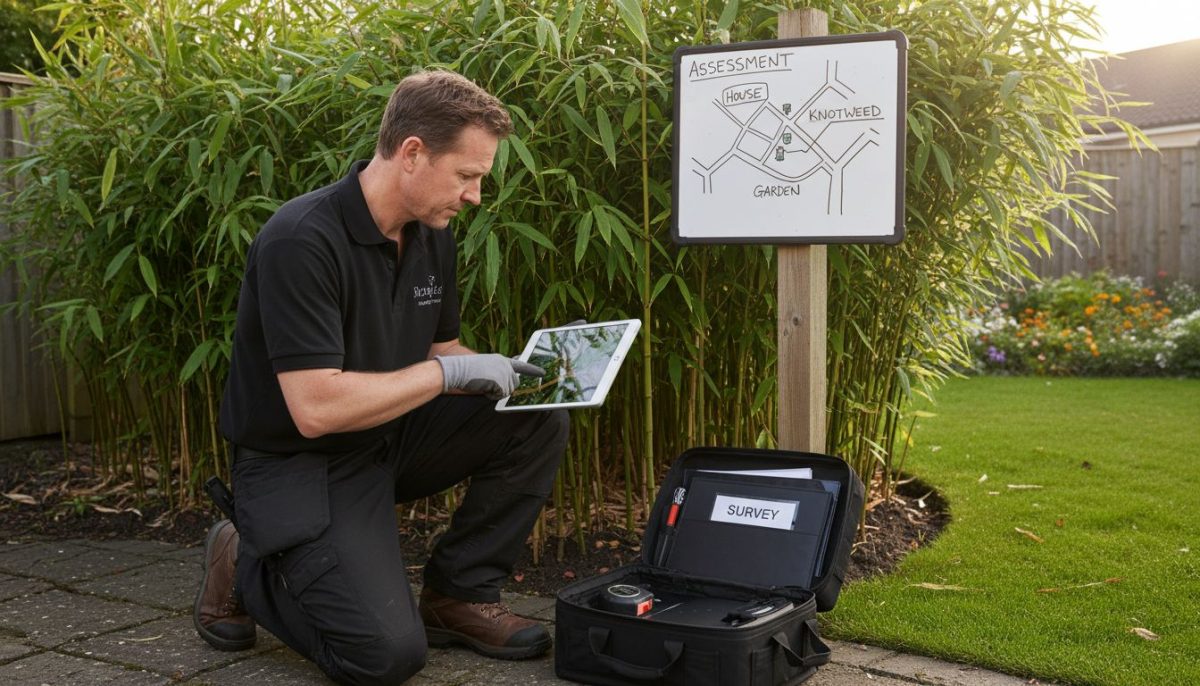
- Site Surveys and Identification: Detailed property assessments using advanced detection techniques
- Root Mapping: Precise underground rhizome network documentation
- Treatment Plans: Development of targeted chemical-free eradication strategies that comply with legal requirements
- Documentation Services: Preparation of expert reports for property transactions, legal proceedings, and insurance claims
- Ongoing Monitoring: Long-term tracking and management of knotweed growth and potential reemergence
Beyond standard treatment, many knotweed specialists offer specialized services such as root barrier installations, excavation works, and expert consultations for complex scenarios. These professionals use cutting-edge technologies and scientific approaches to provide comprehensive solutions that protect property values and prevent potential environmental and structural damage. Their expertise extends beyond simple plant removal, encompassing a holistic approach to invasive species management that considers ecological, legal, and financial implications.
Clients can expect a systematic approach that begins with a thorough initial assessment and culminates in a customized treatment plan. Whether dealing with residential properties, commercial developments, or legal disputes, knotweed specialists bring a combination of scientific knowledge, practical experience, and specialized techniques to effectively address the challenges presented by this persistent and potentially destructive plant.
Non-Chemical Methods for Knotweed Eradication
Non-chemical eradication methods represent innovative approaches to managing Japanese Knotweed without relying on traditional herbicide treatments. These techniques focus on physically disrupting the plant’s growth and preventing its ability to regenerate, offering environmentally friendly alternatives that minimize potential ecological damage.
One of the most promising non-chemical approaches is thermo-electric eradication, which uses targeted electrical energy to destroy the plant’s cellular structure. This method works by delivering precise electrical pulses that cause internal cell damage, effectively killing the knotweed without introducing harmful chemicals into the environment. The technique is particularly advantageous because it:
- Prevents chemical contamination of soil
- Minimizes damage to surrounding vegetation
- Provides a targeted approach to plant elimination
- Reduces long-term environmental impact
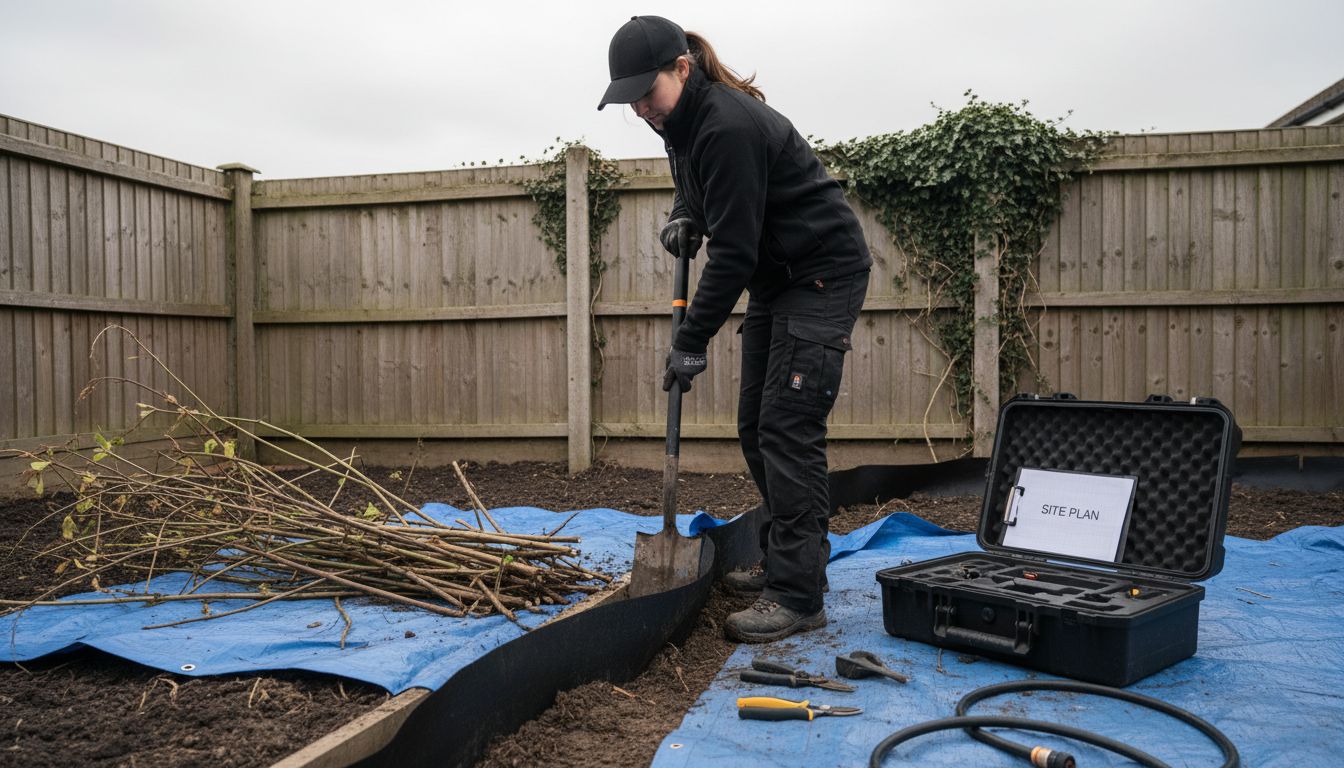
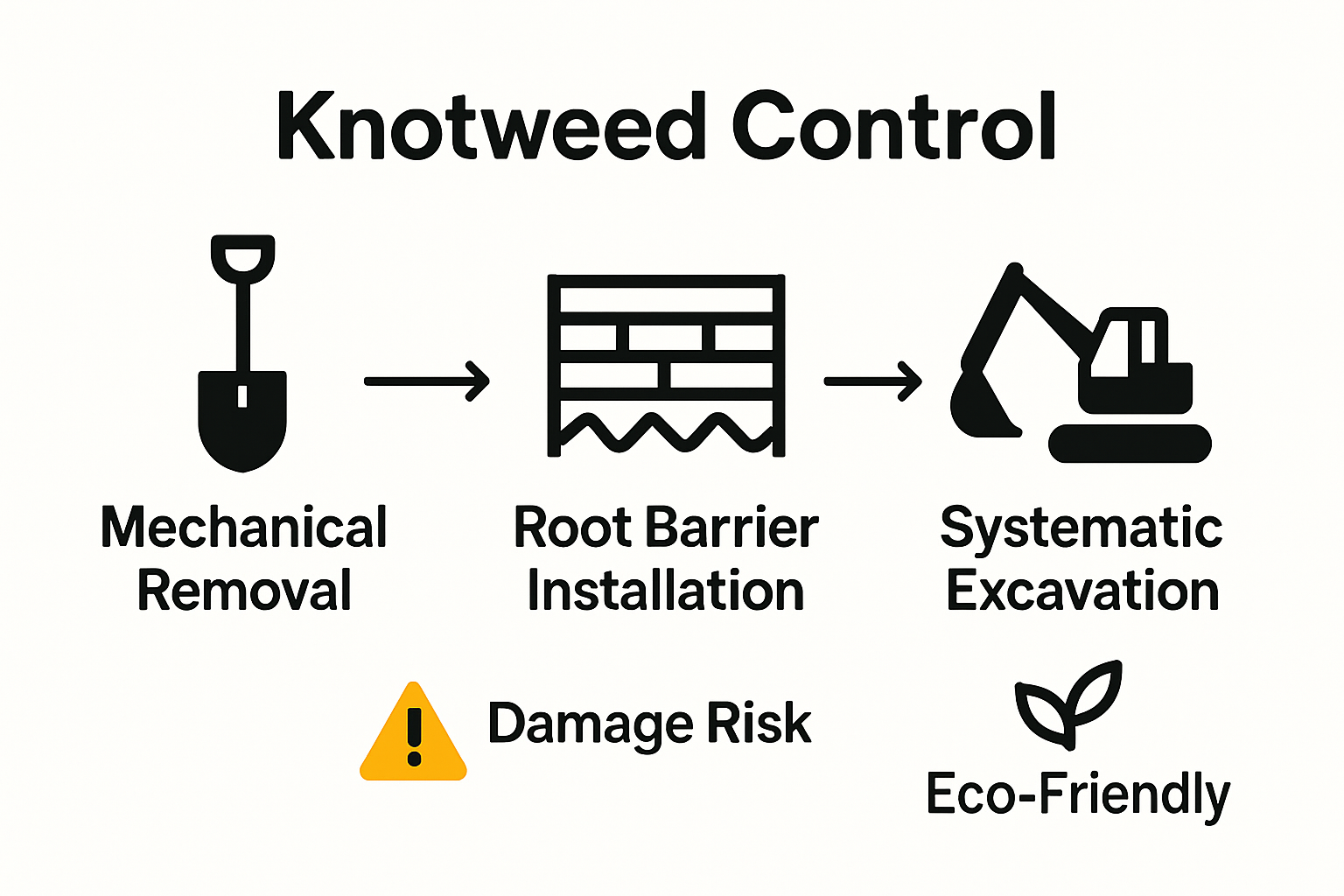
Mechanical removal methods remain another critical non-chemical strategy. These techniques involve physically extracting the plant’s extensive root system, though extreme caution is required. Professionals must carefully excavate and remove the entire rhizome network, as even small root fragments can potentially regenerate into new plants. Proper disposal is crucial, with strict protocols mandating that knotweed waste be treated as controlled waste to prevent accidental spread.
Advanced non-chemical methods also include innovative approaches like root barrier installations and systematic excavation works. These strategies focus on comprehensive removal and prevention, creating physical barriers that stop knotweed spread and completely removing contaminated soil. Property owners and land managers increasingly favor these methods for their long-term effectiveness and minimal environmental disruption, representing a sophisticated approach to managing this challenging invasive species.
Legal Responsibilities and Survey Requirements
Legal obligations surrounding Japanese Knotweed create a complex landscape of responsibilities for property owners, developers, and land managers. Understanding these legal requirements is crucial for preventing potential financial and environmental consequences associated with this invasive plant species.
Landowner responsibilities extend beyond simple property maintenance, with specific legal mandates governing knotweed control and prevention. While it is not inherently illegal to have Japanese Knotweed on private property, property owners can face significant legal challenges if they fail to prevent its spread. Key legal considerations include:
- Preventing knotweed from spreading to neighboring properties
- Ensuring proper containment and management
- Providing accurate disclosure during property transactions
- Implementing approved eradication methods
Survey requirements represent a critical component of legal compliance and risk management. Professional knotweed specialists must conduct comprehensive site assessments that document the extent of infestation, potential spread, and recommended treatment strategies. These surveys serve multiple purposes, including:
- Establishing a baseline for potential legal documentation
- Identifying potential liability risks
- Supporting insurance and mortgage applications
- Providing evidence for potential legal proceedings
Property owners and potential buyers must recognize that Japanese Knotweed can significantly impact property values and legal standing. Failure to address knotweed appropriately can result in legal disputes, reduced property values, and potential financial penalties. Engaging certified knotweed specialists who understand the intricate legal landscape is essential for effectively managing this challenging invasive species.
Risks, Costs, and Choosing a Specialist
Japanese Knotweed presents significant financial and structural risks that can dramatically impact property values and long-term maintenance expenses. Property owners face potentially extensive costs associated with professional eradication, which can range from minor remediation to complete site reconstruction depending on the infestation’s severity and spread.
The primary risks associated with Japanese Knotweed include:
- Structural damage to foundations, walls, and underground infrastructure
- Significant reduction in property market value
- Potential mortgage and insurance complications
- Expensive long-term treatment and management requirements
- Legal disputes with neighboring properties
When selecting a knotweed specialist, property owners must carefully evaluate several critical factors. Surveyor credentials and specialized training represent the most crucial considerations in identifying a qualified professional. Key selection criteria should include:
- Proven expertise in invasive species management
- Comprehensive certification and professional credentials
- Documented experience with successful knotweed eradication
- Transparent pricing and detailed treatment proposals
- Advanced non-chemical treatment capabilities
Financial considerations extend beyond immediate treatment costs. Potential property owners must understand that unaddressed knotweed can lead to substantial long-term expenses, including potential structural repairs, legal fees, and decreased property values. Professional knotweed specialists provide critical expertise in mitigating these risks, offering comprehensive assessment, targeted treatment strategies, and ongoing management solutions that protect both property investments and environmental integrity.
Take Control of Japanese Knotweed with Expert, Chemical-Free Solutions
Japanese Knotweed can create overwhelming risks for your property and peace of mind. This persistent invasive plant demands specialized knowledge and proven methods that go beyond traditional treatments. At Japanese Knotweed Agency, we understand the challenges you face with root mapping, legal survey requirements, and non-chemical eradication techniques like thermo-electric treatment. Our cutting-edge approach delivers direct energy up to 5000 volts onsite, causing irreversible damage to knotweed’s extensive rhizome network while protecting the surrounding environment and complying with legal standards.
Do not let Japanese Knotweed threaten your investment or legal standing any longer. Discover how our expert team can provide comprehensive property surveys and effective root barrier installations alongside excavation services. Take the first step toward a knotweed-free property by contacting Japanese Knotweed Agency today. Your property’s future is too important to leave to chance.
Frequently Asked Questions
What is the role of a knotweed specialist?
Knotweed specialists are trained professionals focused on identifying, managing, and eradicating Japanese Knotweed. They assess the infestation, develop targeted eradication strategies, and ensure compliance with legal requirements surrounding the invasive plant.
What services do knotweed specialists offer?
Knotweed specialists offer various services, including site surveys, root mapping, non-chemical treatment plans, expert documentation for property transactions, and ongoing monitoring of knotweed growth.
What are the risks associated with Japanese Knotweed?
The risks of Japanese Knotweed include structural damage to buildings, significant market value reduction of properties, complications with mortgages and insurance, costly long-term management needs, and potential legal disputes with neighboring properties.
What are non-chemical methods for eradicating knotweed?
Non-chemical methods for eradicating knotweed include thermo-electric eradication, which destroys the plant’s cells without chemicals, as well as mechanical removal techniques that focus on physically extracting the plant’s root system to prevent regrowth.