TL;DR:
- Japanese Knotweed poses a serious threat to property foundations, requiring professional eradication approaches. Proper site assessment and legal compliance are essential before choosing strategies like herbicide treatment, excavation, or root barriers. Eco-friendly methods such as thermo-electric treatment offer effective alternatives, but holistic planning ensures long-term property value and ecological health.
Japanese Knotweed is one of the most destructive invasive plants facing property owners across England, Wales, and Ireland today. It can push through tarmac, undermine foundations, and trigger complications with mortgages and property sales if left unmanaged. Choosing the wrong approach, or worse, attempting removal without professional guidance, can spread the problem rather than resolve it. Primary removal strategies range from herbicide programmes requiring three or more growing seasons, to excavation, root barriers, and emerging chemical-free methods such as thermo-electric treatment. This guide outlines each option clearly so you can make informed, legally sound decisions for your land.
Table of Contents
- How to assess your site and restoration priorities
- Herbicide, excavation, and root barriers: proven restoration strategies
- Emerging chemical-free and ecological approaches
- Legal obligations and the property value connection
- Why the right restoration strategy is more than just Knotweed removal
- Next steps: secure your property and peace of mind
- Frequently asked questions
Key Takeaways
| Point | Details |
|---|---|
| Start with a survey | A professional survey ensures effective control and prevents costly mistakes linked to accidental spread. |
| Compare control methods | Herbicide, excavation, and barriers each suit different scenarios; weigh costs, timescales, and legal needs. |
| Eco alternatives available | Chemical-free methods are increasingly effective and important for sensitive habitats. |
| Legal compliance is vital | You must follow strict rules or face property value loss and legal liability. |
| Think long-term restoration | Restoration is not just eradication; plan for healthy, resilient habitats after Knotweed is gone. |
How to assess your site and restoration priorities
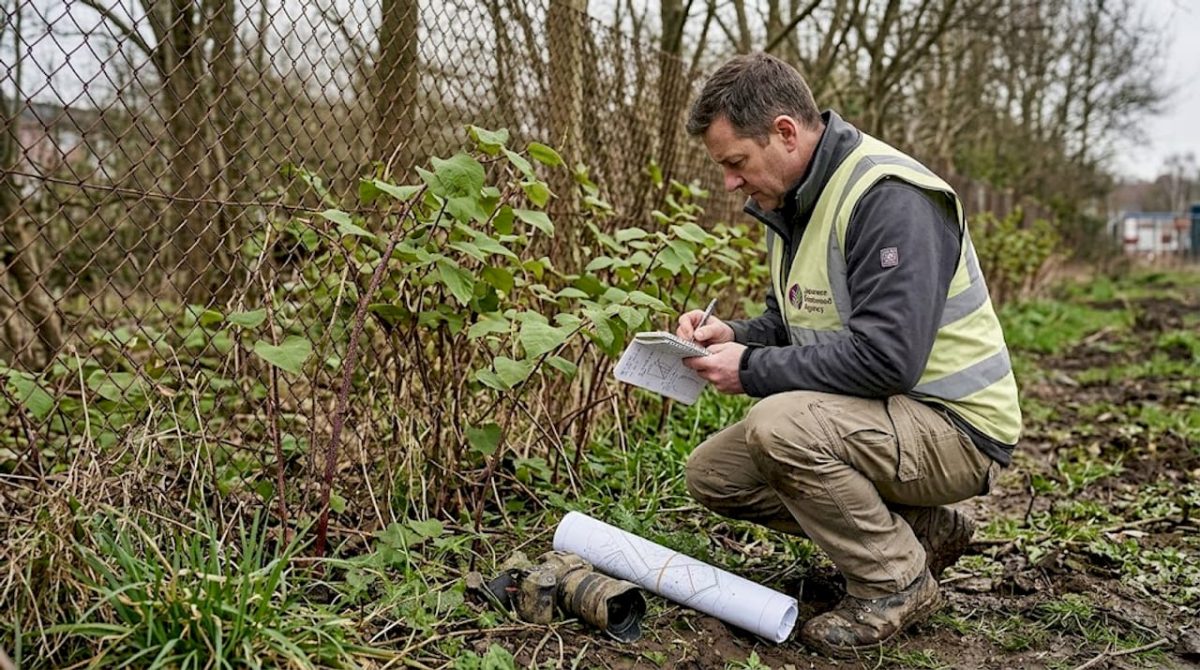
Before committing to any treatment plan, a thorough site assessment is essential. Many homeowners underestimate the extent of Japanese Knotweed on their land, largely because the most dangerous element, the rhizome network, is entirely underground and invisible to the untrained eye. Visible canes are merely the surface expression of a far wider root system that can extend three metres deep and seven metres outward from the visible stand.
A professional survey maps the full extent of the infestation using ground-level inspection and, on larger sites, specialist equipment. This matters not only for treatment planning but also for legal compliance. DIY attempts risk spreading fragments as small as 0.5 to 0.7 grams of rhizome, which is all it takes to establish a new colony. That means disturbing the ground without a clear plan could expand the problem across your garden or onto a neighbouring property, creating serious liability.
Key factors to evaluate during an initial site assessment include:
- The proximity of established stands to buildings, drainage infrastructure, or boundary walls
- Whether the Knotweed has already caused visible structural damage to hard surfaces
- The total area of infestation and whether it crosses property boundaries
- Soil type, drainage patterns, and existing native vegetation that may need protecting
- The intended future use of the land, whether residential, garden, or ecological restoration
Habitat restoration is not simply about removing an invasive plant. It is about preparing the land to support diverse, resilient native species once eradication is complete. Skipping the assessment phase almost always results in incomplete treatment and costly re-infestation. Review manual removal safe steps before touching any material on site.
Pro Tip: Always request a written site survey report. This document becomes valuable evidence for mortgage lenders, insurers, and solicitors during any future property transaction.
Herbicide, excavation, and root barriers: proven restoration strategies
After you understand the condition of your site, it is time to compare the main eradication and restoration options available. Each method has a distinct profile in terms of cost, timescale, disruption, and suitability for different site conditions.
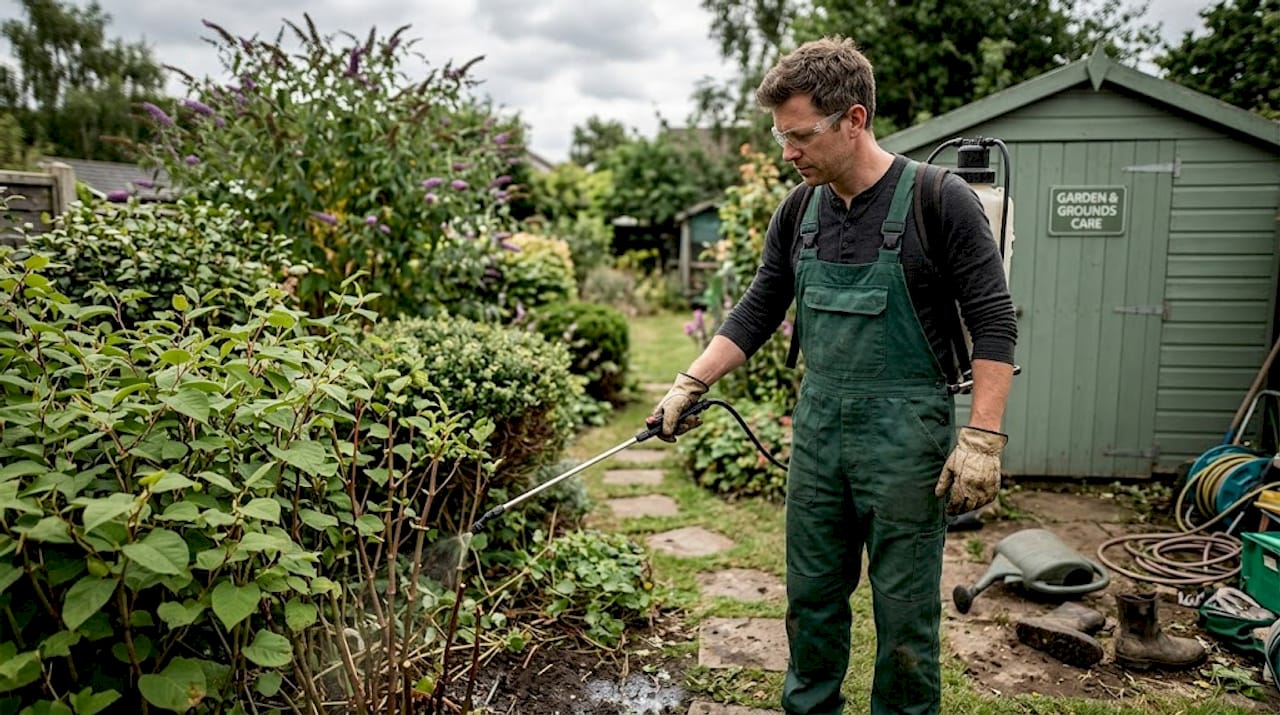
Professional herbicide treatment uses glyphosate-based products applied across multiple growing seasons. The approach is methodical: treatment typically begins in spring when canes reach approximately one metre in height, targeting the plant during its most active growth phase. Herbicide application requires three or more seasons to effectively deplete the rhizome network. This method is less disruptive to the surrounding environment than excavation, and it is generally the most cost-effective approach for large-scale infestations. It is also the most widely accepted method by mortgage lenders, provided a formal management plan and insurance-backed guarantee accompanies the treatment.
Excavation and controlled waste disposal is the most immediate solution available. Contaminated soil and rhizome material are removed entirely from the site and transported to a licensed facility. The results are near-instant, which is particularly valuable when construction or development is imminent. However, it is the most expensive option and carries significant waste disposal obligations under the Environmental Protection Act 1990. All Knotweed material is classified as controlled waste, meaning unlicensed disposal is illegal. It is worth understanding the extent of property damage risks before deciding whether excavation is warranted based on structural impact.
Root barrier installation uses high-density polyethylene membranes buried to a depth of at least one to two metres to prevent rhizome spread. Barriers are particularly useful in urban settings where excavation is impractical and herbicide use must be limited. They do not eradicate existing Knotweed but act as a containment measure, redirecting growth away from structures or boundaries. Barriers are often combined with herbicide programmes for best results, and they perform especially well in scenarios where mulching for root protection is also incorporated as part of broader ground management.
It is always more cost-effective to treat Knotweed early, before root systems have had years to expand. The longer the delay, the greater the excavation volume or herbicide investment required.
| Method | Timescale | Cost | Disruption | Best suited for |
|---|---|---|---|---|
| Herbicide (professional) | 3 to 5 seasons | Moderate | Low | Established infestations, mortgage compliance |
| Excavation | Immediate | High | High | Development sites, urgent sales |
| Root barriers | Ongoing containment | Moderate | Medium | Boundary management, urban settings |
| Thermo-electric treatment | Multiple sessions | Moderate | Low | Eco-sensitive sites, no-chemical zones |
Pro Tip: For mortgage purposes, confirm that your chosen contractor provides an Insurance-Backed Guarantee alongside the management plan. Without this, many lenders will not proceed with a mortgage application on an affected property.
Emerging chemical-free and ecological approaches
As you consider established methods, eco-centric approaches are now a credible alternative for many homeowners, particularly those managing land near watercourses, wildlife habitats, or areas where chemical use is restricted or undesirable.
Thermo-electric and anaerobic methods represent the leading edge of chemical-free Knotweed management. Thermo-electric treatment delivers targeted electrical energy directly into the plant and its rhizome system, causing internal cell damage and progressively depleting the energy reserves that sustain regrowth. At Japanese Knotweed Agency, we deliver direct energy up to 5,000 volts on site, producing measurable results without introducing chemicals into the soil or water table. This is especially significant on sites adjacent to rivers, ponds, or designated ecological zones where any form of herbicide application would carry serious environmental risk.
Anaerobic treatment involves depriving rhizome material of oxygen over a sustained period, disrupting the plant’s metabolic processes and preventing viable regrowth. This approach is more frequently used in controlled disposal settings rather than in situ, but research into expanded on-site applications is ongoing.
Advantages of chemical-free methods for homeowners:
- No risk of chemical contamination to soil, groundwater, or neighbouring vegetation
- Suitable for use in sensitive ecological zones, near watercourses, and within organic gardens
- Minimal disruption to existing beneficial plant and insect communities
- Increasingly favoured by planning authorities and ecological consultants
- Aligns with biodiversity net gain requirements under recent planning policy
“The RHS recommends prioritising non-chemical approaches where practical, while acknowledging that glyphosate remains an accepted tool for controlling invasive species in situations where other methods are insufficient. The PCA advises that chemical-free methods are appropriate for certain site conditions but notes that herbicide treatment remains the most reliably effective long-term solution in many scenarios.”
It is important, however, to set realistic expectations. Chemical-free solutions are not universally faster than herbicide programmes, and on heavily established infestations, the treatment schedule may need to be more intensive than a traditional herbicide plan. The best results come from selecting the method that matches your site’s specific conditions rather than applying a single approach across every scenario.
For homeowners exploring broader ecological practices alongside Knotweed management, resources on organic gardening for homeowners provide complementary guidance on restoring soil health and native plant communities following treatment.
| Method | Ecological suitability | Chemical input | Treatment duration | Urban/rural use |
|---|---|---|---|---|
| Thermo-electric | High | None | Multiple sessions | Both |
| Anaerobic | High | None | Extended programme | Rural/contained |
| Glyphosate herbicide | Moderate | Yes | 3 to 5 seasons | Both |
| Excavation | Variable | None | Immediate | Urban/development |
Legal obligations and the property value connection
No strategy is complete without factoring in the legal duties and real-world consequences for your property’s value. Many homeowners are unaware that Knotweed carries statutory obligations, and failing to act can result in civil liability, criminal prosecution, or a stalled property transaction.
The key legal framework across England, Wales, and Ireland includes:
- Under the Wildlife and Countryside Act 1981, it is illegal to plant or cause Japanese Knotweed to spread in the wild in England and Wales.
- All Knotweed-contaminated soil and plant material is classified as controlled waste under the Environmental Protection Act 1990, requiring licensed disposal.
- Allowing Knotweed to spread onto a neighbouring property can result in a civil action for nuisance or Anti-Social Behaviour Order under the Anti-social Behaviour, Crime and Policing Act 2014.
- In Ireland, similar obligations exist under S.I. No. 477/2011 (European Communities (Birds and Natural Habitats) Regulations), which restricts the spread of invasive plant species.
- Property sellers in England and Wales are required to disclose known Knotweed on the TA6 property information form, with significant legal consequences for non-disclosure.
Property value impact: Untreated Japanese Knotweed can reduce a property’s market value by up to 20%, and many mortgage lenders will decline applications entirely without a formal management plan in place.
The impact on property values is not merely theoretical. Surveyors are trained to flag Knotweed on mortgage valuations, and a growing number of lenders require evidence of an active, professionally managed treatment plan before proceeding. Understanding mortgage issues and sales related to Knotweed is therefore as important as understanding the biology of the plant itself. A formal management plan, ideally backed by a recognised industry guarantee, not only satisfies lenders but also demonstrates due diligence to future buyers.
Why the right restoration strategy is more than just Knotweed removal
After years of working across diverse sites throughout England, Wales, and Ireland, one pattern consistently emerges: homeowners focus on eradication but overlook what happens next. Removing Japanese Knotweed is an essential first step, but it leaves behind a legacy of depleted soil, disrupted ground ecology, and bare or compacted land that, without active management, simply invites further colonisation by other opportunistic invasive species.
The most resilient outcomes we observe are on sites where restoration was treated as a staged process. Eradication comes first, followed by soil preparation, introduction of native ground-cover species, and, where appropriate, replanting of native shrubs and trees that restore structural habitat and discourage re-invasion. This is not a luxury consideration for larger rural estates. Even a modest garden that has been treated for Knotweed benefits enormously from deliberate replanting with species suited to local conditions.
There is also a financial dimension that homeowners routinely underestimate. A property with a completed management plan and a restored, healthy garden commands a notably stronger market position than one with bare ground and an ongoing treatment programme. Lenders respond to evidence of professional, structured intervention. Buyers respond to visible evidence of ecological recovery.
The lesson from effective management of Knotweed is this: reactive removal resolves the immediate crisis, but only a holistic, formally documented approach truly protects the long-term value and ecological health of your land. Plan beyond the treatment phase from the outset, and the investment you make in eradication becomes the foundation for genuine, lasting habitat recovery.
Next steps: secure your property and peace of mind
Protecting your home from Japanese Knotweed starts with the right professional support, not guesswork or off-the-shelf solutions.
Japanese Knotweed Agency carries out detailed plant eradication surveys across England, Wales, and Ireland, giving you a precise picture of the infestation and a clear, legally compliant path forward. Our chemical-free solutions for homeowners bring innovative thermo-electric treatment directly to your site, with no chemical residues and measurable results across successive treatment sessions. Whether you need a survey, a formal management plan, root barrier installation, or full excavation, we provide authoritative guidance tailored to your specific property. Visit our Japanese Knotweed FAQs to find answers to the most common questions homeowners face, or contact us directly to arrange a professional site assessment.
Frequently asked questions
Can I remove Japanese Knotweed myself safely?
DIY removal risks spreading viable Knotweed from root fragments as small as 0.5 to 0.7 grams; professional surveys and treatment plans are strongly advised before any ground is disturbed.
What is the fastest way to control Japanese Knotweed?
Excavation with controlled waste removal delivers immediate results, but it is costly; herbicide treatment is more affordable but requires three or more growing seasons to achieve full effectiveness.
Are chemical-free methods truly reliable for homeowners?
Chemical-free options such as thermo-electric and anaerobic treatment are well suited to eco-sensitive sites, though herbicide programmes remain the more reliably consistent solution for heavily established infestations in certain conditions.
What are my legal responsibilities if I find Knotweed on my property?
It is illegal to allow Knotweed to spread under the Wildlife and Countryside Act 1981 in England and Wales, and similar obligations apply in Ireland; all contaminated material must be disposed of as controlled waste through a licensed contractor.
How does untreated Knotweed affect my home’s value?
Untreated Knotweed can reduce property value by up to 20% and frequently blocks mortgage approvals until a formal, professionally backed management plan is in place and documented.