Securing a mortgage in England or Wales can quickly become stressful when a property survey uncovers Japanese Knotweed. Left unchecked, this invasive plant threatens not just your garden but your investment and peace of mind. Homeowners now seek chemical-free eradication solutions that protect the environment while satisfying lender requirements. This guide breaks down each essential step for safely identifying, preparing, treating, and monitoring Japanese Knotweed using proven methods that avoid herbicides and keep your home loan on track.
Table of Contents
- Step 1: Assess Invasive Plant Presence On Your Property
- Step 2: Prepare Your Site For Chemical Free Treatment
- Step 3: Apply Direct Energy And Eco-Friendly Methods
- Step 4: Install Root Barriers And Perform Excavations
- Step 5: Verify Eradication And Monitor Regrowth
Quick Summary
| Essential Insight | Explanation |
|---|---|
| 1. Identify Invasive Plants Early | Conduct a thorough visual inspection to spot invasive species before they spread and cause damage. |
| 2. Prepare the Site Effectively | Create a 2-metre buffer zone, mark boundaries, and ensure protective measures before removal begins. |
| 3. Use Direct Energy Methods | Apply eco-friendly techniques like controlled electrical pulses to eliminate invasive plants safely. |
| 4. Install Root Barriers Properly | Dig and place root barriers deep and seal adequately to prevent regrowth of invasive plants. |
| 5. Monitor Regularly for Success | Conduct quarterly inspections for two years, documenting any regrowth and checking barrier effectiveness. |
Step 1: Assess invasive plant presence on your property
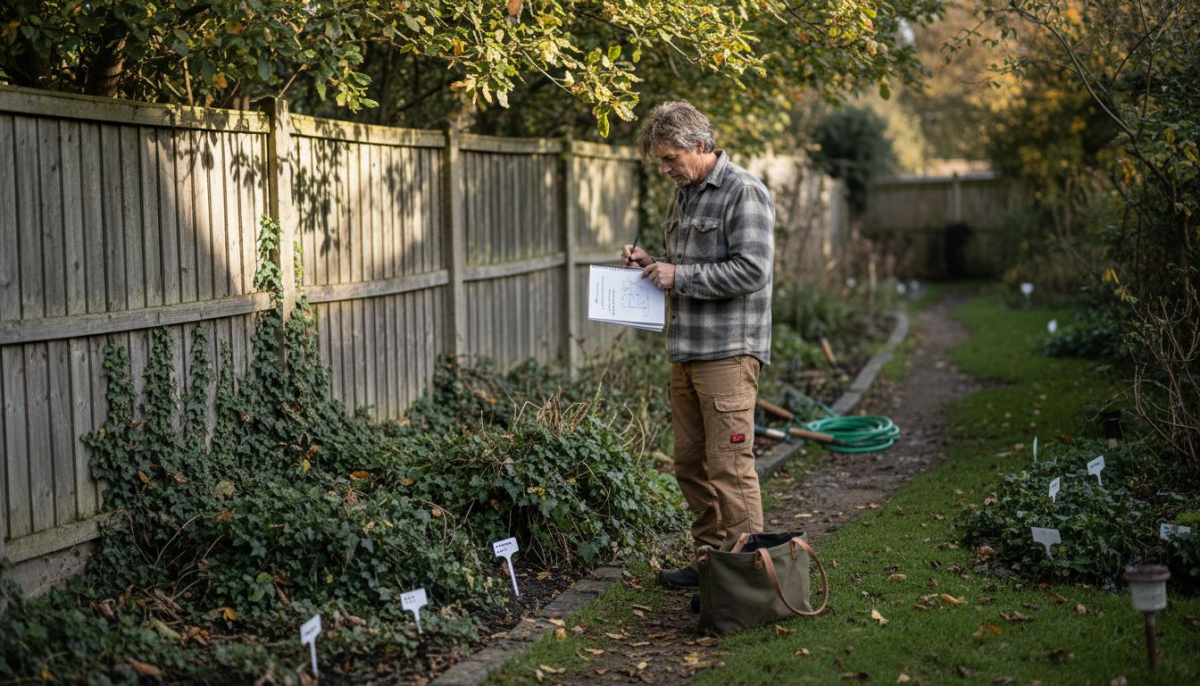
Identifying invasive plants early can save you significant time and expense in property maintenance. In this crucial first step, you’ll learn how to systematically survey your property for potential invasive species that might compromise your garden’s health and structural integrity.
To effectively assess your property, begin with a comprehensive visual inspection, paying close attention to areas with dense vegetation or ground cover. Gardeners can help identify potentially invasive plants through careful observation and documentation. Look for these key warning signs:
- Plants growing unusually quickly or spreading beyond their original planting area
- Stems or roots that appear to push through hard surfaces like concrete or tarmac
- Unusual leaf patterns or growth structures different from typical garden plants
- Dense clusters of vegetation that seem to crowd out other plant species
Documenting your findings is critical. Take clear, close-up photographs of any suspicious plants, capturing details of leaves, stems, and root systems. Measure the spread and note precise locations on your property.
Accurate documentation can help professionals rapidly assess potential invasive species risks.
Pro tip: Conduct your initial survey during growing season when plants are most visible, and consider using a smartphone app to help identify unfamiliar vegetation.
Step 2: Prepare your site for chemical free treatment
Before commencing any invasive plant removal, thorough site preparation is essential to ensure safe and effective eradication. Your goal is to create a controlled environment that minimises potential spread and protects surrounding vegetation and structures.
Safety guidance for managing invasive plants emphasises the importance of creating a comprehensive preparation strategy. Begin by establishing clear work zones and implementing protective measures:
- Mark out the entire affected area with temporary fencing or visible boundary markers
- Clear surrounding vegetation to create a minimum 2-metre buffer zone
- Prepare protective equipment including robust gloves, long-sleeved clothing, and sturdy footwear
- Set up designated waste containment areas for plant material
- Ensure all equipment is clean and sanitised before entering the work zone
Documenting your site conditions is crucial. Take detailed photographs of the area, noting precise measurements, plant spread, and any potential access challenges. This documentation will support subsequent treatment efforts and provide a clear baseline for tracking progress.
Proper site preparation is the foundation of successful chemical-free invasive plant management.
Consider the potential soil contamination and transportation risks. Disposing of invasive plants safely requires careful planning to prevent unintentional spread during removal.
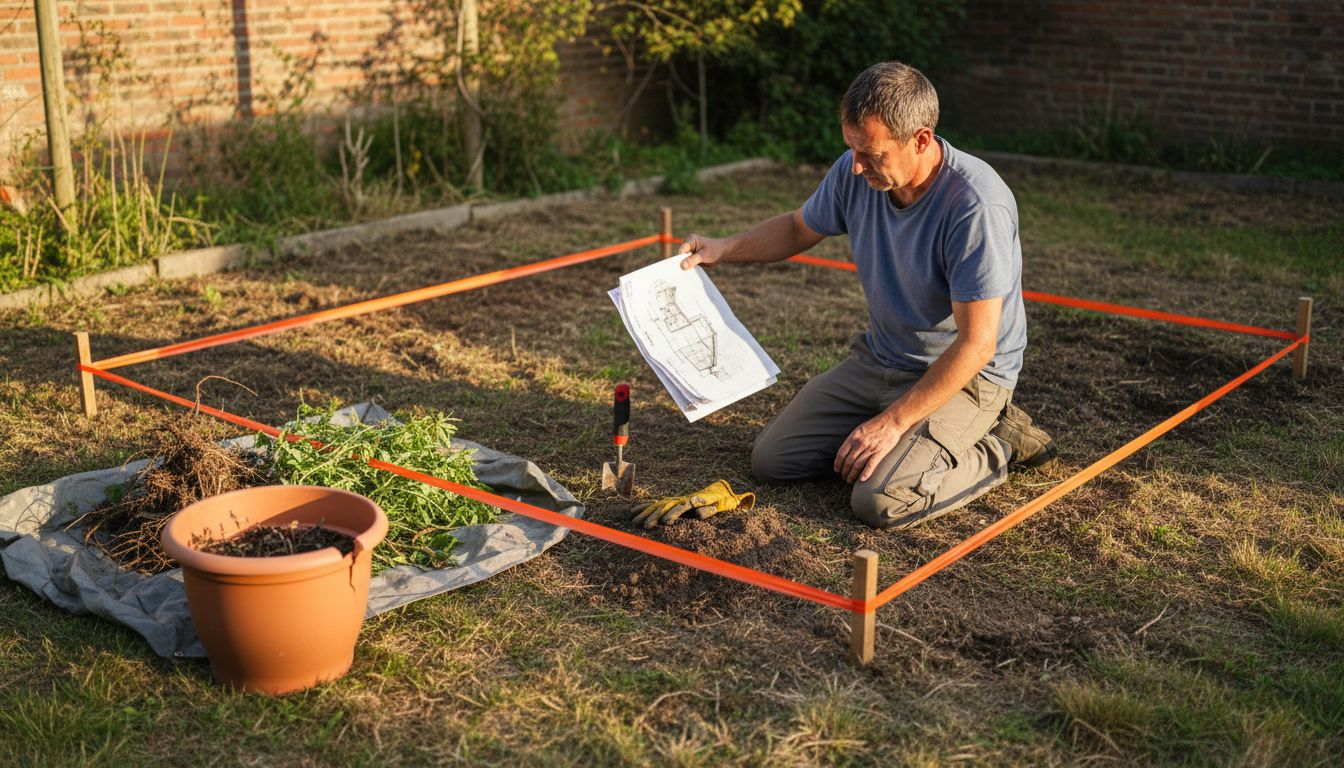
Pro tip: Photograph the site from multiple angles and create a scaled sketch of the affected area to help professionals assess the most effective treatment approach.
Step 3: Apply direct energy and eco-friendly methods
Now that you’ve prepared your site, it’s time to implement targeted treatment strategies that eliminate invasive plants without relying on harmful chemical interventions. Direct energy treatment offers a precise and environmentally responsible approach to plant eradication.
Innovative invasive species control techniques demonstrate multiple non-chemical approaches for managing problematic vegetation. The key is applying targeted energy that disrupts the plant’s internal systems:
- Deliver controlled electrical pulses directly to the plant’s root system
- Target specific areas to minimise damage to surrounding vegetation
- Use precise voltage levels that cause cellular disruption
- Repeat treatments to ensure complete rhizome network destruction
- Monitor treatment sites for regrowth and effectiveness
The process involves creating microscopic damage within the plant’s cellular structure, essentially starving the invasive species of its ability to regenerate. Thermo-electric treatment works by introducing electrical currents that deplete the plant’s energy resources, causing systematic breakdown of the entire root network.
Precision is paramount when applying direct energy treatments to invasive plant species.
Non-chemical strategies for plant control emphasise the importance of integrated management approaches. This means combining direct energy methods with careful monitoring and potential follow-up treatments to ensure complete eradication.
Pro tip: Document each treatment session with photographs and detailed notes to track the progressive breakdown of the invasive plant system and inform future management strategies.
The following table compares traditional chemical methods with direct energy approaches for invasive plant treatment:
| Factor | Chemical Methods | Direct Energy Methods |
|---|---|---|
| Environmental Impact | High, risk to non-target life | Minimal, highly targeted |
| Persistence | May require repeated use | Offers long-term control |
| Regulatory Constraints | Extensive, often restricted | Fewer regulations if properly used |
| Effectiveness on Roots | Variable, roots may survive | High, targets entire root system |
Step 4: Install root barriers and perform excavations
After targeting invasive plants with direct energy treatments, the next critical phase involves physically containing and removing the root system to prevent future spread. Root barrier installation provides a strategic defence against potential regrowth and migration of invasive plant species.
Physical containment methods for invasive plants offer homeowners robust strategies to restrict root expansion. The process involves several precise steps:
- Dig a trench around the entire affected area
- Install high-density polyethylene root barrier membrane
- Ensure barrier extends minimum 3 metres deep
- Overlap barrier sections by at least 300 millimetres
- Seal all joining points to prevent root penetration
- Backfill trench carefully to maintain barrier integrity
Excavation requires meticulous planning and execution. Contaminated soil removal demands careful handling to prevent unintentional spread of invasive plant material. Professional techniques ensure complete root network extraction while minimising environmental disruption.
Precise excavation and root barrier installation are fundamental to preventing invasive plant re-establishment.
Invasive plant management procedures emphasise the importance of adhering to legal requirements during soil management and plant removal processes.
Pro tip: Consult local environmental regulations and consider professional survey services to ensure comprehensive root barrier installation and excavation comply with regional guidelines.
Step 5: Verify eradication and monitor regrowth
Successful invasive plant management requires ongoing vigilance and strategic monitoring to confirm complete eradication and prevent potential reestablishment. Verification processes are critical to ensuring the long-term success of your chemical-free treatment approach.
Invasive species eradication monitoring demands a systematic and thorough approach. Implement a comprehensive monitoring strategy that includes:
- Conduct quarterly site inspections for at least two years
- Photograph the entire treatment area from consistent angles
- Measure and document any potential new growth
- Check root barrier integrity during each inspection
- Maintain detailed written records of observations
- Look for subtle signs of potential regrowth, including small shoots
Each inspection should be meticulously documented, recording precise location, date, and any observable changes. Root system assessment requires careful examination of the entire treated area, paying special attention to historical growth zones and potential migration routes.
Persistent monitoring is the key to preventing invasive plant reestablishment.
Annual invasive plant management surveys are essential for verifying the effectiveness of your eradication efforts and maintaining long-term control.
Pro tip: Create a dedicated monitoring spreadsheet with GPS coordinates, photographic evidence, and detailed notes to track your site’s progress and provide comprehensive documentation for potential future professional consultations.
Here’s a summary of the major steps and their primary focus:
| Step | Main Action | Key Objective |
|---|---|---|
| Assess | Identify invasive plants | Early detection to reduce risk |
| Prepare | Site readiness | Prevent spread, safeguard surroundings |
| Treat | Apply direct energy methods | Eco-friendly eradication |
| Contain | Install root barriers, excavate | Block regrowth and migration |
| Monitor | Verify and track results | Ensure long-term eradication |
Take Control of Invasive Plants with Trusted Chemical Free Solutions
The challenge of managing invasive plants without harmful chemicals demands precision and care. If you are worried about the spread of Japanese Knotweed or other invasive species compromising your property, our specialised approach offers effective, eco-friendly treatment that aligns perfectly with the direct energy methods described. At Japanese Knotweed Agency, we use up to 5000 volts of direct energy on-site to disrupt invasive plant cell systems safely and completely, combined with root barrier installation and expert excavation to prevent regrowth.
Do not let invasive weeds take over your land or cause costly damage. Act now to schedule a detailed invasive plant survey and explore our chemical free eradication strategies designed specifically for properties across England, Wales and Ireland. Discover how Japanese Knotweed Agency can help you regain control with proven, sustainable methods. Begin your journey with a comprehensive property survey and see the difference targeted energy treatment with professional root barriers makes to your environment.
Frequently Asked Questions
How can I identify invasive plants on my property?
Identifying invasive plants involves conducting a thorough visual inspection of your garden and property. Look for signs like rapid growth, unusual leaf patterns, or dense clusters of vegetation. Document your findings by taking photographs and noting the specific locations of suspicious plants.
What are the key steps for preparing my site before invasive plant removal?
Preparing your site includes creating clear work zones, marking the affected area, and establishing a buffer zone of cleared vegetation. Ensure you have protective equipment like sturdy gloves and long-sleeved clothing, and take photographs of site conditions to support your removal efforts.
What methods can I use for eco-friendly treatment of invasive plants?
You can use direct energy methods, such as delivering controlled electrical pulses to disrupt the root system of invasive plants. This precise technique minimises harm to surrounding vegetation and requires repeated applications for effective eradication.
How do I install root barriers after treating invasive plants?
Installing root barriers involves digging a trench around the affected area and placing a high-density polyethylene membrane that extends at least three metres deep. Overlap sections of the barrier and seal all joins to prevent roots from penetrating, ensuring effective containment of any remaining roots.
What should I do to monitor regrowth after invasive plants have been treated?
To monitor regrowth, conduct site inspections at least quarterly for two years, documenting any new growth and checking the integrity of root barriers. Take consistent angles of photographs and maintain detailed written records of your observations to ensure long-term control over invasive species.
How can I ensure the complete eradication of invasive plants?
To ensure complete eradication, combine your treatment methods with thorough monitoring and documentation. Evaluate the treatment areas for signs of regrowth regularly, and adapt your management strategy as necessary to prevent any re-establishment of invasive species.