

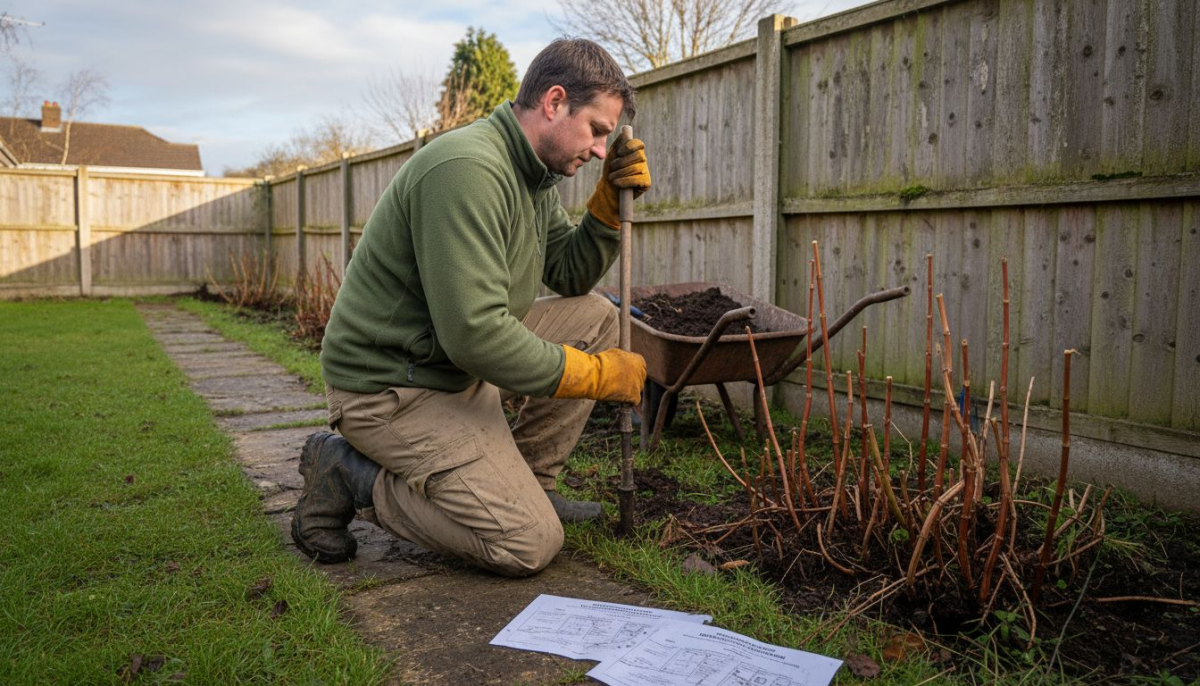
Japanese Knotweed poses a formidable challenge for UK homeowners seeking safe, effective eradication without chemicals. With glyphosate herbicide bans in effect since December 2025, demand for non-chemical solutions has surged across England, Wales, and Ireland. This article explores the top four proven non-chemical methods that protect your property, comply with UK law, and deliver results you can trust.
Table of Contents
- Selection Criteria For Non-Chemical Weed Control Methods
- Thermo-Electric Treatment
- Mechanical Removal
- Root Barrier Installation
- Biological Control And Innovative Non-Chemical Methods
- Summary Comparison Of Non-Chemical Weed Control Methods
- Situational Recommendations For Homeowners
- Explore Expert Chemical-Free Japanese Knotweed Solutions
Key Takeaways
| Point | Details |
|---|---|
| Non-chemical methods avoid environmental and legal risks | Chemical-free approaches protect soil, water, and non-target species while meeting UK invasive species regulations. |
| Thermo-electric treatment kills rhizomes with electrical heat | Up to 5000 volts destroy knotweed cells safely, achieving eradication within 1-2 years. |
| Mechanical removal requires careful excavation and follow-up | Hand-pulling and excavation work for small infestations but need meticulous disposal and monitoring. |
| Root barriers prevent underground spread effectively | Physical barriers block lateral rhizome growth, protecting foundations and gardens when combined with removal. |
| Biological controls offer fast, chemical-free eradication | Methods like Roots Reset eradicate knotweed within 1 year while restoring natural soil health. |
Selection Criteria for Non-Chemical Weed Control Methods
Choosing the right non-chemical knotweed control method requires evaluating several critical factors. Your selection impacts not only eradication success but also environmental safety, legal compliance, and long-term costs.
Effectiveness in killing rhizomes and preventing regrowth stands as the top priority. Japanese Knotweed’s extensive underground network can regenerate from fragments as small as 1 cm, making thorough treatment essential. Environmental safety matters equally, particularly near watercourses, organic farms, and conservation areas where chemicals pose unacceptable risks.
Compliance with UK invasive species law prevents legal penalties and protects property values. Cost considerations include both initial investment and ongoing maintenance over multiple years. Implementation ease varies dramatically: some methods require specialized equipment and professional expertise, while others suit determined DIY homeowners. Finally, timeframe expectations influence your choice, as methods range from rapid 1-year eradication to multi-year approaches requiring patience.
Pro Tip: Always assess your specific infestation size, proximity to sensitive areas, and budget before committing to a control method to ensure the best fit for your property.
Key evaluation criteria include:
- Rhizome kill rate and regrowth prevention capability
- Impact on surrounding plants, wildlife, and water quality
- Alignment with legal obligations for eco-friendly weed control
- Total cost including equipment, labor, and follow-up treatments
- Professional service availability in your region
- Expected timeline from first treatment to complete eradication
Thermo-Electric Treatment
Thermo-electric treatment represents a breakthrough in chemical-free knotweed control, delivering electrical heat up to 5000 volts directly to stems and rhizomes. This targeted energy penetrates deep into the root system, causing internal cell damage and gradually depleting the plant’s energy reserves with each application.
The method excels in environmentally sensitive locations where herbicide use would violate regulations or harm ecosystems. It’s safe for use near watercourses, organic farms, and protected habitats, making it ideal for conservation-minded homeowners. Typically achieving complete eradication within 1-2 years, thermo-electric treatment outpaces mechanical approaches while avoiding chemical residues.
Professional expertise and specialized equipment are non-negotiable for this method. Trained technicians understand precise voltage application, treatment timing, and safety protocols. The UK industry has recognized this innovation with multiple awards for effectiveness and environmental stewardship.
“Thermo-electric treatment delivers sustainable knotweed eradication without compromising soil health or water quality, setting a new standard for invasive species management.”
Key advantages include:
- Direct rhizome destruction without soil excavation
- Zero chemical residues or herbicide drift concerns
- Effective in challenging terrain and tight access areas
- Proven success in Derbyshire and Glastonbury case studies
- Compliant with all UK environmental regulations
Mechanical Removal
Physical removal methods tackle knotweed through direct action: hand-pulling, repeated cutting, and full excavation. These approaches suit small infestations where homeowners can commit sustained effort and vigilance. Success demands meticulous attention to detail, as rhizome fragments as small as 1 cm can regenerate.

Hand-pulling works for very small, recently established stands when soil conditions are moist. Repeated cutting weakens plants over time by depleting stored energy in rhizomes. For larger patches, excavation becomes necessary, requiring removal of all root material to at least 3 meters depth and several meters laterally.
Disposal represents a critical phase often underestimated by DIY removers. UK regulations mandate specific methods to prevent spread during transport and disposal. Burning on impermeable membranes remains the safest option for small quantities, ensuring no viable fragments escape.
Pro Tip: Mark your removal area clearly and monitor it weekly during the growing season for at least 12 months after initial removal to catch any regrowth immediately.
Best practices for mechanical removal:
- Schedule work during moist soil conditions for easier root extraction
- Remove all visible rhizome material plus a 3-meter buffer zone
- Segregate excavated material on impermeable sheeting immediately
- Arrange licensed disposal or on-site burning following UK government guidelines
- Document the removal process with photos for legal records
- Implement weekly monitoring for at least one full year
Key considerations:
- Labor-intensive approach requiring significant physical effort
- Risk of spreading infestation through improper handling
- Lower initial cost but potential for extended timelines
- Safety protocols essential to prevent fragment dispersal
- Effectiveness depends on excavation thoroughness
- Follow-up monitoring non-negotiable for success
Root Barrier Installation
Root barriers provide a defensive strategy against knotweed’s underground advance. These physical shields made from high-density plastic or metal block lateral rhizome growth, protecting vulnerable areas like building foundations, gardens, and utility lines.
Installation requires professional expertise to achieve lasting effectiveness. Barriers must extend to depths matching known rhizome penetration, typically 2-3 meters, and project laterally well beyond the visible infestation perimeter. Proper sealing at joints prevents rhizomes from finding gaps.
Root barriers excel as part of an integrated control strategy rather than standalone solutions. They contain existing infestations while other methods work to eliminate the plants above ground and within the barrier perimeter. This dual approach prevents spread during the eradication process.
Pro Tip: Combine root barriers with annual inspections to verify barrier integrity and catch any rhizomes attempting to grow over or around the barrier edges.
Barrier applications:
- Protecting property boundaries from neighbor’s knotweed
- Shielding building foundations and hardscaping
- Creating safe zones for gardens and landscaping
- Containing knotweed during multi-year eradication programs
- Preventing spread to sensitive waterways and habitats
Consult professional barrier installation guides to understand depth requirements, material specifications, and maintenance protocols for your specific situation.
Biological Control and Innovative Non-Chemical Methods
Biological control harnesses natural enemies and ecological processes to suppress knotweed without chemicals. The most promising development is Roots Reset, an innovative approach that achieves eradication within one year while promoting rapid soil regeneration and allowing immediate replanting.
Roots Reset applies ecological principles to starve knotweed of resources while encouraging beneficial soil organisms. This method dramatically shortens eradication timelines compared to chemical pesticides that may require up to 5 years. The treated areas return to productive use quickly, restoring natural habitat and soil health.
Another biological avenue involves psyllid insects that feed on knotweed sap, gradually weakening plants through sustained feeding pressure. UK field trials show significant vitality reduction, though this approach remains in development for widespread homeowner use. These tiny bugs offer hope for long-term sustainable control that mimics natural ecosystem balance.
Biological methods align perfectly with environmentally sensitive properties and restoration projects where chemical residues are unacceptable. They provide safer alternatives that work with nature rather than against it.
| Method | Eradication Timeline | Soil Recovery | Replanting Possible | Environmental Impact |
|---|---|---|---|---|
| Roots Reset | 1 year | Immediate | Yes, within months | Positive restoration |
| Psyllid Control | 2-3 years | Natural process | Yes, after clearance | Minimal disruption |
| Chemical Herbicides | 3-5 years | Slow, residues present | Delayed 1-2 years | Contamination risk |
Key advantages:
- Rapid eradication with Roots Reset method
- Restoration of soil health and biodiversity
- Zero chemical residues or environmental harm
- Faster return to productive land use
- Sustainable long-term ecosystem management
Summary Comparison of Non-Chemical Weed Control Methods
Comparing non-chemical options side by side reveals distinct strengths and applications for each approach. Understanding these trade-offs empowers informed decision-making based on your specific circumstances.
Thermo-electric treatment achieves eradication within 1-2 years, offering the best balance of speed and environmental safety for medium to large infestations. Mechanical removal takes several years and demands ongoing vigilance but provides cost-effective control for small patches. Biological methods like Roots Reset deliver approximately 1-year eradication timelines while actively improving soil conditions.
Root barriers serve a different function entirely, preventing spread rather than eliminating existing plants. Their value multiplies when integrated with active eradication methods, containing the problem while treatment progresses.
Cost considerations extend beyond initial expenditure. Mechanical removal appears cheapest upfront but accumulated labor hours and monitoring costs add up over years. Thermo-electric and biological treatments command higher initial fees but compress timelines and reduce long-term expenses. Professional installation ensures effectiveness, reducing failed attempts that waste money.
| Method | Timeframe | Initial Cost | Environmental Impact | Best For | Scalability |
|---|---|---|---|---|---|
| Thermo-Electric | 1-2 years | Moderate-High | Minimal | Medium-large infestations, sensitive sites | Excellent |
| Mechanical Removal | 2-5+ years | Low-Moderate | Low if done correctly | Small infestations, DIY homeowners | Limited |
| Biological (Roots Reset) | ~1 year | Moderate-High | Positive restoration | Restoration projects, fast results needed | Growing |
| Root Barriers | Ongoing containment | Moderate | Minimal | Prevention, property boundaries | Good |
Key comparison insights:
- Thermo-electric excels for environmentally sensitive locations requiring professional expertise
- Mechanical methods suit budget-conscious homeowners with small infestations and time to invest
- Biological controls offer fastest sustainable eradication with soil health benefits
- Root barriers provide essential containment as part of integrated treatment workflows
- Combination approaches often deliver superior long-term results
Situational Recommendations for Homeowners
Selecting your optimal knotweed control method depends on infestation characteristics, site constraints, legal obligations, and budget realities. Matching method to situation maximizes success while minimizing unnecessary costs.
Small infestations covering less than 10 square meters respond well to manual removal combined with root barriers. This approach keeps costs manageable for homeowners willing to invest labor and monitor diligently. Budget several weekends for initial removal plus weekly inspections during growing seasons.
Medium to large infestations near sensitive environments benefit most from thermo-electric treatment. Properties adjacent to streams, organic gardens, or conservation areas cannot risk herbicide drift. The method’s precision and environmental safety justify higher costs through reliable results and regulatory compliance.
Ecological restoration projects and homeowners prioritizing rapid land return should explore biological controls like Roots Reset. Fast eradication timelines and positive soil impacts align with sustainability goals. This option suits environmentally conscious property owners willing to invest in innovative approaches.
Pro Tip: Consult multiple specialists to assess your specific infestation before committing to expensive treatments, as site conditions dramatically influence method effectiveness and costs.
Strict legal compliance demands integrated approaches with professional oversight and documentation. Properties facing sales, development, or neighbor disputes require bulletproof eradication records. Professional services provide treatment guarantees and legal protection worth the investment.
Choosing wisely protects your property value, which can otherwise decline 5-15% due to knotweed presence. Understanding the UK glyphosate ban effective since December 2025 increases the importance of selecting proven non-chemical methods now.
Situational guidance:
- Budget-conscious with small infestation: mechanical removal plus monitoring
- Medium-large infestation near water: thermo-electric treatment
- Rapid eradication needed: biological control (Roots Reset)
- Property boundary protection: root barriers plus active removal
- Legal compliance critical: professional integrated approach with documentation
- Restoration project: biological methods for eco-friendly outcomes
Explore Expert Chemical-Free Japanese Knotweed Solutions
Tackling Japanese Knotweed without chemicals requires specialized knowledge and proven methodologies. Professional agencies bring expertise in thermo-electric treatment, mechanical removal, biological controls, and root barrier installation tailored to your property’s unique conditions.

Expert services ensure safe, legal, and effective control that protects your investment and complies with UK regulations. Access detailed treatment workflows and explore comprehensive chemical-free solutions designed specifically for homeowners across England, Wales, and Ireland. Get answers to your specific questions through specialized FAQ resources that address common concerns and planning challenges.
Protect your property value with trusted chemical-free expertise that delivers lasting results you can verify.
What is the most effective non-chemical method for Japanese Knotweed?
What is the most effective non-chemical method for Japanese Knotweed?
Efficacy varies by infestation size and environmental sensitivity. Thermo-electric treatment and biological methods like Roots Reset lead for thorough eradication, achieving results within 1-2 years. Mechanical removal suits small infestations but demands meticulous monitoring and proper disposal protocols. Root barriers prevent spread effectively but don’t eliminate existing plants. Combination approaches integrating multiple methods often yield the best long-term outcomes. Consult the comprehensive FAQ page for method-specific guidance.
How long does it take for non-chemical methods to eradicate Japanese Knotweed?
Mechanical removal typically requires several years with ongoing monitoring to ensure complete eradication. Thermo-electric treatment achieves results within 1-2 years through systematic rhizome destruction. Biological controls like Roots Reset accomplish eradication in approximately 1 year, the fastest timeline available. Actual timeframes depend on infestation size, local growing conditions, and treatment consistency.
Are non-chemical methods compliant with UK legal requirements?
Non-chemical treatments fully comply with UK invasive species regulations when accompanied by responsible containment, monitoring, and proper disposal practices. These methods eliminate herbicide-related legal risks while meeting obligations to prevent knotweed spread. Professional services help ensure complete compliance and reduce liability exposure through documented treatment protocols.
Can root barriers alone stop Japanese Knotweed spread?
Root barriers effectively block underground rhizome spread but cannot eliminate existing knotweed plants above ground. They work best as preventive measures combined with active removal or treatment methods targeting the infestation itself. Professional installation following barrier best practices ensures proper depth, material quality, and sealing to deliver lasting protection for vulnerable areas.