
Most british homeowners are surprised to learn that invasive plants like Japanese Knotweed cost the United Kingdom over £166 million every year in management and property devaluation. This problem goes far beyond garden aesthetics—it threatens home values and complicates mortgage approvals across England and Wales. Whether you plan to buy, sell, or remortgage, discovering Japanese Knotweed demands urgent attention. Explore how chemical-free eradication and expert surveys can protect your property and give you peace of mind.
Table of Contents
- Defining Invasive Plant Species in The UK
- Major Types And Identifying Features
- Spread, Impact, And Why It Matters
- Legal Obligations For Homeowners 2026
- Chemical-Free Control And Eradication Methods
- Mortgage, Survey, And Property Risks Explained
Key Takeaways
| Point | Details |
|---|---|
| Invasive Plant Threats | Invasive non-native species in the UK pose significant ecological challenges, disrupting native ecosystems and biodiversity. |
| Legal Responsibilities | Homeowners must adhere to strict regulations regarding invasive species management, including identification, containment, and eradication. |
| Economic Impact | Invasive plants can severely affect property value and mortgage prospects, necessitating professional surveys and management strategies. |
| Chemical-Free Strategies | Non-chemical control methods are effective for managing invasive species, requiring ongoing commitment and a holistic approach to ecosystem management. |
Defining Invasive Plant Species in the UK
Invasive non-native plant species represent a significant ecological challenge for the United Kingdom. These plants are organisms introduced beyond their natural geographical range through human activity, characterised by their ability to spread rapidly and aggressively, outcompeting native species in complex ecosystems. Unlike naturalised plants that integrate harmoniously, invasive species disrupt established environmental balances.
The core characteristics of invasive plant species include extraordinary reproductive capabilities, limited natural predators, and exceptional adaptability. They typically demonstrate rapid growth patterns, prolific seed dispersal mechanisms, and the capacity to thrive in diverse environmental conditions. These plants pose substantial risks by displacing indigenous flora and fundamentally altering habitat structures, creating profound ecological consequences.
In the United Kingdom, specific legislative frameworks govern the management of invasive plant species. Certain plants like Japanese Knotweed, Himalayan Balsam, and Giant Hogweed are legally classified as controlled species due to their potential for environmental and infrastructural damage. Property owners and land managers must understand their legal responsibilities regarding identification, containment, and potential eradication of these problematic botanical invaders.
Expert Recommendation: Conduct regular botanical surveys of your property to identify potential invasive species early, preventing extensive ecological and structural damage.
Major Types and Identifying Features
Invasive plant species in the United Kingdom encompass a diverse range of botanical categories, including trees, shrubs, climbers, bamboos, and herbaceous perennials. These garden invaders share critical characteristics that enable their aggressive spread across diverse ecological environments. Trees like cherry laurel and false acacia, shrubs such as Japanese rose, and climbers including Russian vine demonstrate remarkable adaptability and resilience.
The United Kingdom has systematically identified and catalogued potential invasive species, with an extensive watchlist currently comprising 145 non-native organisms that pose significant ecological risks. These species represent a complex spectrum of botanical threats, ranging from aquatic plants to terrestrial invaders. Common identifying features include extraordinarily rapid reproduction rates, sophisticated seed dispersal mechanisms, and the ability to thrive in multiple environmental conditions.
Particularly notorious invasive plants demand specific identification strategies. Japanese Knotweed, for instance, exhibits distinctive bamboo-like stems with zigzag growth patterns and large, heart-shaped green leaves. Himalayan Balsam produces pink or purple flowers and can grow up to two metres tall, while Giant Hogweed presents massive umbrella-shaped flower clusters and can cause severe skin irritation upon contact. Recognising these distinctive characteristics is crucial for early intervention and preventing widespread ecological disruption.
Here is a summary comparing key invasive plant species in the UK and their major identifying traits:
| Plant Species | Distinctive Features | Potential Risks |
|---|---|---|
| Japanese Knotweed | Bamboo-like stems, heart-shaped leaves | Causes structural damage, spreads rapidly |
| Himalayan Balsam | Pink/purple flowers, up to 2m tall | Outcompetes native plants, chokes waterways |
| Giant Hogweed | Umbrella-shaped flowers, tall stems | Severe skin irritation, toxic sap |
| Cherry Laurel | Glossy leaves, dense growth | Reduces native biodiversity |
Professional Warning: Photograph and document any suspected invasive plant specimens before attempting removal, as some species require specialised handling techniques.
Spread, Impact, and Why It Matters
Invasive plant species represent a critical ecological challenge that spreads through multiple interconnected pathways, including global trade, unintentional transportation, and climate change adaptability. Human activities inadvertently facilitate their migration, enabling these botanical invaders to establish footholds in new environments with remarkable speed and resilience. Seeds, plant fragments, and root systems can travel through soil, water, and transportation networks, circumventing traditional ecological barriers.
The environmental consequences of invasive plant proliferation extend far beyond simple botanical competition, fundamentally disrupting ecosystem dynamics. These species systematically undermine native biodiversity by outcompeting indigenous plants, altering habitat structures, and compromising food web integrity. Wetland environments are particularly vulnerable, with invasive plants choking waterways, reducing oxygen levels, and transforming critical ecological niches that support numerous native species.
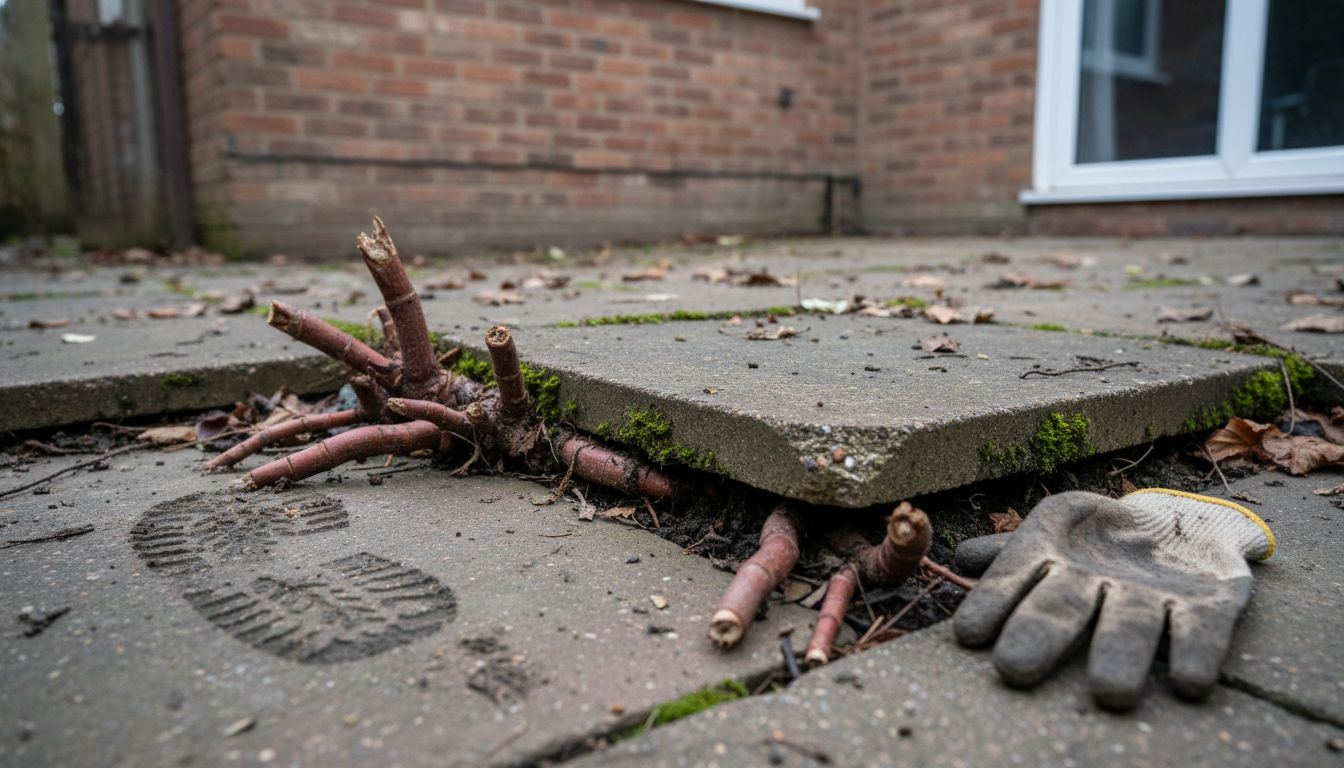
Economic implications of invasive plant species are equally profound. The financial burden of management, eradication, and ecological restoration has quadrupled in recent decades, placing significant strain on environmental conservation budgets. Agricultural sectors face substantial challenges, with invasive plants reducing crop yields, damaging infrastructure, and introducing complex biosecurity risks. Moreover, certain invasive species pose direct health risks, causing allergic reactions, skin irritations, and potential respiratory complications for humans and wildlife alike.
Professional Strategy: Develop a comprehensive monitoring programme for your property, documenting and reporting any suspected invasive plant species to local ecological management authorities.
Legal Obligations for Homeowners 2026
Homeowners across the United Kingdom face increasingly stringent legal responsibilities regarding invasive plant species management, with comprehensive legislative frameworks designed to prevent ecological disruption. The Wildlife and Countryside Act 1981 establishes clear guidelines that mandate proactive prevention and control of non-native invasive plants, imposing significant penalties for non-compliance. These regulations extend beyond mere garden maintenance, requiring property owners to implement robust biosecurity measures that prevent the spread of potentially harmful botanical species.
Specific legal obligations encompass multiple dimensions of property management. Homeowners are prohibited from intentionally planting known invasive species, allowing their uncontrolled growth, or inadvertently facilitating their dispersal through improper disposal practices. For particularly aggressive species like Japanese Knotweed, legal requirements become even more rigorous, with potential liability extending to environmental damage and neighbouring property impacts. Property transactions now routinely include invasive species surveys, and mortgage lenders increasingly demand comprehensive documentation of plant management strategies.
Enforcement mechanisms have become progressively more sophisticated, with local authorities empowered to issue enforcement notices, demand remediation plans, and levy substantial financial penalties for non-compliance. Homeowners may be required to fund professional eradication services, implement comprehensive monitoring programmes, and provide detailed documentation of their invasive species management efforts. These legal frameworks reflect a broader environmental protection strategy, recognising that individual property management plays a crucial role in maintaining broader ecological integrity.
Professional Warning: Maintain detailed written records of any invasive plant management activities, including professional survey reports, treatment plans, and photographic evidence to protect yourself against potential legal challenges.
Chemical-Free Control and Eradication Methods
Innovative non-chemical approaches to invasive plant management represent a sophisticated strategy for ecological restoration and species control, offering sustainable alternatives to traditional herbicide treatments. These methods prioritise environmental integrity by focusing on mechanical removal, targeted intervention, and comprehensive ecosystem management. Techniques such as manual extraction, strategic cutting, and systematic seedling removal enable homeowners to effectively combat invasive plant proliferation while minimising collateral damage to surrounding native vegetation.
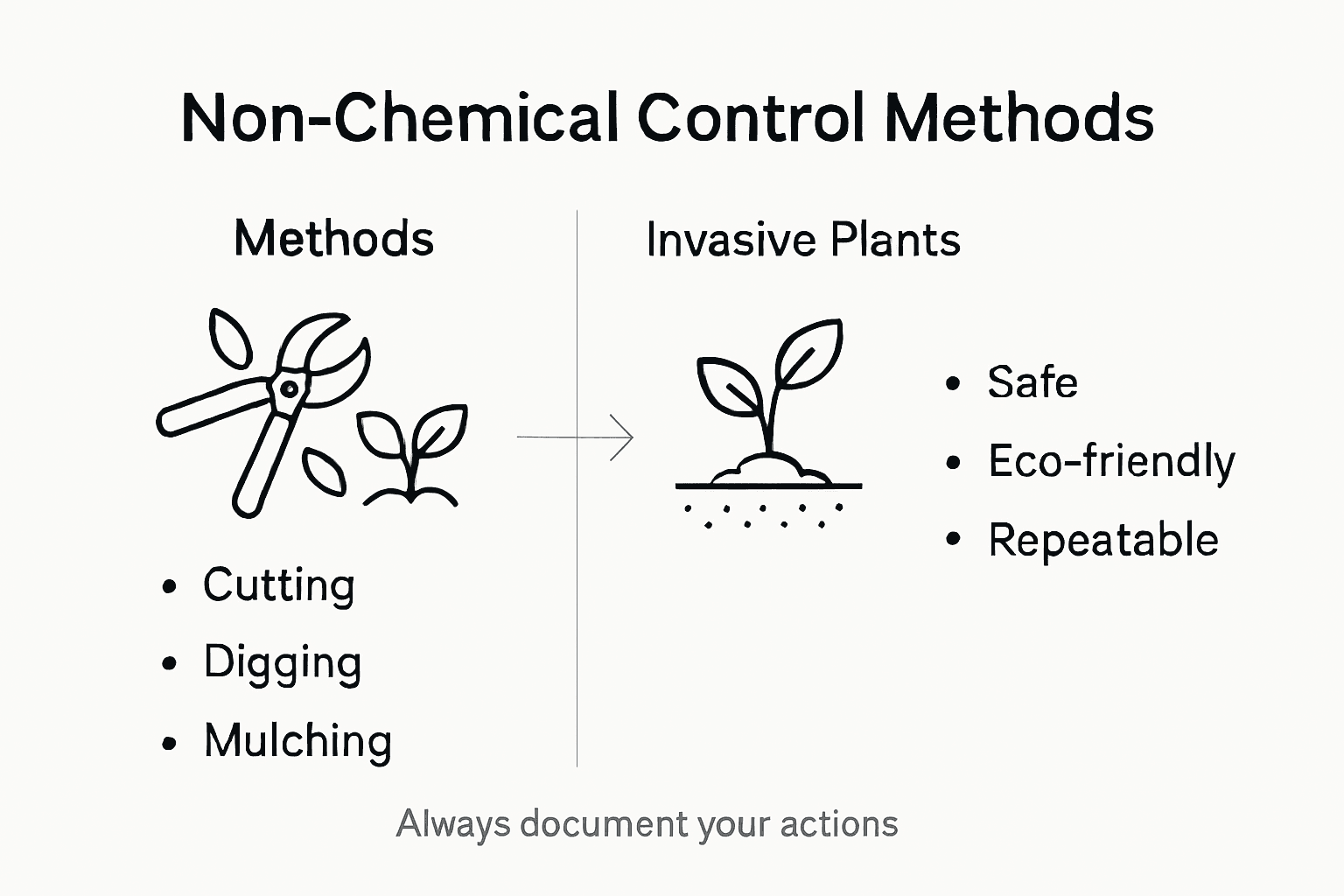
Mechanical control strategies demand persistent and methodical implementation. For species like Japanese Knotweed, this involves repeated cutting to deplete underground rhizome networks, preventing photosynthesis and exhausting plant energy reserves. Root barriers can be strategically installed to contain potential spread, while precise excavation techniques remove extensive root systems without chemical intervention. Integrated management approaches combine multiple techniques, including habitat restoration, continuous monitoring, and implementing strict biosecurity protocols to prevent reintroduction.
Successful chemical-free eradication requires a holistic understanding of plant biology and ecosystem dynamics. Homeowners must commit to long-term management programmes, recognising that invasive species control is not a single-event intervention but a sustained ecological process. Timing interventions to coincide with specific growth stages, documenting progress, and adapting strategies based on observed plant responses are crucial elements of effective non-chemical control methods. Community engagement and collaborative approaches can further enhance the effectiveness of invasive plant management strategies.
This comparison outlines the advantages and challenges of chemical-free invasive plant control methods:
| Method | Advantages | Challenges |
|---|---|---|
| Manual Extraction | No chemical residues, eco-friendly | Labour-intensive, repeated effort needed |
| Root Barriers | Prevents spread underground | Installation can be disruptive |
| Strategic Cutting | Reduces plant energy reserves | Must be performed regularly |
| Integrated Approach | Holistic, long-term effectiveness | Requires ongoing monitoring |
Professional Strategy: Develop a comprehensive monitoring calendar that tracks invasive plant growth cycles and documents each intervention to refine your eradication approach.
Mortgage, Survey, and Property Risks Explained
Invasive plant species, particularly Japanese Knotweed, can significantly compromise property value and mortgage prospects, presenting complex financial and legal challenges for homeowners and potential buyers. Mortgage lenders have become increasingly stringent in their assessment of properties affected by invasive plant species, often requiring comprehensive surveys and detailed mitigation strategies before approving lending. The presence of Japanese Knotweed can trigger extensive due diligence processes that may delay or potentially derail property transactions.
Professional property surveys have evolved to become crucial risk management tools in identifying and documenting invasive plant infestations. Specialised knotweed surveys provide essential certification that can determine mortgage approval and property insurability. These comprehensive assessments evaluate the extent of plant invasion, potential structural damage, and recommended treatment protocols. Mortgage providers typically require a professional survey report that includes a detailed treatment plan and potential root barrier installation to mitigate ongoing risks.
The financial implications of invasive plant species extend beyond immediate property value. Potential repair costs, legal liabilities, and potential diminution of property value can run into tens of thousands of pounds. Lenders may reduce lending amounts, increase interest rates, or entirely withdraw mortgage offers for properties with confirmed invasive plant infestations. Property owners must proactively manage these risks through early detection, professional surveys, and comprehensive eradication strategies to maintain their property’s market value and financial viability.
Professional Strategy: Obtain a professional invasive plant survey before purchasing a property and ensure a comprehensive treatment plan is in place to protect your investment.
Take Control of Invasive Plant Challenges on Your Property Today
The presence of invasive plant species such as Japanese Knotweed, Himalayan Balsam, and Giant Hogweed can pose serious threats to your property’s value and ecological health. If you are concerned about spreading, structural damage, or legal liabilities outlined in the article, acting promptly is crucial. Japanese Knotweed Agency specialises in chemical free, highly effective eradication methods that directly target invasive rhizome networks, protecting your land without harmful herbicides. We also provide expert root barrier installation and excavation services tailored to stop further spread.

Do not let invasive plants compromise your property or peace of mind. Book a professional survey with Japanese Knotweed Agency to identify risks early. Benefit from proven control approaches and protect your investment with ongoing monitoring and bespoke eradication plans. Your next step to secure a safer, legally compliant, and invasive-free property starts with a visit to our website. Find out more about our comprehensive property surveys for invasive weeds across England, Wales and Ireland to stay one step ahead.
Frequently Asked Questions
What are invasive plant species?
Invasive plant species are non-native organisms introduced outside their natural range by human activities, known for their aggressive growth and ability to outcompete native plants, disrupting ecological balance.
How can I identify invasive plant species on my property?
Key identifying features include rapid reproduction rates, distinct growth patterns, and specific physical characteristics, such as the bamboo-like stems of Japanese Knotweed and the tall, umbrella-shaped flowers of Giant Hogweed.
What are my legal obligations regarding invasive plants?
Homeowners must manage invasive species on their property by preventing their spread, ensuring proper disposal, and implementing eradication measures if necessary, with legal penalties for non-compliance under the Wildlife and Countryside Act 1981.
What are some effective chemical-free methods to control invasive plants?
Effective non-chemical methods include manual extraction, strategic cutting, and the installation of root barriers to prevent the spread of invasive species, focusing on long-term management and ecosystem health.