
Getting A Mortgage With Japanese Knotweed

The discovery of a Japanese Knotweed infestation can make selling a house a difficult proposition, this is largely due to the historically cautious approach that mortgage lenders have taken to homes affected by the plant. Whilst it may still be possible to get a mortgage on a property with Japanese Knotweed from some lenders, you may find that you will have to take some extra measures in order to prove to the bank that their money is safe with you.

How do you get a mortgage on a home with Japanese Knotweed?

You can get a mortgage on a home with Japanese Knotweed with a selection of mortgage lenders, however in order to so you may need to prove that a professional Japanese Knotweed treatment plan is in place first and typically will have an Insurance Backed Guarantee. Depending on the severity of the infestation, the mortgage lender may ask you to put down a higher deposit or could even charge you more interest in order to balance out the perceived risk of the plant.

How can Japanese Knotweed affect you getting a mortgage?

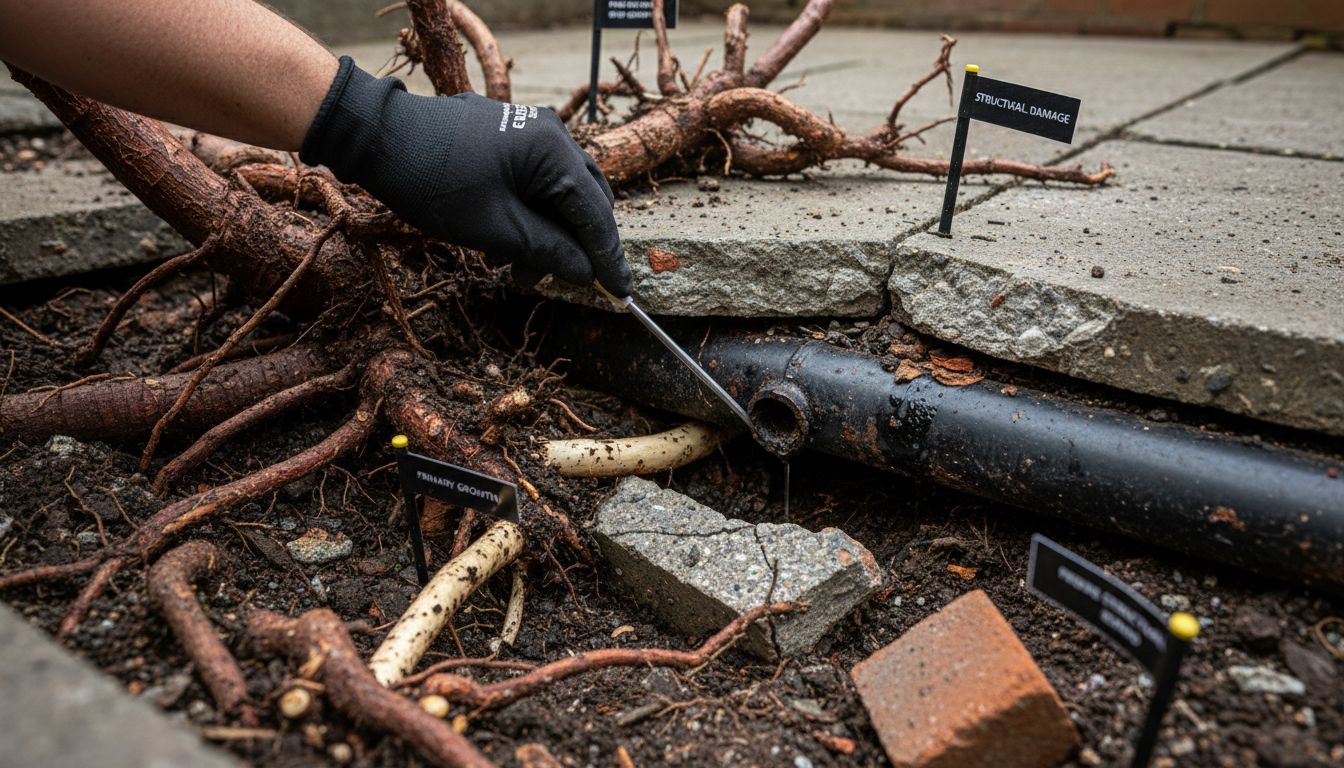
Japanese Knotweed can negatively affect your ability to get a mortgage. The plant has been singled out by both the Royal Institute of Chartered Surveyors (RICS) and the government as an invasive plant that, if allowed to grow unchallenged, can cause structural damage to buildings, outbuildings such as greenhouses and garages, and disrupt paving and tarmac surfaces. It can also cause damage to underground systems like water and sewage pipes.

After a landmark decision in 2010 by a mortgage lender to not grant a mortgage to a home affected by the plant, lenders quickly put a variety of policies in place to prevent mortgages being given to those who are planning on purchasing properties affected by the plant. Thankfully, some mortgage lenders have relaxed their policies regarding Japanese Knotweed, but there are still some who will refuse to lend unless it can be proven that the Japanese Knotweed has been treated properly.

What do mortgage lenders base their Japanese Knotweed policies on?

Mortgage lenders base their Japanese Knotweed policies on one key resource that is worth reading up on if you are considering buying or investing in a property with Japanese Knotweed: the RICS’ Information Notes called Japanese Knotweed and residential property. This paper was written in 2012 as guidance for Chartered Surveyors to be able to assess the risk factors surrounding Japanese Knotweed and how it can affect properties.

The RICS guidance sets out a framework for risk assessment of Japanese Knotweed infestations. The severity of the infestation is divided into four different categories which are as follows:

4: Japanese Knotweed is within 7 metres of a habitable space, conservatory and/or garage, either within the boundaries of this property or in a neighbouring property or space; and/or Japanese Knotweed is causing serious damage to outbuildings, associated structures, drains, paths, boundary walls and fences and so on.

Further investigations by an appropriately qualified and/or experienced person are required.

3: Although Japanese Knotweed is present within the boundaries of the property, it is more than 7 metres from a habitable space, conservatory, and/or garage. If there is damage to outbuildings, associated structures, paths and boundary walls and fences, it is minor.

Further investigations by an appropriately qualified and/or experienced person are required.

2: Japanese Knotweed was not seen within the boundaries of this property, but it was seen on a neighbouring property or land. Here, it was within 7 metres of the boundary, but more than 7 metres away from habitable spaces, conservatory and/or garage of the subject property.

1: Japanese Knotweed was not seen on this property, but it can be seen on a neighbouring property or land where it was more than 7 metres away from the boundary.

Since being published, most major mortgage lenders have cited the information paper as the driving influence behind their policy-making, a decision which has been criticised during a government assessment of the topic in May 2019. Unfortunately, as there has been no further updated edition of this Information Paper, mortgage lenders have no choice but to continue to use it as a reference for their policies.

What are mortgage lenders’ policies on homes with Japanese Knotweed?

Mortgage lenders take varying approaches for their policies regarding homes with Japanese Knotweed, unfortunately, the majority of them currently err on the side of caution. This position may change when more research is conducted into the effect that Japanese Knotweed has on properties.

Below you’ll find the current stance that major UK mortgage lenders are taking on properties affected by Japanese Knotweed as of the time of writing:

Nationwide Building Society

Nationwide Building Society treat properties affected by Japanese Knotweed with caution. If the plant is within 7 metres of the property’s boundary then a ‘specialist report’ should be obtained by the buyer, as well as an insurance backed eradication plan with a 5-year warranty against re-appearance of the plant.

If the plant is more than 7 metres away from the boundary of the property, then Nationwide will still require written confirmation that the buyer is aware of the Japanese Knotweed and the consequences inherent if the plant gets closer to the property.

Santander

The valuers at Santander are trained to spot Japanese Knotweed, if this happens, they will ask for a specialist survey to be undertaken by a accredited specialist. If the plant is within 7 metres of the property then they require the plant to be completely removed by a professional who can offer an insurance backed policy against its return.

HSBC/First Direct

HSBC also use the RICS’ 7-metre rule as guidance for their lending policy on Japanese Knotweed, however their requirements for those seeking a mortgage is unclear:

“We can only lend if we are provided with a treatment schedule and a completion certificate confirming that the weed has been eradicated that there is a guarantee of at least 10 years in place.”

Metro Bank

Metro Bank lends to those buying properties graded in Categories 1 and 2, however they take a stronger position against homes in Categories 3 and 4. For those properties, the bank requires an insurance backed Japanese Knotweed treatment plan to be put in place by a firm approved by either the Property Care Association (PCA) Invasive Weed Group or the Invasive Non-Native Species Association (INNSA). The bank will not release funds until the plan has been fully paid for and guaranteed for 5 years.

Yorkshire Building Society

Yorkshire Building Society appraise each property on a case by case basis; however, they may ask you to fund a specialist report to find out more about the infestation. If they’re not happy with the results then they may choose not to lend. They strongly recommend anyone borrowing on a home with Japanese Knotweed to get an insurance-backed treatment plan in place.

Lloyds Bank/Halifax/Ulster Bank

Lloyds and its associated banks require a specialist report outlining the costs of remediation, these findings will impact the valuer’s decision on the amount of money that can be lent. If it’s determined that the Japanese Knotweed poses a structural threat to the property then no money will be lent.

Royal Bank of Scotland (RBS)

RBS is vague with its response to this issue, stating that their valuers take a number of factors into account when assessing how a Japanese Knotweed infestation can affect a property, including marketability, mortgageability and insurability. Like other banks, they base their policies on the current RICS guidance.

Leeds Building Society

Leeds Building Society requires an ‘environmental search’ to be obtained if Japanese Knotweed is found on the land. They will refuse to lend if they consider the infestation to a threat to ‘the property &/or future saleability’. Their policies are based on recommendations made by environmental specialists and current legal/insurance advice.

The Cambridge Building Society

This society takes a zero-tolerance stance on lending to homes with Japanese Knotweed present on the land, they will also refuse to lend when the plant is within close proximity to ‘the security property’.

Coventry Building Society

When applying for a mortgage you don’t need to inform this bank about Japanese Knotweed if it falls between Category 1 or 2 of the RICS’ risk assessment. If the property falls within Category 3 or 4 then you will need to inform them about it, which will likely make lending unacceptable.

Furness Building Society

This building society bases their lending decision purely on valuers’ comments alone, they don’t give any further guidance than this.

Hinckley & Rugby Building Society

Similarly, this building society bases its decisions on their valuers’ comments.

The Loughborough Building Society

Loughborough Building Society make explicit reference to the RICS guidance in reference to their policy-making decisions. In cases where the Japanese Knotweed is within the property boundaries (Categories 3 and 4) they require a report, treatment plan by a PCA-accredited firm and a guarantee on all remedial works. They also say that they may decline a mortgage even if the property is in Category 1 or 2. If the plant is seen to be a significant threat to the property by the valuer the, no money will be lent.

Newcastle Building Society

This building society require further investigations to take place if the property is assessed as being in Category 3 or 4, this must be undertaken by a PCA-accredited firm. Ay remedial works done must be insurance backed for 10 years, be ‘property specific and transferable to subsequent owners and mortgagees in possession’.

Post Office / Bank of Ireland

The Post Office and Bank of Ireland expect their valuers to make their decisions based on the RICS guidance. If the Japanese Knotweed is deemed to less than a ‘safe distance’ from the property itself then they will ask for proof of either remedial work having been completed, or that a Japanese Knotweed treatment plan is in place.

The bank will also take into consideration the valuers’ opinion on the ‘marketability’ of the property, which suggests that they may choose to decline mortgages if properties are considered to be unsellable because of the infestation.

Bath Building Society

This building society operates with the RICS’ 7-metre rule as their guiding principle. If the Japanese Knotweed is within 7-metres of the building itself then they require a specialist report, followed by proof that remedial works are being undertaken by a PCA-accredited firm.

TSB

TSB have guidance related to each Category of the RICS’ risk assessment. For Category 1 infestations, no action is required on the part of the mortgage applicant unless the valuer recommends otherwise. Category 2 cases should be reviewed on individual merits by the valuer. In both Categories 3 and 4, a full report and treatment plan must be undertaken by a firm accredited by either the PCA or the INNSA. All treatment works must come with a 10-year, property-specific, transferable guarantee.

TSB will not lend in cases where Japanese Knotweed is present on neighbouring land and also poses a threat to the property in question.

Will lenders’ policies on Japanese Knotweed change?

Most lenders have said that their policies on Japanese Knotweed will change when the RICS’ guidance has been updated accordingly. Despite the government openly criticising how the ‘7-metre rule’ was arbitrarily decided and is now wielded as a ‘blunt-force’ instrument, there has been no official update to these guidelines. It is likely that the policies laid down by mortgage lenders will remain unchanged until the RICS changes their stance on Japanese Knotweed and how it affects properties.

How do you remove Japanese Knotweed if you can’t get a mortgage?

If you can’t get a mortgage or remortgage your existing home because of a Japanese Knotweed infestation then you may need to remove the infestation first. Bear in mind that it is always best to consult a PCA-accredited removal firm to deal with your Japanese Knotweed, as most mortgage lenders will still not deal with you unless you have an insurance backed guarantee of at least 5 or 10 years.

Japanese Knotweed removal can cost thousands of pounds, depending on the severity of the infestation, but this is, unfortunately, a price that must be paid in order to deal with mortgage lenders. Despite the guidance laid out by the RICS there have been some cases where surveyors have missed Japanese Knotweed, which has led to buyers being refused mortgages or being faced with costly removal fees.


If you’ve discovered Japanese Knotweed on your land, or have found that you have been missold a property that is infested with the plant, then we may be able to help you progress a claim for the cost of removing it, and pay compensation for any reduction in the property value. Get in touch using the contact form on this page or call us freephone on 03335 777 888

Dormant Japanese Knotweed

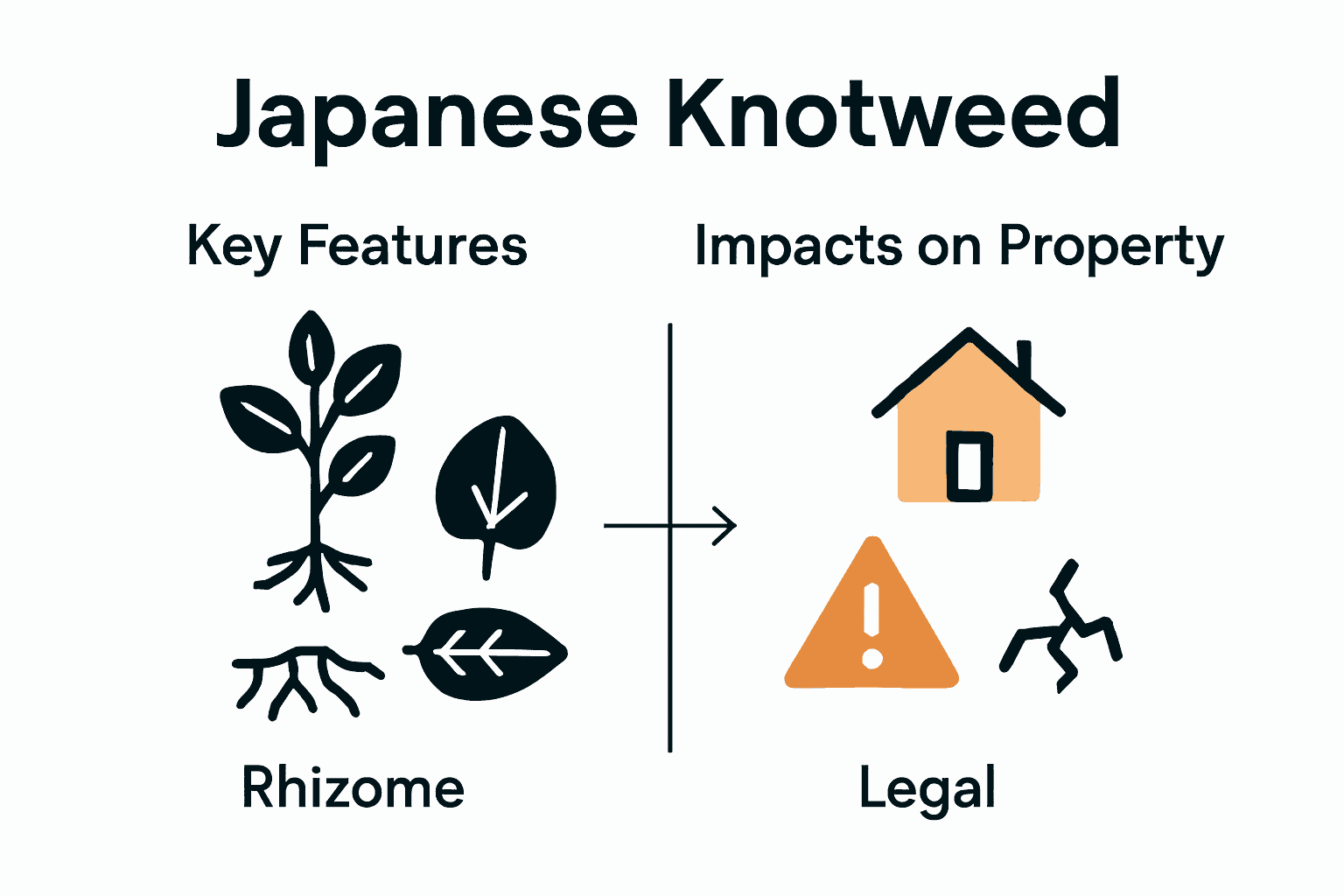
Japanese Knotweed is a rhizomatous plant, meaning that it has a modified stem system that grows underground (much like a tree’s roots), which can render it dormant for extended periods, making it practically invisible to the naked eye from above the system. Unlike a tree’s roots, however, each rhizome is capable of producing new nodes and sending shoots up to the surface to create a new plant.

How does Japanese Knotweed remain dormant?

Japanese Knotweed remains dormant thanks to its rhizome system, which is both an efficient means of reproduction and survival. Throughout the spring, new shoots quickly develop into mature plants (up to 3 metres tall), whose broad, shield-shaped leaves capture energy from the sun and send nutrients down to the rhizome for storage. During autumn and winter, when there is not enough light or warmth for the plant to survive above ground, the plants die off and the rhizome network remains dormant until the following spring when new shoots can be sent back to the surface.

This rhizomatous system is not unique to the plant, many other common weeds and flowers in the UK have developed the same feature as a powerful tool to thrive, without relying solely on their traditional form of reproduction. Japanese Knotweed’s rhizomatous nature, and its ability to remain dormant, are the reasons why it can be such a heavily resource-consuming plant to eradicate.

How long can Japanese Knotweed stay dormant?

Japanese Knotweed can stay dormant for as long as 20 years, according to the Environment Agency’s Knotweed Code of Practice. Although this document has now been labelled as out of date by the Government, this number matches up with what other Japanese Knotweed treatment agencies have reported. Unfortunately, there has been no scientific study to back up this anecdotal evidence yet.

Can Japanese Knotweed become dormant after being treated?

Japanese Knotweed can be forced into a dormant state with the use of glyphosate overdosing or residual herbicides. Unqualified and unaccredited firms may use these methods to deliver a short-term result at a cheaper price to property owners who want the plant quickly eradicated. Unfortunately, the use of these techniques can be damaging to the environment and ineffective in the long term. Such treatment causes the plant to die back for a season or two, whilst the rhizome system remains dormant underground recovering from the chemical attack. When the right conditions present themselves, the Japanese Knotweed will return from dormancy and continue to grow as before.

Professional, PCA-accredited Japanese Knotweed removal firms will use legal glyphosate treatments within the recommended doses and time periods. They will not promise a short-term fix to an infestation and will be honest about the length of time that will take to get rid of the plant (which can vary depending on the severity of the infestation). PCA-accredited Japanese Knotweed treatment plans can take several years to complete, as firms must return to the site to apply the chemicals after each season to ensure that any new growth is kept to a minimum until the plant is permanently eradicated. This is why trusted Japanese Knotweed specialists provide insurance-backed guarantees so that the property owner can trust that the infestation will be irrevocably terminated.

How far can Japanese Knotweed spread whilst dormant?

Japanese Knotweed will not spread whilst it is dormant, either above ground or underground. The plant does not receive any nutrients from above the ground whilst it is in a state of dormancy, leaving it with no energy to spread further. However, it is possible for the plant to be inadvertently spread if the ground it is sitting in is disturbed. If rhizomes are disturbed by a gardener or heavy machinery, it is more likely that the plant will come out of dormancy to grow and spread once more.

How can you tell if a property has dormant Japanese Knotweed?

You can tell if a property has dormant Japanese Knotweed by inspecting the grounds for evidence of dead stems. When the plant dies back during the late autumn and winter months, its stems turn brown and brittle but remain above ground, which acts as a protective layer for the rhizome system against the damaging effects of frost. As the leaves fall off the plant during this period, the stems turn from their usual green speckled-purple to a brown-orange colour. These canes can often remain standing throughout the winter months, whilst the plant remains dormant and are the best indicator that a property has dormant Japanese Knotweed present.

Can you build on land with dormant Japanese Knotweed?

It is possible to build on land with dormant Japanese Knotweed, however before doing so certain precautions must be taken to ensure that the plant is not inadvertently spread throughout the development site or, worse still, off the site altogether. Doing so can result in a hefty fine or even custodial sentences for those responsible. For this reason, building developers will need to put a management plan in place to ensure that the spread of the plant is controlled, and the plant will not return from dormancy after construction has been completed to affect others at a later date. There are a number of Japanese Knotweed removal techniques open to developers, depending on their budget and the size of their site.

Do surveyors check for dormant Japanese Knotweed?

RICS surveyors do not specifically check for dormant Japanese Knotweed unless they have been given a reason to. In the RICS guidance, there is a brief mention of the plant’s ability to remain dormant (especially after treatment), however, its appearance whilst in this state is not noted.

The extent to which surveyors should be found negligent for missing Japanese Knotweed has been the subject of some contention, usually, they are only found to be so if they could have reasonably found the plant within the course of their survey. Surveys can come in different forms, for example, the RICS note that a mortgage evaluation might not focus enough on the land surrounding the property to make the discovery of Japanese Knotweed possible.

Is it worth buying a house with dormant Japanese Knotweed?

Buying a house affected by Japanese Knotweed (even in its dormant state) is not recommended unless a PCA-accredited, insurance-backed treatment plan has been put in place first. Even if the plant does not pose a threat to any structure, many mortgage lenders will not deal with properties that have the plant present, regardless of if a treatment plan is in place or not. Although some lenders have relaxed their stance on the invasive plant over the years, many still have a zero-tolerance policy concerning properties affected by Japanese Knotweed.

Can I sell a house with dormant Japanese Knotweed?

It is possible to sell a house with dormant Japanese Knotweed; however, it is not advisable to do so without stating clearly that the property is affected by the plant in the TA6 Property Information Form. Even though it might be tempting to make the assumption that the plant has been permanently eradicated, unless you have an insurance-backed guarantee saying as much, the Japanese Knotweed is technically still affecting the property and will adversely impact the value of your home. Choosing to gamble that the plant will remain dormant, and selling your property without mentioning it, could lead to you being sued later on.

What happens if I am missold a house with dormant Japanese Knotweed?

If you are missold a house or property with dormant Japanese Knotweed then you may be able to sue the seller for misrepresenting the property. In most cases, the property owner will have to fill out a TA6 Property Information Form declaring whether Japanese Knotweed is present on the land or not (they also have the option to respond with ‘Not Known’). If you can prove that their answer on this form was a lie and that they reasonably should have known about the Japanese Knotweed, then you should be able to claim back the discrepancy in the price that you paid for the property, as well as the costs of removing the plant.


If you’ve discovered Japanese Knotweed on your property after being told otherwise, or have found that a neighbour has allowed the plant to spread onto your land, we may be able to recommend support to help you claim back the costs of treatment. Call us today on freephone 03335 777 888 or send us an enquiry using the contact form, to see if we can help you with your Japanese Knotweed problem.

5% of houses in the UK are affected by Japanese knotweed

This figure has increased significantly in recent years – with the exponential growth of Japanese Knotweed this means 1 house in 20 could be reduced in value by up to £100,000!

At a CPD events run for surveyors, an experienced gentleman stated that he had never come across Japanese Knotweed on any property he had surveyed – this really blew us away as we see it every day. It really highlights the problem that many professionals cannot easily identify Japanese Knotweed. The most common places it can be found are on brownfield sites and areas where fly tipping has occurred. Another common place is at the back of terraced houses and where there are badgers and foxes regularly travelling through a person’s garden. Also houses and land that are located near railway lines and waterways are particularly common, Network Rail having planted Japanese Knotweed along the banks of the railway lines to kill other weeds not knowing that this weed would literally take over; and waterways spread Japanese Knotweed downstream.

The reason why we see a much higher concentration of Japanese Knotweed in these areas is due to the way it reproduces. In the UK the seed is not viable, so although it produces seeds these will not produce viable plants, although a male plant was discovered in the UK in late Autumn 2020 and experts are looking into this. The plants therefore reproduce from cuttings. There are two types of cutting to propagate a new plant; a stem and a rhizome cutting. The stem has to have two nodules, one to become the root and one to become the new shoot. However, if a small piece of the rhizome is taken – and this can be as small as your fingernail – this will produce a new plant. For these reasons we would never recommend strimming Japanese Knotweed or trying to excavate it by yourself as is can be very easily spread, and as we know Japanese Knotweed is restricted waste and must be disposed of at prescribed sites.

If, as a member of the public, you spread Japanese Knotweed you can face a £2,000 fine and, if you are a business, it can be a £20,000 fine with 6 months in prison. Also, if you allow the Japanese Knotweed to grow from your garden into a neighbour’s garden then they can bring a civil case against you for depreciation of the house, loss of enjoyment and even stress! Claims in excess of £30,000 are not uncommon, and we have seen a successful claim in 2019 for £106,000.

Treatment plans are available with an Insurance Backed Guarantee which will satisfy banks offering mortgages and remortgages. Most lending facilities now have Japanese Knotweed safeguards and will not lend unless an insured treatment plan is in place. Japanese Knotweed removal can be extremely expensive and so most opt for a treatment plan.

Surveyors may be the most common professionals to be litigated against if the Japanese Knotweed has not been identified within their survey, and will be attributed to professional negligence. With typical devaluations being 10%+ of the value of the property, this can cause a massive problem when trying to sell your house if you do not have the right people on board to assist you.

Japanese Knotweed Agency offers free support and advice for those affected by Japanese Knotweed. Call freephone 03335 777 888 or visit website www.japaneseknotweedagency.co.uk

Polygonum bidwelliae

Can You Build on Land with Japanese Knotweed?

Japanese Knotweed can cause financial difficulties to both homeowners and building developers, especially when plans have been made to build on land that is home to the invasive plant. Despite Japanese Knotweed now being well-documented, homeowners and builders alike are still being presented by new scenarios which require legal guidance. Whilst there have been several precedents set in recent years which have solidified certain aspects of Japanese Knotweed law, it’s not uncommon for landowners to be unsure of where they stand when it comes to building on land with Japanese Knotweed.

Can new buildings be developed on land with Japanese Knotweed?

New buildings can be developed on Japanese Knotweed infested land, however, in order to legally do so, the presence of the plant should be declared and accounted for as part of the planning process. There have been several cases in recent years where building developers have chosen to ignore or hide the Japanese Knotweed on their land, in order to avoid stalling their construction and to hasten the sale of the finished properties.

Unfortunately, building developers are not currently required to fill in the TA6 property form that is a standard part of the process in home exchanges, allowing them to lie about Japanese Knotweed. This legal loophole has allowed new build developers to complete their work and then sell to homeowners who are unaware that they are buying a property affected by the invasive plant. Whilst there is no requirement for a TA6 property form, homebuyers can protect themselves by asking their conveyancing solicitor to ask the developer about any history of Japanese Knotweed on the site.

It is important to note that a Japanese Knotweed trained person can identify Japanese Knotweed, the route of its growth and its age!

Is a Japanese Knotweed survey required before building development takes place?

A Japanese Knotweed survey is not required on land before development takes place, however if there’s a suspicion that the plant might affect the land then a survey could avoid time being wasted and potential money being lost. Japanese Knotweed surveys can be undertaken by ecological experts or chartered surveyors and will either confirm or deny the presence of the plant on the land. In addition to identifying Japanese Knotweed, a survey can help define the extent to which the plant affects the property, this could then impact any control plans that might be put together.

For example, if the Japanese Knotweed is only discovered in an isolated patch, then it may be possible for this portion of land to be demarcated and for construction to continue regardless. Conversely, if the infestation is found to be widespread, then controlled excavations might need to be conducted in order to properly remove any remnants of the plant from the land before building takes place. Unfortunately, in some cases, surveyors miss Japanese Knotweed, leading to a sale going through and a buyer being left out of pocket.

Is planning permission required to build on land with Japanese Knotweed?

Planning permission is required before most kinds of building development takes place, this includes land with Japanese Knotweed. Most councils will have policies in place concerning Japanese Knotweed, and might also be aware of where the plant has already been discovered. Ignoring the presence of the plant and choosing to move soil contaminated with Japanese Knotweed is a criminal offence under the Wildlife and Countryside Act 1981, which can lead to a heavy fine and even imprisonment.

In cases where the owner of the land is aware of Japanese Knotweed on their own land, then they may need to make specific planning conditions alongside their application to show that they have factored the plant into their plans. Planning conditions set out how the Japanese Knotweed will be controlled throughout the building development. This will include an assessment of control options, criteria for the completion of control measures and details on how those working on the site will prevent the further spread of the Japanese Knotweed.

Should Japanese Knotweed be removed before building starts?

Japanese Knotweed may need to be removed from land before building commences, depending on the severity of the infestation. This plant has the capability to grow up to 3 metres deep and 7 metres laterally from its visible point above ground, so in the case of large infestations, underground rhizome systems can sometimes be spread much further than may first appear. Due to the plant’s seasonal growth patterns, and tenacious growth characteristics, the entire removal of the Japanese Knotweed could be required in order to ensure that it does not disturb foundations, or exploit any weaknesses whilst searching for a route to moisture and sunlight.

There a number of laws that control the removal of Japanese Knotweed contaminated waste, additionally, building contractors are subject to more regulations that private landowners. In order to avoid large fines, developers should ensure that only registered waste carriers are used to dispose of any contaminated soil. It’s illegal to dispose of Japanese Knotweed along with other soil, and it’s also recommended to inform the chosen waste disposal site before dropping off the controlled waste.

Will Japanese Knotweed grow through new builds?

Japanese Knotweed has been known to grow through new builds, however, this usually only occurs in circumstances where an infestation is particularly large. Although the destructive ability of Japanese Knotweed has been exaggerated by some media sources, the plant still remains a force to be reckoned with. In a recent report by the Science and Technology Committee, experts from across the industry gave their findings on how the plant affects buildings, and whilst many agreed that it was capable of damaging buildings, it was admitted that this damage was no worse than what could be done by common trees.

With that being said, it was noted that whilst trees such as buddleias could feasibly do more damage to property than Japanese Knotweed, these trees were much easier to remove. It was agreed that whilst the destructive abilities of Japanese Knotweed had been overblown by some in the industry, their hardiness and resistance to traditional forms of removal had not been understated.

How much could a property be devalued by, if it’s built on Japanese Knotweed?

A property can be devalued by 10% up to 100%, if Japanese Knotweed is discovered on the land it is built on. In extreme cases, a home can be almost completely devalued by Japanese Knotweed, such as in the case of the Jones’, a family in Bedford who were told that their new build had dropped in price from £350,000 to £50,000, after having lived there for one month. It should be noted that, besides the devaluation of the property, there might also be additional costs incurred as a result of building on land with Japanese Knotweed.

For example, if the seller attempts to lie about the presence of Japanese Knotweed on their land, then they could be sued for misrepresentation by the buyer. In a survey of 100 individuals who had been affected by Japanese Knotweed (undertaken by the Crop Protection Association), 15% had seen a property deal through as a result of the discovery of the plant, whereas 20% saw a drop in their house value and 10% were forced to pay compensation of some kind as a result of finding the plant on their land.

Do you have to declare Japanese Knotweed after it’s been built on?

Property owners do not have to declare Japanese Knotweed after building on the land if they are planning on staying on the property, however, they should make any potential buyer of the property aware about the presence of Japanese Knotweed, otherwise, they may be liable for misrepresentation. Any person choosing to live on land affected by Japanese Knotweed will be legally responsible for ensuring that it does not spread to neighbouring properties. If the plant is allowed to spread, whether during the construction process or by any other means, the owner of the land will be liable to fines or imprisonment.

Is it possible to build on land with Japanese Knotweed while it’s being treated?

It is possible to build on land with Japanese Knotweed while it is being treated, depending on the size of the infestation, the choice of treatment and the planned development. Unfortunately, in cases where there is a concentrated infestation over a small area of land, it may be impossible to undergo construction until the Japanese Knotweed has been dealt with. A thorough Japanese Knotweed survey, in association with a set of planning conditions, can help to decide whether the development will be able to begin before, after or during the treatment of the plant.

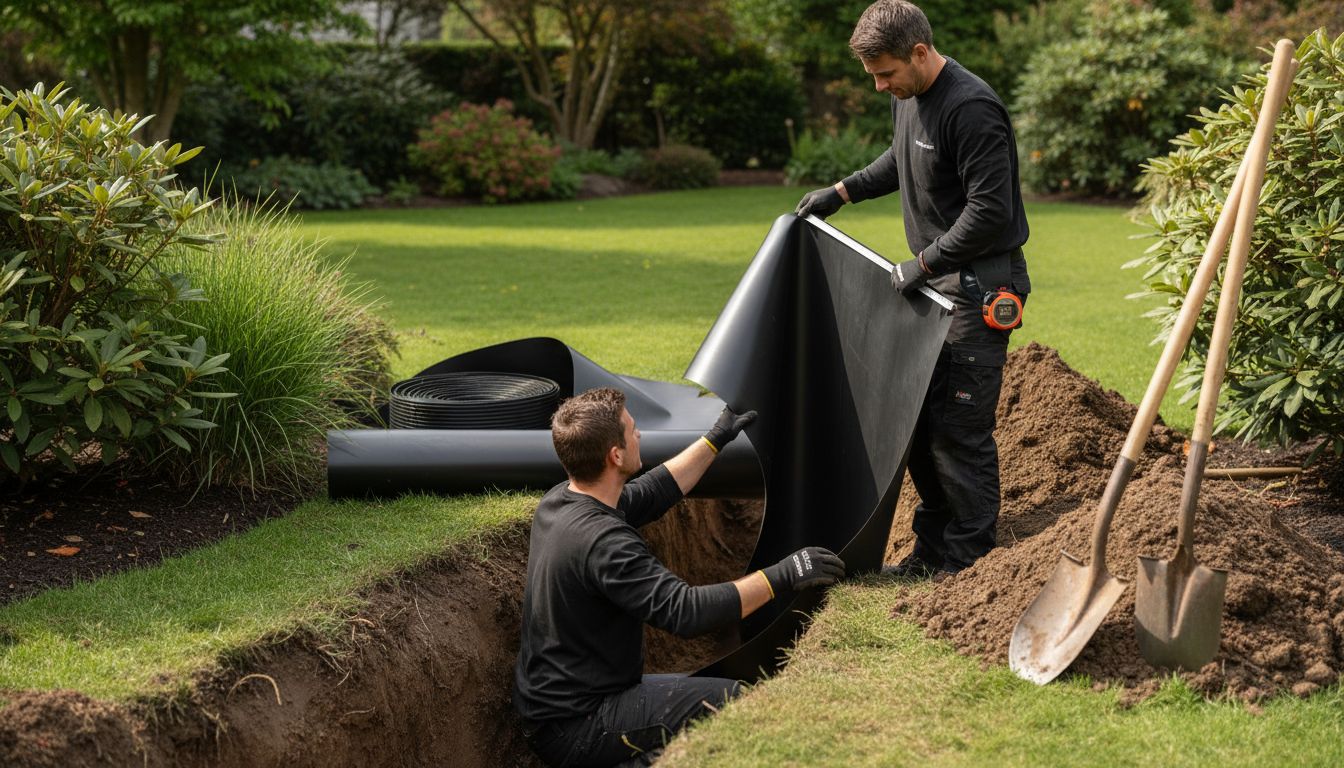
When a Japanese Knotweed infestation of 4 acres was discovered before work was due to be undertaken on the Olympic Park for the 2012 games, it was decided that treatment and removal of the plant could be managed in tandem with construction. Despite the 4 hectares comprising less than 2% of the entire park, the overall treatment ended up costing £70 million and took years to complete. Due to the strict limitations placed on the movement of Knotweed contaminated waste, the Environment Agency, London Development Agency and Olympic Delivery Authority devised a varied approach including glyphosate treatment, burning and burial beneath a protective membrane.

Will Japanese Knotweed deter developers from buying land to build on?

The presence of Japanese Knotweed will likely act as a deterrent for most developers who are planning on building on the land. Whilst Japanese Knotweed is not treated with the same level of outright fear as it once was, its presence devalues property and can cause delays in the sale of the land. In order to build on land that has Japanese Knotweed, developers should set out planned conditions, so that they do not inadvertently spread the plant, and they should also inform any future buyers that Japanese Knotweed is present, regardless of if it has already been treated.