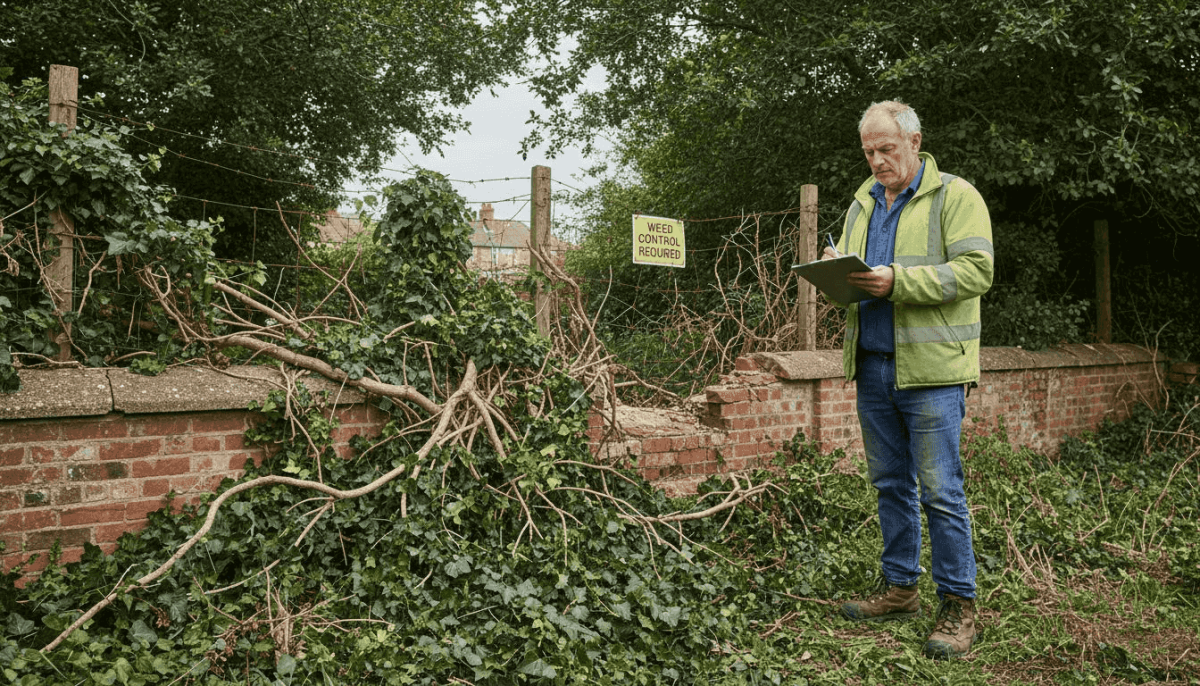
Property sales in England, Wales, and Ireland often reveal surprises hiding beneath the soil. Facing threats like Japanese Knotweed, homeowners encounter invasive weeds that can dramatically impact value and resale prospects. The legal definition of hazardous waste covers these stubborn plants, demanding careful handling and safe disposal to avoid lasting environmental and financial troubles. This guide explains chemical-free solutions and highlights professional survey options for tackling weed issues confidently during property transactions.
Table of Contents
- Hazardous Weed Waste Defined In UK Law
- Types Of Invasive Weed Waste And Key Risks
- Legal Requirements For Waste Disposal
- Homeowner Responsibilities And Liabilities
- Safe, Chemical-Free Disposal Alternatives
Key Takeaways
| Point | Details |
|---|---|
| Hazardous Waste Regulations | Businesses must comply with strict regulations for hazardous waste, including proper classification, storage, and disposal to prevent environmental harm. |
| Invasive Weeds Impact | Invasive plants like Japanese Knotweed and Giant Hogweed pose significant risks to properties and biodiversity, requiring professional management. |
| Homeowner Responsibilities | Homeowners are liable for hazardous waste management on their properties and must maintain comprehensive documentation for compliance. |
| Chemical-Free Disposal Alternatives | Employing non-chemical methods for invasive weed control can effectively minimise ecological impact and ensure sustainable management strategies. |
Hazardous weed waste defined in UK law
Hazardous waste represents a complex legal classification with significant implications for property management and environmental protection in the United Kingdom. Under current UK regulations, hazardous waste is specifically defined as materials that pose potential risks to human health or ecological systems.
The legal framework for hazardous waste management is comprehensively outlined in the Hazardous Waste Regulations for England and Wales. These regulations establish strict protocols for identifying, handling, and disposing of substances that could cause environmental damage or human health risks.
Key categories of hazardous waste in the UK include:
- Chemical waste
- Asbestos materials
- Contaminated soil
- Electronic equipment
- Batteries and industrial solvents
- Pesticide residues
- Ozone-depleting substances
Businesses and property owners must adhere to specific legal requirements when managing these materials. The duty of care principle mandates that all hazardous waste must be:
- Correctly classified
- Safely stored
- Professionally transported
- Appropriately disposed of
Failure to comply with hazardous waste regulations can result in significant legal penalties and potential environmental contamination.
Property owners and managers should consult professional waste management services to ensure proper handling and legal compliance when dealing with potentially hazardous materials.
Pro tip: Always document the entire lifecycle of hazardous waste materials to maintain comprehensive legal traceability and demonstrate responsible environmental management.
Types of invasive weed waste and key risks
Invasive weeds represent a significant environmental and property management challenge across the United Kingdom. These non-native plant species can cause extensive damage to landscapes, infrastructure, and ecosystems through their aggressive growth patterns and resilient characteristics. Invasive plant threats pose complex risks that extend far beyond simple botanical nuisance.
The most prevalent invasive weed species in the UK include:
- Japanese Knotweed: Notorious for structural damage
- Giant Hogweed: Produces toxic sap causing severe skin burns
- Himalayan Balsam: Rapidly displaces native vegetation
- Horsetail: Develops extensive, difficult-to-control root systems
- Rhododendron Ponticum: Suppresses biodiversity in woodland areas
Each of these invasive species presents unique environmental and structural challenges. Japanese Knotweed, for instance, can penetrate concrete foundations, compromise building structures, and dramatically reduce property values. Its underground rhizome network spreads rapidly, making complete eradication extremely challenging and expensive.
The ecological and health risks associated with these invasive weeds are substantial. Giant hogweed’s toxic sap can cause painful skin burns and potential long-term photosensitivity, while Himalayan balsam’s aggressive spread can completely overwhelm native plant ecosystems, leading to significant biodiversity loss.
This comparison highlights key differences between major invasive weed species found across the UK:
| Invasive Species | Primary Environmental Impact | Main Health Risk | Typical Management Challenge |
|---|---|---|---|
| Japanese Knotweed | Structural damage to properties | None directly | Rapid rhizome spread, difficult eradication |
| Giant Hogweed | Biodiversity loss, displacement | Severe skin burns, photosensitivity | Toxic sap, safe handling needed |
| Himalayan Balsam | Monoculture formation, ecosystem disruption | None directly | Fast growth, requires ongoing monitoring |
| Horsetail | Soil alteration, infrastructure damage | None directly | Deep roots, resistant to removal |
| Rhododendron Ponticum | Woodland biodiversity suppression | None directly | Dense thickets, slows native regrowth |
Invasive weeds are not merely a gardening problem, but a serious environmental and property management issue requiring professional intervention.
Property owners must understand that managing these invasive species involves more than simple removal. Professional assessment, specialised treatment strategies, and ongoing monitoring are crucial to preventing long-term ecological and structural damage.
Pro tip: Always consult professional invasive plant specialists before attempting to remove hazardous weed species, as improper handling can potentially increase environmental spread and legal complications.
Legal requirements for waste disposal
Hazardous waste disposal in the United Kingdom is governed by stringent legal frameworks designed to protect public health and environmental safety. Hazardous waste regulations establish comprehensive guidelines that mandate responsible management and disposal of potentially harmful materials.
Key legal obligations for waste producers include:
- Correct waste classification
- Secure storage methods
- Use of licensed waste carriers
- Proper documentation and traceability
- Comprehensive risk assessment
- Environmental protection protocols
The Hazardous Waste Regulations 2005 impose specific responsibilities on individuals and organisations generating hazardous waste. These regulations require waste producers to take all reasonable precautions to prevent environmental contamination and potential health risks. Failure to comply can result in significant financial penalties and potential legal prosecution.
Waste management involves several critical legal requirements. Every movement of hazardous waste must be accompanied by detailed consignment notes, ensuring a transparent audit trail from production to final disposal. Waste must be categorised using specific waste codes, stored in appropriate containment systems, and transferred only to authorised waste management facilities.
Compliance is not optional – it is a legal requirement with serious consequences for non-adherence.
Professional waste management companies play a crucial role in navigating these complex legal requirements, providing expertise in classification, transportation, and environmentally responsible disposal strategies.

Pro tip: Maintain comprehensive documentation for all hazardous waste movements and retain records for a minimum of three years to demonstrate legal compliance and environmental responsibility.
Homeowner responsibilities and liabilities
Homeowners in the United Kingdom bear significant legal responsibilities when managing hazardous waste on their properties. Hazardous waste disposal regulations establish clear guidelines that define the precise obligations and potential liabilities for property owners handling potentially harmful materials.
Key homeowner responsibilities include:
- Identifying hazardous waste materials
- Implementing secure storage protocols
- Using only licensed waste carriers
- Maintaining comprehensive documentation
- Preventing environmental contamination
- Ensuring proper waste classification
The duty of care principle imposes strict legal requirements on homeowners. This means property owners must take active steps to prevent any potential harm arising from waste materials, including invasive plant species, chemical residues, or construction debris. Negligence can result in substantial financial penalties and potential legal prosecution.
Legal liabilities extend beyond simple disposal. Homeowners remain legally responsible for waste until it is completely and safely processed by authorised facilities. This includes maintaining detailed records of waste movements, completing necessary consignment notes, and ensuring that all disposal activities comply with environmental protection standards.
Ignorance of waste disposal regulations is not a legal defence – homeowners are expected to understand and comply with their responsibilities.
Professional waste management services can provide crucial guidance in navigating these complex legal requirements, helping homeowners avoid potential legal complications and environmental risks.
Pro tip: Retain all waste disposal documentation for a minimum of three years and consult professional waste management experts when dealing with potentially hazardous materials to ensure full legal compliance.
Safe, chemical-free disposal alternatives
Addressing hazardous weed waste requires innovative and environmentally responsible approaches that minimise ecological impact. Non-chemical weed control methods offer sustainable alternatives to traditional chemical treatments, providing homeowners with effective strategies for managing invasive plant species.
Key chemical-free disposal alternatives include:
- Manual plant removal techniques
- Mechanical excavation methods
- Thermal treatment processes
- Root barrier installations
- Biological control strategies
- Preventative landscape management
The mechanical removal approach involves carefully extracting invasive plant systems, including their extensive underground root networks. This method requires precision and comprehensive understanding of plant root structures to ensure complete eradication without causing additional environmental disturbance. Professional specialists can employ targeted techniques that prevent potential regrowth and minimise soil disruption.
Thermal treatment represents another innovative chemical-free solution for managing invasive plant waste. By applying controlled heat directly to plant systems, technicians can effectively destroy cellular structures and prevent regeneration. This method offers a precise, environmentally neutral approach that eliminates the need for harmful chemical interventions.
Sustainable weed management requires a holistic approach that prioritises ecological balance and long-term prevention.
Implementing multiple complementary techniques often provides the most comprehensive and effective strategy for managing hazardous plant waste without relying on chemical treatments.
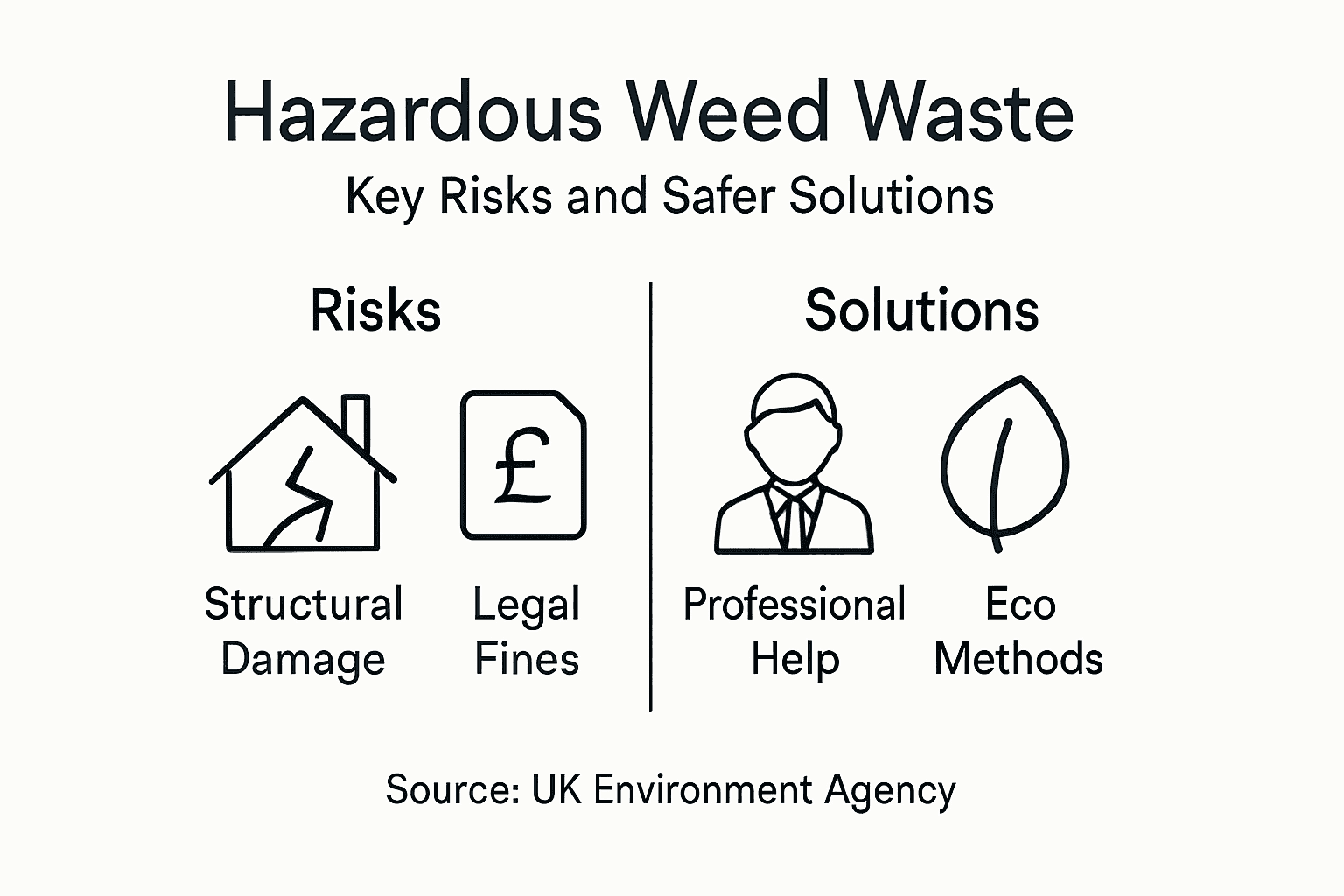
The following table compares common disposal methods for hazardous weed waste in terms of sustainability and effectiveness:
| Method | Environmental Impact | Long-Term Effectiveness | Best Use Case |
|---|---|---|---|
| Manual removal | Low, minimal disturbance | Moderate, may need repeats | Small infestations |
| Mechanical excavation | Moderate soil disruption | High, removes roots | Extensive outbreaks |
| Thermal treatment | Low, no chemicals used | High, prevents regrowth | Areas inaccessible to machinery |
| Biological control | Low, promotes natural balance | Varies, depends on species | Ecologically sensitive zones |
Pro tip: Consult professional ecological specialists who can design a tailored, chemical-free management plan specific to your property’s unique environmental conditions and invasive plant challenges.
Take Control of Hazardous Weed Waste with Expert Solutions
The dangers of invasive weeds such as Japanese Knotweed are clear. They cause structural damage, reduce property value, and pose serious environmental risks. The article highlights the complex challenge of managing hazardous weed waste safely and legally, emphasising the need for professional expertise in classification, removal, and disposal. If you are facing persistent invasive weed issues or require chemical-free eradication, expert help is essential to prevent costly damage and legal liabilities.
At Japanese Knotweed Agency, we specialise in chemical-free treatment that targets the extensive rhizome networks with direct energy technology. Our comprehensive services include root barrier installations and excavation works tailored to permanently remove hazardous weeds like Japanese Knotweed. We also provide thorough property surveys across England, Wales and Ireland to identify invasive plant threats early and secure your property against long-term damage.
Act now to protect your property and comply with UK hazardous waste regulations. Discover more about our advanced eradication methods by visiting Japanese Knotweed treatment solutions and ensure you are taking responsible action against invasive weed waste today.
Frequently Asked Questions
What is hazardous weed waste?
Hazardous weed waste refers to non-native plant species that pose health risks and environmental threats, such as Japanese Knotweed and Giant Hogweed. These plants can cause structural damage and displacement of native flora.
How do invasive weeds affect property management?
Invasive weeds can severely impact property values and structural integrity. For instance, Japanese Knotweed can penetrate concrete foundations, while Giant Hogweed’s toxic sap poses health hazards, necessitating professional management.
What legal responsibilities do homeowners have regarding hazardous weed waste?
Homeowners must identify hazardous materials, store them securely, use licensed waste carriers, and maintain comprehensive documentation. They are liable until the waste is safely disposed of, making compliance essential to avoid penalties.
What are the alternatives to chemical treatments for managing invasive weed waste?
Chemical-free methods include mechanical excavation, manual removal, thermal treatments, and biological control strategies. These approaches aim to manage invasive species sustainably while minimising environmental impact.