

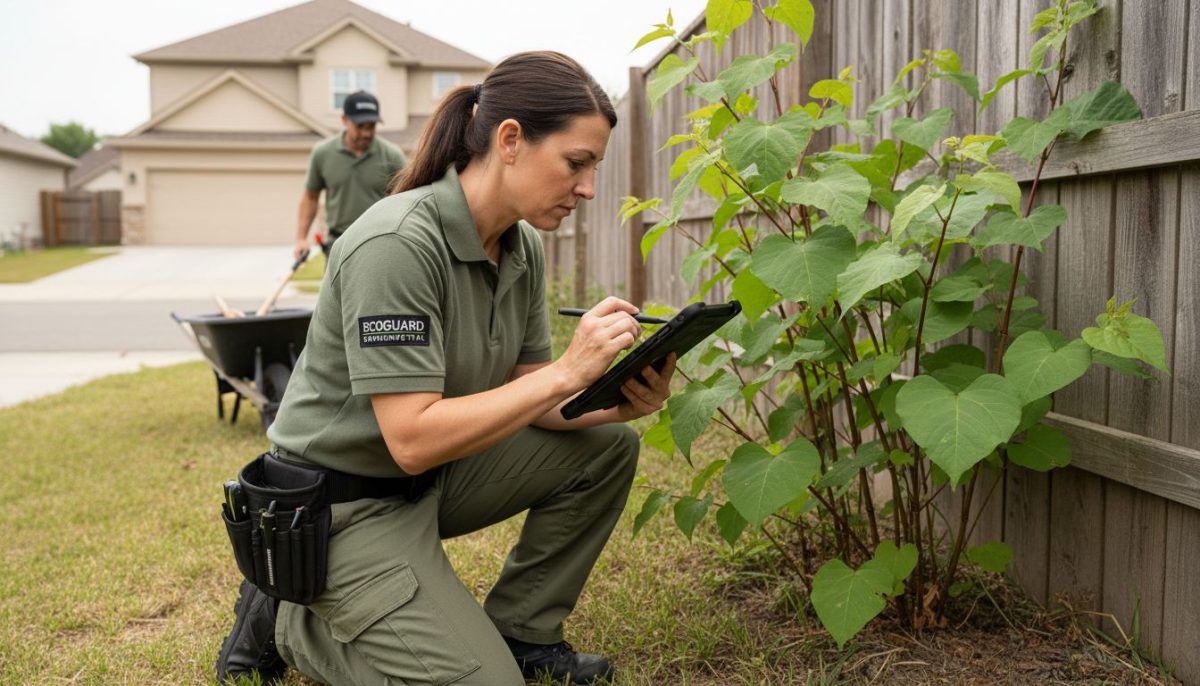
Only 27 percent of people correctly identify Japanese knotweed, putting thousands of property owners at risk of hidden damage and costly legal issues. This invasive plant can easily go unnoticed as it spreads beneath gardens and driveways. Knowing how to spot and control knotweed is crucial for protecting your home and avoiding fines. Learn how to assess your property, block root invasion, remove contaminated soil safely, and keep your land knotweed-free.
Table of Contents
- Step 1: Assess Existing Knotweed Risks On Your Property
- Step 2: Implement Physical Barriers To Limit Rhizome Expansion
- Step 3: Apply Non-Chemical Destruction Methods For Active Growth
- Step 4: Remove Contaminated Soil And Debris Responsibly
- Step 5: Verify Eradication Success And Maintain Ongoing Vigilance
Quick Summary
| Key Point | Explanation |
|---|---|
| 1. Assess knotweed presence carefully | Examine your property thoroughly to identify Japanese knotweed before it spreads further. Use a professional if unsure. |
| 2. Install strong physical barriers | Use high-density polyethylene barriers to prevent knotweed rhizome expansion, extending deep enough to block growth effectively. |
| 3. Apply effective non-chemical methods | Use targeted thermal treatments or careful manual excavation methods to manage active knotweed growth without chemicals. |
| 4. Manage contaminated soil responsibly | Treat knotweed as controlled waste, following legal protocols for excavation, packaging, and disposal to prevent environmental issues. |
| **5. Monitor for reinfestation regularly |
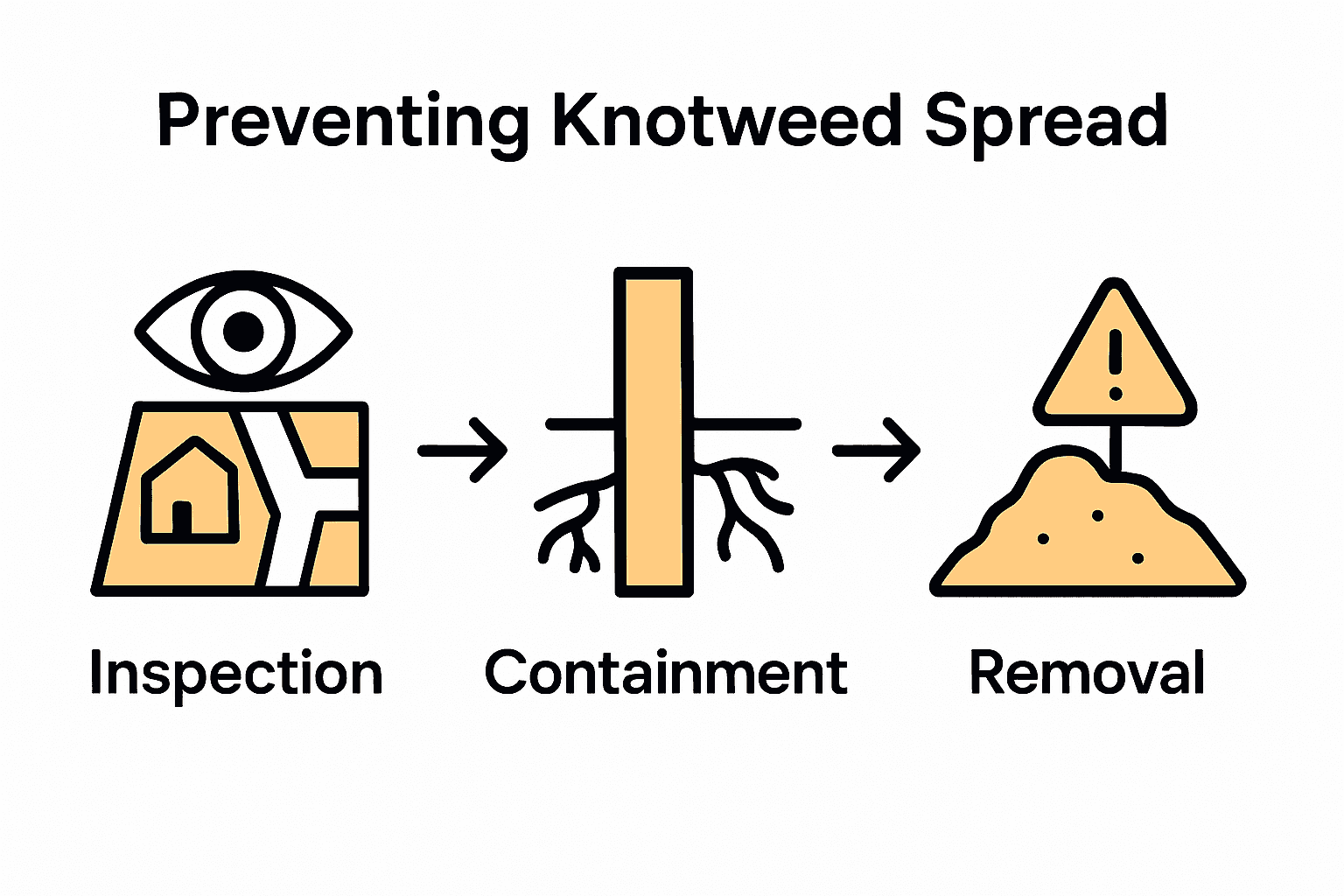 ** | Conduct periodic inspections over several years post-treatment to ensure complete eradication and establish native plants that compete with knotweed. |
Step 1: Assess existing knotweed risks on your property
Discovering whether Japanese knotweed exists on your property requires careful observation and strategic investigation. According to Propertymark, only 27% of submitted plant photos are correctly identified as Japanese knotweed, which means you need a systematic approach to assessment.
Start by thoroughly examining your entire property perimeter and landscaped areas. Look for distinctive plant characteristics: bamboo-like green stems with pronounced nodes, bright green heart-shaped leaves, and white or cream-colored flower clusters during late summer. Check areas like fence lines, garden borders, drainage zones, and any previously disturbed ground. Pay special attention to spots with previous construction or landscape modifications, as these areas are more susceptible to knotweed invasion.
As Gov.uk emphasizes, understanding growth patterns is critical to preventing spread. If you suspect knotweed but are uncertain, consider scheduling a professional survey. Professional assessments can definitively identify the plant and provide detailed insights into potential risks before the situation escalates. Quick identification and early intervention can save significant time and expense in property management and potential legal complications.
Warning: Never attempt to remove knotweed by yourself without professional guidance. Improper removal can cause the plant to spread more aggressively and potentially violate local environmental regulations.
Step 2: Implement physical barriers to limit rhizome expansion
Physical barriers provide a strategic defense against Japanese knotweed rhizome expansion. Natural Resources Wales cautions that physical methods like cutting and digging can potentially worsen knotweed spread, making careful barrier implementation crucial.
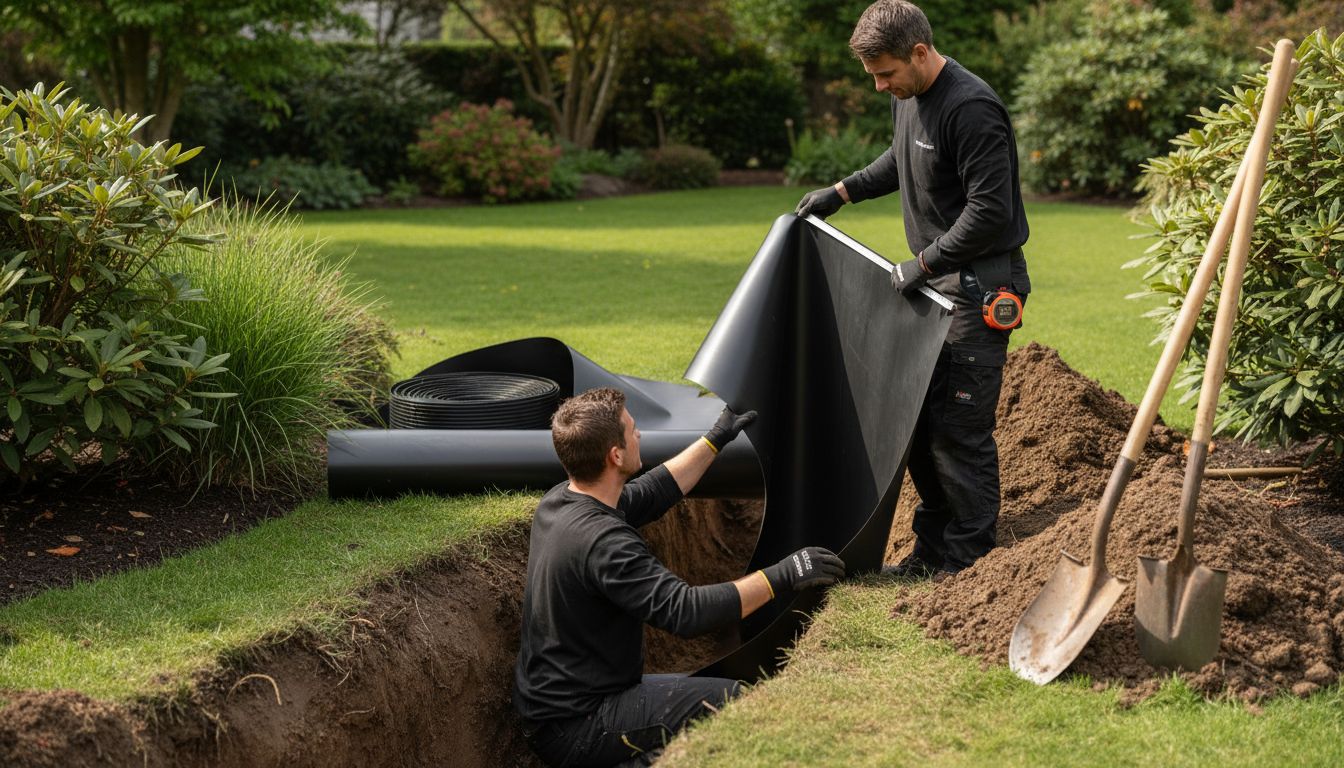
Install robust root barriers made of high-density polyethylene material with a minimum thickness of 1mm around identified knotweed zones. These barriers should extend at least 3 meters deep into the ground and create a complete perimeter around the contaminated area. Ensure the barrier overlaps by at least 30 centimeters at connection points to prevent rhizome penetration. Consider installing root barrier systems that create an underground shield preventing lateral root growth and containing existing plant networks.
Warning: According to UK Parliament Publications, improper management can dramatically accelerate knotweed proliferation. Professional installation is recommended to guarantee complete containment and minimize potential legal complications.
 Always consult experts who understand the intricate root systems and can design a comprehensive barrier strategy tailored to your specific property conditions.
Step 3: Apply non-chemical destruction methods for active growth
Non-chemical destruction methods require strategic and persistent approaches to managing Japanese knotweed active growth. Natural Resources Wales cautions that traditional physical methods like cutting and digging can potentially accelerate knotweed spread, making careful implementation critical.
Consider targeted thermal treatment techniques that involve direct energy application to disrupt the plant’s cellular structure. Specialized equipment can deliver precise heat treatments that penetrate the extensive rhizome network. For smaller areas, repeated manual excavation combined with thorough screening of soil can help remove root fragments. When implementing these methods, meticulously remove and dispose of all plant material at licensed waste facilities to prevent accidental propagation. For comprehensive insights, review our blog articles documenting advanced non chemical treatment strategies.
Warning: According to Gov.uk, non-chemical methods often require repeated efforts and may not provide complete eradication. Professional guidance is essential to ensure effective treatment and prevent potential legal complications from improper management. Always document your treatment process and consult experts who understand the complex reproductive strategies of Japanese knotweed.
Step 4: Remove contaminated soil and debris responsibly
Gov.uk classifies Japanese knotweed materials as ‘controlled waste’ requiring specialized disposal procedures. Responsible removal of contaminated soil and debris demands meticulous planning and strict adherence to legal guidelines to prevent potential environmental spread.
Begin by carefully excavating the entire contaminated area using specialized equipment that minimizes soil disturbance. Wear protective clothing and use clean tools to prevent cross contamination. Separate knotweed debris from general soil and package materials in heavy duty sealed containers or durable plastic sheeting. Ensure all plant fragments smaller than 7mm are collected to prevent potential regrowth. Transport the waste exclusively using a registered waste carrier certified to handle invasive plant materials. When selecting a disposal site, confirm the facility is specifically licensed to receive Japanese knotweed contaminated materials.
Warning: According to Natural Resources Wales, improper disposal can lead to significant legal penalties and environmental contamination. Document every stage of your removal process including transportation manifests and disposal certificates. Professional guidance is strongly recommended to ensure complete compliance with waste management regulations and minimize potential environmental risks.
Step 5: Verify eradication success and maintain ongoing vigilance
Successful Japanese knotweed management requires persistent monitoring and strategic verification techniques. Gov.uk recommends establishing a comprehensive surveillance protocol to ensure complete eradication and prevent potential reinfestation.
Implement a systematic inspection routine that involves quarterly site assessments during active growing seasons. Carefully examine the entire treated area for any signs of new growth including emerging shoots, discolored vegetation, or soil disturbances indicative of rhizome activity. Document each inspection with detailed photographs and precise location notes. Use specialized tracking methods such as GPS mapping to create a comprehensive record of historical treatment zones. Consider engaging professional surveyors who can provide expert assessment and advanced detection techniques beyond standard visual inspections.
Warning: As Natural Resources Wales emphasizes, continuous monitoring over multiple years is critical. Remain vigilant for at least three consecutive growing seasons after initial treatment. Reestablish native plant species in treated areas to create a competitive environment that discourages knotweed regrowth. Maintain detailed treatment logs and be prepared to restart intervention procedures if any signs of knotweed reappearance are detected.
Take Control of Japanese Knotweed Spread with Proven Natural Solutions
Dealing with the persistent challenge of Japanese knotweed requires more than just awareness. This invasive plant’s extensive rhizome network and rapid growth can quickly overwhelm your property if left unchecked. You want effective, chemical-free methods to stop the spread naturally, protect your landscaping, and maintain property value. Our advanced energy treatment method delivers up to 5000 volts directly onsite, targeting internal cell damage that depletes knotweed’s energy reserves without harmful chemicals.

Don’t let Japanese knotweed take over your land. Benefit from our expert root barrier installations and comprehensive excavation services designed to contain and eliminate knotweed at the source. We also provide detailed property surveys across England, Wales, and Ireland to identify risks early. Act now to safeguard your property with Japanese Knotweed Agency and explore how our chemical-free treatment and root barrier installs can empower you to prevent knotweed spread naturally and effectively.
Frequently Asked Questions
How can I effectively assess existing knotweed risks on my property?
To assess existing knotweed risks, thoroughly inspect your property’s perimeter and landscaped areas for distinctive characteristics like bamboo-like stems and heart-shaped leaves. Conduct this assessment at least once a season to stay ahead of any potential infestations.
What steps should I take to implement physical barriers against Japanese knotweed?
To limit knotweed rhizome expansion, install robust root barriers made of high-density polyethylene at least 1mm thick, digging a trench about 3 meters deep around the affected areas. Ensure the barriers overlap by at least 30 centimeters to avoid any gaps where rhizomes could penetrate.
What non-chemical destruction methods can I use to manage active knotweed growth?
Consider using targeted thermal treatments to disrupt the plant’s cellular structure, or opt for manual excavation combined with thorough soil screening. Apply these methods consistently every few weeks during the active growing season to enhance effectiveness.
How do I responsibly remove contaminated soil and debris from my property?
When removing contaminated soil, excavate the area carefully and maintain separate waste containers for knotweed debris. Transport the waste with a licensed carrier and properly document the disposal process to comply with regulations and prevent environmental contamination.
How can I verify the success of my knotweed eradication efforts?
To verify eradication success, implement a systematic inspection routine for at least three growing seasons, documenting findings with photos and GPS mapping. Regular monitoring will help ensure any new growth is addressed quickly and effectively.
What ongoing vigilance measures should I maintain after treatment of knotweed?
After treatment, remain vigilant by conducting quarterly site assessments to check for new growth or soil disturbances. By continually monitoring for at least three consecutive growing seasons, you can quickly respond to any signs of reinfestation and ensure lasting control.