Japanese Knotweed affects thousands of British homes every year, creating major stress for property transactions. The impact goes far beyond simple nuisance, with invasive plants causing legal headaches and adding unexpected costs. Japanese Knotweed costs the United Kingdom around £247 million annually. This guide breaks down common myths about invasive weed treatments and explains how chemical-free approaches and formal treatment plans can help homeowners in England, Wales, and Ireland protect their investments with confidence.
Table of Contents
- Defining Invasive Weed Treatments And Common Myths
- Chemical-Based Vs Chemical-Free Eradication Approaches
- How Eco-Friendly Treatments Work On Japanese Knotweed
- Legal Requirements For Weed Management In The UK And Ireland
- Risks, Costs, And Mistakes In Choosing A Treatment Plan
Key Takeaways
| Point | Details |
|---|---|
| Invasive Weeds Are A Major Challenge | Invasive species like Japanese Knotweed damage properties and ecosystems, necessitating expert management strategies. |
| Professional Help Is Crucial | Always consult specialists for treatment to avoid further spreading and legal issues associated with invasives. |
| Consider Eco-Friendly Methods | Chemical-free treatments minimise environmental impact and can effectively manage invasive species while preserving ecosystems. |
| Understand Legal Responsibilities | Property owners must follow strict regulations surrounding invasive plant management to avoid financial penalties and legal disputes. |
Defining invasive weed treatments and common myths
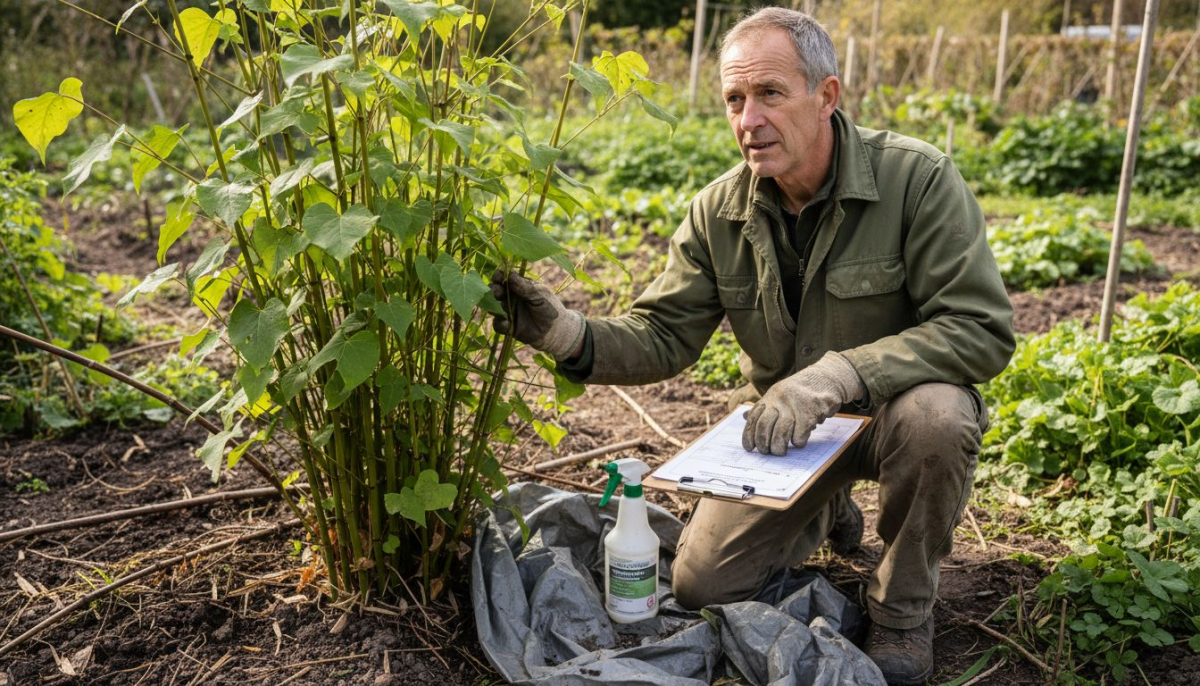
Invasive weeds represent a complex environmental challenge across the United Kingdom, with Japanese Knotweed being particularly notorious. These aggressive plant species spread rapidly, causing significant damage to properties, landscapes, and ecosystems. Invasive plants like Japanese Knotweed can penetrate concrete foundations, disrupt building structures, and create substantial legal complications during property transactions.
Contrary to popular belief, invasive plant myths persist about treatment methods. Many property owners mistakenly assume simple home remedies like boiling water, bleach, or fire can eliminate these resilient plants. However, these approaches rarely succeed and often risk further spreading the invasive species. Hemlock water dropwort and Japanese Knotweed demonstrate remarkable survival capabilities, with rhizome networks capable of regenerating from tiny root fragments.
Understanding invasive weed treatments requires recognising their unique biological characteristics. Professional treatment methods range from targeted chemical interventions to advanced ecological approaches like thermo-electric eradication. Homeowners must recognise that successful management demands specialist knowledge, precise identification, and strategic intervention techniques that address the entire root network.
Expert Recommendation: Always consult professional invasive plant specialists before attempting any treatment, as improper management can potentially spread the infestation and incur significant legal and property damage risks.
Chemical-based vs chemical-free eradication approaches
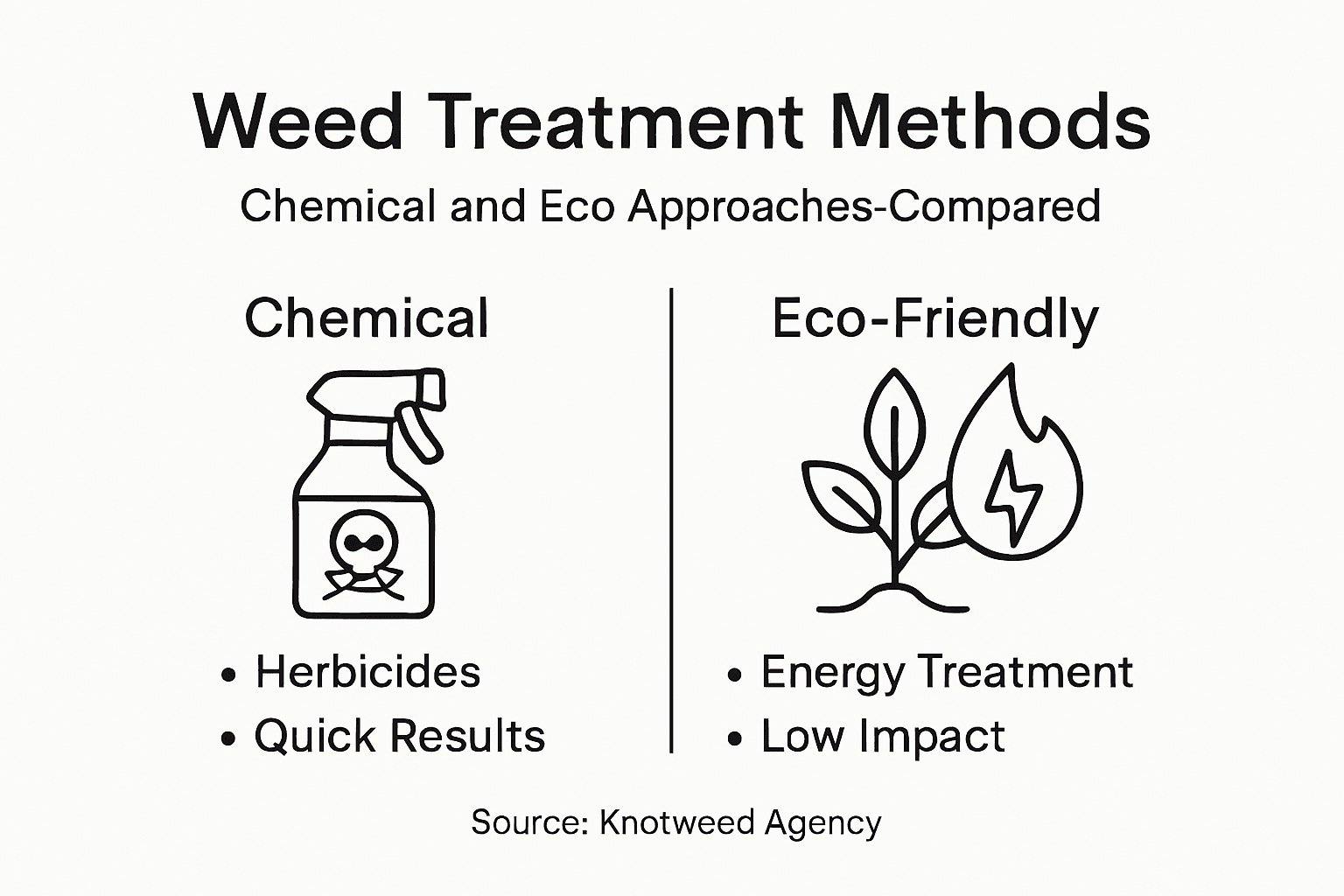
Invasive weed management presents property owners with two primary approaches: traditional chemical treatments and innovative chemical-free solutions. Chemical methods have long been the standard approach, involving synthetic herbicides designed to eliminate unwanted vegetation. However, alternative weed control techniques are gaining significant traction due to environmental and health concerns associated with chemical interventions.
Traditional chemical treatments typically involve systemic herbicides like glyphosate, which penetrate plant tissues and disrupt critical growth mechanisms. These methods can be rapid and seemingly effective, but they pose substantial risks to surrounding ecosystems, non-target plant species, and potentially human health. In contrast, chemical-free approaches focus on sustainable, environmentally conscious techniques such as mechanical removal, thermal treatments, and targeted biological interventions.
Non-chemical eradication methods offer several compelling advantages. Non-chemical weed management strategies like repeated cutting, physical barriers, and targeted thermal treatments provide environmentally responsible alternatives. These techniques minimise ecological disruption, protect biodiversity, and reduce potential long-term health risks associated with chemical herbicides. Specialised approaches like thermo-electric treatment can effectively target invasive species while maintaining environmental integrity.
Pro Tip: Consult professional invasive species specialists who can assess your specific situation and recommend the most appropriate and environmentally responsible eradication strategy.
Here is a comparison of the main invasive weed eradication approaches:
| Approach Type | Key Technique | Environmental Impact | Suitability |
|---|---|---|---|
| Chemical-based | Systemic herbicides | Can harm non-target species and ecosystems | Rapid, often for severe infestations |
| Chemical-free | Thermal/mechanical removal | Minimal adverse impact, eco-friendly | Sensitive environments, long-term control |
| Biological | Targeted natural predators | Supports natural balance, selective | Early-stage or localised infestations |
How eco-friendly treatments work on Japanese Knotweed
Japanese Knotweed represents one of the most challenging invasive plant species in the United Kingdom, requiring innovative and sustainable management techniques. Chemical-free control methods have emerged as groundbreaking solutions that address the complex biological resilience of this persistent plant. These advanced techniques focus on penetrating the extensive rhizome network without introducing harmful chemical substances into the environment.
Thermo-electric treatment stands out as a particularly promising eco-friendly approach. This method involves delivering precise electrical energy directly into the plant’s root system, causing internal cell damage and systematically depleting the plant’s energy resources. Unlike traditional herbicide treatments, this technique can target the plant’s entire underground network, significantly reducing the potential for regrowth and minimising environmental contamination.
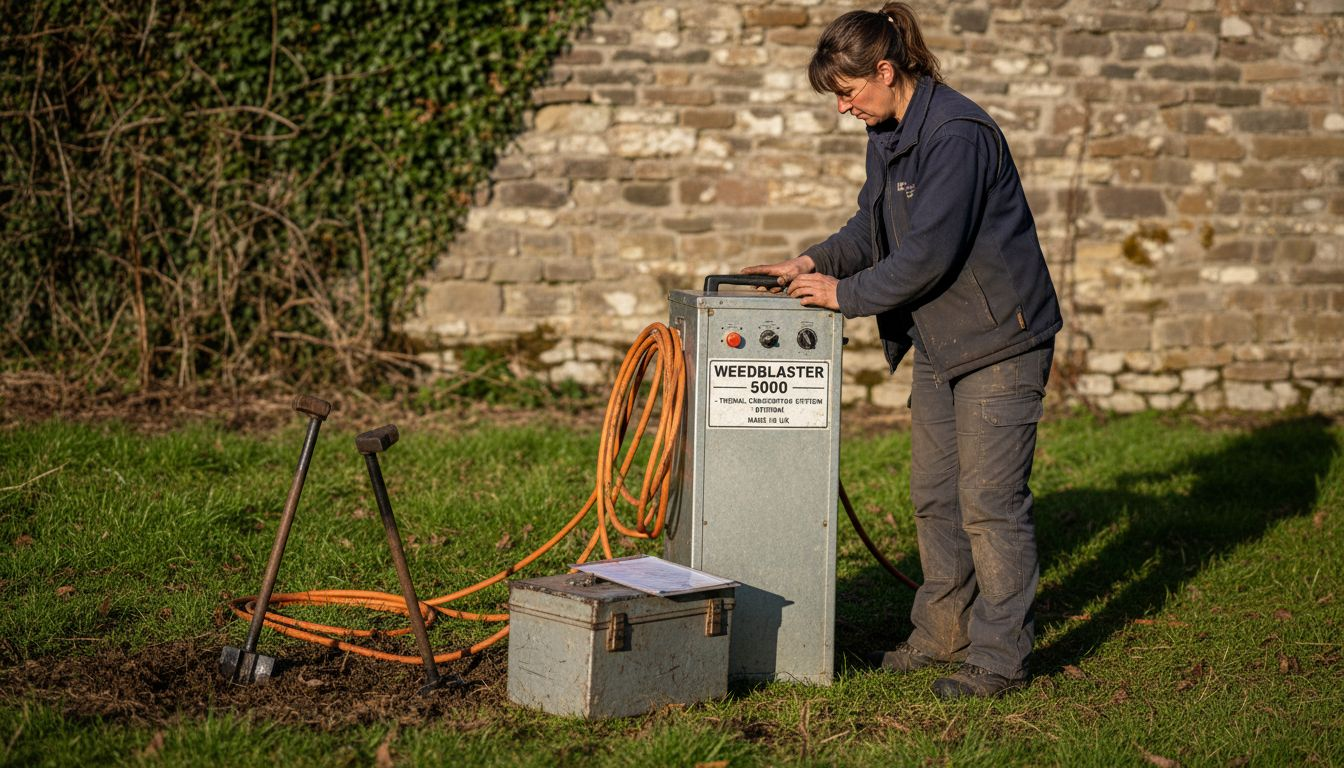
Pioneering chemical-free eradication strategies demonstrate remarkable potential for managing invasive species in ecologically sensitive areas. These methods typically combine multiple approaches such as targeted thermal treatments, mechanical removal, and biological interventions. The key advantage lies in their ability to address Japanese Knotweed comprehensively while preserving surrounding ecosystem integrity, making them increasingly attractive to environmental conservation professionals and property managers.
Pro Tip: Always engage professional invasive species specialists who can design a tailored, scientifically-backed treatment plan specific to your property’s unique Japanese Knotweed infestation.
Legal requirements for weed management in the UK and Ireland
Invasive plant management in the United Kingdom involves complex legal frameworks designed to protect native ecosystems and prevent environmental damage. Invasive non-native species regulations impose strict controls on activities involving problematic plant species, including Japanese Knotweed. These legal provisions fundamentally restrict landowners and occupiers from actions that could potentially spread invasive vegetation across different properties.
The Wildlife and Countryside Act 1981 serves as the cornerstone of legislative protection, establishing comprehensive guidelines for managing non-native species. Property owners face significant legal obligations, including preventing the spread of invasive plants and ensuring responsible management of known infestations. Failure to address invasive species like Japanese Knotweed can result in substantial financial penalties, potential legal disputes with neighbouring properties, and complications during property transactions.
Legal requirements extend beyond simple removal, encompassing documentation, treatment plans, and comprehensive risk management. Mortgage lenders and property surveyors increasingly demand professional assessments and documented treatment strategies for properties with invasive plant presence. This regulatory approach aims to protect property values, maintain ecological balance, and prevent uncontrolled spread of potentially destructive plant species across urban and rural landscapes in the United Kingdom and Ireland.
Pro Tip: Always obtain professional documentation and comprehensive treatment plans when dealing with invasive species to ensure legal compliance and protect your property investment.
Risks, costs, and mistakes in choosing a treatment plan
Managing invasive plant species like Japanese Knotweed demands strategic planning and expert understanding, as incorrect treatment approaches can lead to substantial economic and environmental consequences. The financial implications are significant, with Japanese Knotweed costing the United Kingdom approximately £247 million annually through property damage, reduced land values, and complex eradication processes.
Common mistakes in treatment selection include underestimating the complex biological characteristics of invasive plants, implementing generic solutions instead of tailored approaches, and neglecting comprehensive long-term monitoring strategies. Property owners frequently make critical errors such as attempting DIY removal methods, failing to document treatment processes, or choosing inexperienced contractors who lack specialised knowledge in invasive species management.
The risks extend beyond immediate financial considerations, encompassing potential legal disputes, mortgage complications, and significant environmental disruption. Ineffective treatment plans can accelerate plant spread, cause irreparable ecosystem damage, and potentially trigger substantial penalties under environmental protection regulations. Professional assessment becomes crucial, requiring detailed surveys, scientifically validated treatment methodologies, and ongoing management plans that address the specific characteristics of the invasive species present.
This summary outlines common risks in choosing invasive plant treatment plans:
| Risk Factor | Example Consequence | Prevention |
|---|---|---|
| DIY or unqualified removal | Accelerated plant spread, legal penalties | Use certified specialists |
| Inadequate documentation | Mortgage refusal, disputes | Maintain thorough treatment records |
| Short-term focus | Recurrence of weeds, increased costs | Implement ongoing monitoring |
Pro Tip: Invest in professional, comprehensive surveys and treatment plans that provide documented evidence of effective management to protect your property’s value and legal standing.
Discover Effective Chemical-Free Solutions for Invasive Weed Challenges
The article highlights the ongoing battle between chemical-based and eco-friendly invasive weed treatments, focusing on the difficulties of managing resilient species such as Japanese Knotweed. If you are concerned about environmental impact, long-term control, or legal compliance when addressing invasive plants, trust expert methods that prioritise precision and sustainability. Avoid common pitfalls like ineffective DIY treatments that can worsen infestations or complicate property matters.
Japanese Knotweed Agency leads the way in chemical-free eradication by delivering targeted energy treatments of up to 5000 volts that disrupt the underground rhizome network with each application. Alongside root barrier installations and professional excavation, they offer comprehensive property surveys across England, Wales and Ireland to ensure your property’s invasive weed issues are fully understood and responsibly managed.
Explore our innovative treatment solutions and see how eco-friendly approaches can protect your investment and the environment.
Take control of your invasive weed problem now. Visit Japanese Knotweed Agency to book a survey or consultation and secure a tailored, legally compliant treatment plan designed for lasting success.
Frequently Asked Questions
What are the differences between chemical-based and eco-friendly invasive weed treatments?
Chemical-based treatments typically involve synthetic herbicides that can rapidly eliminate weeds but may harm non-target species and ecosystems. Eco-friendly methods focus on sustainable techniques, such as mechanical removal and thermal treatments, which have minimal environmental impact and promote long-term control.
How effective are eco-friendly treatments for Japanese Knotweed?
Eco-friendly treatments like thermo-electric eradication are highly effective against Japanese Knotweed, targeting the extensive root systems without chemicals. These methods can significantly reduce regrowth potential while preserving the surrounding ecosystem.
What are the legal requirements for managing invasive weeds?
Property owners are legally obligated to manage invasive weeds responsibly, which includes preventing the spread of plants like Japanese Knotweed and documenting treatment strategies. Failure to comply may lead to financial penalties and complications during property transactions.
What common mistakes should be avoided when treating invasive weeds?
Common mistakes include underestimating the complexity of invasive plants, opting for generic solutions rather than tailored plans, and neglecting proper documentation. Using unqualified contractors can also lead to ineffective treatment, increased costs, and legal repercussions.
Recommended
- Blog masonry – Japanese Knot Weed
- Step-by-Step Process for Chemical Free Knotweed Treatment
- FREE Japanese Knotweed Survey
- FAQ’S New – Japanese Knot Weed
- The Environmental Impact of CBD Flower Farming: Understanding the Sust – California Blendz
- 7 Essential Insights into What are Anti-Parasitic Herbs – Mahoney inter
- Why Chemical-Free Purification Matters for U.S. Homes – Coway Water Purifier