

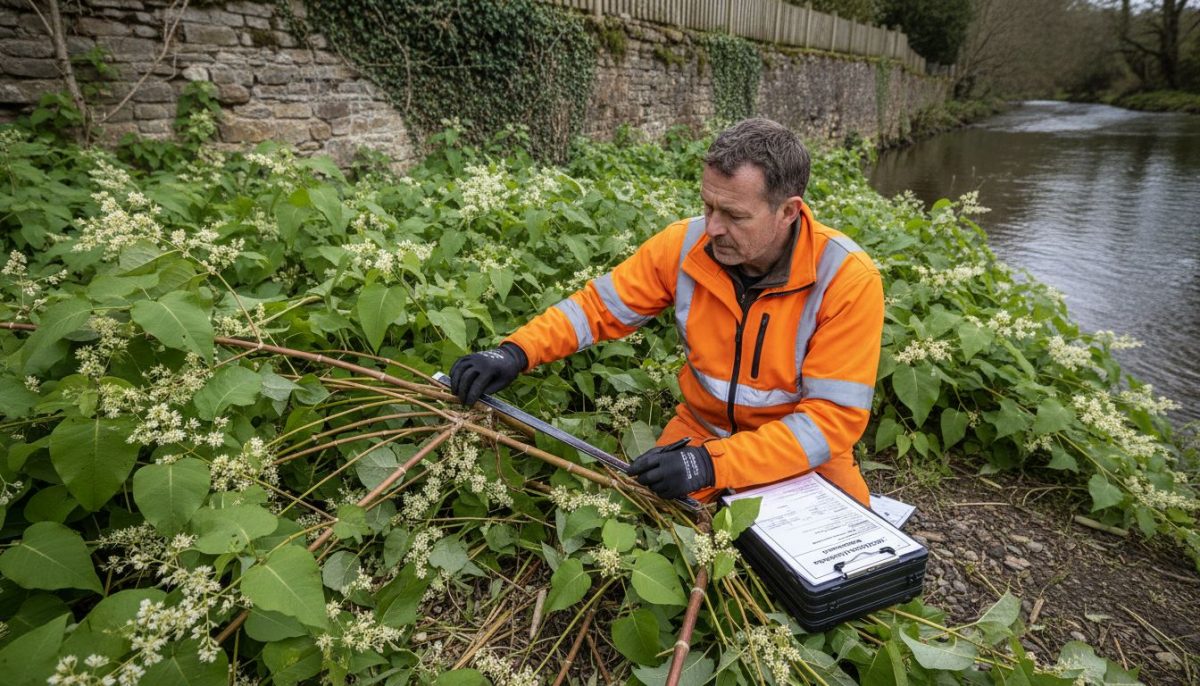
Most american gardeners are surprised to learn that a single knotweed plant can spread underground roots for up to 20 feet, making it one of the toughest invasive threats. Recognizing knotweed is vital because this persistent intruder has a reputation for damaging house foundations and devaluing properties. By understanding the key features and differences among knotweed species, property owners can protect their investments and avoid costly mistakes.
Table of Contents
- What Is Knotweed? Definition And Species
- Key Identification Features By Season
- Knotweed Look-Alikes And Common Misconceptions
- Risks Of Misidentifying Knotweed
- Legal And Property Implications In The UK
Key Takeaways
| Point | Details |
|---|---|
| Invasive Nature of Japanese Knotweed | Japanese knotweed is a highly invasive species that can cause significant structural damage and ecological disruption if not identified and managed early. |
| Seasonal Identification | Recognizing Japanese knotweed requires understanding its distinctive traits throughout the seasons, from early spring shoots to its dormant winter state. |
| Financial and Legal Risks | Misidentifying knotweed can lead to serious financial implications, including property value loss and potential legal liabilities under UK law. |
| Importance of Professional Help | Engaging professional services for identification and management is crucial to mitigate risks associated with this invasive plant species. |
What Is Knotweed? Definition And Species
Japanese knotweed represents a highly invasive plant species that has become a significant environmental challenge across the United Kingdom. According to Wildlife Trusts, this plant was introduced to the UK in the 19th century and can grow up to 2 meters tall, typically found colonizing riverbanks, waste grounds, and roadside areas.
In botanical classification, knotweed refers to plants within several genera of the Polygonaceae family, including Fallopia, Persicaria, Polygonum, and Reynoutria. Wikipedia notes that Reynoutria japonica, commonly known as Japanese knotweed, represents the most problematic invasive species in Europe and North America. This plant is particularly dangerous because of its remarkable ability to spread and outcompete native vegetation.
The primary characteristics that make Japanese knotweed so destructive include:
- Extremely rapid growth rates
- Extensive underground rhizome network
- Ability to penetrate concrete and building foundations
- Rapid reproduction through root fragments as small as 0.8 inches
Property owners and land managers must take proactive identification and management strategies seriously when confronting this invasive plant. Its potential to cause structural damage and ecological disruption makes early detection crucial. Free Japanese Knotweed Identification Service can provide professional insights for those suspecting knotweed presence on their property.
Key Identification Features By Season
Identifying Japanese knotweed requires a careful understanding of its distinctive characteristics throughout different seasonal stages. The plant undergoes dramatic transformations that can help property owners and environmental professionals recognize its presence accurately.
Spring Emergence: During early spring, Japanese knotweed begins its most distinctive growth phase. Reddish-purple shoots emerge from the ground, resembling asparagus spears, and quickly develop into bamboo-like stems. These initial shoots grow rapidly, sometimes expanding up to 10 centimeters per day, making them one of the most aggressive plant species in the UK landscape.
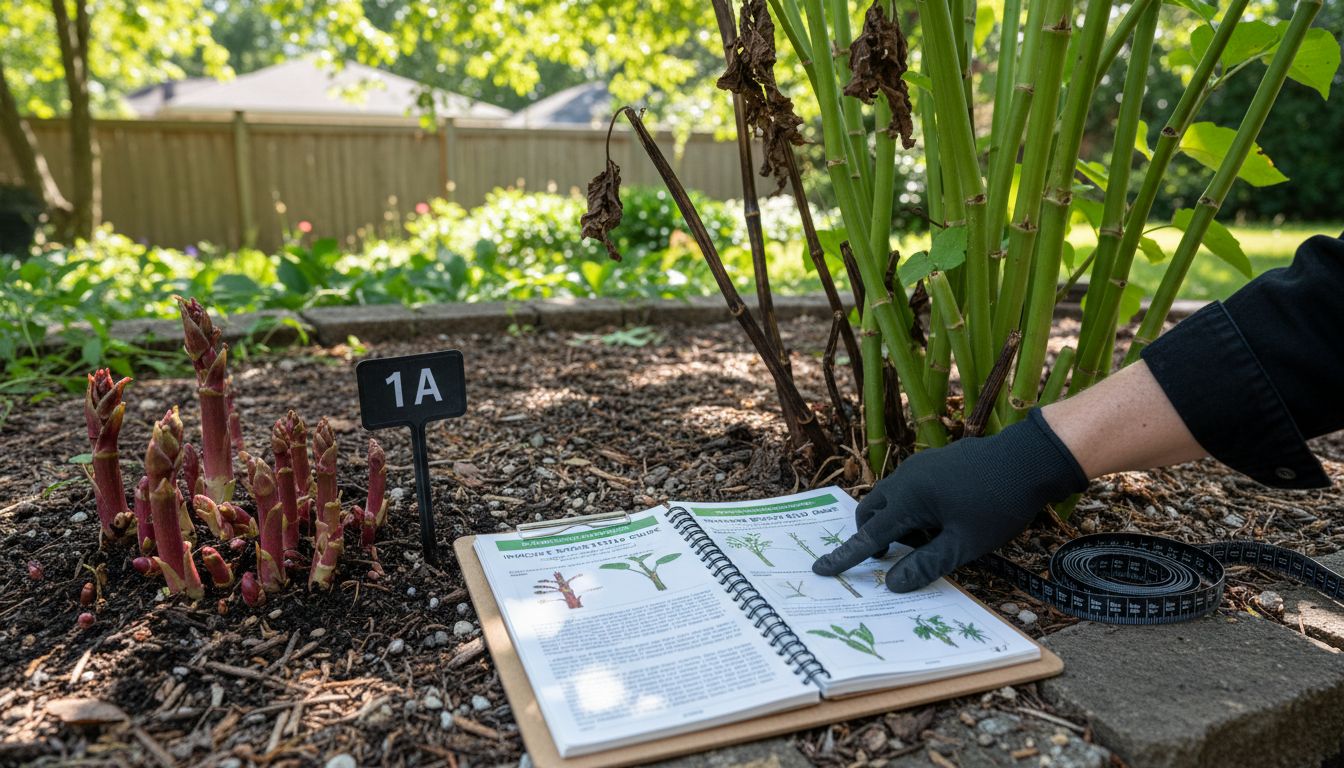
Summer Growth: By mid-summer, the plant reaches its peak visual prominence. Characteristics include:
- Bright green, heart-shaped leaves
- Bamboo-like hollow stems with distinctive zigzag pattern
- Stems turning light green to dark green
- Potential white flower clusters appearing in late summer
Autumn Transition: As temperatures drop, Japanese knotweed begins to show signs of decline. Leaves turn yellow and brown, and the stems start to look dry and woody. However, this does not mean the plant is dying – its extensive underground rhizome network remains active and capable of regeneration. Free Japanese Knotweed Identification Service can help confirm seasonal variations and potential infestation risks.
Winter Dormancy: During winter, the above-ground vegetation appears completely dead. Stems turn brown and brittle, creating a stark landscape of seemingly lifeless plant matter. But do not be deceived. The underground root system remains alive and potent, ready to produce new growth when spring returns. This winter dormancy makes knotweed particularly challenging to eradicate, as the root network continues to store energy and prepare for next season’s aggressive expansion.
Knotweed Look-Alikes And Common Misconceptions
Identifying Japanese knotweed can be challenging due to its numerous look-alikes and persistent myths surrounding its characteristics. Misidentification can lead to significant property and ecological risks, making accurate recognition critical for landowners and environmental professionals.
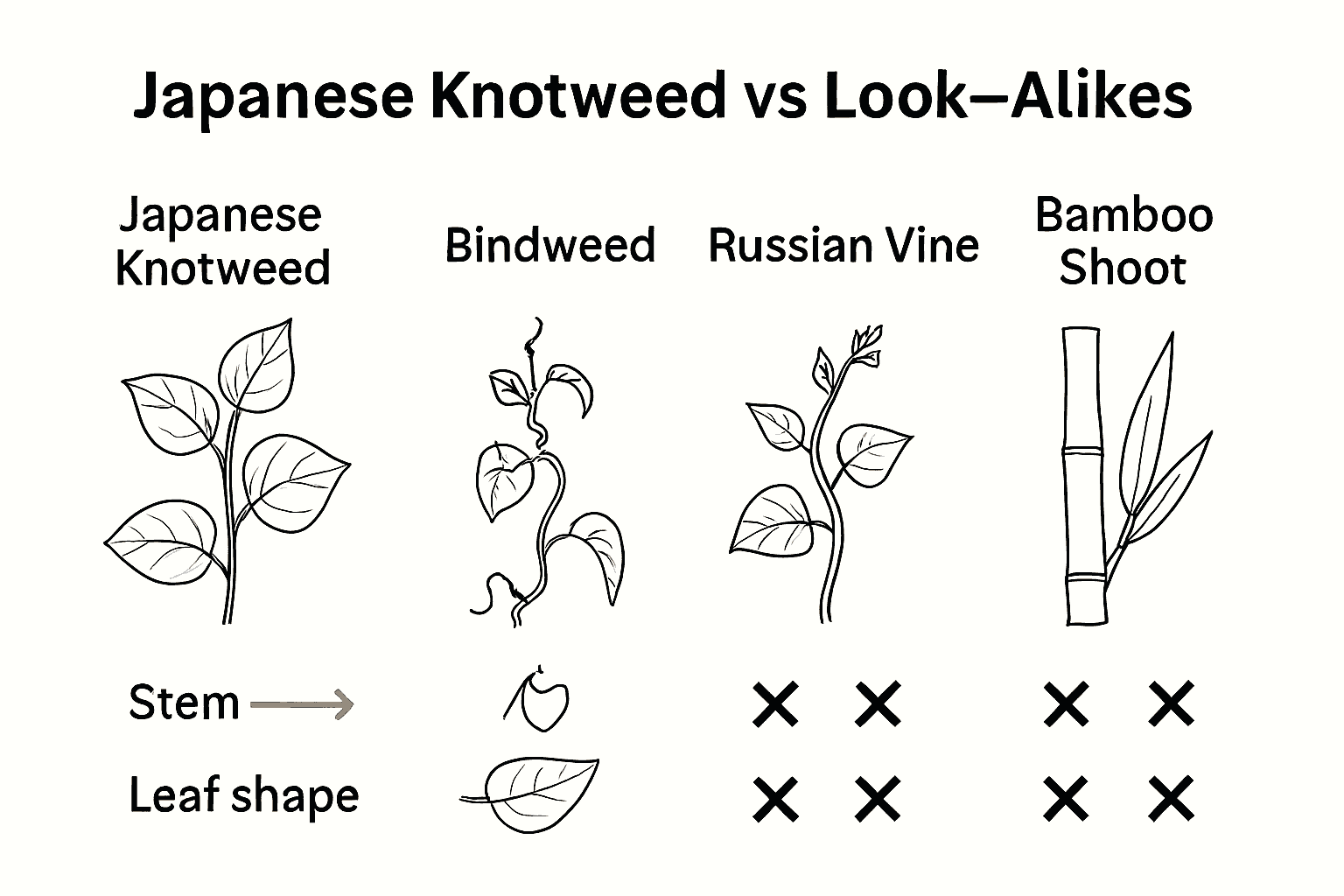
Common Look-Alike Plants:
- Bindweed: Often mistaken for knotweed due to similar heart-shaped leaves
- Russian Vine: Shares similar climbing characteristics and growth pattern
- Elder Seedlings: Can be confused with young knotweed shoots
- Bamboo Shoots: Remarkably similar stem structure
One of the most prevalent misconceptions is that cutting or mowing knotweed will eliminate the plant. In reality, this approach can actually stimulate more aggressive growth. Each fragment of root as small as 0.4 inches can potentially regenerate into a new plant, making manual removal extremely risky. Most Common Japanese Knotweed Misconceptions highlights the complexity of managing this invasive species.
Another critical misunderstanding involves the plant’s winter appearance. Many property owners mistakenly believe the plant is dead during dormant months. However, the underground rhizome network remains alive and potent, storing energy for explosive spring growth. Professional identification becomes crucial, as the plant’s dormant state can deceive even experienced gardeners and property managers.
Risks Of Misidentifying Knotweed
Misidentifying Japanese knotweed can lead to catastrophic consequences for property owners, potentially resulting in thousands of dollars in structural damage and significant legal complications. Property value reduction becomes an immediate and severe risk when this invasive species goes unrecognized and untreated.
Financial Implications of misidentification include:
- Potential property value decrease up to 10-15%
- Expensive remediation costs ranging from $5,000 to $50,000
- Mortgage application rejections
- Potential legal disputes with neighbors or property sellers
The structural threats extend far beyond typical plant invasions. Japanese knotweed can penetrate concrete foundations, compromise building structures, and undermine property infrastructure with its aggressive root system. Is Japanese Knotweed Dangerous provides critical insights into the extensive damage potential of this plant.
Legal ramifications represent another significant risk of misidentification. Property owners may find themselves liable for knotweed spread to neighboring properties, facing potential litigation and mandatory removal expenses. Professional identification becomes crucial, as early detection can prevent exponential growth and mitigate potential financial and legal challenges associated with this highly invasive species.
Legal And Property Implications In The UK
Japanese knotweed represents a significant legal minefield for property owners across the United Kingdom, with potentially severe consequences for those who fail to manage this invasive species. Gov Wales explicitly states that it is an offense under the Wildlife and Countryside Act 1981 to plant or cause Japanese knotweed to grow in the wild, placing direct legal responsibility on property owners.
Key Legal Obligations for property owners include:
- Preventing knotweed spread from their land
- Ensuring proper containment and management
- Potential liability for damages to neighboring properties
- Mandatory disclosure during property sales
Wikipedia highlights that Japanese knotweed is classified as ‘controlled waste’ under the Environmental Protection Act 1990, which means property owners can face significant legal and financial repercussions for improper management. This classification can dramatically impact property transactions, with many mortgage lenders refusing to provide loans on properties with active knotweed infestations.
The financial implications extend beyond potential legal action. Property owners may be required to fund expensive professional eradication programs, potentially costing thousands of pounds. Understand the Laws Regarding Japanese Knotweed can provide further detailed guidance on navigating these complex legal requirements and protecting your property investment.
Take Control of Japanese Knotweed With Proven, Chemical-Free Solutions
Dealing with Japanese knotweed requires precise identification and a powerful treatment approach that targets the plant’s stubborn underground rhizomes. The challenges you face include rapid growth, underground spread, and the risk of property damage described in this guide. You need a solution that not only identifies infestation early but also effectively eradicates this invasive species without harmful chemicals.

Japanese Knotweed Agency pioneers direct energy treatments that deliver up to 5000 volts onsite. This method causes internal cell damage and depletes the plant’s energy, stopping regrowth in its tracks. Alongside root barrier installations and excavation work, we make sure your property is protected from further damage and legal complications. Don’t wait until knotweed affects your property value or mortgage options. Visit Japanese Knotweed Agency for a professional survey and tailored eradication strategy. Learn more about the risks with Is Japanese Knotweed Dangerous and get help identifying the problem early using our Free Japanese Knotweed Identification Service. Take action now to protect your home and investment.
Frequently Asked Questions
What is Japanese knotweed and why is it a problem?
Japanese knotweed is an invasive plant species known for its rapid growth and extensive underground rhizome network. It can cause structural damage to buildings and disrupt native ecosystems, making it a significant environmental challenge.
How can I identify Japanese knotweed in different seasons?
In spring, look for reddish-purple shoots resembling asparagus. In summer, you’ll see heart-shaped leaves and bamboo-like stems. In autumn, the leaves turn yellow, and in winter, the plant appears dead above ground, but the underground root system remains alive.
What are some common plants that look like Japanese knotweed?
Common look-alikes include bindweed, Russian vine, elder seedlings, and bamboo shoots, which can complicate proper identification and management of Japanese knotweed infestations.
What are the legal implications of having Japanese knotweed on my property?
Property owners are legally responsible for preventing the spread of Japanese knotweed and must properly manage it. Failure to do so can result in financial penalties, property value reductions, and liability for damage caused to neighboring properties.