Over 80 percent of UK property surveyors have encountered Japanese knotweed, making it one of the most urgent issues for homeowners and developers today. This invasive plant can cause structural damage, lower property values, and even lead to complex legal disputes if not managed properly. Understanding how a knotweed management plan works is vital for anyone facing an infestation, as it lays out clear steps for assessment, control, and long-term eradication backed by professional expertise.
Table of Contents
- What Is A Knotweed Management Plan?
- Key Stages Of Knotweed Assessment
- Chemical-Free Eradication Methods Explained
- Legal Obligations And Survey Requirements
- Cost, Risks, And Process Comparison
Key Takeaways
| Point | Details |
|---|---|
| Knotweed Management Plan | A structured strategy essential for controlling and eradicating Japanese knotweed, including site assessment, treatment protocols, and monitoring. |
| Legal Obligations | Property owners must legally manage and disclose knotweed presence to avoid financial and legal repercussions. |
| Assessment Process | A comprehensive assessment is crucial for effective eradication strategies and minimizes environmental and structural damage. |
| Multi-Strategy Approach | Combining various treatment methods often results in the most effective long-term management of Japanese knotweed infestations. |
What Is a Knotweed Management Plan?
A knotweed management plan is a comprehensive strategy designed to control, contain, and ultimately eradicate Japanese knotweed from a specific site or property. According to Highland Council, the primary goal of such a plan is “to control the spread of Japanese knotweed on and from the site” while outlining specific remedial and management works.
The management plan serves multiple critical purposes for property owners and environmental managers. It provides a structured approach to addressing this invasive plant species by documenting the extent of infestation, detailing precise treatment methods, and establishing a clear timeline for eradication. Key components typically include a thorough site assessment, identification of knotweed locations, proposed treatment techniques, and ongoing monitoring strategies.
Comprehensive management plans usually incorporate several essential elements:
- Detailed mapping of knotweed growth areas
- Professional assessment of infestation severity
- Recommended treatment protocols
- Risk mitigation strategies
- Projected treatment duration
- Post-treatment monitoring schedule
For property owners, a professionally developed knotweed management plan is not just a recommended strategy—it’s often a critical legal and financial necessity. Japanese Knotweed UK Law indicates that proper documentation and treatment can protect property values and prevent potential legal complications arising from unmanaged invasive plant species.
Key Stages of Knotweed Assessment
A comprehensive knotweed assessment involves a systematic approach to identifying, evaluating, and documenting the extent of Japanese knotweed infestation on a property. According to Rural Payments Agency, the primary treatment aims to “significantly weaken Japanese knotweed plants and prevent their spread” through a carefully designed management process.
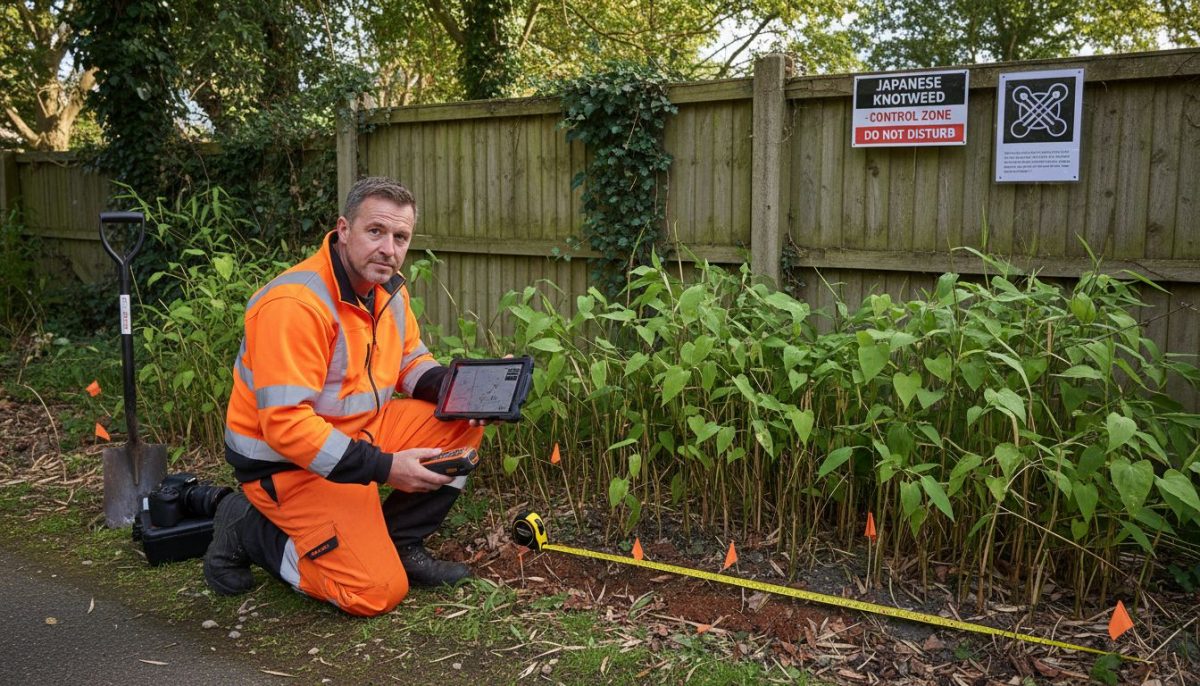
The assessment process typically involves several critical stages that provide a comprehensive understanding of the knotweed situation. Professional surveyors will conduct a detailed site investigation that includes visual inspection, precise mapping, and scientific analysis of the plant’s growth patterns, root system extent, and potential spread risk. This initial assessment helps property owners and environmental managers develop a targeted and effective eradication strategy.
Key stages of a professional knotweed assessment include:
- Initial Site Inspection
- Comprehensive visual survey of the property
- Identification of knotweed presence and extent
- Mapping of infested areas
- Detailed Documentation
- Photographic evidence
- GPS mapping of knotweed locations
- Measurement of infestation spread
- Risk Analysis
- Assessment of potential property damage
- Evaluation of spread potential
- Determination of treatment complexity
- Treatment Recommendation
- Proposed eradication methods
- Estimated treatment timeline
- Cost projection
For those seeking a thorough understanding of their property’s knotweed situation, a free knotweed survey can provide initial insights into the potential challenges and treatment requirements. Professional assessment is crucial, as early detection and precise mapping can significantly reduce long-term environmental and property damage risks.
Chemical-Free Eradication Methods Explained
Chemical-free knotweed eradication represents an innovative approach to managing this invasive plant species without relying on traditional chemical treatments. According to Royal Horticultural Society, while chemical treatments are common, alternative methods including physical removal and containment strategies can be effective when carefully planned and executed.
The most prominent chemical-free approaches focus on comprehensive physical removal and strategic containment techniques.
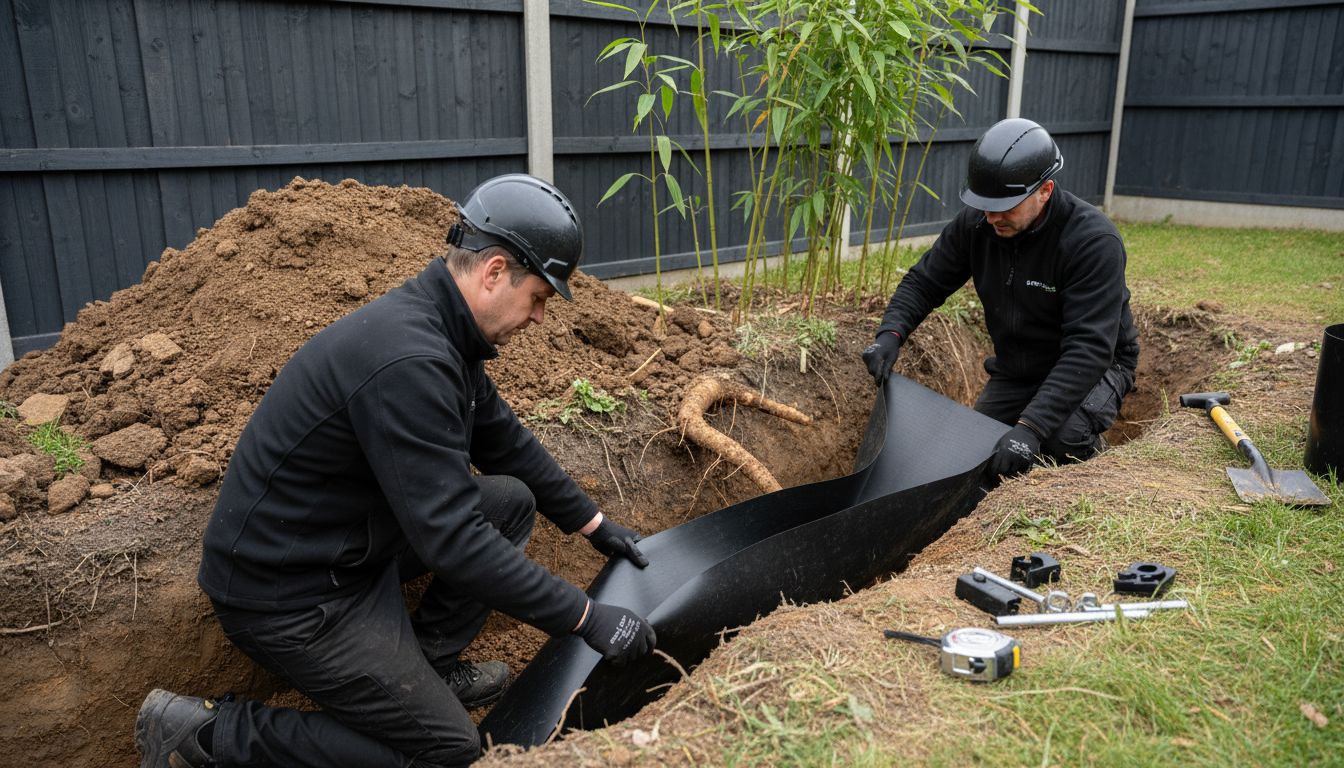 JP Associates highlights that traditional ‘dig and dump’ methods have evolved, with modern strategies emphasizing on-site management to mitigate issues directly at the source, aligning with current government and planning policies.
Key chemical-free eradication methods include:
- Physical Excavation
- Complete root system removal
- Precise soil extraction
- Controlled disposal at licensed facilities
- Root Barrier Installation
- Underground barriers preventing root spread
- Containment of existing knotweed zones
- Prevention of further environmental contamination
- Thermal Treatment
- High-temperature soil treatment
- Destruction of plant cellular structures
- Environmentally controlled eradication
- Biological Control
- Introduction of natural predators
- Systematic weakening of knotweed populations
- Long-term ecological management
For property owners seeking advanced, environmentally responsible solutions, exploring these chemical-free methods can provide sustainable alternatives to traditional eradication techniques. A comprehensive approach combining multiple strategies often yields the most effective long-term results in managing Japanese knotweed infestations.
Legal Obligations and Survey Requirements
Japanese knotweed legal obligations represent a complex set of responsibilities that property owners must carefully navigate. According to UK Government, it is illegal to plant or cause invasive non-native plants like Japanese knotweed to grow in the wild. Landowners are legally mandated to prevent these plants from spreading and causing damage, with potential prosecution and liability for any resulting environmental or structural impact.
The legal framework surrounding knotweed management extends beyond simple prevention. Natural Resources Wales emphasizes that property owners are responsible for controlling Japanese knotweed, which includes implementing specific treatment and disposal methods to avoid significant legal repercussions. This requirement applies to both residential and commercial properties, making professional surveys and comprehensive management plans critical.
Key Legal and Survey Requirements Include:
- Property Disclosure
- Mandatory reporting of knotweed presence
- Full disclosure during property transactions
- Potential impact on property value
- Survey Specifications
- Professional invasive species assessment
- Detailed mapping and documentation
- Comprehensive risk evaluation
- Treatment Compliance
- Adherence to environmental regulations
- Approved treatment and disposal methods
- Documentation of management efforts
- Prevention Responsibilities
- Active prevention of plant spread
- Continuous monitoring
- Immediate remedial action
Property owners should recognize that failing to address Japanese knotweed can result in significant financial and legal consequences, including potential civil litigation, reduced property values, and enforcement actions by local authorities. A proactive approach involving professional surveys and comprehensive management strategies is essential for legal compliance and environmental responsibility.
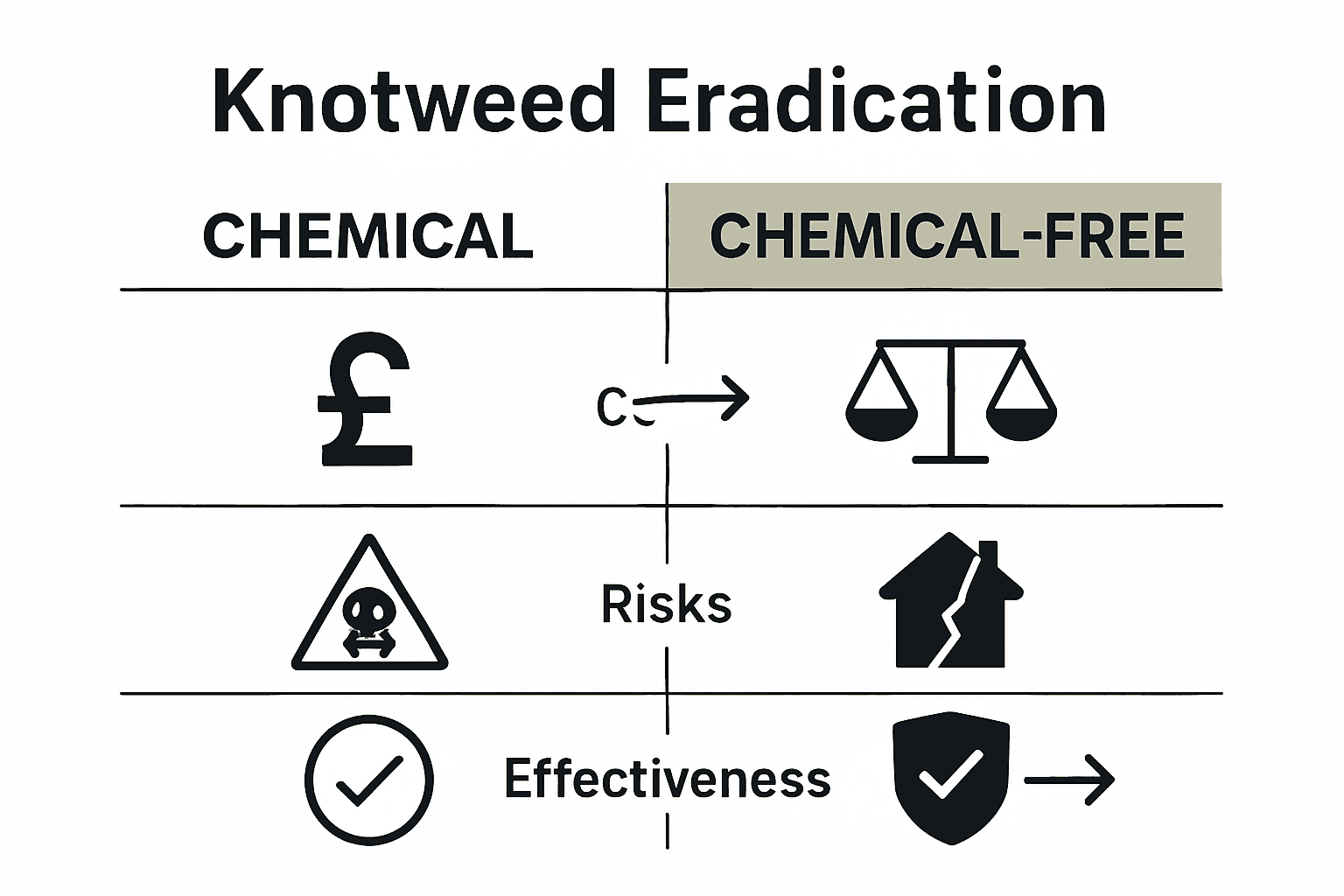
Cost, Risks, and Process Comparison
Japanese knotweed management involves a complex evaluation of multiple treatment approaches, each with distinct cost implications and potential risks. Comprehensive strategies require careful consideration of long-term effectiveness and potential environmental impact. Rural Payments Agency emphasizes that successful control can take three to four seasons of consistent follow-up treatment, underscoring the importance of sustained management.
The financial and environmental risks associated with Japanese knotweed can be substantial, making a strategic approach crucial. Property owners must weigh the immediate treatment costs against potential long-term damages, which can include structural compromises, legal liabilities, and significant reduction in property value. Different eradication methods present varied risk profiles, with some approaches offering more comprehensive solutions than others.
Comparative Analysis of Treatment Approaches:
- Chemical Treatment
- Lower initial cost
- Potential environmental concerns
- Moderate long-term effectiveness
- Typically requires multiple applications
- Physical Excavation
- Higher upfront costs
- Most comprehensive removal
- Immediate risk reduction
- Guaranteed root system elimination
- Biological Control
- Lower ongoing expenses
- Environmentally friendly approach
- Slower results
- Limited complete eradication guarantee
- Thermal Treatment
- Moderate to high cost
- Minimal environmental impact
- Rapid cellular destruction
- Targeted root system elimination
Property owners should recognize that the most cost-effective approach often involves a multi-strategy management plan that combines different techniques. Professional assessment remains critical in determining the most appropriate and economically viable solution for specific knotweed infestations.
Take Control of Japanese Knotweed with Expert Chemical-Free Solutions
Dealing with Japanese knotweed requires a precise and effective management plan that truly addresses the root of the problem. If you’ve learned about the challenges of containing and eradicating this invasive plant and the importance of thorough site assessment and compliance, you’re ready to move forward with a solution that works. Many property owners struggle with legal risks, costly treatments, and persistent regrowth, but you do not have to face these alone.

At Japanese Knotweed Agency, we specialize in pioneering chemical-free treatments that target the internal energy of knotweed with up to 5000 volts onsite. Our approach is not only environmentally responsible but also highly effective over each treatment cycle. We also provide root barrier installation and careful excavation works to prevent further spread and protect your property long term. Protect your investment and comply confidently—get started with a professional property survey for invasive weeds today by visiting Japanese Knotweed Agency to arrange your assessment and discover a tailored management plan that ensures lasting results.
Frequently Asked Questions
What is a knotweed management plan?
A knotweed management plan is a strategy designed to control and eradicate Japanese knotweed from a property, documenting infestation extent, treatment methods, and monitoring strategies.
Why is it important to have a knotweed management plan?
A management plan is crucial for preventing the spread of knotweed, protecting property values, and ensuring legal compliance with regulations regarding invasive plant species.
What are the key components of a comprehensive knotweed management plan?
Key components typically include site assessment, mapping of infested areas, treatment recommendations, risk mitigation strategies, and a monitoring schedule post-treatment.
What are the legal obligations of property owners regarding Japanese knotweed?
Property owners must prevent the spread of Japanese knotweed, disclose its presence during property transactions, and adhere to specific treatment and disposal methods to avoid legal repercussions.