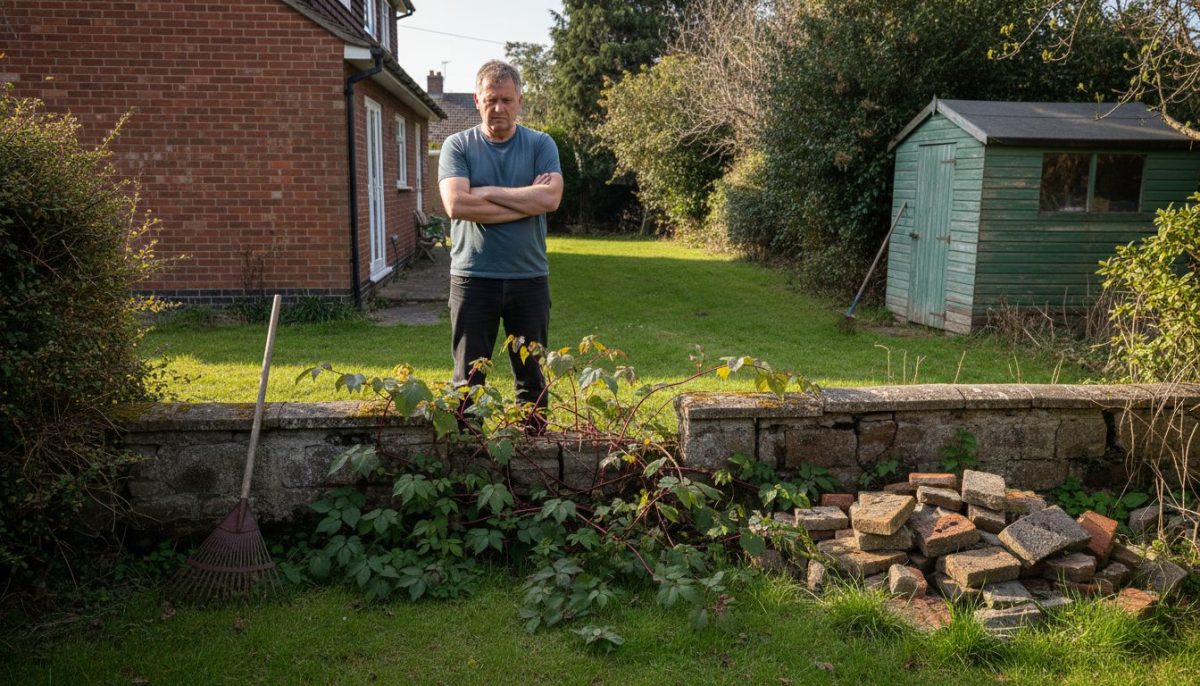
Most American homeowners are shocked to discover that a single fragment of Japanese Knotweed, as small as one centimeter, can regenerate into a full invasive plant. This tenacious species is not just a nuisance, it is a serious threat capable of undermining property value and damaging even concrete foundations. Unpacking the truth about Japanese Knotweed reveals why understanding its unique risks, spread patterns, and common misconceptions matters for anyone protecting their home investment.
Table of Contents
- Japanese Knotweed Defined And Common Myths
- How Knotweed Spreads And Damages Property
- Legal Responsibilities For Homeowners And Buyers
- Financial Risks: Decreased Value And Lending Issues
- Non-Chemical Treatment Solutions Explained
Key Takeaways
| Point | Details |
|---|---|
| Invasive Nature | Japanese Knotweed can grow rapidly and cause significant structural damage, making professional management essential. |
| Legal Obligations | Homeowners must legally disclose the presence of Japanese Knotweed and can face liability for its spread to neighboring properties. |
| Financial Impact | Properties with Knotweed may see value reductions of up to 30%, and mortgage approvals can be difficult due to infestation issues. |
| Non-Chemical Treatment | Innovative non-chemical approaches, such as mechanical cutting and electric treatment, offer effective alternatives to manage this invasive species sustainably. |
Japanese Knotweed Defined and Common Myths
Japanese Knotweed is an invasive plant species scientifically known as Fallopia japonica, originally introduced to the United States and United Kingdom as an ornamental garden plant in the mid-nineteenth century. Unique characteristics of this plant include its rapid growth, bamboo-like hollow stems, and extraordinary ability to spread through an extensive underground root system called rhizomes.
Contrary to popular belief, Japanese Knotweed is not just another garden weed. This plant can grow up to 10 centimeters per day and penetrate concrete foundations, causing significant structural damage to properties. Common misconceptions about the plant often lead homeowners to underestimate its destructive potential. The plant’s rhizome network can extend up to 3 meters deep and 7 meters laterally, making complete eradication challenging without professional intervention.
Key myths surrounding Japanese Knotweed include the belief that cutting or mowing will eliminate the plant. In reality, these actions can actually stimulate more aggressive growth. The plant’s resilience means that even tiny root fragments can regenerate into full plants. Homeowners should understand that attempting DIY removal can inadvertently spread the infestation and potentially decrease property value by up to 10%. Professional treatment methods that target the entire root system are crucial for effective management.
For property owners, recognizing Japanese Knotweed early is critical. Typical identification markers include:- Distinctive bamboo-like green stems with distinctive purple speckles- Shovel-shaped green leaves arranged in a zigzag pattern- Small white flower clusters appearing in late summer- Rapid, aggressive growth pattern compared to native plants
Understanding these characteristics can help homeowners take proactive steps in managing this potentially destructive invasive species.
How Knotweed Spreads and Damages Property
Japanese Knotweed represents an extraordinary threat to property infrastructure due to its remarkable ability to spread through minimal root fragments. Incredibly, pieces as small as one centimeter can generate entirely new plant systems, making complete eradication extremely challenging for homeowners and property managers.
Rhizome Network Invasion occurs through an extensive underground root system that can extend laterally up to 7 meters and penetrate depths of 3 meters. This aggressive underground network allows the plant to compromise building foundations, drainage systems, and structural integrity with alarming efficiency. Property damage consequences can be catastrophic, potentially reducing property values by 10-15% and creating significant repair expenses.
The plant’s reproduction mechanisms are particularly insidious. Traditional landscaping methods like cutting, mowing, or disturbing the plant can actually accelerate its spread. Each fragmented piece contains the potential to regenerate, transforming what seems like routine maintenance into an inadvertent propagation strategy. Homeowners attempting DIY removal often discover they’ve unintentionally expanded the infestation.
Key spread mechanisms include:
- Underground rhizome expansion
- Stem fragment regeneration
- Transportation through contaminated soil
- Accidental movement during landscaping activities
Professional assessment and targeted treatment remain the most effective strategies for managing this invasive species and protecting property investments.
Legal Responsibilities for Homeowners and Buyers
Homeowners face significant legal obligations when Japanese Knotweed is present on their property. Prevent the spread of knotweed is not just a recommendation, but a critical legal requirement that can result in potential prosecution if mishandled. Property owners must take proactive steps to control the plant and prevent its spread to neighboring lands or public spaces.
Property Liability extends beyond simple containment. Recent legal precedents demonstrate that homeowners can be held financially responsible for damages caused by knotweed encroachment onto adjacent properties. This legal exposure can result in substantial compensation claims, potentially costing tens of thousands of dollars in remediation and damage repair.
Buyers and sellers have distinct legal responsibilities during property transactions. Sellers are now legally obligated to disclose the presence of Japanese Knotweed on the property, with failure to do so potentially constituting fraud. Mortgage lenders typically require a professional survey and treatment plan before approving loans for properties with known knotweed infestations.
Key legal considerations include:
- Mandatory disclosure of knotweed presence during property sales
- Potential liability for spread to neighboring properties
- Financial responsibility for professional treatment and removal
- Risk of legal action if knotweed is intentionally or negligently spread
Professional documentation, comprehensive surveys, and proactive management are crucial for protecting both legal and financial interests when dealing with Japanese Knotweed.
Financial Risks: Decreased Value and Lending Issues
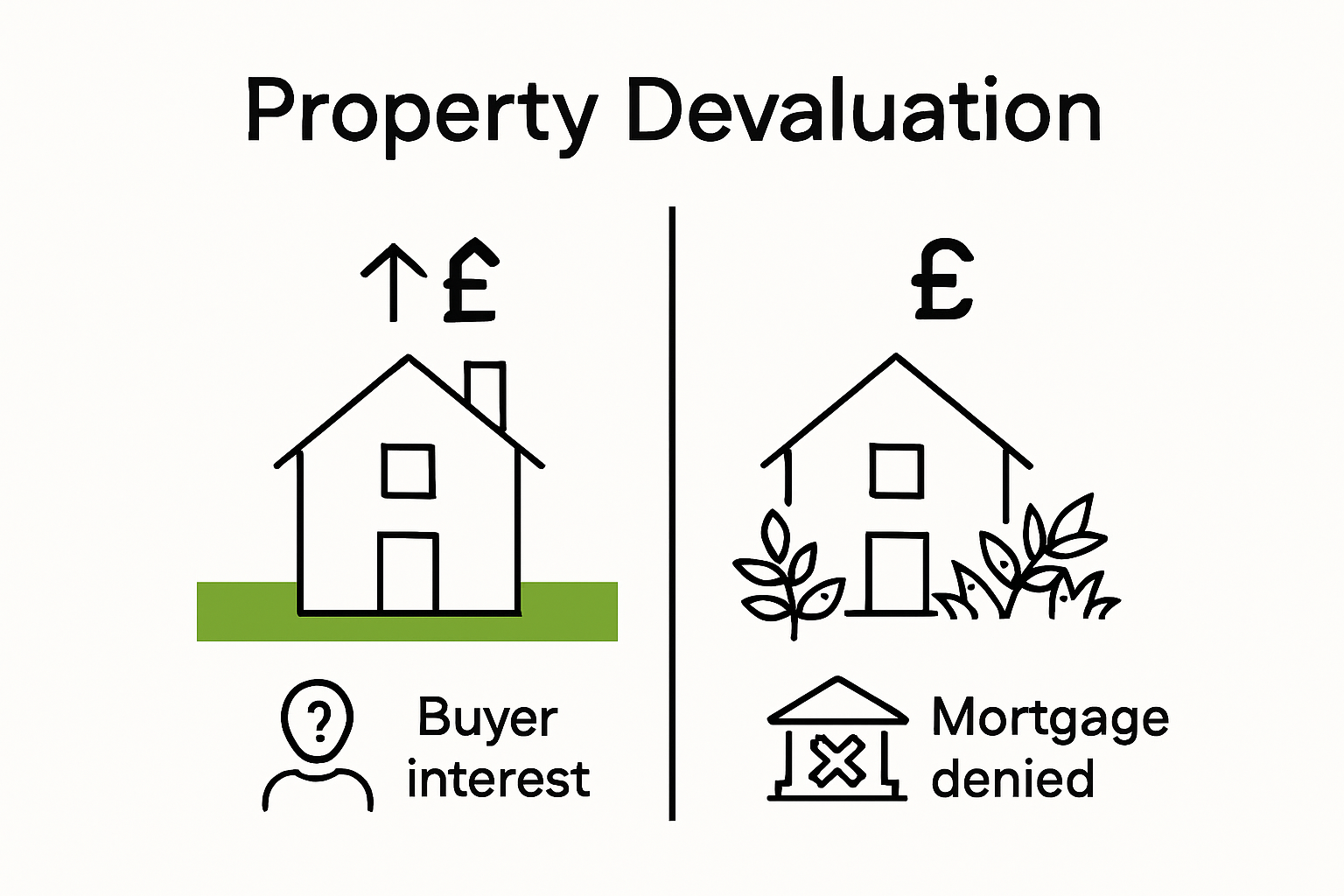
Japanese Knotweed represents a devastating financial threat to property owners, with significant impact on market value that can dramatically reduce property worth. Homeowners may experience property value reductions ranging from 5% to 30%, transforming what was once a valuable asset into a potential financial liability.
Mortgage Lending Challenges emerge as a critical concern for property owners. Mortgage providers are extremely cautious about properties with knotweed infestations, often refusing to provide loans without comprehensive professional treatment guarantees. Many lenders require properties to be completely free of knotweed within 7 meters of any building structure, making sale and refinancing extremely challenging.

The financial implications extend beyond immediate property value. Potential buyers will likely demand significant price reductions or complete treatment before considering a purchase. Professional eradication can cost thousands of dollars, and the stigma associated with knotweed can persist long after treatment, continuing to impact property marketability.
Key financial risks include:
- Potential property value reduction of up to 30%
- Increased treatment and removal costs
- Difficulty obtaining mortgage approvals
- Potential legal expenses from neighboring property damage
Proactive detection, immediate professional treatment, and comprehensive documentation represent the most effective strategies for mitigating these substantial financial risks.
Non-Chemical Treatment Solutions Explained
Professional non-chemical treatments represent an innovative approach to managing Japanese Knotweed, moving beyond traditional chemical interventions. Repeated cutting techniques can systematically deplete the plant’s energy reserves, though this method requires extraordinary patience and persistent effort over multiple years.
Physical Removal Strategies demand meticulous precision. Excavation processes must be comprehensive, ensuring complete removal of the extensive rhizome network to prevent potential regrowth. Professional teams utilize specialized equipment to extract root systems with surgical accuracy, targeting every potential regeneration point within the contaminated soil.
Electrical treatment emerges as a cutting-edge alternative, delivering targeted energy directly into the plant’s cellular structure. This method disrupts the knotweed’s internal systems by causing cellular damage and systematically depleting its underground energy network. Unlike chemical treatments, electrical intervention provides a more environmentally sustainable approach that minimizes ecological disruption.
Key non-chemical treatment approaches include:
- Repeated mechanical cutting
- Complete root system excavation
- Electrical energy intervention
- Targeted root barrier installations
- Systematic soil management techniques
Successful knotweed management requires a multifaceted strategy that combines scientific understanding with precise, targeted intervention techniques.
Protect Your Property Value From Japanese Knotweed Risks
Untreated Japanese Knotweed can drastically reduce your property’s value and complicate mortgage lending as highlighted in the article about the risks of knotweed. If you are facing the threat of this invasive species and worried about structural damage or financial setbacks, addressing it with proven, chemical free methods is vital. Japanese Knotweed’s extensive rhizome network demands expert care to avoid further spread and loss of your investment.
Take control today with Japanese Knotweed Agency, pioneers in advanced energy-based knotweed treatments that safely deplete the plant’s underground energy supply. We also provide comprehensive root barrier installation and precision excavation to fully eradicate infestations while protecting your property. Need a professional survey first Save time and money by booking an invasive weed survey across England, Wales, or Ireland with us. Act now to safeguard your property value and prevent costly legal and financial consequences. Learn more and start your treatment plan at Japanese Knotweed Agency.
Frequently Asked Questions
What is Japanese Knotweed and why is it a concern for property owners?
Japanese Knotweed, or Fallopia japonica, is an invasive plant known for its rapid growth and extensive underground root system. It can cause significant structural damage to properties, leading to decreased property values and potential legal issues for homeowners.
How does Japanese Knotweed affect property value?
Untreated Japanese Knotweed can reduce property values by 5% to 30%. The presence of this invasive species may deter potential buyers, resulting in substantial price reductions or demands for costly treatment before any sale can proceed.
What legal obligations do homeowners have regarding Japanese Knotweed?
Homeowners must disclose the presence of Japanese Knotweed during property transactions. Failing to do so can lead to legal consequences, including financial liability for any damages caused to neighboring properties due to the spread of the plant.
What are the risks of attempting to remove Japanese Knotweed without professional help?
DIY removal of Japanese Knotweed can worsen the infestation, as even small root fragments can regenerate into new plants. This can lead to greater property damage and potentially increased costs for professional eradication later on.
Recommended
- Japanese Knotweed and its impact on property values
- Dangerous’ garden plants which can decrease property value by up to 15%
- Does Japanese knotweed cause property damage?
- The Impact of Japanese Knotweed on Property Value and How to Effectively Manage It
- Hazardous Waste Risks: What UK Businesses Must Know in 2025 – Venture Waste