Buying a property in the United Kingdom often brings surprise discoveries, and few are as daunting as uncovering invasive weeds like Japanese Knotweed. These persistent plants can disrupt ground stability, prompt legal headaches, and complicate mortgages, making informed decisions absolutely vital for homeowners. By understanding the reality of invasive species risks and exploring chemical-free weed control methods, you can protect both your investment and the local environment while navigating property surveys with confidence.
Table of Contents
- Defining Weeds And Their Invasive Behaviour
- How Invasive Weeds Damage Infrastructure
- Japanese Knotweed Versus Other Invasives
- Legal Liabilities For Homeowners And Buyers
- Effective Chemical-Free Control Solutions
Key Takeaways
| Point | Details |
|---|---|
| Weeds Can Compromise Infrastructure | Invasive weeds like Japanese Knotweed can damage building foundations and utilities, necessitating proactive management to mitigate risks. |
| Legal Obligations for Homeowners | Property owners must disclose known infestations and are liable for any spread to neighbouring properties, impacting property value and sale status. |
| Effective Control Without Chemicals | Chemical-free methods, such as thermal intervention and mechanical removal, are sustainable alternatives for managing invasive plant species. |
| Professional Consultation is Essential | Engaging specialists for identification and removal ensures proper management, minimising the risk of further spread or legal repercussions. |
Defining Weeds And Their Invasive Behaviour
Weeds represent complex botanical entities that transcend simple plant classifications. These opportunistic organisms possess remarkable adaptive capabilities that enable them to proliferate rapidly across diverse environments, particularly threatening infrastructure stability in the United Kingdom.
The most problematic weeds exhibit several distinctive characteristics that distinguish them from typical vegetation:
- Extraordinary resilience to environmental challenges
- Rapid reproductive mechanisms
- Aggressive root systems capable of penetrating hard surfaces
- Minimal nutritional requirements for survival
- Ability to outcompete native plant species
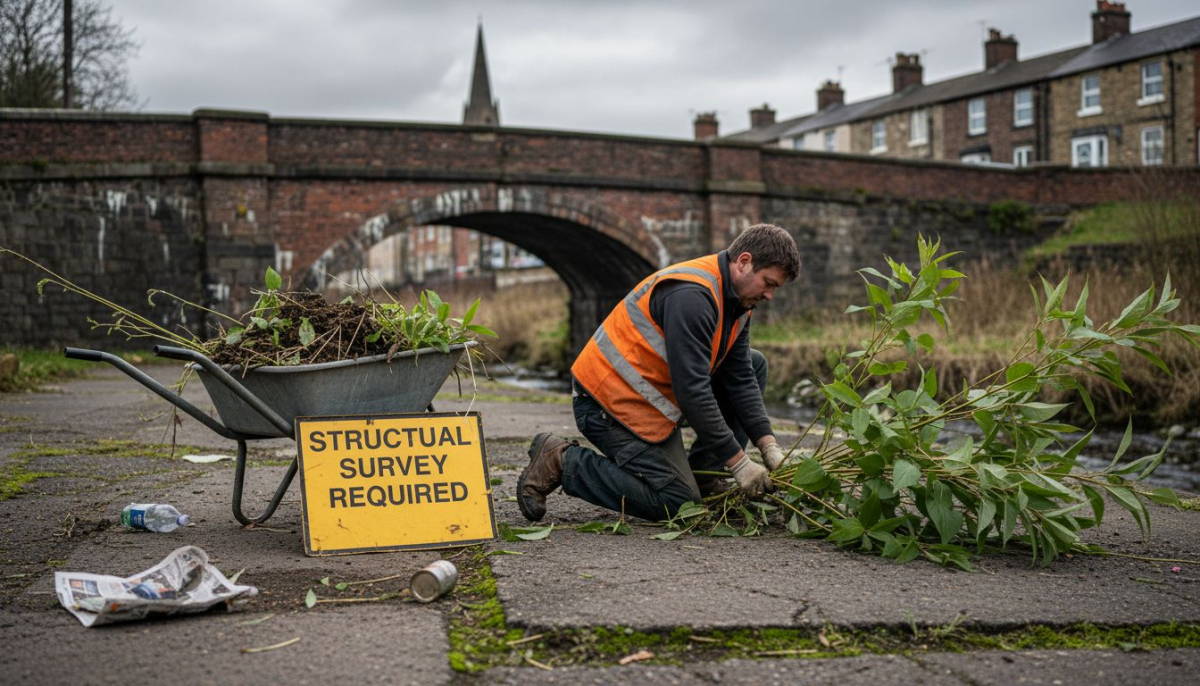
Invasive plant species like Japanese Knotweed represent extreme examples of destructive botanical behaviour. Invasive Plants: Impact on UK Homes and Land demonstrates how these plants can literally push through concrete, tarmac, and building foundations, causing significant structural damage.
Weeds’ invasive behaviour stems from evolutionary adaptations that prioritise survival and territorial expansion. Their root networks can extend metres underground, seeking water and nutrients while destabilising surrounding ground structures. Some species produce allelopathic chemicals that suppress other plant growth, creating biological monopolies in their immediate environment.
Rhizome networks represent particularly dangerous weed characteristics, allowing underground stem systems to regenerate entire plant colonies from microscopic fragment segments. This regenerative capacity makes complete eradication extraordinarily challenging for property owners and landscaping professionals.
Pro tip: Always consult invasive plant specialists before attempting independent weed removal, as improper techniques can inadvertently spread problematic species further across your property.
How Invasive Weeds Damage Infrastructure
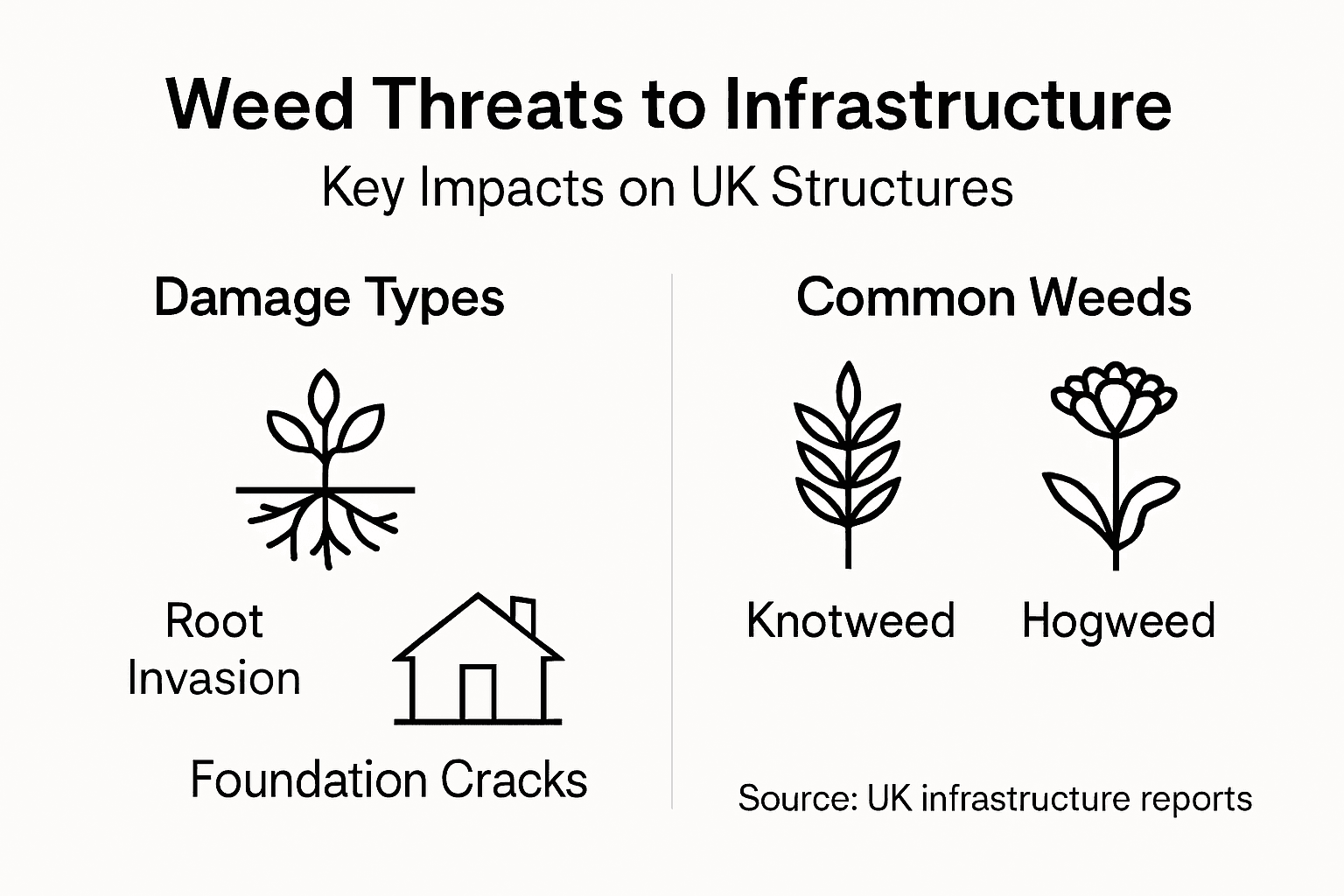
Invasive weeds pose a significant threat to infrastructure across the United Kingdom, causing extensive economic and structural challenges. Non-native species impact infrastructure through multiple destructive mechanisms that can compromise buildings, transportation networks, and utility systems.
The primary infrastructure damage mechanisms include:
- Exploitation of existing structural weaknesses
- Penetration of foundation and pavement cracks
- Disruption of underground utility networks
- Destabilisation of ground surfaces
- Erosion of structural integrity over time
While popular perception often exaggerates the damage potential, scientific research provides nuanced insights. Ecologists’ infrastructure research suggests that some invasive plant impacts might be less severe than traditionally believed. However, the economic consequences remain substantial, with estimated annual costs reaching £310 million for Great Britain.
Root systems represent the most critical mechanism of infrastructure damage. These underground networks can extend metres beneath surface structures, seeking water and nutrients while systematically weakening surrounding ground stability. Certain invasive species produce extraordinarily persistent rhizomes that regenerate rapidly, making complete eradication extremely challenging.
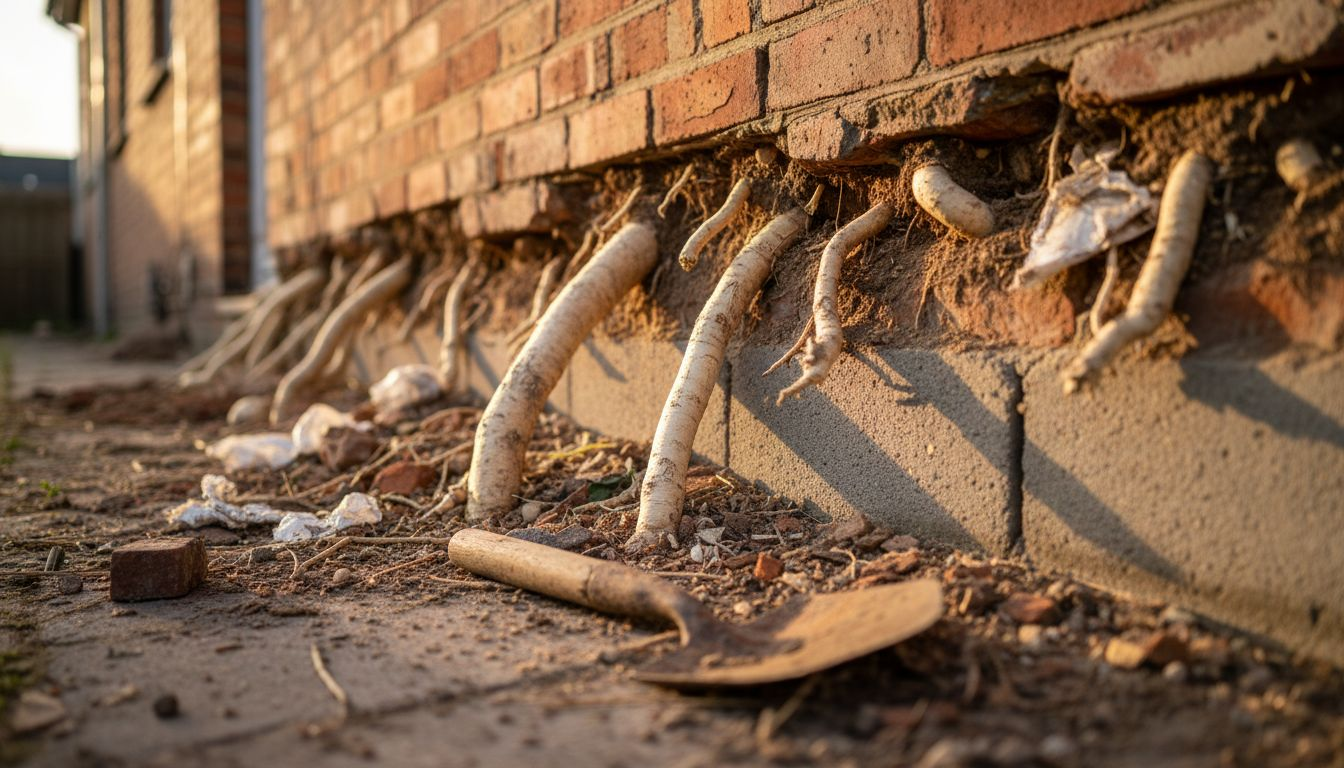
Infrastructure vulnerability varies depending on existing structural conditions. Older buildings with pre-existing foundation cracks or compromised masonry provide particularly attractive entry points for aggressive weed species. Transportation infrastructure like roadways and railway embankments are especially susceptible to invasive plant colonisation.
Pro tip: Conduct regular professional surveys to identify potential invasive plant risks before they cause significant structural damage to your property.
Japanese Knotweed Versus Other Invasives
Japanese Knotweed stands distinctly apart from other invasive plant species in the United Kingdom, representing a uniquely challenging ecological threat. Japanese knotweed’s invasive characteristics demonstrate remarkable adaptability and destructive potential that surpasses many competing invasive plants.
Key differences between Japanese Knotweed and other invasive species include:
- Extraordinarily resilient rhizome network
- Ability to regenerate from microscopic root fragments
- Rapid horizontal and vertical growth patterns
- Superior structural penetration capabilities
- Minimal vulnerability to traditional eradication methods
While other invasive species like Giant Hogweed and Himalayan Balsam pose significant environmental challenges, Japanese Knotweed represents a more complex and persistent threat. Its underground rhizome system can extend metres from the original plant, creating vast interconnected networks that make complete removal extremely difficult.
The economic and structural implications of Japanese Knotweed differentiate it from other invasive plants. Unlike many competitors that primarily impact biodiversity, this species can directly compromise building foundations, underground utilities, and infrastructure integrity. Its growth can generate substantial repair and management costs that far exceed those associated with other invasive plant species.
Here is a comparison of common invasive plants impacting the UK, highlighting their unique threats to infrastructure and biodiversity:
| Species | Main Threat to Infrastructure | Impact on Biodiversity | Ease of Eradication |
|---|---|---|---|
| Japanese Knotweed | Compromises foundations, utilities | Reduces native plant cover | Extremely difficult |
| Giant Hogweed | Damages riverbanks, walkways | Causes native species loss | Challenging, spreads easily |
| Himalayan Balsam | Destabilises soils along waterways | Rapidly outcompetes natives | Manageable with effort |
| Buddleia | Weathers masonry, invades walls | Minimal effect | Moderate effort required |
Pro tip: Always engage professional specialists when managing Japanese Knotweed, as standard removal techniques are typically ineffective against this uniquely persistent invasive plant.
Legal Liabilities For Homeowners And Buyers
Property transactions involving invasive plants create complex legal landscapes that can significantly impact homeowners and potential buyers. Invasive species property transaction challenges reveal substantial legal obligations that extend far beyond simple property disclosure.
Key legal responsibilities for property owners include:
- Mandatory disclosure of known invasive plant infestations
- Legal liability for plant spread to neighbouring properties
- Potential financial responsibility for removal and remediation
- Potential reduction in property market value
- Risk of legal action from neighbouring landowners
The TA6 Property Information Form represents a critical legal document where sellers must transparently report any Japanese Knotweed or other invasive species present on the property. Non-disclosure can result in serious legal consequences, including potential claims for misrepresentation and substantial financial penalties.
Mortgage lenders have become increasingly stringent about invasive plant risks, often requiring comprehensive professional treatment plans with insurance-backed guarantees before approving property financing. These requirements reflect the significant structural and economic risks associated with invasive species like Japanese Knotweed, which can compromise building foundations and infrastructure.
Mortgage lending restrictions can dramatically impact property transactions, with many financial institutions refusing to lend on properties with untreated invasive plant infestations. Buyers must conduct thorough due diligence, including professional surveys and comprehensive risk assessments, to navigate these complex legal and financial challenges.
The table below summarises the main legal consequences for property owners failing to manage invasive plants in the UK:
| Legal Issue | Outcome for Owners | Impact on Property Sale |
|---|---|---|
| Non-disclosure of infestation | Potential for legal action | Sale may be delayed or void |
| Infestation spreads to neighbours | Risk of compensation claims | Financial liabilities arise |
| Absence of treatment plan | Mortgage refusal is likely | Sale price reduction likely |
Pro tip: Always commission a professional invasive plant survey before purchasing a property to understand potential legal and financial risks associated with existing infestations.
Effective Chemical-Free Control Solutions
Chemical-free weed control strategies represent an innovative approach to managing invasive plant species while protecting environmental health. Chemical-free weed control methods have evolved significantly, offering sustainable alternatives to traditional herbicide treatments that prioritise ecosystem preservation.
Key chemical-free control techniques include:
- Hot water treatment with precise temperature targeting
- High-voltage electrical plant destruction
- Mechanical removal and surface sweeping
- Thermal intervention using directed heat
- Physical barrier installation
Advanced technological interventions are transforming invasive plant management. Emerging control solutions integrate sophisticated approaches like drone-based detection, artificial intelligence mapping, and targeted biological control mechanisms that minimise environmental disruption.
Physical removal techniques require strategic implementation to prevent plant regeneration. Precise mechanical extraction, combined with thorough root system assessment, can effectively interrupt invasive species’ reproductive cycles. Thermal methods like steam and hot air treatments offer promising alternatives by destroying plant cellular structures without chemical contamination.
Biological control strategies represent another frontier in chemical-free management. Researchers are investigating specialist insects and targeted pathogens that can selectively manage invasive populations without broader ecological interference. These approaches demonstrate a nuanced understanding of ecosystem dynamics and sustainable intervention.
Pro tip: Combine multiple chemical-free control techniques for comprehensive and long-term invasive plant management, ensuring a multi-layered approach to ecological restoration.
Protect Your Property from the Threat of Invasive Weeds
The article highlights how invasive weeds like Japanese Knotweed cause severe damage to UK infrastructure through their aggressive root systems and persistent rhizomes. If you are worried about compromised building foundations or hidden underground infestations, you are not alone. Infrastructure vulnerabilities and legal liabilities require expert action to prevent costly repairs and property devaluation.
At Japanese Knotweed Agency, we specialise in chemical-free treatment options that target the extensive rhizome networks responsible for structural damage. Our unique energy delivery system disrupts invasive plants from within, providing a safe and environmentally responsible solution. We also offer comprehensive property surveys across England, Wales, and Ireland to help you identify and manage invasive species risks early.

Do not wait until weeds threaten your property value or safety. Visit our Japanese Knotweed treatment page and book a professional survey today. Act now for peace of mind and effective invasive plant eradication.
Frequently Asked Questions
What are the main ways invasive weeds can damage infrastructure?
Invasive weeds can damage infrastructure through mechanisms such as exploiting existing structural weaknesses, penetrating foundation and pavement cracks, disrupting underground utility networks, and destabilising ground surfaces, leading to erosion of structural integrity over time.
How does Japanese Knotweed differ from other invasive plants?
Japanese Knotweed is particularly challenging due to its extraordinarily resilient rhizome network, ability to regenerate from microscopic root fragments, rapid growth patterns, and superior structural penetration capabilities, making complete eradication extremely difficult compared to other invasive species.
What legal responsibilities do homeowners have regarding invasive plants?
Homeowners must disclose known invasive plant infestations, bear legal liability for spreading plants to neighbouring properties, and may face financial responsibilities for removal and remediation, all of which can impact property market value and transaction processes.
What are some effective chemical-free methods to control invasive weeds?
Effective chemical-free control methods include hot water treatments, high-voltage electrical plant destruction, mechanical removal, thermal interventions, and the installation of physical barriers, all aimed at sustainably managing invasive plant species while protecting environmental health.