

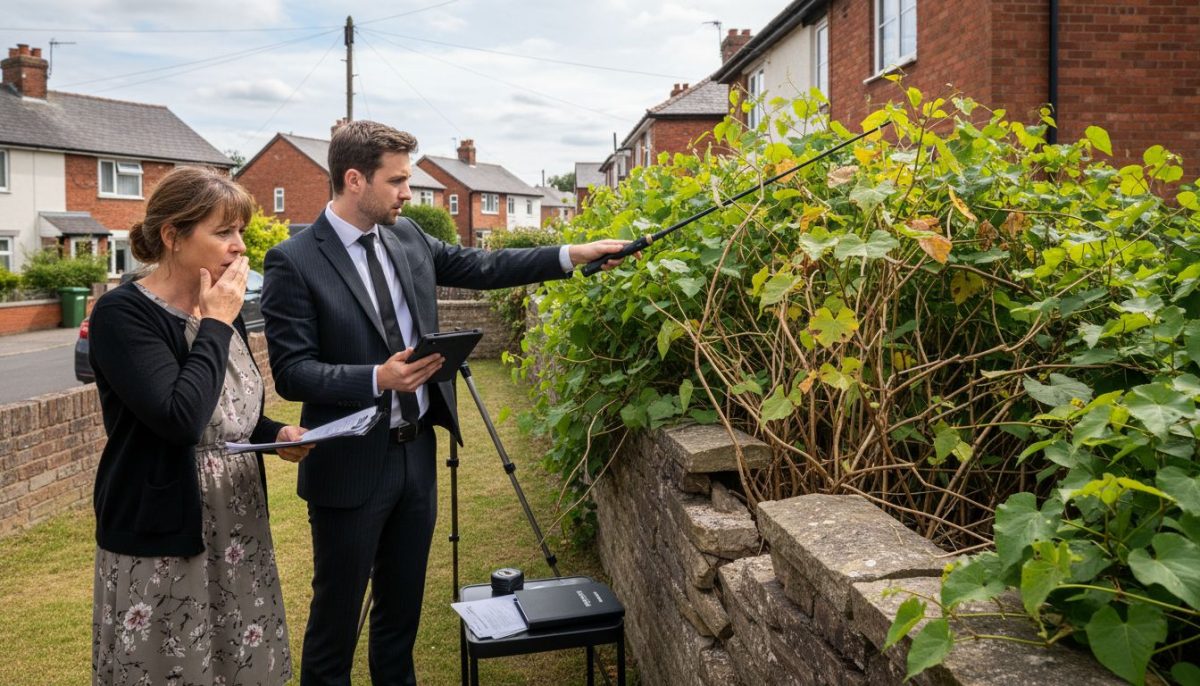
Japanese knotweed is far more than a stubborn weed—this invasive plant costs the UK economy up to £165 million per year in control and property damage. Its relentless growth can break through concrete, threaten house foundations, and destroy native habitats before you even notice a problem. With so much at stake, understanding Japanese knotweed and its potential impact on your property is the first step in protecting both your investment and your local environment.
Table of Contents
- What Is Knotweed And Why It Matters
- Lifecycle And Growth Habits Of Knotweed
- Rhizome Networks: The Secret To Rapid Spread
- Factors Accelerating Knotweed Infestation
- Legal Implications And Homeowner Responsibilities
Key Takeaways
| Point | Details |
|---|---|
| Invasive Nature | Japanese knotweed is a highly aggressive invasive species that disrupts local ecosystems and can significantly reduce property values. |
| Rhizome Resilience | The extensive rhizome network allows for rapid regeneration and spread, complicating traditional removal efforts. |
| Legal Responsibilities | Homeowners must disclose knotweed presence, prevent its spread, and seek professional removal to avoid legal and financial repercussions. |
| Environmental Impact | Knotweed thrives in disturbed soil and moisture-rich environments, making it essential for property owners to control its spread to protect native biodiversity. |
What Is Knotweed And Why It Matters
Japanese knotweed represents an extraordinary environmental challenge that can devastate property landscapes and ecosystems. This invasive plant species, originally introduced to the UK in the 19th century, has rapidly become one of the most aggressive and destructive non-native plants in the region.
According to Wildlife Trusts, Japanese knotweed thrives on riverbanks, waste grounds, and roadside verges, systematically outcompeting native plant species and disrupting local ecological balance. Its remarkable ability to spread makes it a significant concern for property owners, environmental managers, and local authorities.
Characteristics of Japanese Knotweed:
- Tall herbaceous perennial with bamboo-like stems
- Capable of growing up to 4 meters in height
- Extremely resilient root system that can penetrate concrete and building foundations
- Spreads rapidly through underground rhizome networks
As detailed by RCTCBC, this plant commonly forms dense thickets in urban environments such as waste lands, railways, roadsides, and riverbanks. Its aggressive growth pattern allows it to quickly dominate and eliminate native flora, creating significant ecological and structural challenges.
The economic and environmental implications of Japanese knotweed are substantial. Property values can dramatically decrease, and removal costs can run into thousands of pounds. Understanding its characteristics, spread mechanisms, and potential impacts is crucial for effective management and mitigation strategies.
Lifecycle And Growth Habits Of Knotweed
Japanese knotweed exhibits an extraordinary growth pattern that makes it one of the most tenacious and challenging invasive plant species. Its lifecycle is characterized by remarkable resilience and rapid proliferation, which allows it to survive and spread under seemingly impossible conditions.
The plant’s growth cycle begins in early spring when rhizome buds emerge from underground root systems. These initial shoots rapidly develop into thick, bamboo-like stems that can grow up to 3-4 meters tall in a single growing season. During the summer months, the plant produces distinctive cream-white flowers and continues its aggressive expansion through both above-ground and underground mechanisms.
Key Growth Characteristics:
- Emerges in early spring from dormant rhizome networks
- Grows incredibly quickly, up to 10 cm per day during peak season
- Produces dense bamboo-like stems with distinctive zigzag patterns
- Capable of penetrating concrete and building foundations
The underground rhizome network is perhaps the most dangerous aspect of Japanese knotweed.
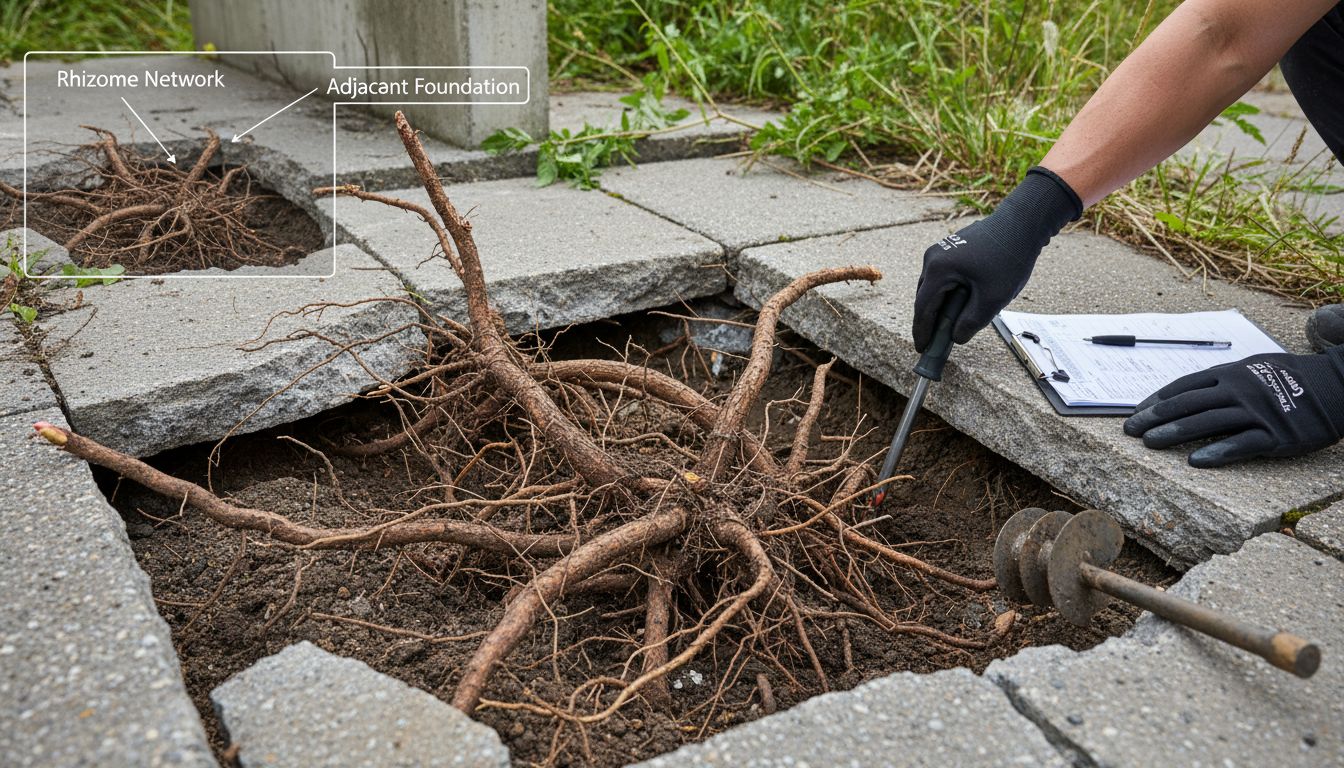 These root systems can extend several meters horizontally and vertically, allowing the plant to regenerate from tiny root fragments. This means that even minimal disturbance can potentially spread the plant, making traditional removal methods like cutting or digging extremely challenging.
Understanding the consequences of letting Japanese Knotweed spread is crucial. By late summer, the plant’s above-ground growth begins to die back, but the robust rhizome network remains alive underground, ready to regenerate with explosive growth in the following spring. This persistent lifecycle makes Japanese knotweed a formidable opponent for property owners and ecological management professionals.
Rhizome Networks: The Secret To Rapid Spread
The rhizome network of Japanese knotweed represents a botanical marvel of survival and propagation that makes this plant one of the most formidable invasive species in the world. Unlike traditional plants that rely primarily on seed dispersal, knotweed has developed an underground communication and reproduction system that allows it to spread with unprecedented efficiency.
According to Inside Ecology, the extensive rhizome system can spread up to 8 meters from the parent plant, enabling it to rapidly outcompete native flora. This extraordinary underground network functions like a complex biological highway, allowing the plant to regenerate and colonize new territories with minimal disruption.
Rhizome Network Characteristics:
- Can regenerate from fragments as small as 0.7 grams
- Capable of extending 8 meters horizontally
- Penetrates soil depths up to 3 meters
- Remains dormant but viable for extended periods
- Can survive extreme environmental conditions
The biological sophistication of these rhizome networks means that traditional removal methods like cutting, digging, or chemical treatments often prove ineffective. Each fragment contains the potential to generate an entirely new plant, making complete eradication exceptionally challenging. The rhizomes store enormous energy reserves, allowing the plant to survive harsh winters and quickly re-emerge in spring with explosive growth.
For property owners and land managers, understanding these underground networks is crucial. The rhizome’s ability to lie dormant and then suddenly regenerate makes Japanese knotweed a persistent threat that requires comprehensive, professional intervention to successfully manage and eliminate.
Factors Accelerating Knotweed Infestation
Japanese knotweed’s ability to spread rapidly is a complex interplay of biological adaptation and human-induced environmental factors. This invasive plant has developed extraordinary mechanisms that allow it to colonize and dominate new territories with shocking efficiency, making it a nightmare for property owners and ecological management professionals.
According to RCTCBC, Japanese knotweed spreads rapidly through both natural means and human activities, with its rhizomes capable of regenerating from incredibly small fragments. This biological trait enables the plant to create dense thickets that quickly outcompete native flora and potentially cause significant structural damage.
Primary Acceleration Factors:
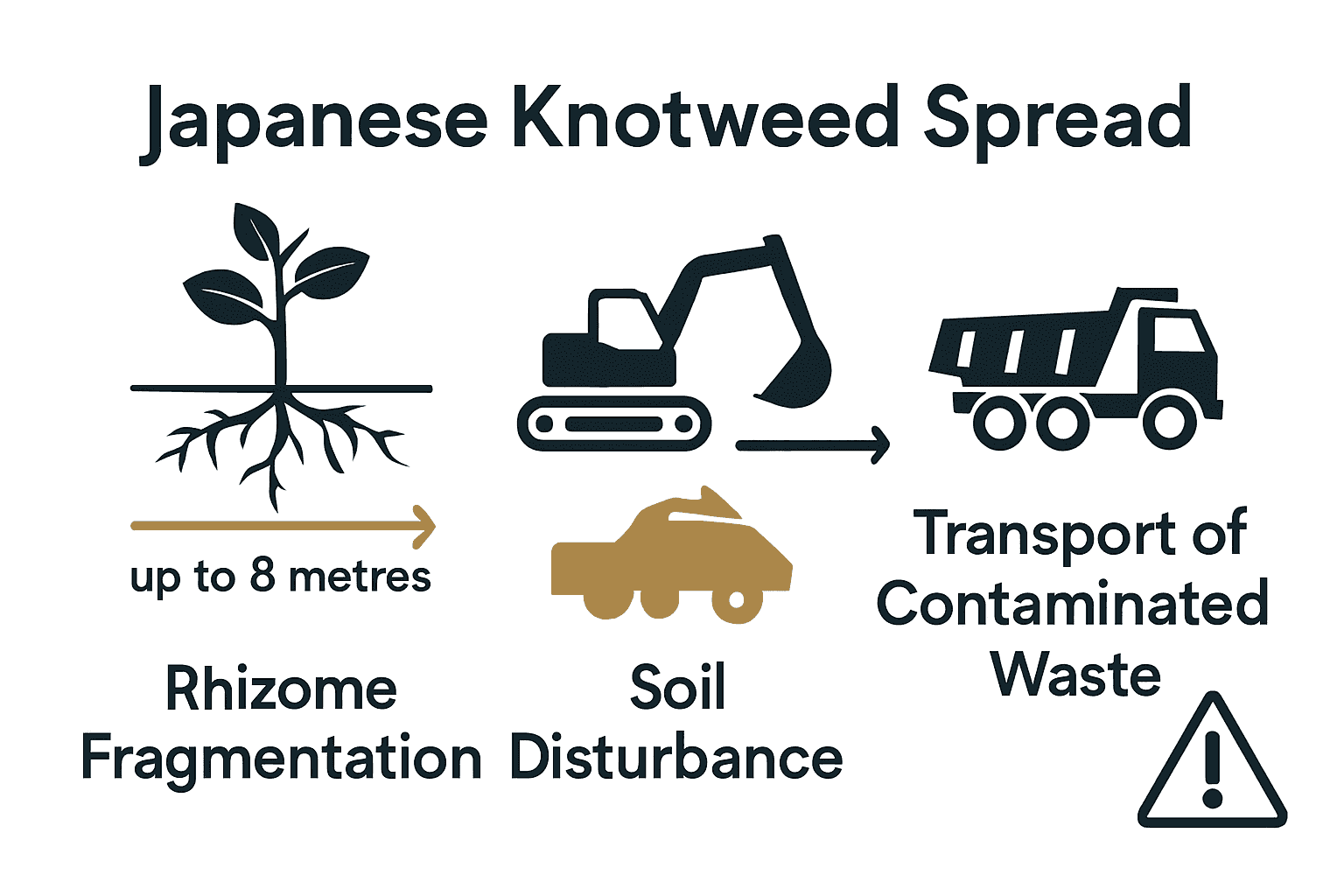
- Soil disturbance during construction or landscaping
- Transportation of contaminated soil or plant fragments
- Ineffective removal techniques that fragment the rhizome
- Moisture-rich environments with minimal competition
- Lack of natural predators in non-native ecosystems
As detailed by Inside Ecology, the plant’s extensive rhizome system can extend up to 8 meters from the parent plant, creating an underground network that makes complete eradication extremely challenging. Human activities often inadvertently accelerate this spread, with construction, land development, and improper waste management serving as unintentional transportation mechanisms.
Understanding what Japanese Knotweed really does is crucial for property owners and land managers. The plant’s ability to exploit even minimal environmental disturbances means that without professional intervention, a small infestation can rapidly transform into a large-scale ecological challenge that threatens property integrity and native biodiversity.
Legal Implications And Homeowner Responsibilities
The legal landscape surrounding Japanese knotweed is complex and fraught with potential financial and regulatory risks for property owners. Understanding the legislative framework is not just advisable—it’s absolutely essential to protecting yourself from potential legal and economic consequences.
According to RCTCBC, Japanese knotweed is explicitly listed under Schedule 9 of the Wildlife and Countryside Act 1981, making it a serious offence to intentionally plant or cause the plant to grow in the wild. Furthermore, under the Environmental Protection Act 1990, it is classified as controlled waste, which requires specialized and proper disposal procedures.
Key Legal Responsibilities for Homeowners:
- Prevent knotweed from spreading to neighboring properties
- Disclose knotweed presence during property sales
- Use certified professionals for removal
- Ensure proper waste disposal protocols
- Maintain comprehensive documentation of treatment
As highlighted by Inside Ecology, the economic implications are substantial, with removal costs potentially exceeding £1,000 per square meter. This means that neglecting your legal responsibilities can result in significant financial penalties, potential litigation, and dramatic reductions in property value.
For those navigating the complexities of Japanese Knotweed and its detrimental effect on the property industry, professional guidance is critical. Failure to address knotweed proactively can lead to legal disputes, insurance complications, and potentially devastating financial consequences that extend far beyond simple removal costs.
Take Control of Rapid Knotweed Spread with Proven Solutions
The article highlights the relentless growth and underground resilience of Japanese knotweed through its vast rhizome network. If the rapid spread and tough eradication methods have left you feeling overwhelmed, you are not alone. The threat to your property and peace of mind is real. Ignoring this invasive plant can lead to costly damage and legal challenges.
At Japanese Knotweed Agency, we understand what it takes to fight back. Our chemical-free treatments deliver powerful energy directly into the roots, targeting the stubborn rhizome network that fuels knotweed’s unstoppable growth. Along with expert root barrier installation and excavation works, we provide thorough property surveys across England, Wales, and Ireland to ensure no infestation goes unnoticed.

Don’t let knotweed’s fast spread control your life or property value. Visit Japanese Knotweed Agency today to discover how innovative, safe, and effective solutions can stop knotweed in its tracks. Explore more about the consequences of letting Japanese Knotweed spread and understand what Japanese Knotweed really does so you can act now before the problem grows out of control.
Frequently Asked Questions
What characteristics make Japanese knotweed so invasive?
Japanese knotweed has bamboo-like stems and an extensive rhizome network. It can grow up to 4 meters tall and spread rapidly through underground roots, outcompeting native plant species and disrupting ecosystems.
How does the rhizome network contribute to the rapid spread of knotweed?
The rhizome network can extend up to 8 meters horizontally and regrows from fragments as small as 0.7 grams. This resilience allows the plant to regenerate quickly and colonize new areas, making eradication challenging.
What factors accelerate the infestation of Japanese knotweed?
Factors include soil disturbance from construction, transportation of contaminated soil, ineffective removal techniques, and moisture-rich environments that reduce competition with native species.
What are the legal responsibilities of homeowners with Japanese knotweed?
Homeowners must prevent knotweed from spreading to neighboring properties, disclose its presence during sales, use certified professionals for removal, and ensure proper waste disposal to avoid significant legal and financial penalties.