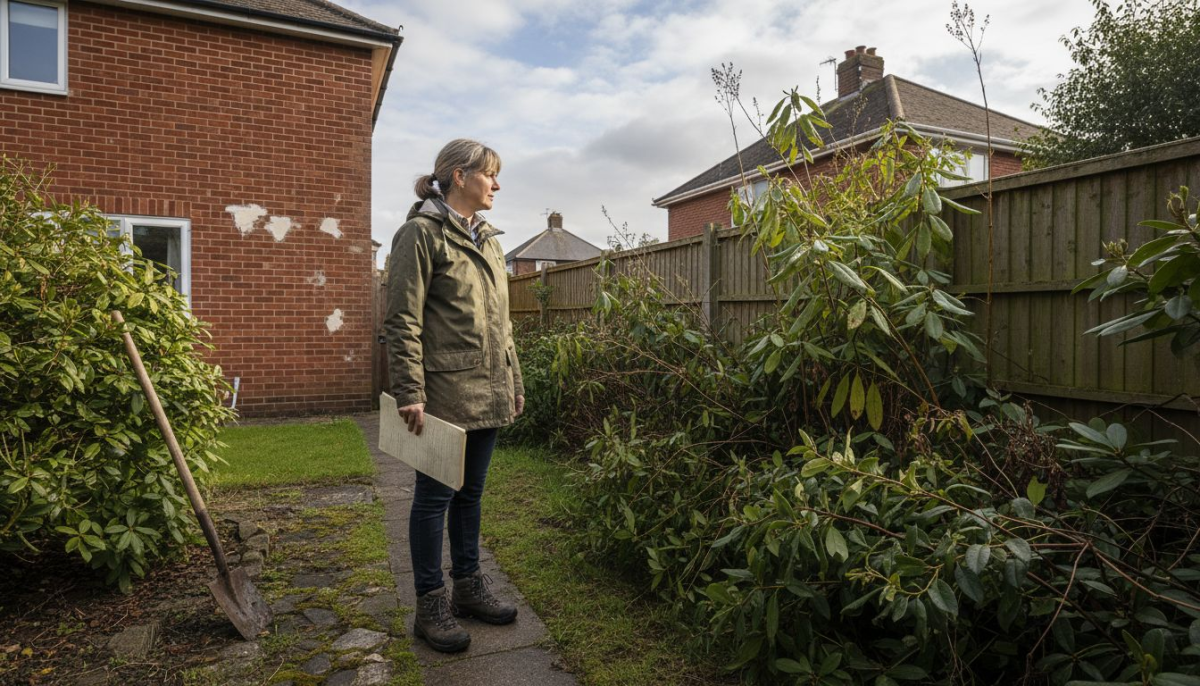
Most British mortgage lenders now refuse loans on properties with unresolved Japanese Knotweed issues. For homeowners in England, Wales, and Ireland, securing a professional knotweed survey is more than a precaution—it is a necessity. Unchecked infestations can drop a property’s value by as much as 15 percent and trigger legal challenges. Discover how meticulous assessment and cutting-edge, chemical-free removal solutions can safeguard your investment and peace of mind when buying or refinancing.
Table of Contents
- Understand Why Knotweed Assessment Is Essential
- Check the Property’s Invasive Weed History
- Identify Visual Signs of Japanese Knotweed
- Arrange a Professional Knotweed Property Survey
- Review Non-Chemical Removal Solutions
- Assess Potential Impact on Property Value
- Plan Ongoing Monitoring and Prevention Measures
Quick Summary
| Takeaway | Explanation |
|---|---|
| 1. Conduct a Knotweed Assessment | Professional assessments are crucial to uncover potential risks to your property’s foundations and value, essential before purchasing. |
| 2. Investigate Invasive Weed History | Understanding a property’s previous invasive weed issues helps prevent future legal and financial problems, so check local records and prior surveys. |
| 3. Identify Japanese Knotweed Signs | Being able to spot knotweed early can save you money; learn its seasonal characteristics for effective identification. |
| 4. Use Professional Surveyors | Engage certified specialists for thorough inspections, as their expertise is vital for diagnosing knotweed presence accurately before property transactions. |
| 5. Plan Ongoing Monitoring | Establish a comprehensive prevention and monitoring strategy to protect against knotweed reinfestation and comply with legal responsibilities. |
1. Understand Why Knotweed Assessment Is Essential
When purchasing a property in the United Kingdom, understanding the potential risks posed by Japanese Knotweed is absolutely critical. This aggressive invasive plant can cause significant structural damage that might compromise your entire property investment. Japanese knotweed risk assessments are essential because they reveal hidden threats that could potentially devastate your home’s foundations, infrastructure, and overall value.
Japanese Knotweed is not just another garden weed. Its extraordinary ability to grow through concrete, tarmac, and building foundations makes it a serious concern for property buyers. The plant’s rhizome network can spread rapidly underground, causing extensive damage that might not be immediately visible during initial property inspections. Research indicates that unchecked knotweed infestations can lead to structural compromises that may cost thousands of pounds in remediation.
Mortgage lenders in the UK take knotweed risks extremely seriously. Most financial institutions will require a professional knotweed assessment before approving a property loan. Without a comprehensive survey demonstrating the absence or controlled presence of knotweed, you could find yourself unable to secure financing or facing significant devaluation of your potential property.
Legal implications further underscore the importance of knotweed assessment. UK environmental regulations place substantial responsibilities on property owners to manage and control invasive species. Failing to address a knotweed infestation could result in potential legal action, substantial fines, and mandatory remediation expenses.
Expert Tip: Always commission a professional knotweed survey from a certified specialist before finalising any property purchase to protect your investment and avoid potentially catastrophic financial consequences.
2. Check the Property’s Invasive Weed History
Purchasing a property in the UK requires more than just a casual glance at its aesthetic appeal. Investigating the property’s historical record of invasive weeds is a critical step that can save you substantial financial and legal headaches. Professional invasive weed surveys provide comprehensive insights into potential hidden risks that might not be immediately visible during standard property inspections.
Invasive weed history extends beyond simple garden maintenance. It involves understanding the specific ecological landscape of a property and its surrounding areas. Local records, previous survey documents, and neighbourhood histories can reveal long standing patterns of invasive plant growth that might pose significant risks to your property investment.
Most property buyers overlook the importance of checking historical weed infestations. Yet these records can indicate potential future problems with persistent plant species like Japanese Knotweed. Estate agents and property sellers are not always obligated to volunteer this information, so proactive investigation becomes your responsibility.
Successful property assessment requires gathering evidence from multiple sources. This might include consulting local environmental agencies, reviewing previous property survey reports, speaking with long term neighbourhood residents, and potentially commissioning specialised historical ecological assessments.
Expert Tip: Request detailed documentation of previous invasive plant treatments or surveys from the current property owner to build a comprehensive understanding of the land’s ecological history.
3. Identify Visual Signs of Japanese Knotweed
Spotting Japanese Knotweed early can save you thousands in property damage and potential legal complications. Learning to recognise this invasive plant’s distinctive characteristics is crucial for any property buyer or homeowner in the United Kingdom. Japanese knotweed identification requires understanding its unique seasonal transformations and distinctive physical features.
In springtime, Japanese Knotweed emerges with striking red or purple shoots that closely resemble asparagus spears pushing through the ground. These initial shoots rapidly develop into distinctive bamboo-like stems characterised by hollow interiors and remarkable purple speckles. As summer progresses, the plant transforms with heart or shovel-shaped leaves arranged in a distinctive zig-zag pattern along the stems.
Late summer brings creamy white clustered flowers that further distinguish this invasive species. However, visual identification requires more than a single season’s observation. The plant’s underground rhizome network remains active and potentially destructive even when above-ground growth appears dormant during winter months.
Property buyers should understand that Japanese Knotweed can grow extraordinarily quickly. A small patch can expand several metres within a single growing season, potentially compromising building foundations, drainage systems, and other underground infrastructure. Professional surveyors recommend thorough visual inspections across multiple seasons to ensure comprehensive detection.
Expert Tip: Always photograph suspected knotweed growth from multiple angles and consult a professional invasive plant specialist for definitive identification before making any property decisions.
4. Arrange a Professional Knotweed Property Survey
A professional knotweed property survey is not merely an optional extra but a critical step in protecting your property investment. Mortgage lenders, insurance companies, and legal professionals increasingly require comprehensive invasive plant assessments to mitigate potential risks associated with Japanese Knotweed.
Professional surveyors trained in invasive species identification bring specialised expertise that goes far beyond standard property inspections. These experts conduct thorough investigations that map precise plant locations, evaluate rhizome spread, and analyse potential structural impacts. Their comprehensive reports provide critical documentation that can significantly influence property transactions and future remediation strategies.
The survey process involves multiple strategic components. Trained specialists will conduct visual inspections across different seasons, analyse soil samples, document precise plant measurements, and generate detailed reports outlining potential risks and recommended management approaches. These assessments help buyers understand the full extent of any knotweed presence and develop targeted treatment plans.
Mortgage providers and legal professionals increasingly rely on these professional surveys to make informed decisions. A comprehensive knotweed survey can determine whether a property requires immediate treatment, can be remediated, or potentially needs more extensive intervention. This documentation becomes crucial evidence during property negotiations and can protect you from unexpected financial liabilities.
Expert Tip: Always request a written survey report from a certified invasive plant specialist that includes photographic evidence, detailed location mapping, and specific recommendations for management or treatment.
5. Review Non-Chemical Removal Solutions
Traditional chemical herbicide treatments for Japanese Knotweed are becoming increasingly outdated as innovative environmental technologies emerge. Property buyers and homeowners now have access to advanced non-chemical eradication methods that provide safer, more sustainable approaches to managing this invasive plant species.
Thermo-electric eradication represents a groundbreaking approach to knotweed removal. This technique utilises targeted electrical currents to destroy plant cells at a molecular level without introducing harmful chemicals into the surrounding ecosystem. The method allows precise treatment that eliminates the plant’s extensive underground rhizome network while preserving soil quality and protecting surrounding vegetation.
Unlike traditional chemical treatments that require multiple applications over several years, non-chemical solutions offer more immediate and environmentally responsible alternatives. These methods can significantly reduce the long-term environmental impact associated with invasive plant management. Property buyers should request detailed information about alternative removal techniques during their initial surveys and consultations.
Modern non-chemical approaches consider broader ecological impacts. They focus on complete plant eradication while maintaining the surrounding environment’s natural balance. This approach is particularly important for properties with sensitive ecosystems or those located near water sources, wildlife habitats, or agricultural lands.
Expert Tip: Request comprehensive documentation about the proposed non-chemical removal method, including its effectiveness rate, environmental impact assessment, and long-term management strategy.
6. Assess Potential Impact on Property Value
Japanese Knotweed represents more than an environmental nuisance it can be a significant financial liability for property owners. Property value reductions from knotweed infestations can reach up to 15% potentially wiping out substantial equity in your home investment.
Mortgage lenders and property valuers take Japanese Knotweed extremely seriously. The presence of this invasive plant can trigger immediate concerns about structural integrity and potential long-term damage. Professional surveyors will meticulously document any knotweed presence which can dramatically influence property market valuation and buyer interest.
Beyond the immediate financial impact, knotweed infestations create complex legal and financial challenges. Potential buyers may request significant price reductions or withdraw their purchase offers entirely upon discovering knotweed on the property. Insurance providers and mortgage companies often require comprehensive treatment plans before approving financing which can further complicate property transactions.
The stigma surrounding Japanese Knotweed extends beyond immediate structural concerns. Potential buyers perceive such infestations as high-risk investments requiring expensive and time consuming remediation. This perception can create substantial barriers in competitive property markets where buyers have multiple options.
Expert Tip: Obtain a professional knotweed assessment and comprehensive remediation plan before listing your property to mitigate potential value reductions and demonstrate proactive management.
7. Plan Ongoing Monitoring and Prevention Measures
Ongoing Japanese Knotweed management requires a proactive and strategic approach that extends far beyond initial treatment. Comprehensive prevention strategies are essential to protect your property from potential reinfestation and legal complications.
Legal responsibilities surrounding Japanese Knotweed management are stringent in the United Kingdom. Property owners have a duty to prevent the spread of this invasive plant to neighbouring lands, which means implementing robust monitoring and control mechanisms. Professional ecological specialists recommend regular visual inspections, professional surveys, and maintaining detailed documentation of all treatment and management efforts.
Effective prevention involves multiple complementary strategies. Physical barriers such as root barriers can limit rhizome spread, while professional treatment programmes target both visible plant growth and underground root networks. Careful soil management becomes critical particularly during landscaping or construction projects where inadvertent plant fragment dispersal could trigger new infestations.
Technology and professional expertise now offer advanced monitoring techniques. Thermal imaging, soil sampling, and specialised tracking methods can detect knotweed presence before visible signs emerge. Property owners should consider establishing an annual monitoring programme with certified invasive plant specialists to ensure comprehensive protection.
Expert Tip: Maintain a comprehensive treatment log documenting all knotweed management activities and retain professional survey reports to demonstrate responsible property stewardship.
Below is a detailed table summarising the critical information regarding Japanese Knotweed management as discussed in the article.
| Aspect | Description | Key Considerations |
|---|---|---|
| Knotweed Risk Assessment | Evaluating risks imposed by Japanese Knotweed ensures structural security of the property and compliance with mortgage lender requirements. | Mandatory for mortgage approval; protects investment against long-term damage. |
| Investigating Invasive Weed History | Researching past occurrences of invasive plant species on the property provides insights into ecological challenges. | Obtain historical data, liaise with local authorities, and secure detailed reports from previous surveys. |
| Identifying Knotweed | Recognising Japanese Knotweed through its seasonal growth characteristics allows early detection. | Inspect its distinct features across seasons, including leaf patterns and stem attributes. |
| Professional Knotweed Survey | Conducting surveys by certified specialists is crucial for precise identification and risk evaluation. | Includes mapping rhizome locations, soil tests, and comprehensive reports. |
| Non-Chemical Removal Solutions | Exploring eco-friendly eradication techniques mitigates environmental harm. | Consider advanced methods like thermo-electric eradication for effective underground removal. |
| Impact on Property Value | Understanding the financial implications of knotweed is vital for accurate market valuation. | Potential value reductions up to 15% necessitate remediation documentation for transactions. |
| Prevention and Monitoring | Implementing robust controls prevents reinfestation and ensures legal compliance. | Use technologies like thermal imaging and maintain a detailed log of management activities. |
Protect Your Property Investment with Expert Knotweed Solutions
Navigating the complexities of Japanese Knotweed risk assessment before purchasing a property can be daunting. With threats like structural damage and legal liabilities looming, you need effective, chemical free solutions that guarantee peace of mind. The article highlights critical steps such as professional surveys and non-chemical removal methods that directly address the challenge of invasive species management.
At Japanese Knotweed Agency, we specialise in chemical free eradication using direct energy treatments that disrupt the extensive rhizome network, safeguarding your property from costly damage. Our comprehensive services include expert invasive weed property surveys across England, Wales and Ireland as well as root barrier installations and excavation works that prevent regrowth. Align your property purchase with lasting protection and proven expertise.
Act now to secure your investment before knotweed issues escalate. Visit Japanese Knotweed Agency to schedule a professional survey or learn more about our advanced treatment options. Taking prompt, informed action ensures you avoid valuation loss and legal complications associated with Japanese Knotweed infestations.
Frequently Asked Questions
What is the importance of a Knotweed risk assessment before purchasing property?
A Knotweed risk assessment is essential as it uncovers potential threats that Japanese Knotweed poses to your property’s structure and value. Conduct a professional assessment to avoid significant financial losses due to structural damage from this invasive plant.
How can I check the property’s history for invasive weed issues?
Investigate the property’s historical records for evidence of previous invasive weed infestations. Request documentation of any past treatments to understand the land’s ecological history and avoid surprise issues down the line.
What are the visual signs of Japanese Knotweed that I should look for?
Look for red or purple shoots in spring that resemble asparagus, along with bamboo-like stems and heart-shaped leaves arranged in a zig-zag pattern. Conduct thorough inspections in different seasons to accurately identify potential Knotweed presence.
How do I arrange a professional Knotweed property survey?
Contact a certified specialist who can conduct an in-depth survey to assess the property for Knotweed and provide a detailed report. Schedule this survey before finalising any property purchase for informed decision-making.
What non-chemical removal options are available for Japanese Knotweed?
Explore environmentally-friendly non-chemical methods, such as thermo-electric eradication, which destroys Knotweed at a cellular level without chemical use. Inquire about these methods during your initial assessments to make sustainable choices for Knotweed management.
How can Knotweed affect the value of my property?
The presence of Knotweed can reduce your property value by up to 15% due to concerns over potential structural damage and remediation costs. Obtain a comprehensive Knotweed assessment and management plan to mitigate value reductions and attract prospective buyers.