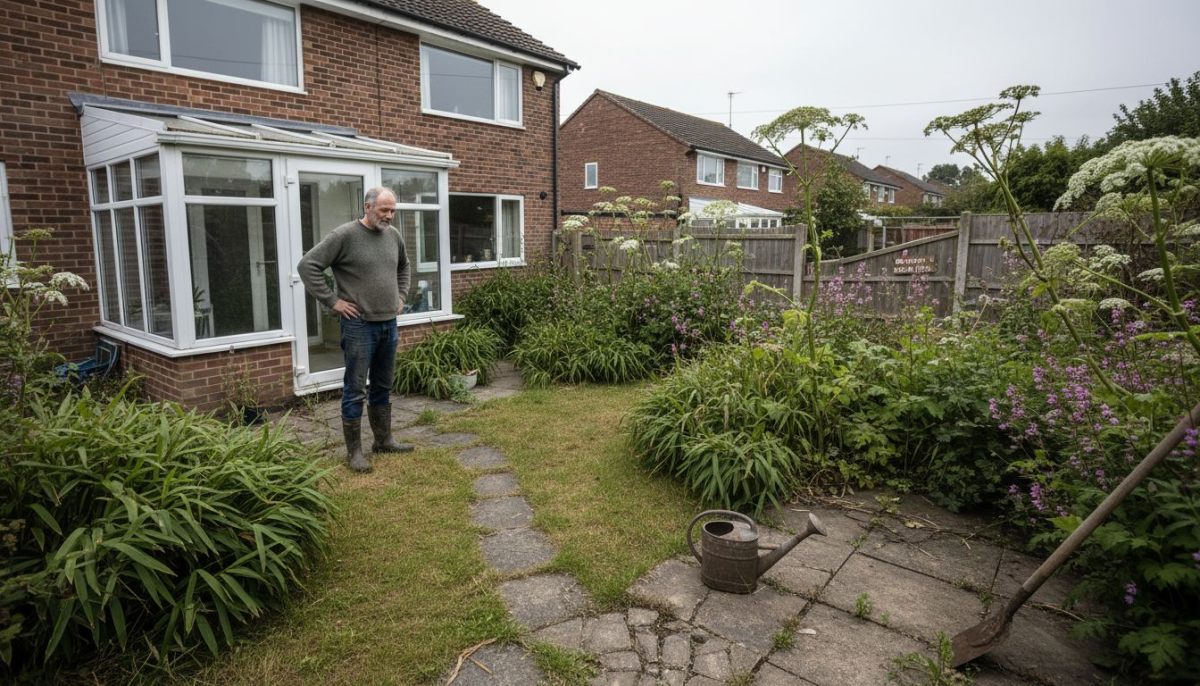
Watching Japanese Knotweed creep across your property can feel like a constant worry for homeowners in England and Wales, especially with uncertainty about property value and potential obstacles to remortgaging or selling. These aggressive plants are more than just eyesores, carrying the power to disrupt native habitats and damage buildings. Explore the benefits of chemical-free eradication solutions and learn how formal management plans can help protect your home’s value from invasive threats.
Table of Contents
- Defining Invasive Weeds And Their Impact
- Key Invasive Weed Species In The UK
- How Monitoring Prevents Spread And Damage
- Legal Responsibilities For UK Property Owners
- Chemical-Free Control Methods And Their Benefits
Key Takeaways
| Point | Details |
|---|---|
| Invasive Species Threat | Invasive non-native plants significantly disrupt native ecosystems and cost the UK economy over £1.8 billion annually. |
| Key Species Awareness | Major invasive weeds like Japanese Knotweed and Giant Hogweed pose severe risks to property and ecological health. |
| Legal Responsibilities | Property owners must adhere to laws governing invasive species management, or risk financial penalties and reduced property values. |
| Chemical-Free Strategies | Implementing chemical-free control methods helps preserve the environment while effectively managing invasive species. |
Defining Invasive Weeds and Their Impact
Invasive non-native plant species represent a significant ecological and economic challenge across the United Kingdom. Invasive non-native species pose serious threats to native ecosystems by aggressively spreading and displacing indigenous plant populations. These plants are not native to the region and have been introduced through human activity, often without natural predators or control mechanisms that would normally limit their growth.
The ecological impact of invasive weeds extends far beyond simple visual disruption. They systematically alter habitat structures, interrupt native plant reproduction cycles, and can fundamentally transform entire environmental landscapes. Invasive non-native species cause substantial environmental damage by outcompeting native flora, introducing potential plant diseases, and creating monocultures that reduce biodiversity. Research indicates these species cost the UK economy over £1.8 billion annually, demonstrating their profound economic significance.
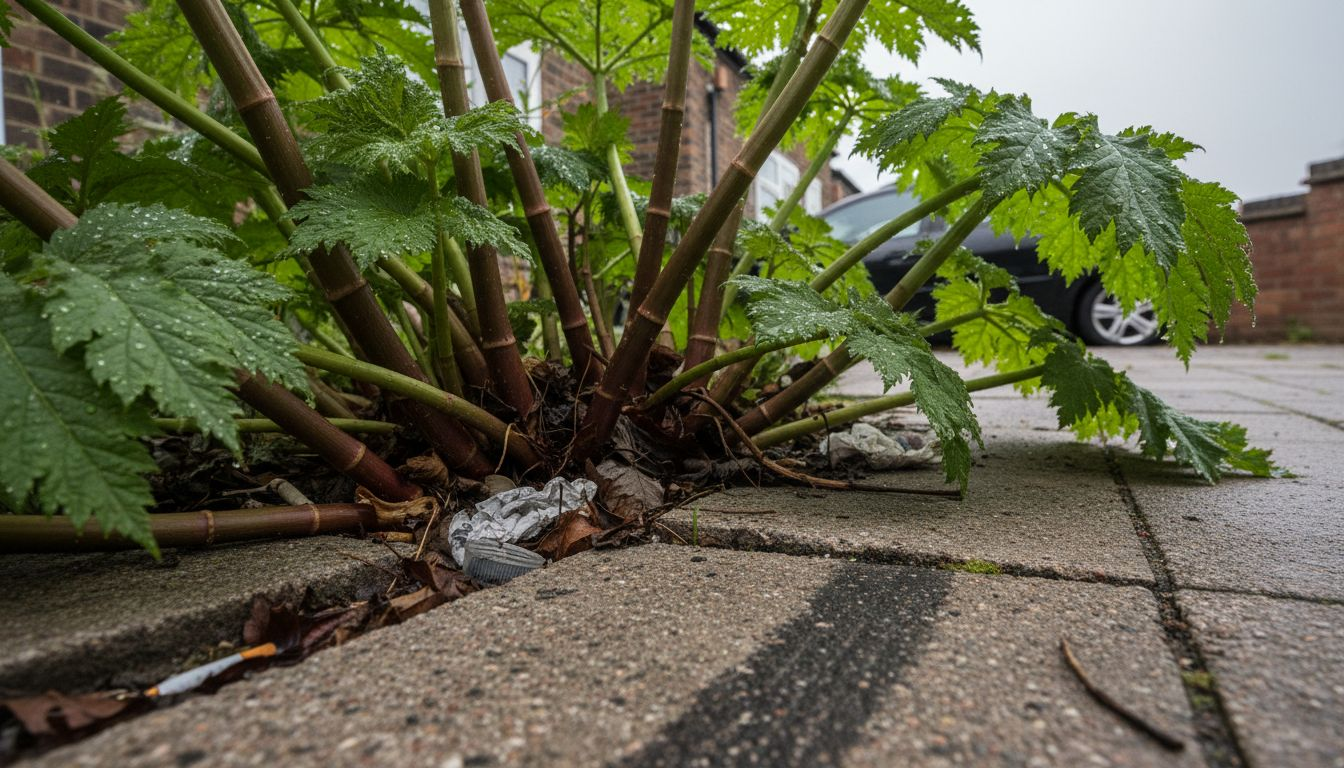
The Wildlife and Countryside Act 1981 provides legal frameworks to manage and restrict certain invasive species, recognising their potential to cause widespread ecological disruption. Property owners must remain vigilant, as these invasive plants can cause structural damage, reduce land value, and create complex environmental challenges. Japanese Knotweed represents a prime example of an invasive species with remarkable ability to penetrate building foundations, concrete surfaces, and underground infrastructure.
Pro tip: Property owners should conduct annual invasive plant surveys to identify potential risks early and prevent extensive ecological and structural damage.
Key Invasive Weed Species in the UK
The United Kingdom faces significant challenges from several highly destructive invasive weed species that pose substantial risks to native ecosystems and property values. Key invasive plant species threaten UK biodiversity with their aggressive spreading capabilities and ability to disrupt local environmental balance.
Among the most problematic invasive weeds are Japanese Knotweed, Giant Hogweed, Himalayan Balsam, and Rhododendron Ponticum. Invasive non-native plants cause extensive ecological damage by rapidly colonising new territories, outcompeting native plant species, and fundamentally altering habitat structures. Japanese Knotweed stands out as particularly notorious, with its extraordinary ability to penetrate concrete foundations, underground pipes, and building structures, potentially causing thousands of pounds in property damage.
Each of these invasive species presents unique challenges. Giant Hogweed produces toxic sap that can cause severe skin burns, while Himalayan Balsam spreads rapidly along riverbanks, destabilising soil and increasing erosion risks. Rhododendron Ponticum creates dense thickets that prevent native plant regeneration, effectively transforming woodland ecosystems. Property owners and land managers must remain vigilant, as these plants can dramatically reduce land value and create significant environmental management challenges.
Pro tip: Conduct professional surveys annually to identify and map potential invasive plant infestations before they become extensive and costly to remove.
The following table compares major invasive weed species in the UK and summarises their risks:
| Species | Main Ecological Threat | Property Risk | Unique Challenge |
|---|---|---|---|
| Japanese Knotweed | Displaces native plants | Structural damage to buildings | Penetrates concrete and pipes |
| Giant Hogweed | Harms native habitats | Sap burns skin, affects safety | Toxic sap causes severe burns |
| Himalayan Balsam | Causes riverbank erosion | Destabilises soil | Rapid spread along waterways |
| Rhododendron Ponticum | Blocks native regeneration | Reduces land value | Creates dense, choking thickets |
How Monitoring Prevents Spread and Damage
Regular monitoring of invasive plant species is crucial for preventing widespread ecological and property damage across the United Kingdom. Effective monitoring strategies prevent invasive species spread by enabling early detection and targeted intervention before these aggressive plants can establish complex root systems and colonise larger areas.
The monitoring process involves systematic site inspections, comprehensive mapping of potential infestations, and understanding the specific characteristics of different invasive species. Property owners and land managers must conduct thorough visual assessments, tracking plant growth patterns, identifying potential spread routes, and documenting any new growth. This proactive approach allows for swift implementation of targeted removal techniques, including mechanical extraction, controlled chemical treatments, and strategic replanting of native vegetation to prevent soil erosion and habitat disruption.
Legal frameworks in the United Kingdom place significant responsibilities on landowners to manage and control invasive plant species. Failure to monitor and address invasive plants can result in substantial financial penalties, decreased property values, and potential legal liabilities. Japanese Knotweed, for instance, can cause structural damage estimated at tens of thousands of pounds if left unchecked, making regular professional surveys an essential investment in property protection and environmental stewardship.
Pro tip: Engage professional invasive species surveyors who can provide detailed documentation and treatment recommendations, creating a comprehensive management strategy for your specific property.
Legal Responsibilities for UK Property Owners
Property owners in the United Kingdom face significant legal obligations when managing invasive plant species, with multiple legislative frameworks governing their responsibilities. Legal duties require proactive invasive species management to prevent ecological damage and potential financial penalties, making comprehensive understanding of these regulations crucial for responsible land management.
Key legislation including the Wildlife and Countryside Act 1981, Environmental Protection Act 1990, and Anti-social Behaviour, Crime and Policing Act 2014 establish clear expectations for property owners. These laws mandate that landowners must prevent the spread of invasive non-native plants, implement effective control measures, and ensure proper disposal of plant materials. Failure to comply can result in prosecution, substantial fines, and potential civil liability for damages caused to neighbouring properties or the wider environment.
The legal implications extend beyond simple environmental management, directly impacting property transactions and insurance. Mortgage lenders and surveyors increasingly require comprehensive documentation regarding invasive species, with Japanese Knotweed being a particularly scrutinised plant. Property owners may face challenges in selling or refinancing their properties if invasive plant infestations are not professionally managed, potentially resulting in significant financial losses and reduced property values. The burden of proof lies with the property owner to demonstrate active management and mitigation of invasive plant risks.
Pro tip: Maintain detailed documentation of any invasive plant surveys, treatment plans, and professional interventions to protect your legal interests and property value.
Chemical-Free Control Methods and Their Benefits
Chemical-free weed control represents an innovative approach to managing invasive plant species while protecting environmental and human health. Alternative weed management strategies reduce ecological risks by minimising chemical interventions and promoting sustainable land management techniques that preserve biodiversity and ecosystem integrity.
The range of chemical-free control methods includes mechanical extraction, thermal treatment, physical barriers, and targeted biological interventions. Mechanical removal involves carefully extracting invasive plants, including their entire root systems, to prevent regeneration. Thermal treatments like targeted high-voltage electrical applications can disrupt plant cellular structures without introducing harmful chemicals, effectively damaging rhizome networks and preventing regrowth. Physical barriers such as root barriers create underground containment zones that restrict invasive plant spread, offering long-term prevention strategies that do not rely on toxic substances.
These environmentally conscious approaches offer multiple advantages beyond ecological preservation. Chemical-free methods reduce potential health risks associated with herbicide exposure, protect groundwater systems from contamination, and support natural biodiversity by maintaining habitat integrity. By understanding specific plant biology and implementing strategic, targeted interventions, property owners can effectively manage invasive species while maintaining a responsible, sustainable approach to land management that protects both environmental and property interests.
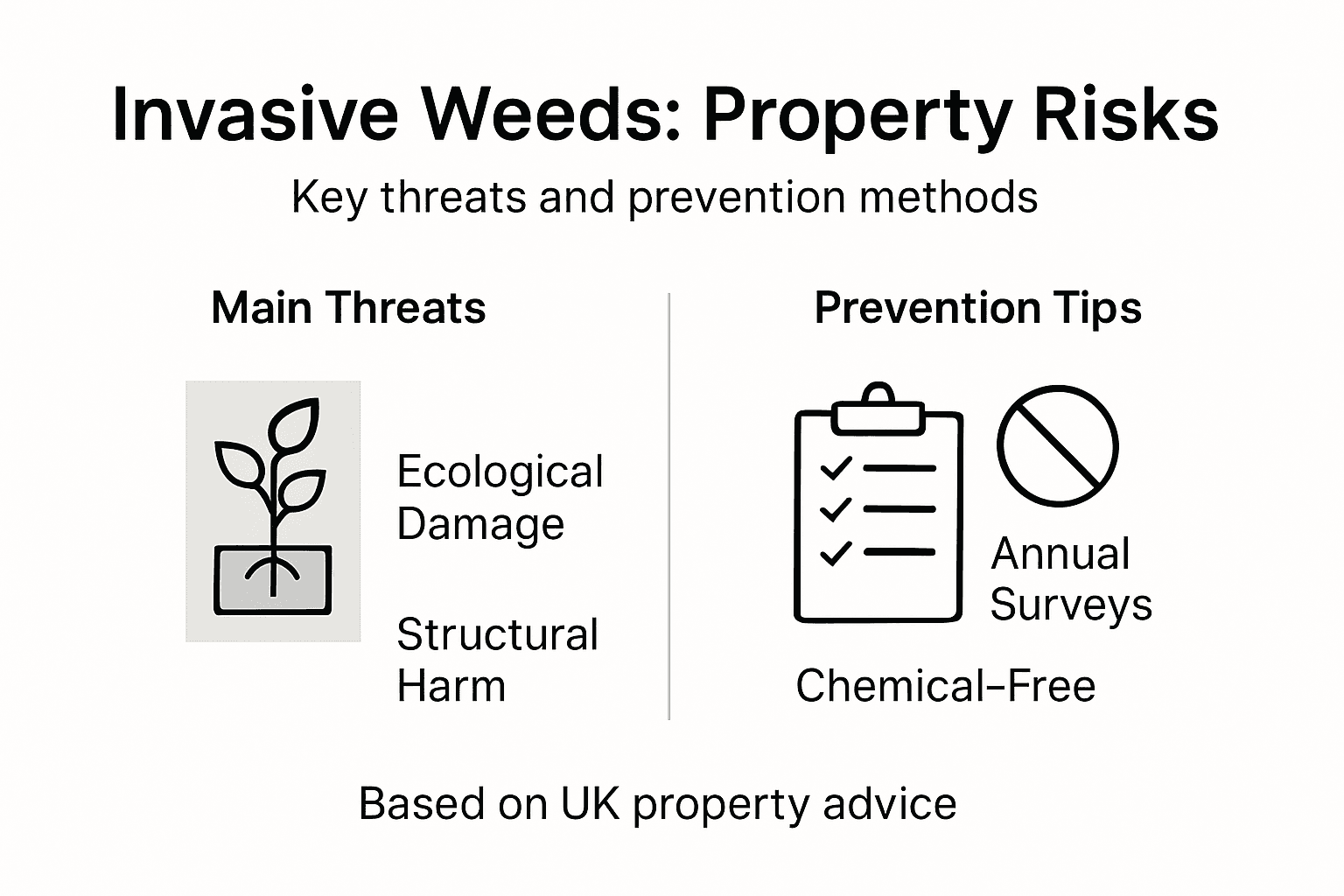
Here is a summary of chemical-free control methods and their benefits:
| Method | How It Works | Environmental Benefit |
|---|---|---|
| Mechanical Removal | Extracts plant with root system | Prevents chemical contamination |
| Thermal Treatment | Destroys plant tissue thermally | Minimises impact on biodiversity |
| Physical Barriers | Restricts root spread underground | Protects groundwater quality |
| Biological Control | Uses natural predators | Supports ecosystem balance |
Pro tip: Consult professional ecological specialists who can design comprehensive, chemical-free management plans tailored to your specific invasive plant challenges.
Protect Your Property Value with Expert Invasive Weed Monitoring and Chemical-Free Treatment
Dealing with invasive weeds like Japanese Knotweed poses serious challenges to both your property and the environment. The article highlights how these plants can cause structural damage, reduce land value, and demand vigilant monitoring to prevent costly problems. Early detection and effective management are essential to protect your investment and comply with UK legal obligations.
At Japanese Knotweed Agency, we specialise in chemical-free treatment solutions that disable invasive plants by delivering direct energy up to 5000 volts to their root systems. Our expert property surveys across England, Wales, and Ireland help identify infestations early so you can act swiftly. Alongside precision treatments, we offer root barrier installations and excavation works to secure your land from future invasion.

Take control of your property’s future today. Benefit from professional invasive weed surveys and pioneer treatment methods that stop invasive species without harmful chemicals. Visit Japanese Knotweed Agency now to schedule your survey and safeguard your property value with tailored expert solutions.
Frequently Asked Questions
What are invasive weeds and why are they a concern for property owners?
Invasive weeds are non-native plant species that aggressively spread, displacing native flora and causing ecological disruption. They can lead to substantial property damage and decreased land value.
How can monitoring invasive weeds protect my property value?
Regular monitoring allows for early detection and intervention, preventing extensive damage caused by invasive species like Japanese Knotweed, which can severely impact building structures and property valuation.
What are effective methods for monitoring invasive weeds?
Effective monitoring includes systematic site inspections, mapping potential infestations, and documenting plant growth patterns to implement targeted removal strategies promptly.
What legal responsibilities do property owners have regarding invasive weeds?
Property owners must prevent the spread of invasive species and manage their control according to regulations, including maintaining documentation of management efforts to avoid potential fines and liability issues.