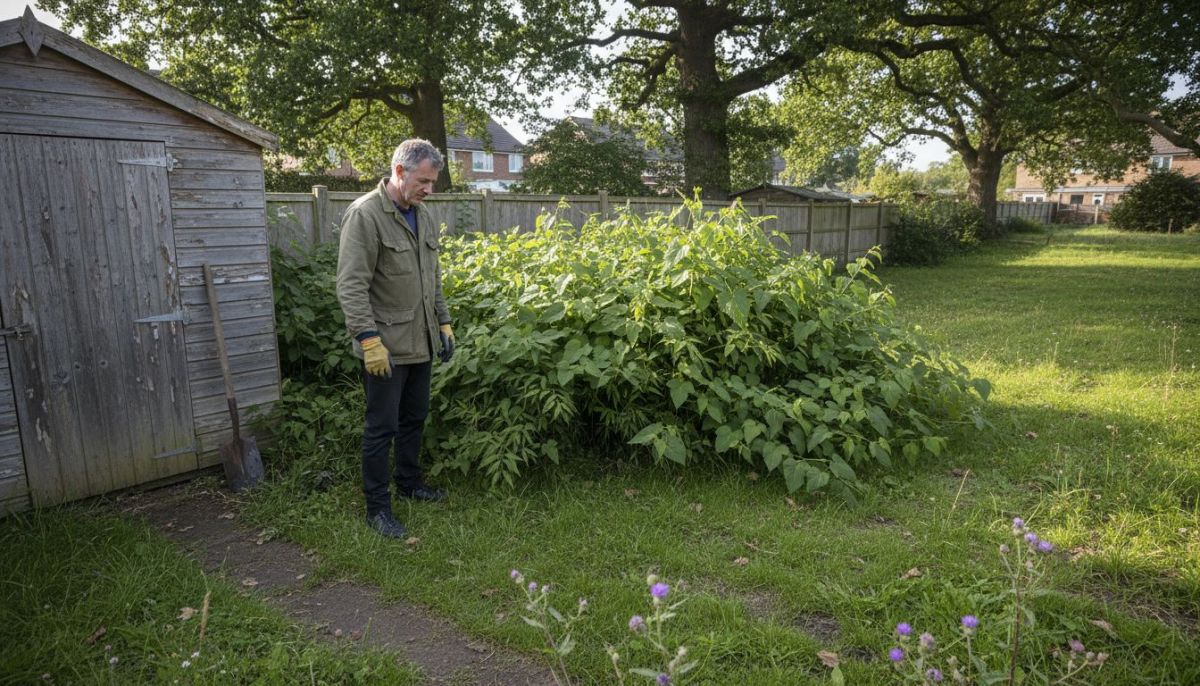
Rapidly spreading plants like Japanese Knotweed can turn a homeowner’s dream into an expensive and stressful challenge in England, Wales, and Ireland. The threat is not just environmental but financial, with invasive species costing the United Kingdom about £1.8 billion every year to manage according to University of Plymouth research. This introduction clarifies common misconceptions, explains what makes some species so problematic, and outlines trusted, chemical-free approaches and essential survey steps for those buying, selling, or safeguarding property.
Table of Contents
- Defining Invasive Species And Common Misconceptions
- Characteristics That Make Plants Invasive
- Types Of Invasive Species In The UK And Ireland
- Impact On Property Values And Homeowner Responsibilities
- Legal Requirements And Survey Obligations For Property Sales
- Chemical-Free Management And Treatment Solutions
Key Takeaways
| Point | Details |
|---|---|
| Understanding Invasive Species | Invasive species can significantly disrupt local ecosystems, outcompeting native species and lacking natural predators. |
| Financial Implications for Homeowners | Invasive species can decrease property values and incur high management costs, making early detection crucial. |
| Legal Obligations | Property sellers must disclose invasive species presence and are liable for their management during transactions. |
| Sustainable Management Practices | Non-chemical methods such as mechanical removal and biological control offer effective alternatives for managing invasive species. |
Defining Invasive Species And Common Misconceptions
Invasive species represent a significant ecological challenge that threatens native biodiversity and environmental stability. According to research from Natural History Museum, these are animals and plants deliberately or accidentally introduced into new geographical areas by human activities, which then cause substantial harm to local ecosystems.
Contrary to common misconceptions, invasive species are not simply non-native organisms. They possess distinctive characteristics that distinguish them from harmless immigrant species. Invasive species demonstrate extraordinary abilities to rapidly reproduce, spread aggressively, and outcompete native wildlife. They typically lack natural predators in their new environment, enabling unchecked population growth and potential ecosystem disruption.
The economic impact of invasive species is profound. University of Plymouth research highlights that the United Kingdom spends approximately £1.8 billion annually managing these ecological intruders. The primary pathways for their introduction include international shipping, accidental transportation through cargo, deliberate ornamental or agricultural imports, and climate change induced habitat shifts.
Key characteristics that define invasive species include:
The following table outlines contrasts between native, non-native, and invasive species, highlighting their ecological impact:
| Species Type | Ecological Impact | Control Measures Needed | Common Local Example |
|---|---|---|---|
| Native | Maintains ecosystem | Rarely necessary | Oak tree |
| Non-native (benign) | Minimal disturbance | Occasionally monitored | Horse chestnut |
| Invasive | Severe disruption | Intensive management | Japanese knotweed |
- Rapid reproductive capacity
- Ability to survive in diverse environmental conditions
- Minimal natural control mechanisms in new habitats
- Significant competitive advantage over native species
- Potential to cause substantial ecological and economic damage
Pro tip: Property owners and land managers should conduct regular ecological surveys and immediately report any suspected invasive species to local environmental authorities to prevent potential ecosystem disruption.
Characteristics That Make Plants Invasive
Certain distinctive biological and ecological traits transform non-native plants into highly destructive invasive species. Research from Plantlife reveals that these plants possess extraordinary capabilities that enable them to dominate new environments rapidly and comprehensively.
The primary characteristics that define invasive plant species include their exceptional reproductive strategies and competitive advantages. Reproductive mechanisms are particularly crucial, with many invasive plants capable of propagating through multiple channels such as seed production, vegetative spreading, and fragmentation. Some can generate thousands of seeds per plant, while others can regenerate entire new plants from small root fragments, making traditional removal techniques ineffective.
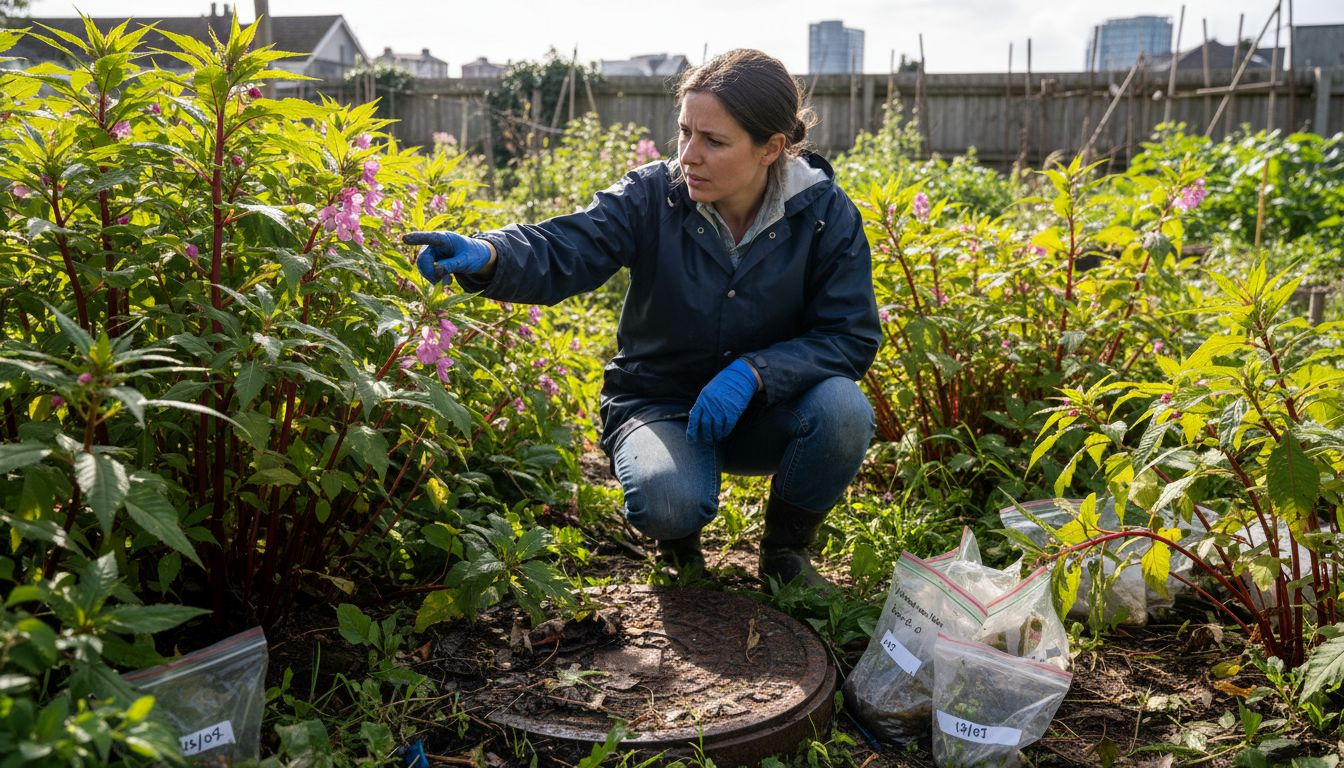
Royal Horticultural Society research highlights additional critical factors that contribute to invasiveness. These plants often demonstrate remarkable adaptability, including the ability to alter environmental conditions to suit their growth. Some invasive species release allelopathic chemicals that suppress other plant growth, effectively creating monocultures and reducing biodiversity in their new habitats.
Key invasive plant characteristics include:
- Rapid and prolific seed production
- Ability to reproduce through multiple mechanisms
- High genetic variability and adaptability
- Capacity to modify local soil and environmental conditions
- Absence of natural predators or control mechanisms
- Resilience to various environmental stressors
Pro tip: Homeowners should regularly inspect their property for unusual plant growth patterns and consult local ecological experts if they suspect the presence of potentially invasive species.
Types Of Invasive Species In The UK And Ireland
National Biodiversity Network research reveals a complex landscape of invasive species threatening the United Kingdom and Ireland. The current ecosystem faces challenges from an extensive array of non-native organisms that span multiple taxonomic groups, including plants, animals, and invertebrates.
Invasive species in the UK and Ireland can be broadly categorised into several key groups. Plant invasives represent a significant threat, with species like Japanese Knotweed, Himalayan Balsam, and Giant Hogweed causing extensive ecological damage. These plants rapidly colonise new territories, outcompeting native vegetation and dramatically altering local ecosystem structures. Animal invasives are equally problematic, with species such as grey squirrels, American mink, and signal crayfish disrupting native wildlife populations and habitat balances.
UK-SCAPE research indicates that over 3000 non-native species have been identified in Britain, with approximately 2000 successfully establishing themselves in various environments. Aquatic ecosystems are particularly vulnerable, hosting invasive species like the killer shrimp and quagga mussel that can devastate local marine and freshwater biodiversity.
Significant invasive species categories include:
- Terrestrial plants
- Aquatic organisms
- Mammalian invaders
- Invertebrate species
- Fungal organisms
- Microbial invasives
Pro tip: Property owners should regularly consult local ecological authorities and conduct systematic surveys to identify and manage potential invasive species on their land.
Impact On Property Values And Homeowner Responsibilities
Hampshire and Isle of Wight Wildlife Trust research reveals the substantial economic consequences of invasive species on property ownership. Homeowners face significant financial risks, with invasive species potentially causing dramatic reductions in property value and incurring substantial management and remediation expenses.
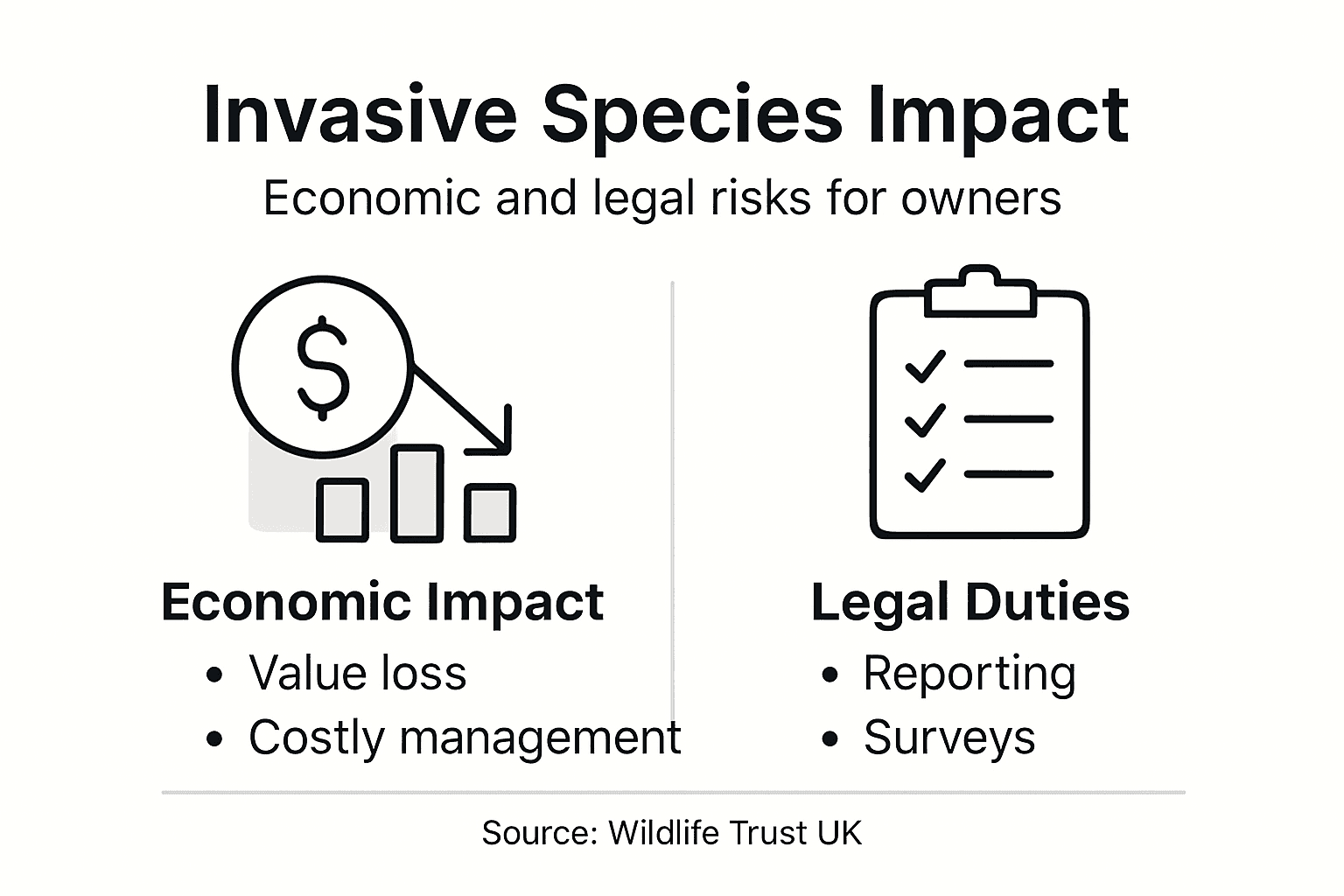
The legal responsibilities surrounding invasive species are complex and far-reaching. Property owners are legally obligated to prevent the spread of invasive species and can be held liable for damages caused by unchecked infestations. This includes managing known invasive species on their land and taking proactive steps to prevent their proliferation. Mortgage lenders and property valuers increasingly consider invasive species presence when assessing property worth, making early detection and management crucial for maintaining property value.
British Association for Shooting and Conservation research highlights the broader economic implications of invasive species. Beyond direct property damage, these organisms can cause significant harm to surrounding landscapes, including woodland degradation, agricultural disruption, and ecosystem destruction. Waterfront and rural property owners are particularly vulnerable, with invasive mammals like grey squirrels and deer potentially causing extensive damage to natural resources and property infrastructure.
Key property owner responsibilities include:
- Regular property and landscape surveys
- Immediate reporting of invasive species
- Implementing control and eradication strategies
- Maintaining comprehensive documentation
- Consulting ecological experts
- Understanding legal obligations
Pro tip: Conduct annual professional ecological surveys and maintain detailed records of any invasive species management to protect your property’s value and legal standing.
Legal Requirements And Survey Obligations For Property Sales
Protection of Wildlife research reveals comprehensive legal frameworks governing invasive species management during property transactions. The Invasive Alien Species (Enforcement and Permitting) Order 2019 establishes strict national regulations that impose significant responsibilities on property sellers and buyers regarding non-native species identification and control.
The legal landscape surrounding invasive species is complex and stringent. Property sellers are now legally obligated to disclose the presence of invasive species, with potential criminal penalties for non-compliance. Mortgage lenders increasingly require detailed invasive species surveys before approving property transactions, making comprehensive ecological assessments a critical component of the sales process. Failure to identify and manage invasive species can result in significant financial penalties, legal challenges, and potential property devaluation.
UK-SCAPE research highlights the importance of the GB Non-native Species Information Portal in supporting regulatory compliance during property sales. This centralised database provides crucial information for surveyors, enabling detailed risk assessments and management strategies for properties potentially affected by invasive species.
Key legal requirements for property sales include:
- Mandatory invasive species surveys
- Full disclosure of identified species
- Comprehensive documentation
- Potential treatment and management plans
- Compliance with national environmental regulations
- Risk mitigation strategies
Pro tip: Engage specialised ecological surveyors who understand current invasive species legislation to ensure comprehensive property assessment and legal compliance during sales transactions.
Chemical-Free Management And Treatment Solutions
Canal & River Trust research demonstrates innovative approaches to managing invasive species without relying solely on chemical interventions. Sustainable treatment strategies focus on minimising environmental impact while effectively controlling aggressive non-native organisms that threaten local ecosystems.
The non-chemical management approach encompasses multiple sophisticated techniques designed to target invasive species with precision and ecological sensitivity. These methods include mechanical removal, biological controls, and targeted thermo-electric treatments that disrupt plant cellular structures without introducing harmful chemicals into the environment. By delivering direct energy to invasive plant networks, these advanced techniques can systematically deplete resources and prevent regeneration, offering a more sustainable alternative to traditional chemical eradication methods.
Royal Horticultural Society guidelines emphasise the importance of integrated pest management strategies. These approaches prioritise prevention, monitoring, and targeted interventions that work in harmony with natural ecosystem processes. Effective chemical-free management involves understanding each invasive species’ specific biological characteristics and developing customised treatment protocols that address root systems, reproductive mechanisms, and environmental adaptation strategies.
Key chemical-free management strategies include:
Here is a summary of non-chemical management approaches and their intended results:
| Technique | Environmental Benefit | Typical Usage Scenario |
|---|---|---|
| Mechanical extraction | Prevents chemical pollution | Dense infestations in gardens |
| Biological control | Supports native species | Riverbanks and woodlands |
| Thermo-electric treatment | Targets roots directly | Urban property boundaries |
| Habitat modification | Encourages biodiversity | Large-scale landscape projects |
- Mechanical extraction techniques
- Biological control agent introduction
- Thermo-electric treatment methods
- Habitat modification
- Targeted energy disruption
- Preventative monitoring systems
Pro tip: Consult ecological specialists who can develop tailored, chemical-free treatment plans specific to the particular invasive species challenging your property.
Protect Your Property from Invasive Species with Expert Chemical-Free Solutions
The article highlights the growing challenge invasive species pose to property owners, particularly those struggling with persistent plants like Japanese Knotweed. Managing these invasive plants requires precise, effective treatments that avoid environmental harm while ensuring complete eradication of aggressive root systems and rhizomes. Homeowners and land managers face not only ecological risks but also significant financial threats, including legal responsibilities and potential property devaluation caused by unchecked infestations.
At Japanese Knotweed Agency, we specialise in pioneering chemical-free treatment methods that deliver up to 5000 volts of direct energy onsite. This advanced technology damages plant cells internally and depletes vital energy within the extensive rhizome network, ensuring lasting control without harmful chemicals. Alongside our powerful treatment, we provide root barrier installations and excavation services designed to protect your land and property value. We also offer comprehensive property surveys to identify invasive weeds across England, Wales, and Ireland, helping you stay ahead of costly infestations.
Do not wait until invasive species threaten your property and finances. Act now by contacting the trusted experts at Japanese Knotweed Agency for tailored chemical-free solutions. Learn more about our chemical-free treatment options and schedule a thorough invasive weed property survey today. Safeguard your home with professional care that respects both your property and the environment.
Frequently Asked Questions
What are invasive species and why are they a threat to property owners?
Invasive species are non-native animals and plants introduced to new areas by human activities that cause harm to local ecosystems. They can lead to significant economic and ecological damage, affecting property values and the local environment.
How can invasive species affect property values?
Invasive species can cause reductions in property values due to the costs associated with their management and potential damage to the landscape. Properties affected by invasive species may face legal liabilities and increased scrutiny during sales, impacting their marketability.
What should property owners do if they suspect the presence of invasive species?
Property owners should conduct regular ecological surveys, monitor their land for unusual plant growth, and report any suspected invasive species to local environmental authorities to manage and mitigate potential disruption to their ecosystem.
Are there legal responsibilities regarding invasive species for property owners?
Yes, property owners have legal obligations to manage and prevent the spread of invasive species. They must disclose their presence during property transactions and can be held liable for damages caused by unchecked infestations.