

Unexpected plant growth can quickly disrupt property plans for homeowners across England, Wales, and Ireland. Japanese Knotweed is not just a nuisance—it complicates everything from maintaining a garden to finalising a home sale. For those seeking relief without harsh chemicals, understanding the full range of chemical-free eradication methods and formal treatment options offers practical pathways to reclaim control and satisfy legal requirements during property transactions.
Table of Contents
- Weed Control Methods Defined and Debunked
- Key Types: Chemical, Mechanical, and Biological
- The Rise of Chemical-Free Eradication Approaches
- How Modern Thermo-Electric Treatments Work
- Legal Duties for Invasive Plant Management
- Costs, Risks, and Pitfalls of Common Solutions
Key Takeaways
| Point | Details |
|---|---|
| Integrated Approach | Successful weed management requires combining multiple strategies rather than relying on a single method. |
| Chemical-Free Methods | Sustainable alternatives to chemical herbicides are gaining popularity, focusing on environmental health and ecosystem balance. |
| Legal Responsibilities | Property owners must adhere to legal obligations regarding invasive plant management to avoid penalties. |
| Economic Considerations | Ineffective weed control can lead to substantial financial losses, highlighting the need for strategic intervention. |
Weed Control Methods Defined and Debunked
Controlling weeds in UK homes requires a nuanced understanding of multiple management strategies. Unlike simplistic approaches that rely on a single technique, modern weed control demands a sophisticated, integrated framework that targets different aspects of plant growth and reproduction.
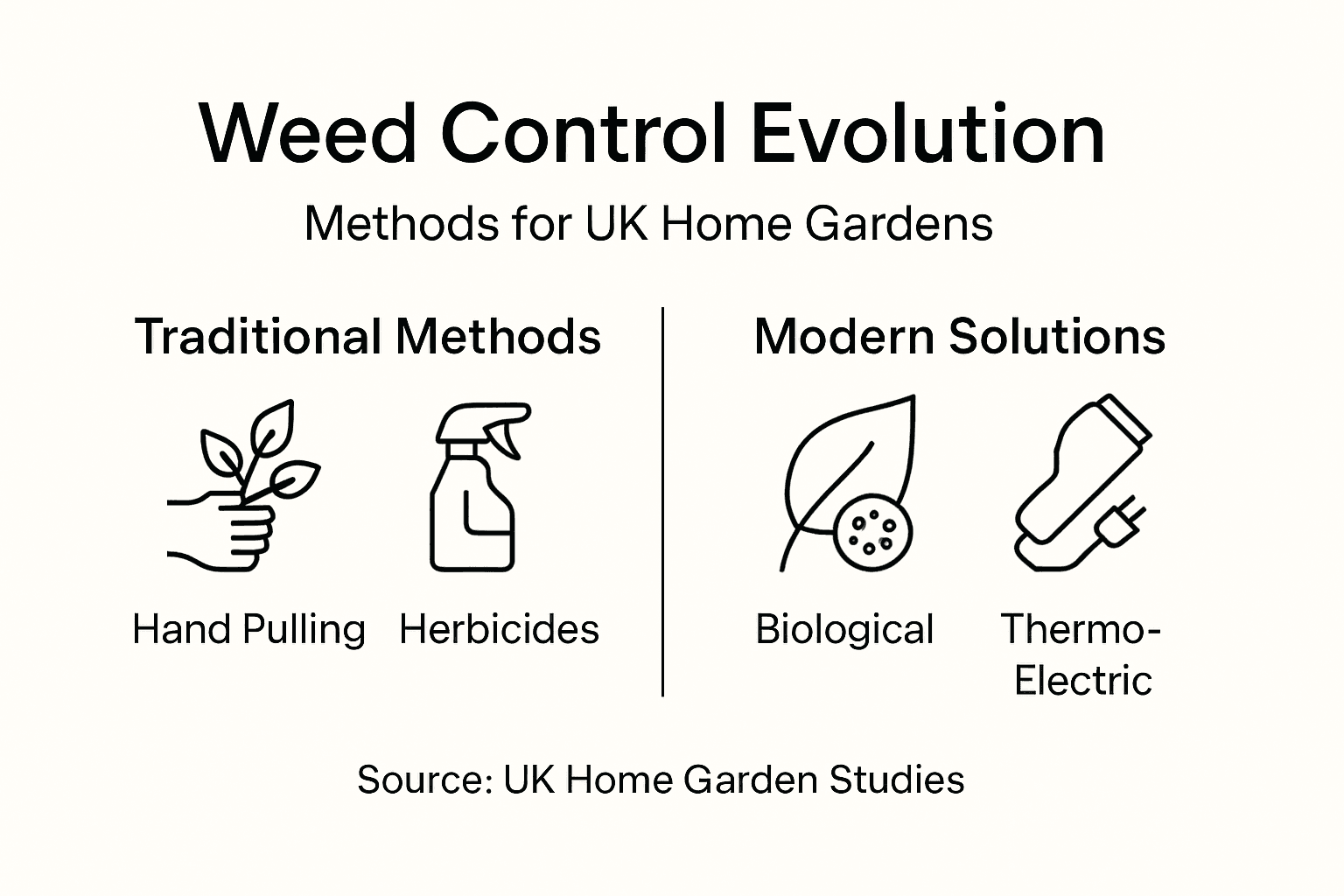
There are several fundamental weed control methods that homeowners should understand:
- Chemical Control: Using herbicides to eliminate unwanted vegetation
- Mechanical Control: Physical removal through digging, cutting, or mulching
- Biological Control: Introducing natural predators or competitive plants
- Cultural Control: Preventing weed establishment through landscape management
Research increasingly supports an integrated approach to weed management. According to weed control research from Cambridge, successful strategies combine multiple techniques rather than relying on a single method.
Chemical herbicides have long been a primary weapon in weed control, but they come with significant environmental and health considerations. Modern approaches prioritise targeted, minimal intervention strategies that reduce chemical dependency while maintaining effective plant management.
Mechanical methods like hand-pulling, mulching, and precise cutting remain crucial for localised weed control. These techniques are particularly effective for smaller areas and can significantly reduce reliance on chemical treatments.
Pro tip: Implement a rotating strategy of weed control methods to prevent resistance and minimise environmental impact.
The following table outlines how major weed control methods impact key environmental and practical factors:
| Method | Environmental Impact | Labour Requirement | Duration of Effect |
|---|---|---|---|
| Chemical (Herbicides) | Potential contamination | Low to moderate | Moderate to long |
| Mechanical | Minimal contamination | High | Short to moderate |
| Biological | Enhances biodiversity | Moderate | Long-term effect |
| Thermo-Electric | No chemical residues | Specialist needed | Long-lasting |
Key Types: Chemical, Mechanical, and Biological
Weed control strategies in the UK encompass three primary approaches: chemical, mechanical, and biological methods. Each technique offers unique advantages and challenges, making an integrated approach crucial for effective landscape management.
Chemical control remains a widespread method, involving the strategic application of herbicides. UK government guidance on weed control outlines two primary chemical strategies:
- Selective Herbicides: Target specific weed types while preserving desired vegetation
- Non-Selective Herbicides: Eliminate all plant life in the treated area
Mechanical methods provide a more hands-on approach to weed management. These techniques include:
- Hand-pulling invasive plants
- Cutting and mowing
- Mulching to suppress weed growth
- Using specialised tools for root removal
Biological control represents a sophisticated, environmentally sensitive approach. Scientific research on biological control agents reveals innovative strategies for suppressing unwanted plant growth through natural mechanisms.
Biological control methods typically involve introducing natural predators, competitive plant species, or microbial organisms that disrupt weed reproduction and growth. These techniques offer a sustainable alternative to chemical interventions, minimising environmental impact while effectively managing invasive plant populations.
Pro tip: Combine multiple weed control methods to create a comprehensive and sustainable management strategy.
The Rise of Chemical-Free Eradication Approaches
The landscape of weed management in the UK is undergoing a significant transformation, with chemical-free eradication approaches gaining substantial momentum. Homeowners and gardeners are increasingly seeking sustainable alternatives that minimise environmental impact and prioritise ecosystem health.
Chemical-free weed control techniques are emerging as powerful strategies for managing invasive plant species. These methods focus on holistic approaches that work with natural ecosystem processes rather than relying on synthetic interventions.
Key advantages of chemical-free approaches include:
- Reduced environmental contamination
- Improved soil and ecosystem health
- Lower long-term maintenance costs
- Enhanced biodiversity preservation
- Minimal risks to human and animal health
The Wildlife Trusts advocate for organic gardening practices that naturally suppress weed growth. These strategies involve:
- Careful mulching techniques
- Manual plant removal
- Encouraging beneficial wildlife populations
- Strategic landscape design
- Companion planting methods
Ecological approaches recognise that weed management is not about total elimination but about creating balanced, resilient ecosystems. By understanding plant interactions and implementing targeted interventions, gardeners can effectively control unwanted vegetation without relying on chemical herbicides.
Pro tip: Develop a comprehensive landscape management plan that prioritises prevention and natural suppression techniques over reactive chemical treatments.
How Modern Thermo-Electric Treatments Work
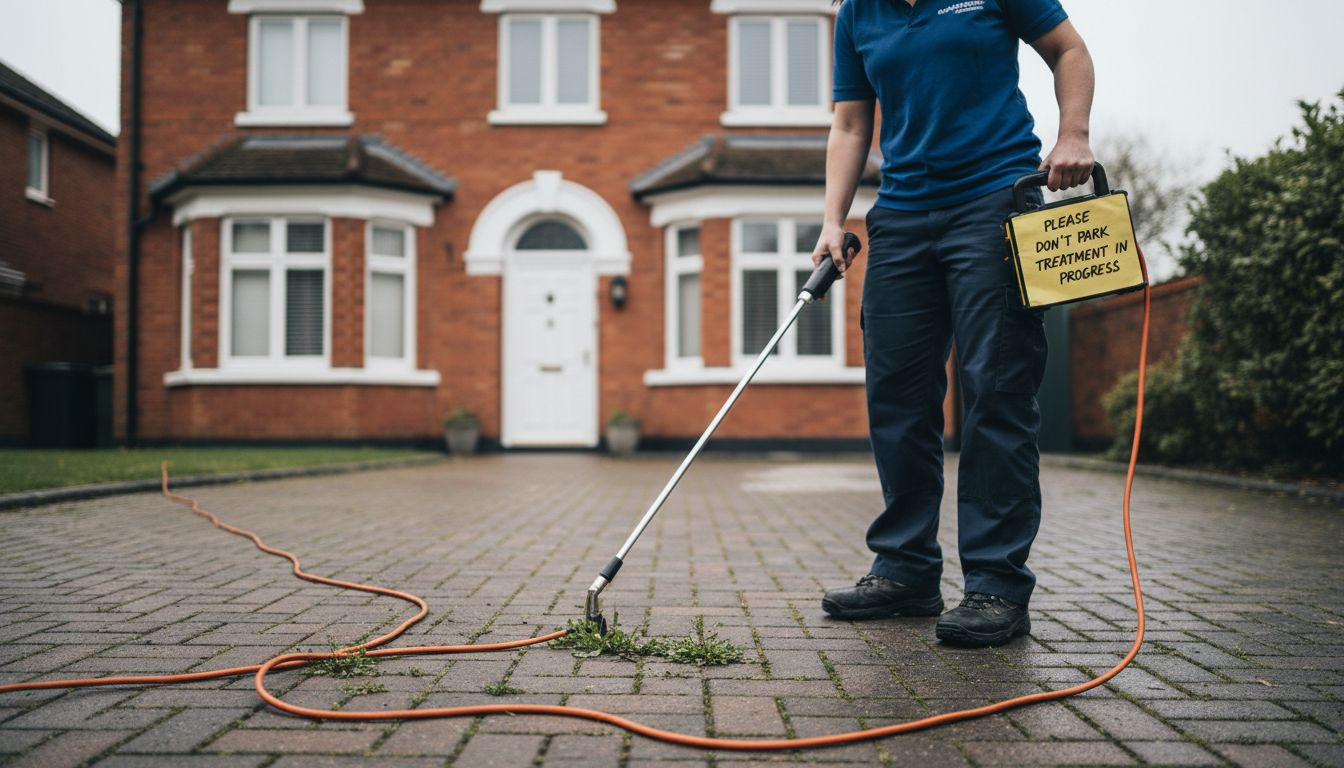
Thermo-electric weed control represents a cutting-edge approach to plant management, leveraging advanced electrical technologies to eliminate invasive vegetation without chemical interventions. This innovative method targets plant cellular structures through precisely controlled electrical currents, offering a sophisticated alternative to traditional eradication techniques.
Electric weed control mechanisms involve delivering targeted electrical energy directly into plant tissues, causing immediate and comprehensive cellular disruption. The process works by:
- Passing high-voltage electrical currents through plant structures
- Rupturing cellular membranes
- Disrupting internal plant metabolism
- Preventing photosynthetic and reproductive processes
- Causing rapid plant tissue degeneration
Key variables influencing thermo-electric treatment effectiveness include:
- Plant morphological characteristics
- Moisture content of vegetation
- Electrical power settings
- Environmental temperature
- Plant growth stage
The Electroherb™ technology demonstrates remarkable precision in targeting specific plant types while minimising surrounding ecosystem disruption. Unlike chemical herbicides, this method provides a targeted approach that reduces environmental contamination and eliminates potential chemical residues.
Pro tip: Consult professional technicians to determine optimal thermo-electric treatment parameters specific to your invasive plant species.
Legal Duties for Invasive Plant Management
Landowners in the United Kingdom face significant legal responsibilities when managing invasive plant species, particularly those deemed potentially harmful to ecosystems and property. Invasive species legislation in England and Wales establishes clear guidelines and enforcement mechanisms for controlling potentially destructive non-native plants.
Key legal obligations for property owners include:
- Preventing the spread of known invasive species
- Containing existing invasive plant populations
- Reporting significant infestations to local authorities
- Implementing control measures within specified timeframes
- Maintaining comprehensive documentation of management efforts
The retained EU Regulation 1143/2014, now adapted for UK law, specifically outlines prohibitions regarding invasive species, including:
- Introducing prohibited plant species
- Breeding restricted vegetation
- Transporting invasive plant materials
- Releasing controlled botanical specimens
- Selling or exchanging regulated plant types
Under the Great Britain Invasive Non-Native Species Strategy, property owners must demonstrate proactive management approaches. This involves early detection, rapid response protocols, and comprehensive mitigation strategies for managing potentially destructive plant populations.
Failure to manage invasive species can result in significant legal and financial penalties, including potential enforcement actions and compulsory remediation requirements.
Pro tip: Consult local environmental authorities and maintain detailed records of invasive plant management efforts to ensure legal compliance.
Below is a summary of property owners’ key legal duties related to invasive plant species in the UK:
| Legal Duty | Main Requirement | Consequence of Neglect |
|---|---|---|
| Prevent spread | Stop plants reaching new areas | Fines, enforced remediation |
| Contain populations | Limit plant growth on your property | Legal notices, repeat action |
| Report infestations | Notify local authorities if severe | Investigation, possible penalty |
| Document management | Keep written evidence of action | Challenge in proving compliance |
Costs, Risks, and Pitfalls of Common Solutions
Weed control strategies present complex challenges for UK property owners, with each approach carrying unique economic and environmental implications. Herbicide resistance research reveals the substantial financial risks associated with traditional management techniques, highlighting the urgent need for sophisticated, integrated solutions.
Common weed control methods and their associated risks include:
-
Chemical Herbicides:
- High ongoing treatment costs
- Environmental contamination
- Development of resistant plant populations
- Potential health hazards
-
Manual Removal:
- Labour-intensive approach
- Incomplete root system elimination
- Recurring maintenance requirements
- Limited effectiveness for extensive infestations
Economic consequences of ineffective weed management can be severe. Research indicates potential annual losses approaching £1 billion if herbicide-resistant weeds spread unchecked, demonstrating the critical importance of strategic intervention.
Sustainable weed management requires a holistic approach that balances immediate control needs with long-term ecological preservation.
Key strategic considerations for minimising risks involve:
- Implementing integrated management strategies
- Monitoring resistant plant populations
- Rotating control methods
- Investing in preventative techniques
- Documenting treatment outcomes
Pro tip: Develop a comprehensive, adaptive weed management plan that combines multiple control strategies to mitigate economic and environmental risks.
Discover Chemical-Free Solutions for Effective Weed Control
The article highlights the growing challenges and limitations of traditional weed control methods including chemical herbicides and manual removal. If you are seeking a sustainable and highly effective alternative that avoids environmental damage and chemical risks, it is time to consider innovative thermo-electric treatments. At the core of these challenges lies the need to target invasive plants like Japanese Knotweed with precision and power without harming surrounding ecosystems or creating resistant populations.

Japanese Knotweed Agency specialises in advanced chemical-free treatment delivering up to 5000 volts of direct energy onsite. Our proven method causes internal cell damage deep within extensive rhizome networks to permanently deplete energy resources plant growth depends on. Alongside root barrier installations and expert excavation works, we provide comprehensive solutions tailored to UK homes and properties across England, Wales, and Ireland. Take control of your invasive weed problem today by accessing our professional property surveys and bespoke eradication services.
Explore how our innovative approach surpasses traditional strategies and safeguards your environment at Japanese Knotweed Agency. For detailed insights and expert help in managing invasive plants visit Japanese Knotweed Agency. Act now to protect your property and comply with UK invasive species legislation with a sustainable, long-lasting solution.
Frequently Asked Questions
What are the main methods of weed control available?
Weed control methods include chemical control using herbicides, mechanical control through physical removal, biological control with natural predators or competitive plants, and cultural control by managing landscapes to prevent weed establishment.
How does chemical weed control impact the environment?
Chemical weed control can lead to potential environmental contamination and health hazards. The use of herbicides may harm non-target plants and wildlife, making targeted, minimal intervention strategies increasingly important.
What are the benefits of using biological control for weeds?
Biological control enhances biodiversity and uses natural mechanisms to suppress weed growth, offering sustainable alternatives to chemical methods. This can involve introducing natural predators or competitive plant species that disrupt weed reproduction and growth.
How can I implement an integrated weed management strategy?
To implement an integrated weed management strategy, combine multiple approaches such as mechanical, chemical, and biological methods. Regularly monitor weed populations, rotate control techniques, and document outcomes to adapt your strategy effectively.