

TL;DR:
- Root barriers are underground membranes that guide roots away from structures without harming them. They are most effective when chosen based on plant species, site conditions, and installed at the correct depth with proper overlap. Proper installation and timing help prevent costly structural damage and support healthy plant growth.
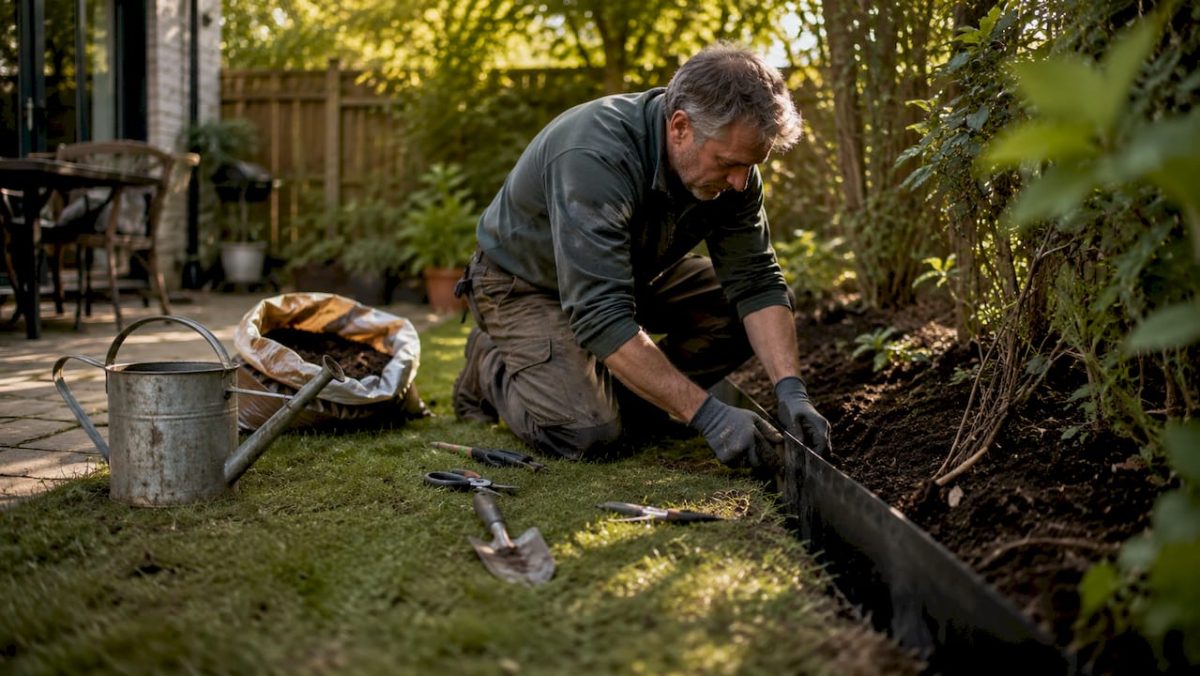
Root barriers are physical underground membranes that redirect plant root growth away from structures, paving, and neighbouring garden beds. They do not kill roots. They guide them. That distinction matters enormously for any homeowner trying to protect a driveway, a boundary wall, or a carefully planted garden bed without harming the trees and shrubs they value. The role of root barriers in gardens has grown in significance as urban planting increases and invasive root damage to foundations and drainage systems becomes a more common and costly problem across England and Wales.
What are the common materials and types of root barriers?
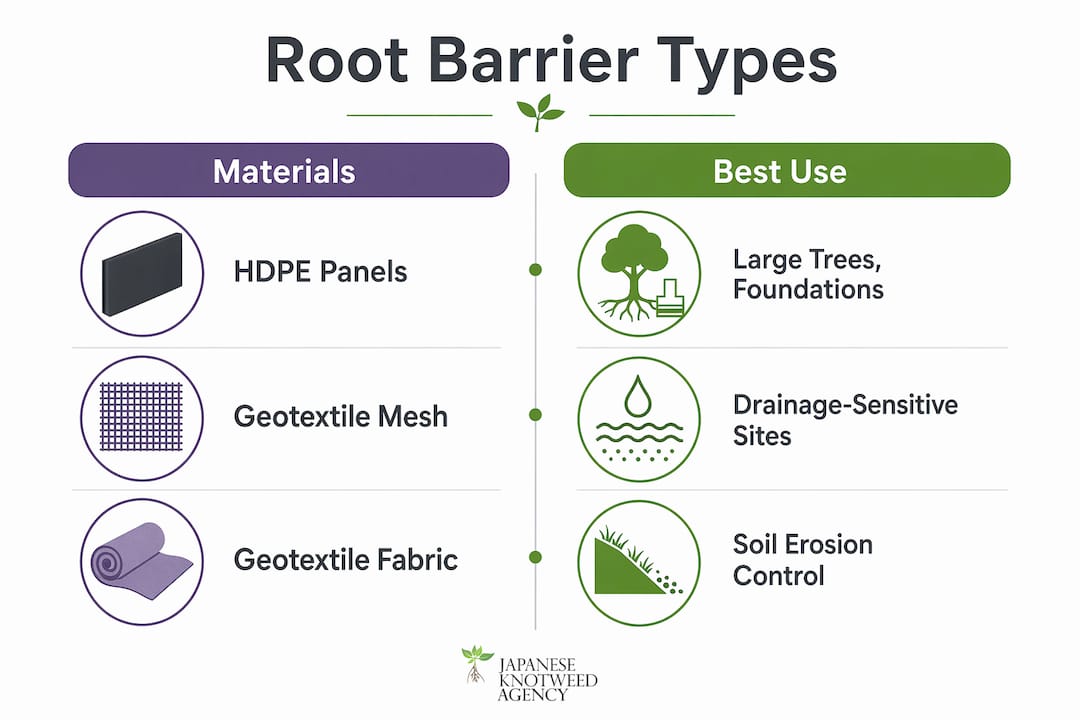
Root barrier materials fall into three main categories, each suited to different garden conditions and budgets.
High-density polyethylene (HDPE) panels are the industry standard for rigid, long-lasting root control. HDPE is resistant to root penetration, chemical degradation, and soil movement. It performs well around large trees, boundary walls, and driveways where root pressure is greatest. The panels are typically 60–80 millimetres thick and interlock to form a continuous underground wall.
Permeable geotextile mesh suits drainage-sensitive sites where water movement through the soil must be preserved. This material slows root spread without creating an impermeable underground barrier. It works well around ornamental beds and shallow-rooted shrubs, though it offers less resistance to aggressive root systems than HDPE.
Non-woven geotextile fabric is often confused with root barriers but serves a different purpose. Geotextile fabric suppresses weed growth at the soil surface. It does not provide meaningful resistance to established tree roots growing under pressure. Using fabric alone where HDPE is needed is one of the most common mistakes homeowners make.
| Material | Best use | Root resistance | Drainage impact |
|---|---|---|---|
| HDPE panels | Large trees, foundations, driveways | High | None |
| Permeable mesh | Ornamental beds, shrubs | Moderate | Minimal |
| Geotextile fabric | Weed suppression only | Low | Good |
The right choice depends on the species involved, the depth of root growth expected, and the proximity to structures. For invasive species like Japanese knotweed, only high-grade HDPE provides adequate resistance to rhizome penetration.
How do root barriers work to protect structures and plants?
Root barriers work by presenting a physical wall that roots cannot penetrate. When a root tip encounters the barrier, it redirects downward or laterally rather than pushing through. This is a natural response to physical obstruction, not a chemical reaction. Barriers redirect roots without harming the tree, supporting continued healthy growth above and below ground.
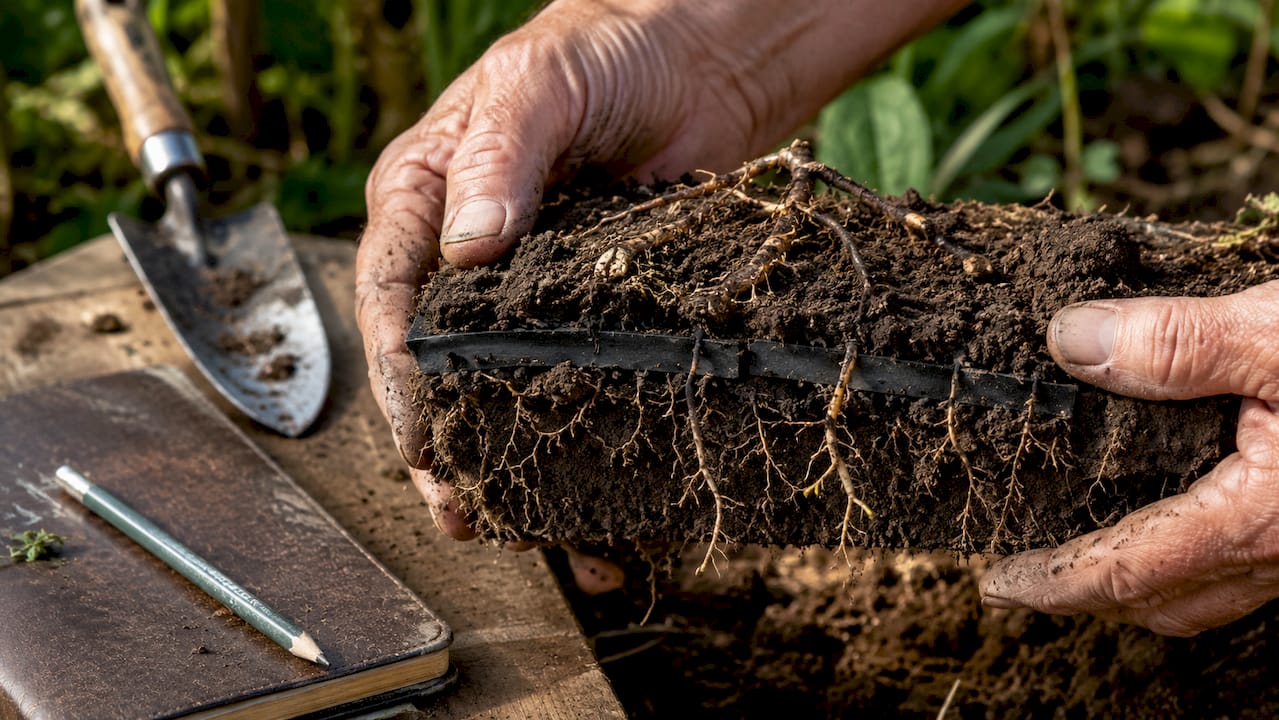
The protection this offers is concrete and measurable. Roots growing unchecked beneath paving exert significant upward pressure as they expand. This lifts slabs, cracks tarmac, and undermines foundations over time. Barriers installed at the correct depth intercept this growth before it reaches vulnerable structures.
Key protective benefits include:
- Prevention of root intrusion into drainage pipes and utility conduits
- Reduction of heave beneath paving, patios, and driveways
- Protection of neighbouring garden beds from aggressive spreading species
- Containment of invasive rhizome networks, including Japanese knotweed
Root barriers also influence soil moisture dynamics. A solid HDPE panel changes how water moves through the soil profile on either side. Moisture availability may shift for plants growing close to the barrier, which means irrigation patterns sometimes need adjusting after installation.
Pro Tip: After installing a solid HDPE barrier, monitor the moisture levels on both sides for the first growing season. Plants on the drier side may need supplementary watering until root systems adjust their direction of growth.
When and how should root barriers be installed?
Timing is the single most important factor in cost-effective root barrier installation. Installing proactively during construction or early tree maturity costs 30–40% less than repairing structural damage later. Once roots have already caused foundation cracking or pipe damage, the repair bill dwarfs the original installation cost many times over.
Follow these steps for a sound installation:
- Identify the root zone. Map the spread of roots before digging. For established trees, roots typically extend to the drip line and beyond.
- Determine the correct depth. Installation depths range from 450mm for small shrubs to over 1,200mm for large trees. Professional installation is recommended for any depth exceeding 600mm.
- Trench carefully. Dig the trench cleanly to avoid unnecessary root damage. Sever any roots crossing the trench line with a clean cut rather than tearing them.
- Install panels with correct overlap. Overlap barrier panels by at least 12 inches at every seam. Insufficient overlap is the most common DIY failure point, allowing roots to penetrate through gaps.
- Backfill and compact. Replace soil in layers, compacting each layer to prevent settling that could shift the barrier out of alignment.
- Mark the barrier location. Record the position and depth for future reference, particularly before any landscaping or construction work nearby.
Pro Tip: Match barrier depth to the specific species and soil type, not just the tree’s current size. Deeper barriers are not always better. Excessive depth in clay soils can restrict drainage and stress the tree unnecessarily.
For complex installations around large trees, boundary disputes, or invasive species, professional installation is the responsible choice. Japaneseknotweedagency carries out root barrier installs as part of a broader invasive weed management programme, ensuring depth, material, and placement are matched to the specific site conditions.
What are the ecological and maintenance considerations?
Root barriers change the underground environment, and that change requires ongoing awareness. The ecological effects are manageable when homeowners understand what to expect.
Water movement. A solid barrier alters subsurface drainage patterns. Water that previously flowed freely through the soil profile may pool on one side or drain more rapidly on the other. Monitoring irrigation and drainage after installation prevents waterlogging or drought stress in nearby plants.
Severed roots. When trenching for a barrier, some existing roots will be cut. Severed root segments decompose naturally in the soil, returning nutrients to the ground. There is no need to excavate root fragments from the protected side. They enrich rather than harm the soil.
Nearby plant health. Plants growing close to a barrier may experience changes in nutrient availability as root pathways shift. Applying a balanced mulch layer above the barrier zone supports soil biology and buffers against nutrient fluctuation.
Barrier integrity. HDPE panels are durable, but ground movement, frost heave, and construction activity can shift or crack them over time. Periodic inspection, particularly after severe winters or nearby groundworks, confirms the barrier remains intact and effective. Any gap or displacement should be addressed promptly before roots exploit the opening.
The impact on drainage and plant health is one of the most underestimated aspects of root barrier installation. Planning for these changes from the outset produces far better long-term results than treating them as afterthoughts.
Key takeaways
Root barriers protect gardens and structures most effectively when the correct material, depth, and installation method are matched to the specific plant species and site conditions.
| Point | Details |
|---|---|
| Material selection matters | HDPE panels suit large trees and invasive species; permeable mesh suits ornamental beds. |
| Install early to save money | Proactive installation costs 30–40% less than repairing structural damage after the fact. |
| Depth must match the species | Depths range from 450mm for shrubs to over 1,200mm for large trees; deeper is not always better. |
| Overlap panels correctly | Seams need at least 12 inches of overlap to prevent root ingress through gaps. |
| Monitor ecology post-installation | Check moisture levels, drainage patterns, and barrier integrity each growing season. |
Root barriers as a tool for coexistence, not elimination
The most common mistake I see homeowners make is treating a root barrier as a solution to a planting decision they regret. A barrier installed around a willow tree planted three metres from a house foundation is managing a problem that should never have been created. Planning species selection and planting location is as important as any physical barrier.
That said, barriers genuinely work when used correctly. Urban trees and infrastructure can coexist with the right physical guidance in place. The key is understanding that a barrier redirects root energy rather than suppressing it. A tree with a well-installed barrier around it continues to grow vigorously. Its roots simply find a different path.
Where I see barriers fail, it is almost always due to insufficient depth, poor panel overlap, or the wrong material for the species involved. A geotextile fabric laid under bark chippings will not stop Japanese knotweed rhizomes. An HDPE panel installed at 400mm will not contain a mature oak. The specification has to match the reality of what is growing in the ground.
My honest recommendation is this: use root barriers as part of a considered planting and management plan, not as a retrofit fix. If you are dealing with an invasive species that is already established, a barrier alone is rarely sufficient. It needs to be combined with active treatment of the existing plant material. That is where professional assessment adds genuine value.
— Alan
Professional root barrier and survey services from Japaneseknotweedagency
Root barriers work best when they are part of a wider property protection plan, not an isolated fix.

Japaneseknotweedagency installs root barriers as part of a fully managed approach to invasive plant control, combining physical containment with chemical-free treatment methods that target rhizome networks directly. The team carries out property surveys for invasive weeds across England, Wales, and Ireland, giving homeowners a clear picture of what is growing and where before any installation work begins. A professional survey is the most reliable starting point for any root barrier project. Book a survey to get site-specific advice on root barrier specification, depth, and placement for your property.
FAQ
What is the main role of root barriers in gardens?
Root barriers physically redirect root growth away from structures, paving, and neighbouring plants. They protect foundations, drainage systems, and garden beds without harming the plant above ground.
Do root barriers work against Japanese knotweed?
High-grade HDPE root barriers provide effective containment of Japanese knotweed rhizomes when installed at the correct depth and with proper panel overlap. They are most effective when combined with active treatment of the existing plant.
How deep should a root barrier be installed?
Installation depth ranges from 450mm for small shrubs to over 1,200mm for large trees. The correct depth depends on the species and soil type. Professional installation is recommended for depths exceeding 600mm.
Can I install a root barrier myself?
Shallow installations around small shrubs are manageable as a DIY project. For large trees, invasive species, or depths over 600mm, professional installation produces more reliable results and avoids the common pitfalls of insufficient depth and poor panel overlap.
Will a root barrier damage my tree?
Root barriers do not harm trees when installed correctly. They redirect root growth rather than restricting it, allowing the tree to continue healthy development in a different direction.