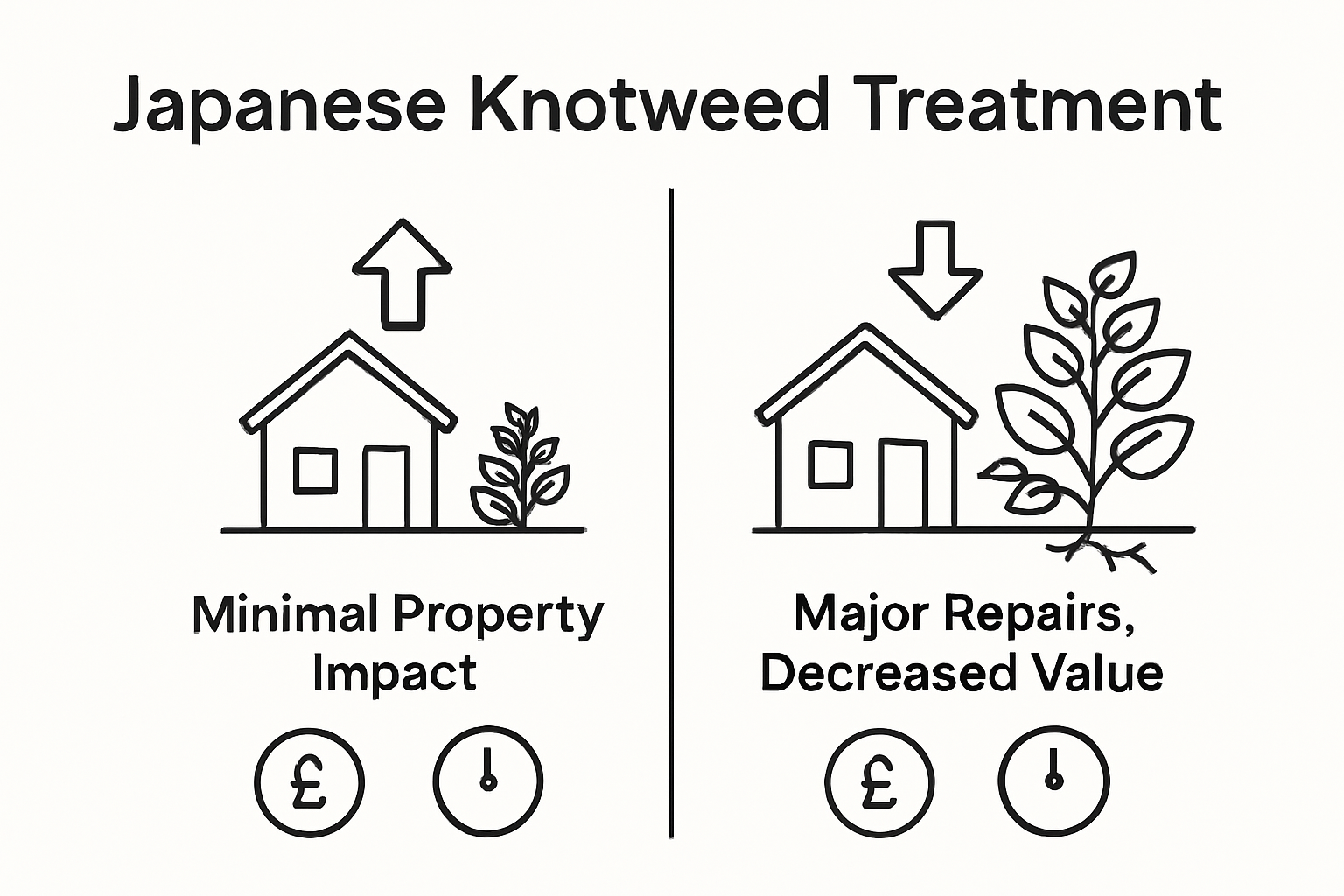


Most British homeowners are surprised to learn that Japanese Knotweed causes over £170 million worth of damage every year in the United Kingdom. The relentless spread of this invasive plant not only threatens building foundations but also complicates home sales and legal responsibilities. Understanding knotweed monitoring matters more than ever for anyone impacted by property value and long-term stability. This guide uncovers what every British resident needs to know to protect their home and investments from this persistent threat.
Table of Contents
- What Is Knotweed Monitoring and Why It Matters
- Types of Knotweed Surveys and Methods Used
- Chemical-Free Detection Techniques Explained
- Legal Requirements for Homeowners and Buyers
- Risks of Untreated Knotweed Infestations
Key Takeaways
| Point | Details |
|---|---|
| Knotweed Monitoring is Essential | Regular monitoring helps mitigate structural damage caused by Japanese Knotweed and supports the recovery of native vegetation. |
| Various Survey Methods Available | A combination of visual inspections and advanced technology, such as AI, enhances the effectiveness of knotweed surveys and mapping. |
| Legal Obligations Exist for Owners | Property owners must understand their legal responsibilities regarding Japanese Knotweed to avoid significant liabilities and protect property value. |
| Untreated Infestations Pose Risks | Left unmanaged, Japanese Knotweed can severely compromise property integrity, lead to costly repairs, and threaten local biodiversity. |
What Is Knotweed Monitoring and Why It Matters
Knotweed monitoring represents a comprehensive strategy designed to track, assess, and manage the potentially destructive spread of Japanese Knotweed across properties and landscapes. This systematic approach is crucial because Japanese Knotweed can cause significant structural damage if left unchecked, with its aggressive rhizome system capable of penetrating foundations, concrete, and building infrastructure.
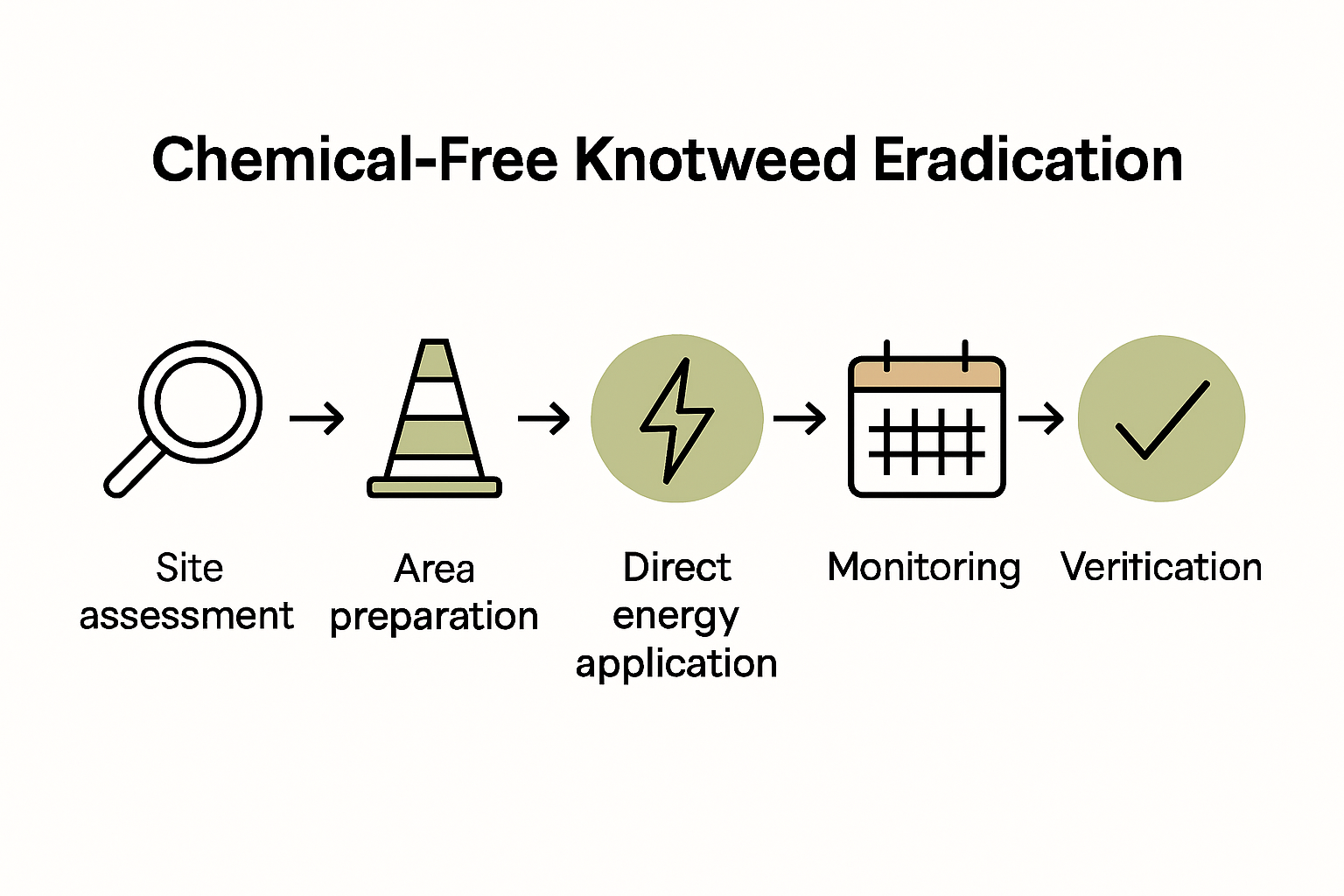
The monitoring process involves carefully tracking plant distribution and density to understand the extent of potential infestation. Specialists conduct regular site assessments, examining both visible plant growth and underground rhizome networks. These assessments help determine the most effective intervention strategies, which might include non-chemical treatments like targeted thermal energy applications or precise root barrier installations.
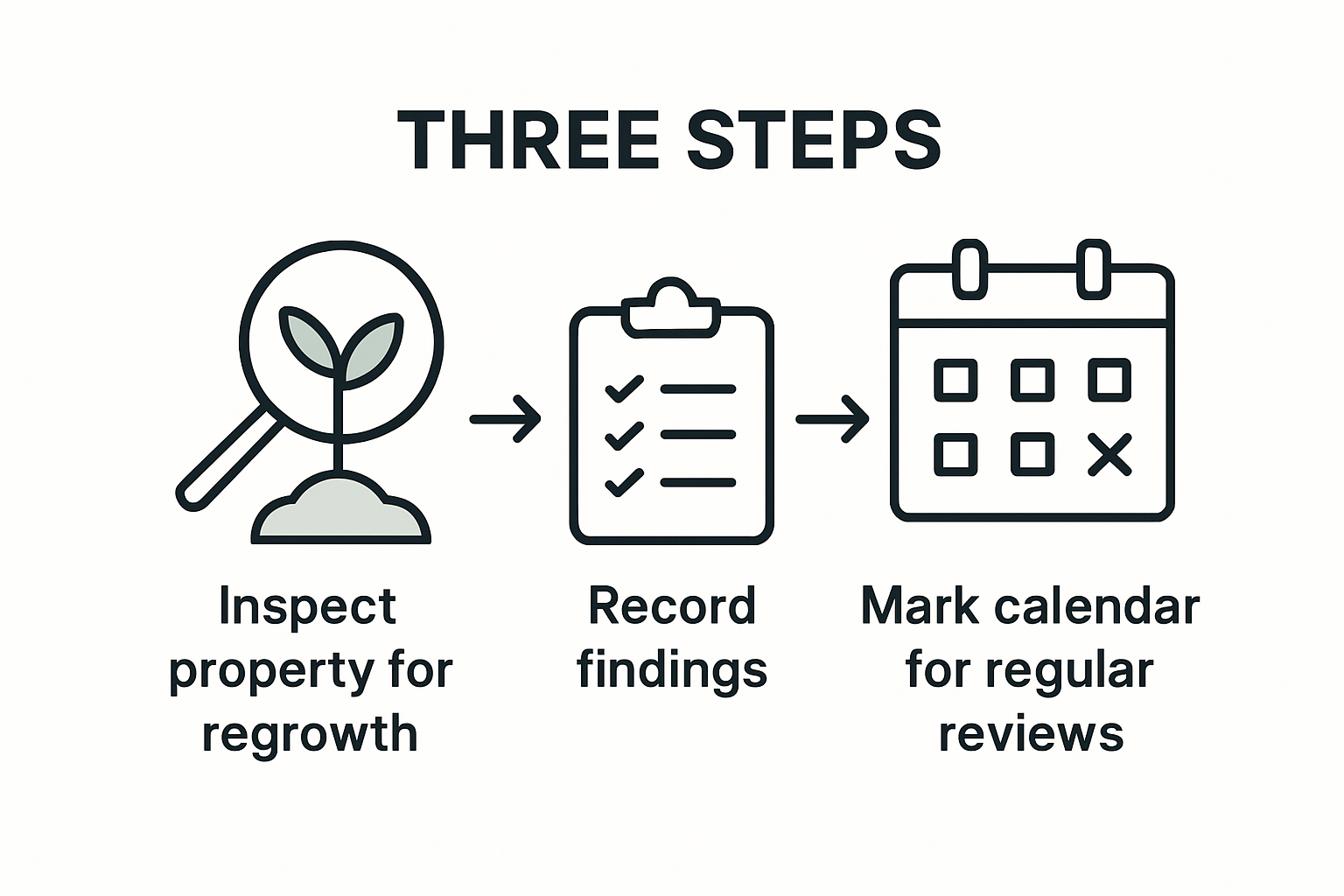
Effective knotweed monitoring is essential because the plant’s regenerative capabilities are extraordinary. Even minute rhizome fragments can potentially regrow, making continuous observation critical. Professional monitoring programmes aim to permanently reduce knotweed abundance and enable recovery of native vegetation. By implementing a robust, long-term monitoring approach, property owners can mitigate potential structural risks and prevent extensive ecological disruption caused by this invasive species.
Types of Knotweed Surveys and Methods Used
Knotweed surveys are specialised investigations designed to identify, map, and assess the presence and extent of Japanese Knotweed across various landscapes. These comprehensive assessments involve multiple methodological approaches, ranging from visual inspections to advanced technological solutions that enable precise detection and monitoring of this invasive plant species.
Traditional survey methods include ground-level visual inspections, where trained specialists systematically examine properties for characteristic knotweed growth patterns. More recently, cutting-edge technologies have emerged, such as AI-powered surveying systems that can rapidly identify invasive species across large areas. These innovative approaches utilise high-speed cameras mounted on vehicles, capturing geo-tagged images that are instantly analysed to detect potential knotweed infestations.
Geographic mapping has also become a crucial component of modern knotweed surveys. Interactive mapping tools now allow property owners and researchers to track knotweed distribution with unprecedented precision. These advanced systems compile data from multiple environmental authorities, creating comprehensive databases that show live cases and potential risk zones. By combining ground-level expertise with technological innovation, knotweed surveys have evolved into sophisticated monitoring strategies that enable more effective management and containment of this challenging invasive species.

Chemical-Free Detection Techniques Explained
Chemical-free detection represents an innovative approach to identifying Japanese Knotweed without relying on harmful chemical interventions. This method focuses on non-invasive techniques that provide accurate assessment while preserving the environmental integrity of the surveyed landscape. Specialists use a combination of visual inspection, technological solutions, and advanced monitoring strategies to pinpoint knotweed presence with remarkable precision.
One of the most promising developments in chemical-free detection involves advanced artificial intelligence systems capable of rapidly surveying large areas for invasive plant species. These cutting-edge technologies employ high-speed cameras mounted on vehicles, capturing geo-tagged images that can be instantly analysed to detect potential knotweed infestations. Such techniques eliminate the need for ground-disturbing chemical treatments, offering a more environmentally sensitive approach to plant identification.
Geographic mapping and digital tracking have also emerged as powerful chemical-free detection methods. Interactive mapping tools now enable property owners and researchers to track knotweed distribution with unprecedented accuracy. These sophisticated systems compile data from multiple environmental authorities, creating comprehensive databases that showcase live cases and potential risk zones. By leveraging technology and expert visual assessment, chemical-free detection techniques provide a holistic, sustainable approach to identifying and managing Japanese Knotweed without compromising environmental health.
Legal Requirements for Homeowners and Buyers
Legal obligations surrounding Japanese Knotweed represent a critical consideration for property owners and potential buyers. The presence of this invasive plant species carries significant legal implications that can dramatically impact property value, insurance, and potential liability. Homeowners must understand their responsibilities to prevent the spread of this destructive plant and comply with existing environmental regulations.
Japanese Knotweed is legally classified as a controlled plant under specific legislative frameworks, with strict regulations governing its management. The Wildlife and Countryside Act 1981 specifically prohibits allowing the plant to cross property boundaries or spread into wild areas. Property owners can face substantial legal consequences for negligence, including potential criminal charges for improper disposal or intentional spread of knotweed plant material.
The potential for structural damage makes knotweed a significant legal concern for homeowners and property buyers. The plant’s ability to penetrate concrete, tarmac, and infrastructure means that undisclosed knotweed presence can lead to complex legal disputes. Buyers are advised to conduct thorough property surveys, request comprehensive knotweed disclosure statements, and potentially seek legal guidance to understand the full implications of knotweed presence on a potential property purchase. Mortgage lenders may also impose additional requirements or restrictions when knotweed is identified, making early detection and professional management crucial for property transactions.
Risks of Untreated Knotweed Infestations
Untreated knotweed represents a significant threat to property integrity, environmental balance, and financial stability. This invasive plant species poses multifaceted risks that extend far beyond simple aesthetic concerns, potentially causing extensive structural damage and ecological disruption if left unchecked. Property owners must understand the profound consequences of neglecting knotweed management.
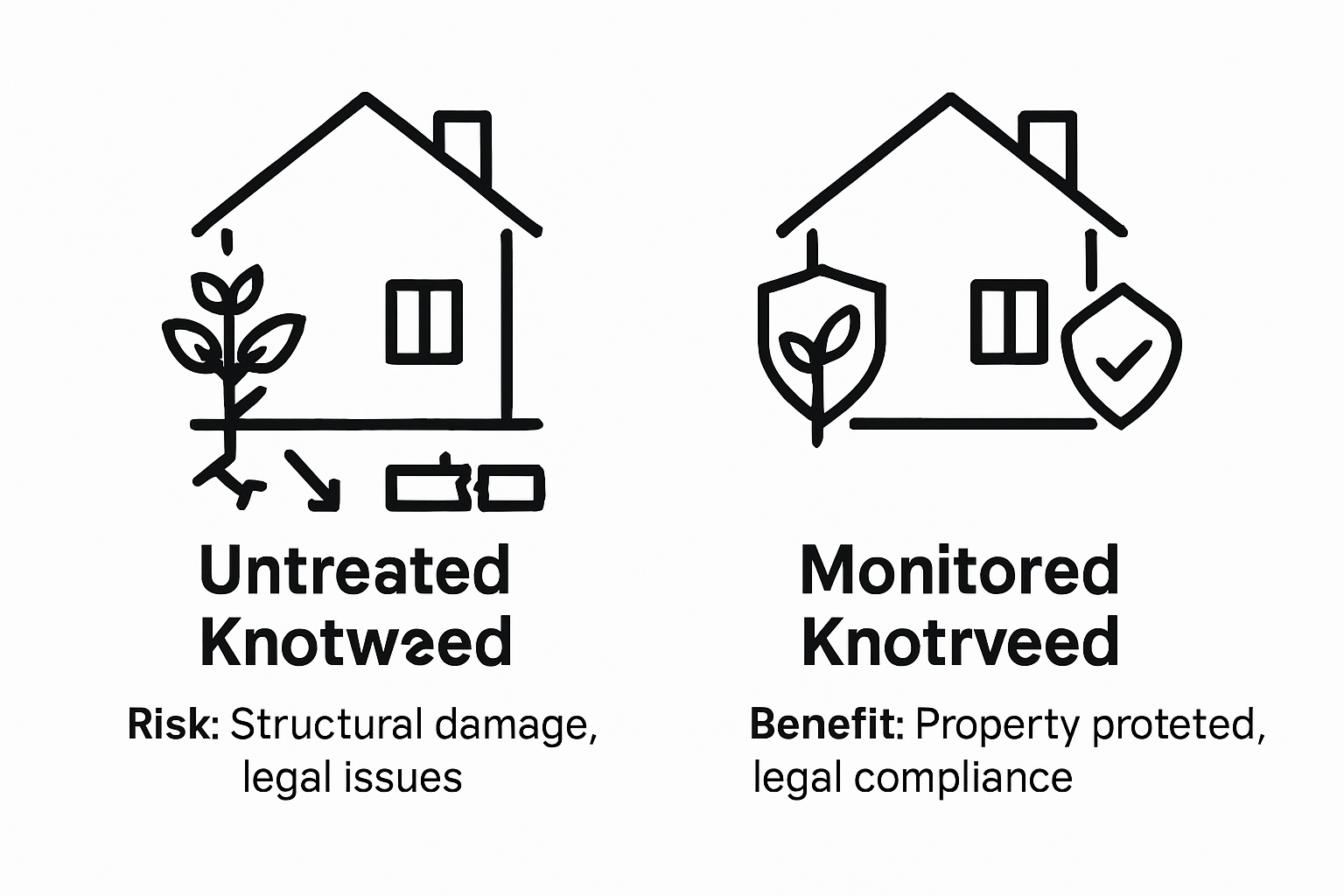
Japanese Knotweed can seriously damage houses, buildings, and infrastructure by aggressively growing through concrete, tarmac, and other hard surfaces. The plant’s remarkable ability to exploit existing structural weaknesses means it can compromise foundations, drainage systems, and building structures with alarming efficiency. Its invasive root system can penetrate seemingly impenetrable surfaces, creating costly repair challenges that can dramatically reduce property value and potentially render buildings structurally unsound.
The persistent nature of knotweed rhizomes makes eradication an extended, complex process requiring long-term monitoring and strategic intervention. Beyond structural risks, untreated knotweed threatens local biodiversity by forming dense vegetative clusters that suppress native plant growth and disrupt ecological balance. The plant’s allelopathic properties allow it to release chemical substances that prevent other vegetation from establishing, creating monoculture zones that decimate local plant diversity and potentially impact wildlife habitats.
Secure Your Property with Expert Chemical-Free Knotweed Monitoring and Treatment
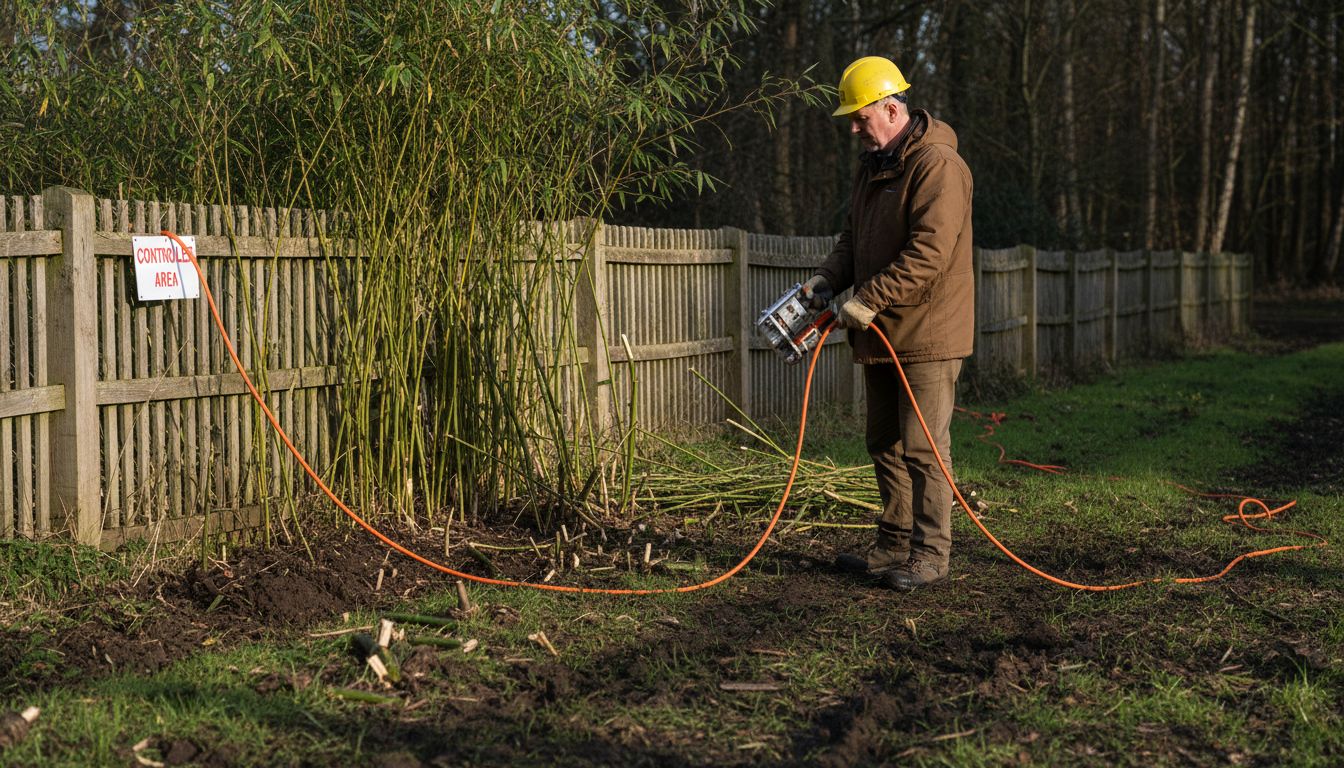
Japanese Knotweed monitoring requires vigilance, precision, and effective action to prevent costly structural damage and ecological harm. If you are facing the challenge of invasive knotweed spread, professional, non-chemical solutions can protect your property while safeguarding the environment. With advanced techniques like direct energy treatment delivering up to 5000 volts onsite, the Japanese Knotweed Agency targets and depletes the rhizome network, ensuring long-term eradication without harmful chemicals. We also provide root barrier installations and excavation works to contain and eliminate this persistent threat.

Don’t let untreated knotweed compromise your property and peace of mind. Discover how our chemical-free treatment and expert property surveys can offer you a safer, proven approach to invasive weed management. Act now to protect your home or land from escalating damage and legal risks with the Japanese Knotweed Agency’s specialised services.
Frequently Asked Questions
What is knotweed monitoring?
Knotweed monitoring is a systematic strategy to track, assess, and manage the spread of Japanese Knotweed. It involves regular site assessments to understand plant distribution and density, ensuring effective intervention strategies are employed to mitigate damage.
Why is knotweed monitoring important for property owners?
Knotweed monitoring is crucial for property owners as Japanese Knotweed can cause significant structural damage. Its extensive root system can penetrate foundations and infrastructures, leading to costly repairs and potential legal issues if left unmanaged.
How does chemical-free detection work for Japanese Knotweed?
Chemical-free detection uses non-invasive methods, including visual inspections and advanced AI technologies, to identify Japanese Knotweed without harmful chemicals. This approach ensures environmental integrity while accurately assessing knotweed presence.
What are the legal implications of Japanese Knotweed for homeowners?
Homeowners have legal obligations concerning the management of Japanese Knotweed. Failure to prevent its spread can lead to substantial legal consequences, including potential criminal charges and significant property value reduction.
Recommended
- Knotweed Eradication Workflow: Effective Chemical-Free Solutions
- How to Prevent Knotweed Spread Naturally in 2025
- 7 Key Reasons to Remove Japanese Knotweed Naturally
- How to Prevent Knotweed Regrowth Naturally: Step-by-Step
- Discover the Best Melatonin Free Sleep Supplements: A Comprehensive Guide – Nutribliss Inc.