More than 850,000 British households face ongoing struggles with Japanese Knotweed, a plant notorious for causing structural damage and lowering property values by up to 25 percent. This invasive species spreads rapidly, posing a unique challenge for homeowners determined to protect their investment. Understanding how to spot Japanese Knotweed early can mean the difference between a manageable situation and significant financial headaches.
Table of Contents
- Japanese Knotweed – Identifying the Problem
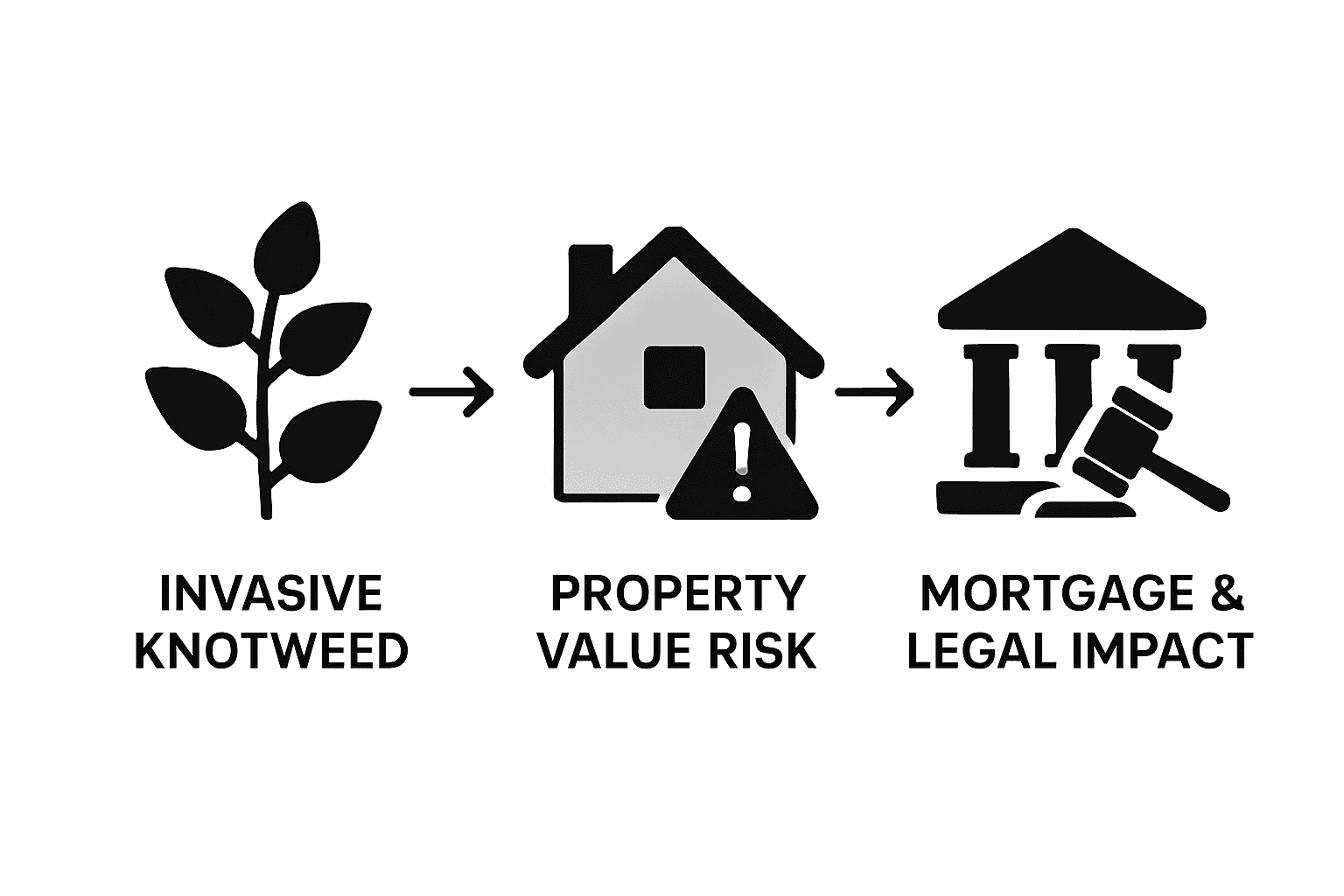
- How Knotweed Affects Property Values
- Mortgage Lenders’ Policies on Knotweed
- Legal Obligations for Homebuyers and Sellers
- Treatment Solutions and Avoiding Delays
Key Takeaways
| Point | Details |
|---|---|
| Invasive Nature of Japanese Knotweed | This plant can severely damage property structures and reduce property values significantly if not addressed promptly. |
| Financial Implications | Presence of knotweed can lead to a 25% decrease in property value, complicating mortgage approvals and insurance provisions. |
| Legal Obligations | Sellers must disclose any knotweed presence, and failure to do so may result in legal consequences. |
| Professional Treatment Required | Engaging a specialist for treatment is critical to satisfy lender requirements and ensure property value is maintained. |
Japanese Knotweed – Identifying the Problem
Japanese Knotweed represents a serious ecological threat that can devastate property values and compromise structural integrity. This invasive plant species grows aggressively, capable of penetrating concrete foundations, tarmac surfaces, and building structures with remarkable resilience. Homeowners must develop keen observation skills to identify potential knotweed infestations before significant damage occurs.
Recognising the distinctive characteristics of Japanese Knotweed requires understanding its unique growth patterns and visual markers. The plant typically presents distinctive bamboo-like stems with characteristic nodes, displaying bright green leaves that are predominantly heart or shield-shaped. During summer months, the plant produces small white flower clusters, while its underground rhizome network can extend several metres from the visible plant, making complete eradication challenging. Early detection becomes critical, as the plant can grow up to 10 centimetres per day during peak growing seasons.
The potential financial implications of Japanese Knotweed cannot be overstated. Mortgage lenders frequently consider the presence of this invasive species a significant risk, often requiring comprehensive treatment plans before approving property transactions. Professional surveyors recommend thorough property assessments, particularly in areas with known knotweed prevalence. Warning signs include unusual plant growth near building foundations, unexplained cracks in paving or walls, and rapid vegetation spread that seems resistant to standard removal techniques.
Here is a summary of the main risks associated with Japanese Knotweed on properties:
| Risk Factor | Description | Financial Impact |
|---|---|---|
| Structural Damage | Can penetrate foundations and pavements | Costly repairs needed |
| Property Value Reduction | Diminishes market appeal and transaction value | Up to 25% loss |
| Mortgage Approval Barriers | Lenders may refuse or delay loans | Higher borrowing costs |
| Legal Liability | Required disclosure and management by law | Possible legal claims |
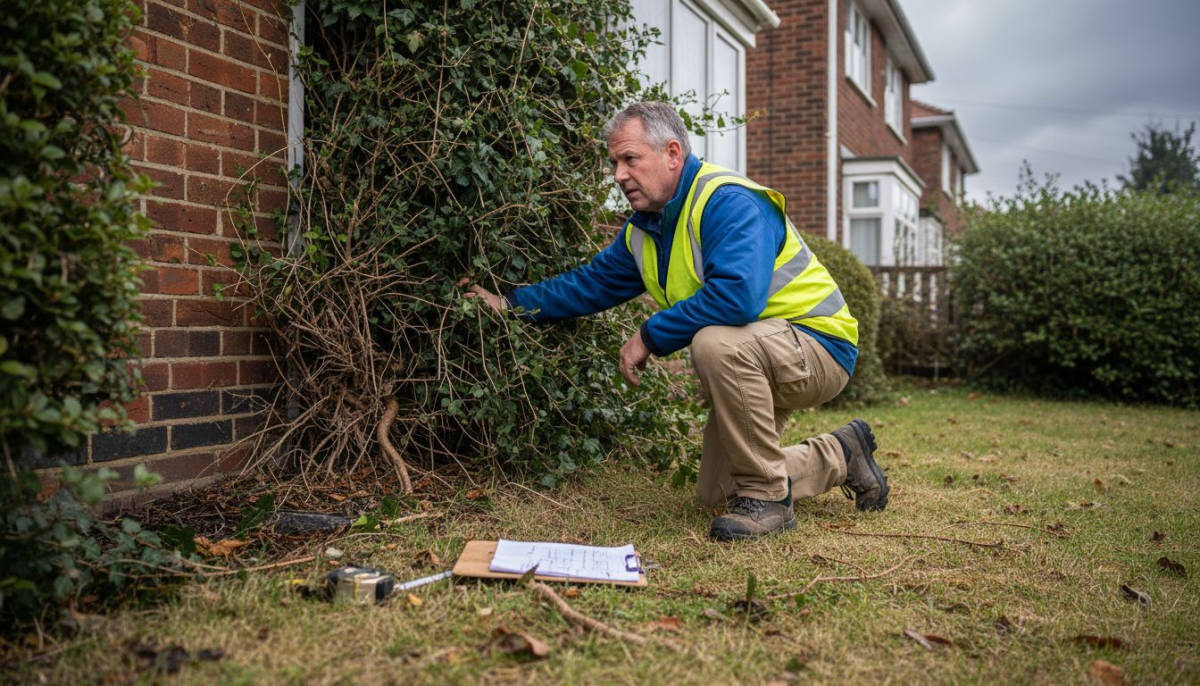
Pro Tip for Property Inspection: Conduct a detailed visual survey of your property’s perimeter and foundation during late spring and summer, focusing on areas with potential moisture and soil disturbance, and consult a professional knotweed specialist if any suspicious vegetation is detected.
How Knotweed Affects Property Values
The presence of Japanese Knotweed can create substantial financial challenges for property owners, with devastating impacts on property market value. Research indicates that the mere existence of this invasive plant can dramatically reduce property values by 5-15% for properties with knotweed within close proximity to structures, and potentially up to 25% for severe infestations causing structural damage.
Mortgage lenders and potential buyers view Japanese Knotweed as a significant risk, which fundamentally transforms the property’s marketability. The financial implications extend beyond direct treatment costs, encompassing complex challenges in property transactions. Approximately 850,000 to 900,000 UK households are affected by this plant, resulting in an estimated £20 billion reduction in national property values. Sellers are legally obligated to disclose any current or historical knotweed presence, which can further complicate sales processes.
The economic impact extends beyond immediate property valuation, affecting mortgage approvals and insurance provisions. Many financial institutions require comprehensive treatment plans and professional surveys before considering lending, creating additional barriers for property owners. The underground rhizome network of Japanese Knotweed can cause long-term structural damage, making potential buyers extremely cautious and potentially reducing competitive interest in affected properties.
Pro Tip for Property Protection: Obtain a professional Japanese Knotweed survey immediately if you suspect infestation, as early detection and comprehensive treatment can significantly mitigate potential financial losses and maintain your property’s market value.
Mortgage Lenders’ Policies on Knotweed
Mortgage lenders have developed increasingly stringent policies regarding properties affected by Japanese Knotweed, viewing the invasive plant as a significant financial and structural risk. Navigating mortgage requirements with Japanese Knotweed has become a complex process that demands comprehensive documentation and professional treatment plans.
Typically, mortgage providers require a detailed professional survey that demonstrates the extent of knotweed infestation and a comprehensive eradication strategy. Most lenders will not approve mortgage applications for properties with active knotweed growth within 7 metres of the main building structure. Financial institutions demand evidence of a professional treatment plan from a certified specialist, complete with insurance-backed guarantees that cover potential future regrowth. This stringent approach means that properties with knotweed often face significant lending obstacles, potentially requiring specialist mortgage providers who understand the specific risks.
The assessment process involves multiple critical evaluations, including physical property surveys, risk assessments, and verification of treatment plans. Lenders categorise knotweed risk into different levels, with each category determining the potential for mortgage approval. Some institutions may require complete eradication and a minimum 5-year monitoring period before considering a mortgage application. This approach reflects the plant’s ability to cause substantial structural damage and the potential long-term financial implications for property owners.
Pro Tip for Mortgage Applicants: Obtain a professional Japanese Knotweed survey before applying for a mortgage, ensuring you have a comprehensive treatment plan and documentation that demonstrates the property’s managed and controlled knotweed status.
Legal Obligations for Homebuyers and Sellers
Legal responsibilities surrounding Japanese Knotweed create complex challenges for property transactions, with significant implications for both buyers and sellers. Property owners must prevent Japanese Knotweed from spreading beyond their land, understanding that controlled waste regulations and potential prosecution can result from improper management of this invasive species.
Sellers have a strict legal duty to disclose the presence of Japanese Knotweed during property transactions. This obligation requires full transparency about current or historical infestations, including any professional treatment programmes previously undertaken. Failure to disclose known knotweed presence can result in legal action for misrepresentation, potentially allowing buyers to seek compensation or rescind the property purchase. Professional surveys and comprehensive documentation become critical evidence in demonstrating responsible property management and compliance with environmental regulations.

Buyers must exercise significant due diligence when purchasing properties, particularly in areas with known knotweed prevalence. This includes requesting detailed property surveys, investigating historical land use, and understanding the potential financial and structural implications of knotweed presence. Legal frameworks increasingly require sellers to provide explicit information about invasive plant species, with knotweed being a primary concern due to its potential for causing substantial structural damage. The burden of proof increasingly falls on sellers to demonstrate proactive management and containment strategies.
Pro Tip for Property Transactions: Obtain a comprehensive professional survey that specifically identifies and documents any Japanese Knotweed presence before finalising any property transaction, ensuring complete legal and financial protection for both buyers and sellers.
Treatment Solutions and Avoiding Delays
Hiring a professional specialising in invasive weed control represents the most effective strategy for addressing Japanese Knotweed infestations. Professional treatment approaches offer comprehensive solutions that not only eradicate the plant but also provide critical documentation required by mortgage lenders and insurers. These specialist interventions prevent potential property transaction delays and mitigate the long-term risks associated with this invasive species.
Multiple treatment methodologies exist, ranging from chemical treatments to advanced thermo-electric eradication techniques. Chemical treatments traditionally involve targeted herbicide applications over multiple growing seasons, while more innovative approaches utilise direct energy methods to damage the plant’s internal cellular structure. Each treatment strategy requires meticulous planning, with professional surveys determining the most appropriate intervention based on the specific infestation characteristics, property layout, and environmental considerations.
The complexity of Japanese Knotweed treatment demands a systematic approach that extends beyond immediate plant removal. Mortgage lenders and property surveyors typically require comprehensive documentation demonstrating a complete eradication strategy, including post-treatment monitoring and insurance-backed guarantees. Property owners must obtain detailed treatment plans that outline the proposed methodology, expected timelines, and long-term management strategies to satisfy professional assessment requirements and prevent potential transaction complications.
Below is a comparison of common Japanese Knotweed treatment methods and their effectiveness:
| Treatment Method | Typical Duration | Effectiveness | Documentation Provided |
|---|---|---|---|
| Chemical Spraying | 2-3 years (multiple) | Suitable for most cases | Standard treatment report |
| Excavation & Removal | 1-2 weeks | Immediate eradication | Detailed removal warranty |
| Thermo-Electric Methods | Several days | Innovative, rapid results | Insurance-backed guarantees |
Pro Tip for Knotweed Management: Engage a certified invasive plant specialist immediately upon discovering Japanese Knotweed, ensuring you receive a comprehensive treatment plan with insurance-backed guarantees that will satisfy mortgage lender requirements and protect your property’s market value.
Protect Your Property Value with Expert Japanese Knotweed Solutions
Facing Japanese Knotweed challenges can feel overwhelming when dealing with mortgage refusals and property sale delays. This invasive plant poses serious risks such as structural damage and a loss of market appeal, making professional intervention critical. At Japanese Knotweed Agency, we specialise in chemical free eradication methods that effectively disrupt the plant’s root system using advanced direct energy treatments. Our experts also provide thorough property surveys across England, Wales and Ireland to help you identify infestations early and meet lender requirements.
Do not let knotweed jeopardise your property sale or mortgage approval. Gain peace of mind with our comprehensive treatment plans and root barrier installations designed to safeguard your investment. Visit Japanese Knotweed Agency now to schedule a professional survey and secure your property’s value today. Learn more about our innovative chemical free treatment solutions and how we can support your mortgage journey.
Frequently Asked Questions
What is the impact of Japanese Knotweed on property values?
The presence of Japanese Knotweed can reduce property values by 5-15%, with severe infestations potentially causing losses of up to 25%. This affects marketability and the overall transaction value.
How do mortgage lenders handle properties affected by Japanese Knotweed?
Mortgage lenders often require a professional survey, treatment plan, and evidence of eradication before approving loans for properties with active knotweed growth, especially if it is within 7 metres of the main structure.
What legal obligations do sellers have regarding Japanese Knotweed?
Sellers must disclose any presence of Japanese Knotweed, both current and historical, during property transactions. Failure to do so may result in legal action for misrepresentation.
What treatment options are available for Japanese Knotweed?
Effective treatment options include chemical spraying, excavation and removal, and thermo-electric methods. Each treatment requires a detailed plan and documentation to satisfy lender requirements.