Securing your home in England or Wales often means untangling unexpected challenges, and few are as disruptive as finding Japanese Knotweed during a property survey. With this invasive plant classed as destructive under United Kingdom law, its presence can halt sales, complicate mortgage approval, and trigger costly treatment demands. You will discover how new evidence-based survey standards and chemical-free eradication methods help you protect your investment and keep your home environmentally safe.
Table of Contents
- Japanese Knotweed In UK Property Surveys
- What Makes Japanese Knotweed Detection Challenging
- Why Surveys Matter For Mortgage Lenders
- The Role Of Management Categories In Surveys
- RICS Survey Categories And Methodology
- How RICS Categories Work
- Evidence Collection And Documentation
- From Assessment To Reporting
- Legal Duties And Mortgage Implications
- Your Legal Obligations As A Property Owner
- How Mortgage Lenders Assess Risk
- Why Documentation Matters For Your Mortgage
- Chemical-Free Eradication Methods Explained
- Thermo-Electric Treatment Technology
- Biological Control And Research Developments
- Integrated Management Approaches
- Common Survey Mistakes And Buyer Risks
- The Problem With Visual Inspections Alone
- The TA6 Form And Seller Liability Shifting
- Underestimating Severity And Impact
Key Takeaways
| Point | Details |
|---|---|
| Importance of Japanese Knotweed Detection | Surveyors and lenders must detect Japanese Knotweed during property surveys to protect financial interests and ensure accurate property valuations. |
| Challenges in Identification | Japanese Knotweed can be difficult to detect, particularly in its dormant state, highlighting the need for specialist surveyor training and comprehensive assessments. |
| Lender Requirements for Mortgages | Mortgage lenders now mandate proof of a Japanese Knotweed survey, management plans, and treatment documentation to approve loans on affected properties. |
| Legal Responsibilities | Property owners must manage Japanese Knotweed to prevent its spread, adhering to legal obligations to avoid liabilities and enforcement actions from authorities. |
Japanese Knotweed in UK Property Surveys
Japanese Knotweed detection during property surveys has become a critical responsibility for surveyors, valuers, and mortgage lenders across England and Wales. The presence of this invasive plant can significantly affect property valuations, mortgage approval, and your ability to sell or remortgage your home.
The 2022 RICS Professional Standard introduced an evidence-based risk assessment approach to Japanese Knotweed detection. Rather than relying on outdated fixed-distance rules, surveyors now use a decision tree to determine appropriate management actions based on infestation risk. This updated guidance ensures more accurate and fair property assessments.
What Makes Japanese Knotweed Detection Challenging
Identifying Japanese Knotweed during surveys is more difficult than many homeowners realise. The plant can hide beneath soil for years, and seasonal variations affect visibility.
Key detection challenges include:
- Seasonal dormancy making the plant invisible during winter months
- Fragmented rhizome networks spreading far beyond visible stems
- Similarity to other plants during early growth stages
- Previous poor removal attempts leaving dormant root systems intact
- Limitations of visual inspection alone without specialist expertise
Professional surveyors require specialist training to identify Japanese Knotweed accurately, particularly when the plant is dormant or disguised by garden vegetation.
Why Surveys Matter for Mortgage Lenders
Mortgage lenders now demand comprehensive Japanese Knotweed surveys before approving loans on affected properties. Banks recognise that Japanese Knotweed’s impact on property values creates significant financial risk for them.
Lenders typically require:
- A specialist invasive weed survey confirming presence or absence
- A detailed management plan if knotweed is found
- Evidence of professional treatment from a qualified provider
- Long-term guarantees underwritten by insurance
- Regular monitoring reports throughout the treatment period
Without these documents, mortgage approval becomes impossible, leaving you unable to sell or refinance your property.
The Role of Management Categories in Surveys
Property surveys now classify Japanese Knotweed risk into distinct management categories. This framework helps determine the severity of infestation and the urgency of treatment.
Category ratings influence valuation reductions and mortgage decisions directly. A property with active, spreading knotweed requires immediate intervention. A property where treatment is underway with insurance-backed guarantees presents lower risk to lenders.
Surveyors assess factors including rhizome location, proximity to property structures, previous treatment attempts, and current growth stage when assigning categories.
Pro tip: Request a specialist Japanese Knotweed survey before your standard house survey; this allows time to develop a treatment plan and satisfy mortgage lender requirements before you commit to purchasing.
RICS Survey Categories and Methodology
The RICS Professional Standard provides a structured approach to Japanese Knotweed assessment that standardises how surveyors identify, categorise, and report on infestations. This methodology ensures consistency across England and Wales and gives mortgage lenders reliable information for lending decisions.
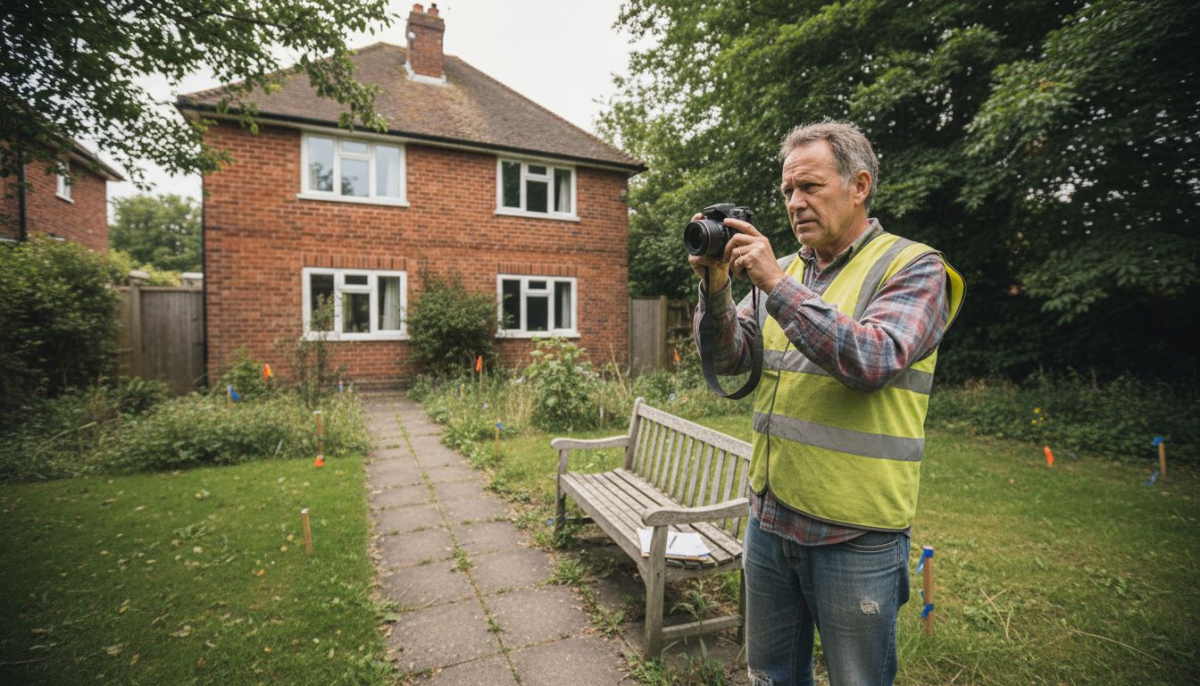
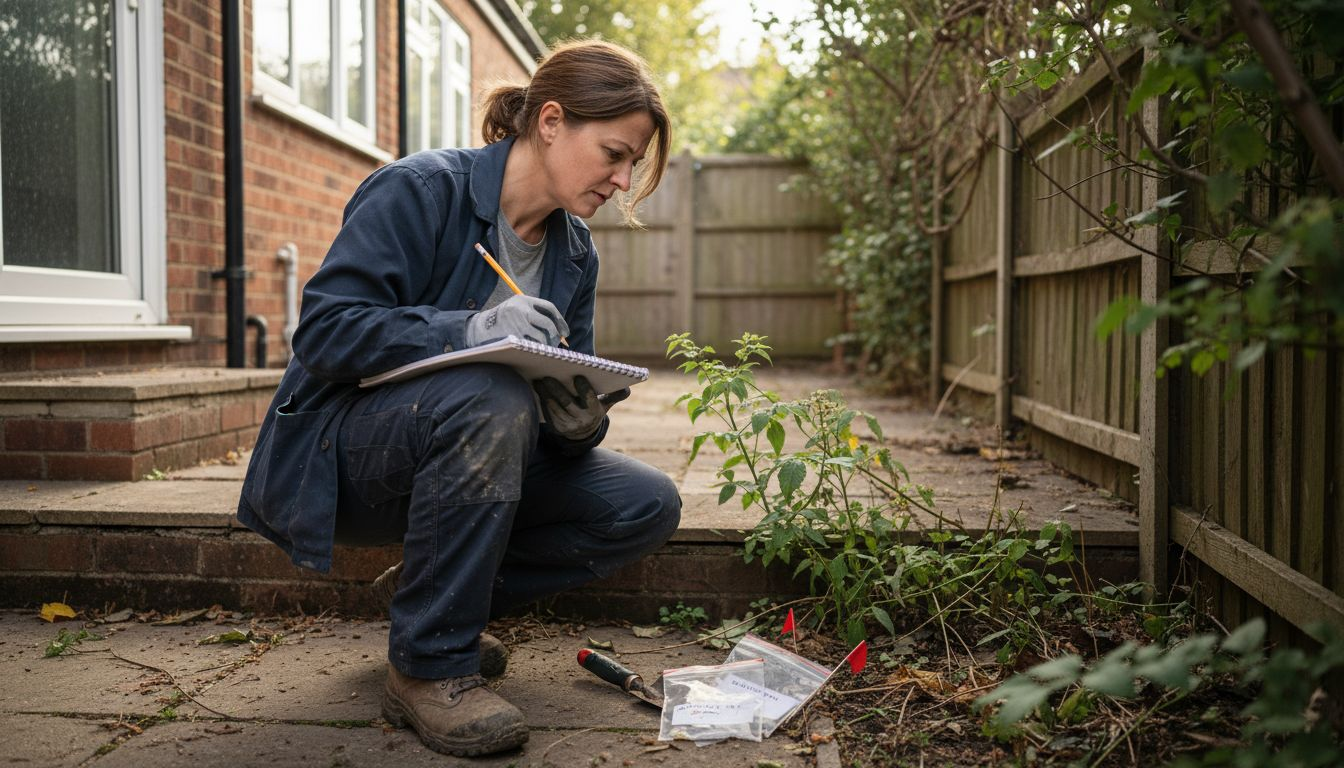
The survey process follows a phased approach. First, surveyors conduct an initial site inspection to identify whether Japanese Knotweed is present. This involves visual examination of the property and surrounding areas, though the plant’s dormancy during winter months can complicate detection.
How RICS Categories Work
RICS survey methodology requires surveyors to categorise infestation based on risk levels rather than using a one-size-fits-all approach. This risk-based framework allows for more nuanced assessment of individual properties.
The categories reflect different levels of threat:
Here is a comparison of Japanese Knotweed survey categories and their impact:
| Survey Category | Typical Property Impact | Lender Response | Urgency of Treatment |
|---|---|---|---|
| Category A | No knotweed detected | Approves lending | No action needed |
| Category B | Limited presence | Requires plan and guarantees | Management recommended |
| Category C | Active infestation | May reduce valuation; strict conditions | Immediate intervention |
| Category D | Severe structural risk | Rejects or heavily restricts lending | Emergency remediation |
- Category A: Minimal risk or no knotweed present
- Category B: Knotweed present but manageable with appropriate treatment
- Category C: Active infestation requiring immediate intervention
- Category D: Severe infestation with structural risk
Risk categories directly influence property valuations and mortgage lending decisions, making accurate categorisation essential for your financial interests.
Evidence Collection and Documentation
Surveyors must gather supporting documentation including site photographs, management plans, and treatment records. This evidence forms the foundation of their assessment and informs the final valuation report.
When Japanese Knotweed is found, the surveyor will document:
- Location and extent of infestation
- Proximity to buildings and property boundaries
- Current growth stage and season
- Previous treatment attempts or failures
- Recommended management actions
From Assessment to Reporting
The surveyor’s final report must present findings clearly and recommend next steps. This report becomes critical when applying for mortgages or selling your property.
Your surveyor should explain what the category means, what action is required, and what insurance-backed guarantees might be necessary. This transparency helps you understand the true condition of the property and plan your response accordingly.
Pro tip: Ask your surveyor specifically about their Japanese Knotweed assessment methodology before they begin; this ensures they follow current RICS standards and understand the distinction between seasonal dormancy and successful eradication.
Legal Duties and Mortgage Implications
Owning property with Japanese Knotweed comes with serious legal responsibilities. The law restricts your ability to manage the plant carelessly, and lenders view it as a material risk to their investment in your property.
Under environmental legislation, you have a legal duty not to allow Japanese Knotweed to spread from your property to neighbouring land. This obligation exists regardless of whether you caused the infestation or inherited it when you purchased the home.
Your Legal Obligations as a Property Owner
Japanese Knotweed is classified as destructive under the Wildlife and Countryside Act 1981. You must take reasonable steps to prevent it from spreading to other properties.
Your legal duties include:
- Taking action to contain and eliminate the infestation
- Preventing rhizome fragments from escaping your property during treatment
- Notifying neighbours if the plant spreads onto their land
- Maintaining treatment records and management plans
- Working with qualified professionals to manage eradication
Failing to control Japanese Knotweed can result in enforcement action from local authorities and potential liability claims from affected neighbours.
How Mortgage Lenders Assess Risk
Mortgage lenders treat Japanese Knotweed as a serious threat to property security. Most lenders require a risk assessment and management plan before approving mortgages on affected properties.
Lenders typically demand:
- Evidence of professional Japanese Knotweed surveys
- A detailed management or eradication plan from a qualified provider
- Insurance-backed guarantees covering the treatment period
- Regular monitoring reports throughout treatment
- Proof that the infestation is contained or eliminated
Why Documentation Matters for Your Mortgage
Conveyancers and lenders use hazard alert services to identify properties with known Japanese Knotweed issues. If your property is flagged, your mortgage application will stall until you provide satisfactory evidence of management.
Without proper documentation showing professional treatment and insurance-backed guarantees, lenders will refuse to approve your application. This creates a catch-22 situation where you cannot sell without proof of treatment, yet cannot fund treatment without a mortgage.
Pro tip: If you discover Japanese Knotweed when purchasing, negotiate the treatment costs into the purchase price and ensure the seller provides a management plan with insurance-backed guarantees before completion.
Chemical-Free Eradication Methods Explained
Chemical herbicides have long been the standard approach to Japanese Knotweed control, but they carry environmental risks and can harm soil ecosystems. Chemical-free alternatives are emerging as viable options for homeowners seeking sustainable solutions that protect both their property and the surrounding environment.
Traditional herbicide treatments rely on systemic chemicals that penetrate the plant’s vascular system. These approaches work but leave chemical residues in soil and can affect non-target plants and organisms. Fortunately, newer methods offer effective alternatives.
Thermo-Electric Treatment Technology
Thermo-electric treatment represents a pioneering chemical-free approach. This method delivers direct energy (up to 5000 volts) to the rhizome network, causing internal cell damage and depleting energy reserves within the plant’s root system.
The benefits of thermo-electric treatment include:
- No chemical residues left in soil
- Targeted destruction of rhizomes without harming surrounding vegetation
- Multiple treatment sessions ensuring complete eradication
- Safe for use near buildings and property boundaries
- Environmentally friendly approach protecting soil biodiversity
Thermo-electric treatment addresses the plant’s energy stores directly, making it nearly impossible for regrowth to occur after successful treatment cycles.
Biological Control and Research Developments
Scientists are investigating biological control methods as long-term chemical-free solutions. The Japanese Knotweed Alliance has researched introducing a native Japanese sap-sucking insect (Aphalara itadori) that specifically targets knotweed without affecting native UK plants.
This approach remains experimental but offers promising potential:
- Targeted predation on Japanese Knotweed only
- Sustainable long-term control without repeated intervention
- No chemical input required
- Self-sustaining biological ecosystem management
Integrated Management Approaches
Integrated control methods combine physical removal with growth suppression techniques. Swansea University research has developed multi-stage treatment models tailored to the plant’s growth cycles, minimising reliance on chemicals.
These integrated approaches typically combine:
The below table summarises main chemical-free eradication methods and their distinguishing characteristics:
| Method | How It Works | Environmental Benefit |
|---|---|---|
| Thermo-electric treatment | Delivers electrical energy to roots | No soil chemical residues |
| Biological control | Releases natural predators | Targets knotweed only |
| Integrated management | Combines physical and energy treatments | Reduces chemical reliance |
- Physical rhizome excavation and removal
- Root barrier installation to prevent spread
- Thermo-electric treatment for remaining plant tissue
- Regular monitoring to suppress any regrowth
Pro tip: Request treatment providers to explain their chemical-free methodology and ask for evidence of successful eradication on similar properties before committing to any treatment plan.
Common Survey Mistakes and Buyer Risks
Many homebuyers discover Japanese Knotweed problems after completing their purchase, when it becomes too late to renegotiate. These discoveries often stem from survey mistakes, incomplete investigations, or misunderstandings about what standard surveys actually cover regarding invasive plants.
The financial and legal consequences of missing Japanese Knotweed can be severe. You may face unexpected treatment costs, mortgage complications, or property devaluation that wasn’t apparent during your initial property inspection.
The Problem with Visual Inspections Alone
A common mistake occurs when surveyors declare properties free of Japanese Knotweed based solely on visual inspection. Even small rhizome fragments can cause complete regrowth, making absence declarations unreliable without extensive investigation and specialist knowledge.
Visual-only surveys miss:
- Dormant rhizomes buried deep in soil
- Fragmented root networks extending beyond visible stems
- Plants disguised by garden vegetation or landscaping
- Early-stage growth that resembles harmless plants
- Underground spread beneath driveways or patios
A property appearing knotweed-free in winter may have extensive living rhizomes just centimetres beneath the surface.
The TA6 Form and Seller Liability Shifting
In property conveyancing, the TA6 form asks whether Japanese Knotweed is present. Sellers facing uncertainty often answer “Not known” rather than “Yes” or “No”, which shifts all risk to you as the buyer.
This creates a critical vulnerability:
- Seller answers “Not known” to avoid liability
- You proceed assuming the property is unaffected
- After purchase, you discover active knotweed
- You have no recourse against the seller
- Treatment costs fall entirely on you
Underestimating Severity and Impact
Surveyors sometimes misclassify Japanese Knotweed severity due to limited access or insufficient survey scope. What appears as a minor infestation may actually be deeply established, requiring costly eradication.
Misclassification leads to:
- Unexpected treatment expenses after purchase
- Reduced property value when you eventually sell
- Mortgage complications if issues emerge later
- Valuation disputes with lenders
- Extended conveyancing delays
Pro tip: Commission a specialist Japanese Knotweed survey before making an offer; this costs far less than discovering problems after purchase and gives you negotiating power to adjust the price or require seller treatment.
Secure Your Property Value with Expert Japanese Knotweed Solutions
The presence of Japanese Knotweed can threaten your mortgage approval and property value due to complex risks like active infestations and incomplete surveys. With evolving RICS survey categories demanding precise evidence and long-term management plans, it is vital to act swiftly and confidently. Avoid costly surprises and legal complications by choosing a specialist that understands these challenges inside out.

At Japanese Knotweed Agency, we lead the way in chemical-free, thermo-electric treatment methods that target the rhizome network directly—delivering up to 5000 volts of energy for effective eradication without soil contamination. We also provide comprehensive invasive weed property surveys across England, Wales and Ireland to help you understand your property’s risk category early. Protect your investment with our proven treatments, root barrier installations, and excavation works—all backed by professional guarantees.
Don’t wait until your mortgage application stalls or property value drops. Book your specialist survey and treatment plan today at Japanese Knotweed Agency and secure your home’s future with confidence.
Frequently Asked Questions
What is Japanese Knotweed and why is it problematic for property owners?
Japanese Knotweed is an invasive plant known for its rapid growth and extensive root system. Its presence can significantly decrease property value, complicate mortgage approvals, and create legal liabilities for property owners if left untreated.
How do mortgage lenders assess properties for Japanese Knotweed?
Mortgage lenders typically require a comprehensive Japanese Knotweed survey to confirm the presence or absence of the plant. If knotweed is found, lenders often ask for a detailed management plan and evidence of professional treatment, including insurance-backed guarantees.
What are the risks of not conducting a proper weed survey before purchasing a property?
Failing to conduct a thorough weed survey can result in unexpected treatment costs, reduced property value, and complications with mortgage approvals. If Japanese Knotweed is present and not disclosed, the new owner may face significant financial and legal challenges after the purchase.
How can I identify Japanese Knotweed during seasonal variations?
Identifying Japanese Knotweed can be challenging, particularly in the winter when the plant is dormant. Key indicators include its distinctive stem structure and specific leaf shapes. A professional surveyor with specialist training is usually needed to accurately identify the plant, especially when it is disguised by other vegetation.